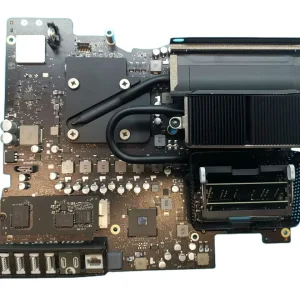
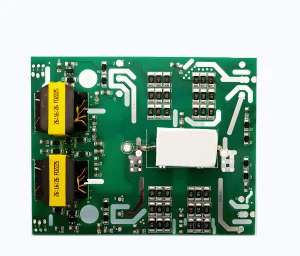
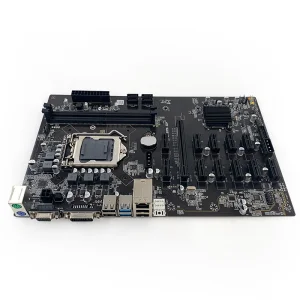
Industrial, commercial, and enterprise computing motherboards designed for reliability and performance.
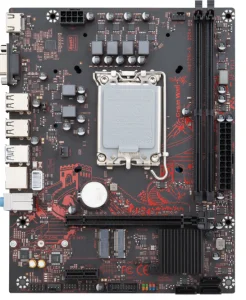
Modern global enterprises face complex operational standards when sourcing Printed Circuit Board Assemblies (PCBAs) and memory solutions. Today's procurement strategies go beyond simple per-unit cost evaluation; they require partners who understand the total cost of ownership (TCO), supply chain resilience, and technological agility.
High-reliability sectors—including aerospace, industrial computing, server hardware, and automotive control—rely heavily on complex microelectronics. When sourcing PCBAs, enterprise buyers prioritize companies capable of delivering high-yield, multi-layer board assembly and comprehensive testing profiles. A reliable manufacturing process must address key industry pain points, including:
Enterprise buyers require trace-level visibility for critical components like microcontrollers, capacitors, and DRAM chips. By verifying provenance, we protect products against counterfeit components and ensure stable long-term performance.
Design for Manufacturability (DFM) and Design for Testing (DFT) integration optimizes routing, controls thermal dissipation, and shortens manufacturing cycle times while reducing yield loss during SMT assembly.
With silicon cycles moving quickly, enterprise-grade PCBA partners must provide proactive component lifecycle warning systems, offering form-fit-function equivalents to prevent manufacturing downtime.
Kryntel Memory Technology (China) Co., Ltd. stands as a key partner for global OEMs, ODMs, and private label brands looking for reliable, high-performance computing hardware and memory modules.
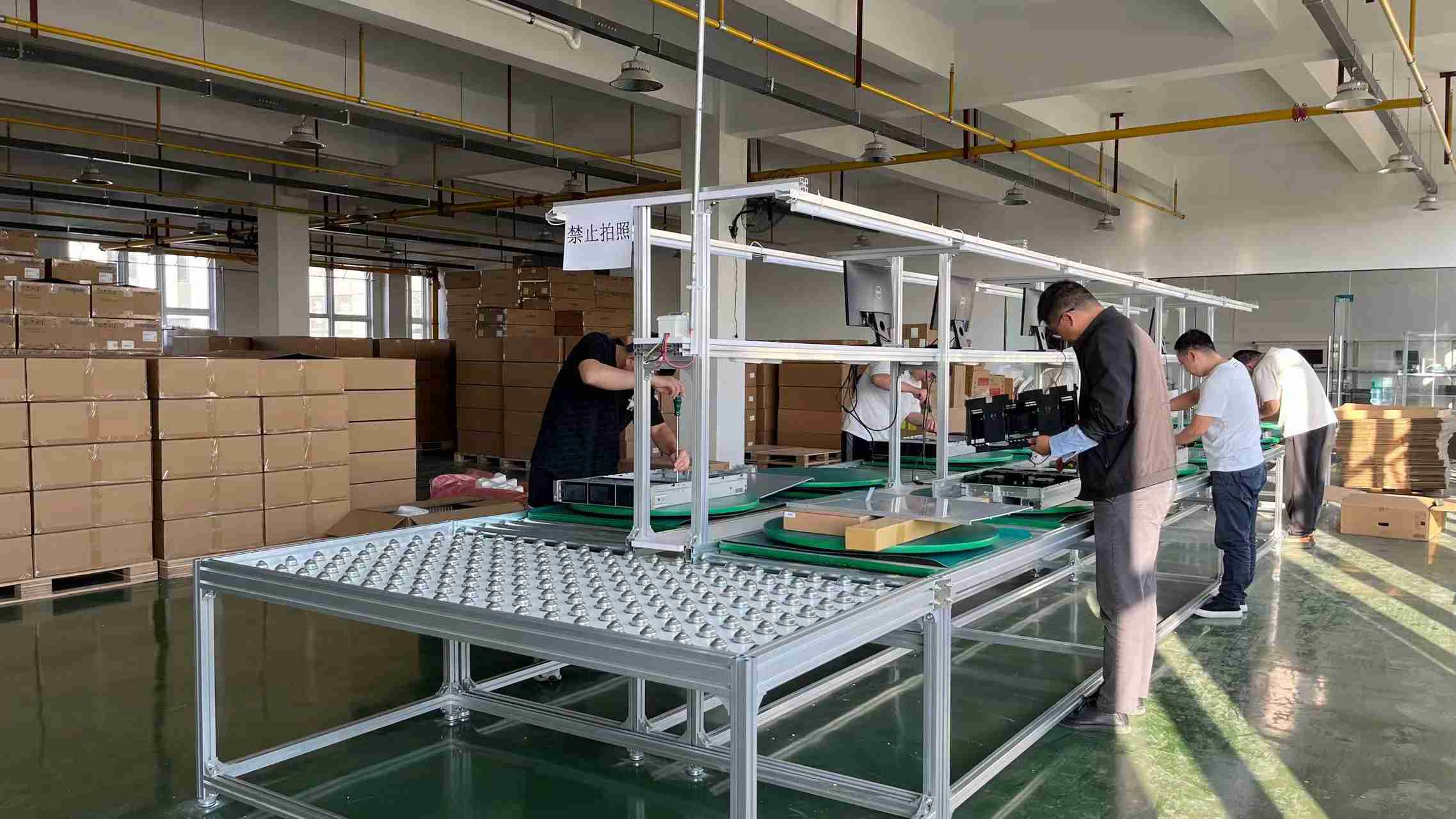
Established in 2016, Kryntel has evolved from a specialized DRAM assembler into a comprehensive design and manufacturing partner. Operating a highly specialized facility of approximately 320m², our focus centers on high-precision SMT placement, thermal design optimization, and DDR4/DDR5 high-frequency tuning.
With 9 years of industry experience and 6 years of international trade history, Kryntel supports developers, system integrators, and distributors across the United States, Germany, India, Brazil, and the UAE. In the past year alone, our R&D team successfully brought over 280 new memory and platform products to market, demonstrating our engineering agility and market alignment.
Electronic designs require hardware tailored to their specific operational environments. Kryntel integrates material science, signal optimization, and layout engineering to support distinct applications across three core sectors:
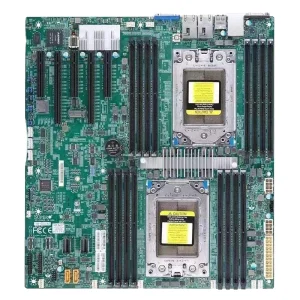
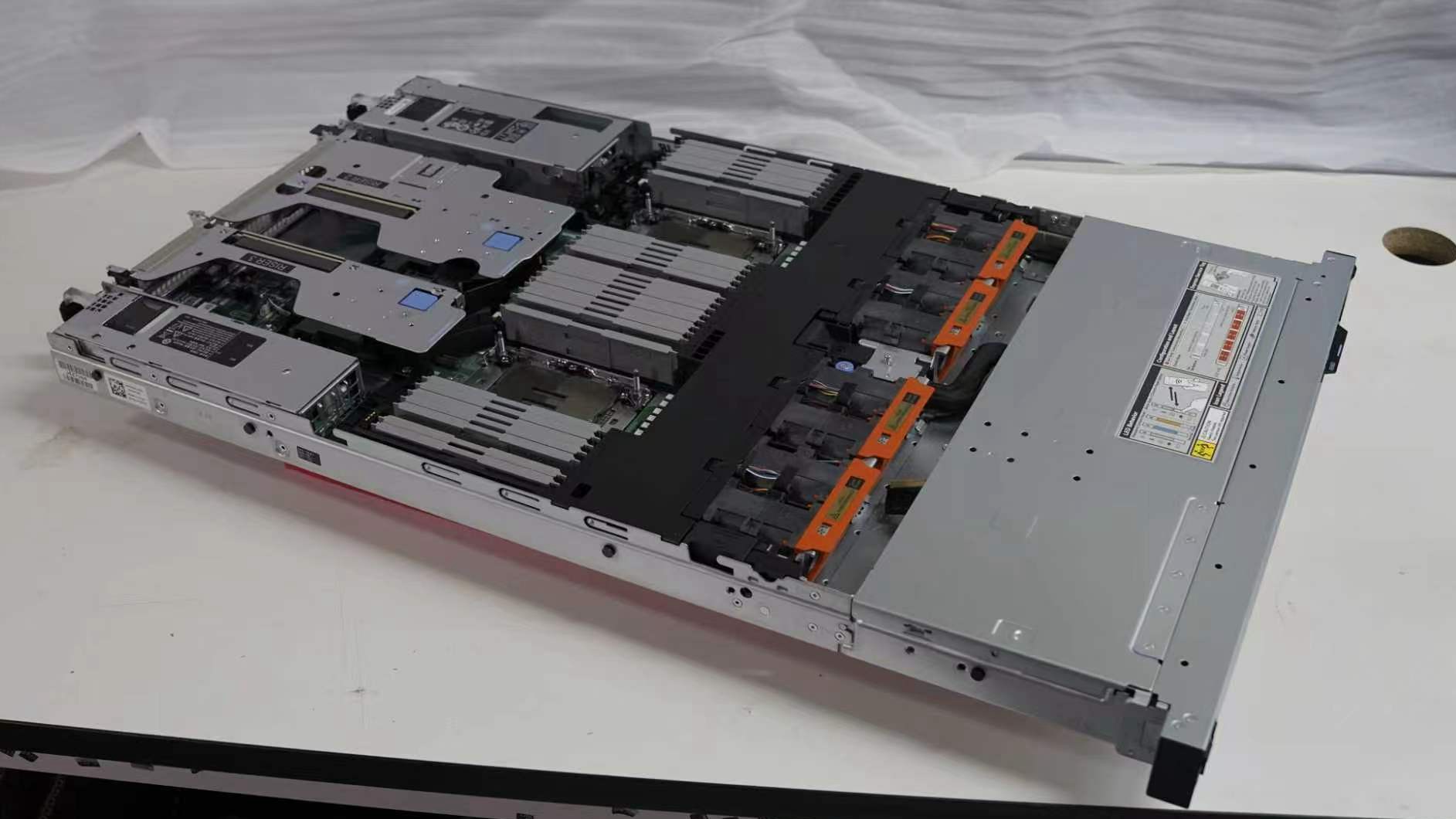
Data center environments run high workloads that generate significant thermal stress and require high signal integrity. High-density server platforms like the H11DSI-NT dual-channel motherboard require advanced impedance-matched PCB design to handle fast data transfers without signal decay.
By using multi-layer copper-aluminum composite substrates, we manage high heat loads in tight server spaces. Coupled with high-speed DDR5 memory modules and optimized power delivery, this design minimizes data latency and supports high-throughput cloud infrastructure and virtualization workloads.
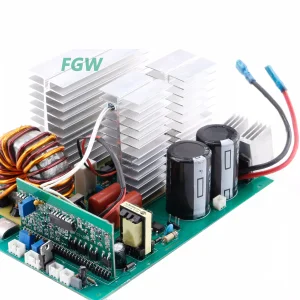
Industrial environments present harsh challenges like electromagnetic interference (EMI), high vibration, thermal swings, and moisture. Driver boards and power converters—such as those used in industrial ZX7 welding machines—must operate reliably under these conditions.
Kryntel's industrial PCBAs use high-grade FR-4 or ceramic materials, thick copper layers for high current loads, and protective conformal coatings. These details shield sensitive components from dust and electrical noise, ensuring reliable operation over long service lives.
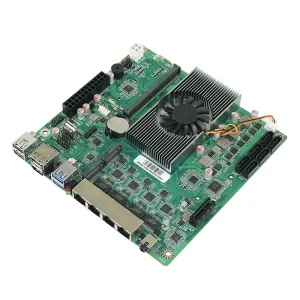
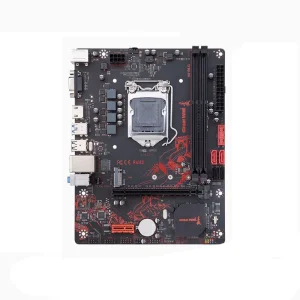
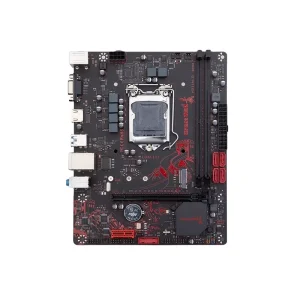
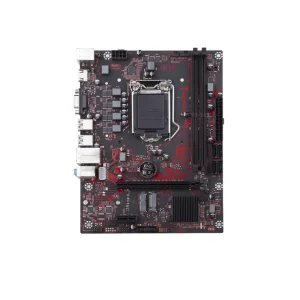
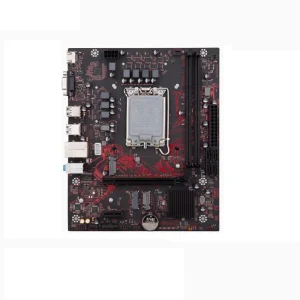
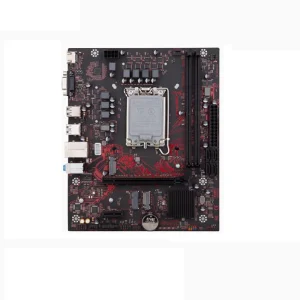
Modern office hardware and small form-factor servers require compact layouts that don't sacrifice computing power. Systems built on H610, H81M, or space-saving Mini-ITX N100 motherboards must maintain signal integrity across tightly packed traces.
We optimize motherboard layouts to place DDR4/DDR5 memory traces close to the CPU socket, reducing signal loop areas. This approach improves data transfer speeds and maintains system stability in compact, energy-efficient designs.
As microelectronics advance, computing speeds, thermal demands, and component densities continue to rise. Kryntel's R&D team tracks these developments, tailoring our manufacturing services to align with next-generation standards:
Using laser-drilled microvias, staggered structures, and buried vias allows us to route signal lines through complex, multi-layer designs, fitting high computing capacity into compact physical layouts.
Moving from DDR4 to DDR5 brings speeds above 4800MT/s. To support these frequencies, we use strict impedance matching, equal length routing, and shield traces to reduce crosstalk and electromagnetic emission.
For high-power or industrial boards, we integrate copper-aluminum composite substrates and thick-film technology. These materials transfer heat away from key components, extending system lifespan.
Regulatory compliance is a critical requirement in global electronics sourcing. Kryntel ensures all manufacturing processes align with green standards like RoHS (Restriction of Hazardous Substances) and REACH. Through lead-free reflow soldering and halogen-free board materials, we deliver environmentally compliant products ready for immediate distribution in Europe and North America.
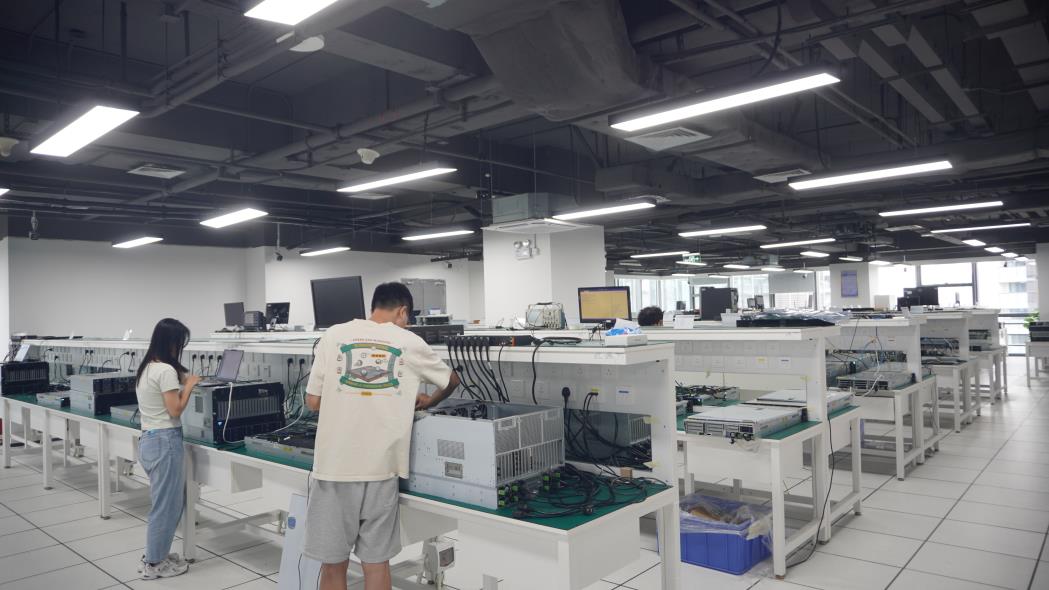
At Kryntel, product quality is maintained through clear, systematic procedures. Our QA division, managed by 42 dedicated quality assurance professionals, enforces rigorous verification steps from incoming materials to final product dispatch.
Every PCBA and memory module undergoes comprehensive testing to verify performance limits and compatibility:
We source our silicon components from leading manufacturers. Backed by a partner network of over 1,200 suppliers, we maintain steady material access and consistent component standards, even during global supply chain fluctuations.
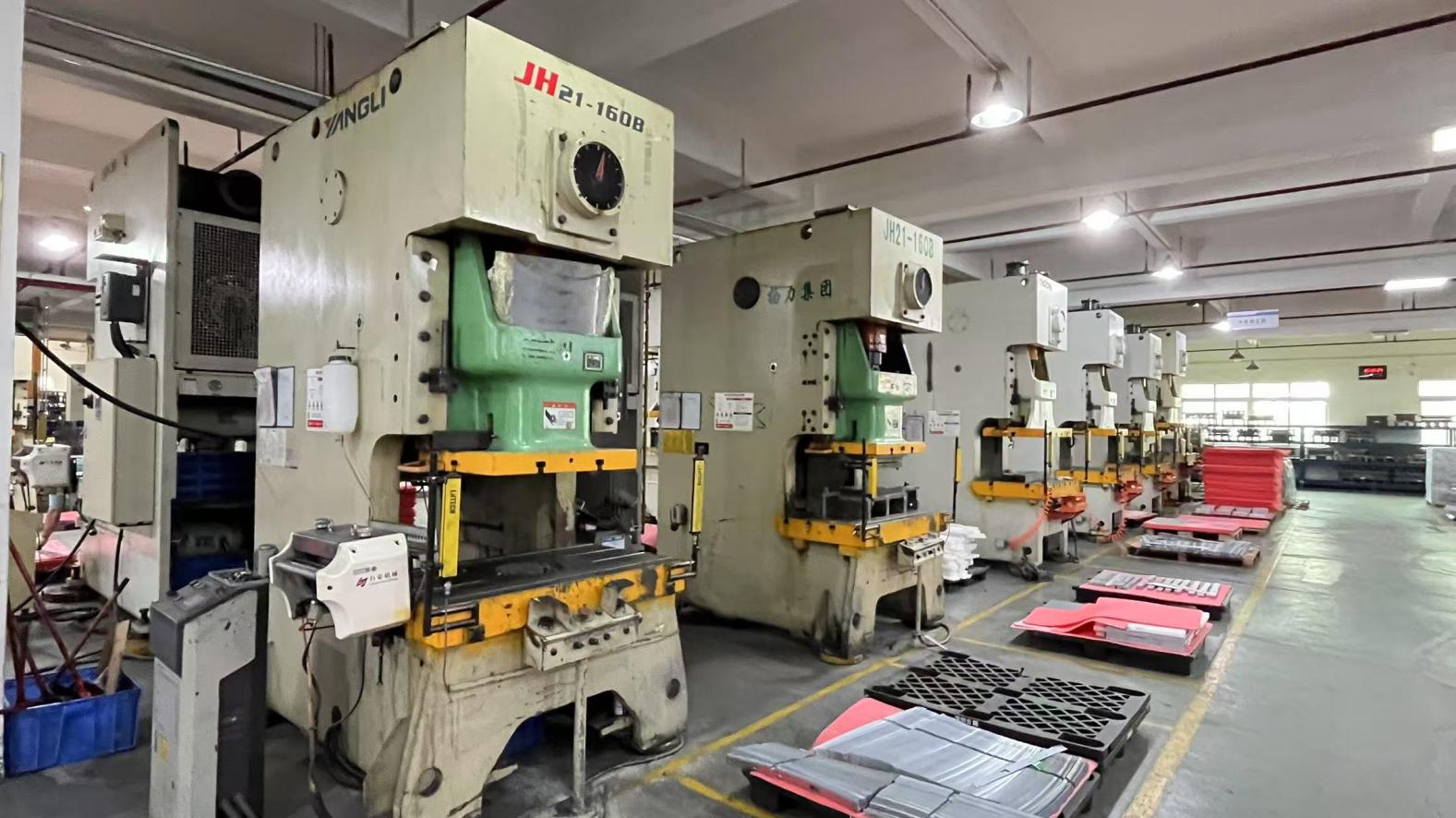
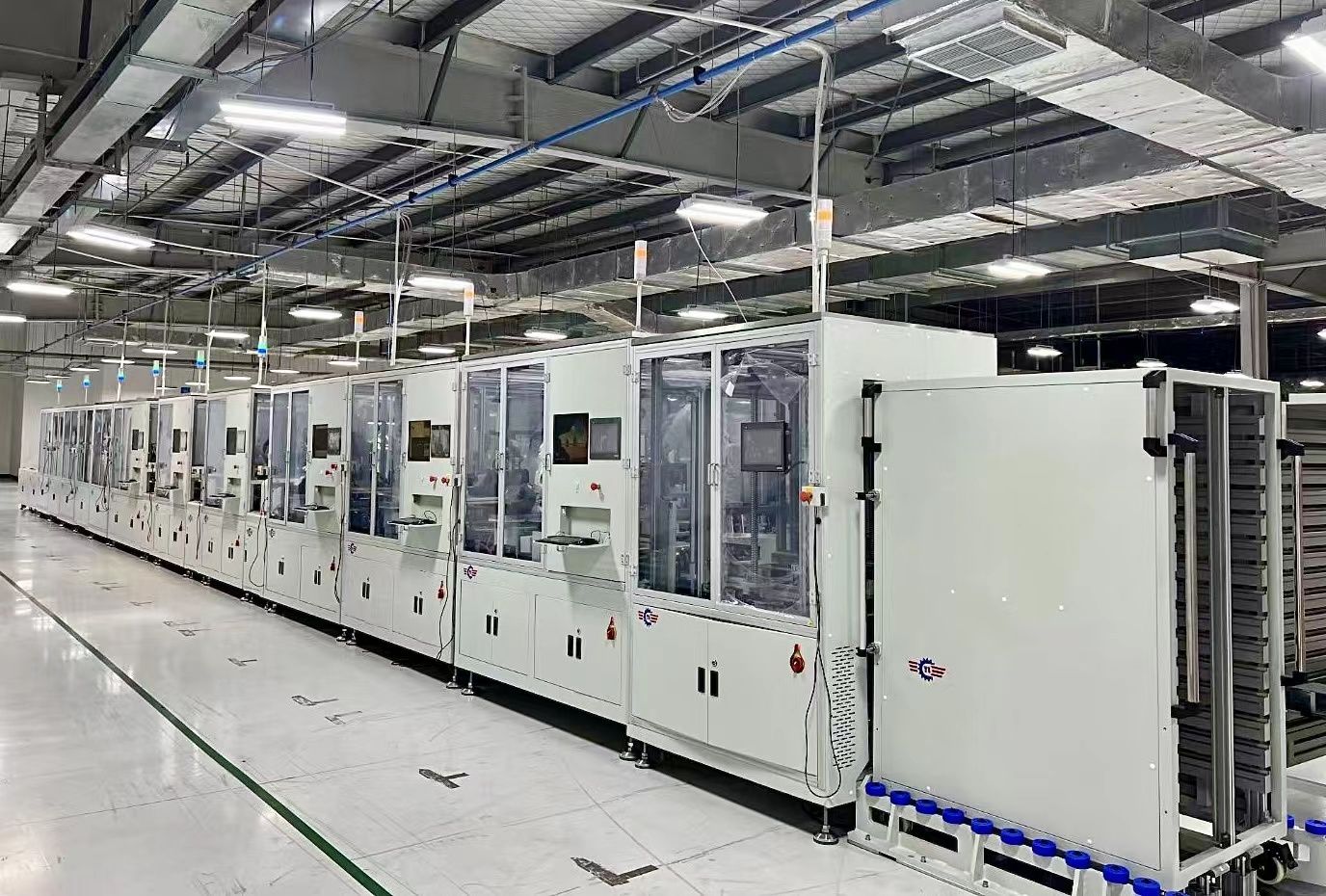
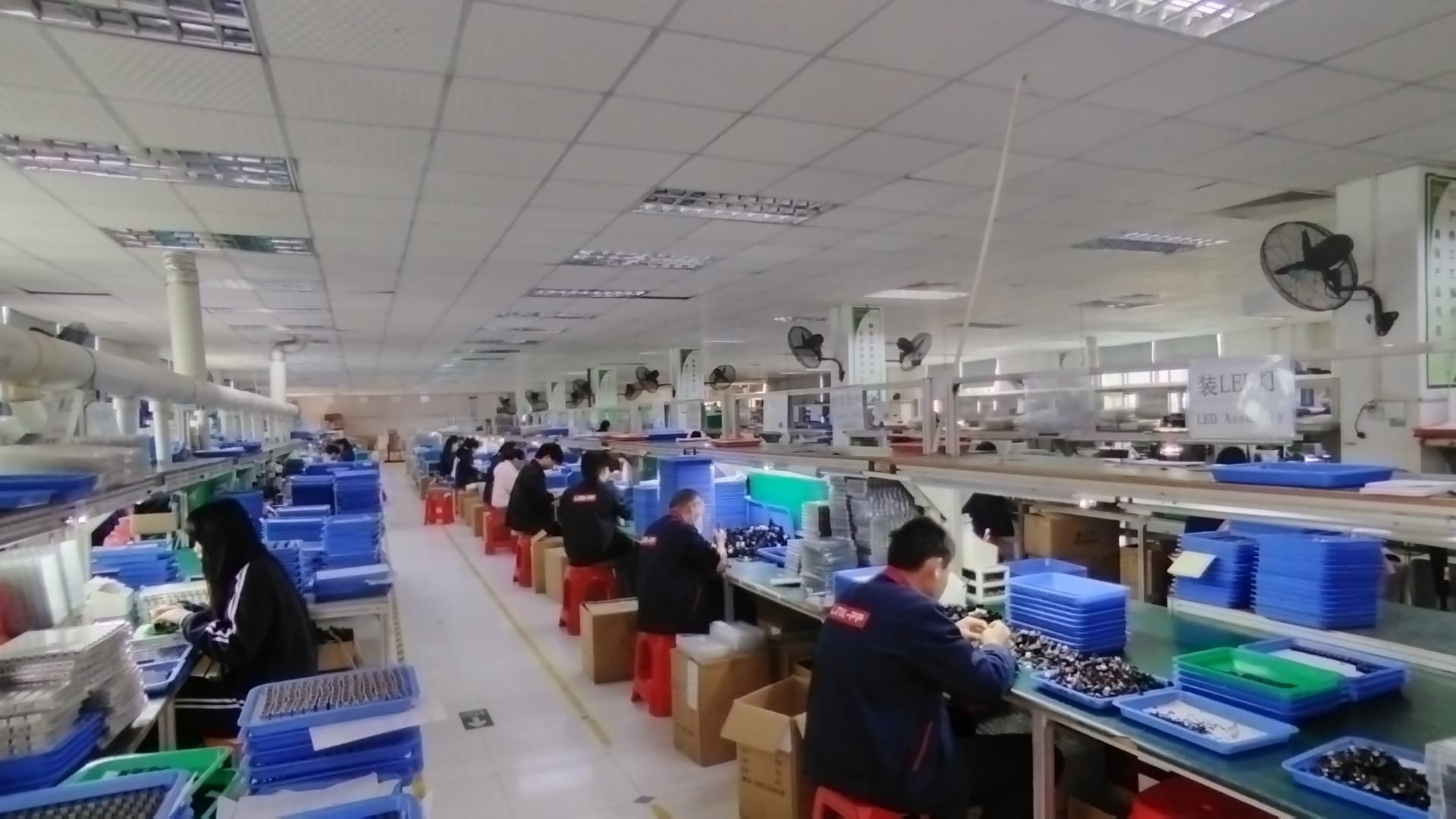
Key information regarding Kryntel's manufacturing standards, design protocols, and international trade operations.
We select materials based on target application requirements. For high-power circuits (such as ZX7 driver boards), we use high-Tg FR-4, ceramic cores, and advanced copper-aluminum composite substrates to ensure efficient heat transfer and long-term reliability under thermal stress.
We use strict equal-length routing, guard traces, and ground plane separation to control impedance. Advanced simulation tools model trace performance before production, minimizing signal loss and crosstalk at high operating frequencies.
Yes. We provide complete layout adaptation, heat spreader design, firmware adjustment, and multi-layer structural routing to fit client specifications, supported by our experienced R&D engineering team.
Every board undergoes automated optical inspection (AOI), in-circuit testing (ICT), and functional testing. We also perform high-temperature burn-in tests to identify and eliminate early-stage component defects before delivery.
Yes. All our products comply with RoHS and REACH regulations. We use lead-free processes and verified environmentally friendly raw materials to meet global market entrance standards.
Our supply chain includes over 1,200 upstream component suppliers. This broad network allows us to source high-quality chips from multiple qualified channels, minimizing production delays and keeping prices competitive.
Explore our full range of high-performance components, driver layouts, and platform-compatible boards.
 Kryntel