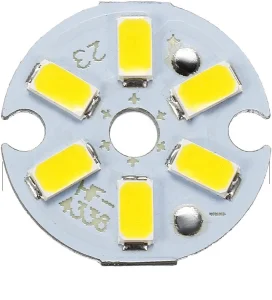
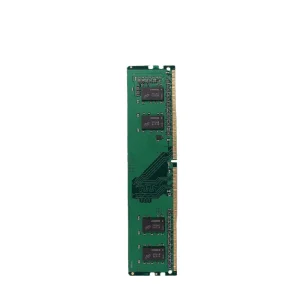
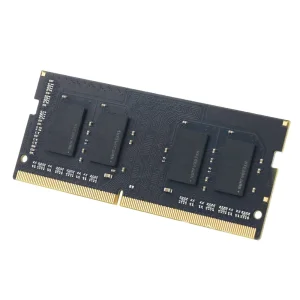
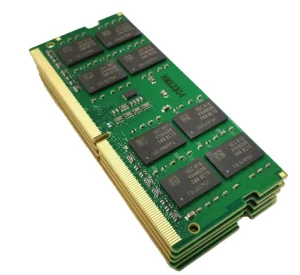
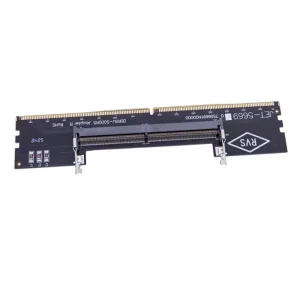
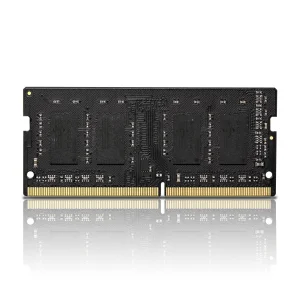
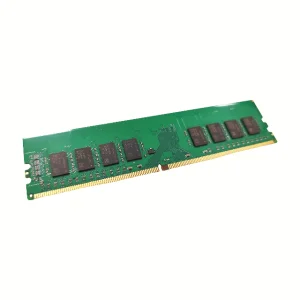
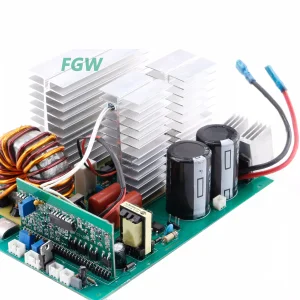
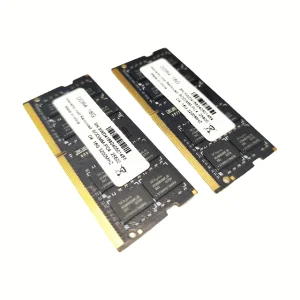
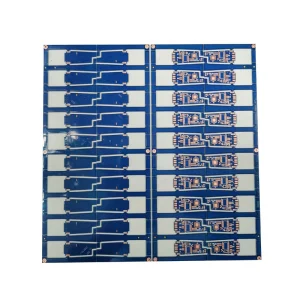
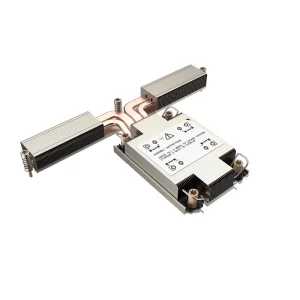
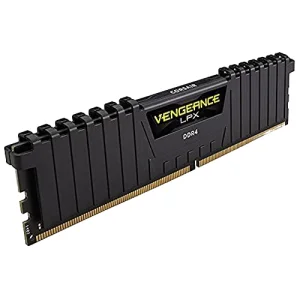
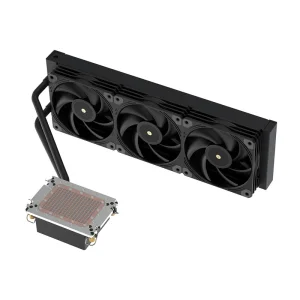
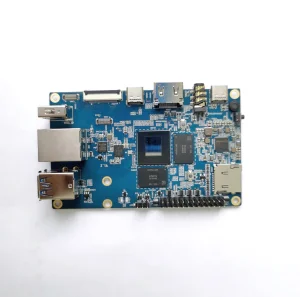
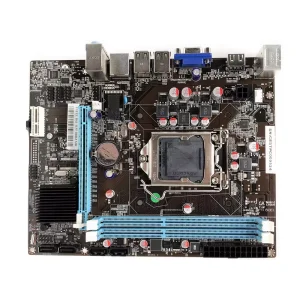
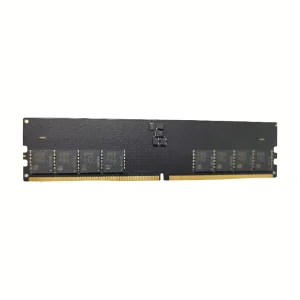
Explore our state-of-the-art memory modules, LED core configurations, and specialized processing motherboards engineered for rigorous deployment requirements.
Technical analysis of thermal dissipation pathways, material sciences, and operational metrics in next-generation solid-state lighting assemblies.
Modern high-output solid-state lighting (SSL) architectures command extraordinary optical power density, which simultaneously triggers intense localized thermal dissipation demands. At the heart of these assemblies, Metal Core Printed Circuit Boards (MCPCBs) serve as the essential pathway for transferring thermal energy away from delicate semiconductor junctions. Without systematic thermal management, high junction temperatures accelerate chip degradation, cause massive chromaticity shifts, and degrade output efficiency. This document delves into the material design and physical dynamics of modern thermal substrates.
Light-emitting diodes convert roughly 30% to 40% of input electrical energy into visible photons; the remaining 60% to 70% is released directly as heat. Because LEDs do not project heat outward via infrared radiation (unlike traditional incandescent or halogen systems), this thermal energy must be conducted away through the back of the chip down into the circuit board structure. The critical thermal interface material (TIM) and dielectric layers dictate the rate at which heat moves through this junction.
To keep the LED junction temperature ($T_j$) well below its rated limits (typically 125°C to 150°C), engineers rely on high-thermal-conductivity metal substrates. These configurations combine thin dielectric polymer insulation with structurally rigid aluminum or copper base layers, balancing electrical isolation with low thermal resistance.
The rate of heat transfer through the substrate is directly proportional to its material composition. Below is the typical thermal performance threshold spectrum:
Bridging the gap between high-speed semiconductor fabrication and high-reliability PCB manufacturing systems.
Founded in 2016, Kryntel Memory Technology (China) Co., Ltd. is a professional DDR5 memory manufacturer specializing in high-performance RAM modules for global OEM, ODM, and private label partners. With a modern production facility covering approximately 320㎡, we focus on delivering stable, high-speed, and energy-efficient memory solutions for gaming, industrial, and server applications. Our deep expertise in managing high-frequency trace signals, layout integrity, and localized thermal loads on complex PCBs allows us to construct high-precision custom LED boards and system-in-package (SiP) solutions for global enterprises.
Over the years, Kryntel has built strong export capabilities with annual export revenue ranging from USD 8 million to USD 18 million. The company has accumulated 6 years of export experience and 9 years of overall industry experience in memory and semiconductor-related manufacturing. Our main customer base includes computer hardware brands, system integrators, distributors, and e-commerce sellers worldwide.
Our quality control system is built on strict multi-stage inspection standards, including incoming material inspection, in-process quality control, aging tests, and final product sampling inspection. Product testing methods include high-temperature aging tests, compatibility testing with major motherboard platforms, bandwidth stress testing, and voltage stability testing. We maintain a dedicated QA team of 42 professionals to ensure consistent product reliability.
Our R&D department is highly capable, supporting advanced customization, including PCB design optimization, frequency tuning, heat dissipation solutions, and branding customization. We offer full OEM/ODM services with flexible customization options such as frequency, latency, heat spreader design, packaging, and firmware tuning. In the past year, we successfully launched over 280 new memory products across DDR4 and DDR5 series. Our R&D team consists of approximately 160 engineers specializing in memory architecture, signal integrity, and product reliability optimization.
Anticipating engineering milestones, substrate breakthroughs, and miniaturization trends in high-output LED circuitry.
Transitioning from traditional surface-mount component packages to chip-on-board (COB) and ultra-fine-pitch layouts. As pitch spacing drops below 0.5mm, substrate flatness and micro-via alignment demand precision tooling and multi-layer laser drilling techniques.
Developing ultra-thin flexible copper-clad laminates (FCCL) backed with thin metal foil layers. This allows spatial shaping for curved automotive headlights and creative architectural accent systems while sustaining consistent directional cooling paths.
Pioneering lead-free assembly techniques utilizing high-glass transition (Tg > 170°C) substrates. Halogen-free, eco-friendly polymeric dielectric formulations guarantee thermal integrity without emitting toxic outgassing products during continuous runs.
As operating frequencies rise and drivers are integrated directly onto the same substrate (Driver-on-Board or DOB technology), the threat of electromagnetic interference (EMI) escalates. Kryntel's historical experience with high-speed DDR4/DDR5 layout design provides us with a significant competitive advantage. We leverage our semiconductor-level signal integrity software models to minimize trace inductance, isolate switching regulators, and ensure compliance with major international electromagnetic radiation standards (CISPR 15 / FCC Part 15).
How regional compliance, weather environments, and commercial demands shape the deployment of LED PCBs globally.
In the United States and Canada, strict DOT (Department of Transportation) guidelines push the transition toward smart street illumination and adaptive vehicle matrix headlights. High-conductivity LED PCBs must endure freezing winter temperatures down to -40°C while maintaining operational heat dissipation in sealed protective light assemblies during summer seasons.
European Union directives place huge value on system energy efficiency (ErP regulations). High-end horticultural facilities in Netherlands and Germany implement massive agricultural LED grow arrays. These arrays require optimized spectrum light boards designed on metal-core substrates that prevent heat emission down toward crop canopies while running continuously for up to 18 hours daily.
In regions such as the UAE and Saudi Arabia, outdoor digital screens and transport signage systems are exposed to direct sunlight, high UV levels, and sandstorms. High-performance aluminum substrates are critical here to manage high internal heat loads and prevent thermal runaway without relying on active air conditioning units that draw too much power.
Dense smart-city street-lighting programs in Singapore and Malaysia utilize IoT-connected LED modules. Driver-on-board (DOB) PCB systems are highly requested here due to space limitations inside modern streetpoles. Integrating sensor modules and step-down controllers onto a single thermal substrate requires high precision during SMT component placement.
Why sourcing from Kryntel's advanced Chinese production base ensures unbeatable timelines, reliable quality, and dynamic material procurement.
The southern manufacturing clusters of China (especially the Pearl River Delta) offer an unmatched industrial network for electronics manufacturing. For global buyers, this translates to crucial timeline benefits and cost efficiencies. Our facility cooperates with a global supply chain network of approximately 1,200 upstream and downstream partners. This vast sourcing structure allows us to secure raw materials—ranging from high-refractory solder masks and specialized dielectric films to major controller IC chips—with zero delays.
Furthermore, China's logistical infrastructure guarantees smooth international transport paths. With strategic proximity to primary shipping ports in Shenzhen, Guangzhou, and Hong Kong, we ship directly to key markets across North America, Europe, the Middle East, and Asia. Kryntel maintains an active international trade profile, backed by export teams familiar with market clearance regulations in the United States, Germany, India, Brazil, the UAE, and beyond.
By blending high-end memory-board fabrication accuracy (where trace tolerances are measured in microns) with high-output LED assembly processes, we ensure your LED PCBs run cooler, last longer, and maintain consistent light output throughout their operating lifecycle.
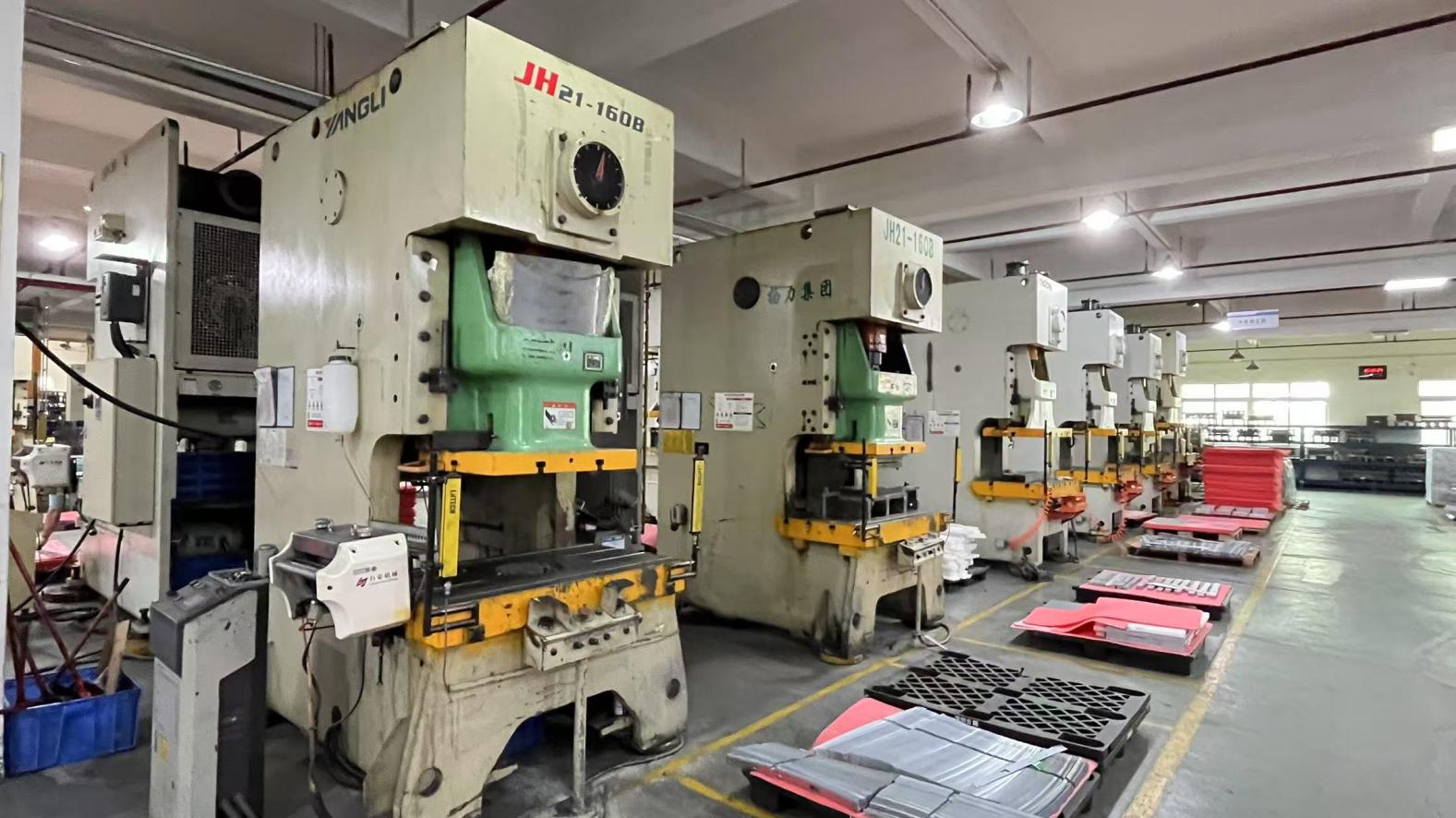
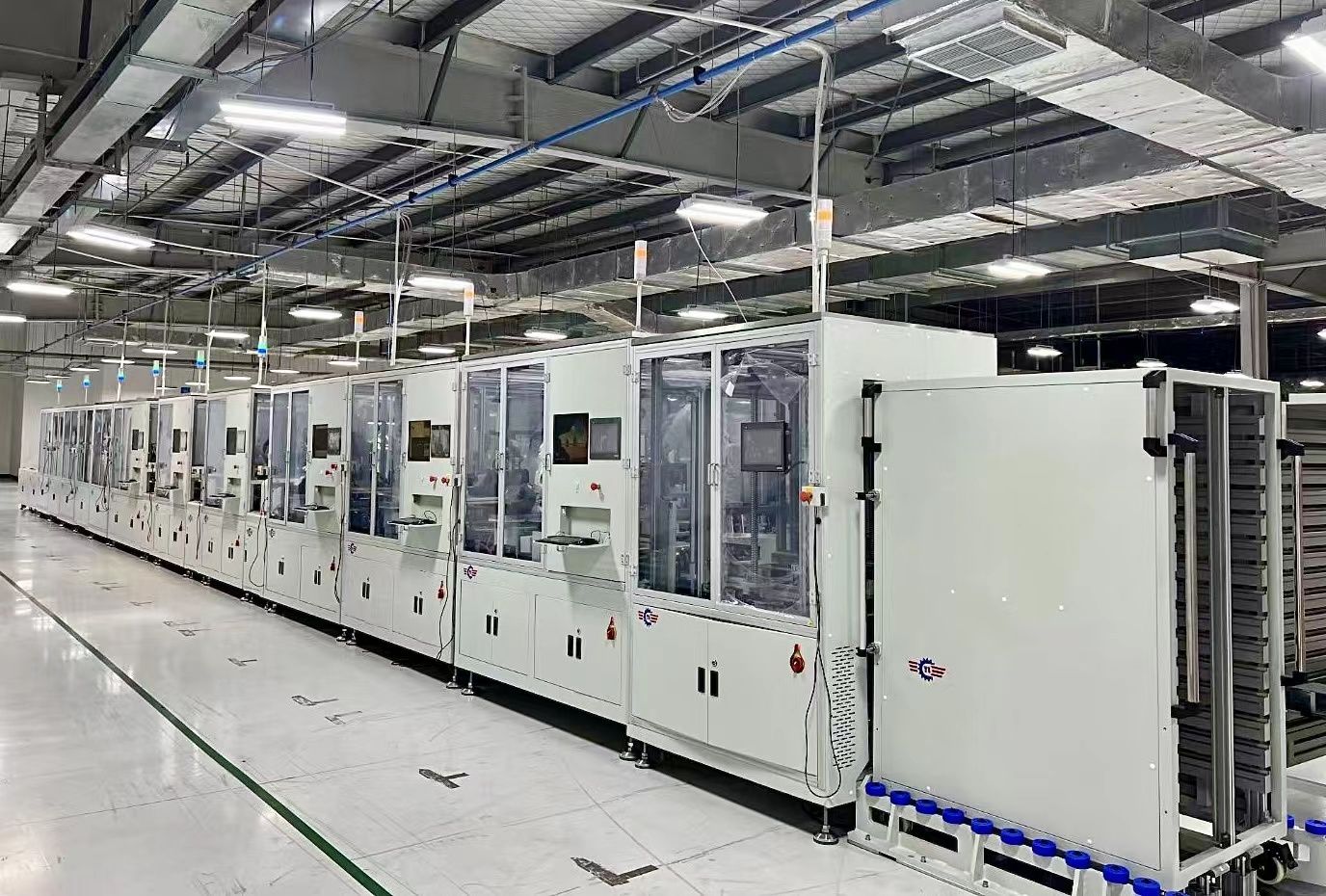
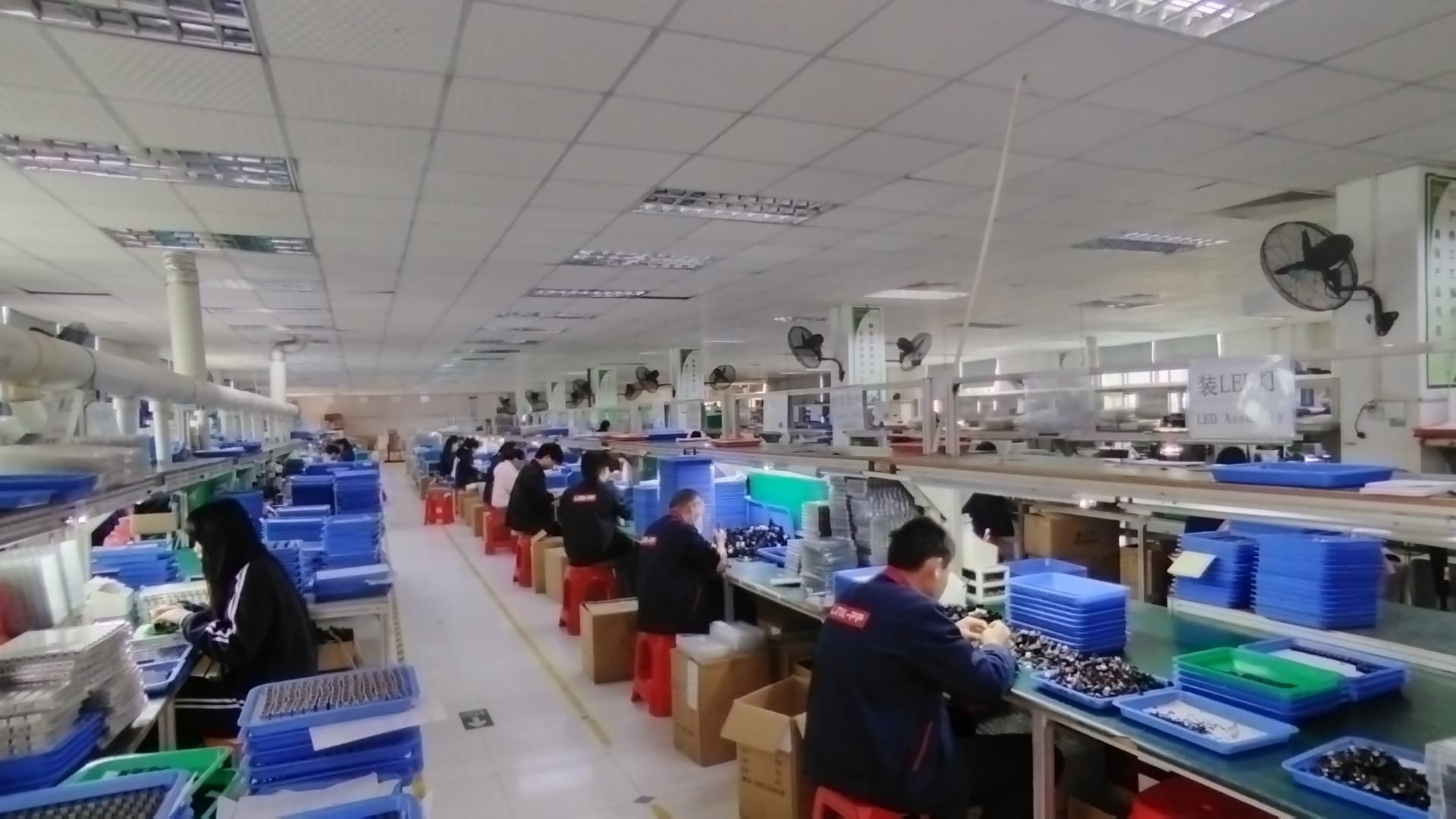
Visual evidence of our rigorous automated assembly environments, high-precision surface mounting, and testing departments.
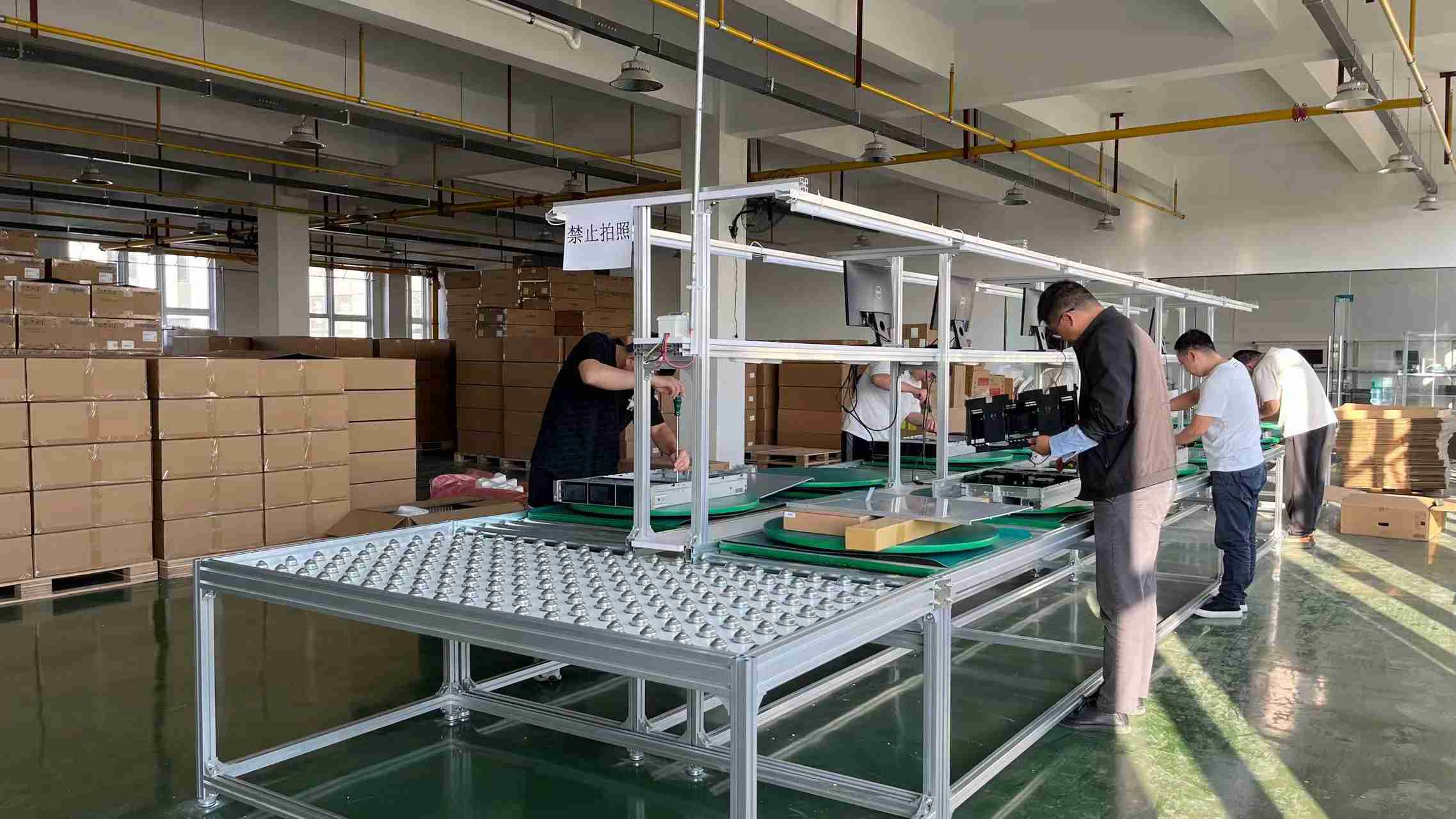
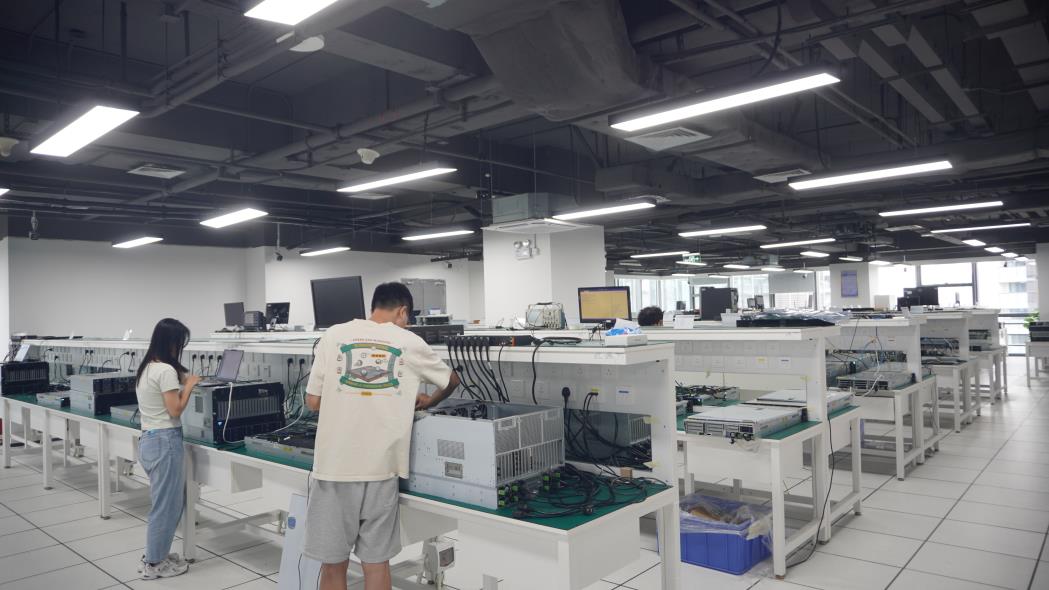
Direct technical answers to common queries regarding material selection, layout rules, thermal conductivity, and manufacturing lead times.
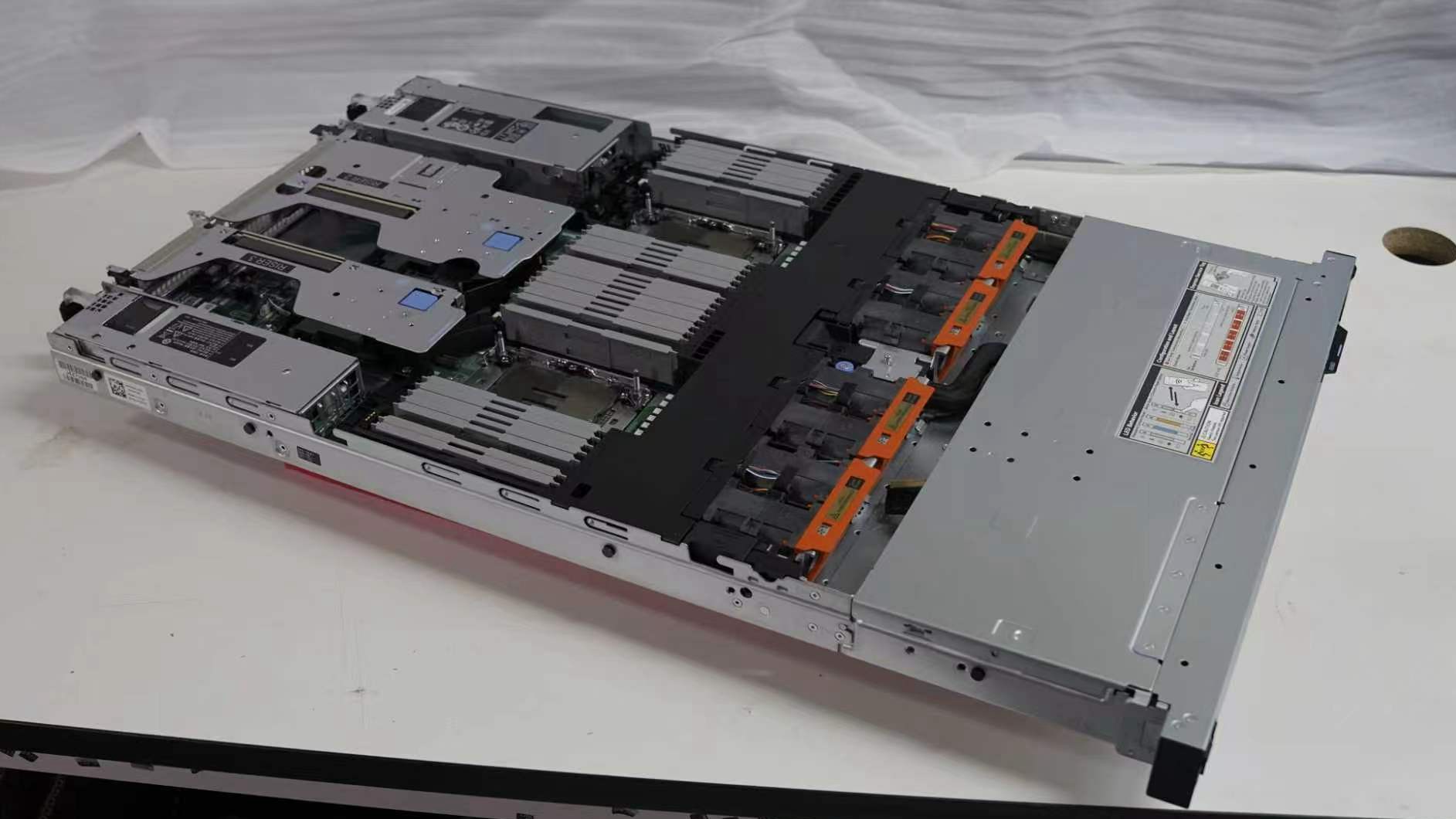
Browse our broader production output, including server cooling systems, high-speed RAM adapters, and reliable storage components.
 Kryntel