Explore our catalog of high-frequency audio decoders, cooling solutions, enterprise motherboards, and memory modules engineered for critical industrial applications.
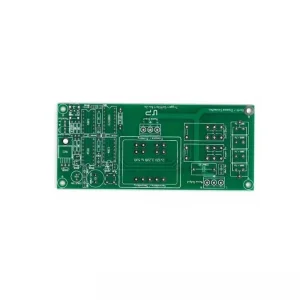
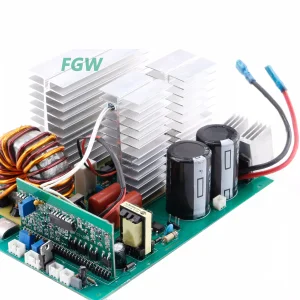
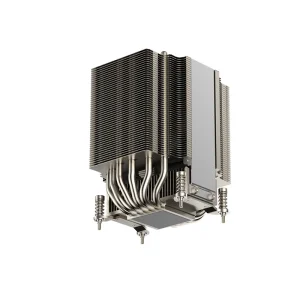
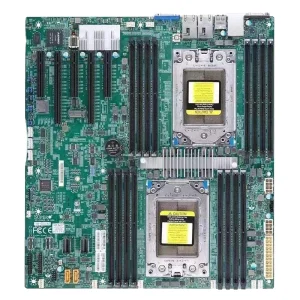
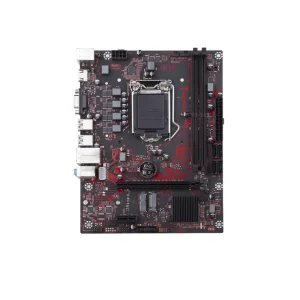
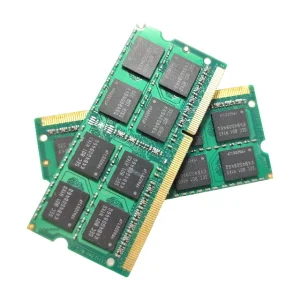
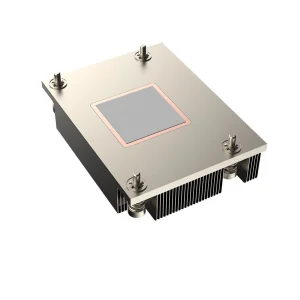
The modern digital landscape dictates an unprecedented merging of High-Frequency (HF) layout constraints and Ultra-Low Noise Floor metrics within PCB design. Today's global enterprise procurement strategies demand manufacturers to not only supply raw substrates but deliver complete, system-level solutions. The engineering paradigm for Video Processing Unit (VPU) motherboards and precision Audio Decoders relies on complex signal-integrity principles, high thermal dissipations, and micro-impedance balancing.
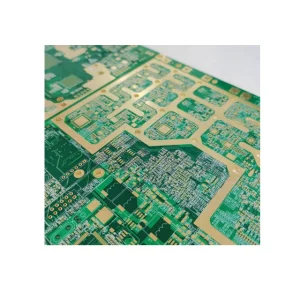
Precision control of differential impedance (e.g., 90Ω for USB, 100Ω for HDMI) is achieved by utilizing Rogers 4000 series or Shengyi High-TG substrates, preventing digital signal degradation over high-frequency paths.
Integrating thermal vias and heavy copper backing, paired with dedicated copper-aluminum composite server heatsinks, prevents junction thermal overload on processing cores.
Isolating low-level analog audio traces from high-frequency switching circuits through physical ground shielding blocks is paramount in high-gain audio decoder architectures.
As remote conferencing, AI-driven AV post-processing, and high-definition outdoor displays experience rapid global expansions, the supply chains for PCB assemblies are shifting. System integrators in North America and Western Europe require rigid-flex PCBs, advanced SMT placement tolerances, and zero-defect components. Key manufacturing centers in Southeast Asia and South America require localized compliance, emphasizing a secure supply of DDR4/DDR5 buffering components, high-efficiency regulators, and stable motherboards.
High-end AV interfaces (like HDMI 2.1 and DisplayPort 2.0) operate at speeds exceeding 10 Gbps per lane. Under these operational configurations, standard FR4 materials present excessive signal attenuation. Design teams are turning to mixed-dielectric stackups—bonding high-speed Rogers substrates to standard structural FR4 layers—to balance cost and high-speed electrical performance. Below is a structured look at the materials and mechanical requirements critical to this technological roadmap:
| Material Class | Dielectric Constant (Dk) | Loss Tangent (Df) | Optimal Application Space |
|---|---|---|---|
| Standard FR-4 (1.6mm) | 4.2 - 4.8 | 0.015 - 0.020 | Standard Audio Processing, Low-speed I/O Control Boards |
| High-TG FR-4 (Shengyi TG170) | 4.0 - 4.4 | 0.010 - 0.012 | Complex Industrial Control Motherboards, Multilayer Server PCBs |
| Rogers 4000 Series (Mixed Pressure) | 3.38 - 3.55 | 0.0021 - 0.0027 | HDMI 2.1, SDI Video Matrix Switchers, High-Freq Digital Audio |
| Copper Aluminum Composites | N/A (Thermal Core) | N/A | Heavy Heat Sinks, CPU Passive Cooling Blocks, High-Power Amplifiers |
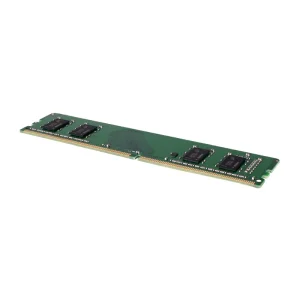
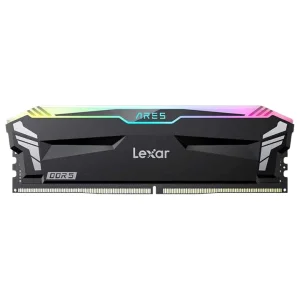
To support next-generation real-time 8K encoding, high-speed RAM is integrated directly onto the DSP motherboards. The deployment of DDR4 and DDR5 memory modules (featuring clock frequencies reaching 3200MHz to 4800MHz and beyond) requires precise routing configurations. The integration of high-bandwidth memory prevents bottlenecks in video frames caching and digital audio data packet buffering.
Founded in 2016, Kryntel Memory Technology (China) Co., Ltd. is a professional DDR5 memory manufacturer specializing in high-performance RAM modules for global OEM, ODM, and private label partners. With a modern production facility covering approximately 320㎡, we focus on delivering stable, high-speed, and energy-efficient memory solutions for gaming, industrial, and server applications.
Over the years, Kryntel has built strong export capabilities with annual export revenue ranging from USD 8 million to USD 18 million. The company has accumulated 6 years of export experience and 9 years of overall industry experience in memory and semiconductor-related manufacturing.
Our quality control system is built on strict multi-stage inspection standards, including incoming material inspection, in-process quality control, aging tests, and final product sampling inspection. Product testing methods include high-temperature aging tests, compatibility testing with major motherboard platforms, bandwidth stress testing, and voltage stability testing. We maintain a dedicated QA team of 42 professionals to ensure consistent product reliability.
Kryntel operates with a strong international trade background, supported by experienced export teams familiar with North America, Europe, the Middle East, and Southeast Asia markets. Our primary markets include the United States, Germany, India, Brazil, and the UAE. We cooperate with a global supply chain network of approximately 1,200 upstream and downstream partners, ensuring stable sourcing of high-quality DRAM chips and components. Our main customer base includes computer hardware brands, system integrators, distributors, and e-commerce sellers.
Our R&D department is highly capable, supporting advanced customization, including PCB design optimization, frequency tuning, heat dissipation solutions, and branding customization. We offer full OEM/ODM services with flexible customization options such as frequency, latency, heat spreader design, packaging, and firmware tuning.
In the past year, we successfully launched over 280 new memory products across DDR4 and DDR5 series. Our R&D team consists of approximately 160 engineers specializing in memory architecture, signal integrity, and product reliability optimization. Kryntel is committed to delivering cutting-edge memory solutions with consistent quality, competitive pricing, and long-term partnership value for global customers.
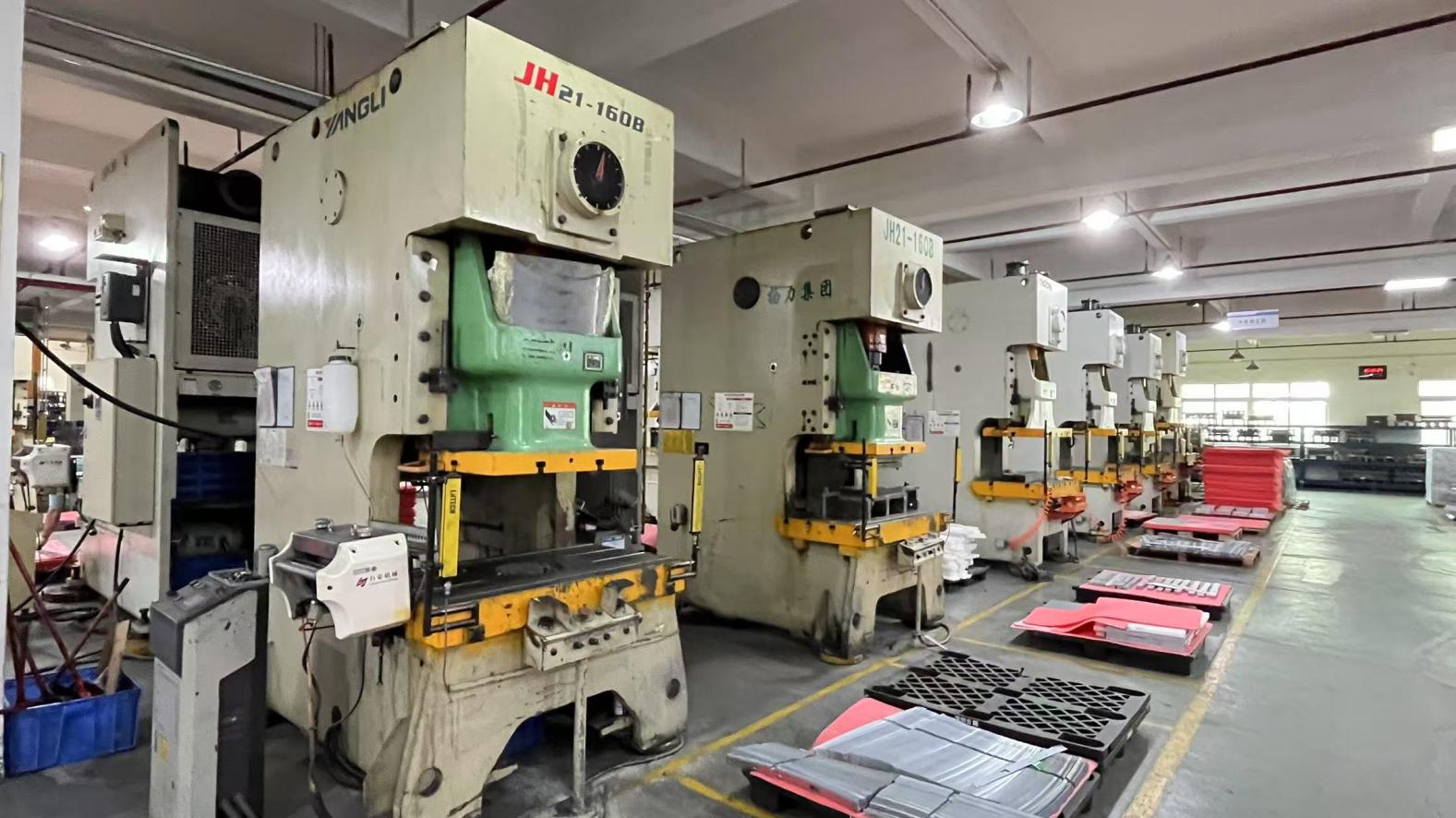
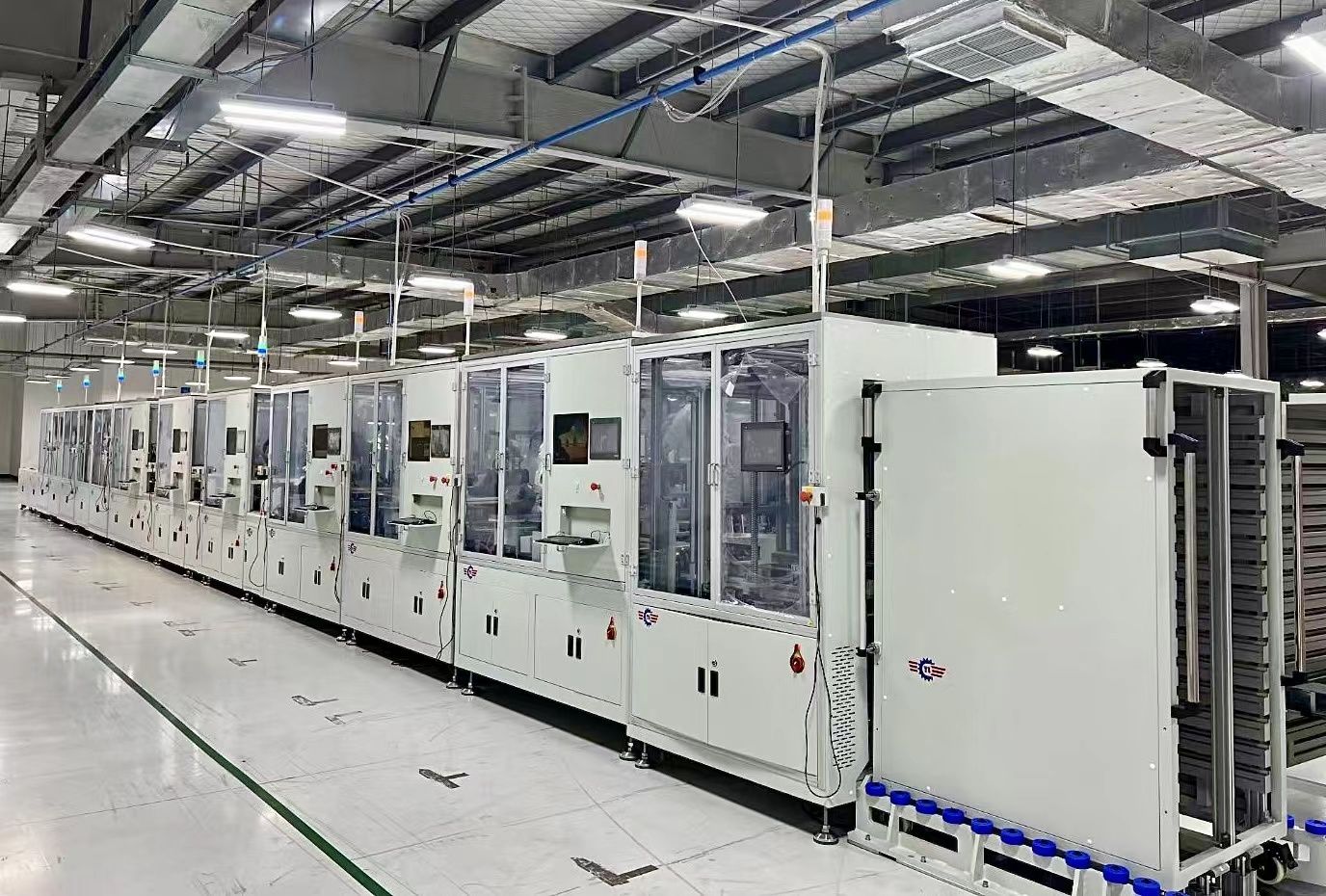
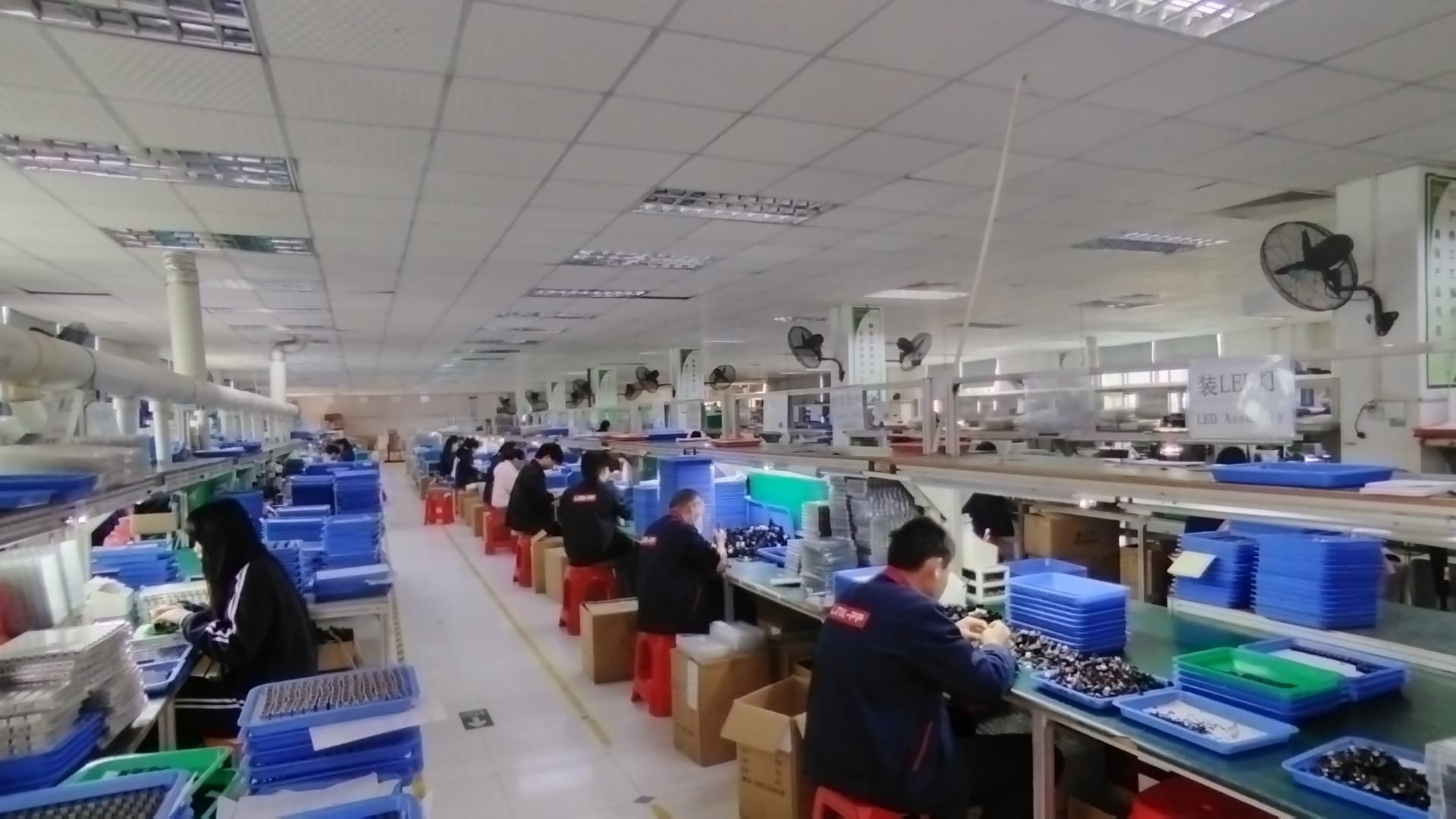
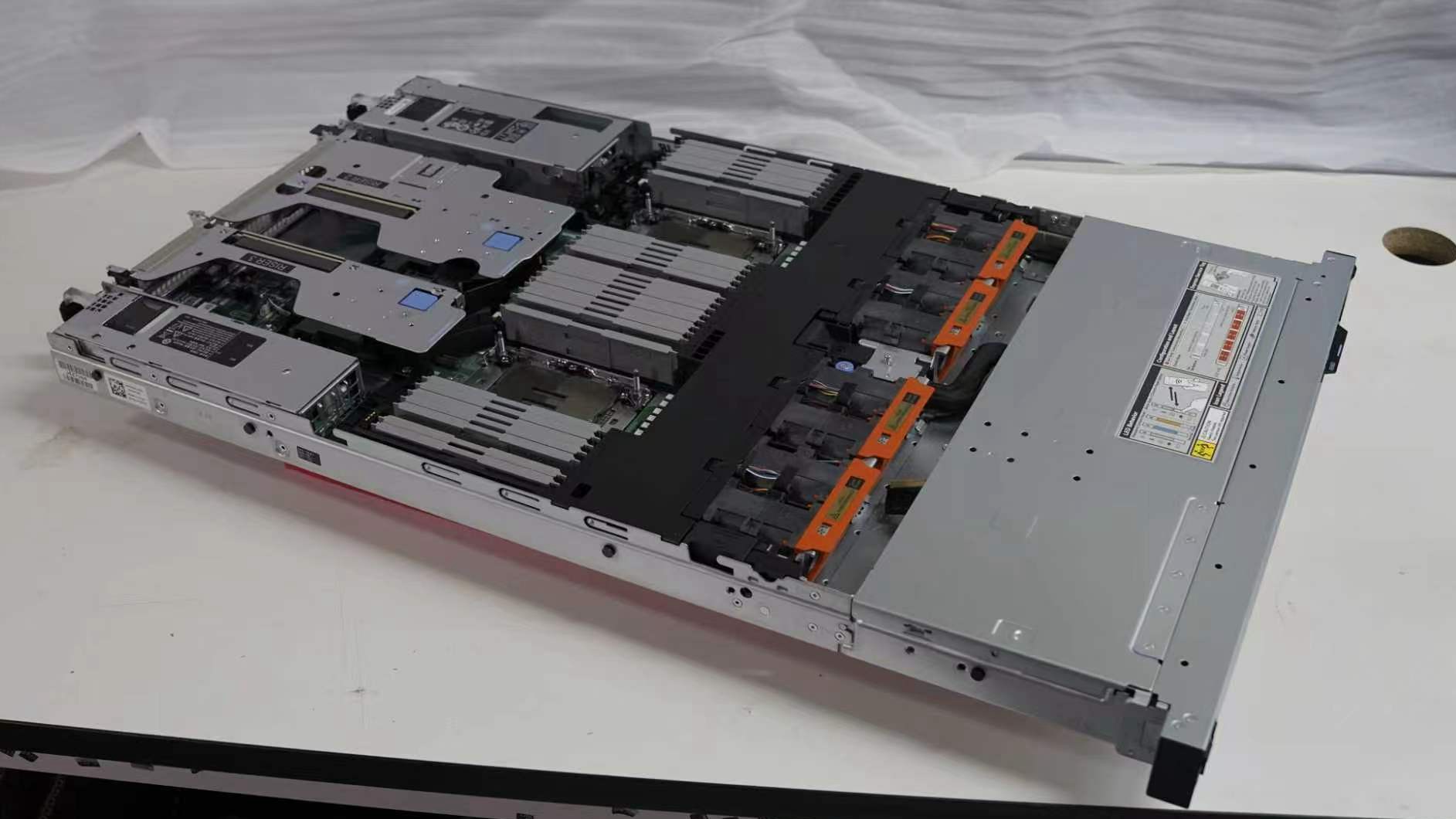
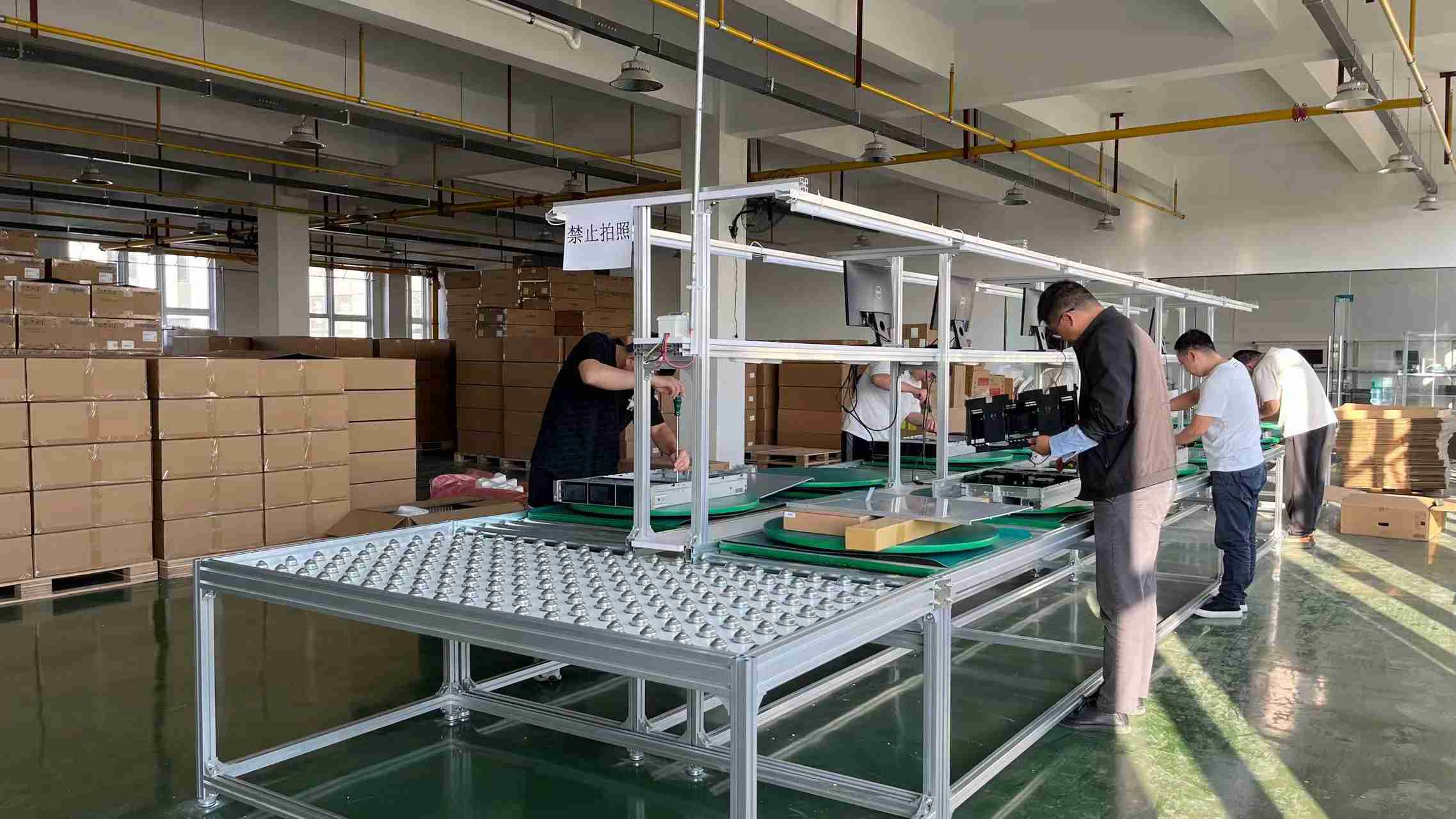
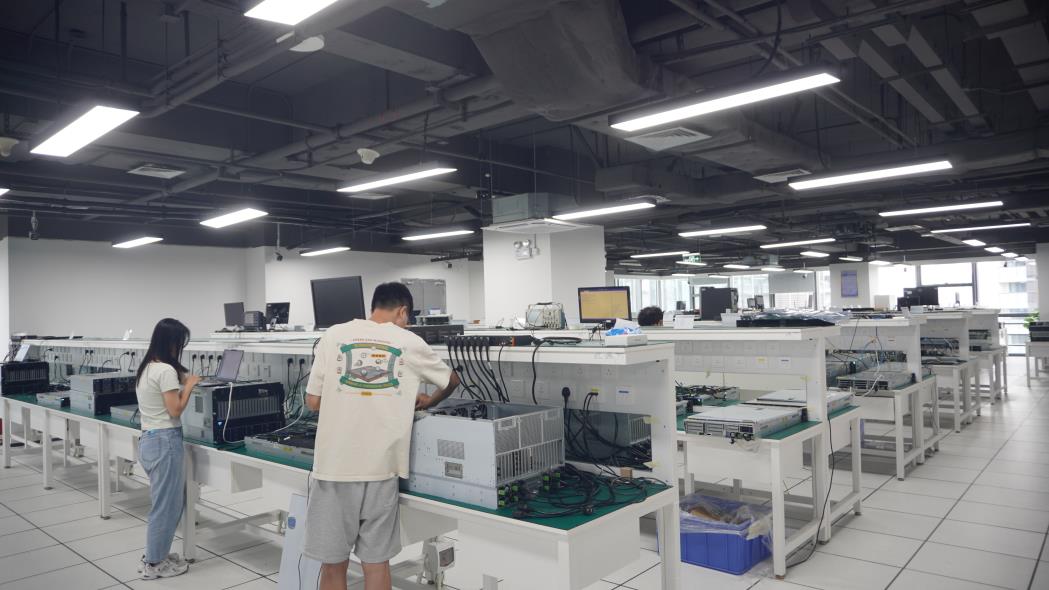
A closer look inside Kryntel's high-tech manufacturing, testing lines, assembly modules, and quality inspection labs.
Addressing the critical engineering inquiries of AV system designers, OEM buyers, and hardware system integrators.
The main causes are dielectric absorption in the PCB material (quantified by the loss tangent, Df) and skin effect losses along the copper trace boundaries at high frequencies. Utilizing low-loss laminates like Rogers 4000 series and optimizing copper foil roughness (e.g., using very low profile or VLP copper) minimizes signal loss and jitter in high-speed lines.
Kryntel performs physical compatibility testing with all major motherboard platforms (Intel, AMD, and leading industrial server architectures) and runs stress tests under elevated temperature ranges. The QA team of 42 engineers verifies signal timings and voltages on a batch-by-batch basis.
It requires separate physical routing for analog and digital grounds, connected only at a single star-ground point. Adding optocouplers or electromagnetic isolators to separate the digital decoding stages from the final pre-amplification paths eliminates cross-talk and background noise.
Yes, our R&D department provides full-process customization services. We support custom PCB routing, frequency/latency profile tuning, custom heatspreader designs, private packaging branding, and custom SPD firmware profiles to meet your specific system requirements.
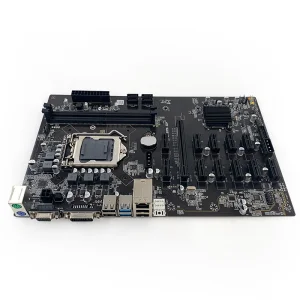
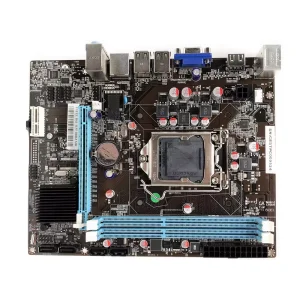
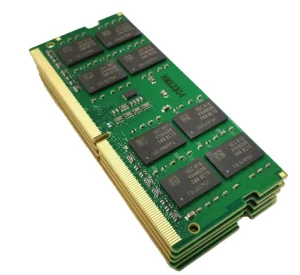
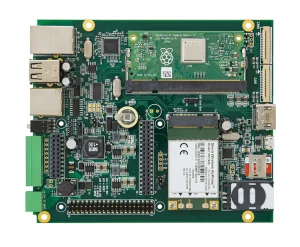
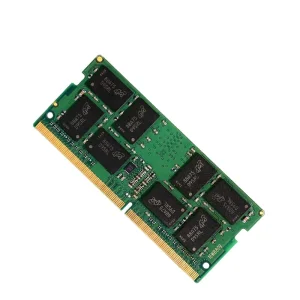
Direct sourcing options for computing motherboards, high-frequency SO-DIMM and ECC server memory modules, and specialized single-board microcontrollers.
 Kryntel