Explore our top-tier DDR4 laptop, desktop, and ECC server-grade RAM memory solutions, engineered with original DRAM dies, complete compatibility profiles, and lifetime warranties.
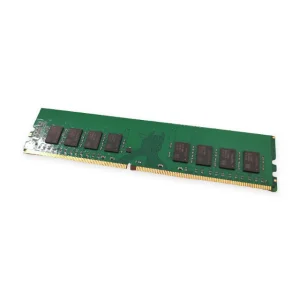
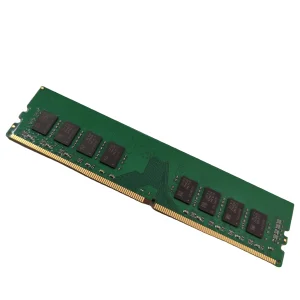
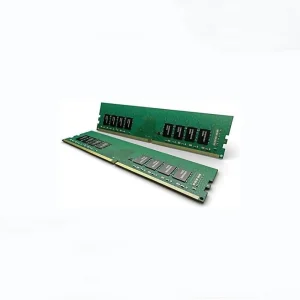
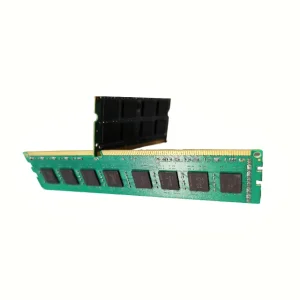
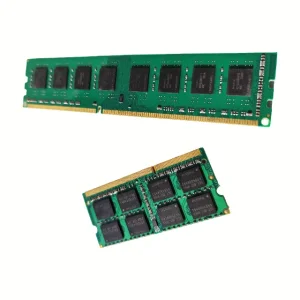
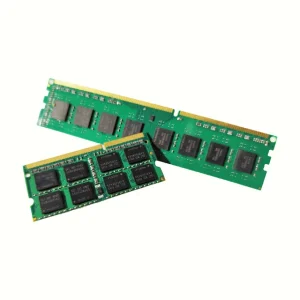
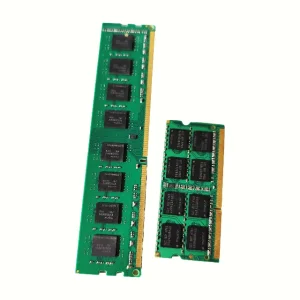
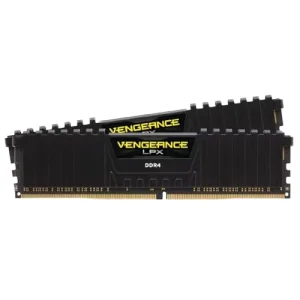
While the computer industry steadily shifts toward high-speed DDR5 platforms, DDR4 remains the operational cornerstone of legacy, industrial, and embedded infrastructures worldwide. Kryntel Memory Technology (China) Co., Ltd., established in 2016, specializes in managing this technological landscape. We engineer reliable, high-performance DRAM modules designed to bridge generational architecture gaps for global OEMs, ODMs, and brand partners.
With an annual export value between USD 8 million and USD 18 million, Kryntel integrates advanced component sourcing with rigorous quality assurance. Operating out of a modernized, focused production hub, our teams support critical high-frequency, low-latency, and ECC configurations that maintain enterprise computing reliability across the globe.
Our operational approach leverages over 9 years of overall semiconductor manufacturing expertise and 6 years of international trade history. We maintain active partnerships with top-tier DRAM wafer fabricators, allowing our R&D team—consisting of approximately 160 engineers—to optimize signal paths, design reliable multi-layer PCBs, and manage thermals under heavy operational stress.
Whether you require standard Desktop DDR4 RAM memory, high-compatibility SODIMMs for laptop upgrades, or system-critical ECC modules for server deployments, Kryntel delivers engineered components that protect your bottom line. We design products that meet stringent European and American compliance standards, securing a smooth pathway through global customs and regulatory channels.
Analyzing the architectural shifts, power dynamics, and signal layouts that shape next-generation industrial and commercial memory systems.
The transition from DDR4 to DDR5 involves fundamental design changes, not just speed increases. DDR4 operates at a base voltage of 1.2V and relies on the host motherboard's PMIC (Power Management Integrated Circuit) for voltage regulation. In contrast, DDR5 moves power management directly onto the DIMM module (reducing input voltage to 1.1V), which optimizes power efficiency but requires more complex PCB designs.
Additionally, DDR5 splits the internal 64-bit data channel into two independent 32-bit channels, doubling channel efficiency and lowering access latency. However, because DDR4 remains highly cost-effective and runs on mature platforms, it is still the preferred choice for industrial automation, IoT hubs, and budget-conscious enterprise servers.
Refined 8-layer and 10-layer PCB designs to support stable speeds up to 3600MHz under continuous thermal stress. Built reliable supply partnerships for A-grade DRAM dies.
Successfully launched DDR5 desktop and notebook modules. Overcame initial PMIC supply shortages and optimized signal integrity for dual-channel operations.
Introduced 280+ new products within a single year. Expanded customized BIOS tuning, custom heat sinks, and specialized SPD configurations for industrial clients.
Developing high-density 48GB and 96GB DDR5 modules while continuing stable production lines for DDR4 to support industrial long-life programs.
Deploying tailored hardware configurations designed to meet the performance, reliability, and lifecycle requirements of distinct industries.
We supply high-capacity DDR4 and DDR5 ECC Registered DIMMs to data centers and enterprise networks, minimizing system-level parity errors and maintaining 24/7 server uptime.
Our wide-temperature, low-profile SODIMM and UDIMM cards are engineered for reliability in fanless PCs, medical devices, edge gateways, and industrial control cabinets.
For custom PC builders and system integrators, we deliver overclocked DDR4 modules up to 3600MHz, equipped with optimized heat spreaders and low CAS latency profiles.
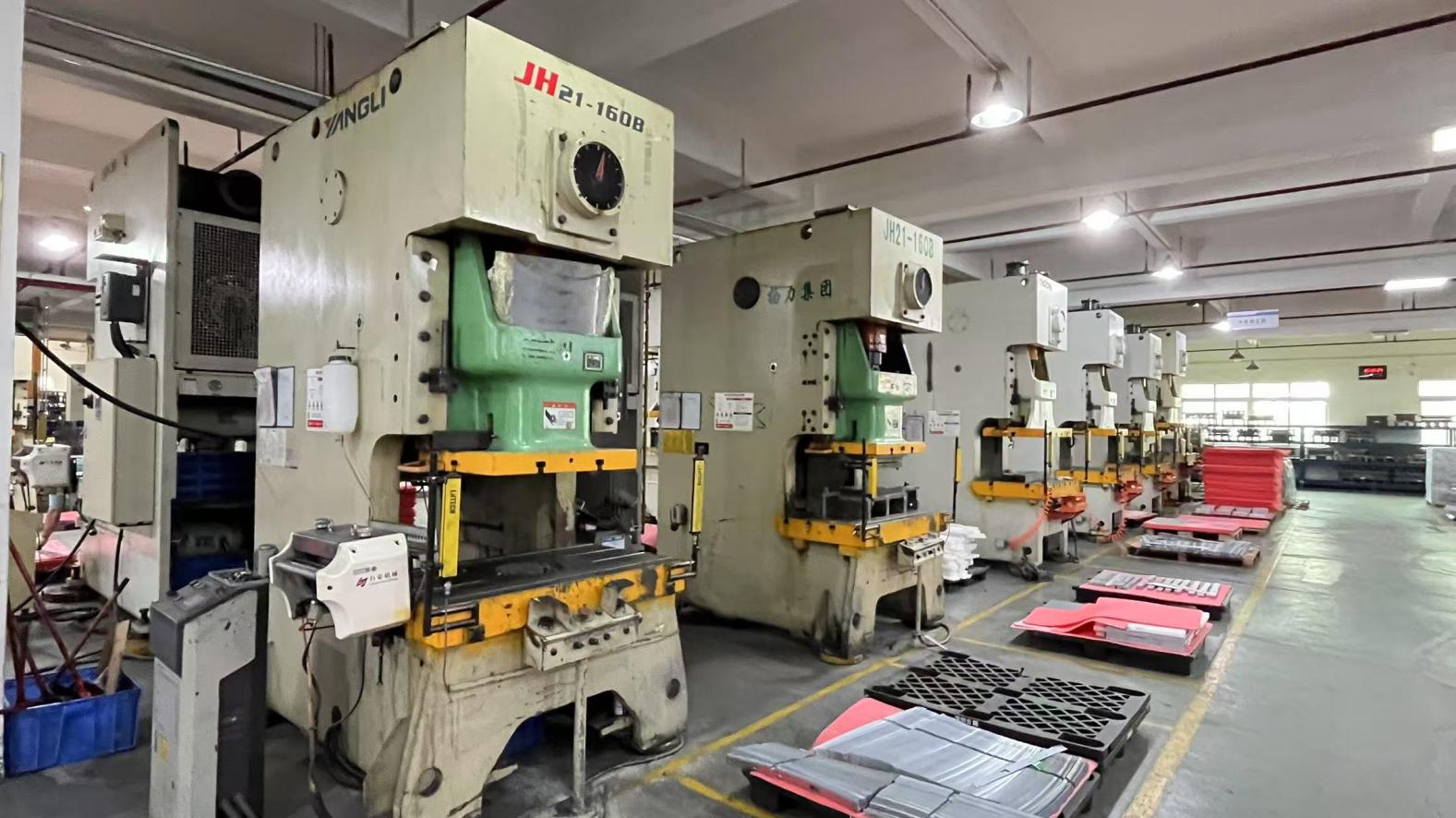
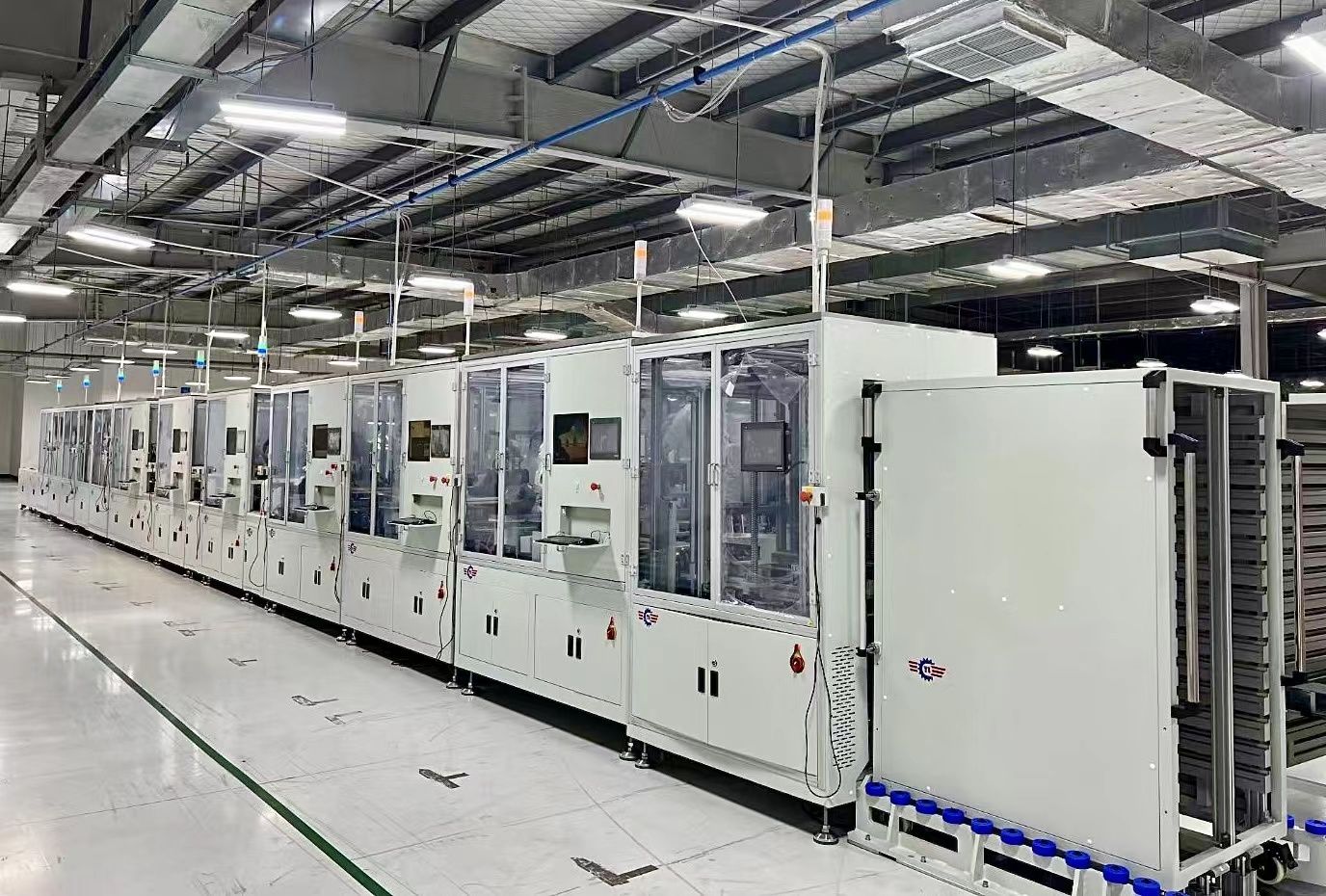
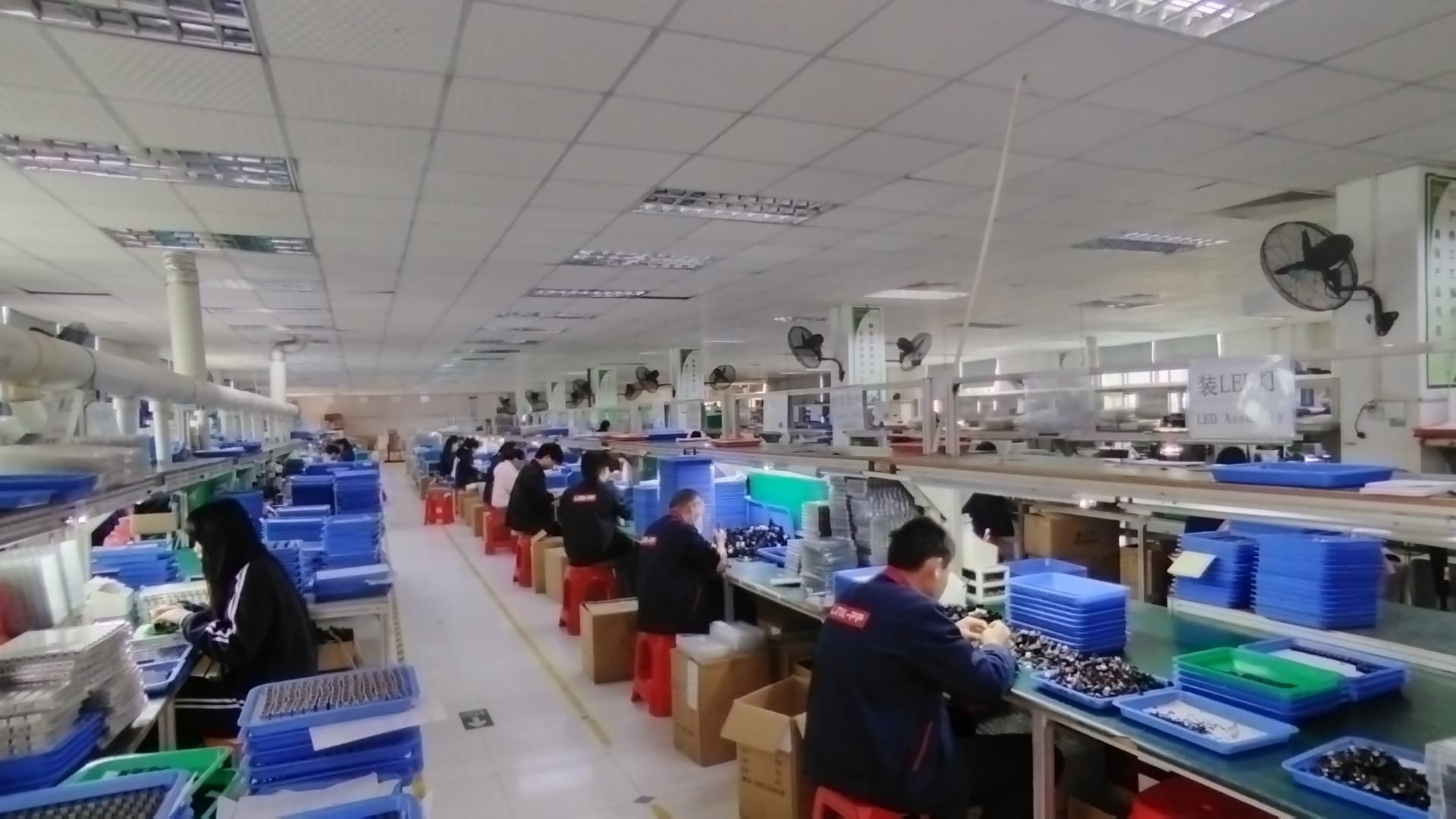
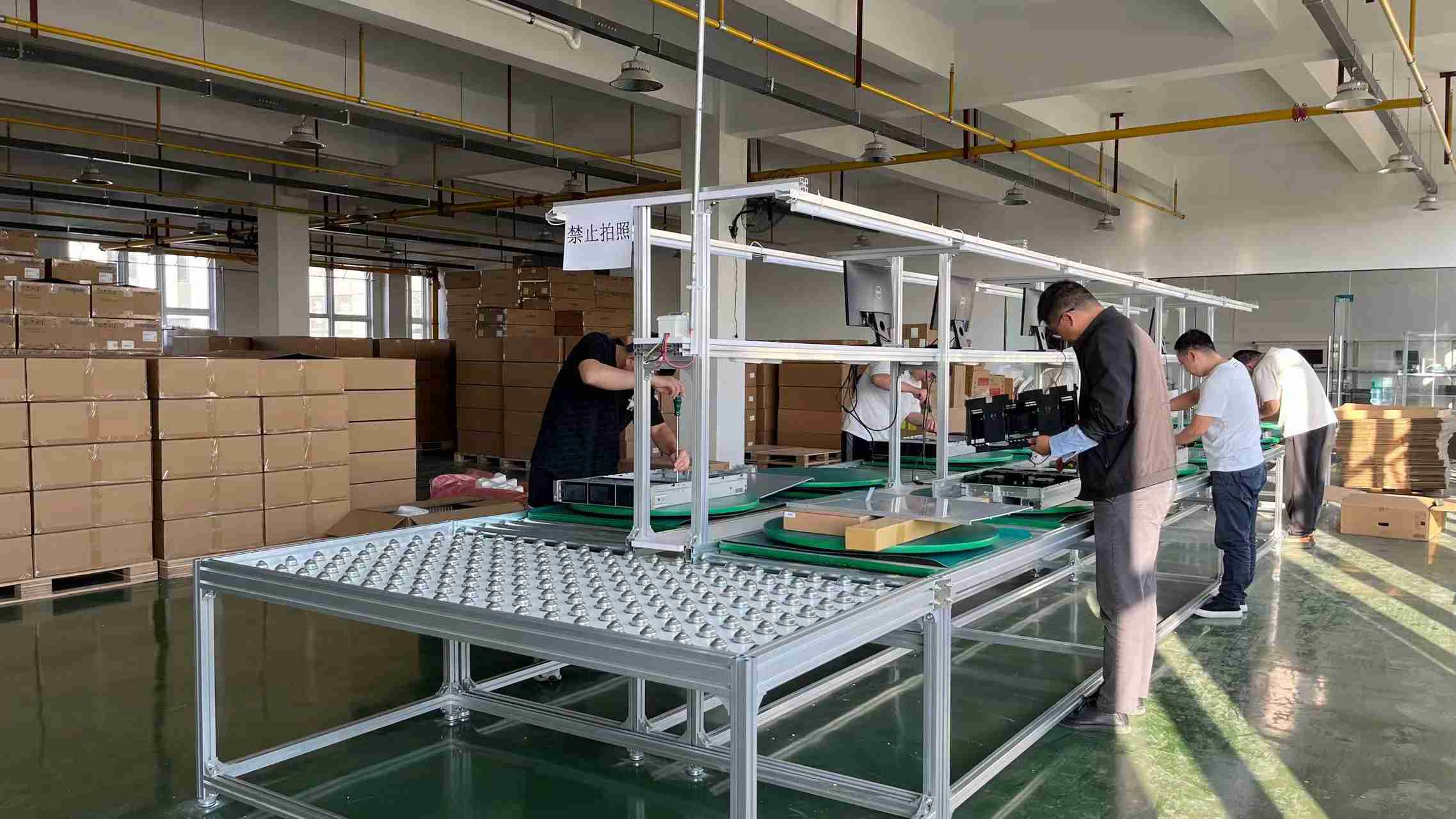
At Kryntel Memory Technology (China) Co., Ltd., we combine technical expertise with optimized manufacturing facilities. Our factory utilizes high-precision SMT (Surface Mount Technology) assembly lines, automated optical inspection (AOI) units, and environmental test chambers to ensure every module meets strict quality benchmarks.
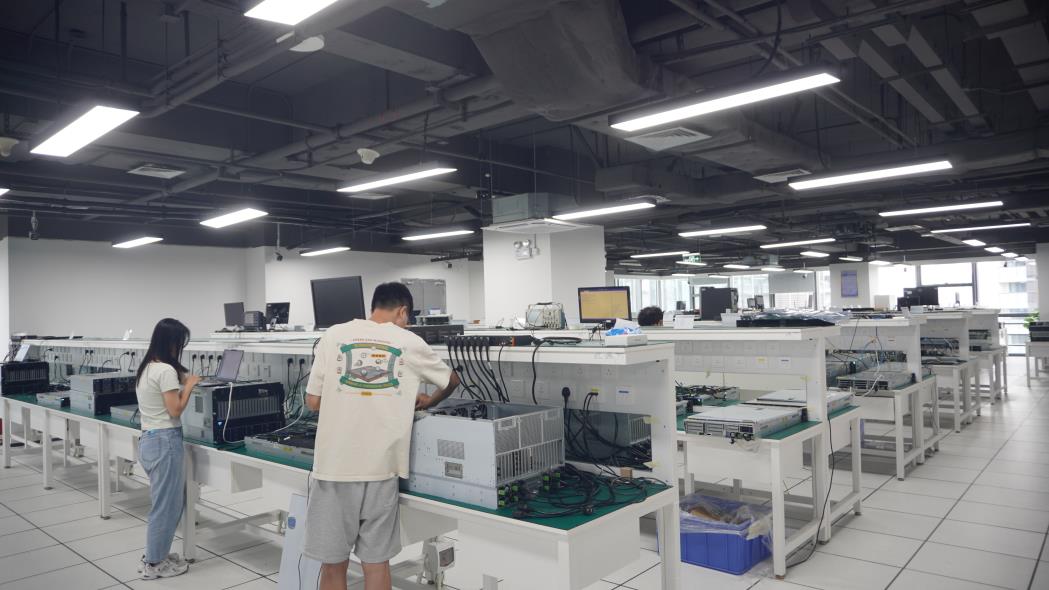
Our quality assurance workflow is supported by a dedicated QA team of 42 professionals. This team oversees a multi-stage testing regimen that ensures component reliability before packaging.
Memory chip pricing can fluctuate, but Kryntel manages market volatility through our established network of approximately 1,200 supply chain partners. By maintaining direct relationships with tier-one DRAM packaging facilities and wafer manufacturers, we secure allocations of original Samsung, SK Hynix, and Micron dies even during high-demand cycles.
This supply chain integration protects our OEM and ODM clients from sudden price spikes and component shortages. We maintain standard stock levels for high-demand configurations, ensuring quick lead times for global projects.
Custom PCB layouts, specialized SPD programming, and tailored heat spreader designs.
Efficient export workflows serving clients across North America, Europe, and Asia.
How we meet international regulatory requirements to ensure seamless customs clearance and product compliance in global markets.
Kryntel memory modules meet major international standards, including CE, FCC, RoHS, and WEEE, ensuring compliance with global environmental and safety requirements.
With six years of direct export experience, we navigate complex customs processes in the United States, Germany, India, Brazil, the UAE, and other key global markets.
We stand behind our production quality by offering lifetime warranties on selected memory modules, supported by technical diagnostics and replacement protocols.
Answers to common technical, manufacturing, and procurement questions for enterprise buyers and system integrators.
We use original DRAM dies from top manufacturers like Samsung, SK Hynix, and Micron, depending on client requirements and availability. We also trace component batches to ensure reliable performance across production runs.
ECC (Error-Correcting Code) memory features an extra chip that detects and corrects single-bit memory errors, preventing system crashes. Standard non-ECC memory is optimized for home and office computers where cost is a key factor.
Our R&D team programs and tests the SPD (Serial Presence Detect) EEPROM on our modules. This ensures they conform to JEDEC timing profiles, allowing the RAM to scale down to match older BIOS configurations and motherboard chipsets.
Yes. Our engineering team can modify PCB trace routes, adjust the number of board layers (typically from 8 to 10 layers), adjust copper thickness, and optimize heat spreaders to meet specific space or heat requirements.
We perform multi-stage testing, including AOI checks, dynamic voltage stress testing, and high-temperature environmental aging. These steps help isolate weak components before shipping, keeping our field return rate low.
We pack our RAM in anti-static ESD trays and seal them in moisture-barrier bags before placing them in export-grade cartons. For retail-ready products, we offer custom clamshell packaging options.
We offer customized tooling for heat spreaders, custom silk-screening on PCBs, and tailored SPD configuration programming. We also provide dedicated logistics support for scheduled component deliveries.
For custom ODM orders, prototype design and validation take 2 to 3 weeks. Once samples are approved, mass production typically takes 15 to 25 days, depending on component availability.
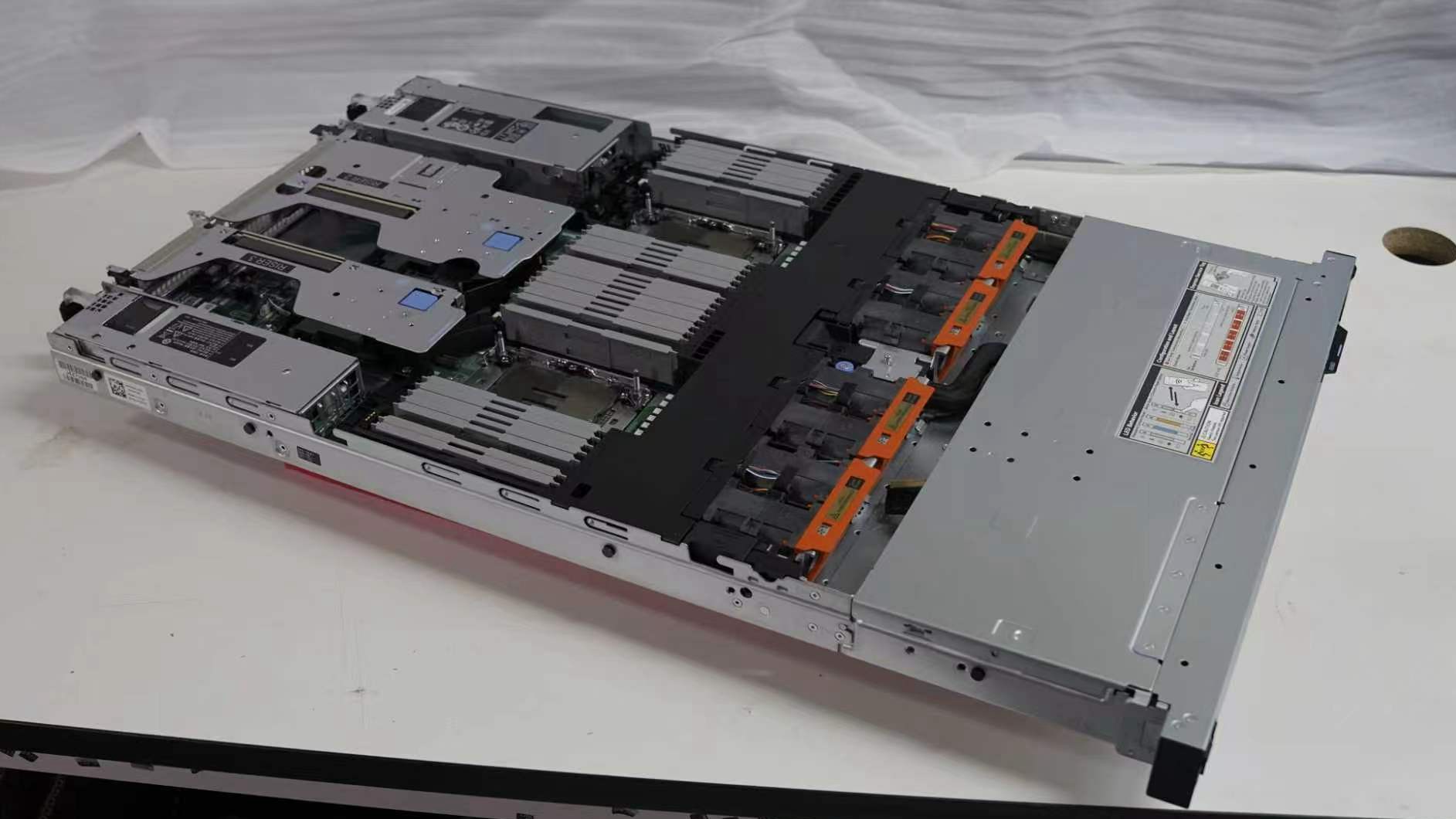
Inside our manufacturing hub, where we combine automated assembly, precision testing, and high quality-control standards.
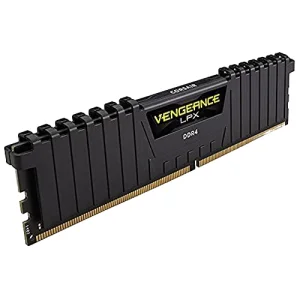
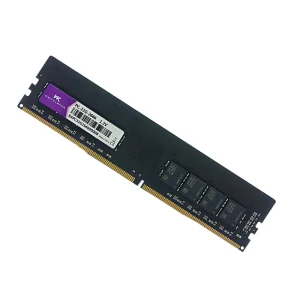
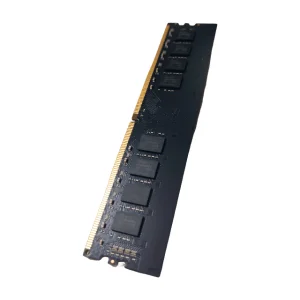
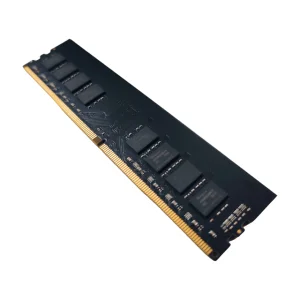
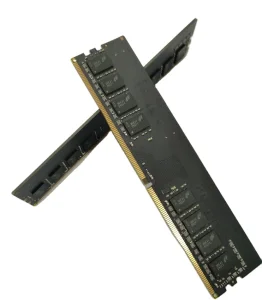
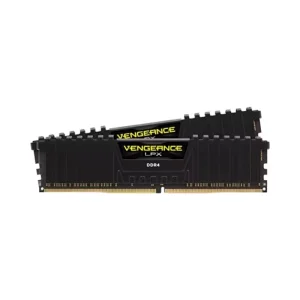
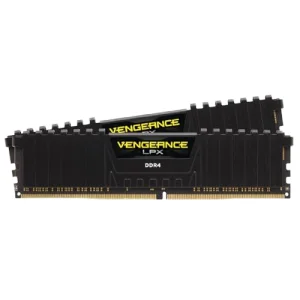
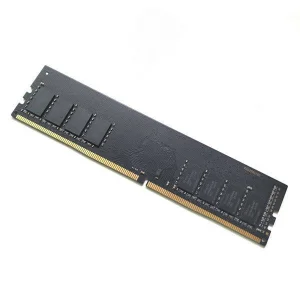
Browse our full catalog of DDR4 desktop and laptop memory modules. Each module is optimized for reliability and verified across major system platforms.
 Kryntel