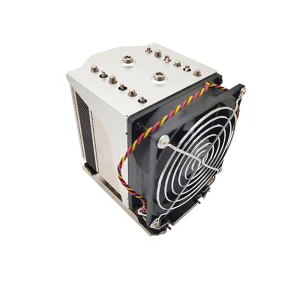
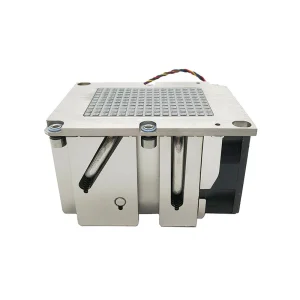
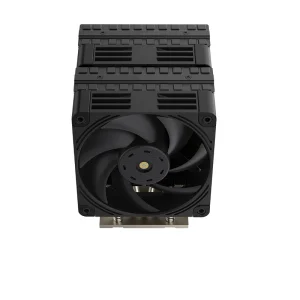
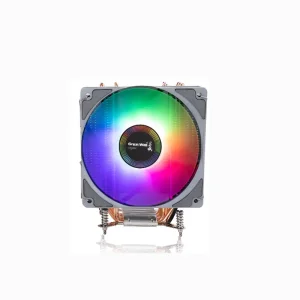
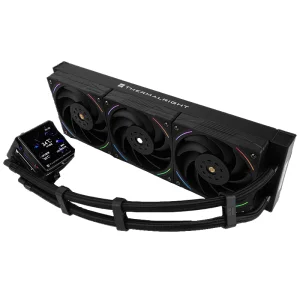
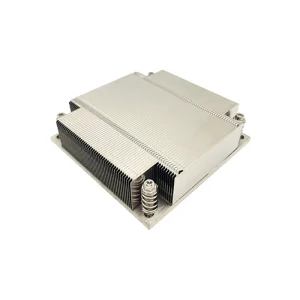
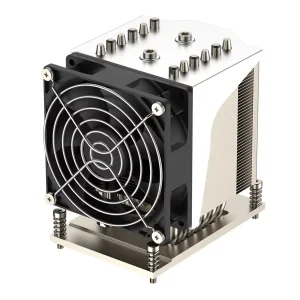
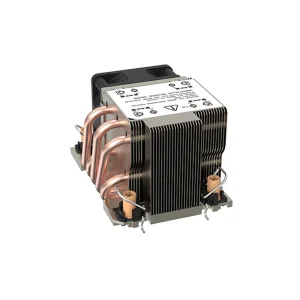
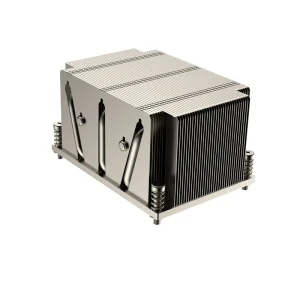
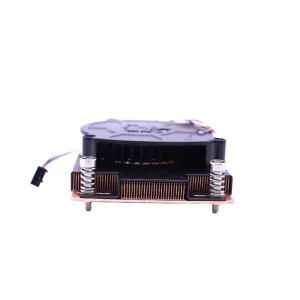
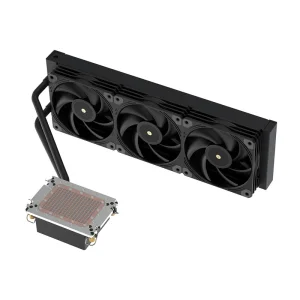
Server Radiator Manufacturer & Factory

Premium Enterprise Cooling Systems, Liquid Cold Plates & Custom Thermal Solutions Engineered for High-Density Datacenters and AI Compute Architectures

Server Thermal Management: Industry Trends & Manufacturer Solutions

The global datacenter industry is experiencing an unprecedented inflection point. As artificial intelligence (AI), machine learning (ML), high-performance computing (HPC), and 5G edge applications scale, thermal footprints are rising exponentially. Modern microprocessors from Intel (Xeon Scalable platforms) and AMD (EPYC series) have reached Thermal Design Power (TDP) levels exceeding 350W to 400W per socket, pushing conventional air-cooling systems to their physical limits.

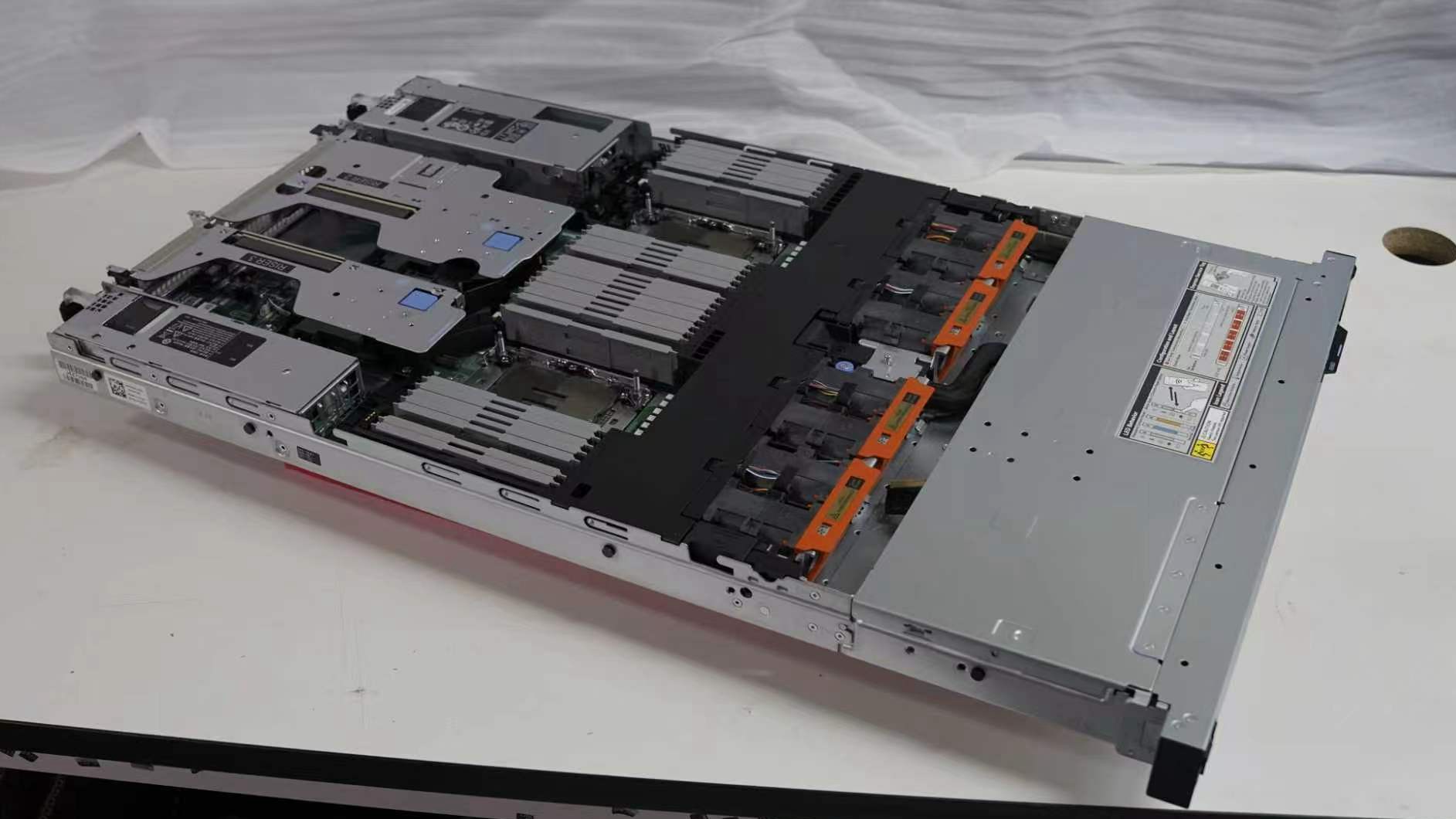
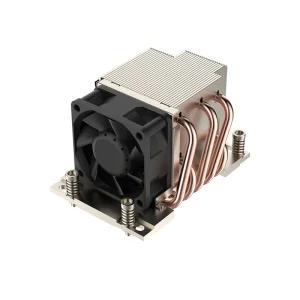
Technical Insight: Standard enterprise cooling designs must bridge high-heat flux densities with space efficiency. A premium 1U or 2U server radiator must optimize fin structural density (using skiving or zipper fin manufacturing) and maximize direct-contact copper heatpipe loops or transition directly to liquid-to-air hybridization.

1. The Physics of Modern Server Radiator Engineering

To achieve high thermal dissipation efficiency within restrictive rack architectures (1U, 2U, or 4U enclosures), engineering teams must focus on the interface of material science, fluid mechanics, and thermodynamics.

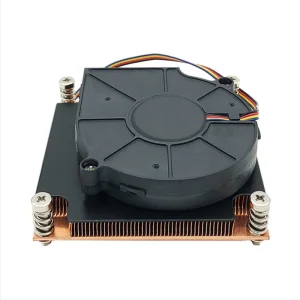
  • Thermal Resistance Optimization: Minimizing the thermal path from the CPU silicon junction (Tj) to the ambient air stream. This is achieved by utilizing C1100 electrolytic tough pitch copper bases for rapid thermal spreading, mated to vapor chambers or sintered powder heatpipes.
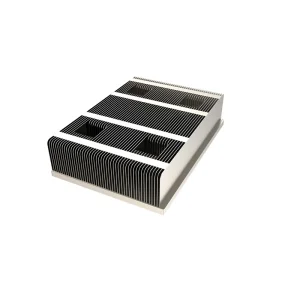
  • Fin Density & Pitch Design: High air-flow resistance (static pressure) is a major constraint in data center fans. Fin geometry (zipper fins, folded fins, or skived fins) must balance surface area maximization against the pressure drop of the system.
  • Vapor Chamber (VC) Integration: By transitioning from solid copper blocks to two-phase vapor chambers, local heat flux can be spread up to 10 times more efficiently, preventing localized thermal throttling on high-core-count processors like Intel LGA4677 or AMD SP6 platforms.

2. The Kryntel Advantage: Merging Semiconductor Precision with Thermal Dynamics

Founded in 2016, Kryntel Memory Technology (China) Co., Ltd. has established an elite track record in global high-performance electronics manufacturing. While renowned as a professional DDR5 memory manufacturer, our deep semiconductor domain expertise, backed by 9 years of industry experience and a robust 160-engineer R&D division, allows us to address server thermal bottlenecks systematically. We understand that RAM modules, VRMs, and CPUs do not operate in isolation; they share the same physical server chassis thermal boundary.

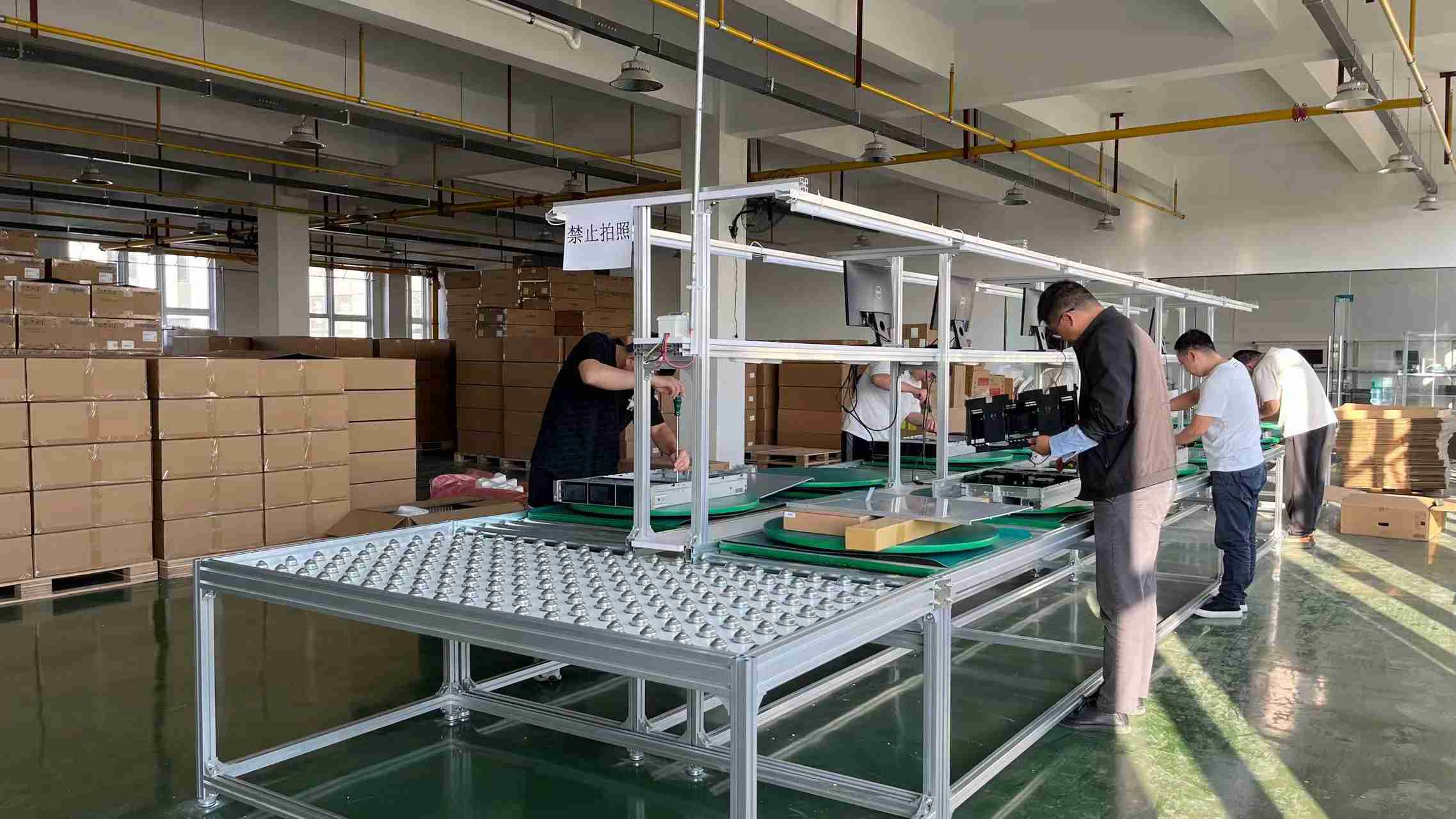
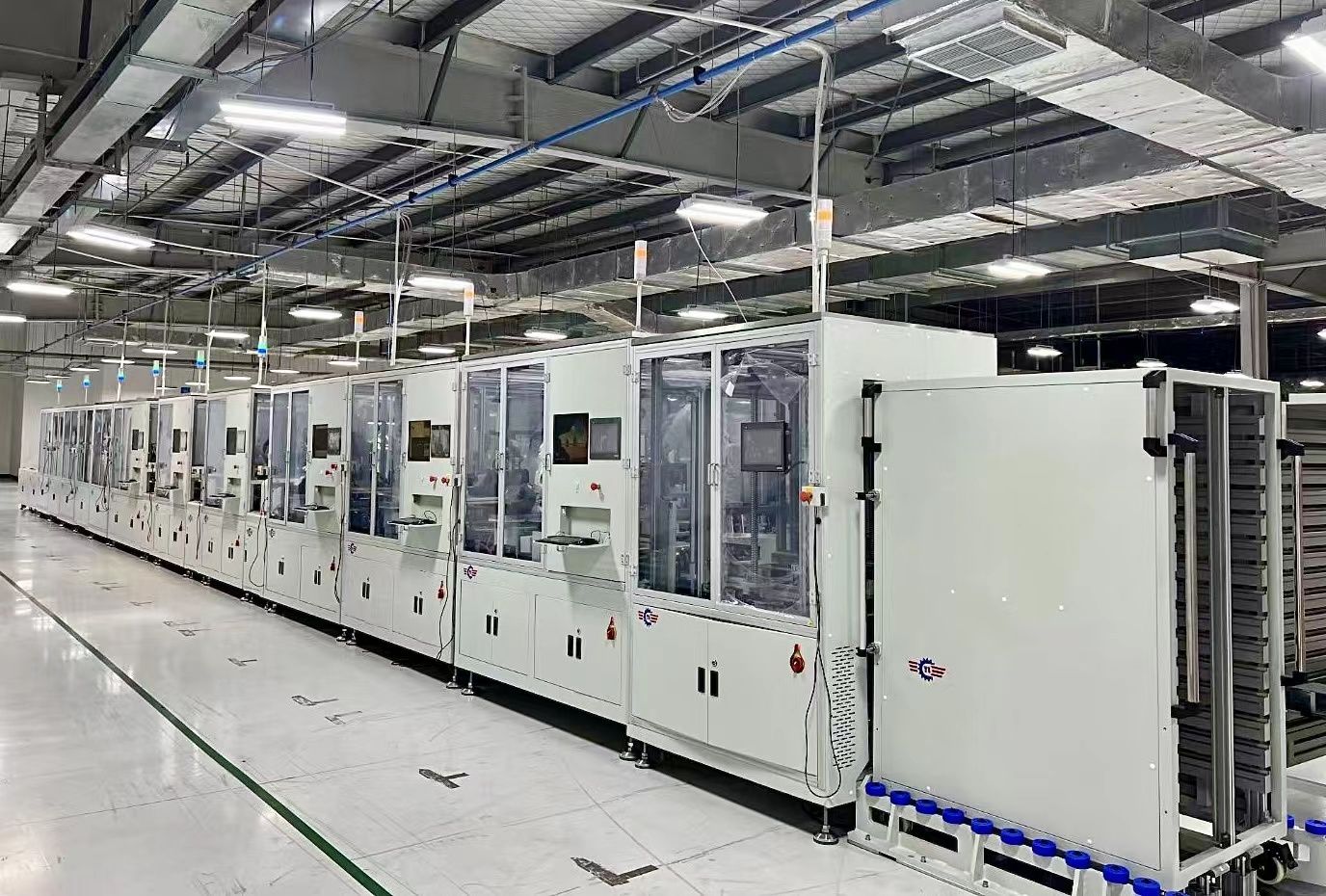
Our manufacturing facility implements the same rigorous control protocols for our server radiators and thermal modules as it does for high-speed RAM. With 6 years of international trade background and a global supply network of 1,200 partners, we manufacture high-capacity air-cooled heat sinks and state-of-the-art copper water block cooling loops (supporting TDP architectures up to 400W+) tailored for systems integrators and enterprise hyper-scalers.

3. Chinese Manufacturing & Supply Chain Supremacy

Procuring server cooling products from Kryntel's China-based production hub offers significant advantages in vertical supply chain optimization. The industrial ecosystem in China provides:

  1. Rapid Precision Tooling: Shorter turnaround times for complex mold layouts, enabling custom copper-extrusion designs to go from CAD rendering to production-ready thermal prototypes in less than two weeks.
  2. Advanced Soldering Processes: Utilizing vacuum reflow soldering ovens to minimize solder voiding rates between copper heatpipes and aluminum fins to under 5%, ensuring consistent heat transfer over long cycles.
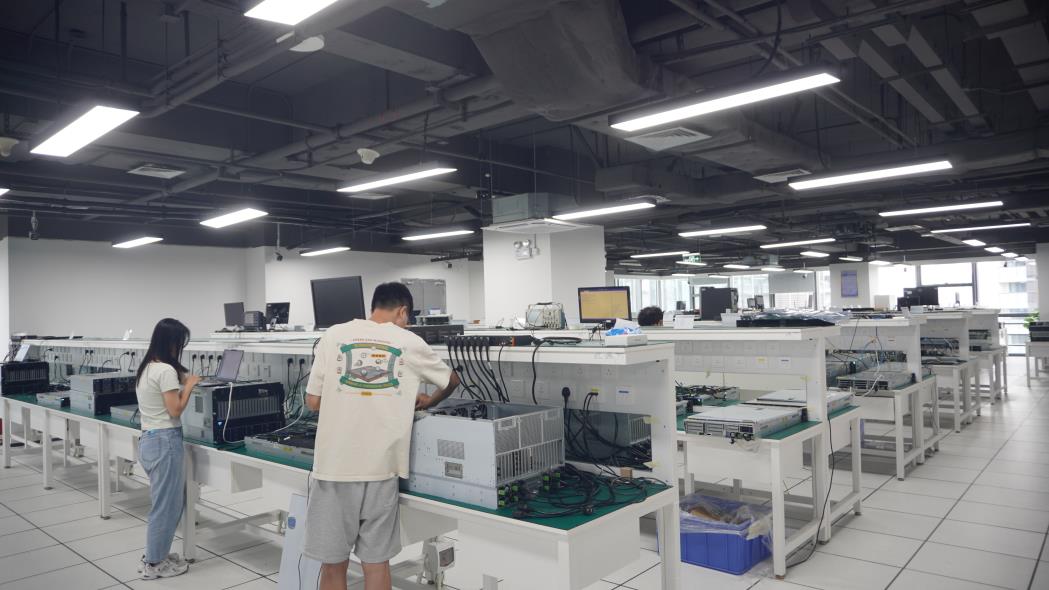
  3. Strict Quality Validation: A dedicated QA team of 42 professionals performing multi-stage inspections, including helium mass spectrometer leak detection for heatpipes and liquid blocks, and high-temperature thermal cycling tests.

4. Custom OEM/ODM Customization Capabilities

Every datacenter architecture possesses unique constraints regarding rack spacing, airflow velocity, and power limits. Kryntel supports extensive personalization, including:
  • Socket Adaptability: Custom mounts and backplates supporting legacy and modern socket systems, including Intel LGA115X, LGA1700, LGA3647, LGA4189, LGA4677, LGA4926, and AMD SP3/SP6.
  • Thermal Interface Customization: Factory-applied phase-change materials (PCM) or high-conductivity thermal greases designed for immediate out-of-box deployment.
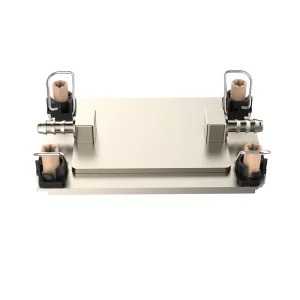
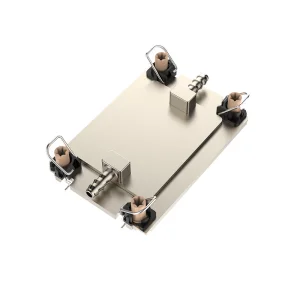
  • Hybrid Heat Dissipation: Integrated system designs combining aluminum heatsink structures with direct-to-die liquid water cooling loops.
Manufacturer Profile
2016 Company Founded
160+ R&D Engineers On-Site
42 QA & Compliance Officers
1,200 Supply Chain Partners
USD 8M - 18M Annual Export Volume

Primary Export Markets: USA, Germany, India, Brazil, UAE, and Southeast Asia.

Certifications: Compliance-ready for CE, FCC, RoHS, and major datacenter environmental regulations.

Technical FAQs: Server Radiators & Procurement

Critical engineering considerations, material selection guidelines, and operational queries addressed by our expert R&D team.

What are the advantages of copper radiators over aluminum variants in server applications?
Copper has a significantly higher thermal conductivity (~401 W/m·K) compared to aluminum (~237 W/m·K). While aluminum is lighter and more cost-effective, copper bases and fins are required in high-heat flux areas (such as direct contact with the CPU IHS) to rapidly draw heat away from the processor cores. In space-constrained architectures (like 1U server frames), copper radiators are the standard to prevent thermal throttling under high-TDP operations.
How does Kryntel guarantee leak prevention in its liquid cooling block designs?
Our liquid cooling plates (supporting LGA4677, LGA4189, etc.) undergo rigorous helium mass spectrometer leak detection. We utilize automotive-grade EPDM O-ring sealing systems and high-precision CNC machining to ensure flat sealing surfaces. All assemblies are subjected to long-duration pressure testing (typically up to 5-10 bar, depending on specifications) before shipment to eliminate any risk of coolant leakage.
What is the standard lead time for custom OEM/ODM thermal solutions?
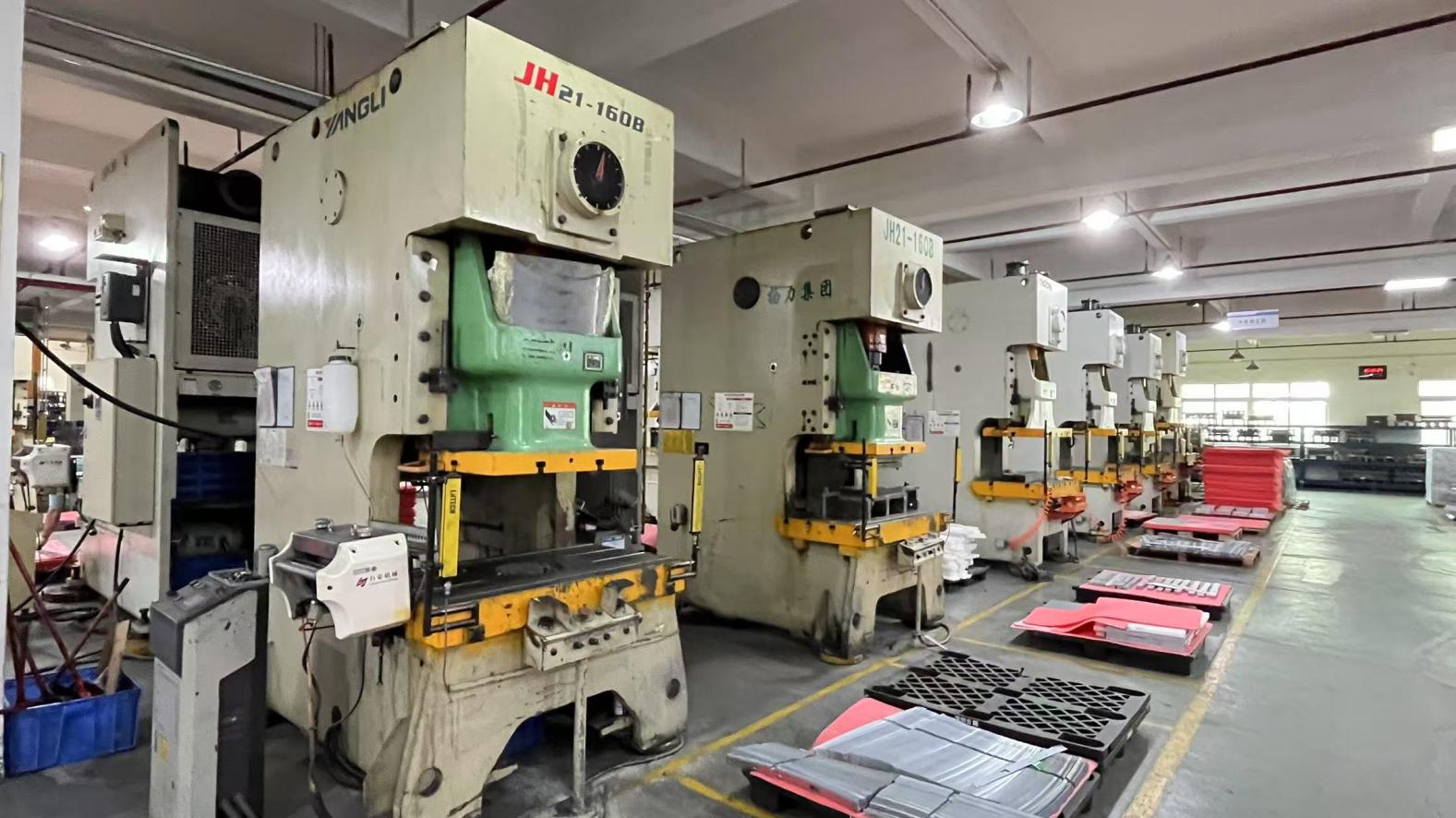
For custom radiator development, our R&D team can provide CAD designs and thermal simulation (using Computational Fluid Dynamics - CFD) within 3-5 business days. Once the layout is approved, physical prototyping takes 7-14 days. Production lead times range from 3 to 4 weeks depending on the order volume and complexity of the stamping or soldering toolset.
How does hydraulic bearing technology compare to standard ball bearings in server fans?
Hydraulic bearings utilize a pressurized fluid loop to reduce friction and heat buildup during rotation. This delivers a significantly lower noise output compared to dual ball bearing assemblies while maintaining a rated life of over 50,000 to 80,000 hours of continuous operation. Dual ball bearings are typically preferred in industrial environments with higher operating temperatures, whereas hydraulic bearings are favored for corporate data centers prioritizing low acoustic output and structural reliability.
What certifications do Kryntel radiators hold for global shipping?
All our server components are certified under standard international parameters, including CE, FCC, RoHS, and REACH. This ensures import compliance across the European Union, North America, the Middle East, and APAC regions. We package our radiators with anti-static, shock-absorbing materials to ensure transit integrity.
All Server Radiator Products