High-performance processing components, PCB assembly, and advanced cooling designs engineered for industrial reliability.
Bridging the gap between active processor modules and specialized metal-core substrates for global OEMs.
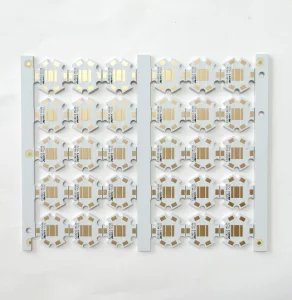
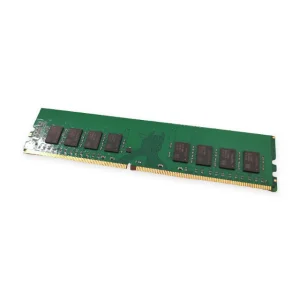
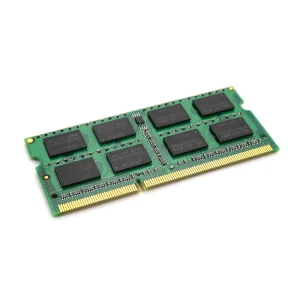
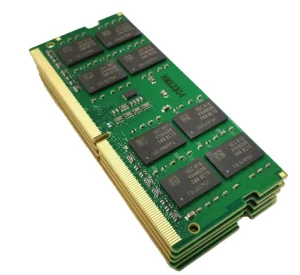
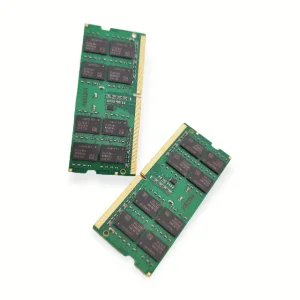
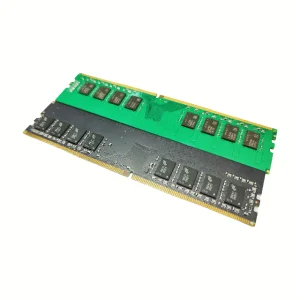
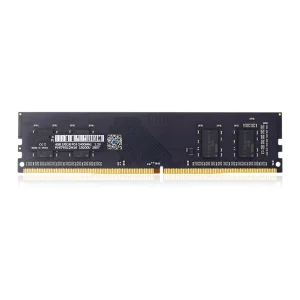
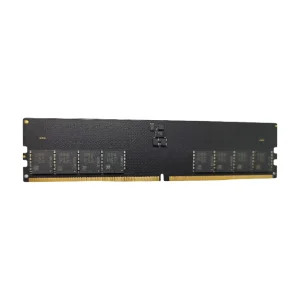
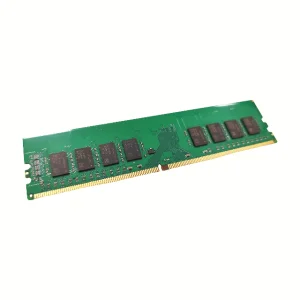
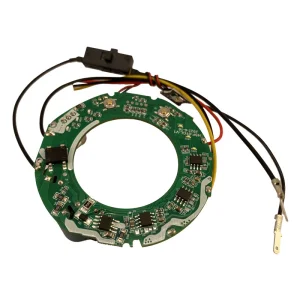
Founded in 2016, Kryntel Memory Technology (China) Co., Ltd. is an industry-leading manufacturer specializing in high-reliability computer memory modules, multi-layer circuit assembly, and customized PCBA engineering. Through our deep expertise in high-speed, high-density signaling systems (such as DDR5 and DDR4 lines), we have evolved to support complex thermal management configurations, integrating aluminum PCBs (MCPCBs) and thermal dissipation accessories for high-performance server structures, industrial controllers, and solid-state illumination devices.
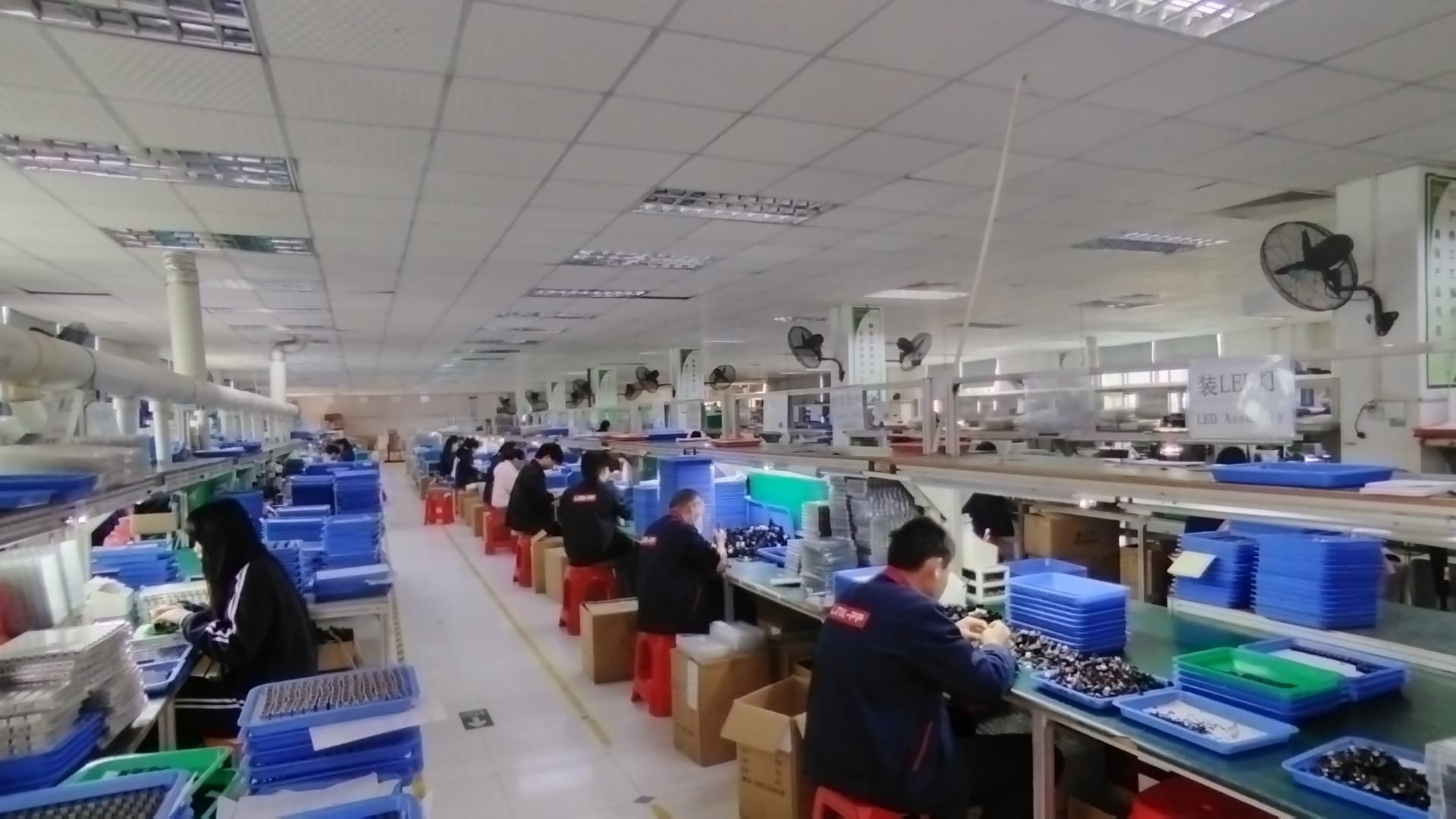
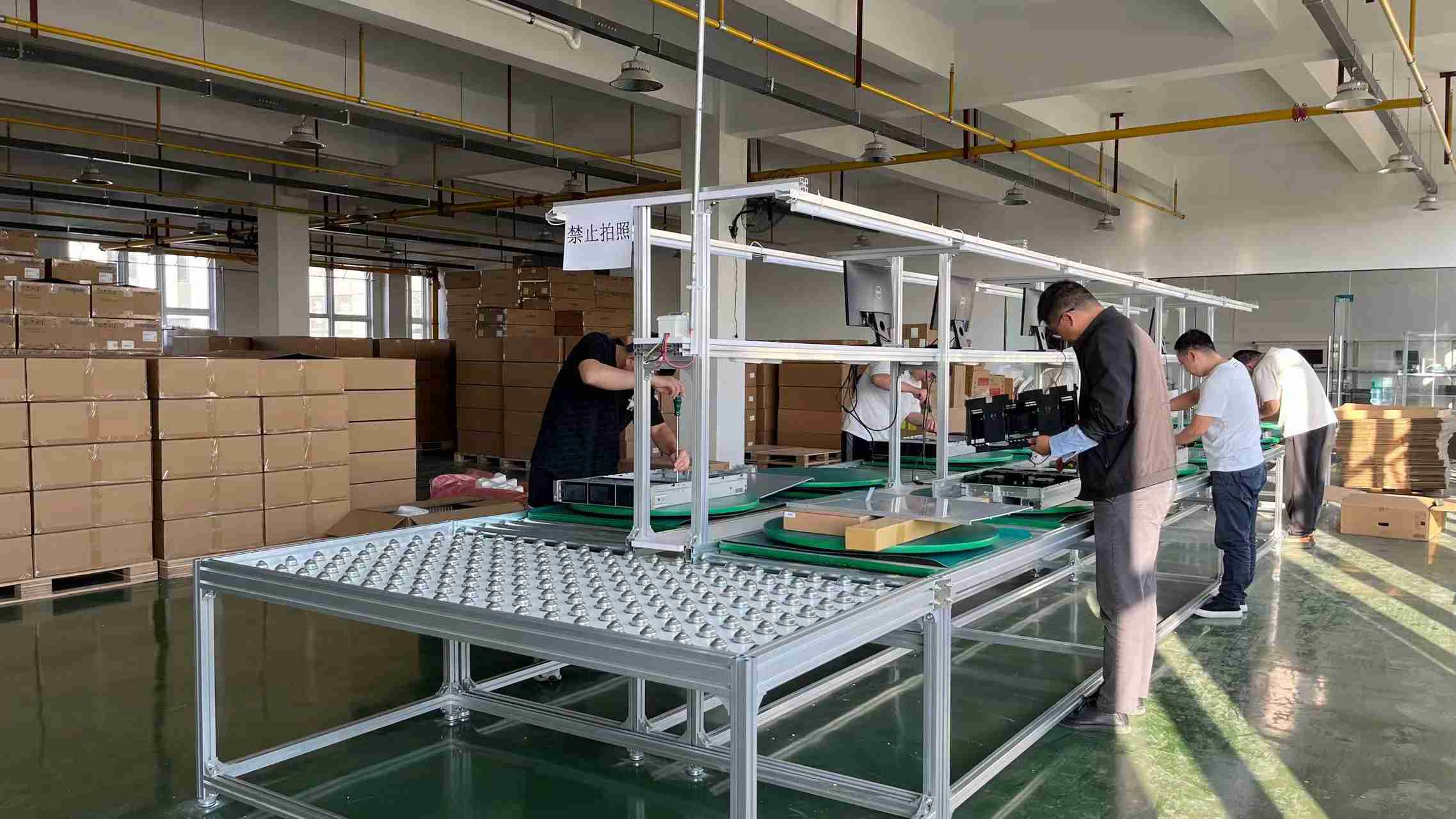
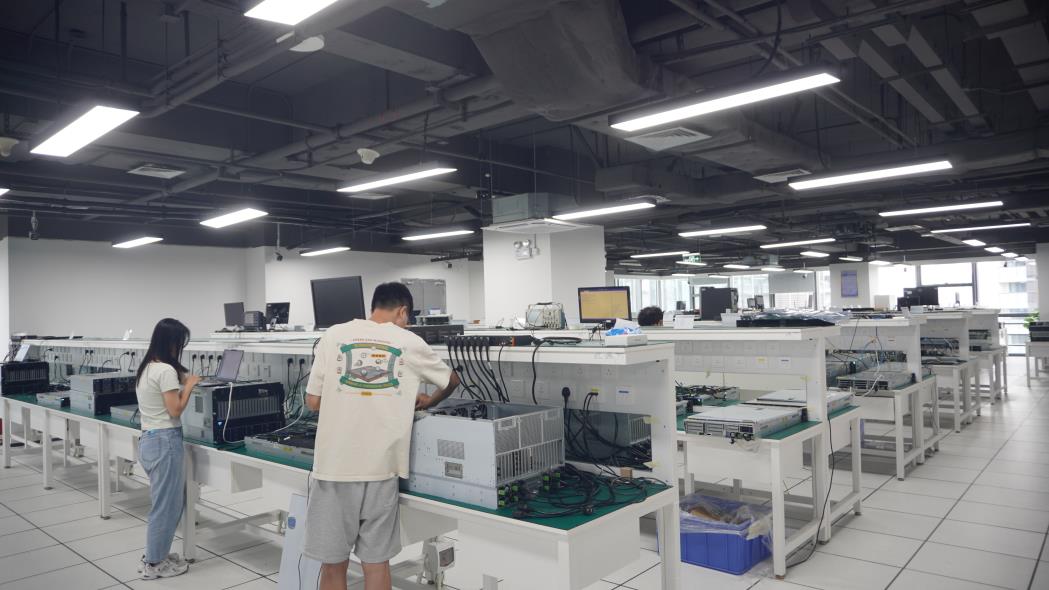
Operating a modern, dust-free production facility engineered for precision assembly, Kryntel provides high-yield OEM, ODM, and contract manufacturing solutions. Leveraging 9 years of overall electronics manufacturing experience and 6 years of international trade operations, we ensure our global partners benefit from robust supply chain architecture and unmatched quality compliance.
As electronic systems shrink in volume and expand in power density, classic FR-4 laminates fail to dissipate heat efficiently, causing junction temperatures to skyrocket. This accelerates component degradation (the Arrhenius Law states that a 10°C rise in chip temperature reduces operating lifespan by 50%). Aluminum PCBs (Metal Core PCBs) mitigate this threat by using a highly conductive metal core that transfers heat 10 to 50 times faster than standard epoxy-glass substrates, stabilizing active components like high-brightness LEDs, power transistors, and memory control chips.
A detailed breakdown of materials, dielectric characteristics, and manufacturing options for high-power thermal interfaces.
Aluminum PCBs are generally structured in three layers: the Circuit Layer (copper foil), the Thermally Conductive Dielectric Layer (insulated bonding sheet), and the Base Layer (aluminum plate). Our manufacturing facilities utilize high-grade laminates to maintain structural integrity and electrical insulation under extreme stress.
| Parameter / Specification | Standard Range | Premium / High-Performance Range | Technical Significance |
|---|---|---|---|
| Thermal Conductivity | 1.0 - 2.0 W/m-K | 3.0 - 9.0 W/m-K (Advanced Ceramic Filled) | Controls heat dissipation efficiency from component to base plate. |
| Base Aluminum Type | 1060, 3003 Alloys | 5052, 6061 Alloys | Defines tensile strength, heat capacity, and machining stability. |
| Copper Foil Thickness | 1 oz (35μm) - 3 oz (105μm) | 4 oz - 10 oz (Heavy Copper) | Determines current-carrying capacity and trace heat generation. |
| Dielectric Thickness | 50μm - 100μm | 38μm - 150μm | Balances voltage breakdown defense vs thermal resistance. |
| Breakdown Voltage | >3 kV AC | >6 kV - 10 kV AC | Protects high-power circuits against electrical arcing to the metal chassis. |
| Peel Strength | >8 lb/in (1.4 N/mm) | >12 lb/in (2.1 N/mm) | Prevents copper traces from delaminating during high-temp assembly. |
The choice of dielectric material dictates the limits of your thermal assembly. For everyday LED applications, standard 1.5 W/m-K conductivities are cost-effective. However, for industrial motor controls, automotive headlight arrays, or high-speed motherboard controllers (like the custom Rockchip RK3588S platforms and multi-phase memory modules), we recommend premium filled dielectrics (3.0 W/m-K or higher). These materials utilize microscopic ceramic particles suspended in polymer binders to maximize thermal pathways while maintaining high dielectric isolation.
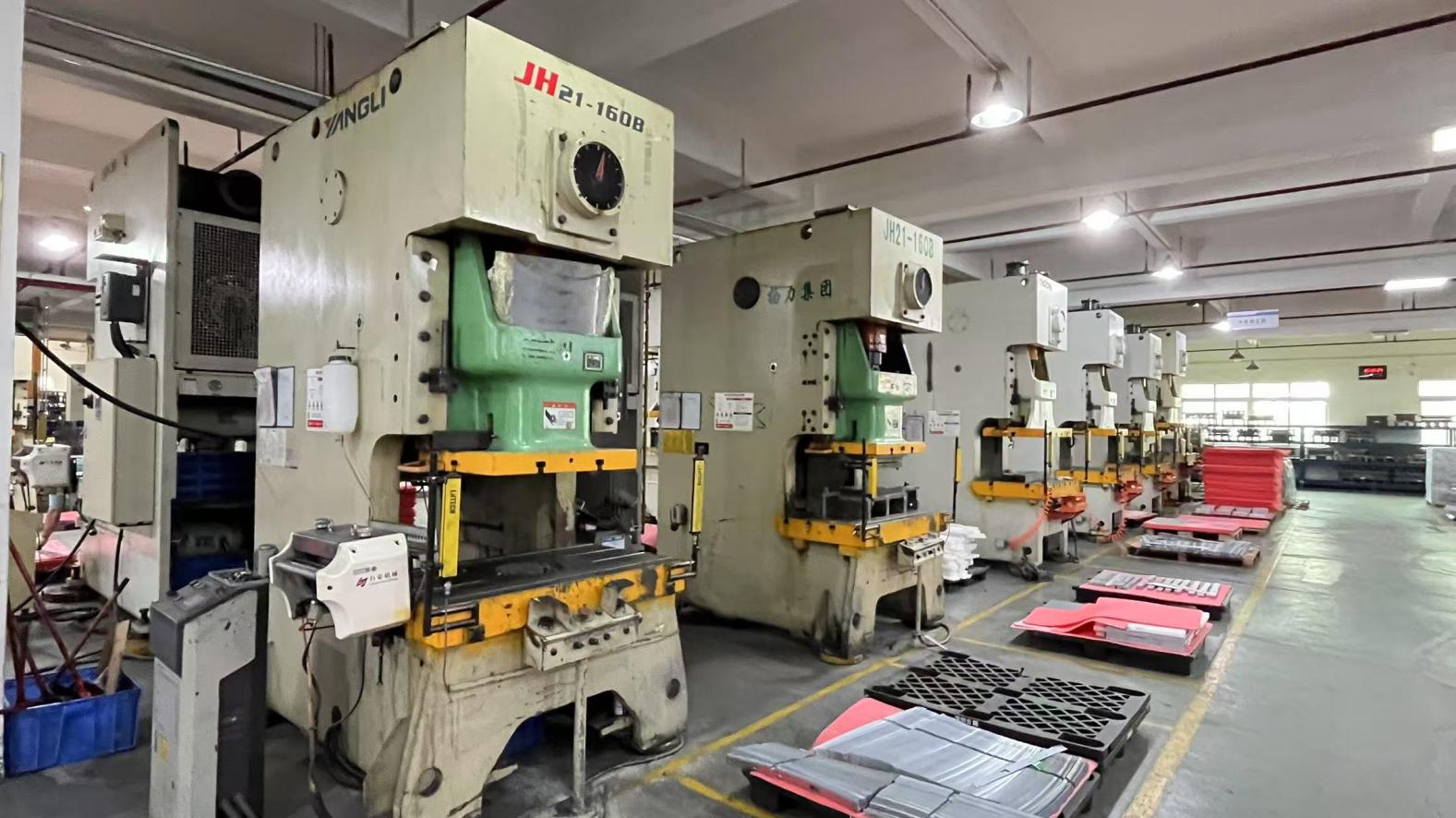
Aluminum is softer than FR-4 glass epoxy but transfers mechanical stresses differently. When processing V-scoring, routing, and drilling, we apply specialized tooling to prevent burrs and micro-fractures in the thin dielectric layer. Our advanced factories use automated milling and punch lines, alongside surface finishes like Electroless Nickel Immersion Gold (ENIG), Organic Solderability Preservatives (OSP), and Lead-Free HASL, ensuring excellent solderability and long storage life without oxidation of the exposed metal edges.
The convergence of raw material density, rapid prototyping, and sophisticated manufacturing clusters.
China is home to the world's most dense concentration of copper-clad laminate (CCL) suppliers, aluminum alloy refineries, and specialty chemical manufacturers. This geographical consolidation minimizes raw material lead times and insulates international buyers from sudden global logistics bottlenecks.
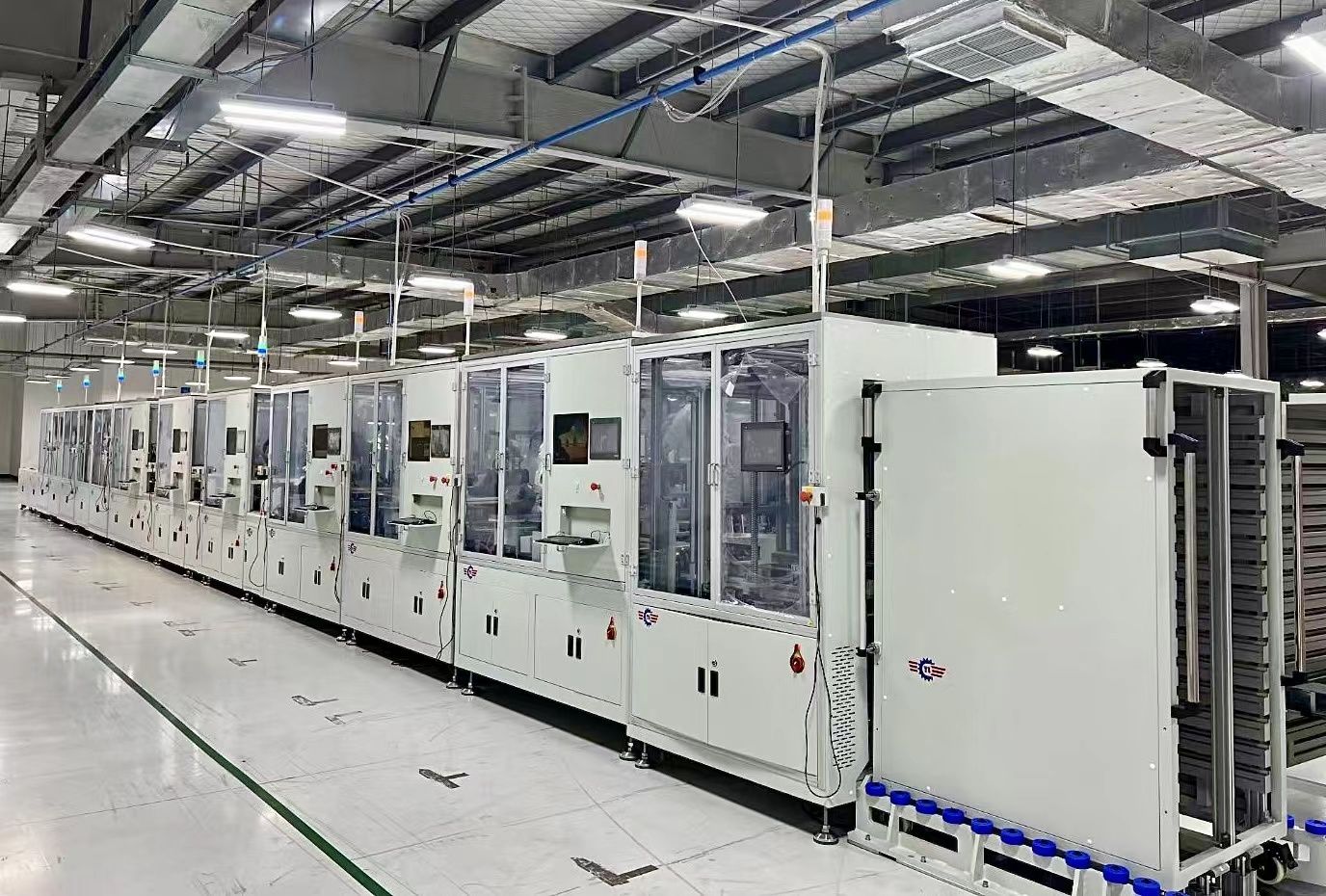
Equipped with fully automated SMT and PCB fabrication lines, Chinese factories can scale production from prototype runs to high-volume commercial batches of hundreds of thousands of units within days. Kryntel's advanced facility is engineered to run flexible production schedules, allowing rapid adjustment to meet sudden surges in demand.
By coordinating with our supply chain network of approximately 1,200 partners, we manage everything from the sourcing of premium DRAM wafers and raw copper plates to final multi-layer PCBA integration, thermal chamber testing, and secure export logistics, delivering complete, single-source solutions.
With an annual export value between USD 8 million and USD 18 million, Kryntel has spent years refining its export logistics channels. We serve major tech hubs across North America, Europe, the Middle East, and Southeast Asia. Our export operations are designed to navigate complex tariff schedules, custom clearance protocols, and compliance standards (RoHS, CE, FCC, UL) with ease.
Where extreme thermal density meets custom electronic engineering.
Modern architectural, automotive, and industrial LED fixtures require high power arrays (often using 5050 and 3535 lamp beads). Without proper heat-sinking, the phosphors in LEDs break down rapidly, shifting color spectrum and dropping luminous efficiency. Our custom aluminum substrates offer direct thermal paths from the bead solder pads to the aluminum chassis, allowing lighting arrays to operate continuously without thermal degradation.
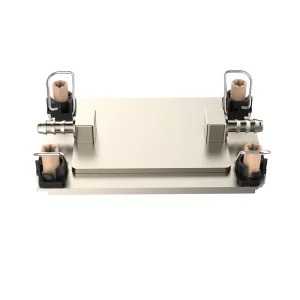
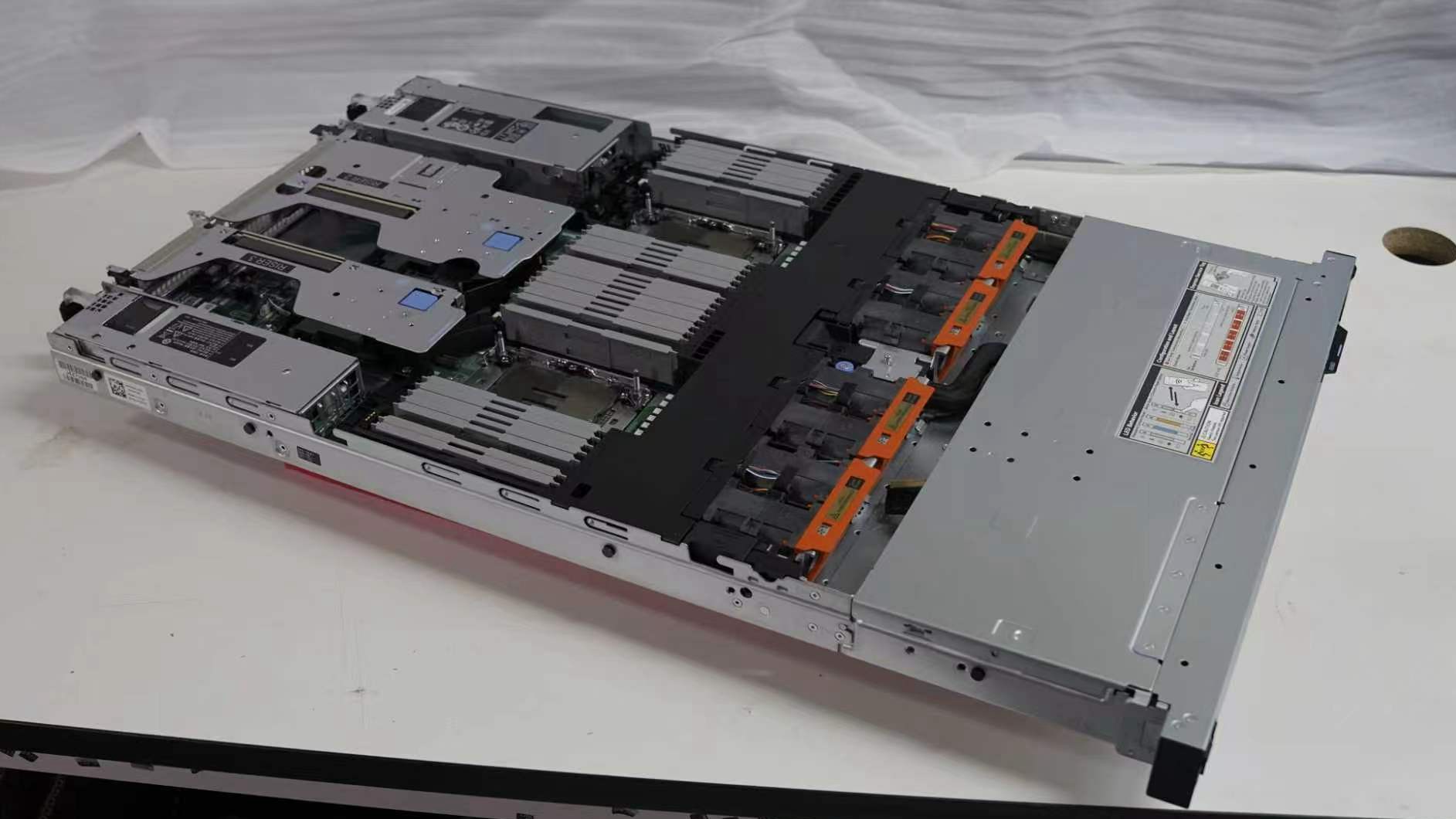
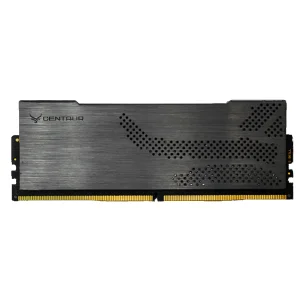
As server applications process massive loads (handling DDR4/DDR5 high-frequency signaling and running multi-core CPUs), board temperatures rise rapidly. Kryntel integrates advanced thermal design protocols into our RAM modules, water-cooling blocks (e.g., LGA4677 and LGA4189 series), and system boards. By combining thermal copper fills with heat-dissipating metal plates, we keep high-speed server hardware running at peak performance without thermal throttling.
Electric vehicles and modern combustion platforms require robust motor control drives, power converters, and ignition assemblies. These components run high voltages and currents next to sensitive digital control units. Using aluminum PCBs allows automotive systems to dissipate localized heat while maintaining the vibration and mechanical shock resistance needed for road operations.
Switching regulators, solid-state relays, and industrial rectifiers generate significant heat due to switching losses. Standard FR-4 substrates require bulky, expensive, and heavy heatsinks mounted on top of components. Transitioning these systems to aluminum PCBs turns the entire substrate into a built-in heatsink, lowering component profiles and saving space in tight industrial enclosures.
How we guarantee zero-defect shipments across complex memory modules and thermal substrates.
At Kryntel, product reliability is not an afterthought; it is built directly into our production workflow. We maintain a dedicated QA team of 42 experienced professionals who oversee our multi-stage inspection system from raw materials to final shipments.
Our R&D division, featuring approximately 160 specialized engineers, continuously optimizes trace layouts, dielectric selections, and product structures. Whether designing custom heat spreaders for DDR5 memory configurations or developing high-power LED array substrates, our engineering team ensures all electrical and physical parameters are fully optimized before mass production.
• Custom aluminum base dimensions, routing patterns, and mounting holes.
• Specialized dielectric layer selections (from 1.0 W/m-K up to 9.0 W/m-K).
• Varied solder mask options (High-reflectivity White, Matte Black, Green, Blue).
• Advanced memory parameters (SPD tuning, custom heat spreader design, high-frequency bins).
Detailed technical answers to common questions about thermal substrates, memory design, and OEM partnerships.
Inside our modern manufacturing plant, clean-room assembly lines, and testing facilities.
High-performance processing components, PCB assembly, and advanced cooling designs engineered for industrial reliability.
 Kryntel