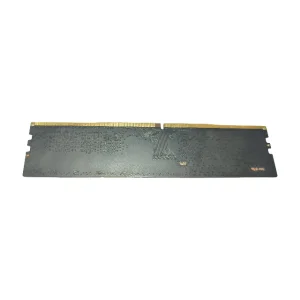
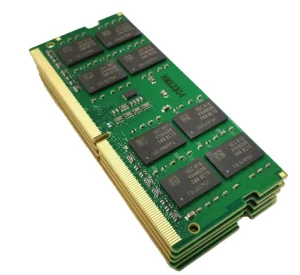
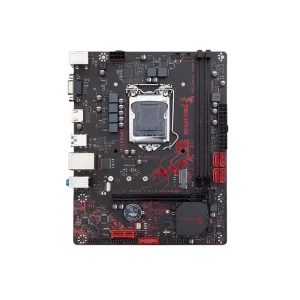
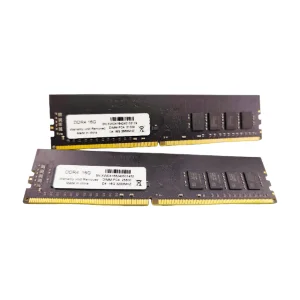
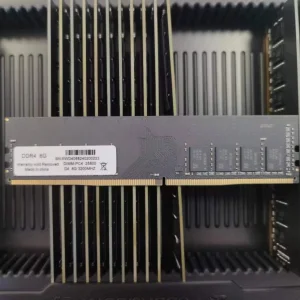
High-speed DDR5, DDR4, and LGA1700 motherboard solutions calibrated for enterprise hardware deployment within Tokyo's central IT networks.
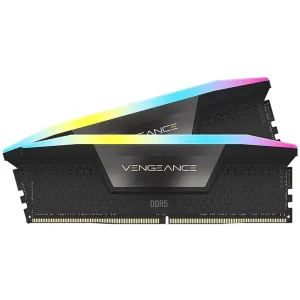
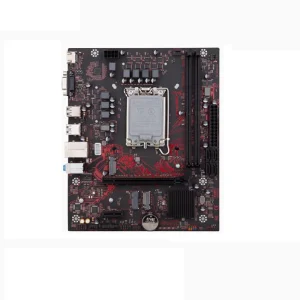
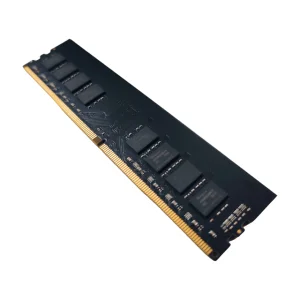
In a global hub driven by hyper-automation, IoT integration, and precision engineering, Tokyo continues to rely extensively on DDR3 memory architectures. Across industrial zones like the Ota City manufacturing hubs, the Keihin Industrial Area spanning Kawasaki and Tokyo, and the logistics terminals of the Port of Tokyo, robust embedded systems require stable memory modules that remain operational under extreme conditions. While newer standards like DDR5 and DDR4 capture the spotlight for high-performance consumer computing, the industrial and municipal sectors of Tokyo are anchored in the reliable and proven performance of DDR3 and DDR3L (Low Voltage) RAM.
The persistence of DDR3 in Tokyo's industrial space stems from the sheer volume of long-lifecycle equipment. Subway network controllers in the Tokyo Metro, building management processors in Marunouchi skyscrapers, power grid telemetry equipment managed by TEPCO, and advanced CNC machinery in small-to-medium manufacturing plants operate on boards designed to run indefinitely. Upgrading entire processing units is cost-prohibitive and presents regulatory friction, making high-quality, long-term DDR3 replacements a critical operational necessity for Japanese enterprise procurement divisions. As a dedicated semiconductor OEM/ODM partner, Kryntel Memory Technology provides exact-match legacy memory replacements optimized for these precise use cases.
Industrial applications in Japan demand high-durability memory modules that conform to rigid electrical engineering specifications. Our range of DDR3 and DDR3L products offers the electrical stability, noise immunity, and heat tolerance required for close-quarter cabinets and continuous-load systems. Below is a deep-dive analysis comparing standard DDR3, DDR3L, and modern variants to assist system engineers in selecting the correct hardware profile.
| Specification Feature | Standard DDR3 (1.5V) | DDR3L Low Voltage (1.35V) | DDR4 Comparison (1.2V) |
|---|---|---|---|
| Operating Voltage | 1.5V (Standard JEDEC) | 1.35V (Backward compatible to 1.5V) | 1.2V |
| Pin Count & Form Factor | 240-Pin UDIMM / 204-Pin SO-DIMM | 240-Pin UDIMM / 204-Pin SO-DIMM | 288-Pin UDIMM / 260-Pin SO-DIMM |
| Data Rate Ranges | 800, 1066, 1333, 1600, 1866 MT/s | 1333, 1600, 1866 MT/s | 2133 to 3200 MT/s |
| On-Die Termination (ODT) | Supported (Dynamic ODT) | Supported (Optimized for 1.35V) | Dynamic ODT / Multi-Rank |
| ECC Support | Optional (Server/Industrial variants) | Optional (ECC-UDIMM & ECC-SO-DIMM) | Supported across enterprise lines |
| Fly-By Routing Topology | Yes (Reduces skew, improves command) | Yes (Reduces skew, improves command) | Yes (With write leveling) |
In highly dense urban environments such as the Akihabara distribution zones and Chiyoda command centers, electromagnetic interference (EMI) is a persistent issue. Kryntel memory units utilize high-grade, 8-layer PCB stack-ups designed to isolate signaling lines from ambient electromagnetic noise. Additionally, we offer optional configurations featuring anti-sulfation resistors, which protect the printed silver traces against degradation in sulfur-heavy atmospheres, common near coastal ports and heavy industrial processing facilities in Japan.
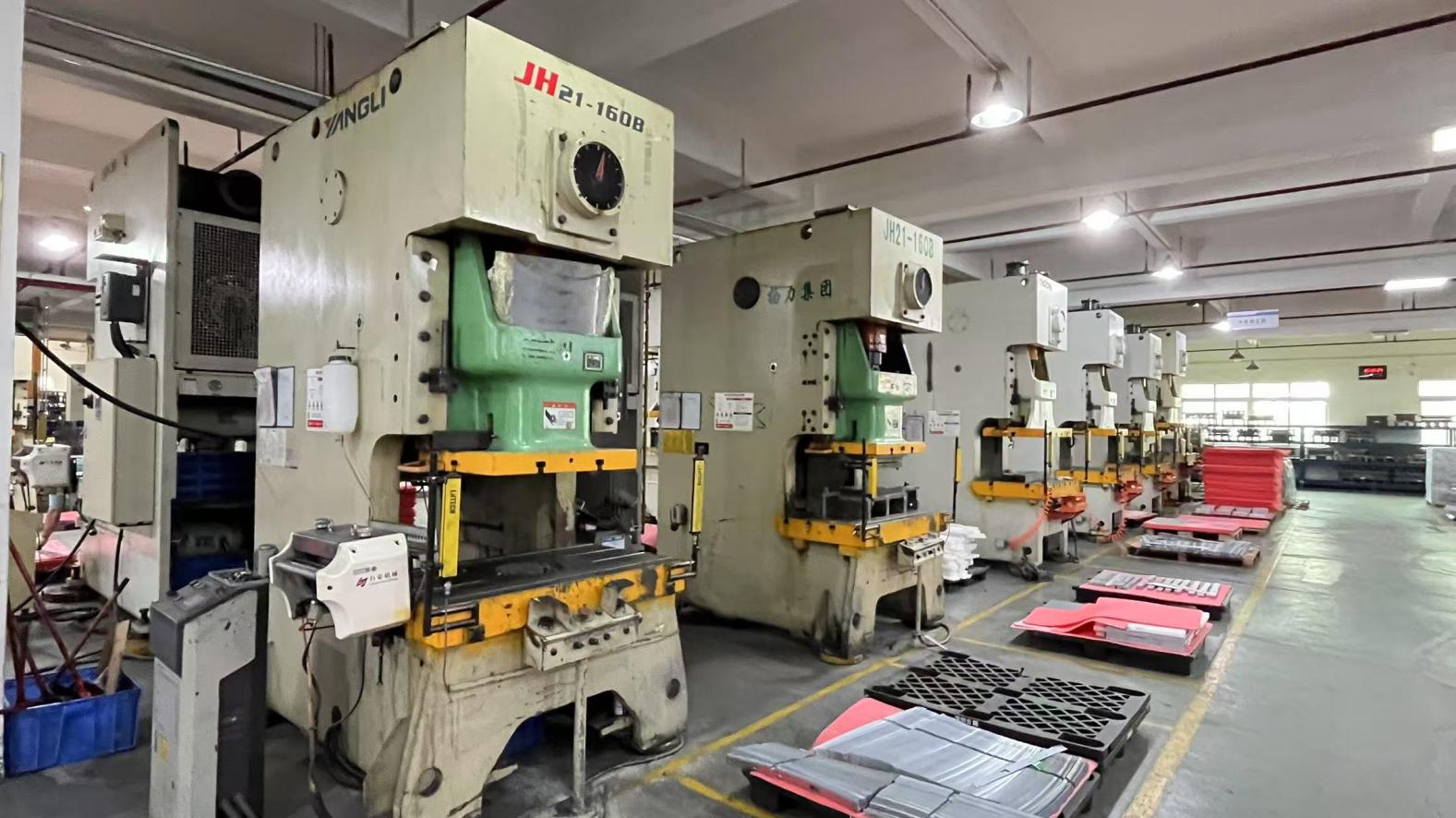
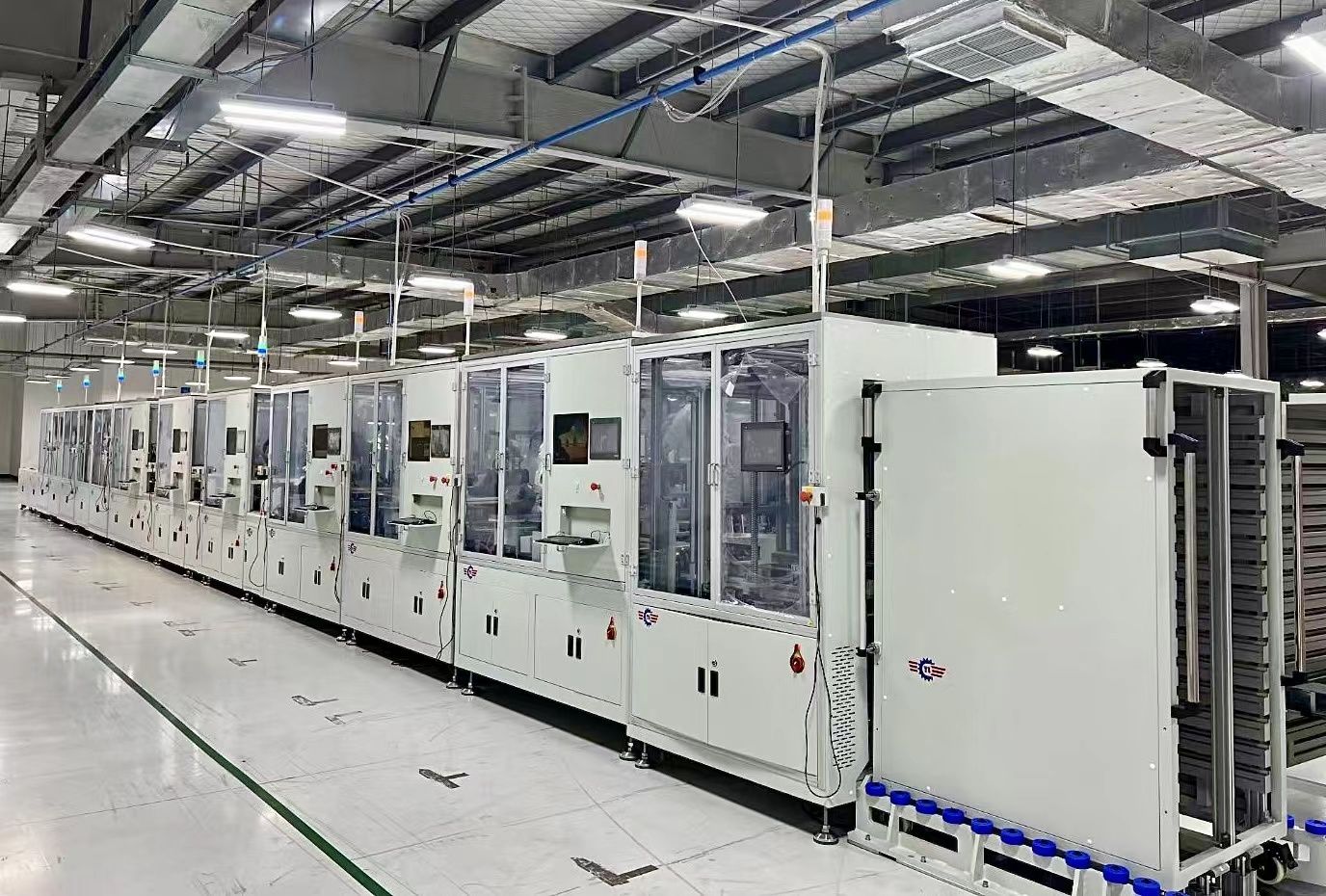
Operating a high-end cleanroom testing and assembly facility, Kryntel Memory Technology (China) Co., Ltd. sits at the heart of the global electronics supply chain. Founded in 2016, we have established direct integration channels with approximately 1,200 upstream and downstream partners. This vast semiconductor network ensures consistent sourcing of original, high-reliability DRAM chips from tier-one manufacturers, preventing supply-chain disruptions even during component shortages.
For Tokyo importers, distributors, and system integrators, purchasing through Kryntel means bypassing intermediate margins while gaining access to complete OEM/ODM customization services. We support custom PCB routing design, specialized heatsink geometries (ideal for fanless enclosures used in embedded industrial terminals), custom firmware tuning (SPD serialization), and private label branding. By bridging Shenzhen's rapid prototyping and mass-production efficiencies with the quality control standards expected by Tokyo’s corporate buyers, we ensure that every memory shipment arrives on time, fully certified, and ready for deployment.
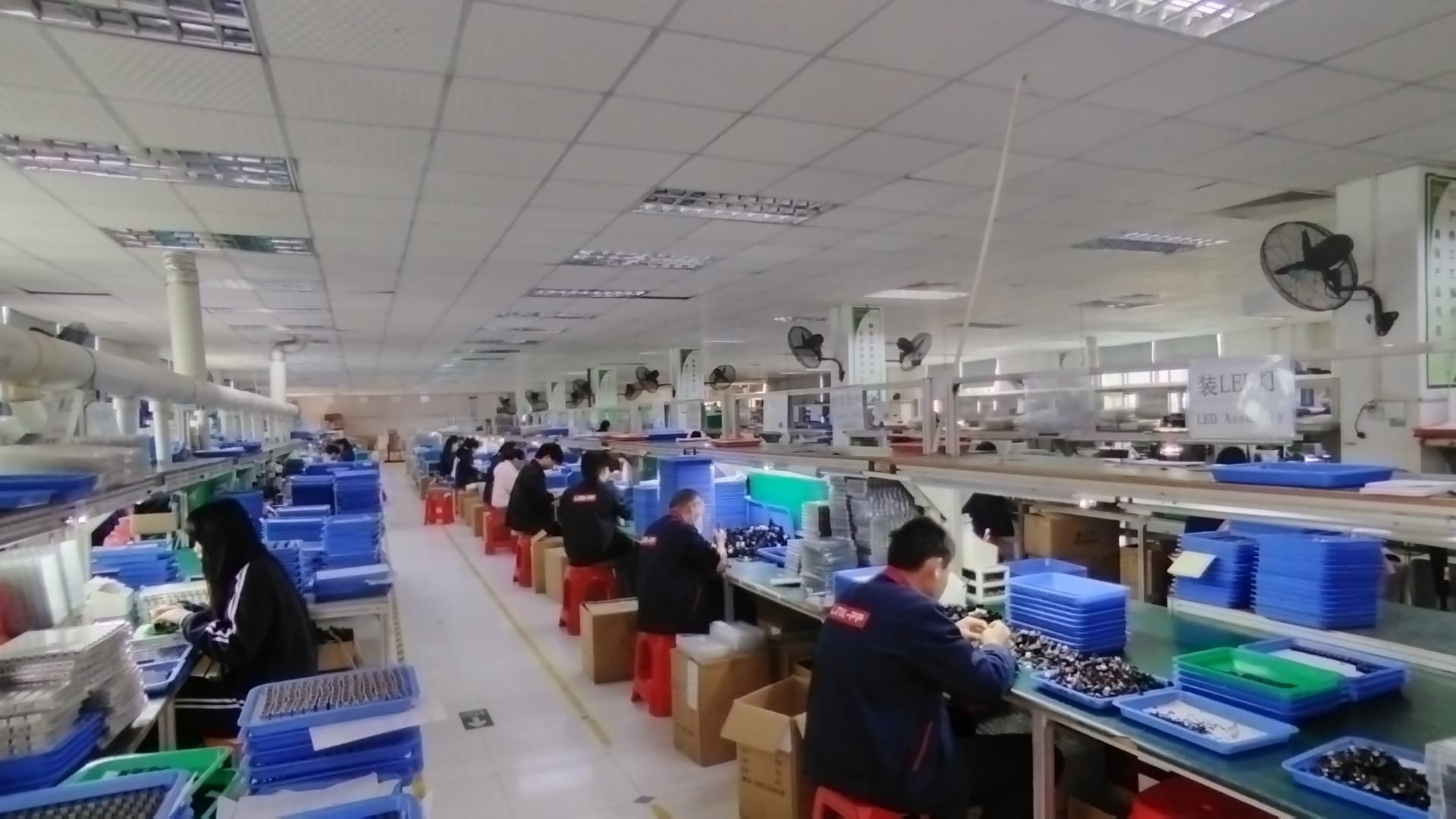
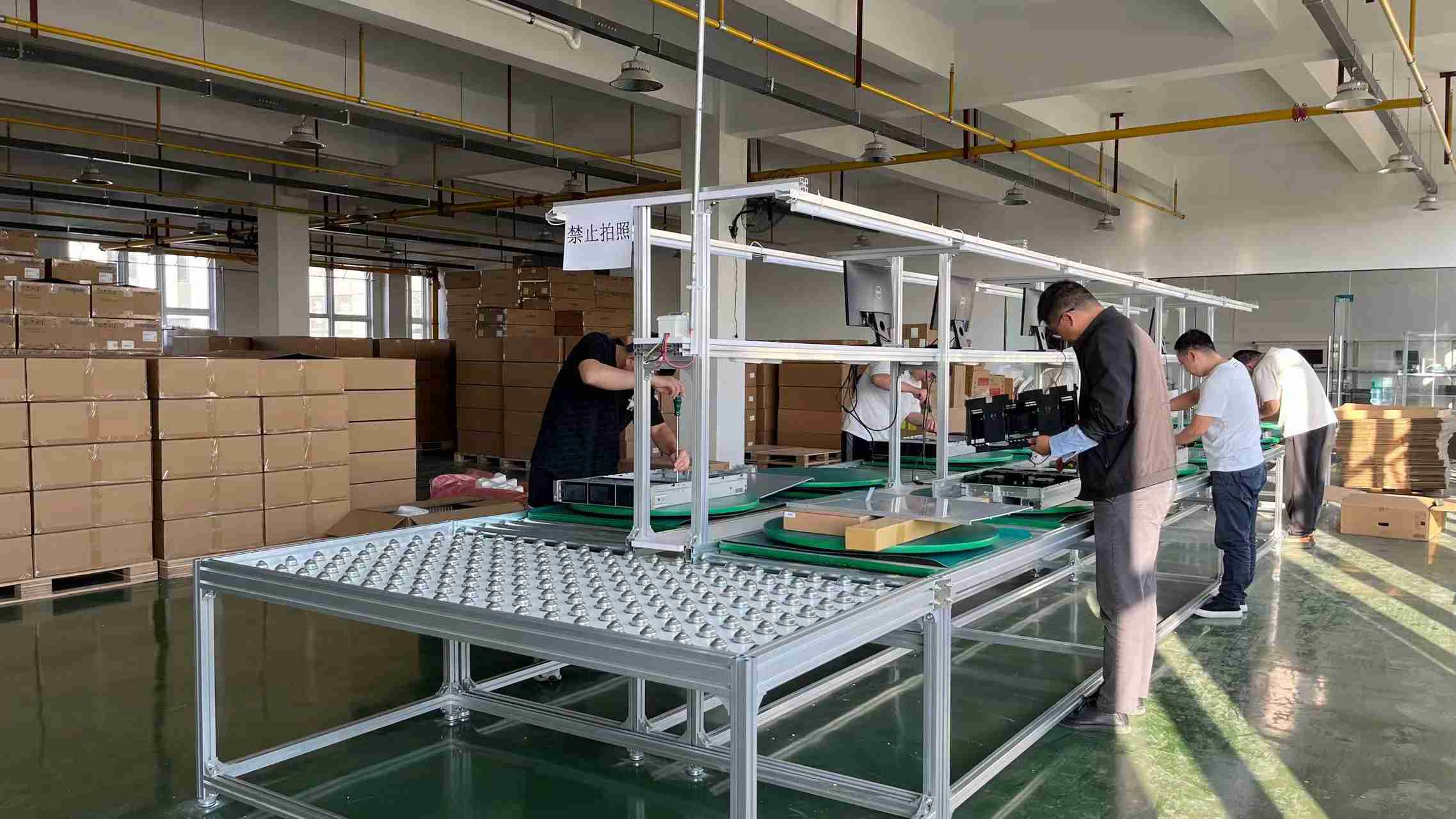
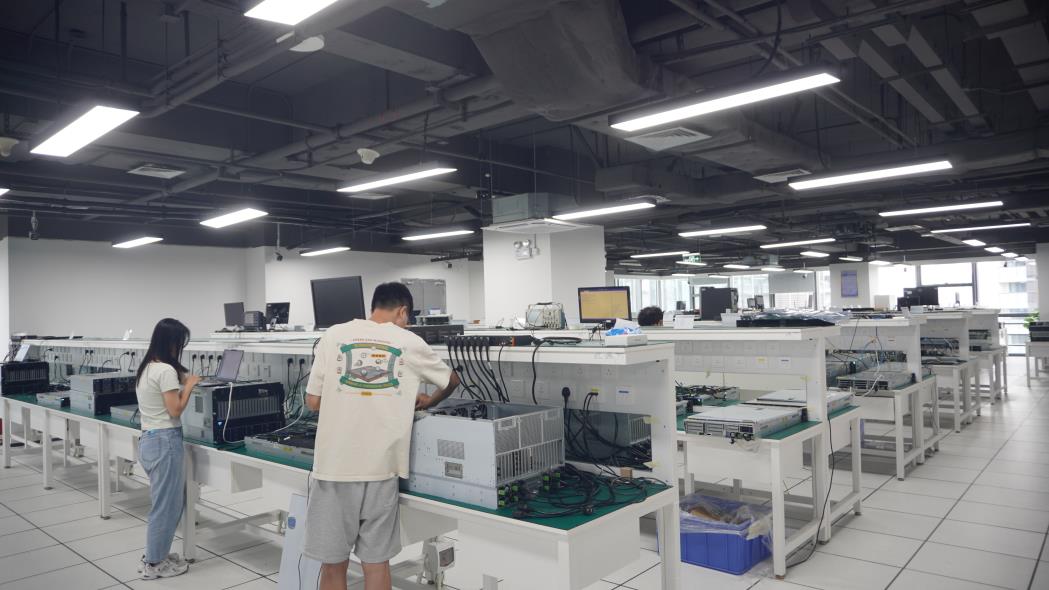
Japan's electronics import market enforces some of the world's most stringent quality benchmarks. The concept of *Kaizen* (continuous improvement) and a "zero-defect" standard dictate procurement requirements. Kryntel matches this demand via a 42-member Quality Assurance division operating structured, multi-phase verification cycles:
In terms of regulatory compliance, all products exported to Tokyo are designed to align with METI guidelines. We ensure strict adherence to RoHS and REACH environmental mandates, meaning our lead-free soldering and non-halogenated substrate processes meet Japanese domestic standards. Our team works directly with shipping consolidators to fast-track custom declarations through the Port of Tokyo and Tokyo Haneda Cargo Terminal, minimizing logistical friction.
To demonstrate the reliability of our engineering, here are three real-world scenarios where Kryntel memory modules were integrated into complex, long-lifecycle architectures across the Tokyo metropolitan area:
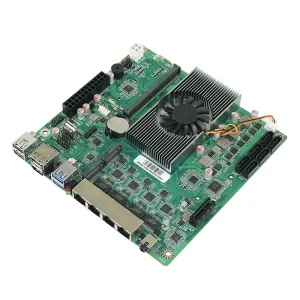
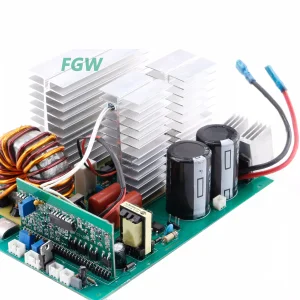
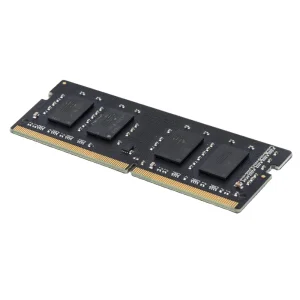
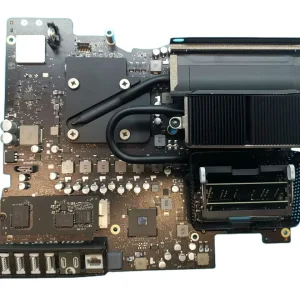
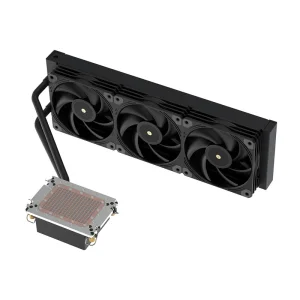
Explore our technical catalog of motherboard solutions, legacy SODIMM, and thermal heat management units engineered for Japan's industrial demands.
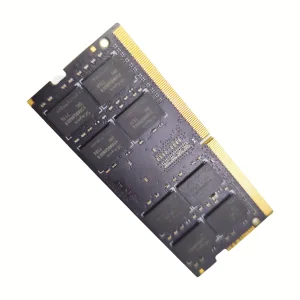
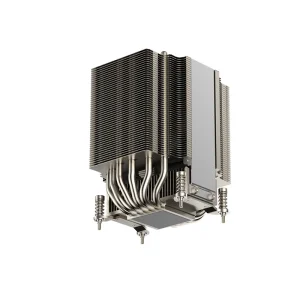
Tokyo's manufacturing and infrastructure sectors (including metro signaling, municipal utility processing, and high-precision CNC tool lines in Ota City) operate on multi-million dollar machinery designed for a 15-to-30-year lifecycle. Since updating central motherboard units can trigger complex regulatory certifications and costly downtime, replacing memory units with highly stable, newly manufactured DDR3/DDR3L modules is the most efficient, cost-effective way to preserve legacy capital assets.
Standard DDR3 operates strictly at 1.5V, whereas DDR3L is low-voltage, operating at 1.35V. DDR3L is electrically compatible with standard DDR3 systems, allowing it to scale up to 1.5V when required by legacy motherboards. However, standard 1.5V-only DDR3 modules cannot operate in modern systems designed exclusively for 1.35V (such as Intel Haswell/Broadwell embedded setups). Kryntel’s DDR3L modules are dual-voltage verified, ensuring seamless backward compatibility.
Our engineering team maintains a testing laboratory equipped with legacy chipset setups commonly found in Japanese industrial motherboards. We custom-program the EEPROM chip on our modules with the precise Serial Presence Detect (SPD) tables needed to match the clock cycle and latency parameters expected by legacy BIOS firmware. This prevents POST failures and memory training delays during system startup.
We employ a 42-person QA team conducting full visual inspection, automatic 3D AOI testing, dynamic high-temperature burn-in cycles (operating RAM boards at elevated temperatures to trigger potential infant failures before shipment), and compatibility stress tests. Every batch of DRAM chips is graded to match original specifications from tier-one semiconductor suppliers, ensuring exceptional stability.
Yes. All memory modules, motherboards, and server accessories exported to Tokyo conform to Japan’s domestic environmental mandates. Our assembly processes use lead-free solder in line with RoHS and REACH regulations, simplifying customs clearance at Tokyo ports and facilitating compliance with internal corporate environmental audits.
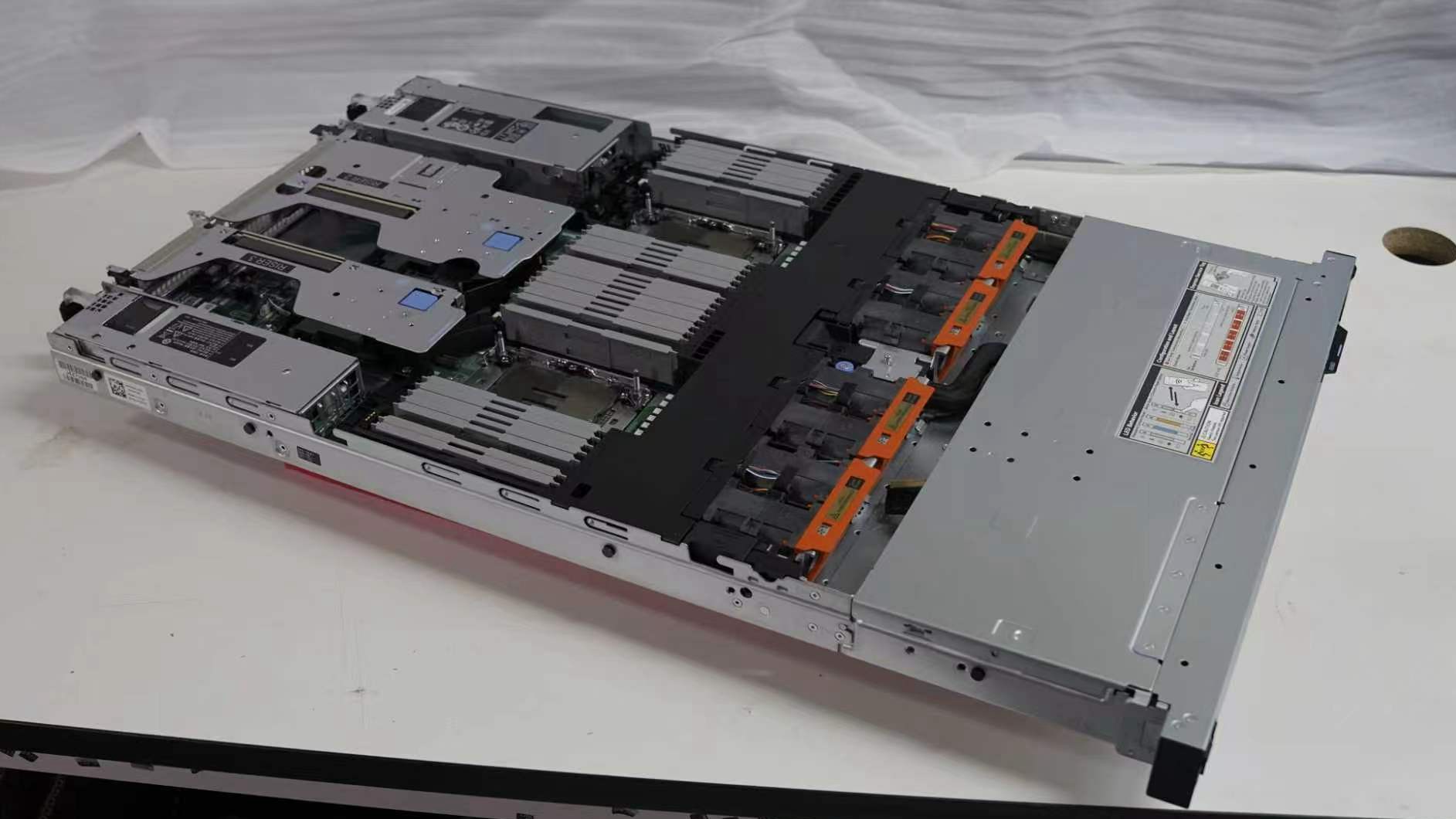
Yes, our R&D department of 160 engineers specializing in memory architecture supports advanced customization. We provide ultra-low profile (VLP) PCBs for 1U server chassis, customized SO-DIMM formats for fanless edge gateways, custom heatsink integrations, and anti-sulfur conformal coatings for heavy industrial environments.
Thanks to our localized international trade teams, once production and QA steps are completed, we secure express air freight lines directly from Shenzhen/Guangzhou to Tokyo Haneda or Narita Airports. Typical transit times range from 3 to 5 business days. Sea freight routes to the Port of Tokyo are optimized for bulk industrial roll-outs, with typical sailing schedules of 7 to 10 days.
We provide end-to-end private labeling. This includes silk-screening company logos on PCBs, custom heat spreader colors and designs, custom-designed consumer retail boxes or industrial bulk trays, and pre-programmed SPD firmware showing the client's registered brand identifier.
Are you upgrading legacy municipal infrastructure, importing bulk components for Tokyo's retail and enterprise sectors, or developing specialized embedded hardware? Contact our B2B sales and technical support teams for detailed specifications, sample testing, and custom price structures.
Send Inquiry Now Kryntel