Premium OEM/ODM hardware options optimized for heavy workloads, advanced desktop computing, and server ecosystems.
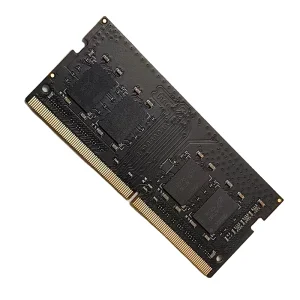
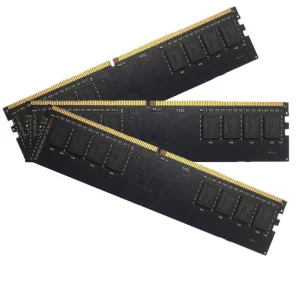
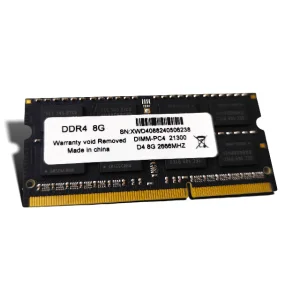
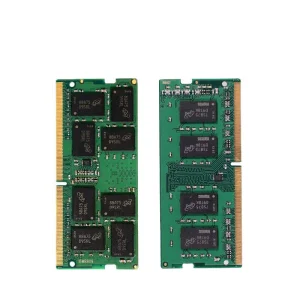
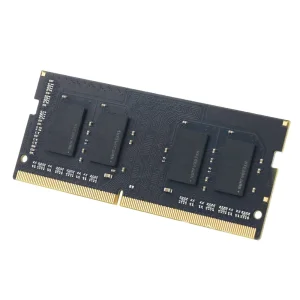
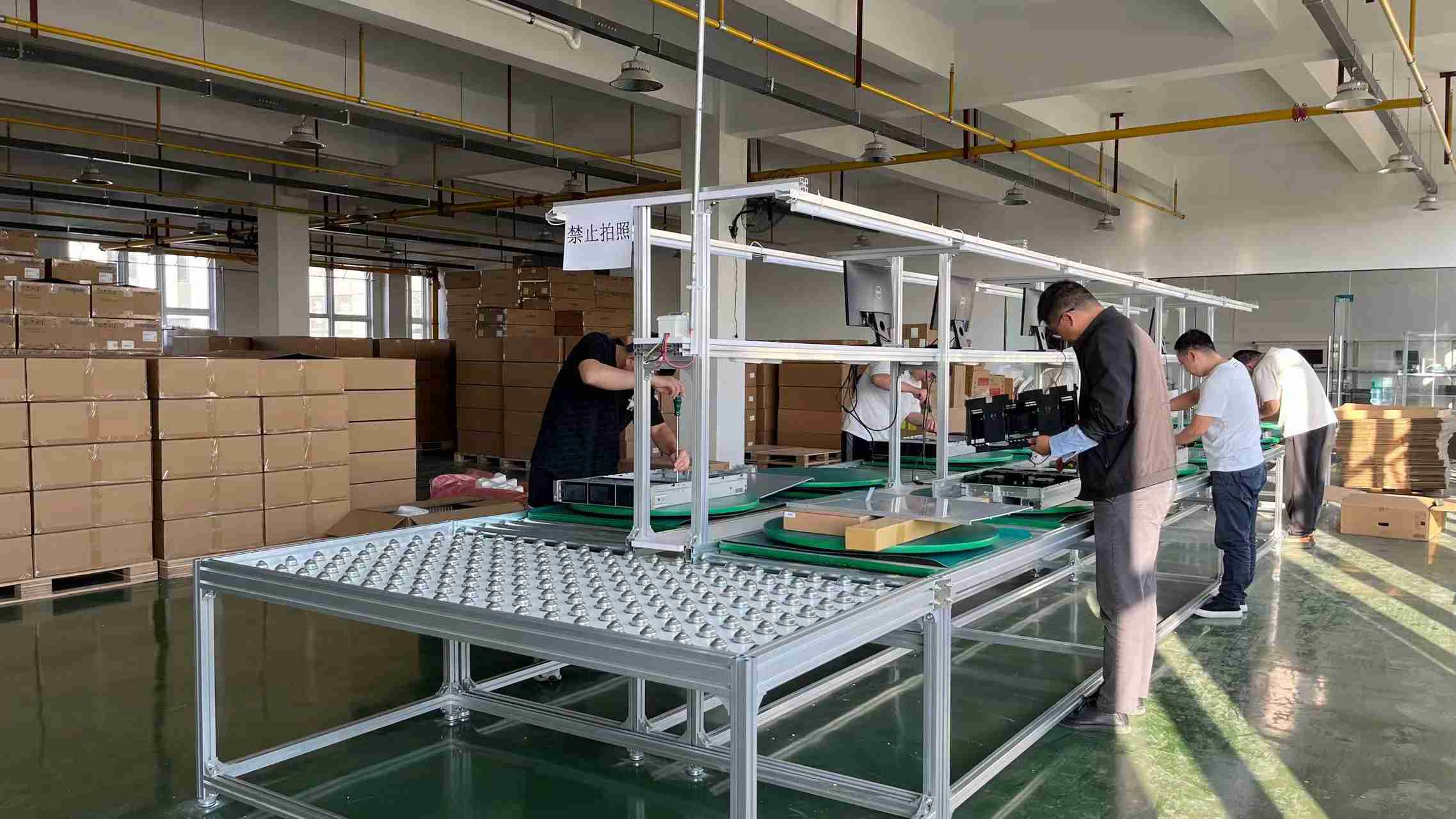
Founded in 2016, Kryntel Memory Technology (China) Co., Ltd. has established itself as an elite semiconductor memory module manufacturer, specializing in high-performance DDR4 and next-generation DDR5 configurations. Our facility houses modern precision SMT assembly lines, and high-speed testing machinery designed to satisfy strict international standards.
Our core operational competency spans the full spectrum of industrial, gaming, and enterprise memory upgrades. Operating out of a specialized 320㎡ hub, our engineering teams focus on critical signal integrity, high-temperature load resilience, and power optimization metrics.
"Through deep collaborations with our supply chain partners, we ensure that every NAND flash and DRAM chip utilized meets optimal tier-1 standards, granting OEM partners a distinct performance-to-cost advantage."
Analyzing critical supply dynamics, enterprise performance challenges, and why hardware optimization remains a major driver for TCO reduction.
Global data processing requirements are scaling exponentially. Upgrading legacy server platforms with high-density DDR4 ECC modules and transitioning to new DDR5 memory platforms allows companies to delay expensive CPU replacements while boosting memory-bound application performance.
Modern multi-core processors require wider memory bus capabilities. Without adequate, high-speed RAM configurations, standard system resources remain underutilized. Upgrading to optimized latency modules directly reduces computation wait states across virtualized hardware nodes.
As memory upgrades become more localized, modern factories in China leverage massive raw component availability and close proximity to key IC packaging plants. This guarantees stable production scaling and helps international computer brands protect their margins.
Understanding critical differentiators in memory architecture enables procurement managers to select the correct technology path for system longevity.
| Feature Parameter | DDR4 SODIMM/UDIMM (Legacy & Current) | DDR5 RDIMM/UDIMM (Next-Generation) | Architectural Benefits |
|---|---|---|---|
| Operating Voltage | 1.2V (Up to 1.35V for performance kits) | 1.1V (Highly localized power control) | Improved thermodynamic profiles & reduced power drain. |
| Power Management | Managed by host system motherboard | On-board PMIC (Power Management IC) | Granular power routing, minimizing cross-signal noise. |
| Data Rates | 1600 MT/s to 3200 MT/s | 4800 MT/s to 8400+ MT/s | Substantial throughput expansion for AI training workloads. |
| Error Correction Code | Sideband ECC (Requires dedicated motherboard controller) | On-Die ECC + Sideband Options | Protects single bit states directly inside the DRAM die. |
| Max Density (Single Die) | Up to 16 Gb | Up to 64 Gb | Facilitates ultra-high capacity dense node memory deployment. |
A look at standard memory evolution trends, demonstrating our long-term alignment with technological advancements.
Industrial sectors achieved total maturity with DDR4 memory standards, reaching maximum stability across 2400MHz to 2666MHz frequencies.
Enterprise demand shifted toward 3200MHz DDR4 UDIMMs and high-efficiency SODIMM units, supporting edge server nodes and virtual environments.
Integration of on-board PMIC and On-Die ECC. Rise of AI clusters forcing systems to integrate higher capacity platforms at lower operating voltages.
Compute Express Link (CXL) technologies will redefine pooling configurations, creating highly modular layouts across data centers globally.
From micro-controller interface requirements to multi-terabyte system setups, our hardware portfolio delivers stability.
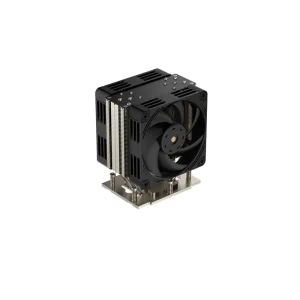
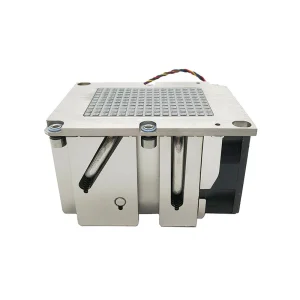
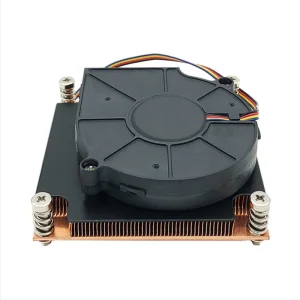
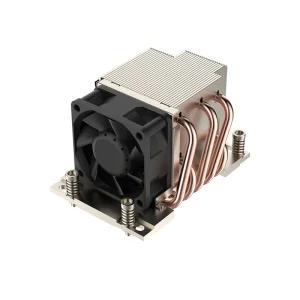
Our server-optimized modules reduce memory parity crash occurrences. Standardizing heatsinks like the 205W LGA3647 or the 400W SP5 cooler guarantees CPU configurations remain within safe thermal operating limits under sustained hyper-threaded conditions.
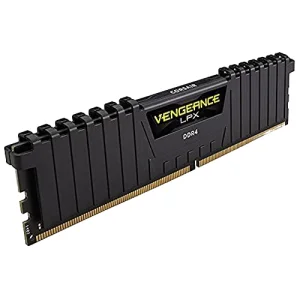
System speed requires dynamic memory responsiveness. Our high-frequency DDR4 and DDR5 components leverage custom PCB thermal pads, allowing boutique system builders to load high-performance overclock profiles with reliable heat dissipation.
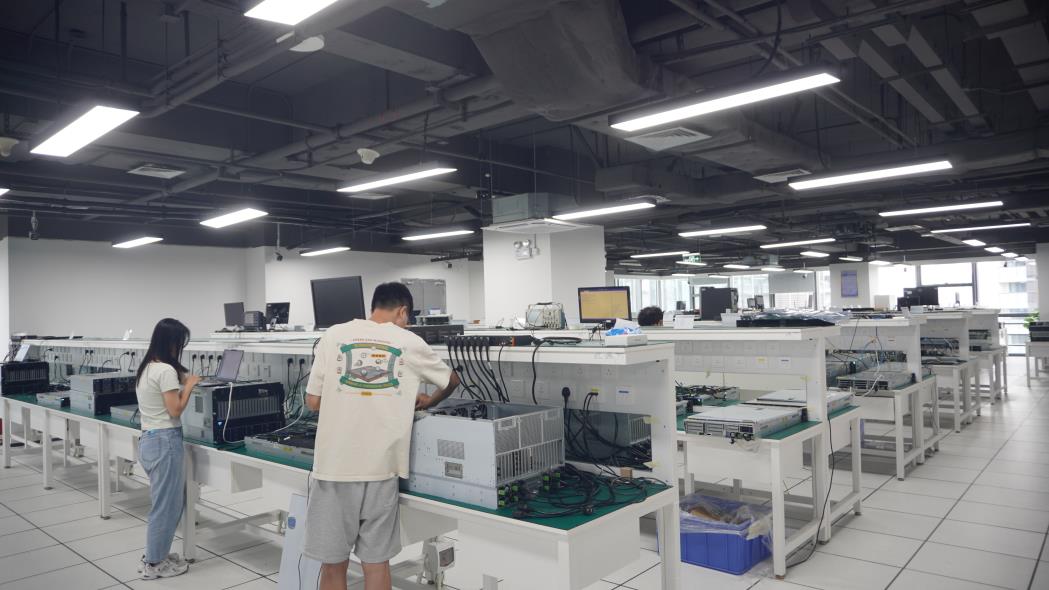
Every single batch of DRAM modules produced in our facility undergoes a rigorous, multi-point verification process designed to protect customer investment and eliminate the risk of field failures.
We verify DRAM silicon wafers for gate reliability and correct electrical properties before beginning assembly.
Modules run continuously under fluctuating thermal loads in environmental chambers to eliminate weak components before shipping.
Memory modules are validated across a wide array of Intel and AMD platforms to guarantee stable BIOS training and memory timing alignment.
Our standard operating policies ensure that key target thresholds are strictly enforced across every production batch.
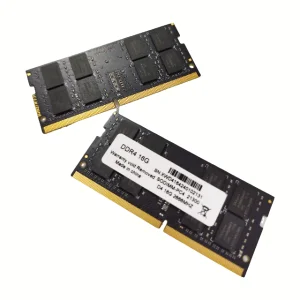
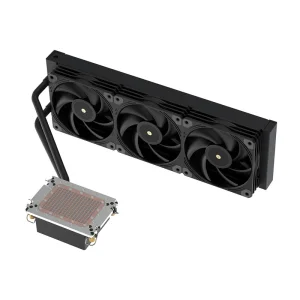
Engineered hardware parts, optimized thermal cooling units, and server-specific RAM kits built to withstand high continuous workloads.
Detailed technical answers to common questions about DRAM integration, hardware compatibility, and ODM factory practices.
Compatibility is determined by several factors: the motherboard chipset's maximum capacity limit, voltage requirements (such as standard 1.2V vs 1.1V for next-gen models), profile support (XMP/EXPO), rank configuration (single-rank vs dual-rank), and physical connector styles (SODIMM vs UDIMM). Using memory modules with mismatched frequencies can lead to boot failures or cause systems to drop down to the lowest supported frequency.
On-Die ECC corrects single-bit errors directly within the memory chip before sending data to the processor. This feature is standard on all DDR5 chips to help manage higher density layouts. In contrast, traditional module-level ECC uses a dedicated physical register on the module to scan and correct data while it is in transit, which requires a compatible CPU and motherboard chipset.
An on-board PMIC moves voltage regulation from the motherboard directly onto the memory module. This design reduces motherboard design complexity, minimizes electrical noise, provides cleaner power distribution, and allows for more precise voltage adjustments during peak computing workloads.
We provide full-service manufacturing customizations, including custom PCB layouts, high-performance heat sinks, custom SPD programming, laser engraving for branding, custom packaging, and specialty firmware tuning to meet specific performance and stability goals.
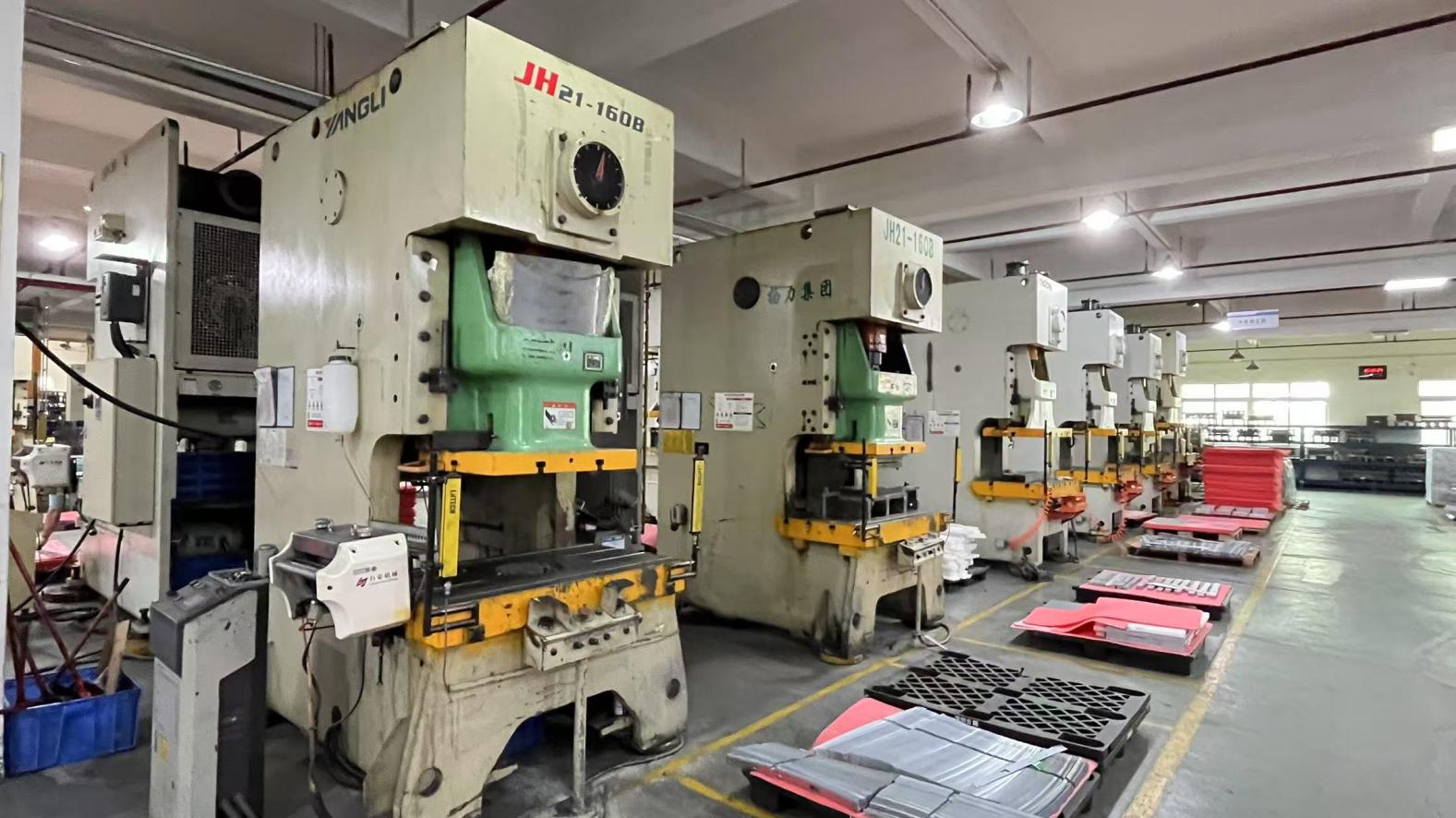
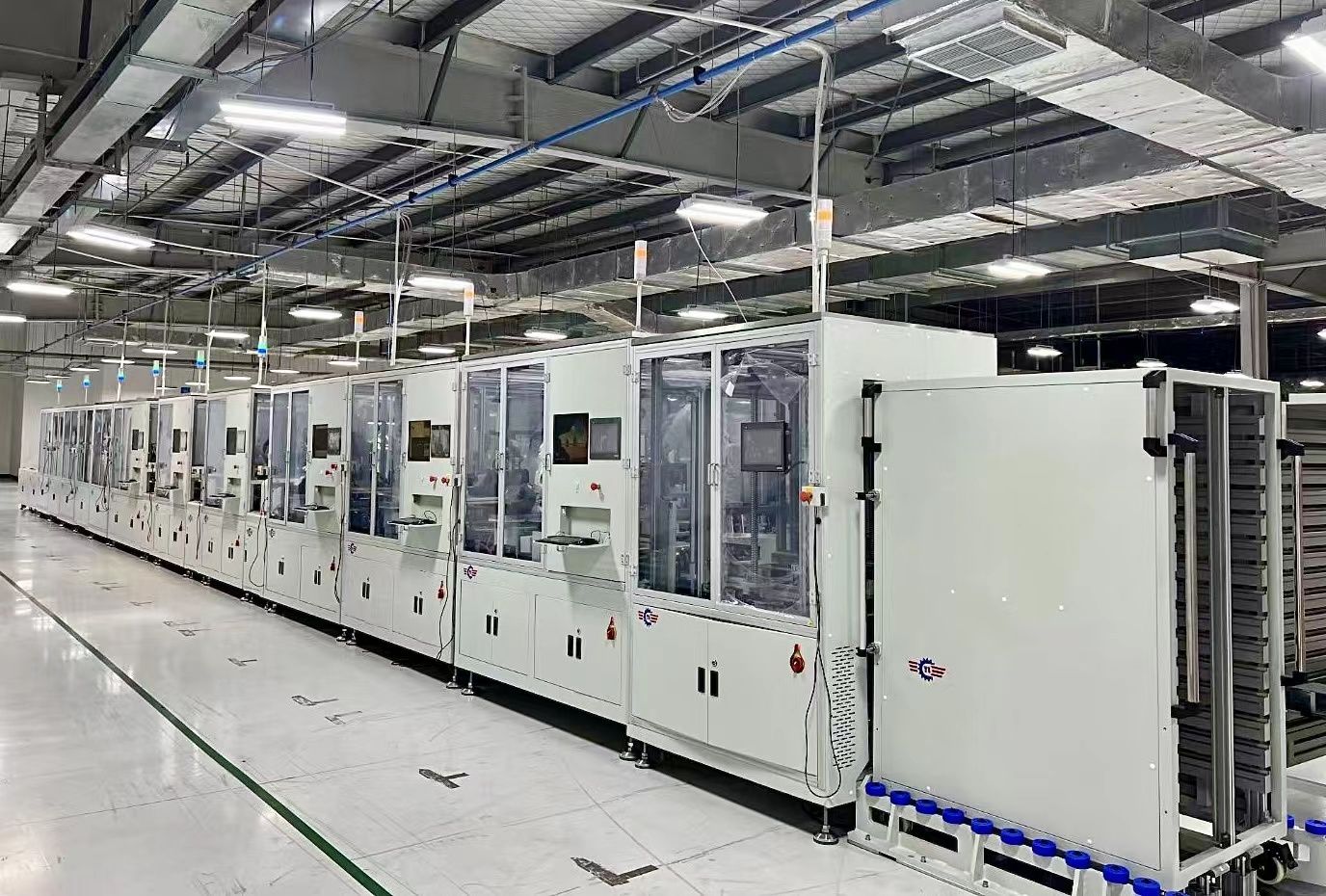
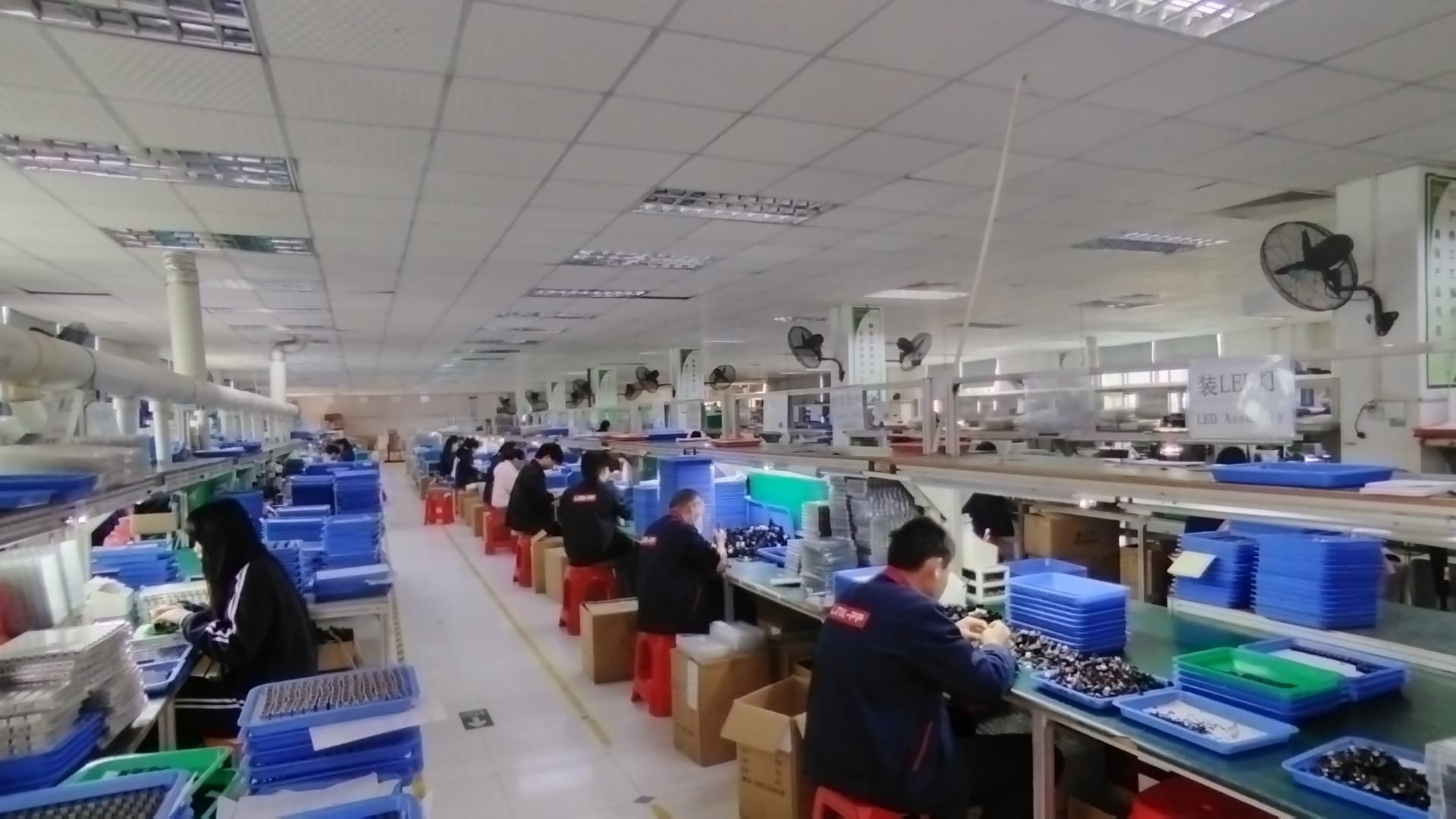
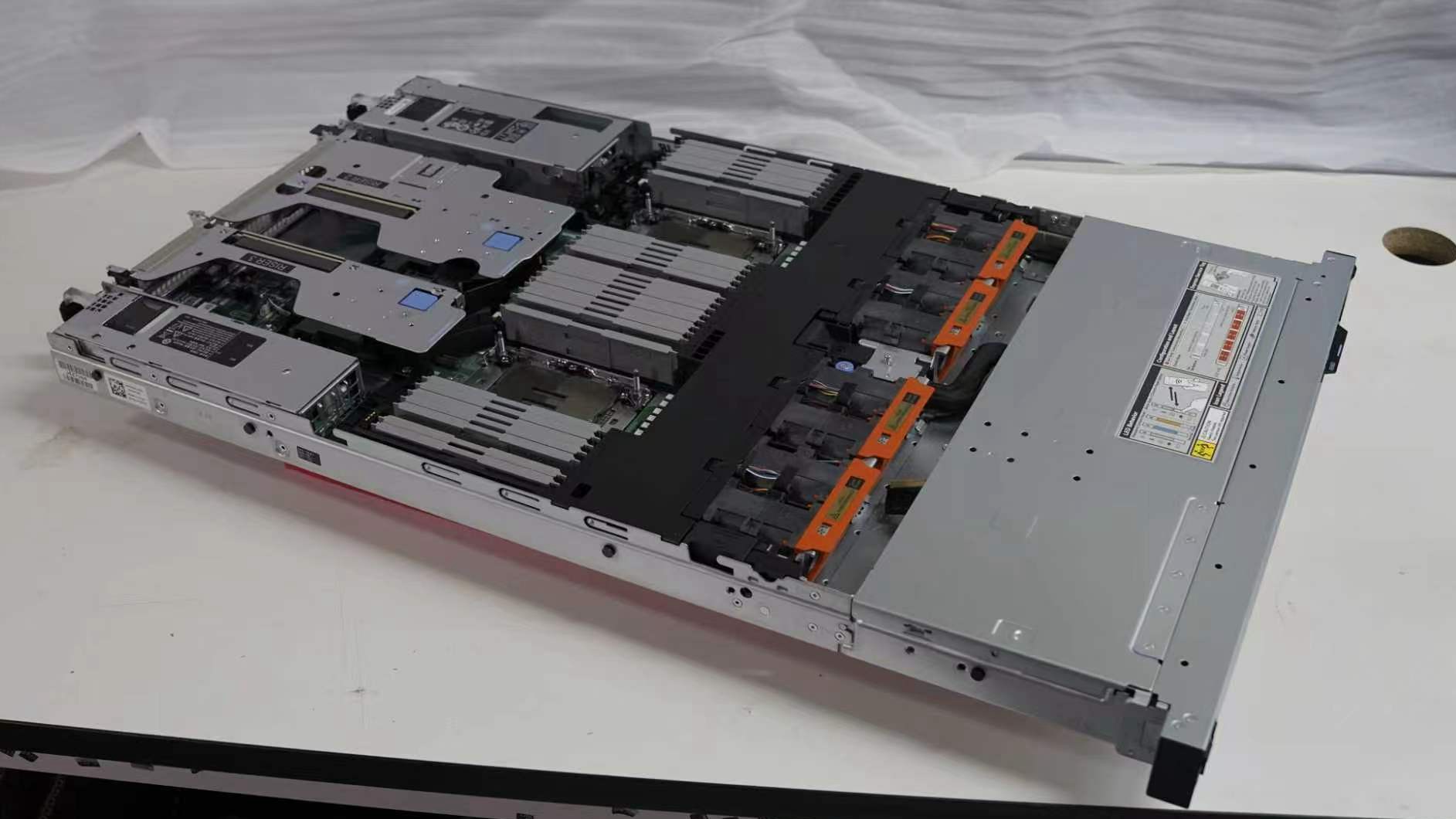
Inside our modern facility. View our automated SMT lines, testing rooms, and quality control systems.
 Kryntel