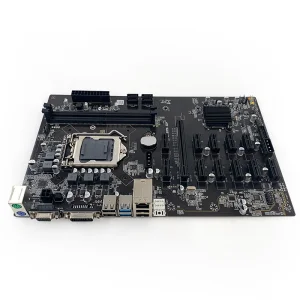
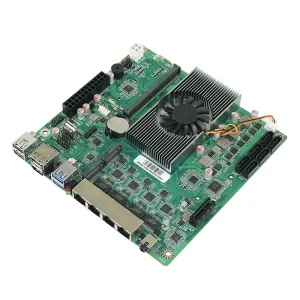
High-performance custom motherboards, server modules, and high-frequency PCBs designed to host and process ultra-low latency video streams.
In the contemporary hyper-connected digital landscape, the global demand for enterprise-grade video capture systems has expanded far beyond simple consumer gaming and entertainment streaming. Today, PCI-Express (PCIe) video capture cards, M.2 hardware grabbers, and customized multi-channel capture modules form the operational backbone of mission-critical systems worldwide. From ultra-high-definition (UHD) medical endoscopy diagnostics and AI-driven automated optical inspection (AOI) on industrial factory floors, to defense simulation, command center operations, and real-time broadcasting networks, the stability and processing capabilities of these devices are non-negotiable.
As a specialized segment within industrial computing and signal acquisition, manufacturing video capture cards requires an advanced convergence of high-frequency circuit design, active thermal dissipation management, and deep system-level integration. Enterprise purchasers require hardware that delivers sustained, error-free capture of raw, uncompressed video streams (such as 4K HDR at 60Hz or 1080p at 240Hz) with sub-frame latencies. Consequently, global system integrators and distributors actively seek established OEM/ODM manufacturers capable of delivering custom PCB designs, robust firmware tuning (including custom DirectShow/V4L2 driver packages), and verified hardware compatibility across multi-architecture platforms (x86, ARM, and specialized FPGA-driven compute nodes).
Real-time SDI/HDMI signal distribution networks requiring uncompressed frame buffer processing and zero frame-drop tolerances.
Ultra-low latency frame grabbers for surgical cameras, CT scanners, and diagnostic displays with stringent regulatory compliance.
High-resolution acquisition boards feeding neural networks for real-time defect detection and manufacturing line monitoring.
The primary engineering bottleneck in video capture card design centers on signal integrity and memory bandwidth. A single raw 4K stream at 60 FPS (RGB 24-bit) generates approximately 12 Gbps of throughput. Directing this volume of data continuously through PCIe lanes to system memory without introducing signal reflection, electromagnetic interference (EMI), or memory buffer underruns requires rigorous physical design rules.
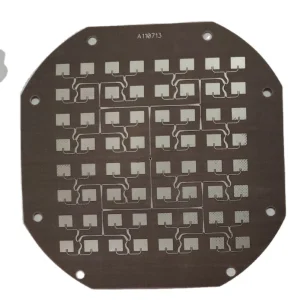
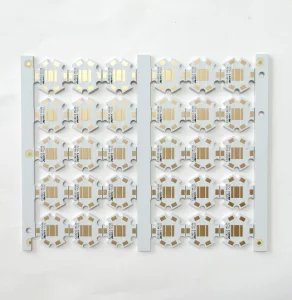
High-frequency capture boards rely on advanced PCB substrates, such as Taconic TLY-5 high-frequency laminates and aluminum-clad PCBs, which maintain stable dielectric constants (Dk) and low dissipation factors (Df). Utilizing multi-layer PCB stacks with differential microstrip routing guarantees that high-speed signals—whether HDMI 2.1, 12G-SDI, or PCIe Gen 4 lanes—reach the processing ASIC or FPGA without attenuation.
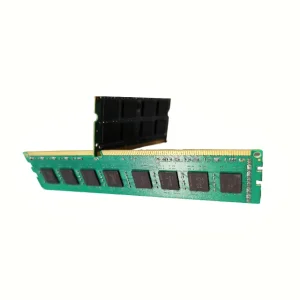
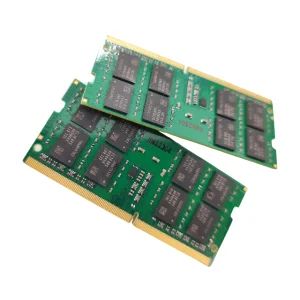
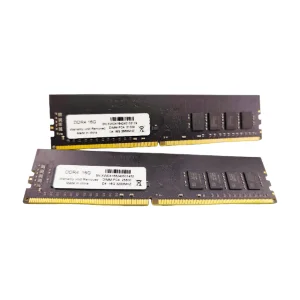
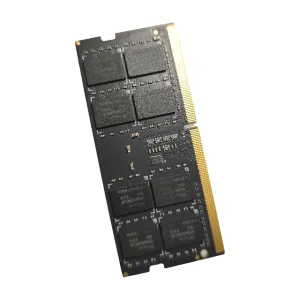
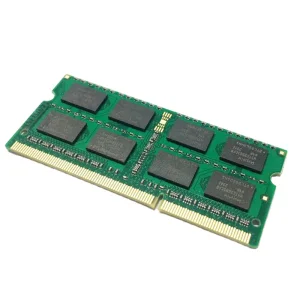
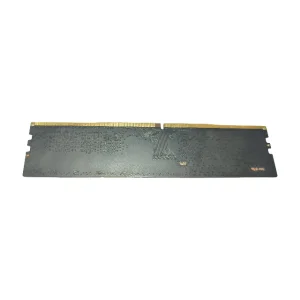
Furthermore, to prevent frame drops when system CPU workloads spike, modern capture architectures incorporate dedicated onboard RAM buffers. Integrating high-performance DDR4 or DDR5 ECC modules directly onto the capture card ensures high-speed, localized FIFO (First-In, First-Out) queuing. This local memory architecture acts as a temporary buffer during bus arbitration delays, maintaining smooth stream delivery even under maximum server stress.
| Industrial OEM/ODM Engineering Parameters | |
|---|---|
| Interface Standards | PCIe Gen 3/4 x4/x8, USB 3.2 Gen 2, M.2 M-Key |
| Video Interfaces | HDMI 2.1, 12G-SDI, DisplayPort 1.4, Dual-Link DVI |
| Memory Buffering | Onboard LPDDR4X / DDR4 / DDR5 ECC FIFO Buffers |
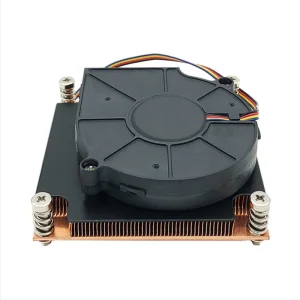
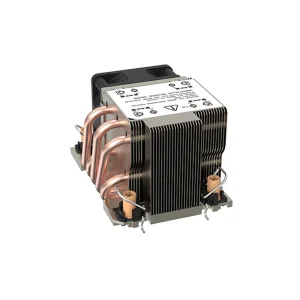
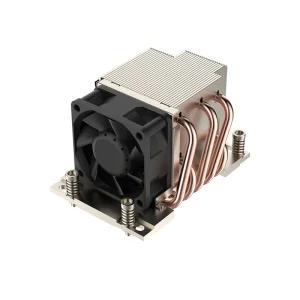
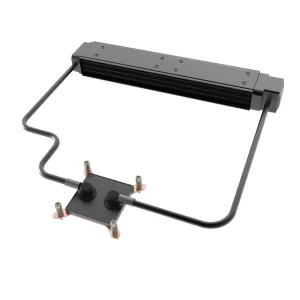
| Thermal Solutions | Active Fan Coolers, Vapor Chamber Copper Heatsinks |
| PCB Construction | High-frequency FR4, Taconic TLY-5, Aluminum Substrates |
| OS Driver Compatibility | Windows, Linux (V4L2 Kernel Drivers), macOS, Android |
Our engineering and export infrastructure ensures high-yield production, rigorous validation protocols, and global delivery logistics.
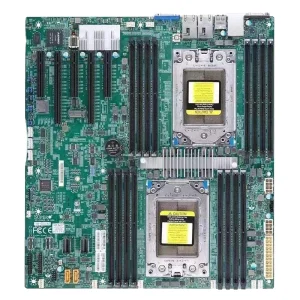
As global supply chains shift, system developers require hardware manufacturers with comprehensive quality assurance mechanisms. Our multi-stage inspection standard integrates incoming material inspection, in-process quality control, long-term high-temperature thermal stress aging tests, and compatibility testing with all major motherboard platforms (including Intel Xeon, AMD EPYC, and ARM architecture servers). Armed with 1,200 upstream and downstream supply partners, we ensure stable sourcing of high-grade DRAM chips, controllers, and passives, eliminating procurement delays for high-volume custom runs.
The trajectory of high-end video capture technology is accelerating toward higher pixel densities, higher color depths (10-bit/12-bit HDR), and network-centric signal routing. SMPTE ST 2110 (Video over IP) is rapidly replacing traditional coaxial SDI infrastructure, requiring capture hardware to incorporate high-speed network interfaces (SFP28, 25GbE/100GbE) to ingest and process uncompressed streams directly over local area networks.
Concurrently, the transition to 8K resolution at 60 FPS is pushing traditional PCI Express bandwidth to its limits. Our engineering roadmap includes the adoption of PCIe Gen 5 interfaces and H.265/AV1 onboard hardware encoders. This reduces host CPU compute overhead, enabling seamless multi-channel UHD capturing. By optimizing PCB trace topology, implementing advanced copper-aluminum vapor chamber coolers, and developing dynamic driver integration layers, we enable next-generation OEM/ODM capture boards to operate continuously in ambient environments up to 60°C.
Transition from point-to-point physical cables to high-efficiency software-defined video-over-IP network interfaces.
Hardware-accelerated processing chips integrated directly onto the card to minimize host system PCI bandwidth bottlenecking.
Doubling throughput speeds to handle raw, multi-stream 8K video capture at low latency without dropped packets.
Answers to common design, hardware, and integration questions from systems engineers and procurement professionals.
Established in 2016, our facility is equipped with modern SMD lines, custom testing benches, and advanced reliability screening facilities.
As a professional DDR5 memory and high-frequency hardware manufacturer, Kryntel Memory Technology (China) Co., Ltd. specializes in delivering high-performance components for global OEM, ODM, and private label partners. With years of experience in system storage, high-frequency PCB assemblies, and thermal solutions, we design and produce durable computing subsystems for gaming, industrial, and server applications. Our QA team of 42 specialists and R&D department of 160 engineers support continuous innovation, having successfully launched over 280 products across diverse series in the past year alone.
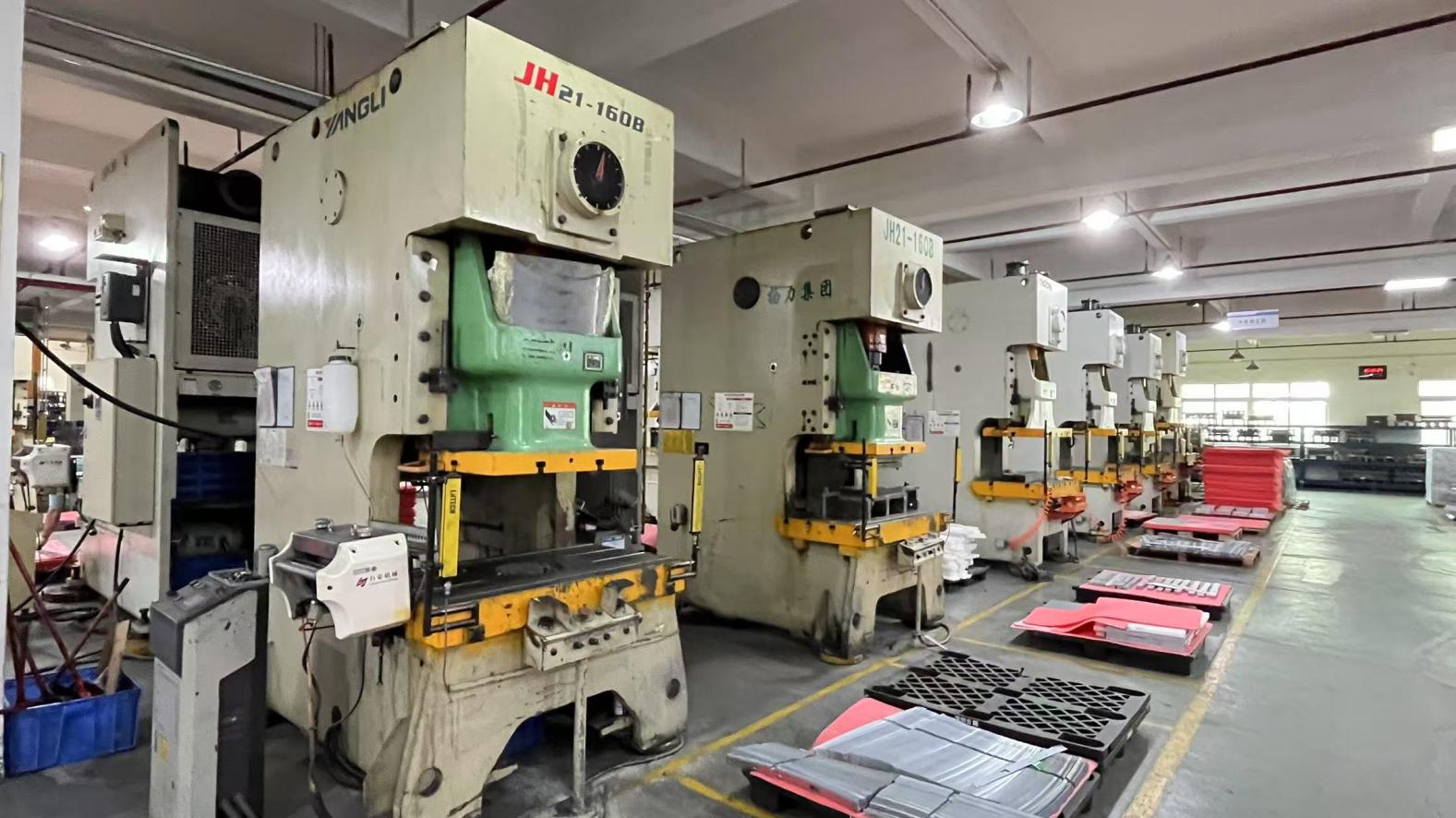
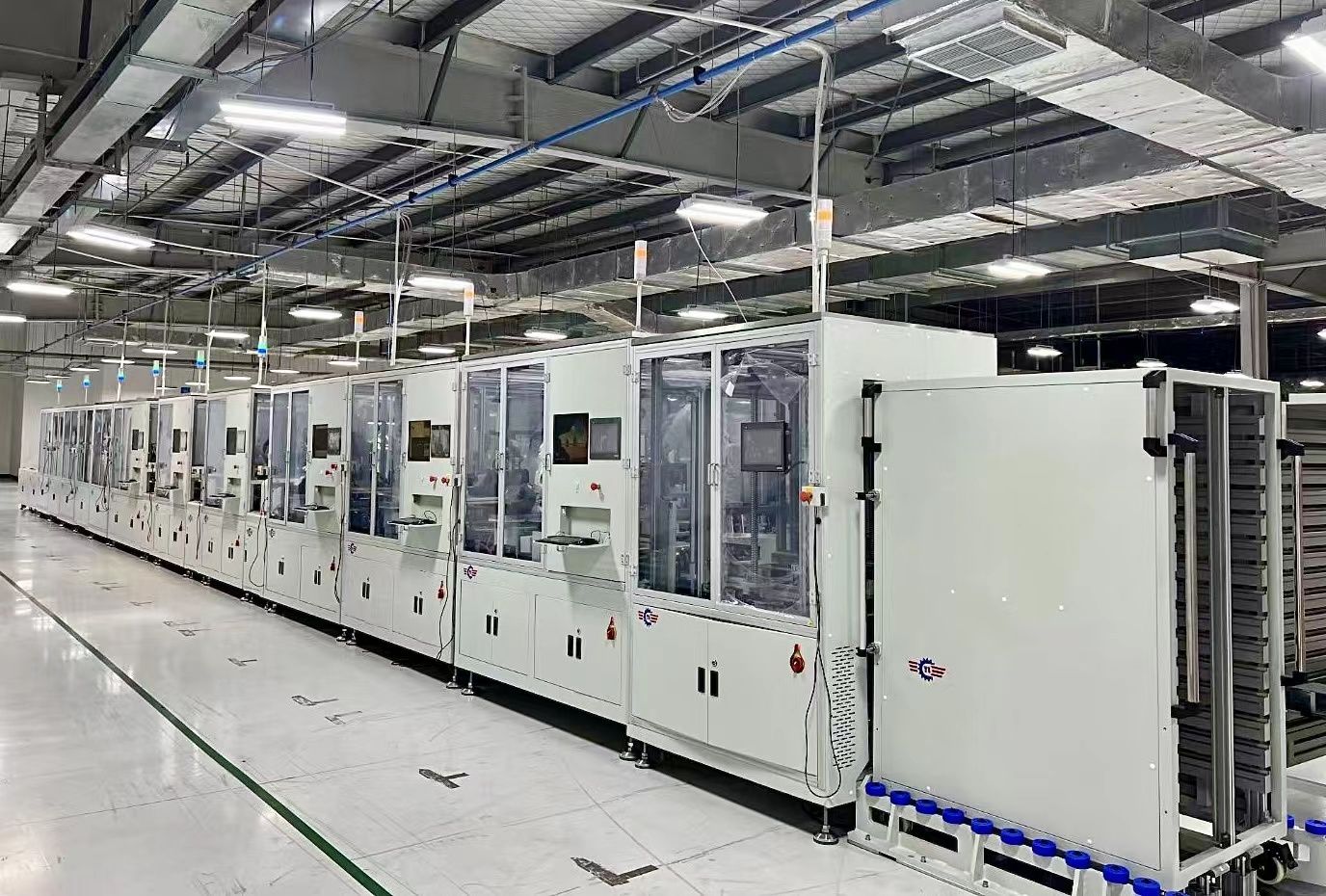
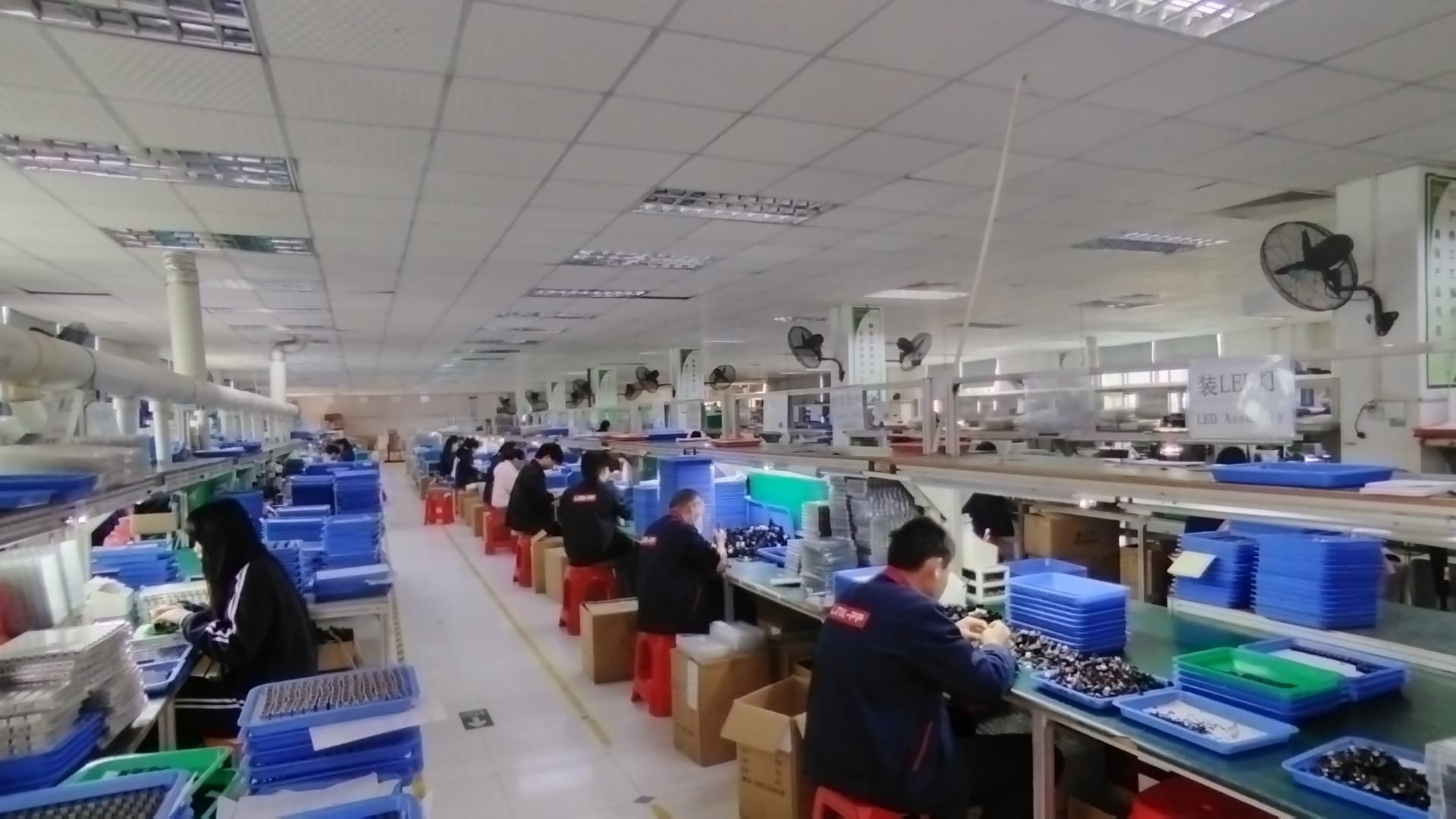
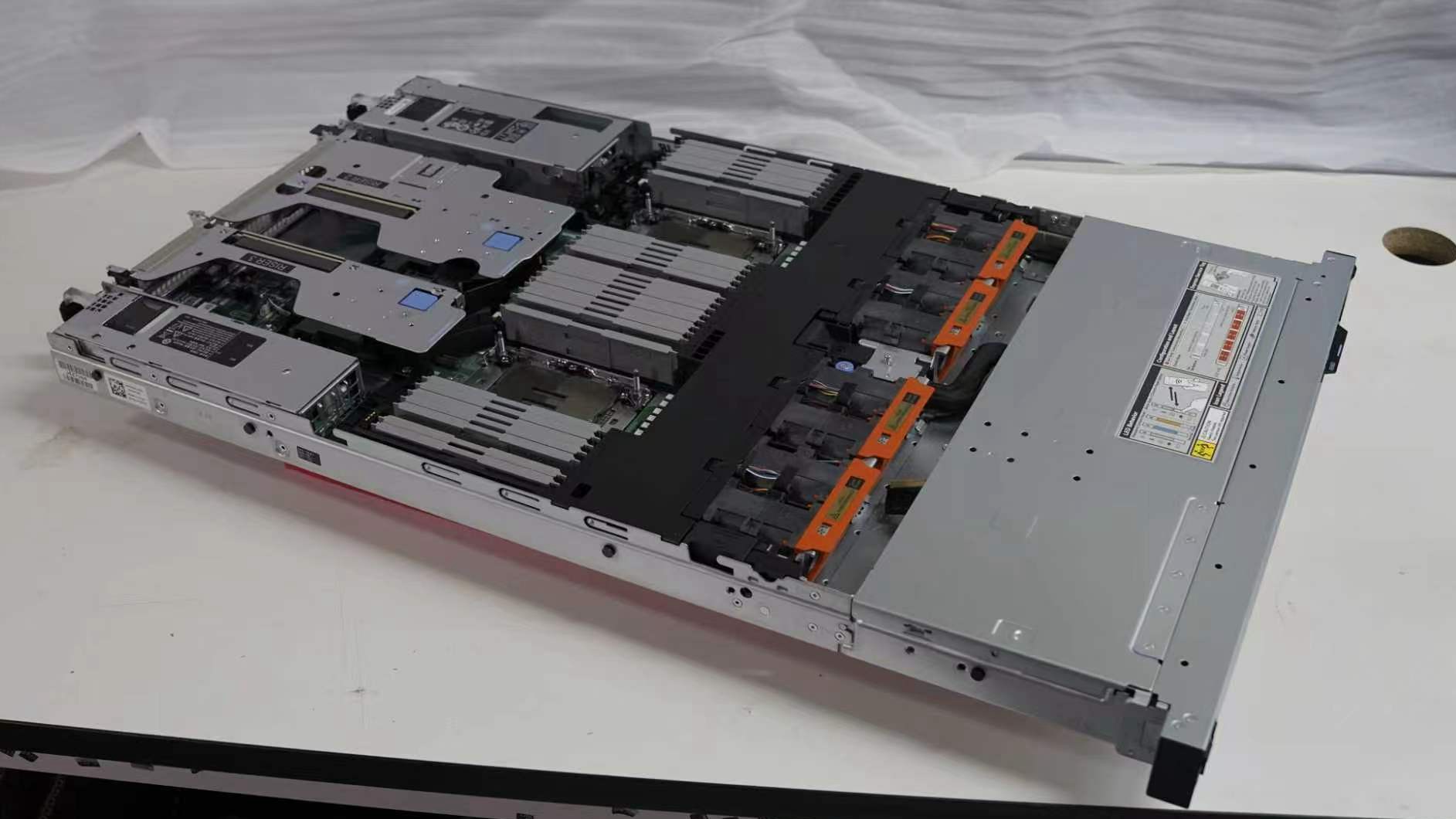
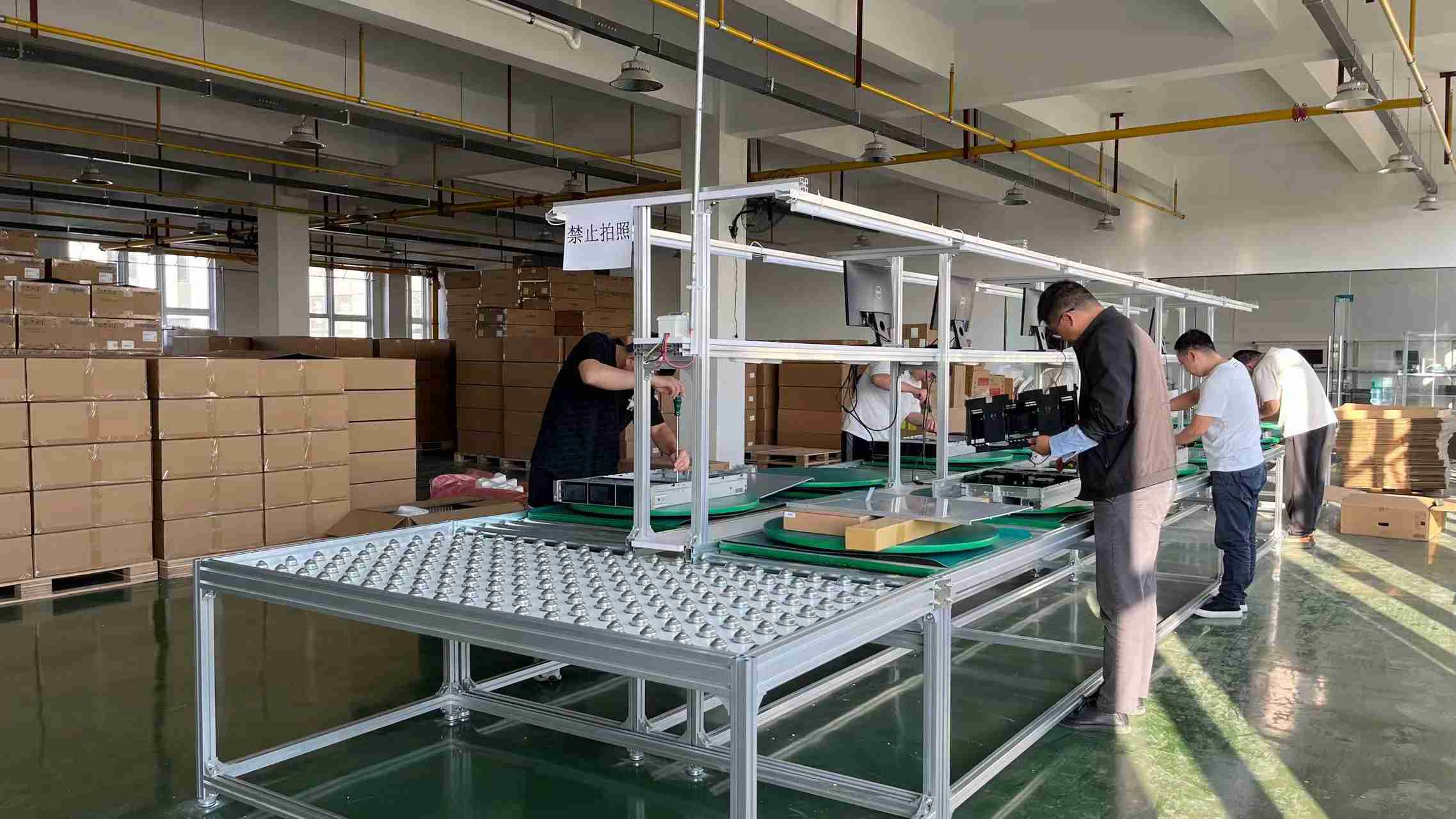
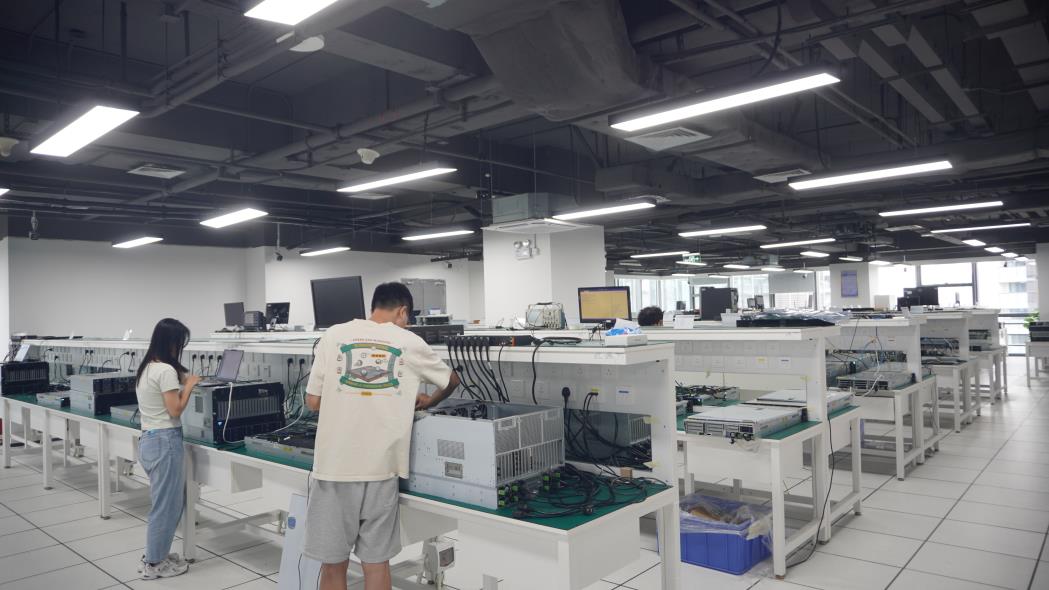
Ensure structural longevity, operational reliability, and stable power delivery to capture electronics under continuous industrial workloads.
 Kryntel