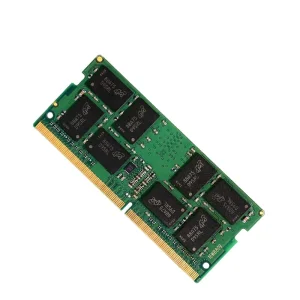
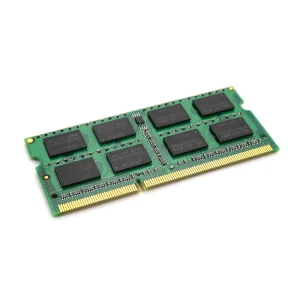
In modern computation, industrial electronics, and micro-semiconductors, the thermodynamic threshold has emerged as the defining performance constraint. As clock frequencies escalate, microchip densities expand, and form factors compress, the generation of waste heat threatens system longevity, structural integrity, and processing reliability. The thermal management industry is no longer a peripheral support sector; it is the cornerstone of processing stability in high-frequency DDR5 memory, hyperscale data center operations, and electric power conversion.
Industrial ecosystems across North America, Europe, and the Asia-Pacific region are undergoing a profound paradigm shift. High-reliability applications, such as server infrastructures running dual Intel Xeon or AMD EPYC platforms, require thermal solutions designed to offset TDP (Thermal Design Power) envelopes exceeding 300W to 400W. Simultaneously, consumer computing applications, memory subsystems, and industrial power conversion grids demand tailored solutions like extruded aluminum heat-sinks, multi-channel heat pipes, and high-conductivity vapor chambers to sustain baseline operating temperatures.
An extensive upstream and downstream network ensuring continuous access to high-grade components, pure copper alloys, and next-generation DRAM chips.
Export capacity serving major hardware markets, including the United States, Germany, India, Brazil, and the United Arab Emirates.
Specialized staff focusing on thermodynamic simulations, signal integrity preservation, high-frequency PCB layering, and mechanical CAD optimization.
Current technical roadmaps are defined by the convergence of advanced materials science and structural optimization. Our engineering protocols target major trends to assure client platforms operate efficiently.
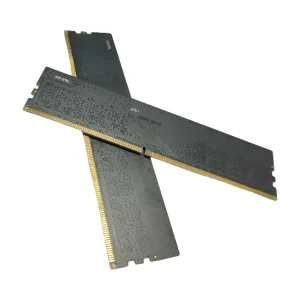
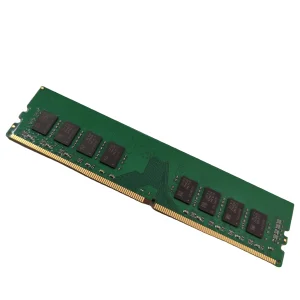
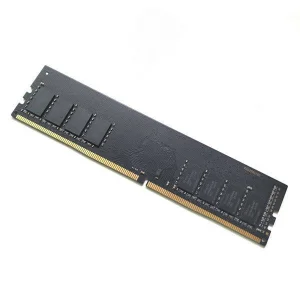
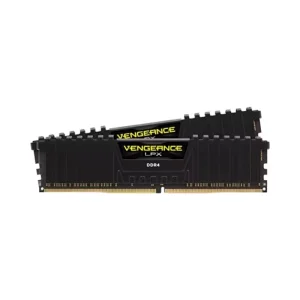
Unlike DDR4, which relies on motherboard power regulation, DDR5 modules utilize on-board Power Management Integrated Circuits (PMICs). While this increases voltage regulation precision, it shifts thermal load directly to the RAM PCB. Our custom-molded aluminum and copper-alloy heat spreaders target these localized hotspots to ensure stable throughput.
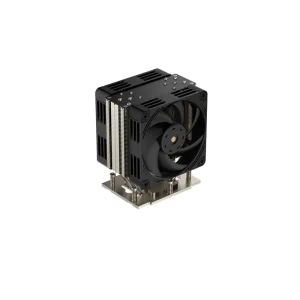
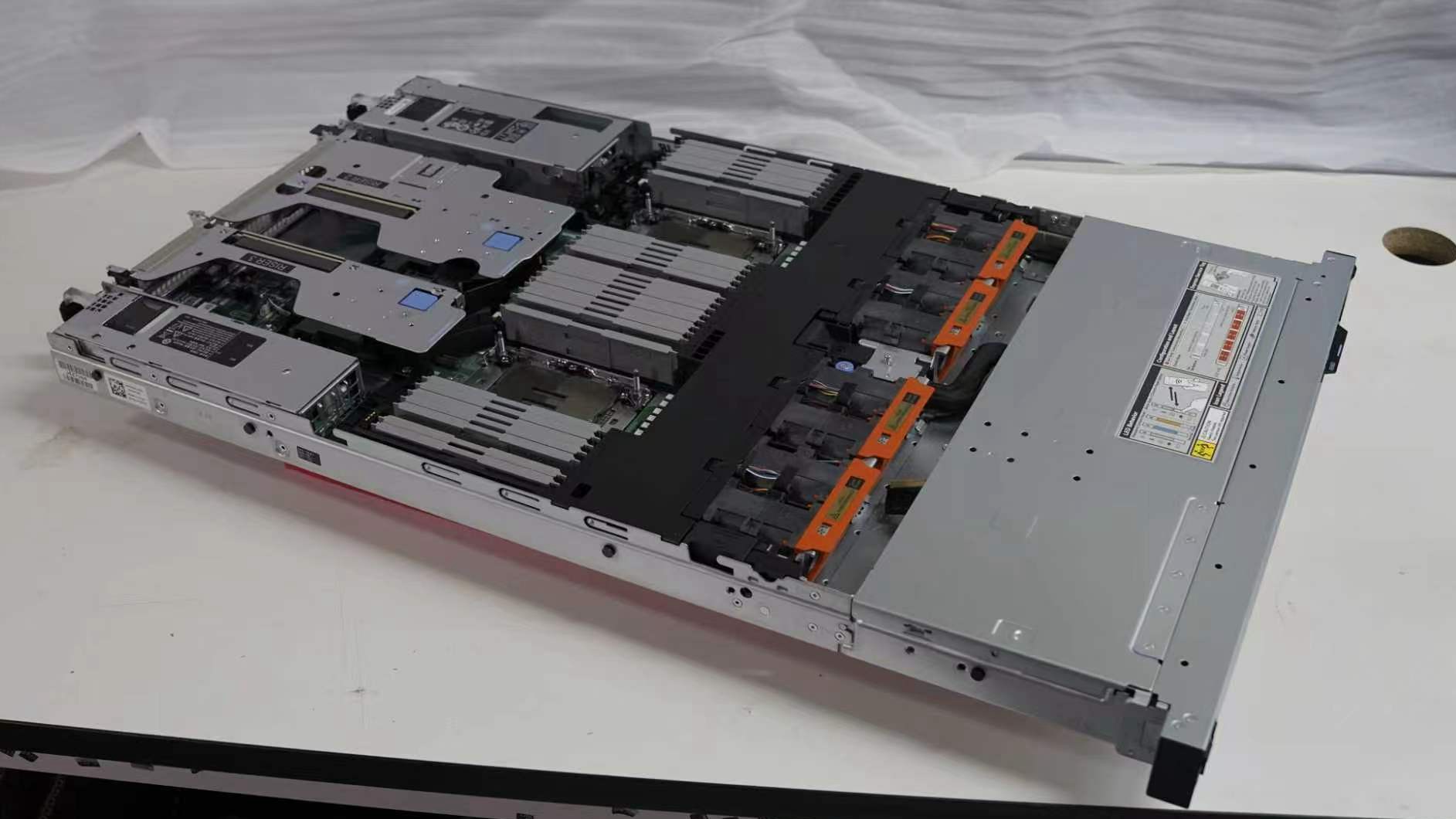
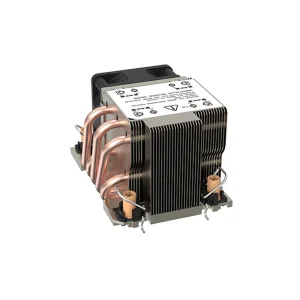
Deployments in 2U server systems require cooling assemblies capable of managing 300W–400W CPUs. Through multi-pipe air-cooling structures coupled with dual 9025-parameter dynamic fans, our cooling designs maximize CFM (cubic feet per minute) flow rates while minimizing noise and mechanical vibration.
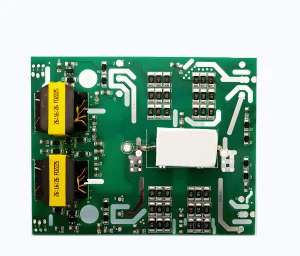
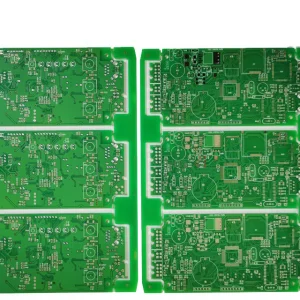
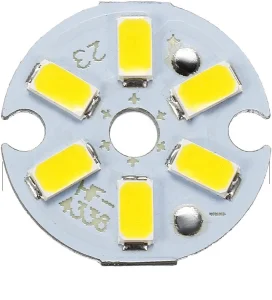
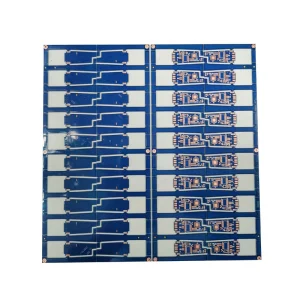
For high-intensity power electronics like inverter driver boards and LED arrays, the printed circuit board (PCB) acts as a primary heat conduit. Employing Lead-Free Hot Air Solder Leveling (HASL) alongside dual-sided resin fill processes enables our factory to deliver low thermal resistance across substrate pathways.
Established in 2016, Kryntel Memory Technology (China) Co., Ltd. has evolved into a premier high-tech enterprise specializing in high-performance DDR4 and DDR5 memory modules, customized PCBA prototype boards, and high-efficiency CPU/industrial cooling assemblies. Anchored by a specialized 320㎡ cleanroom and production facility, our factory integrates precision automation with rigorous testing frameworks.
With a strategic focus on global OEM/ODM partnerships, Kryntel has recorded an annual export revenue of USD 8 million to USD 18 million. Over 9 years of semiconductor industry experience and 6 years of international trade operations allow us to navigate technical specifications, customs compliances, and product delivery schedules for markets in North America, Europe, South America, and Asia.
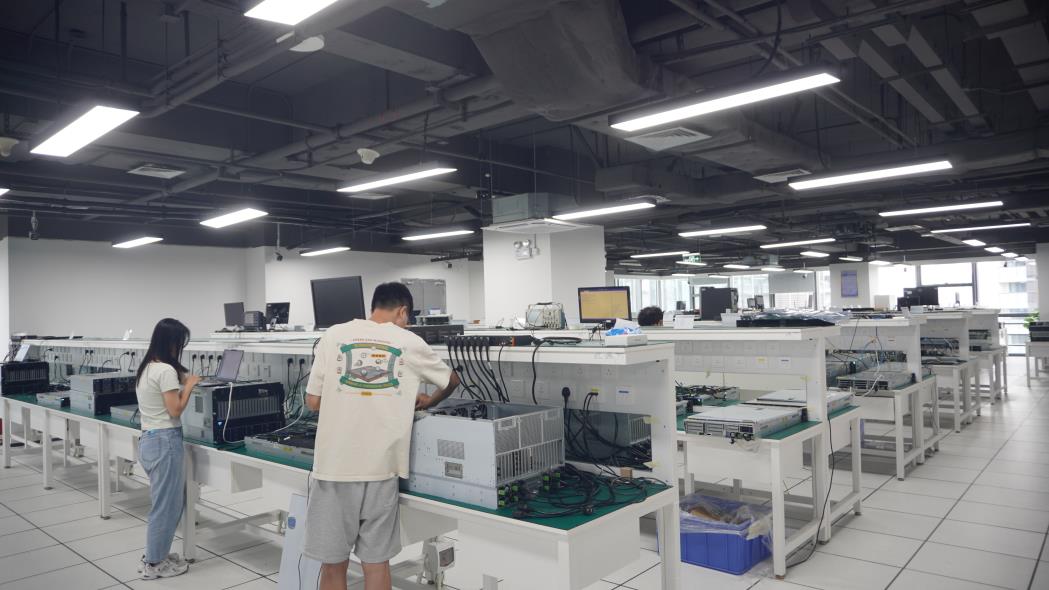
Our core competency lies in our robust quality control infrastructure. Backed by a dedicated 42-professional QA division, every manufacturing run is subjected to multi-stage qualification audits. From incoming materials inspection (IQC) through high-temperature aging tests, platform compatibility testing, bandwidth stress testing, and final QA inspections, we verify that all components operate within tight tolerances.
| Metric / Capability | Specifications & Parameters |
|---|---|
| Factory Floor Space | 320㎡ Specialized Precision Assembly Center |
| R&D Engineering Team | ~160 Specialized Engineers |
| Dedicated Quality Assurance | 42 Professionals |
| Annual Export Revenue | USD 8 Million – USD 18 Million |
| Export Markets Served | USA, Germany, India, Brazil, UAE, etc. |
| Product Releases (Last Year) | Over 280 Custom DDR4 & DDR5 Variants |
| Upstream/Downstream Partners | Approximately 1,200 Global Cooperations |
Thermal management requirements vary depending on operational environments. Our engineering catalog is split into three primary macro-sectors:
Dense server configurations generate extreme thermal accumulation. We design and manufacture heavy-duty cooling assemblies, such as our 300W LGA 4677 and 400W SP5 N99 heatsinks. By utilizing optimized heat pipe placement, copper contact blocks, and dynamic PWM fans, these solutions prevent processor throttling under continuous computational loads.
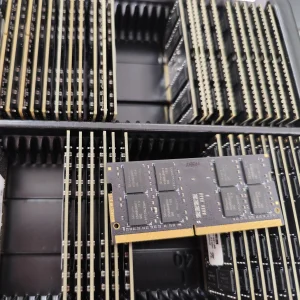
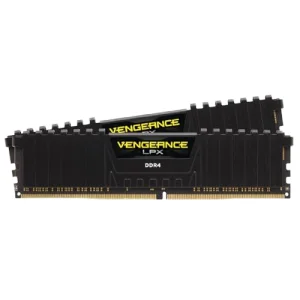
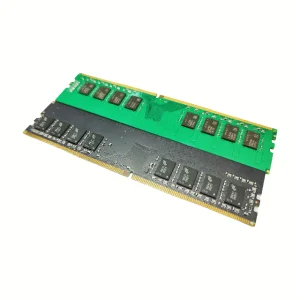
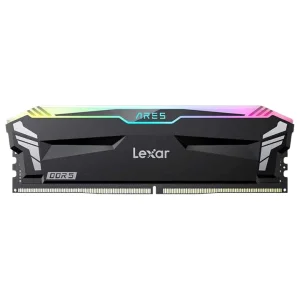
From high-speed gaming RGB memory to non-ECC laptop modules, our factory develops PCBs engineered for optimal signal routing and low impedance. We supply wholesale RAM equipped with slim profile aluminum heatsinks that accelerate heat transfer away from the DRAM chips and PMIC circuits.
High-voltage systems, such as the ZX7-315 IGBT welding machine driver boards, require specialized thermal layout planning. By optimizing the placement of gate drivers, using thick copper traces, and ensuring direct mounting to secondary heatsinks, our designs mitigate thermal runaway risks under harsh duty cycles.
Reliability is paramount. Every component manufactured at Kryntel undergoes systematic testing in specialized environmental chambers. Our multi-phase QA process consists of:
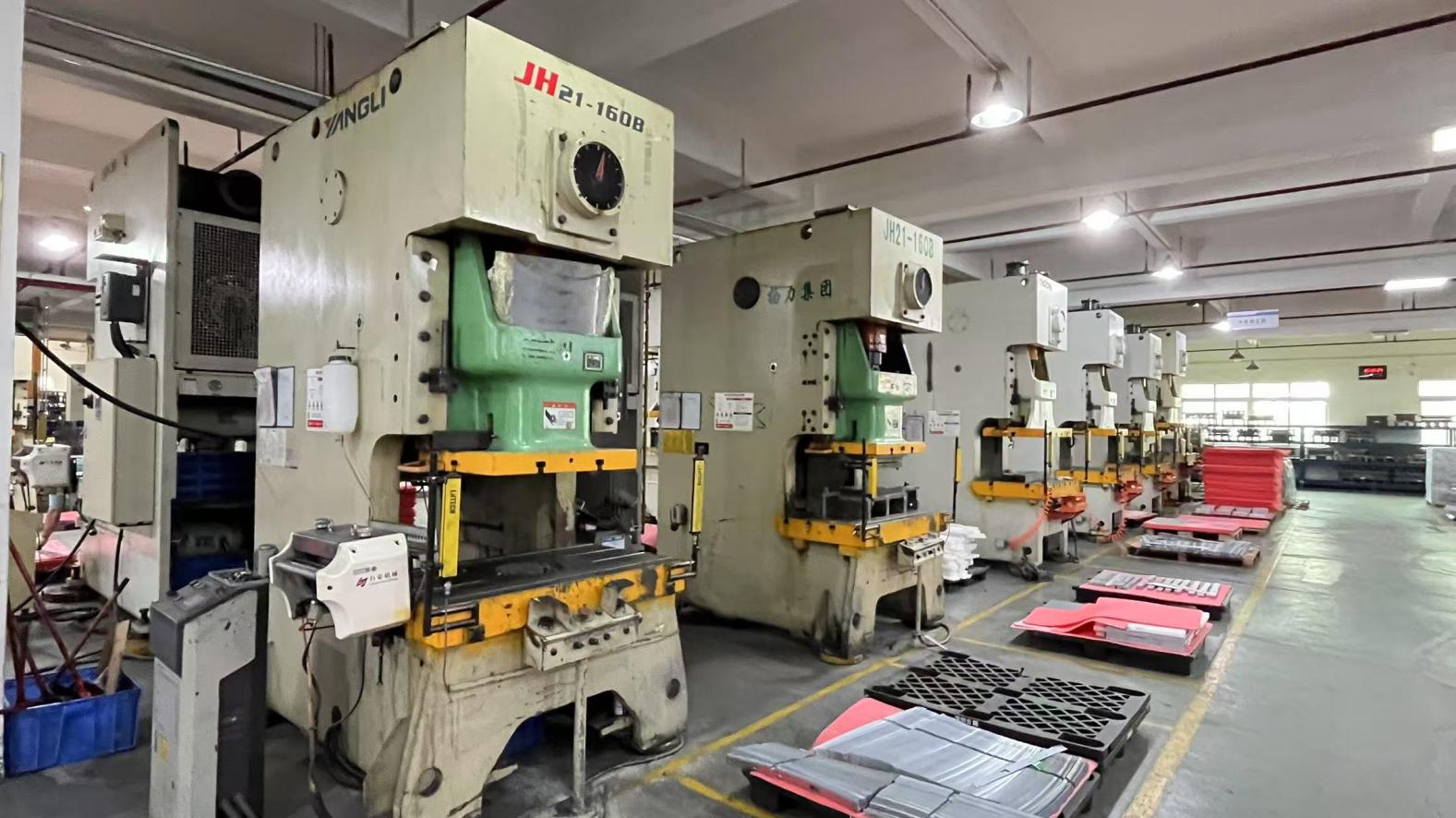
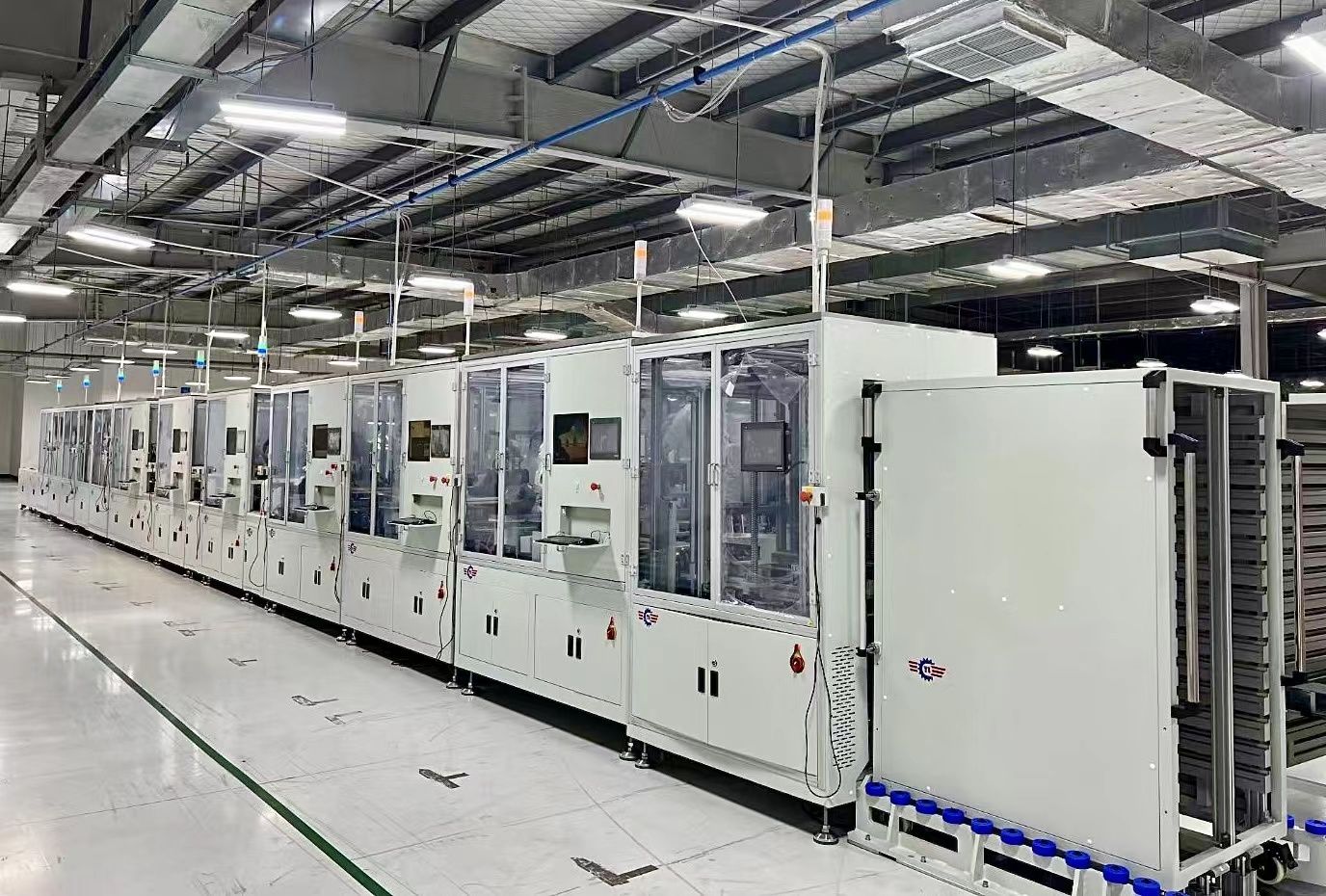
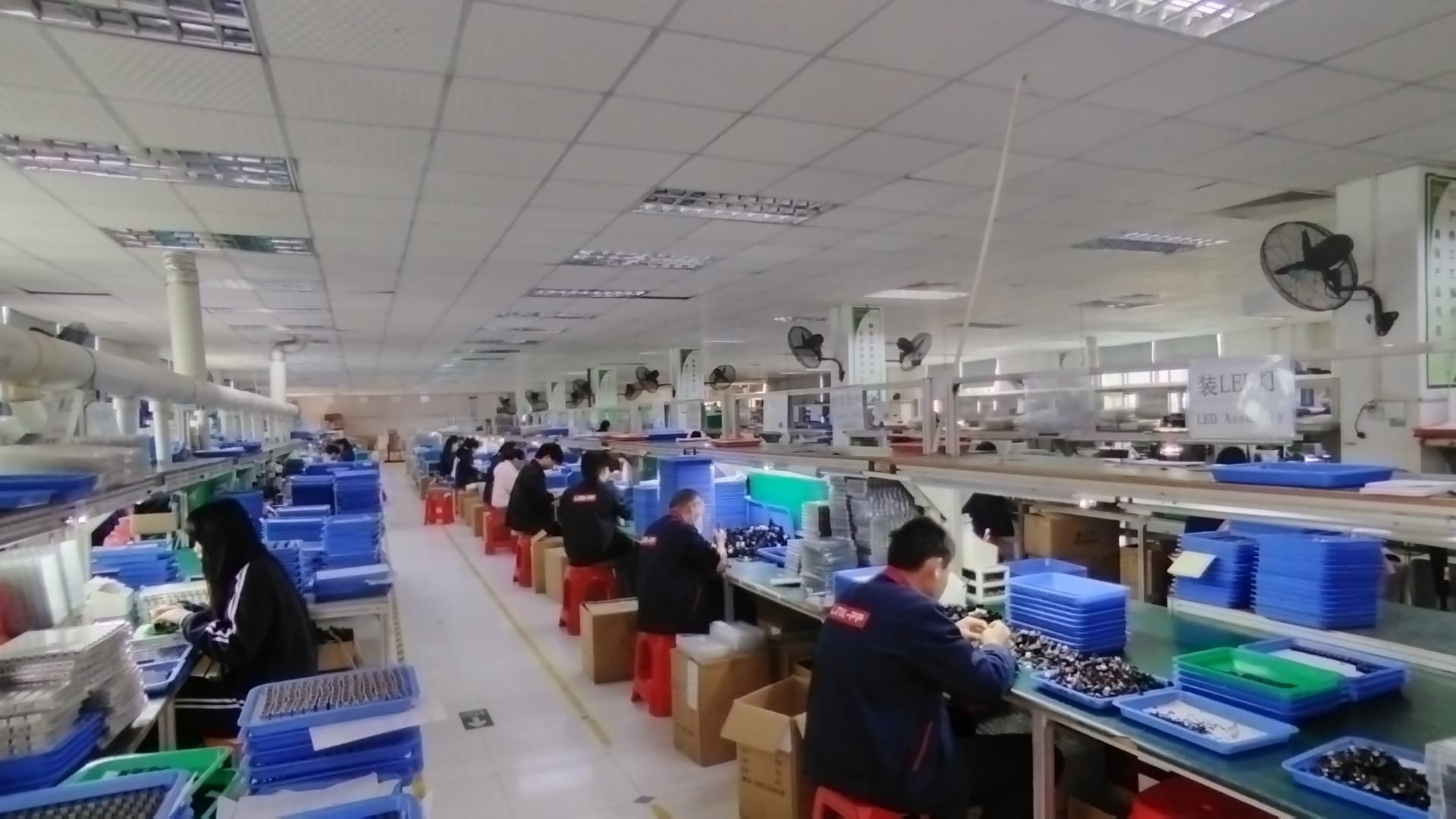
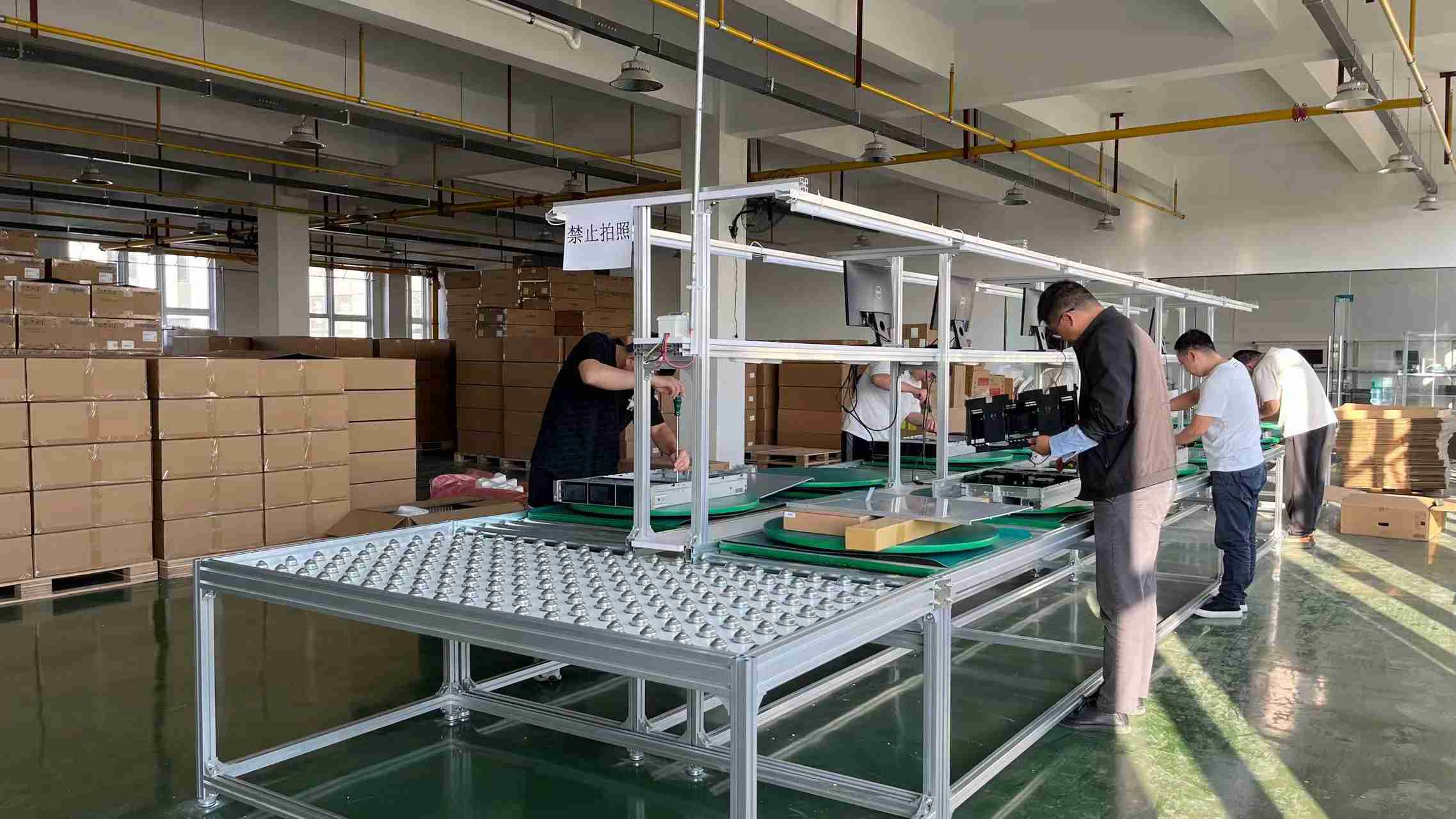
Our manufacturing facility operates under cleanroom protocols to ensure high yield rates and component reliability. The production floor integrates advanced SMT lines, automated testing bays, and precision packaging machinery.
 Kryntel