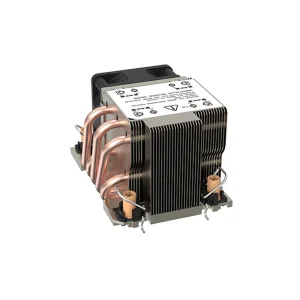
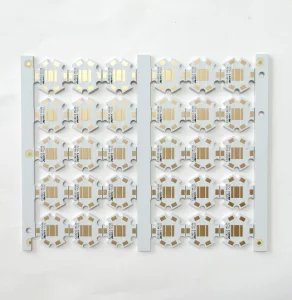
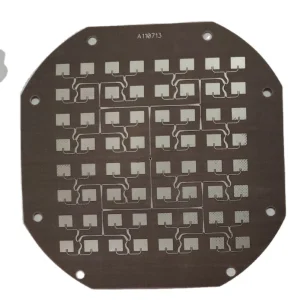
Engineered for extreme performance, reliable heat dissipation, and advanced compute power configurations.
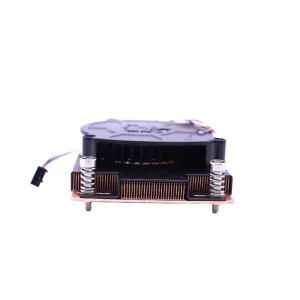
As modern lighting infrastructures migrate toward solid-state technology, the demand for sophisticated thermal engineering at the substrate level has scaled exponentially. High-power LEDs convert only a fraction of electrical energy into light, dispersing up to 70-80% of input power as heat. Without immediate heat redirection, junction temperatures escalate, compromising the luminous efficacy, chromaticity consistency, and operational lifespan of the luminaire. Consequently, selecting an authoritative China wholesale LED circuit board manufacturer and supplier is not merely a commercial sourcing choice; it is a critical engineering decision that dictates product survivability in demanding commercial, industrial, and automotive environments.
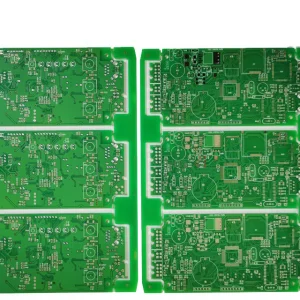
Modern LED circuit board architectures must support high-speed heat dissipation pathways while maintaining reliable electrical isolation. Standard FR4 substrates exhibit low thermal conductivity (typically around 0.25 W/m-K), rendering them unsuitable for high-density LED packaging such as Chip-on-Board (COB) or high-power Surface Mount Device (SMD) arrays. To solve this bottleneck, specialized Metal Core Printed Circuit Boards (MCPCBs), using heavy copper claddings and aluminum bases, have emerged. As a seasoned manufacturer rooted in the high-precision semiconductor assembly space, Kryntel leverages state-of-the-art thermal modeling and multi-stage verification processes to construct high-reliability aluminum and specialized high-frequency substrates that survive extreme heat loads.
LED circuit boards are integrated across complex global supply chains, serving diverse industrial applications with distinct thermal, mechanical, and electrical requirements:
Automotive headlamps and dynamic signaling arrays require zero-tolerance safety standards and high heat tolerance. Operating under enclosed engine hoods requires high-reliability metal-core circuit boards that resist mechanical vibration, thermal shocks, and chemical exposure.
Deploying municipal street lighting networks and logistics warehouses demands lifetimes exceeding 50,000 hours. High-power aluminum substrates ensure low junction temperatures, minimizing lumen degradation and municipal replacement costs.
Medical operating theaters require precise color rendering indices (CRI) and ultra-stable brightness. Precise copper trace etching and reliable dielectric isolation prevent flickers and micro-short circuits in critical environments.
Design Insight: Controlling the Dielectric Layer is critical for thermal optimization. A thinner dielectric layer reduces thermal resistance but must be balanced against dielectric breakdown voltage requirements. Kryntel uses custom-formulated polymer-ceramic blends to guarantee excellent insulation alongside thermal transfer capabilities exceeding 3.0 W/m-K.
Choosing the base raw materials impacts the performance envelope of high-density LED circuits. Depending on the mechanical stresses, frequency requirements, and budget constraints, engineering teams must specify the exact material makeup:
Compare mechanical and thermal specifications across aluminum base plates, FR4 composites, and high-frequency materials.
| Material Class | Thermal Conductivity (W/m-K) | Dielectric Breakdown Voltage (kV/mm) | Maximum Operating Temp (°C) | Primary Industrial Applications |
|---|---|---|---|---|
| Standard Aluminum MCPCB (5052) | 1.5 – 2.0 | > 3.0 | 130°C | Commercial Downlights, LED Bulbs, Backlight Units |
| High-Thermal Aluminum MCPCB (6061) | 3.0 – 8.0 | > 4.0 | 150°C | Automotive Headlights, Street Lighting, High-Bay LEDs |
| Taconic TLY-5 (0.254mm) | 0.22 (Low dielectric loss) | > 5.0 | 260°C | Radar Systems, Smart LED Control Backplanes, High-Speed RF |
| High-Tg FR4 (Copper Vias) | 0.4 – 1.0 (Via dependent) | > 15.0 | 180°C | Indicator Panels, Smart Home Displays, Driver Circuits |
Founded in 2016, Kryntel Memory Technology (China) Co., Ltd. is a high-performance electronics manufacturer specializing in advanced semiconductor layouts, thermal management systems, and OEM/ODM PCB assemblies for global partners. Our state-of-the-art facilities cover approximately 320㎡, focusing on high-speed, thermal-grade, and energy-efficient system solutions for commercial, industrial, and high-compute applications.
Kryntel supports diverse engineering needs, from thermal optimization for LED light engines to high-capacity storage modules like DDR4 and DDR5 memory. We manage a global supply chain network of approximately 1,200 partners, ensuring stable sourcing of raw components, semiconductor materials, and specialty laminates. Our export infrastructure generates between USD 8 million and USD 18 million in annual export revenue, backed by over 6 years of international trade experience spanning markets in the United States, Germany, India, Brazil, and the UAE.
Our 160-engineer R&D division provides complete customization, including layout optimization, RF signal integrity checking, impedance matching, and thermal-dissipation mechanical design. Over the past year, we have introduced more than 280 new high-performance designs, demonstrating our technical capacity in high-speed, high-density surface mount and board assembly manufacturing.
High-power LED circuit boards require precise, multi-layered quality control systems. Kryntel employs a dedicated 42-person QA team to monitor every step of production. Our testing workflow includes:
Navigating global regulatory frameworks requires strict compliance. Kryntel designs and manufactures products meeting RoHS, CE, UL, and REACH directives. We use lead-free Surface Finish techniques (HASL Lead-Free, ENIG, OSP) to ensure compliance with European Union and North American environmental rules, facilitating trouble-free imports and customs clearances.
Our localized support network assists with logistics, customs, and technical integration across key target markets, including the USA, Germany, India, Brazil, and the UAE. By offering full OEM/ODM services, including customized silkscreens, trace routing, thermal profiles, and mechanical packaging, we provide direct integration into localized supply chains.
The industry is transitioning toward ultra-fine pitch displays, smart controls, and automotive Mini-LED arrays. Future LED circuit boards must support finer lines, tighter space tolerances, and higher thermal performance. Kryntel's technology roadmap focuses on:
Answers to common design and integration questions from hardware design engineers.
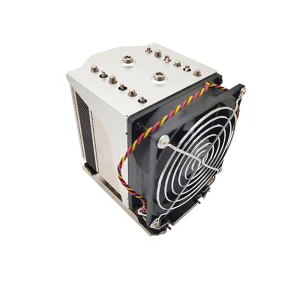
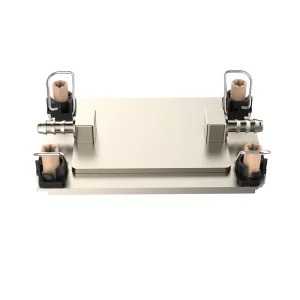
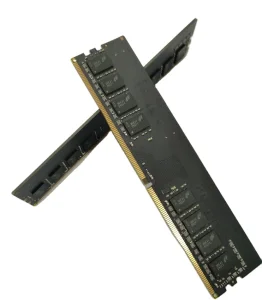
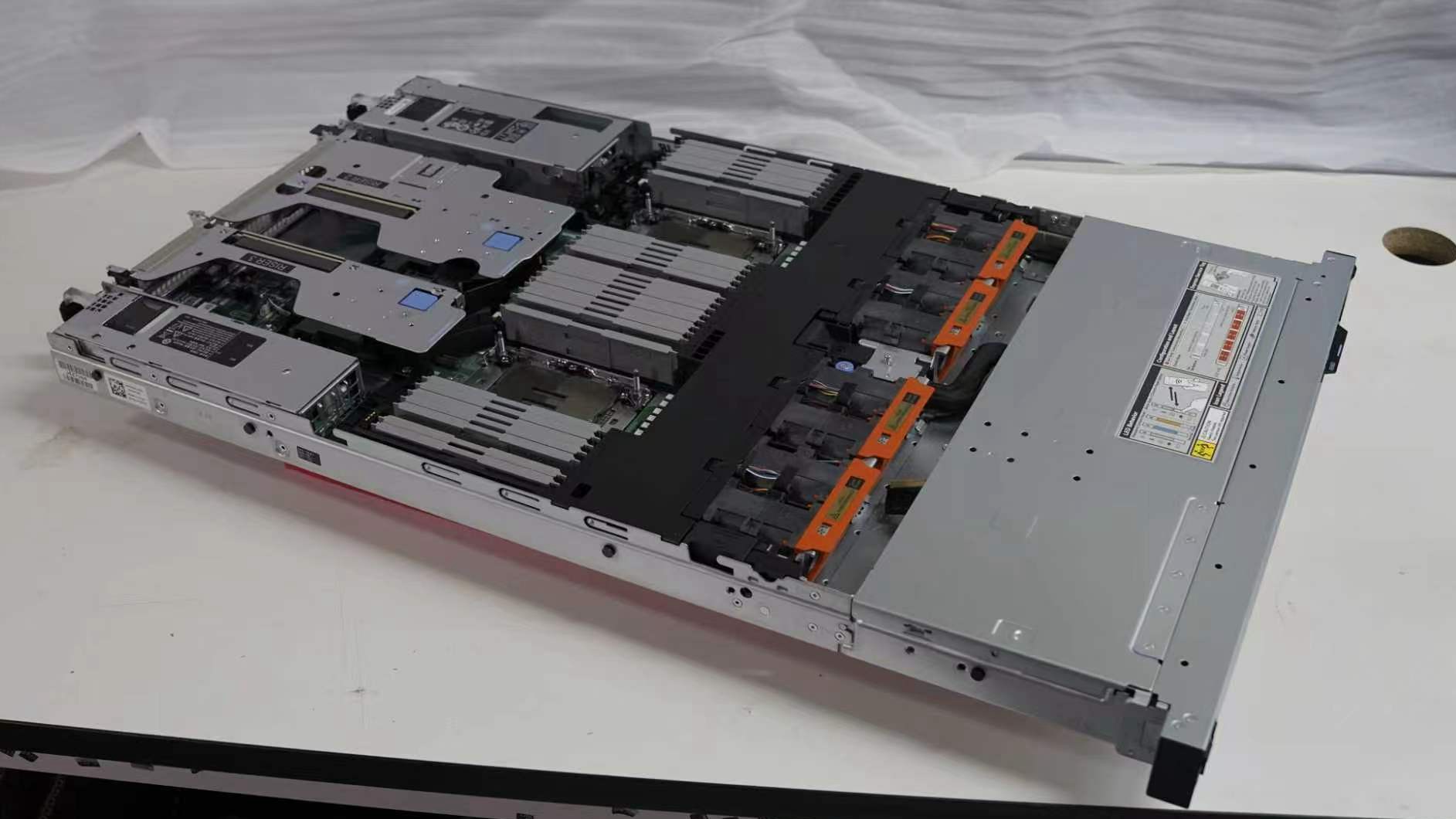
Explore our line of aluminum substrate circuit boards, high-performance coolers, and memory components.
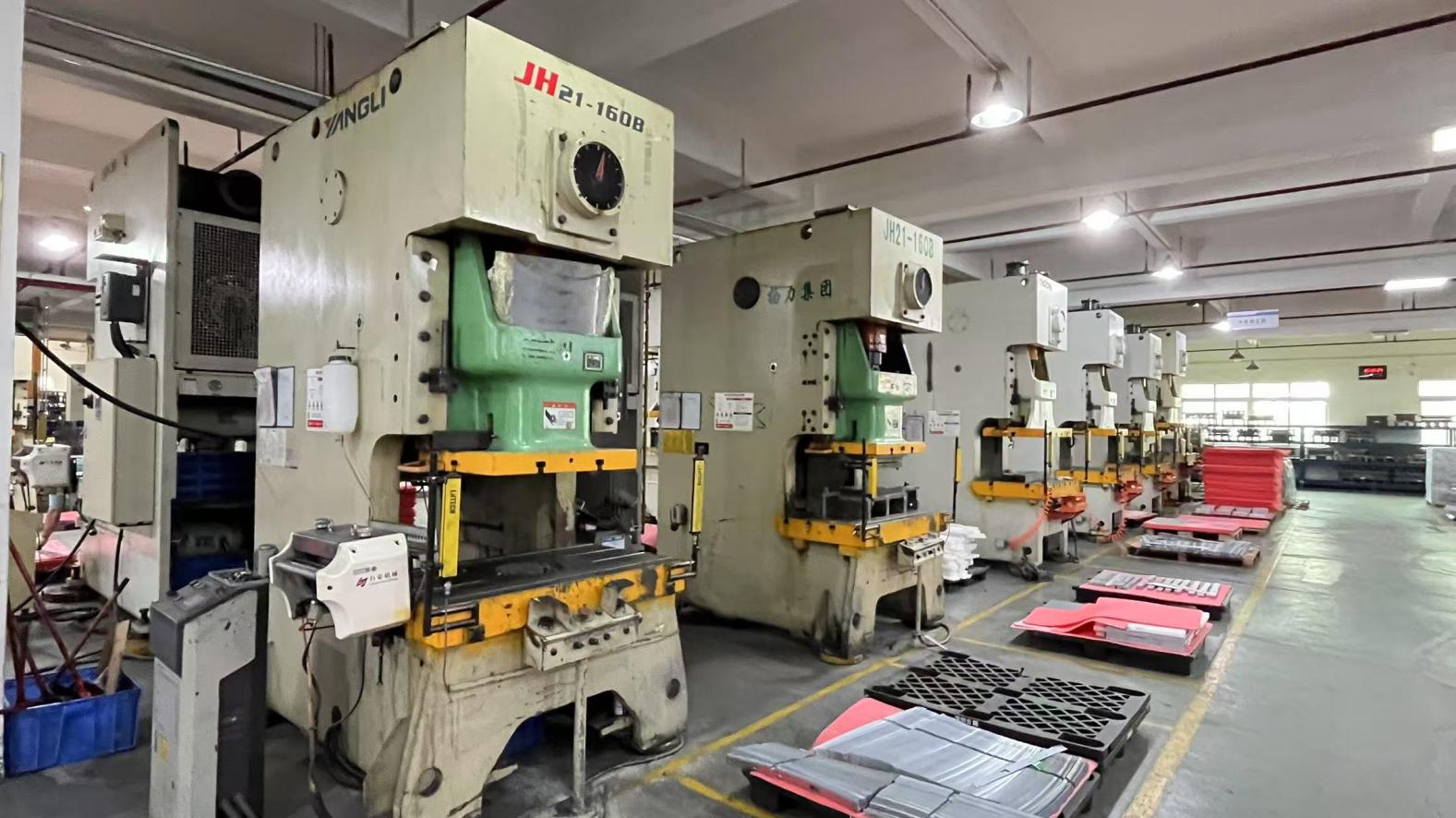
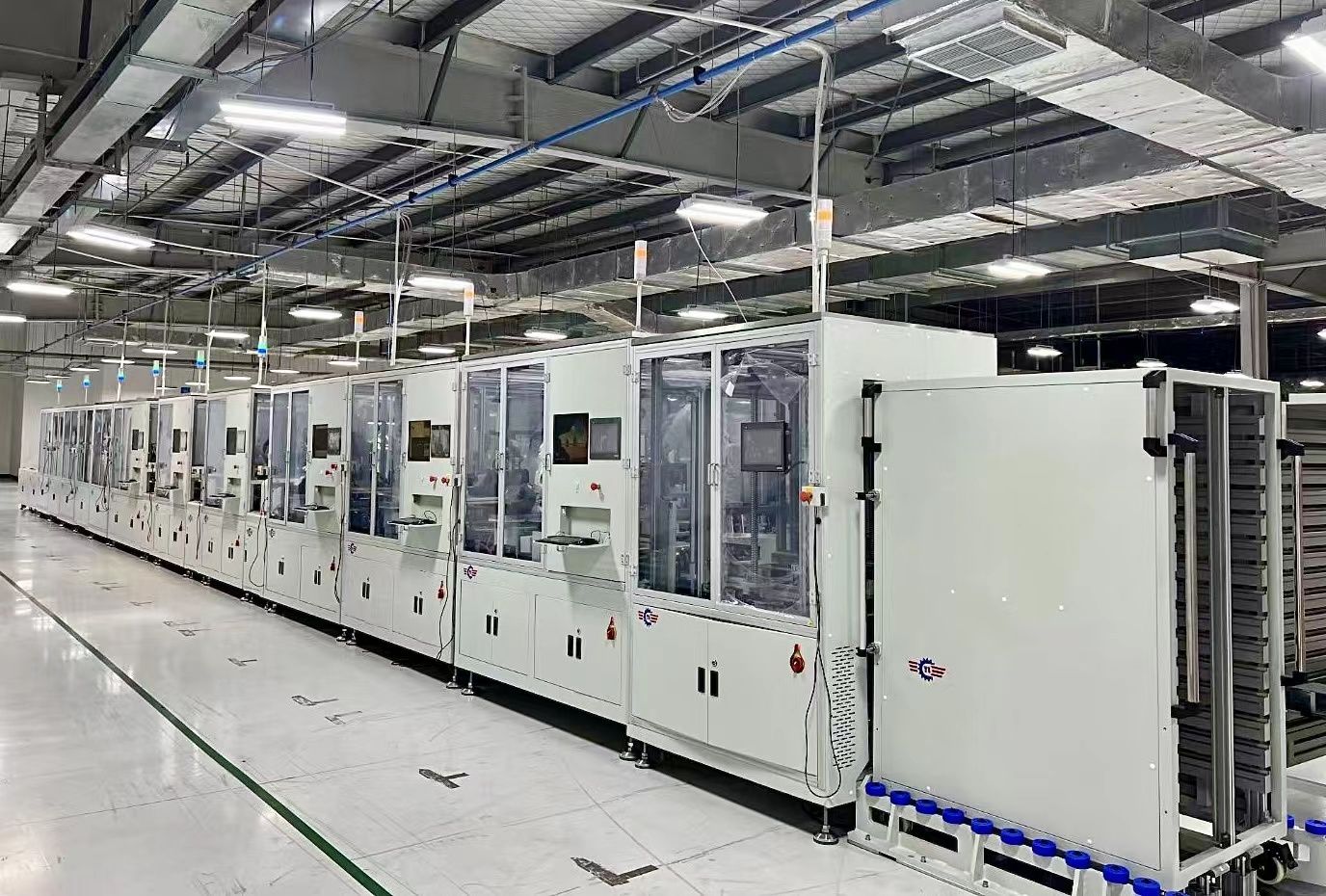
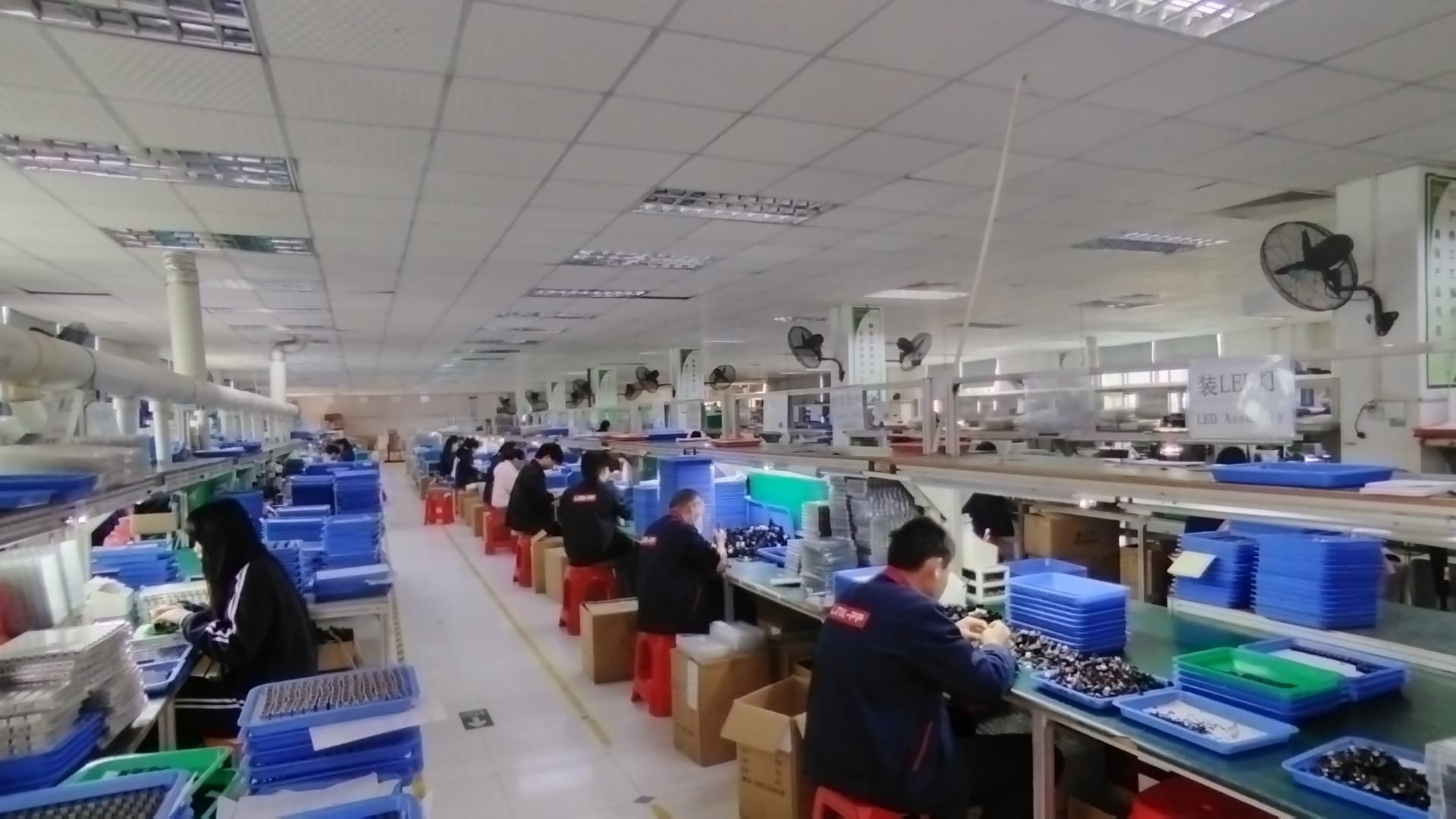
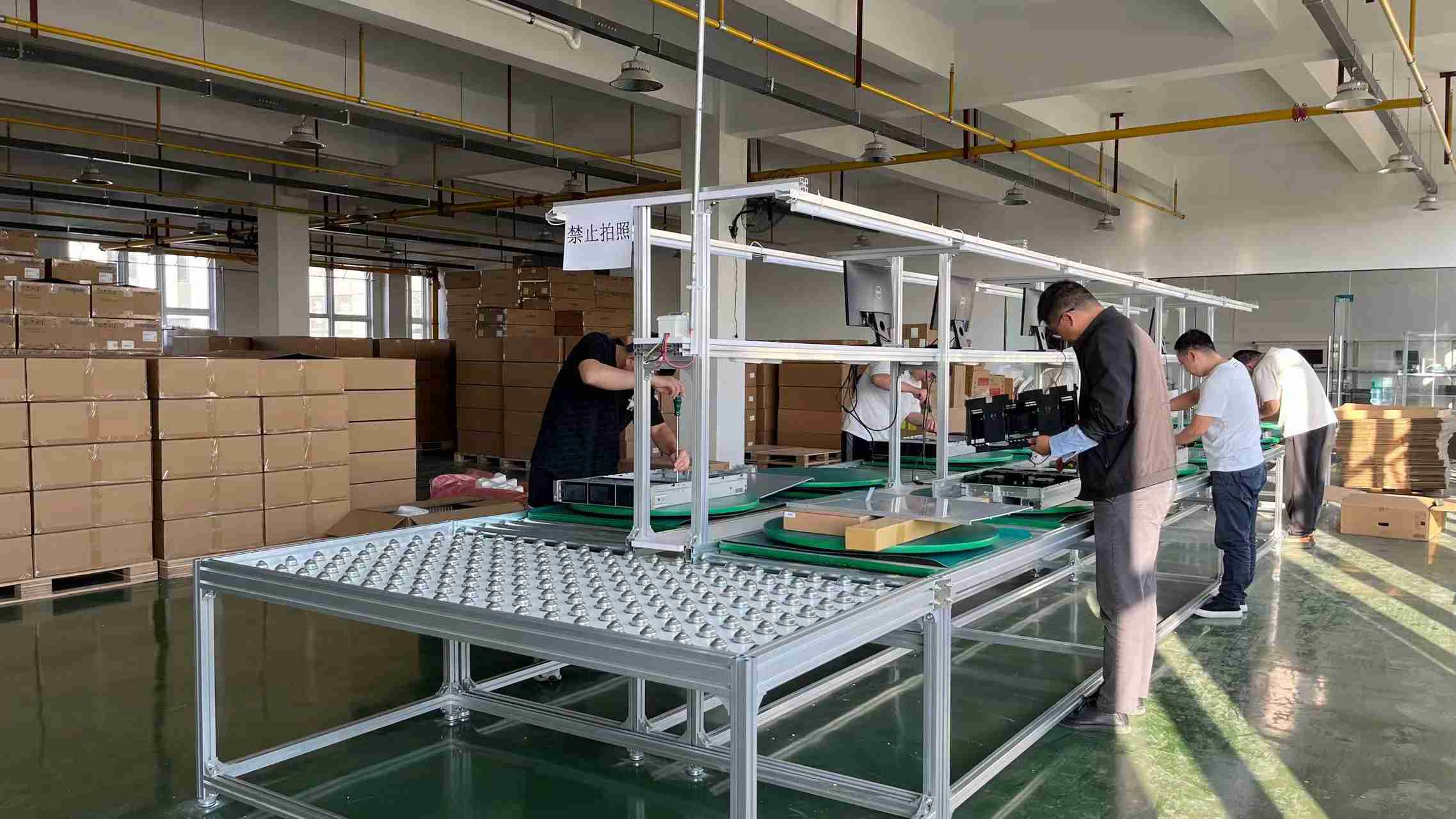
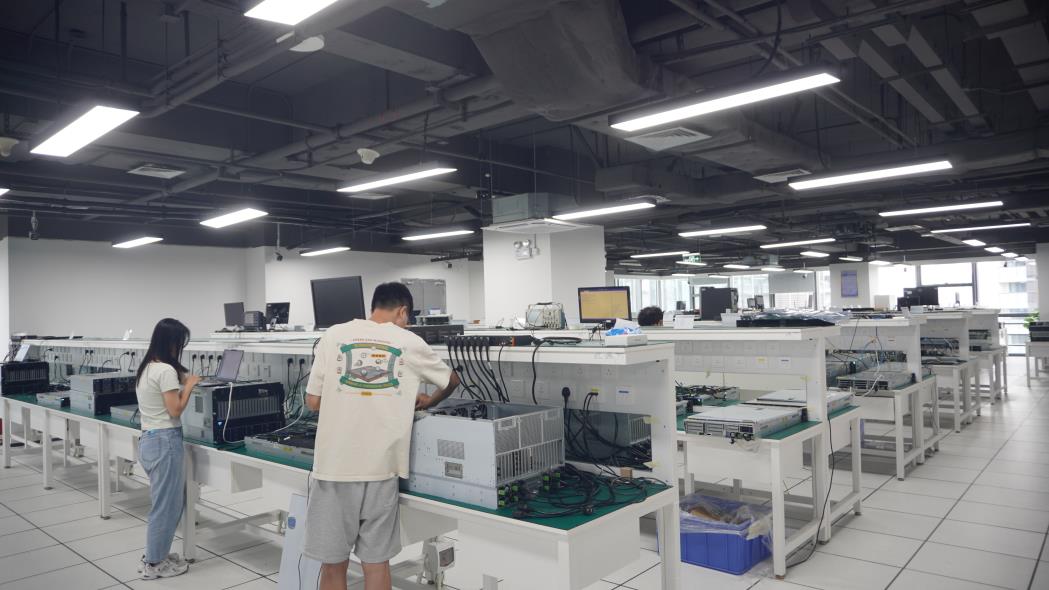
Verification of our manufacturing processes, cleanrooms, packaging units, and design test systems.
 Kryntel