Engineered for harsh environments and high thermal demands, these high-power modules serve as the backbone of specialized UVC sterilization assemblies.
Egypt is currently executing mega-scale municipal and infrastructure development plans, most notably the "Hayah Karima" (Decent Life) national initiative and the expansion of seawater desalination plants across the Red Sea and Mediterranean coasts. Traditionally, chlorine-based disinfection dominated local water treatment. However, issues surrounding carcinogenic disinfection byproducts (DBPs) and the transport of hazardous chemicals have led to a major strategic shift toward UV radiation.
Additionally, with modern massive development zones like the Suez Canal Economic Zone (SCZONE) and the New Administrative Capital (NAC), high-efficiency centralized HVAC systems require integrated, zero-ozone air disinfection. UVC LED systems operating at the germicidal range (typically 260nm to 280nm) are rapidly replacing legacy mercury vapor lamps due to their compact footprint, lack of toxic materials, and low power requirements.
Operating high-flux optoelectronic systems in Egypt presents unique challenges. Peak ambient temperatures during Egyptian summers frequently exceed 45°C. For UVC LEDs, which suffer severe external quantum efficiency degradation at high junction temperatures, advanced thermal designs utilizing metal-core PCBs and copper-clad heat sinks are essential to prevent premature thermal runaway.
How Aluminum Gallium Nitride (AlGaN) semiconductor architecture delivers optimized UV dose yields under high-temperature conditions.
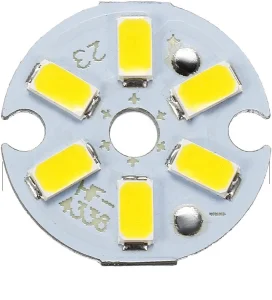
Our UVC LED light engine boards leverage precise bandgap engineering utilizing AlGaN multi-quantum wells. By tuning the aluminum ratio, we lock the peak germicidal output at 265nm to 275nm, which perfectly matches the absorption spectrum of bacterial and viral nucleic acids (DNA/RNA).
Because UVC LEDs convert roughly 95% of applied electrical energy into heat rather than light, our systems employ metal-core printed circuit boards (MCPCBs) paired with high-conductivity copper and aluminum heatsinks to maintain junction temperatures ($T_j$) below 75°C.
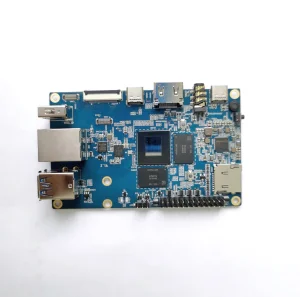
Using our factory-level PCBA and motherboard routing expertise, we integrate custom driver topologies featuring constant-current regulation, voltage protection, and PWM thermal throttling sensors directly onto the LED module substrate.
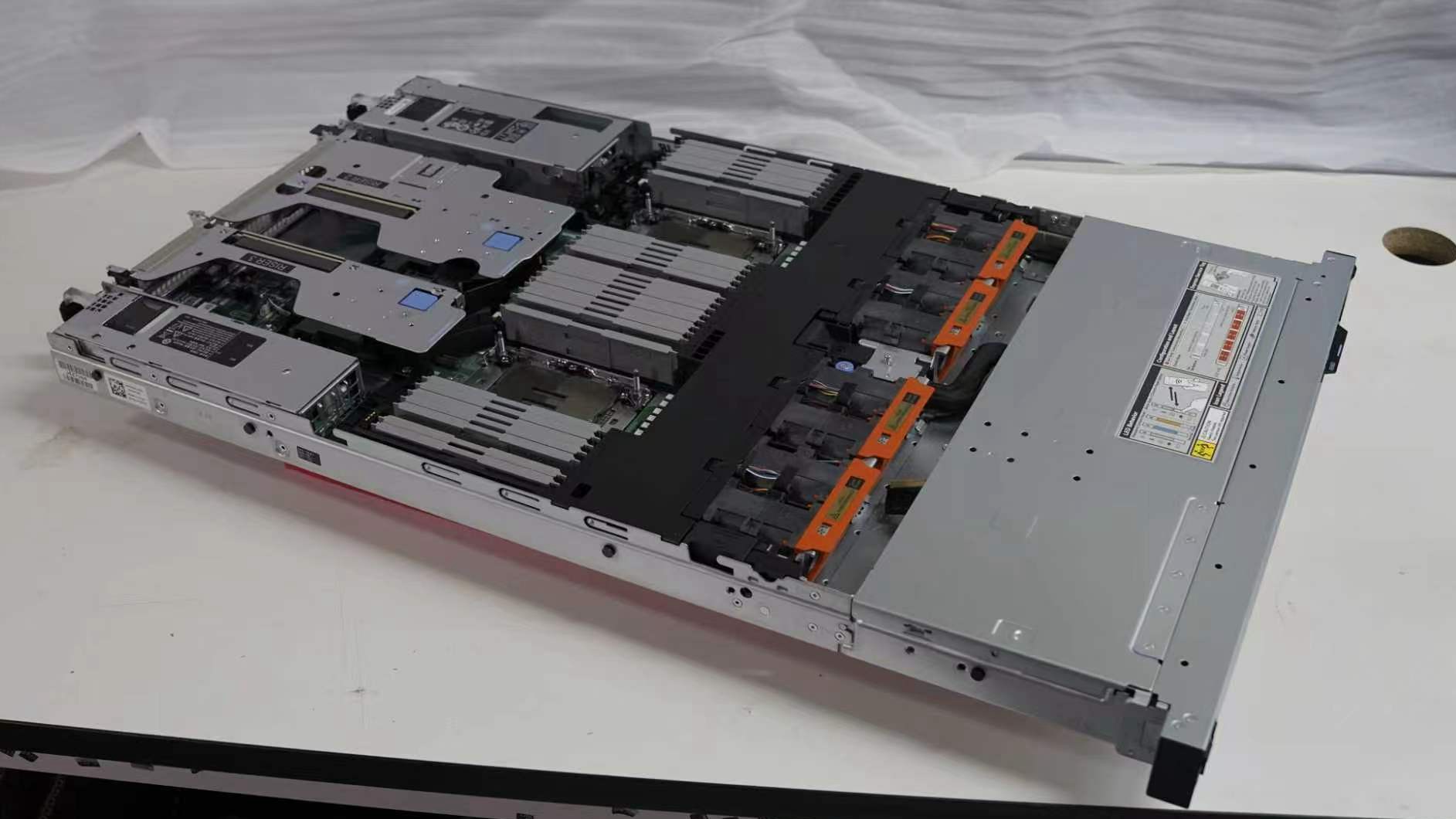
Reliable master control boards and processing hardware that maintain, calculate, and log sterilization cycles for automated UVC arrays.
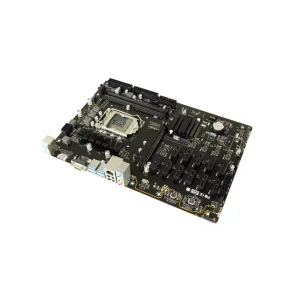
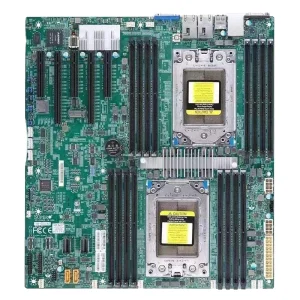
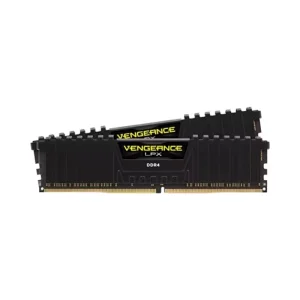
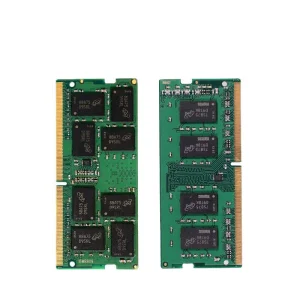
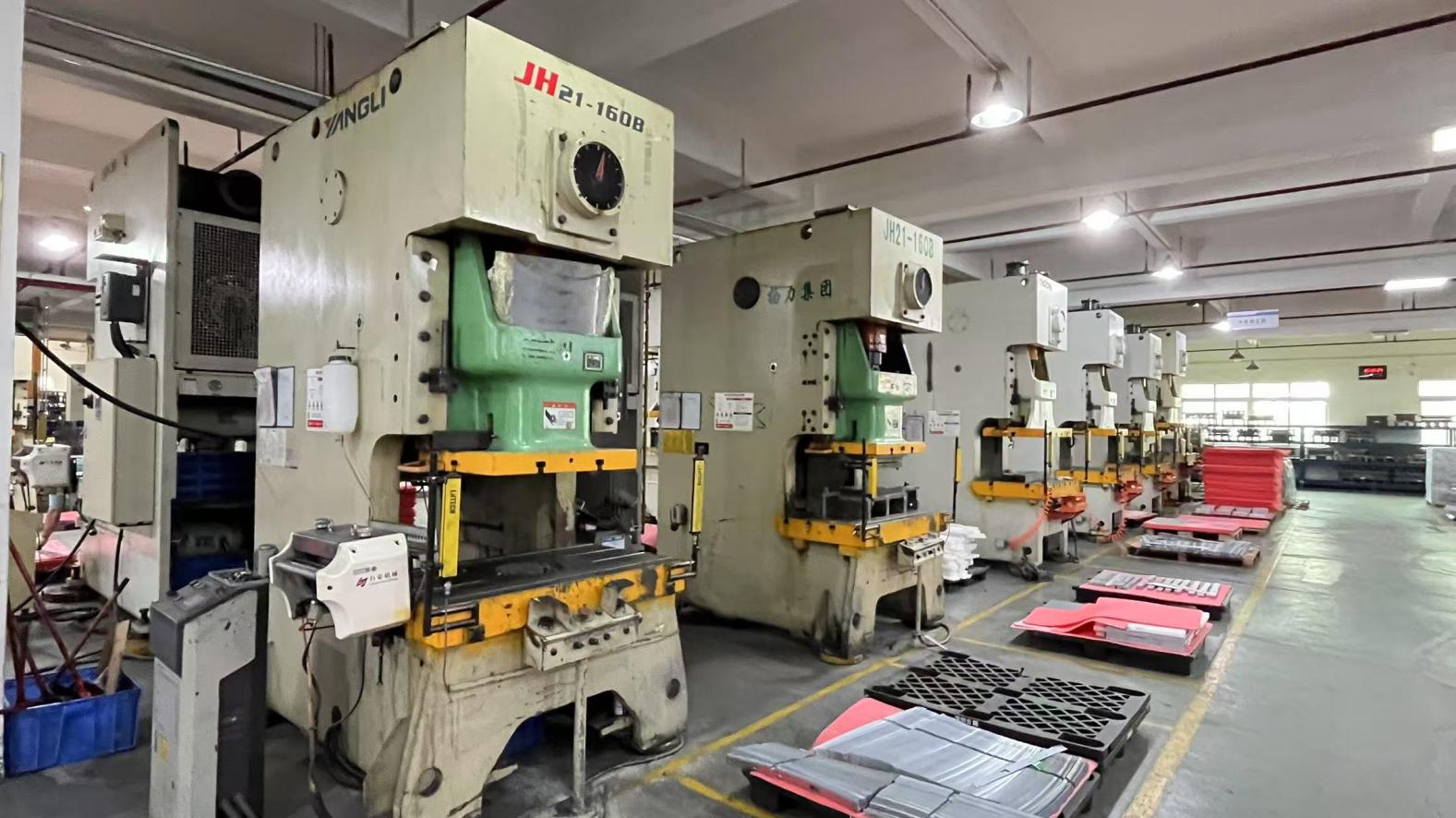
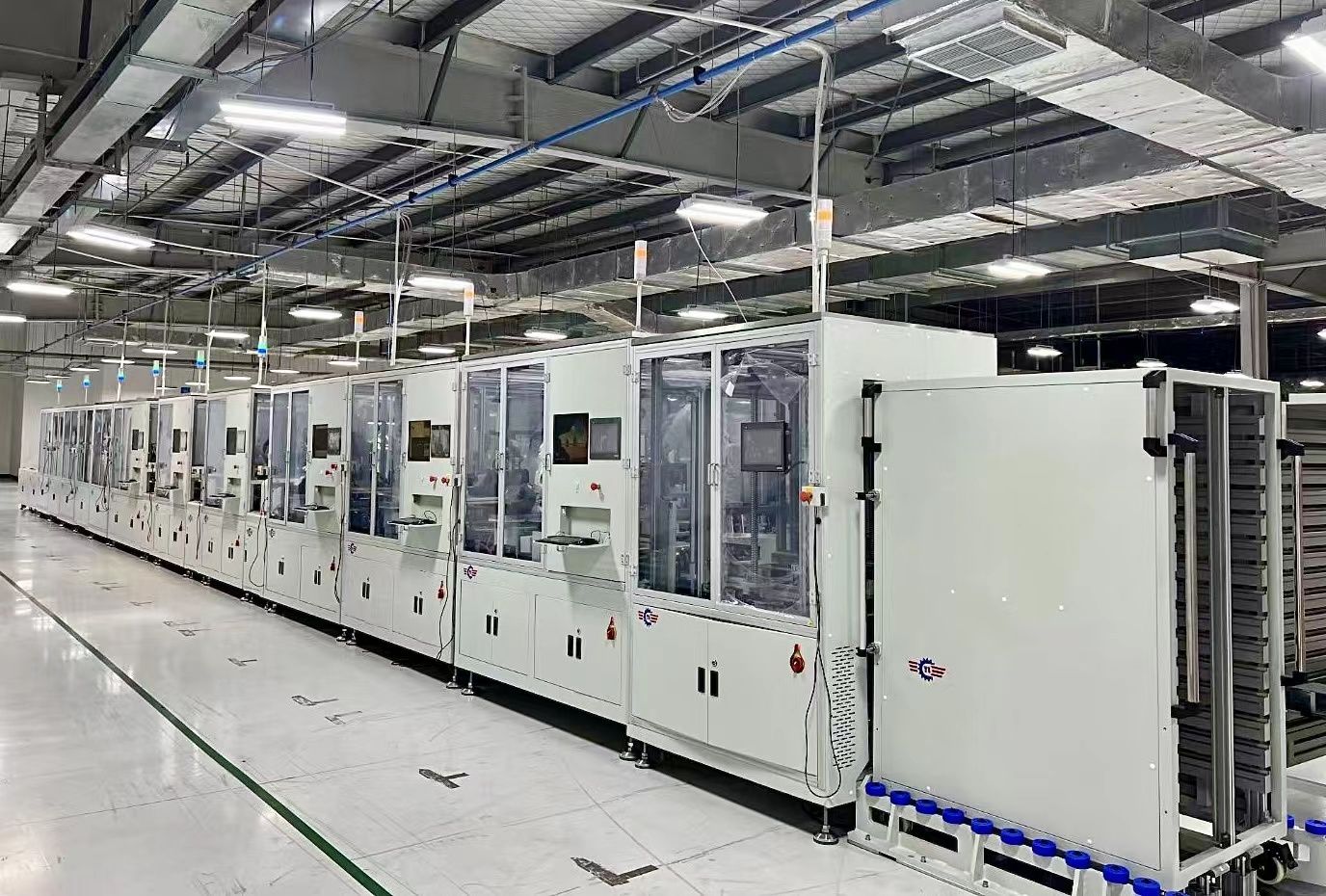
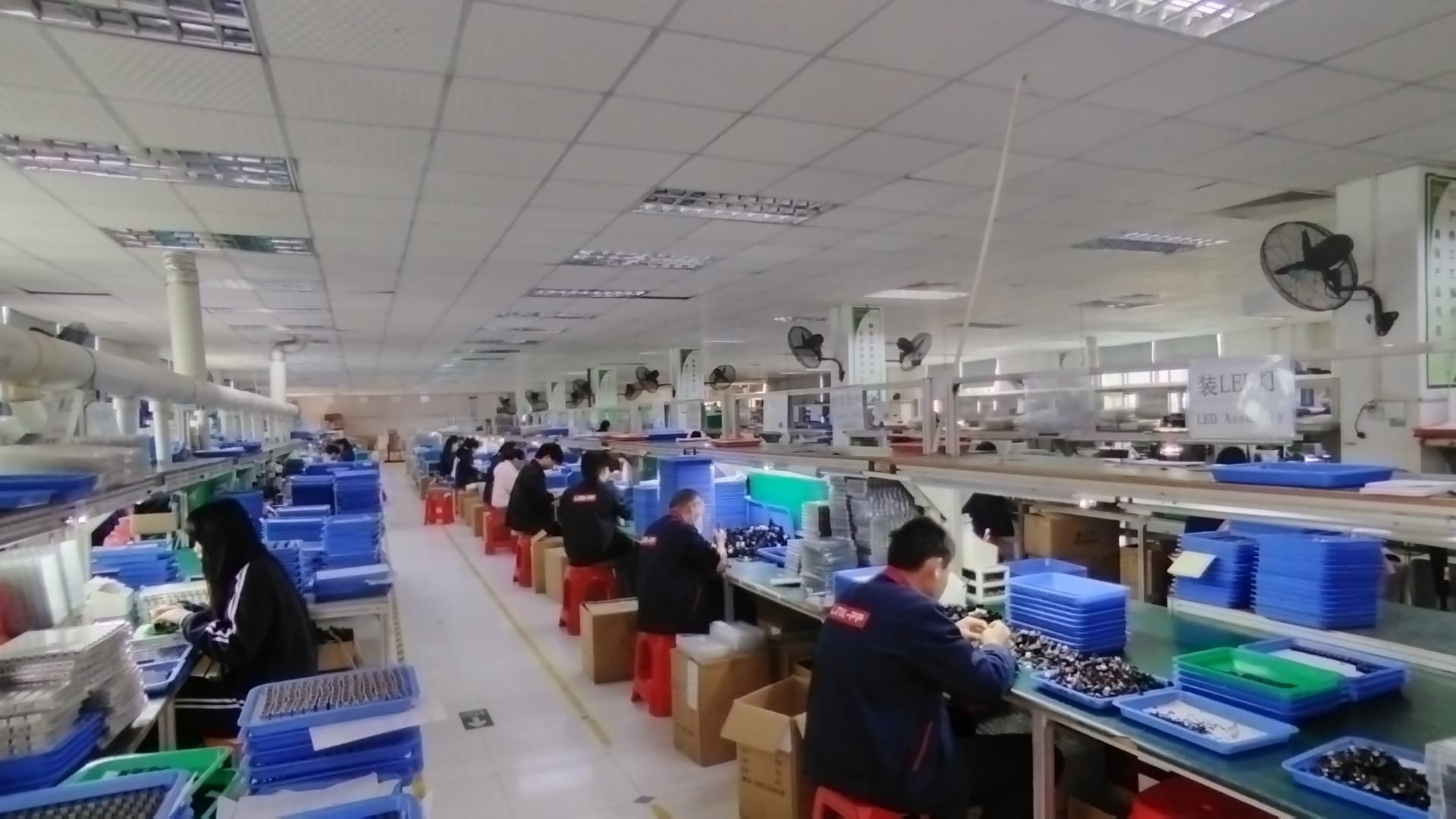
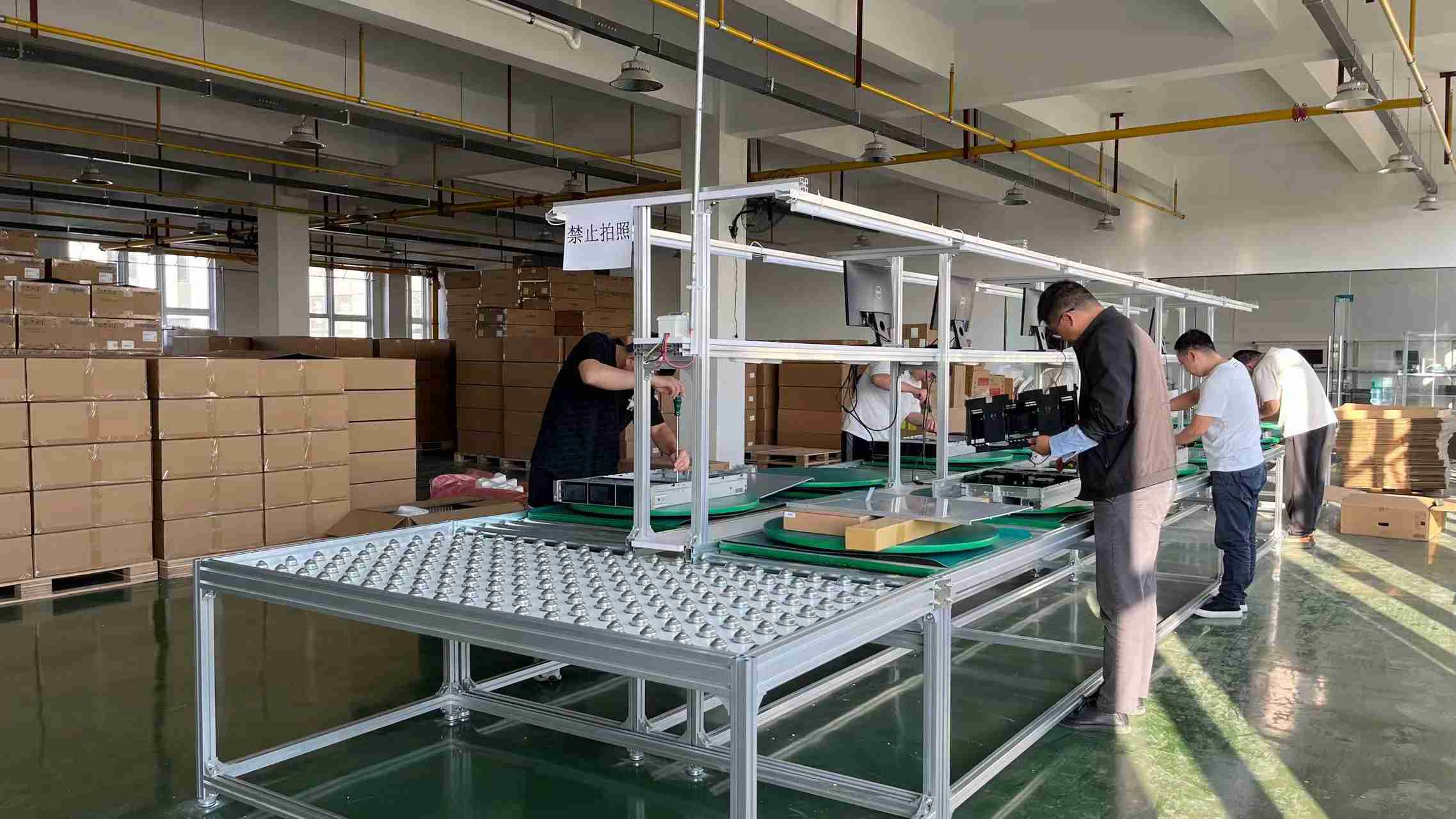
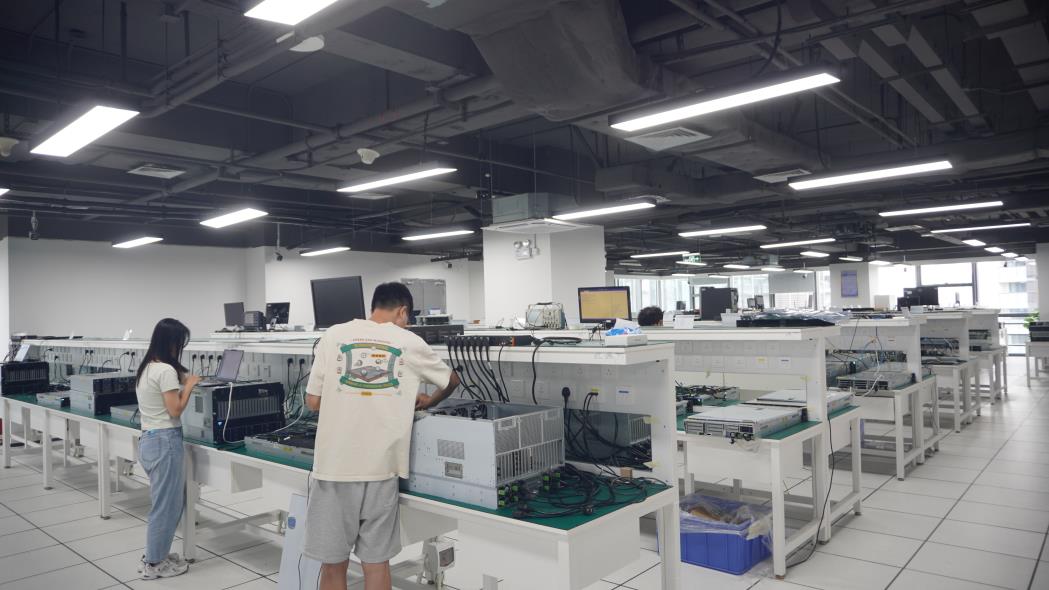
Founded in 2016, Kryntel Memory Technology (China) Co., Ltd. has established itself as an engineering powerhouse. By combining high-performance semiconductor SMT assembly capabilities with professional OEM/ODM solutions, we design, test, and manufacture integrated electronic systems capable of sustained high-speed operations.
With an experienced R&D crew of approximately 160 engineers specializing in signal integrity, thermal dissipation materials, and semiconductor integration, we ensure that every module meets stringent quality criteria. Our dedicated 42-member QA department executes rigorous multi-stage inspection regimes, including high-temperature aging tests, platform compatibility runs, bandwidth stress checks, and thermal shock evaluations.
Our strategic manufacturing network of roughly 1,200 partners guarantees an uninterrupted supply of high-grade raw components, allowing us to maintain competitive lead times and deliver consistent reliability to importers, system integrators, and distributors across Egypt.
Entering the Egyptian industrial sector requires a deep understanding of local trade regulations and compliance portals. Kryntel offers comprehensive support to help buyers navigate custom clearing smoothly:
We work closely with your logistics team to register shipments under the Advanced Cargo Information System (ACID) required at Egyptian ports of entry. All technical invoicing, packaging declarations, and certificates of origin are uploaded to the NAFEZA portal within mandated windows.
Our manufacturing protocols strictly align with the Egyptian Organization for Standardization & Quality (EOS) requirements for electrical safety, electromagnetic compatibility (EMC), and environmental hazard restrictions (RoHS and CE certifications).
Leveraging our robust shipping partnerships, we offer direct freight services to main hubs including Alexandria Port, Port Said, and Cairo International Airport. Optional consolidation routing through the United Arab Emirates (UAE) is available to streamline customs clearance.
Key physical and electrical parameters designed for system engineers setting up disinfection grids in Egypt.
| Disinfection Target | Optimal Wavelength | Recommended Driver Logic | Required Thermal Management | Egyptian Application Sector |
|---|---|---|---|---|
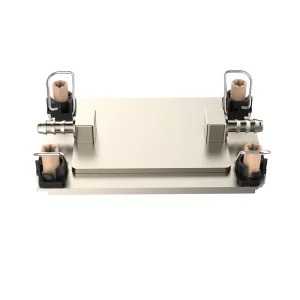
| Municipal Drinking Water | 265nm - 270nm | Constant Current, 700mA PWM | Copper Substrate + Active Liquid Cooler | Nile Water Treatment, Desalination Post-RO |
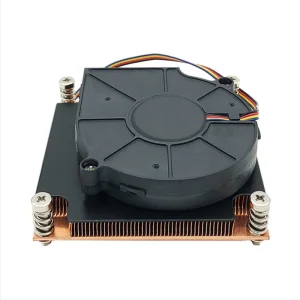
| Commercial Duct HVAC | 270nm - 275nm | Dynamic Voltage, 500mA Control | High-Performance Extruded Heatsink + Fan | New Capital Smart Offices, Cairo Metro System |
| Hospital Surface Sterilizers | 265nm - 280nm | Constant Current, 350mA Auto-off | Passive Copper Heat Sink / Radiator | Medical Device Manufacturing, Clinic Air Purifiers |
| Food & Beverage Processing | 275nm - 285nm | PWM dimmable, 1000mA Max | Aluminum-Copper Heat Pipe Radiator | Beverage Bottling Lines in SCZONE Industrial Zones |
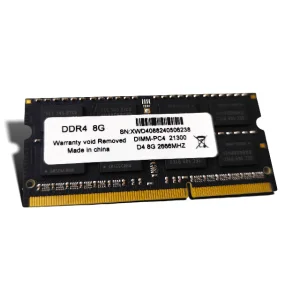
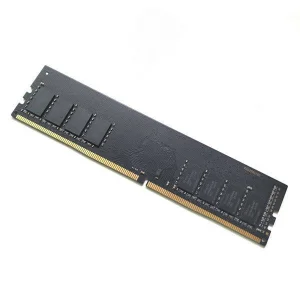
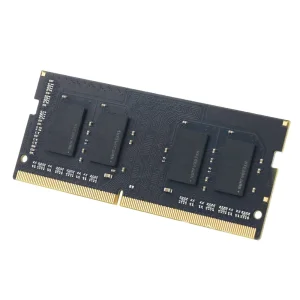
Critical hardware and memory elements built to support, regulate, and cool complex industrial electronic infrastructures.
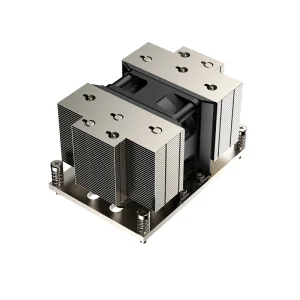
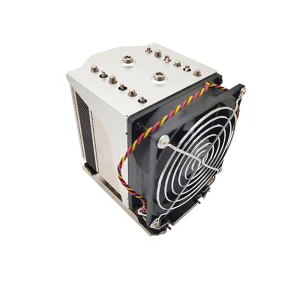
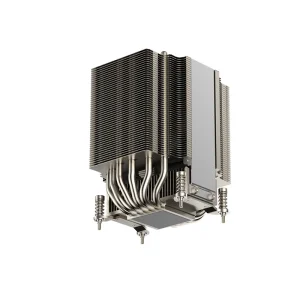
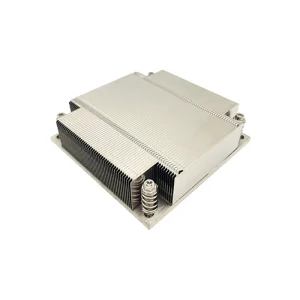
UVC LEDs have a low external quantum efficiency, meaning most electrical energy is converted into heat. In high ambient temperatures (common during Egyptian summers), the junction temperature ($T_j$) of the LED can easily exceed safe operating limits, leading to spectral shift (shifting out of the germicidal range) and rapid output degradation. Integrating robust heat dissipation systems, such as copper-core PCBs or liquid coolers, is essential to secure the designed L70 lifespan (typically >15,000 hours).
Yes. Leveraging our modern SMT lines and PCB design capabilities, we offer extensive OEM/ODM support. We can custom-design PCB boards, optimize driver pathways, and integrate specific microcontroller or NPU interfaces (like the RK3588S) to match your dimensional and electrical requirements.
Standard component configurations are dispatched from our factory within 15–20 days. Custom board runs (OEM/ODM) typically require 30–45 days for prototyping, aging test validation, and bulk SMT production. Transit times to Egyptian ports range from 20 to 30 days via maritime freight, or 5 to 7 days via air cargo.
Once an order is confirmed, the Egyptian importer must request an Advanced Cargo Information Declaration (ACID) number via the NAFEZA portal. We then include this ACID number on all shipping paperwork (bill of lading, commercial invoice, packing list, and certificates of origin) and upload the data directly to the system to guarantee seamless clearance at ports like Alexandria or Port Said.
Yes. Our advanced PCBA solutions are engineered with dedicated communication logic that allows interface systems (PLC, NPU, or microcontroller) to adjust output power via Pulse Width Modulation (PWM). This is highly useful for smart water treatment plants that scale dosage dynamically based on real-time flow rate and water turbidity.
Our products undergo comprehensive certification procedures, carrying CE and RoHS designations. Our manufacturing facilities operate under strict ISO 9001 and ISO 14001 guidelines to ensure consistent quality standards. Technical documentation, including LM-80 test reports and spectrum emission validation, is available upon request.
Have a specific project layout or technical requirement?
Get Technical Consult & RFQ Kryntel