LED PCBs Factory & Supplier in Netherlands

Empowering Dutch High-Tech Horticulture, Automotive Systems, and Solid-State Lighting with Premium-Grade Metal Core PCBs and Precision Electronic Solutions.

Featured Technical Solutions

Precision Engineered Components for Smart Infrastructure and Industrial Integration
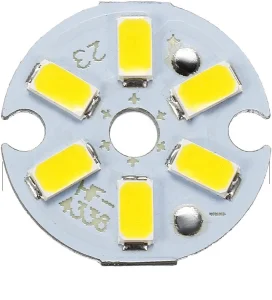
Netherlands Smart Greenhouse LED Chip Bulb SMD Light Beads Circuit PCB

Netherlands Smart Greenhouse LED Chip Bulb SMD Light Beads Circuit PCB

View Technical Specifications →
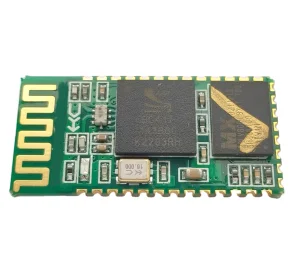
High-Precision Sensor PCB Assembly & Controller Module for Dutch Agritech

High-Precision Sensor PCB Assembly & Controller Module for Dutch Agritech

View Technical Specifications →
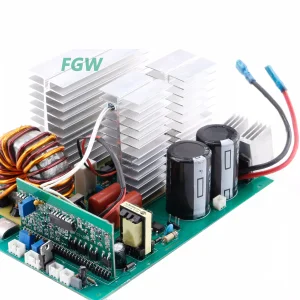
Heavy Industrial 220V Power Supply & Controller Motherboard for Marine Equipment

Heavy Industrial 220V Power Supply & Controller Motherboard for Marine Equipment

View Technical Specifications →
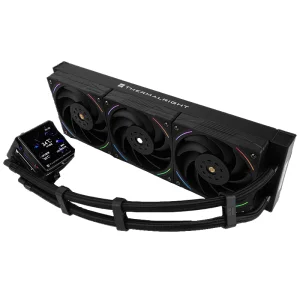
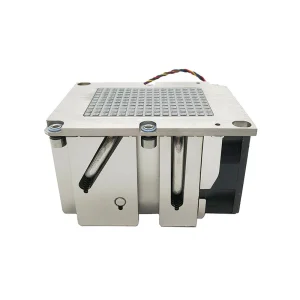
Advanced ARGB Active CPU Heat Sink with 4 Heat Pipes for Dutch Edge Server Cooling

Advanced ARGB Active CPU Heat Sink with 4 Heat Pipes for Dutch Edge Server Cooling

View Technical Specifications →

The Netherlands Solid-State Lighting & Electronics Ecosystem

As a global powerhouse in agricultural innovation and high-tech systems engineering, the Netherlands demands unmatched standards in thermal efficiency, reliability, and precision manufacturing.

The Dutch market represents one of the world's most advanced arenas for solid-state lighting and electronics integration. Spearheaded by the world-famous horticultural hub in the Westland region and the Brainport Eindhoven high-tech ecosystem, local enterprises require high-performance circuit substrates capable of operating under demanding conditions. From continuous, high-PAR (Photosynthetically Active Radiation) output in vertical farming facilities to ultra-durable street lighting systems along the North Sea coast, standard FR4 substrates are no longer sufficient.
Modern Dutch OEMs, lighting designers, and industrial system integrators are actively transitioning to specialized Metal Core PCBs (MCPCBs) and Ceramic PCBs. These technologies address the core physical bottleneck of high-intensity LEDs: heat dissipation. As thermal management directly impacts luminosity, spectral stability, and lifespan, choosing a manufacturing partner that understands these strict requirements is critical to securing market share and operational uptime.

Precision Agritech Fit

Designed for multi-layer vertical farms and greenhouse systems, offering optimized thermal conductivity (1W/m•K to 8W/m•K) to sustain specific wavelengths (Deep Blue, Hyper Red) required for optimal crop yields.

Harsh Environment Durability

Coated with premium, moisture-resistant solder masks and conformal coatings to withstand the high relative humidity (up to 95% RH) and pesticide exposure typical in commercial greenhouses.

Engineered for 100K+ Hours

By keeping junction temperatures below critical limits, our LED PCBs extend the operational lifetime of heavy-duty municipal and industrial fixtures, minimizing maintenance cycles.

Technical Roadmap & Thermal Engineering Outlook

Overcoming the Thermal Bottleneck

High-power LED chips convert only 30-40% of their electrical energy into visible light; the remaining 60-70% is converted directly into thermal energy. Without an efficient conduction path, this heat degrades the LED's internal phosphor layer, shifting the color temperature and accelerating lumen depreciation.

Our technical roadmap emphasizes the adoption of Direct Thermal Path (DTP) technology in Metal Core PCBs. By eliminating the dielectric layer directly beneath the LED thermal pad, the chip is soldered directly to the copper or aluminum base plate, reducing thermal resistance to near zero.

>380W
Copper Base Conductivity
<0.05°C
Thermal Resistance (W/mK)
100%
AOI & X-Ray Tested
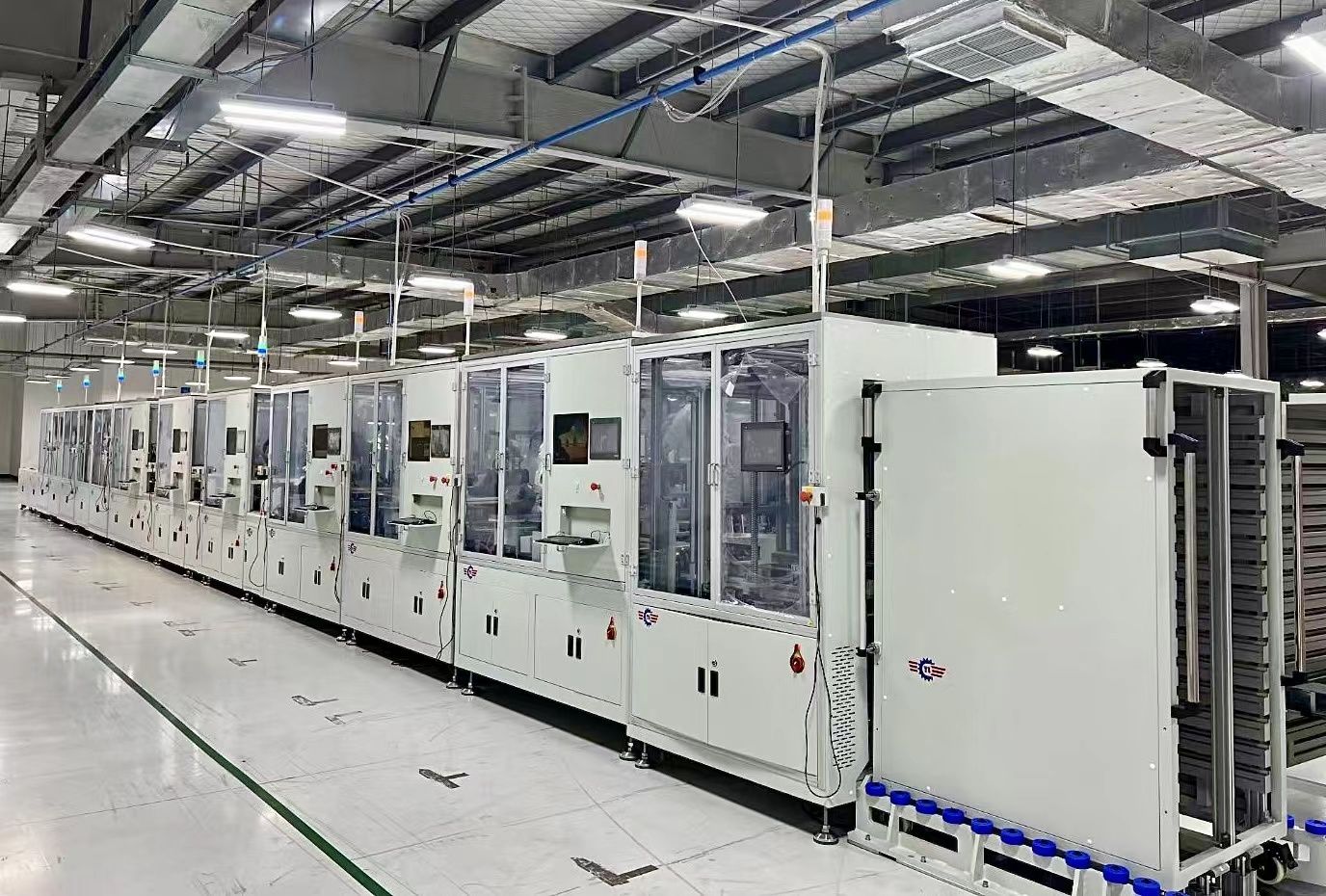
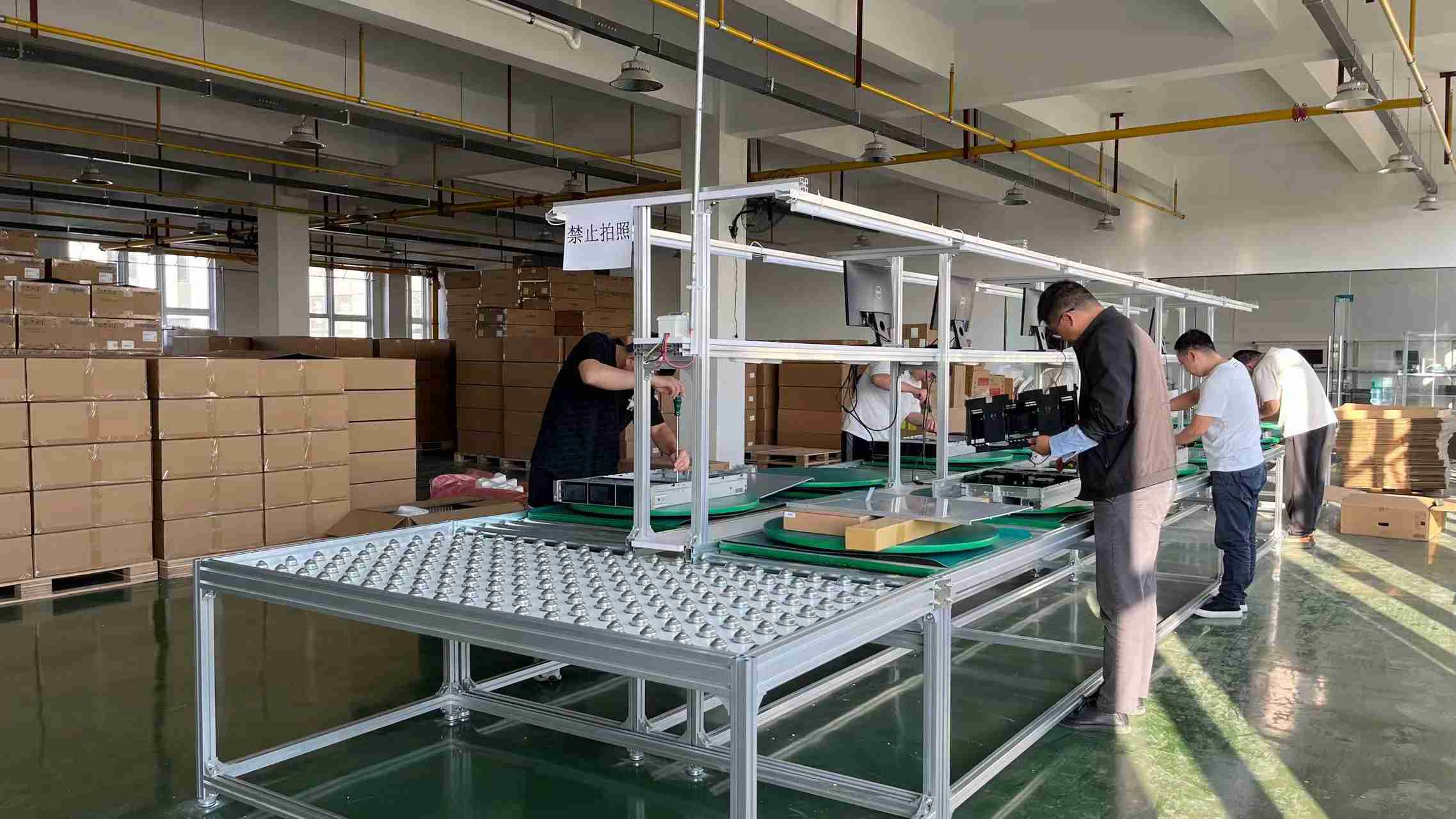
High-Tech LED SMT Line Assembly Inspection
Parameter / Feature Standard FR4 PCB Aluminum Core PCB (MCPCB) Copper Core PCB (DTP) Alumina Ceramic PCB (Al₂O₃)
Thermal Conductivity 0.25 - 0.5 W/m•K 1.0 - 4.0 W/m•K 380 - 401 W/m•K 24 - 35 W/m•K
Coefficient of Thermal Expansion (CTE) 14 - 17 ppm/°C 21 - 23 ppm/°C 16 - 18 ppm/°C 5 - 7 ppm/°C (Matches LED chips)
Dielectric Breakdown Voltage Variable (Low) 2.0 - 6.0 kV AC N/A (Direct Solder Junction) >10 kV (Excellent insulator)
Primary Application Area Low-power electronics, indicator LEDs Mid-power architectural & street lighting High-power searchlights, vehicle headlamps Extreme high-power horticultural & aerospace

Macro Industry Solutions

Targeted architectural and industrial system configurations

1. Smart City Municipal Infrastructure

Municipal streetlights and public illumination systems in the Netherlands must endure salt mist and high temperature swings. Our solution incorporates heavy copper traces (up to 4 oz) on aluminum substrates, finished with high-performance immersion gold (ENIG) to prevent atmospheric corrosion over a projected 15-year service life.

2. High-Yield Automated Greenhouse Lighting

Horticultural environments utilize specialized spectra (PAR) that require high current densities. We fabricate multi-layer MCPCBs with integrated thermal vias and isolated aluminum bases. This setup accommodates high-density SMD LED arrays while ensuring that minimal heat is transferred back to the biological environment, preventing localized root damage.

3. High-Speed Pick-and-Place SMT Capabilities

Leveraging advanced solder paste inspection (SPI) and automated optical inspection (AOI) lines, we secure flawless placement of fine-pitch 0201 passives and high-power LEDs. Our manufacturing tolerances guarantee precise optical alignment, critical for secondary lens configurations.

China Industry 4.0: Supply Chain Resilience & Quality Control

Founded in 2016, Kryntel Memory Technology (China) Co., Ltd. has established itself as an elite semiconductor and high-performance hardware assembly pioneer. Drawing from our extensive 9 years of industry experience and a robust network of approximately 1,200 upstream and downstream supply chain partners, we bring memory-grade precision manufacturing directly to the LED PCB sector.
Operating with a QA team of 42 certified professionals and a dedicated R&D wing of 160 engineers, Kryntel ensures every circuit design and PCBA run undergoes stringent evaluation. We apply high-frequency signal integrity checking, voltage stability testing, and extended thermal aging tests—processes developed for high-end server DDR4/DDR5 RAM—to our LED PCB lines. This rigorous approach guarantees zero-defect shipments to our critical export markets, which include Germany, the Netherlands, and the United States.
160+
R&D Engineers
1,200+
Supply Chain Partners
$8M-$18M
Annual Export Volume

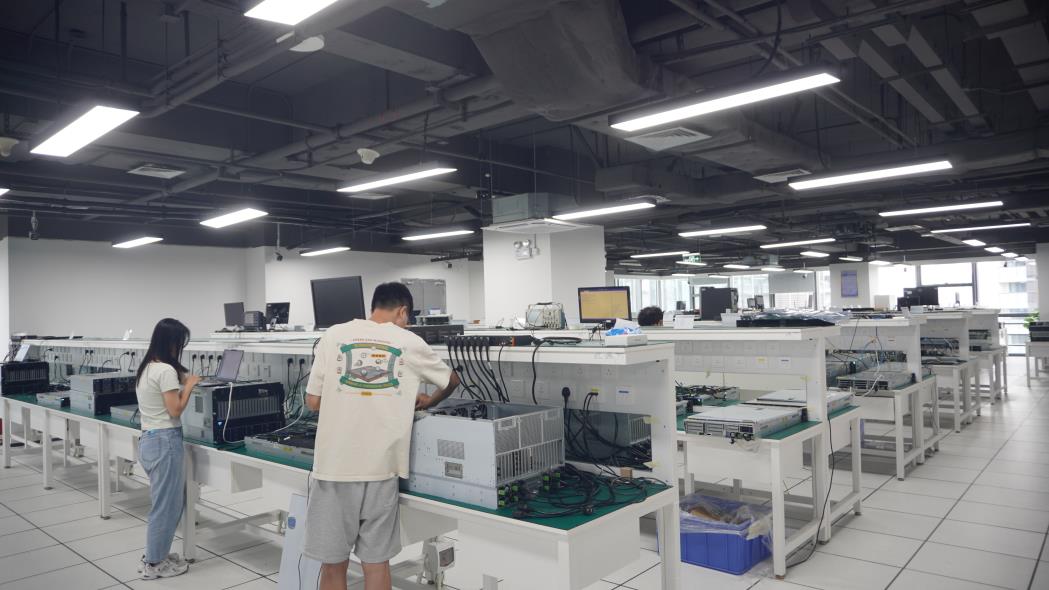
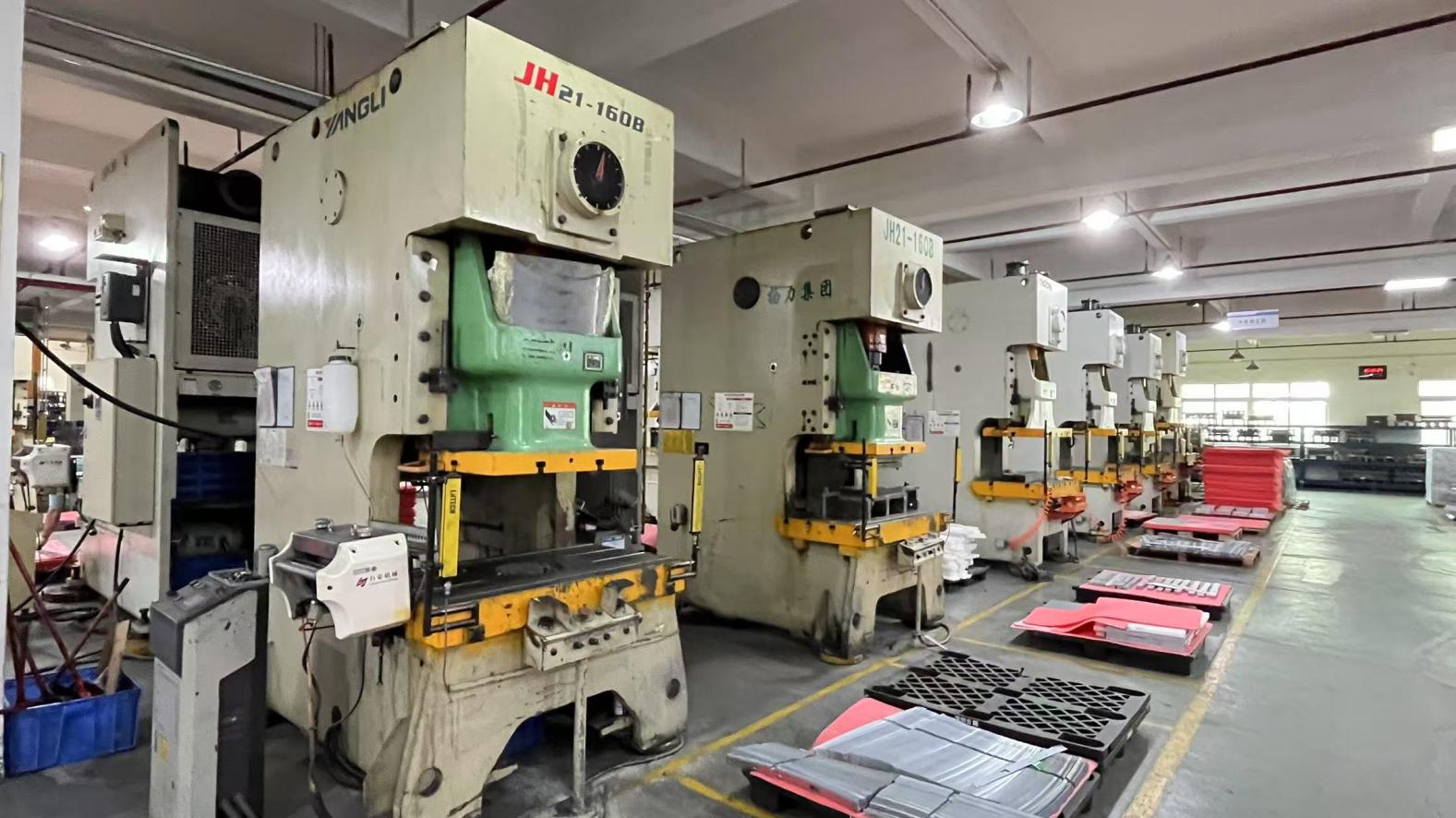
Our Advanced Manufacturing Facilities & SMT Lines

State-of-the-art cleanrooms and automated test machinery
Localization, Standards, & Compliance for the Dutch Market

We understand that importing electronics into the European Union involves navigating a complex web of technical directives and eco-design standards. All products leaving our production facility are certified to meet CE, RoHS, and REACH regulations, facilitating seamless customs clearance at Schiphol Airport or the Port of Rotterdam.
Additionally, we actively support local initiatives such as the WEEE (Waste Electrical and Electronic Equipment) Directive. By designing circuit boards that are easier to disassemble and recycle, we help our partners align with the Dutch Circular Economy objectives for 2050. Our flexible shipping terms (FOB, CIF, DDP) and local logistic network guarantee on-time delivery directly to your assembly lines.

Strategic Sourcing & Total Cost of Ownership (TCO) Optimization

For Dutch procurement managers, balancing initial Bill of Materials (BOM) costs with operational reliability is essential. Our strategic sourcing framework minimizes TCO in three ways:
  • Direct-to-Manufacturer Pricing: By bypassing intermediaries, we deliver highly competitive cost structures without compromising base materials.
  • Buffer Stock Management: We offer warehousing options to secure raw material availability (such as specialized copper and aluminum plates), protecting you against sudden market price spikes.
  • Prototyping to Mass Production: Fast prototyping services allow you to validate designs locally in the Netherlands before committing to large-scale, high-yield production runs.

Complete Hardware & Memory Ecosystem

Explore our wider product line designed for edge processing and automation control
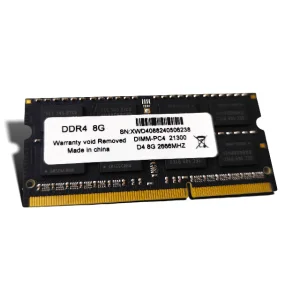
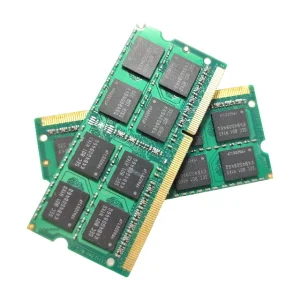
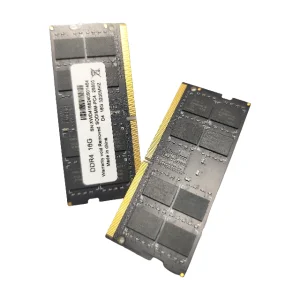
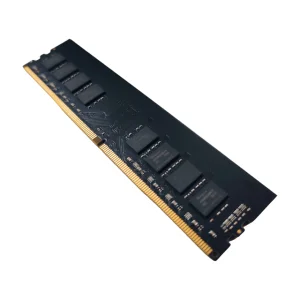
Enterprise DDR4 8GB ECC Laptop RAM Module for Industrial Automation Control Systems

Enterprise DDR4 8GB ECC Laptop RAM Module for Industrial Automation Control Systems

View Technical Specifications →
High-Density DDR4 Server Memory (4GB/8GB/32GB) for Cloud Infrastructure & Intelligent Lighting Control

High-Density DDR4 Server Memory (4GB/8GB/32GB) for Cloud Infrastructure & Intelligent Lighting Control

View Technical Specifications →
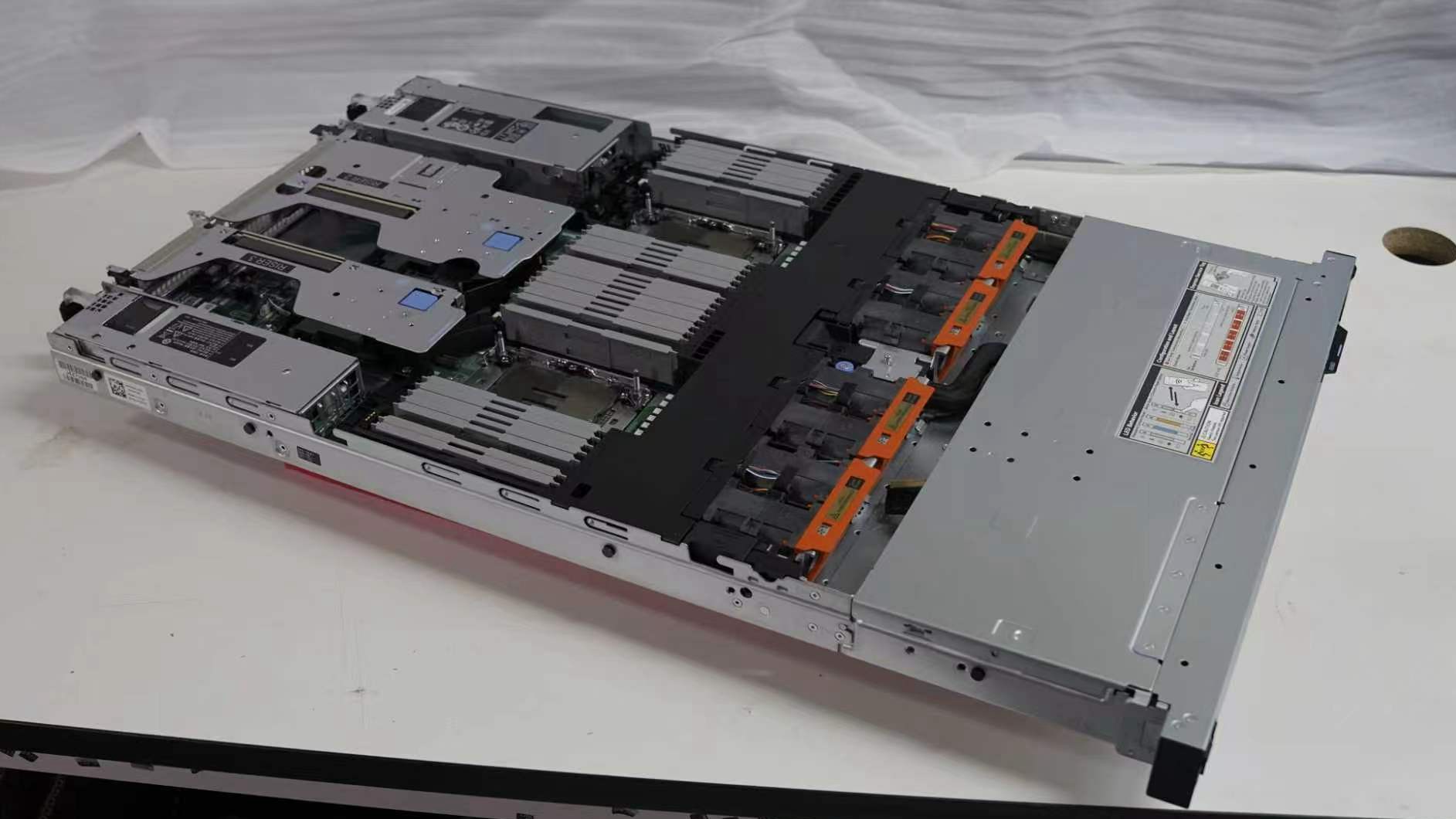
Passive Aluminum Fin 4 Heat Pipe Server Heatsink (205W LGA3647) for High-Power Lighting Controllers

Passive Aluminum Fin 4 Heat Pipe Server Heatsink (205W LGA3647) for High-Power Lighting Controllers

View Technical Specifications →
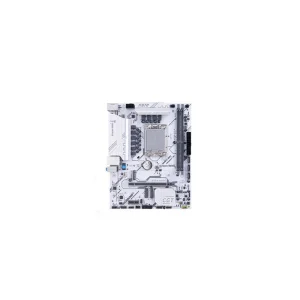
Industrial Motherboard LGA1700 H610 Chipset with DDR4 Support for Smart City Edge Computing

Industrial Motherboard LGA1700 H610 Chipset with DDR4 Support for Smart City Edge Computing

View Technical Specifications →
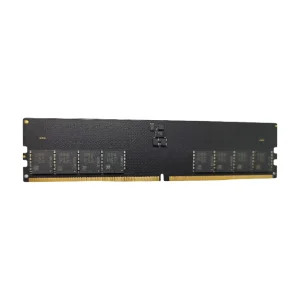
High-Performance DDR5 32GB 5600MHz RAM Module for High-Throughput Agricultural Machine Vision

High-Performance DDR5 32GB 5600MHz RAM Module for High-Throughput Agricultural Machine Vision

View Technical Specifications →
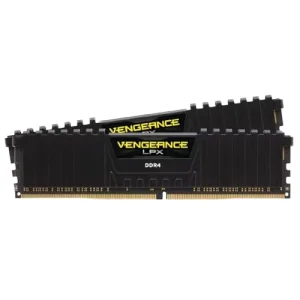
DDR4 16GB 3600MHz Desktop Memory Set for 3D Lighting Simulation & CAD Workstations

DDR4 16GB 3600MHz Desktop Memory Set for 3D Lighting Simulation & CAD Workstations

View Technical Specifications →
Industrial PC DDR4 RAM Module (4GB to 32GB) for Distributed Greenhouse Environmental Control

Industrial PC DDR4 RAM Module (4GB to 32GB) for Distributed Greenhouse Environmental Control

View Technical Specifications →
High-Stability DDR4 16GB 2666MHz Computer Memory Module for Embedded Lighting Systems

High-Stability DDR4 16GB 2666MHz Computer Memory Module for Embedded Lighting Systems

View Technical Specifications →

Frequently Asked Questions (FAQ)

Technical answers to standard engineering and procurement questions

What is the typical lead time for custom LED PCBs shipped to the Netherlands?

For prototypes, our quick-turn engineering service takes 3 to 5 working days. Mass production orders (ranging from 1,000 to 50,000 boards) are typically completed within 12 to 18 working days. Shipping via express courier to Amsterdam or Rotterdam takes an additional 3 to 5 air transit days, while sea and rail freight options are available for high-volume orders.

Which dielectric materials do you use for high-power LED boards?

We utilize premium, high-thermal-conductivity dielectrics from market leaders such as Bergquist and Laird. Thermal conductivities range from standard 1.0W/m•K up to 8.0W/m•K. For specialized agricultural and automotive systems, we recommend Direct Thermal Path (DTP) designs where the LED pad is soldered directly to the copper core, completely bypassing the dielectric layer.

Are your LED PCBs fully compliant with EU environmental directives?

Yes, every product we supply is certified to meet CE, RoHS, and REACH standards. We use lead-free solder pastes and chemical surface finishes (such as ENIG or HASL Lead-Free) to comply with modern European environmental mandates. Full compliance documentation can be provided with every shipping batch.

How do you prevent board warping on thin aluminum LED PCBs?

Because copper and aluminum have different thermal expansion rates, board warping during reflow soldering can occur if not managed correctly. We prevent this by balancing the layout symmetry, using high-tensile-strength base alloys (such as Aluminum 5052 or 6061), and adjusting our reflow profiles to reduce peak temperatures. We also utilize precision V-scoring and routing techniques to minimize mechanical stress.

What is your Minimum Order Quantity (MOQ)?

We maintain flexible manufacturing options. For engineering evaluation runs and prototypes, we accept orders with no MOQ. For production runs, we recommend a minimum run of 50 to 100 panels to optimize material utilization and lower setup costs.