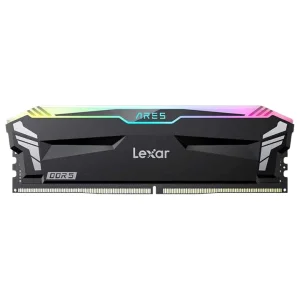
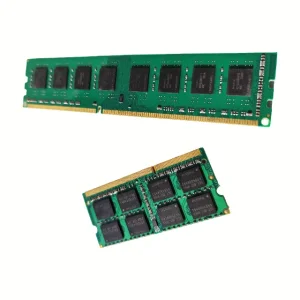
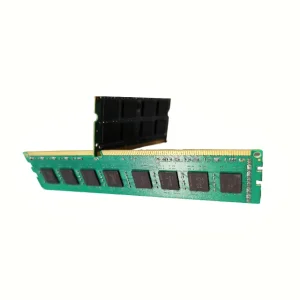
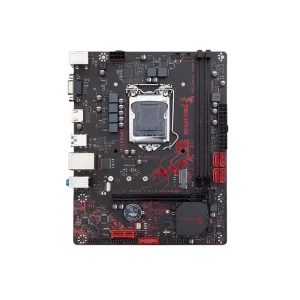
Discover our primary high-performance hardware engineered using advanced conductive packaging and advanced thermal management technologies.
Electrically and thermally conductive adhesives have transitioned from niche electronic materials to the backbone of modern macro-microelectronics packaging. Globally, the push toward miniaturization, lead-free (RoHS) environmental compliance, and high-density semiconductor architectures has fueled a massive surge in demand. As traditional tin-lead soldering methods become obsolete and even lead-free SAC solders face processing limitations on temperature-sensitive substrates, Conductive Adhesives (ECAs & TCAs) emerge as the premier alternative.
In high-reliability markets, such as defense, aerospace, telecommunications, and automotive electronic control units (ECUs), conductive epoxies are preferred because they absorb mechanical stress and dissipate localized heat far better than conventional alloys. The proliferation of automated die attach systems, Surface Mount Technology (SMT) assemblies, and high-density flip-chip designs globally dictates that manufacturers partner with robust, OEM/ODM suppliers who can deliver customized formulations matching specific curing dynamics, thermal coefficients, and mechanical properties.
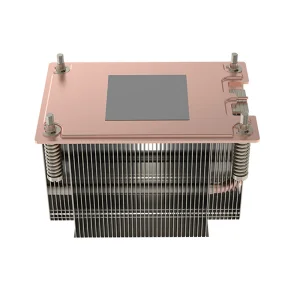
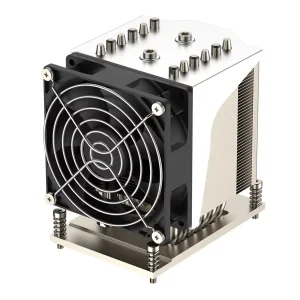
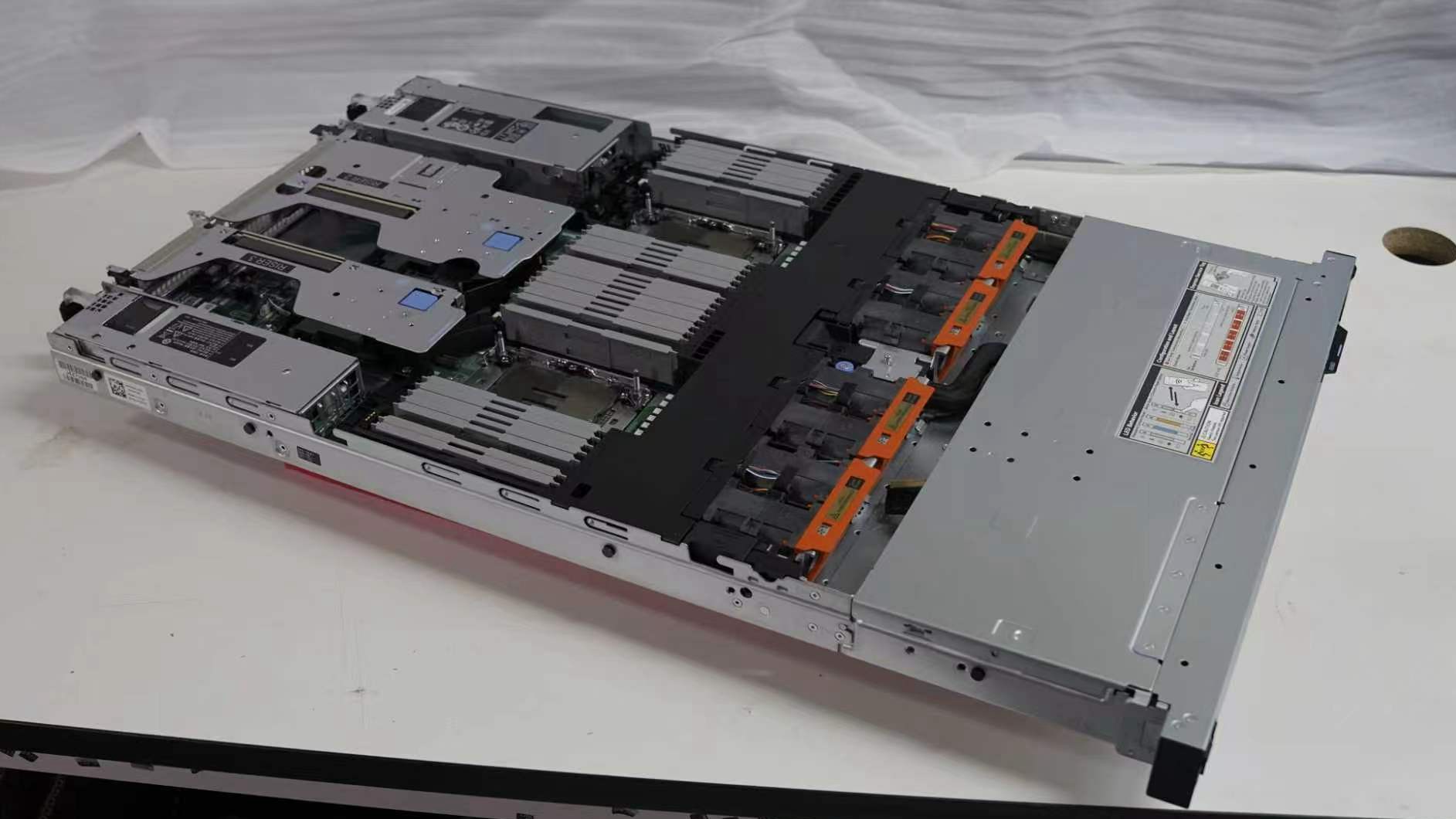
Designed for ultra-high thermal conductivity interfaces in server platforms (up to 300W passive sinks), routing localized hotspots efficiently to minimize structural thermal expansion mismatches.
Anisotropic Conductive Adhesives (ACAs) and Isotropic options (ICAs) provide reliable micro-contacts for high-density component arrays, preventing short circuits across sub-micron pitches.
Polymeric matrix bases, such as flexible epoxy and silicones, provide a shock-absorbing buffer against thermal shocks, vibrations, and mechanical stress cycles.
The global electronics supply chain is shifting rapidly. Driven by the mass adoption of electric vehicles (EVs), AI-capable hardware, and renewable energy storage systems, the performance parameters required of polymeric conductive matrices have grown increasingly strict. Standard adhesives can no longer survive the harsh working conditions of high-voltage automotive platforms or high-frequency environments like DDR5/GDDR6 layouts.
Today's R&D efforts center on several fundamental development vectors:
| Adhesive Type | Filler Base | Conductivity Range (S/cm) | Typical Curing Temp | Target Applications |
|---|---|---|---|---|
| Isotropic Conductive (ICA) | Pure Micro-Silver Flakes | 103 - 104 | 100°C - 150°C | Die Attach, SMT Solder Replacement, Component Bonding |
| Anisotropic Conductive (ACA) | Gold-coated Polymeric Spheres | Directional (Z-axis only) | 120°C - 180°C | FPC-to-Glass, High-Density Smart Displays, Micro-LED |
| Thermal Interface (TCA) | Alumina, Boron Nitride, Graphite | Thermal focus: 2.0 - 15 W/m·K | 80°C - 120°C / UV Curing | Power Inverters, CPU Cooler Mounts, Heat Pipe Bonding |
| Flexible Hybrid Adhesives | Silver Nanowires + Carbon Dots | 102 - 103 | Room Temp to 100°C | Wearables, Flexible Printed Circuitry (FPCB), Sensors |
From consumer electronics manufacturing to complex renewable energy components, our formulations perform reliably across diverse, heavy-duty industrial environments.
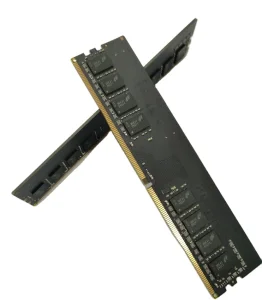
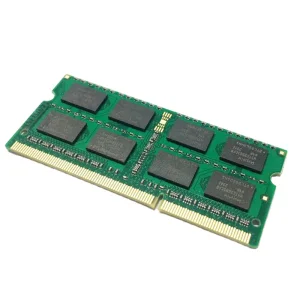
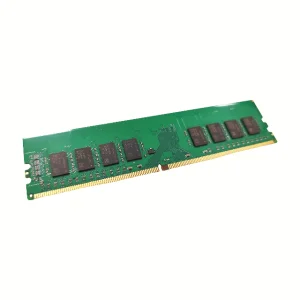
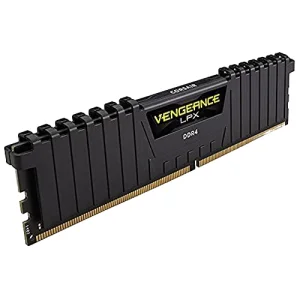
In high-frequency DDR5 memory module assemblies and high-performance graphic card logic units, our conductive adhesives fix silicon dies onto substrates with minimal voiding. This ensures reliable electrical logic paths and thermal dissipation during high-power processing cycles.
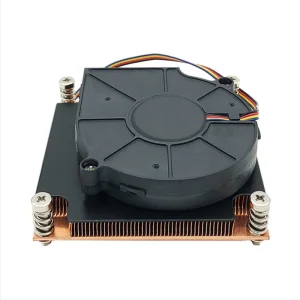
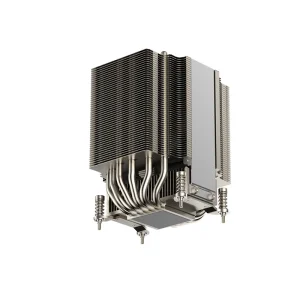
Securing CPU air-cooled copper blocks and vapor-chamber heatsinks (supporting capacities up to 200W-300W thermal margins) demands adhesives that will not dry, crack, or delaminate. Our thermal interface formulations provide sustained structural bond strength at continuous 125°C operating levels.
Photovoltaic inverters and solar array controller PCBA setups encounter harsh outdoor temperature swings. Using stress-relaxed, moisture-resistant conductive adhesives keeps electronic junctions secure and helps prevent power losses caused by moisture ingress.
Founded in 2016, Kryntel Memory Technology (China) Co., Ltd. has established itself as an industry leader in high-performance computer hardware and material application technologies. Specializing in high-density RAM modules (DDR4 and DDR5), server cooling solutions, and PCBA services, Kryntel has integrated custom conductive adhesive chemistry to support demanding semiconductor packaging operations.
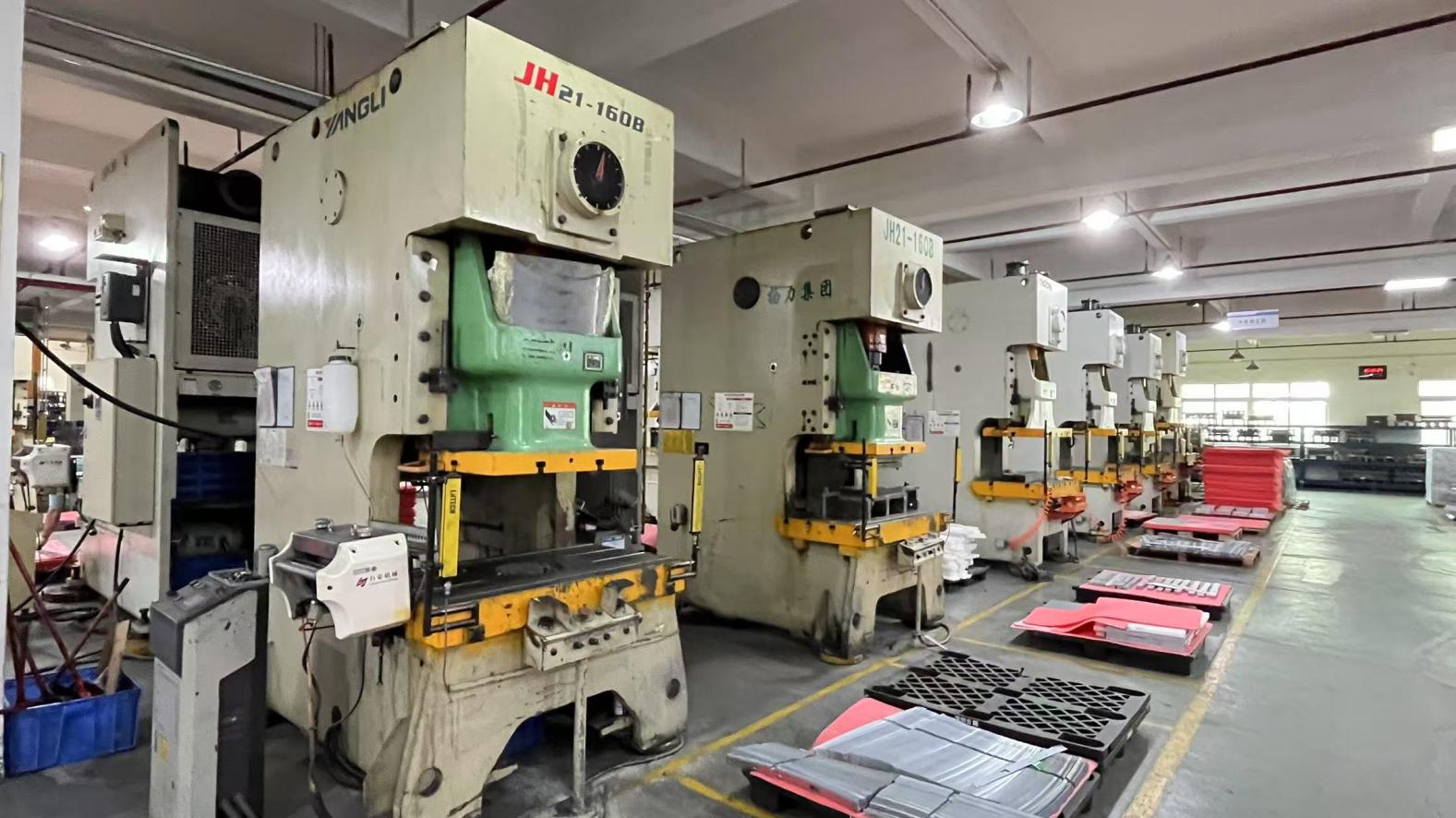
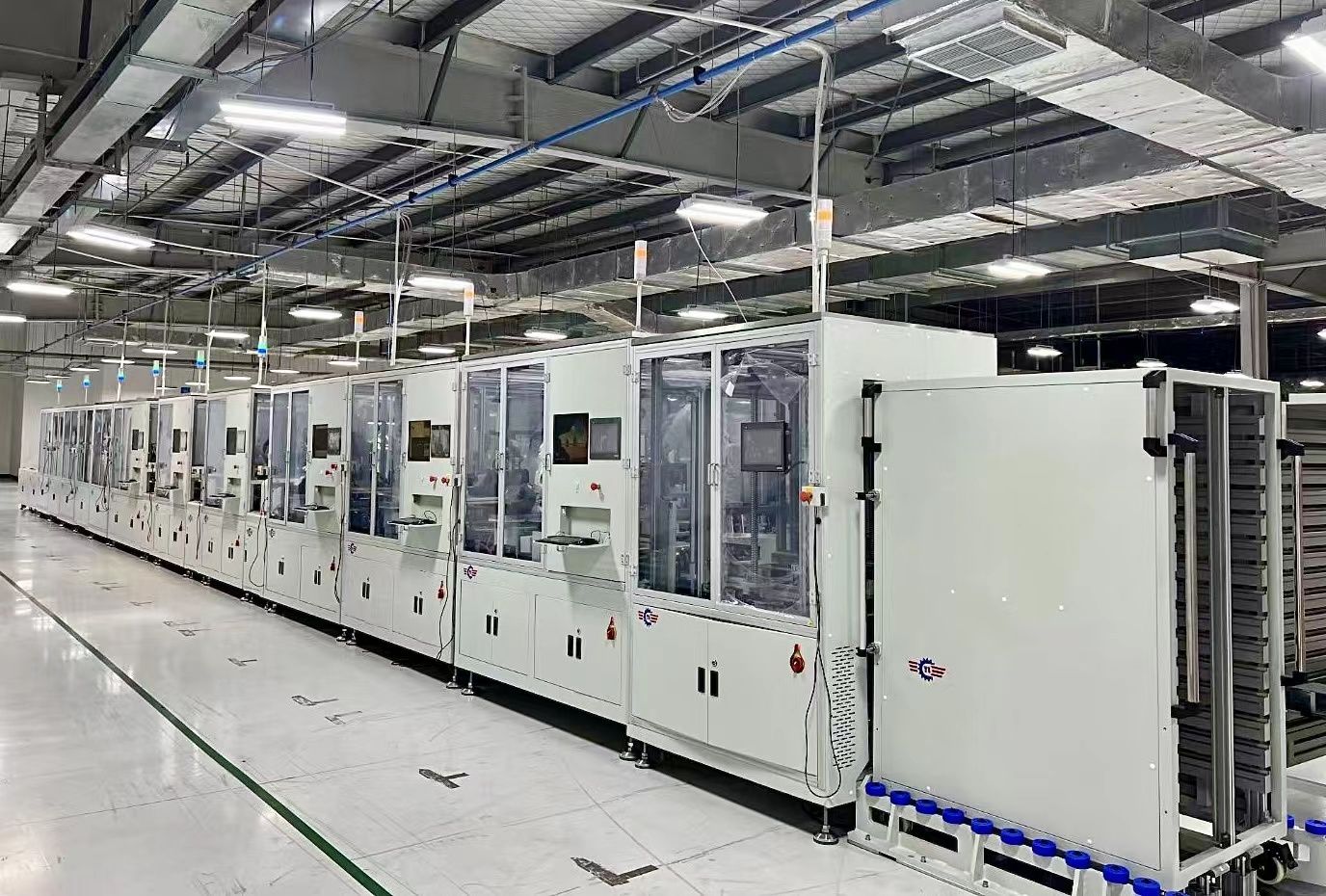
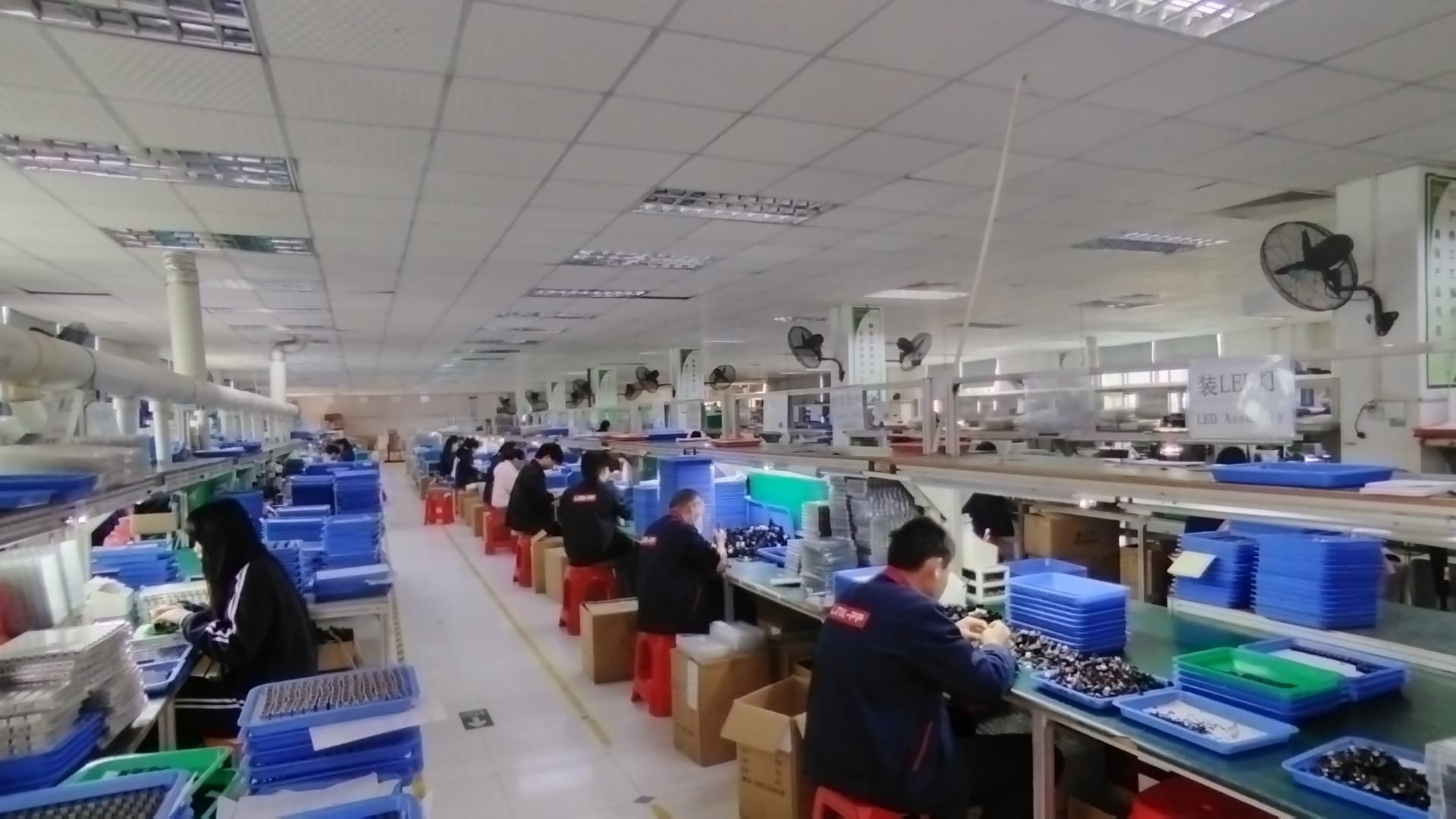
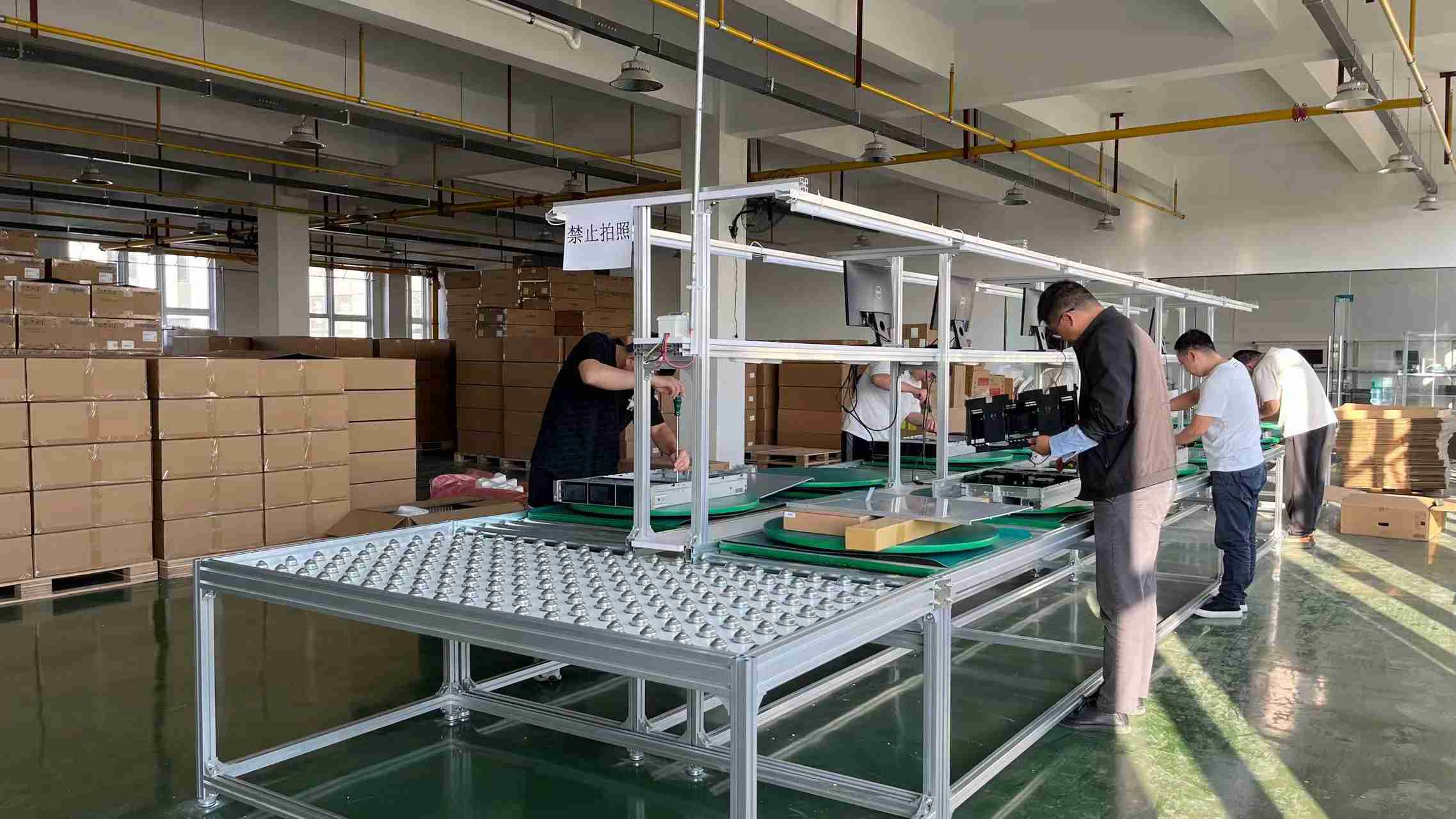
Leveraging a state-of-the-art facility covering approximately 320㎡ and a robust upstream-downstream supply chain network of over 1,200 partners, we manage everything from advanced component mounting to custom interface material design. Our deep understanding of how adhesives behave inside memory modules and server thermal setups allows us to build reliable, high-yield OEM/ODM solutions for system integrators, computer brands, and industrial customers worldwide.
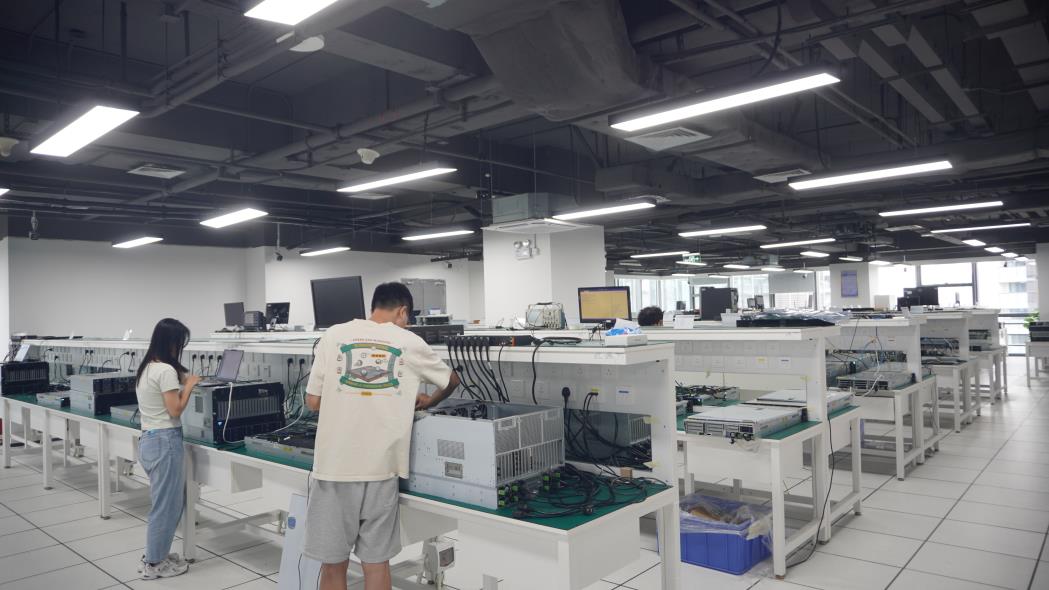
Quality reliability is verified through a multi-stage inspection flow managed by our 42-expert QA division. Formulations undergo high-temperature aging tests, humidity chambers, and shear-strength tests. These tests are performed alongside motherboard compatibility and signal integrity checks on our DDR4/DDR5 packaging lines to verify chemical and mechanical stability.
Supported by a division of 160 R&D engineers, we offer custom development services for memory PCB layouts and high-performance thermal adhesives. Customers can request customized formulations with specific curing dynamics, customized viscosity for high-speed dispensing, or tailored thermal expansion coefficients (CTE) to match target substrates.
As microelectronics advance towards 2.5D/3D chip packaging architectures and multi-chip modules (MCM), adhesive interfaces face challenges at the atomic level. Our R&D division has structured a development roadmap designed to meet the performance challenges of tomorrow's electronic systems.
Over the next five years, the integration of Wide Bandgap (WBG) semiconductors like Gallium Nitride (GaN) and Silicon Carbide (SiC) will demand interfaces that operate reliably above 175°C. Conventional organic epoxy matrices break down at these levels. Our research is focused on developing hybrid organic-inorganic siloxane matrices and low-temperature sintering silver pastes that behave like solid metal interfaces once cured, providing high operational stability at elevated temperatures.
Blending sub-micron silver flakes with silver nanowires to reduce interfacial contact resistance, enabling lower metal loading options with high conductivity.
Formulating silver sintering pastes that cure at 150°C without external pressure, providing performance similar to high-lead solders for power semiconductor assemblies.
Transitioning toward bio-based epoxy resins and halogen-free polymer formulations that comply with evolving REACH, RoHS, and global environmental directives.
Get professional technical insights on selecting, curing, and applying electrically and thermally conductive adhesives.
Explore more of our compatible hardware and PCBA system custom manufacturing options.
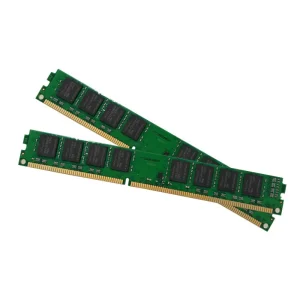
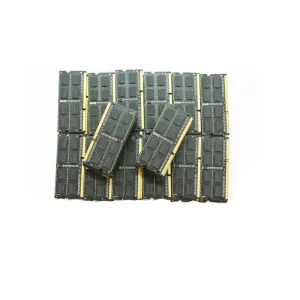
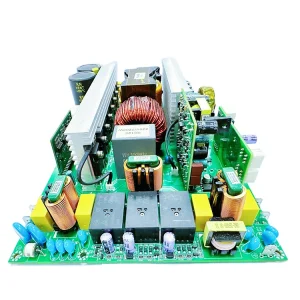
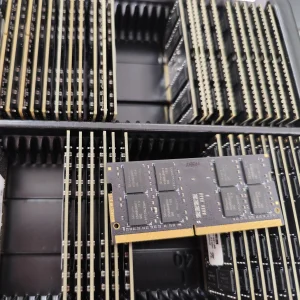
A look into our production floors, assembly operations, and global export processes.
 Kryntel