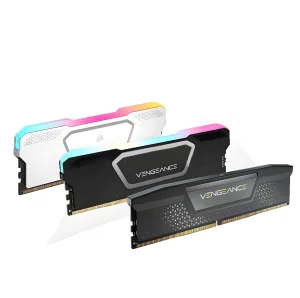
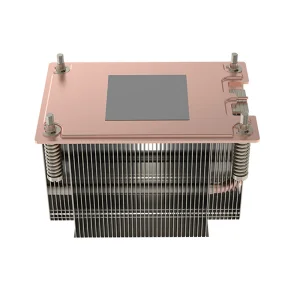
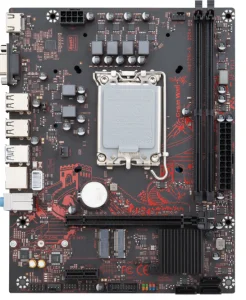
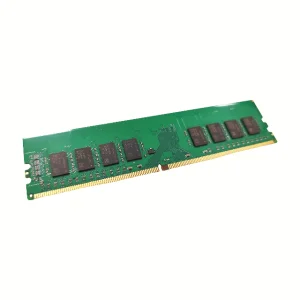
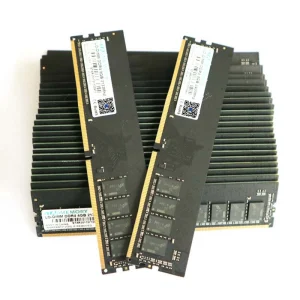
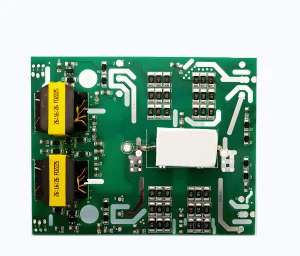
High-performance DDR memory, advanced chipsets, and custom-engineered server cooling solutions utilizing premium thermal interface materials.
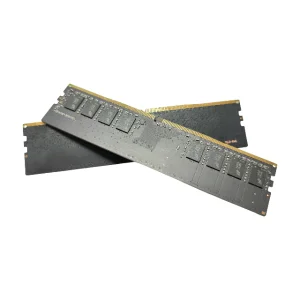
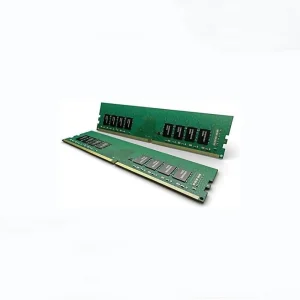 Factory Wholesale ECC Laptop DDR4 RAM 8GB-32GB 2666MHz Single Item Box Packing Memory Module Stock
Learn More
Factory Wholesale ECC Laptop DDR4 RAM 8GB-32GB 2666MHz Single Item Box Packing Memory Module Stock
Learn More
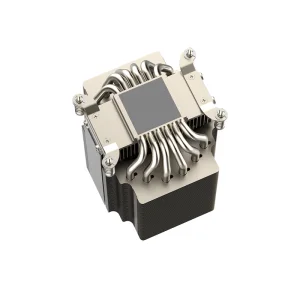
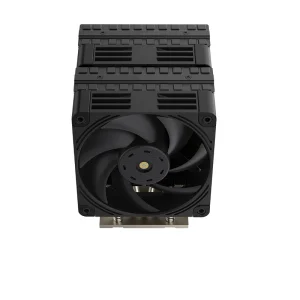 Manufacturer Supplied Server Heatsink SP3 Air-cooled Heatsink CPU Cooler Dual Ball Bearings
Learn More
Manufacturer Supplied Server Heatsink SP3 Air-cooled Heatsink CPU Cooler Dual Ball Bearings
Learn More
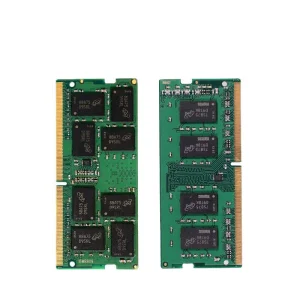 New Ram Laptop Excellent Quality 2400mhz Laptop 16GB Memoria Ram Ddr4 4g 8g 16g Memory Module with Memorias Ram
Learn More
New Ram Laptop Excellent Quality 2400mhz Laptop 16GB Memoria Ram Ddr4 4g 8g 16g Memory Module with Memorias Ram
Learn More
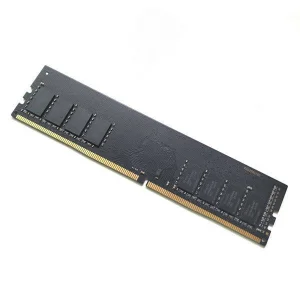
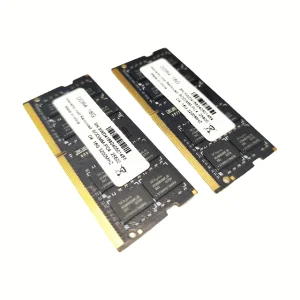 RAM DDR4 16GB 3200MHz Notebook Memory Module Compatible with RAM 1600MHz 2666mHz 2400MHz 3200MHz
Learn More
RAM DDR4 16GB 3200MHz Notebook Memory Module Compatible with RAM 1600MHz 2666mHz 2400MHz 3200MHz
Learn More
Founded in 2016, Kryntel Memory Technology (China) Co., Ltd. has established itself as an industry-leading DDR5 and DDR4 memory manufacturer and advanced cooling subsystem integrator. With a state-of-the-art production facility spanning approximately 320㎡, Kryntel specializes in high-reliability RAM modules, server heatsinks, and custom Thermal Interface Materials (TIM) engineered for OEM, ODM, and global private-label partners. By bridging high-performance semiconductor assembly with advanced thermal engineering, we solve the most challenging thermal dissipation issues encountered in next-generation gaming rigs, dense industrial computer nodes, and high-performance server architectures.
Backed by 9 years of comprehensive memory manufacturing experience and 6 years of international trade operations, our annual export revenue ranges between USD 8 million and USD 18 million. Our footprint extends across critical markets, including the United States, Germany, India, Brazil, and the UAE, serving global system integrators, tier-one distributors, and custom hardware builders who demand uncompromised reliability.
In modern electronic systems, heat is the primary enemy of performance, reliability, and longevity. As chip architectures shrink and clock speeds accelerate—most notably in contemporary DDR5 memory modules and multi-core enterprise CPUs (such as the AMD SP3/SP5 and Intel LGA1700 platforms)—power density levels escalate exponentially. Standard mechanical interfaces between semiconductor packages and heatsinks present microscopic air gaps. Because air is an extremely poor thermal conductor (approximately 0.026 W/m·K), these micro-voids act as major thermal barriers, causing rapid heat build-up and subsequent thermal throttling or component failure.
Thermal Interface Materials (TIMs) are specifically formulated to displace air and fill these microscopic surface irregularities. By replacing air with a highly conductive compound, TIMs minimize contact resistance, facilitating rapid heat transfer from the heat source (die, DRAM chip, or MOSFET) to the dissipation unit (air-cooled heatsink, vapor chamber, or liquid cooling block). In server architectures running 24/7, high-efficiency TIMs are not optional accessories; they are critical system components that determine overall server uptime, computational performance, and energy consumption metrics.
Selecting the correct class of Thermal Interface Material requires a deep understanding of the mechanical, thermal, and operational constraints of the target application. Kryntel offers a comprehensive range of custom formulated TIM solutions designed to address distinct assembly requirements:
In addition to standard forms, Kryntel specializes in **custom OEM formulations**, including hybrid thermal gels, dispensable liquid gap fillers for automated assembly lines, and thermally conductive adhesives. By matching specific polymer matrices (such as silicone, polyurethane, or acrylate) with engineered filler structures (including alumina, boron nitride, and aluminum metal powders), we align the thermal conductivity, dielectric breakdown voltage, viscosity, and mechanical compliance of our materials to your exact product specifications.
As a seasoned DDR4 and DDR5 memory module manufacturer, Kryntel maintains a unique advantage: we design and manufacture both the memory modules and the cooling subsystems that keep them stable under heavy workloads. High-frequency memory, such as the *Suitable for Pirate Ship Revenge CMK DDR5 Series 16G 5200MHz*, operates at elevated voltages and generates significant localized thermal loads. Standard cooling methods fail when high-density DRAM chips are subjected to continuous read/write cycles in enterprise environments.
By applying custom-tailored Phase Change Materials or ultra-thin high-conductivity thermal tape under the DDR5 aluminum heat spreaders, we ensure direct, efficient heat transfer away from the sensitive PMIC (Power Management Integrated Circuit) and DRAM dies. Furthermore, for server CPUs utilizing sockets like SP3, SP5, and AM5 (which run at thermal envelopes exceeding 200W-400W), our high-performance thermal grease is paired with advanced copper vapor chambers and passive heatsinks to maximize heat flux density. This prevents thermal degradation, limits memory bit errors, and extends the operational lifetime of enterprise hardware.
The roadmap for Thermal Interface Materials is driven by the rapid rise of artificial intelligence, machine learning, and high-performance computing (HPC) datacenters. Standard polymer-filler matrices are reaching their theoretical physical limits. Kryntel’s R&D division, consisting of approximately 160 engineering specialists, is actively developing next-generation thermal transport mechanisms to meet the needs of tomorrow's hardware:
In today's volatile global semiconductor and hardware markets, supply chain resilience is a core competitive advantage. Operating from our highly efficient production hub in Shenzhen, Kryntel combines geographic proximity to primary raw material suppliers (DRAM chips, high-purity silicones, and ceramic fillers) with advanced manufacturing automation. Our ecosystem includes a cooperative network of approximately 1,200 upstream and downstream partners, ensuring uninterrupted material sourcing even during global logistics disruptions.
This localized supply chain integration allows us to significantly reduce lead times for custom OEM orders. While Western suppliers may require 8 to 12 weeks for custom-molded thermal pads, Kryntel can deliver fully certified prototypes in under 10 days and scale to high-volume production within 3 weeks. Furthermore, our modern facilities leverage automated dispensing, precise die-cutting, and computerized thermal resistance characterization to maintain consistent production quality and competitive pricing.
At Kryntel, product reliability is backed by a rigorous multi-stage quality assurance system managed by 42 dedicated QA professionals. Our inspection standards cover every stage of the manufacturing process:
Kryntel is fully committed to global environmental and safety standards. All our thermal interface materials are compliant with RoHS (Restriction of Hazardous Substances) and REACH directives. They are manufactured under strict ISO 9001 and ISO 14001 guidelines, and can be formulated to meet UL 94 V-0 flame retardancy ratings, ensuring seamless integration into consumer electronics, medical equipment, and automotive systems worldwide.
Explore our full line of memory modules, specialized liquid coolers, and advanced control boards designed for industrial systems.
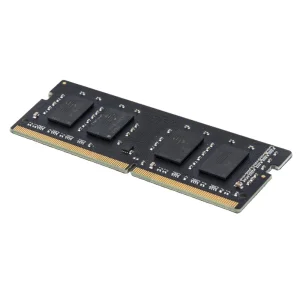
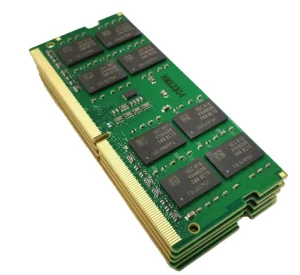 Original Sodimm Memoria Ram Ddr4 Laptop 8gb 16gb Ddr4 8 Gb 2133 2400 2666 3200mhz 16 Gb Ram Ddr4 Ram 1.35 V Ddr3 4gb Memory
Learn More
Original Sodimm Memoria Ram Ddr4 Laptop 8gb 16gb Ddr4 8 Gb 2133 2400 2666 3200mhz 16 Gb Ram Ddr4 Ram 1.35 V Ddr3 4gb Memory
Learn More
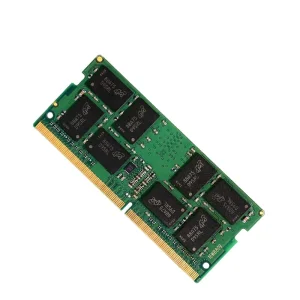 High Speed Original Chips Laptop RAM 2666MHz DDR4 16GB 2666MHz Sodimm Price DDR4 4GB 8GB 16gb Ram Laptop
Learn More
High Speed Original Chips Laptop RAM 2666MHz DDR4 16GB 2666MHz Sodimm Price DDR4 4GB 8GB 16gb Ram Laptop
Learn More
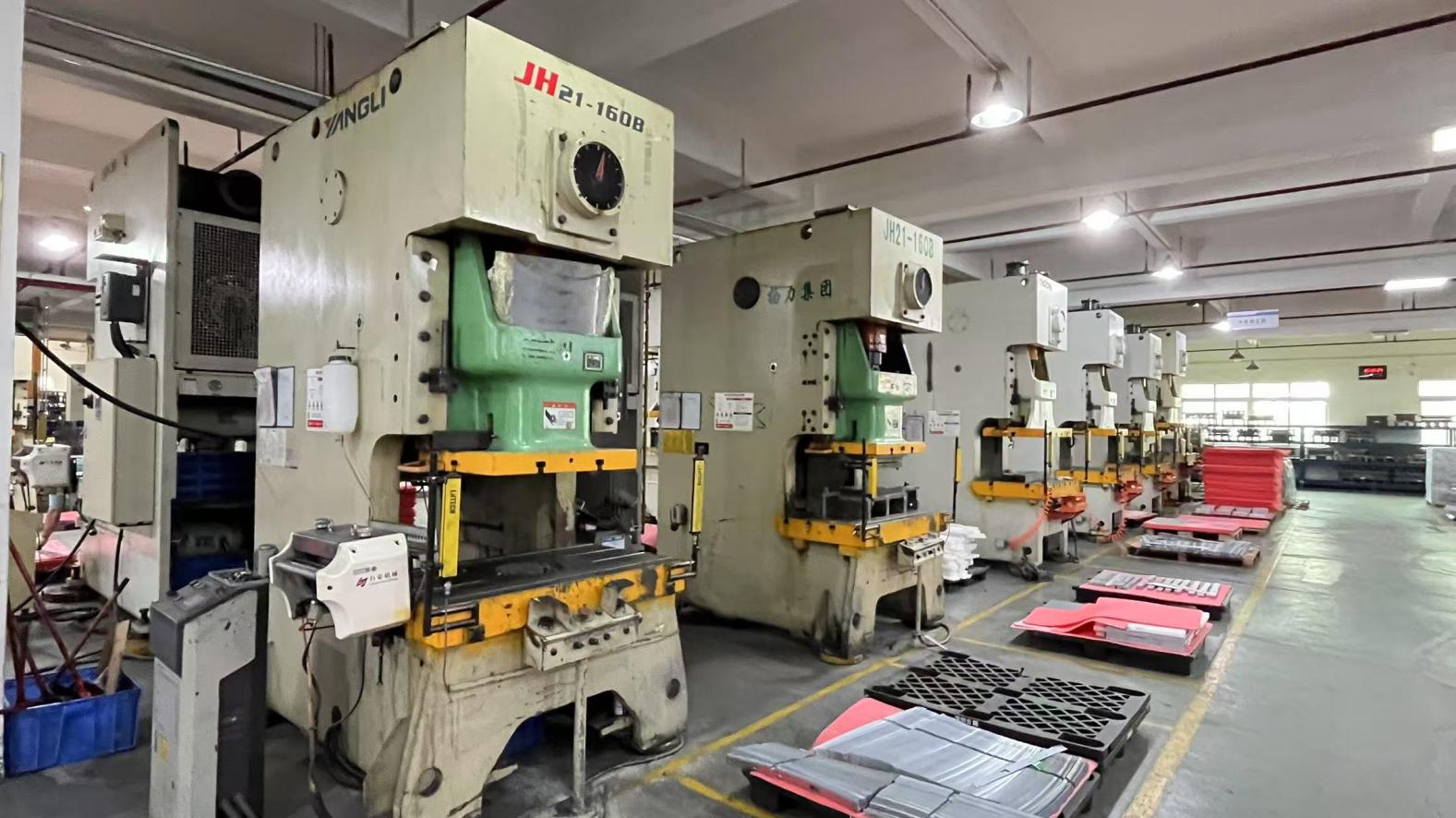
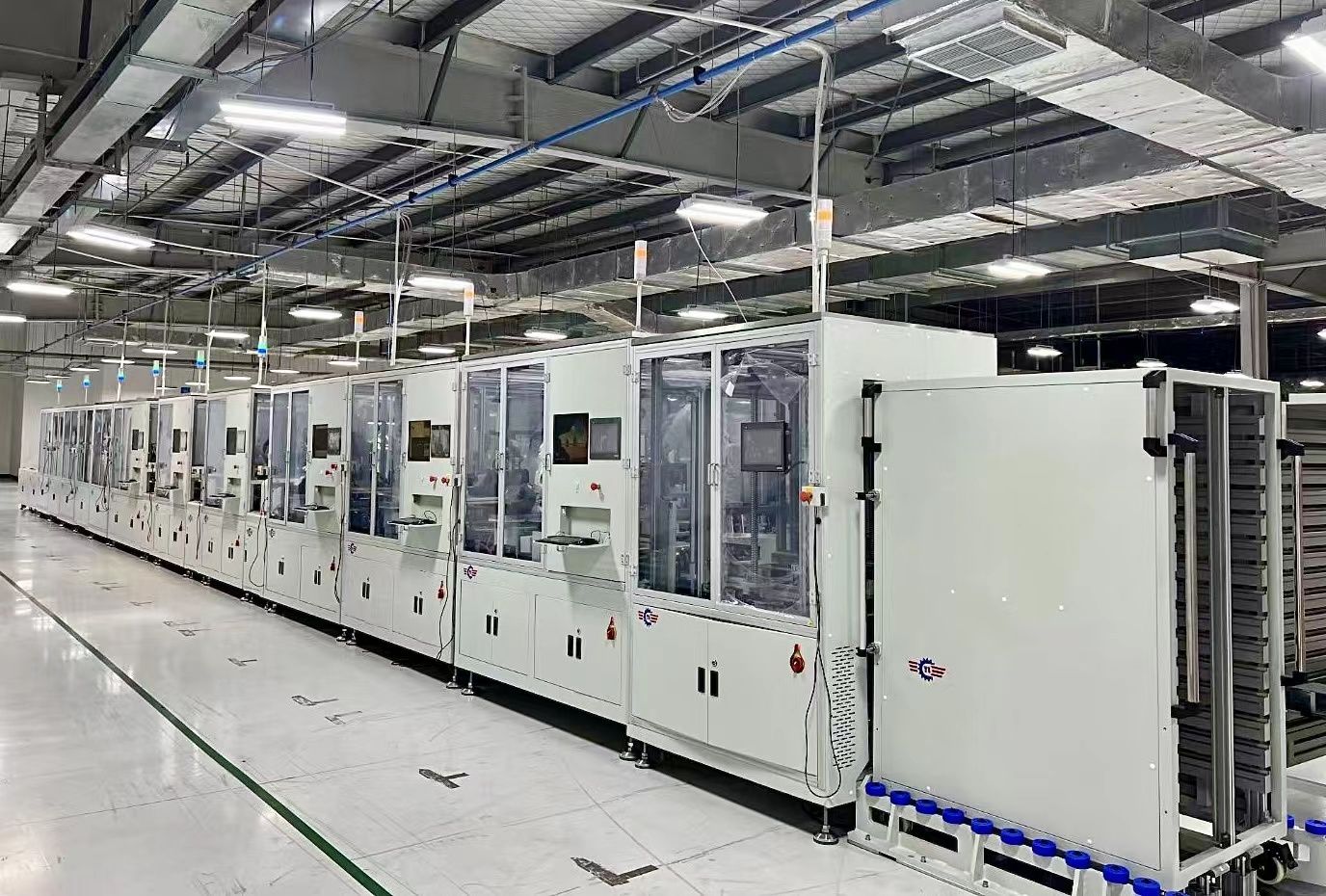
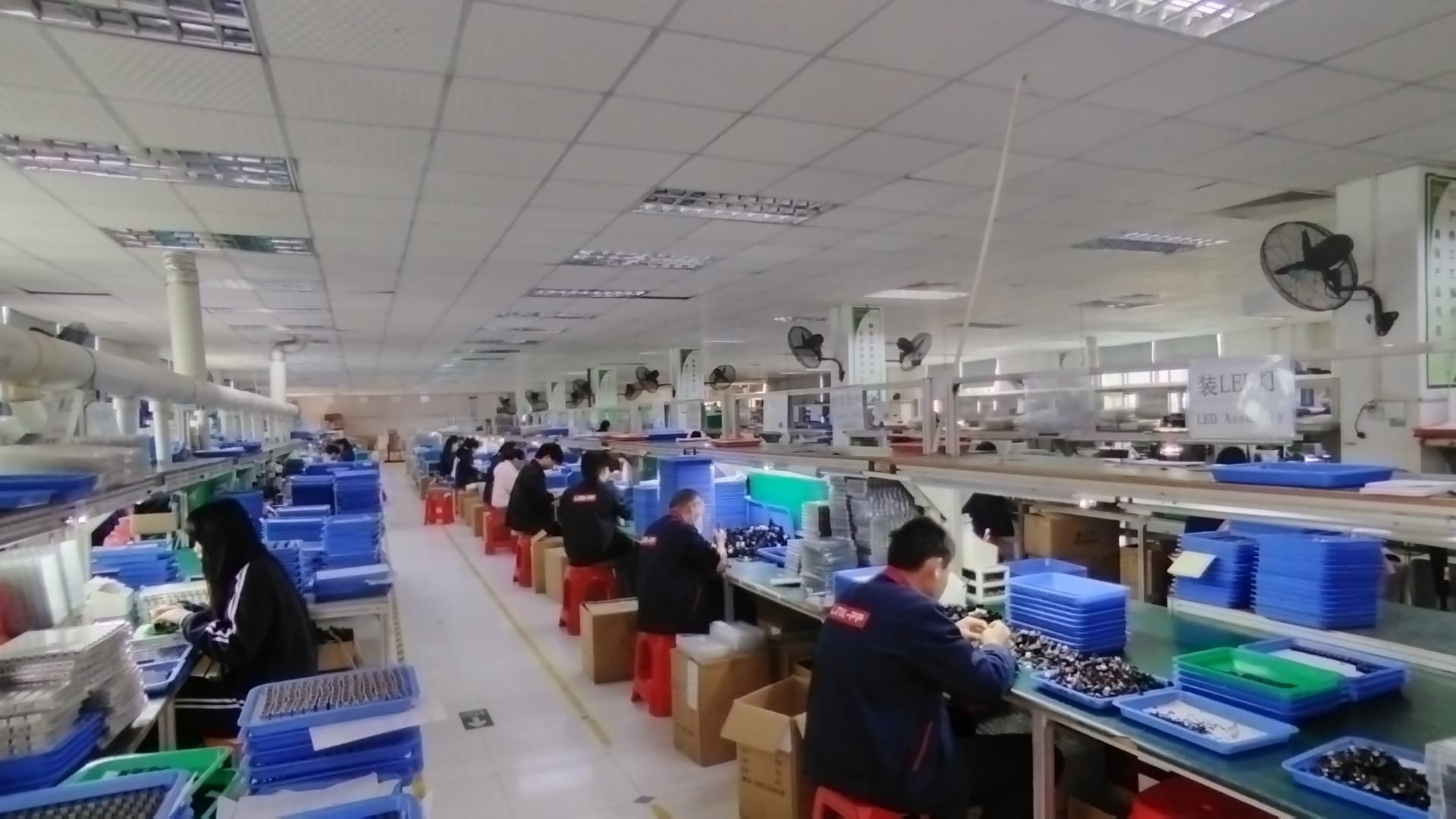
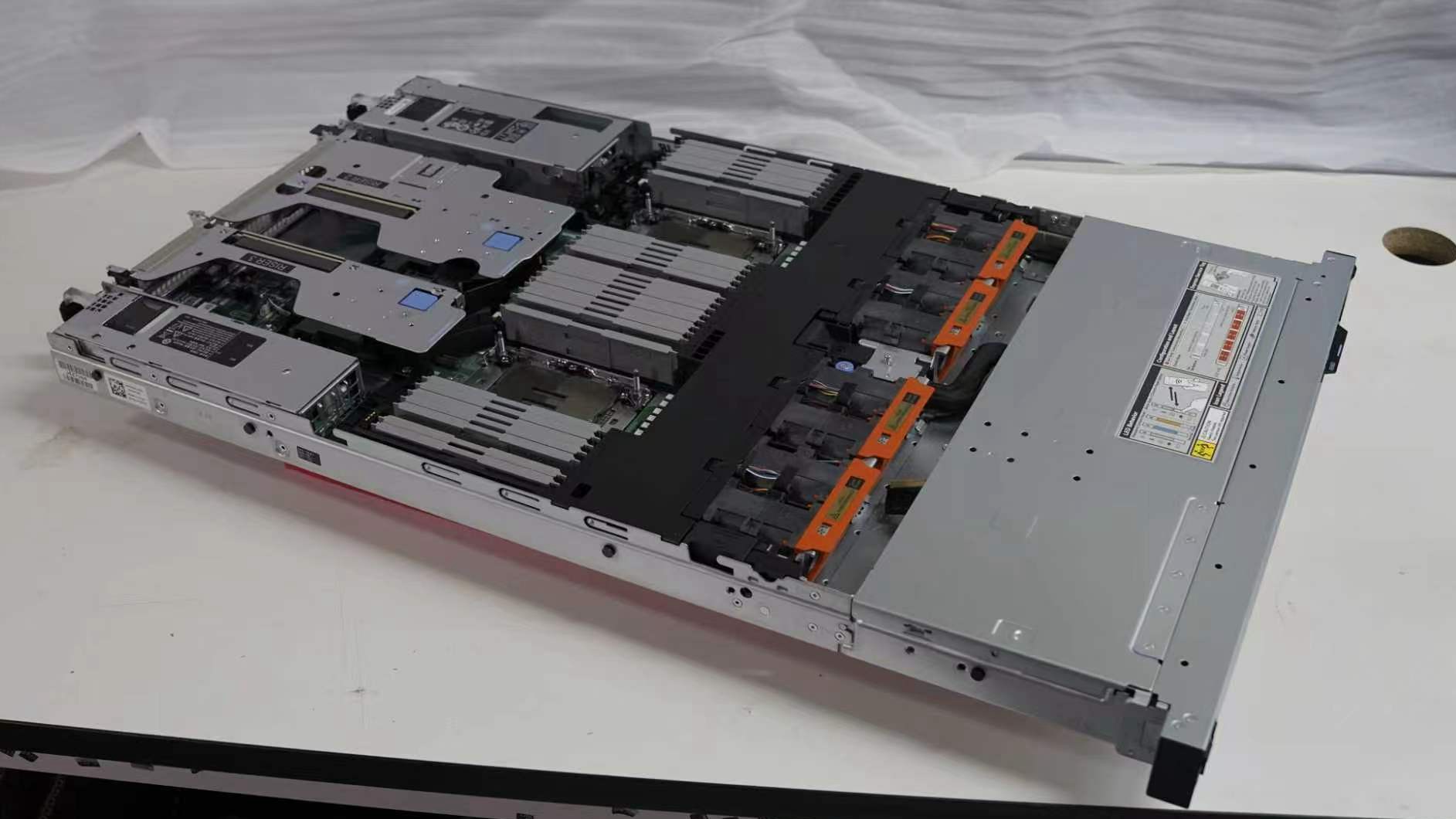
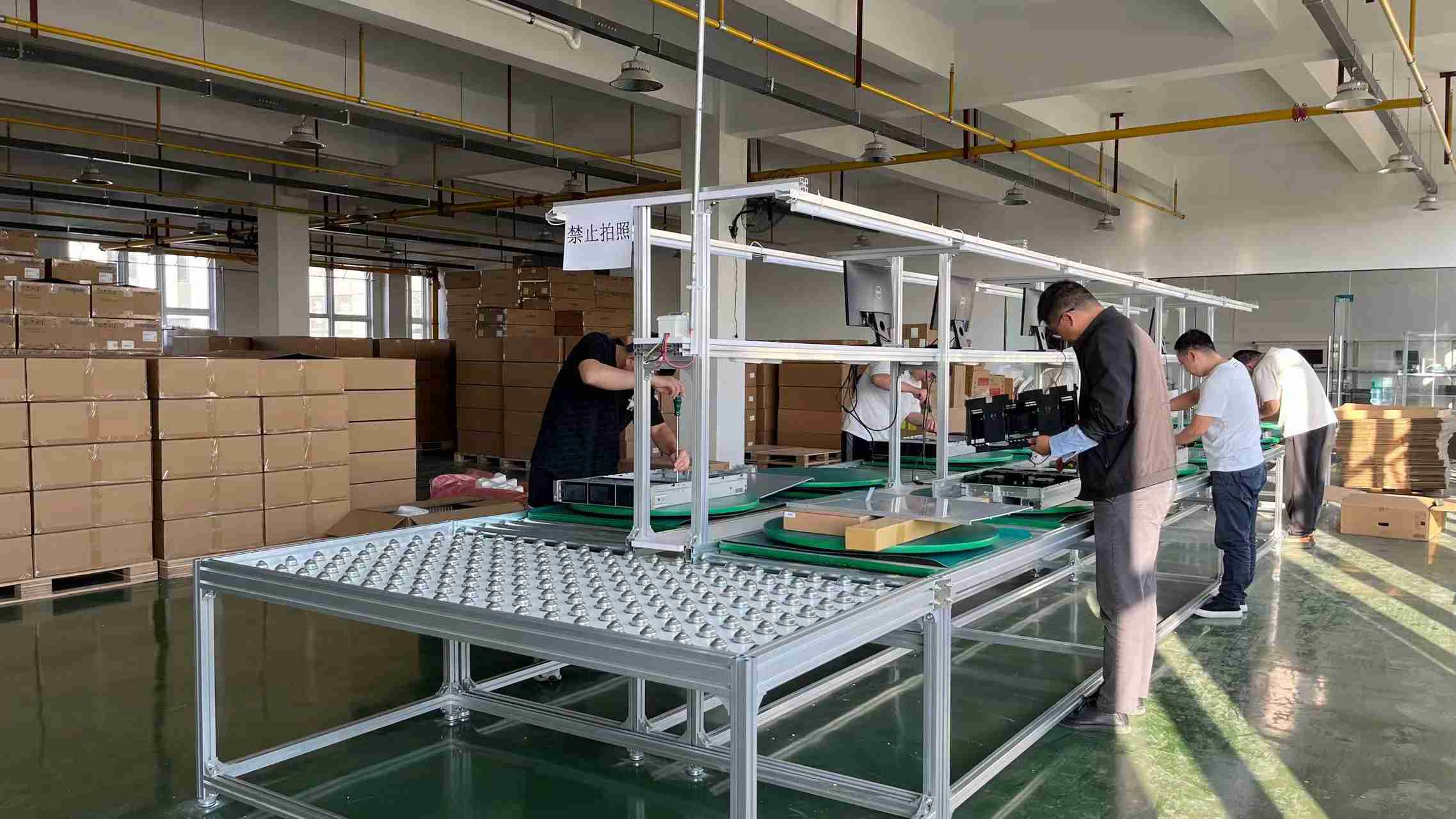
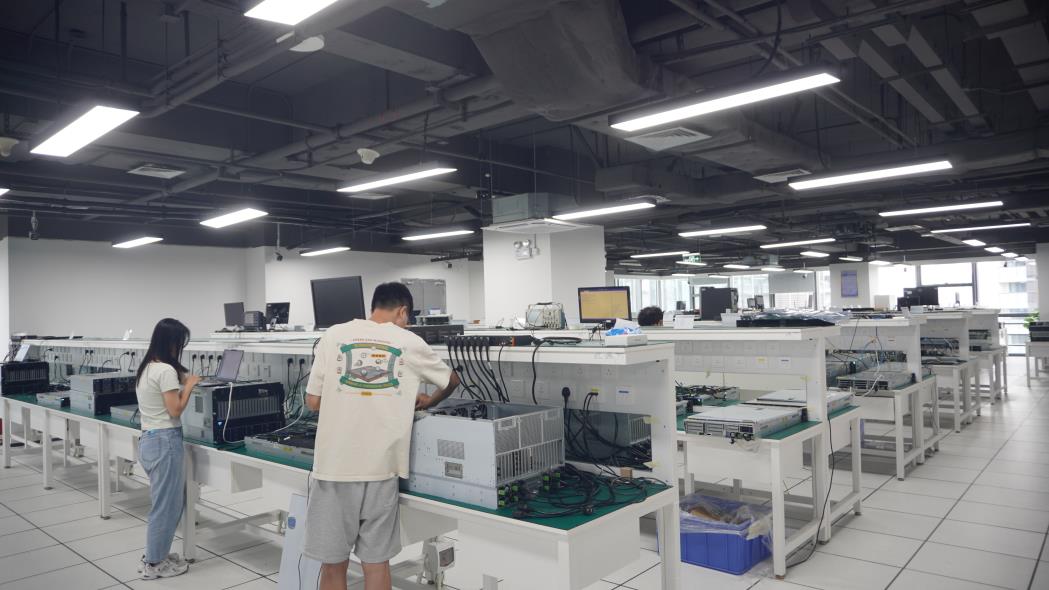
A glimpse inside Kryntel's cleanrooms, quality testing facilities, and high-frequency automated assembly lines.
 Kryntel