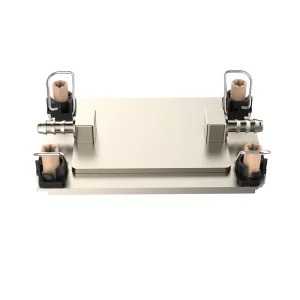
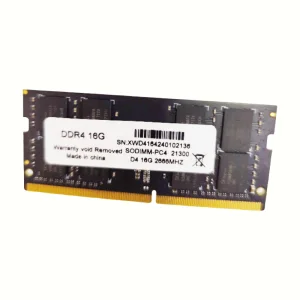
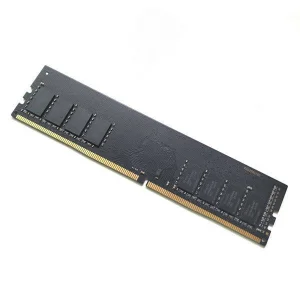
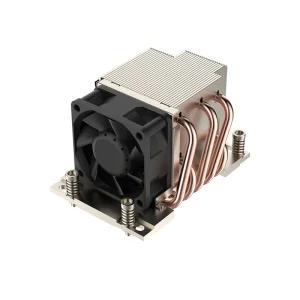
Explore our foundational hardware and subsystem components engineered for custom industrial integrations, cooling systems, and processing architectures.
An in-depth look at energy harvesting topologies, ambient micro-generation systems, and low-power hardware optimization strategies.
As the Internet of Things (IoT) expands to trillions of devices, the reliance on traditional lithium-ion batteries has become an operational bottleneck. Environmental degradation, labor-intensive battery replacement cycles, and thermal limitations present immense challenges. Modern industrial paradigms demand self-sustaining, autonomous hardware architectures. Enter **Energy Harvesting Devices** (EHDs).
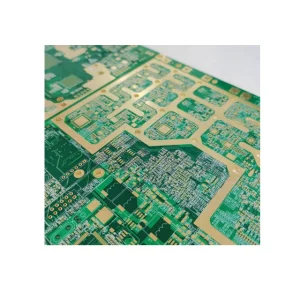
These devices exploit ambient energy sources—such as thermal differentials, mechanical vibrations, kinetic movement, RF radiation, and solar exposure—converting them into stable electrical power. However, energy harvesting is characterized by its sporadic, transient nature. To handle these micro-watt variations, hardware components must utilize highly specialized high-frequency PCBs, ultra-low-leakage logic boards, and highly optimized power management ICs (PMICs).
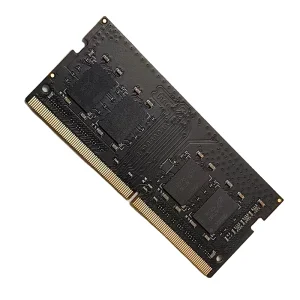
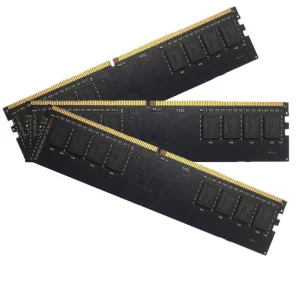
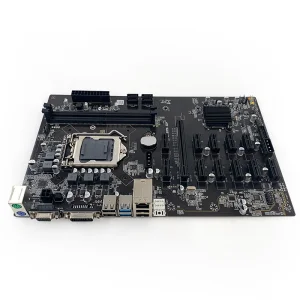
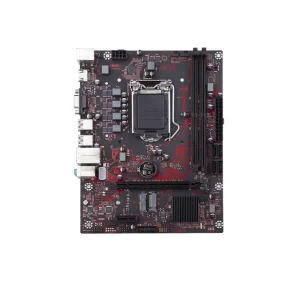
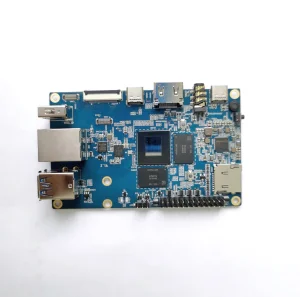
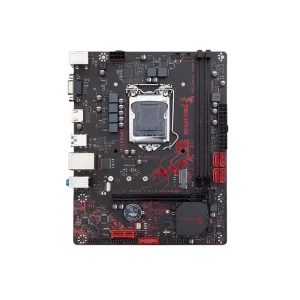
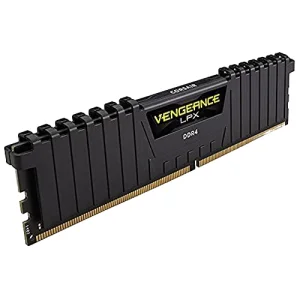
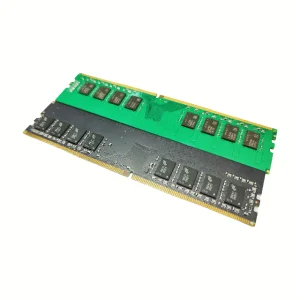
At Kryntel, we specialize in bridging the gap between raw energy harvesting components and full-scale computing architectures. To build a robust self-powered sensor node or industrial controller, system designers require an integration of multiple hardware layers:
Leveraging deep industrial expertise, advanced packaging, and a state-of-the-art semiconductor-level testing pipeline.
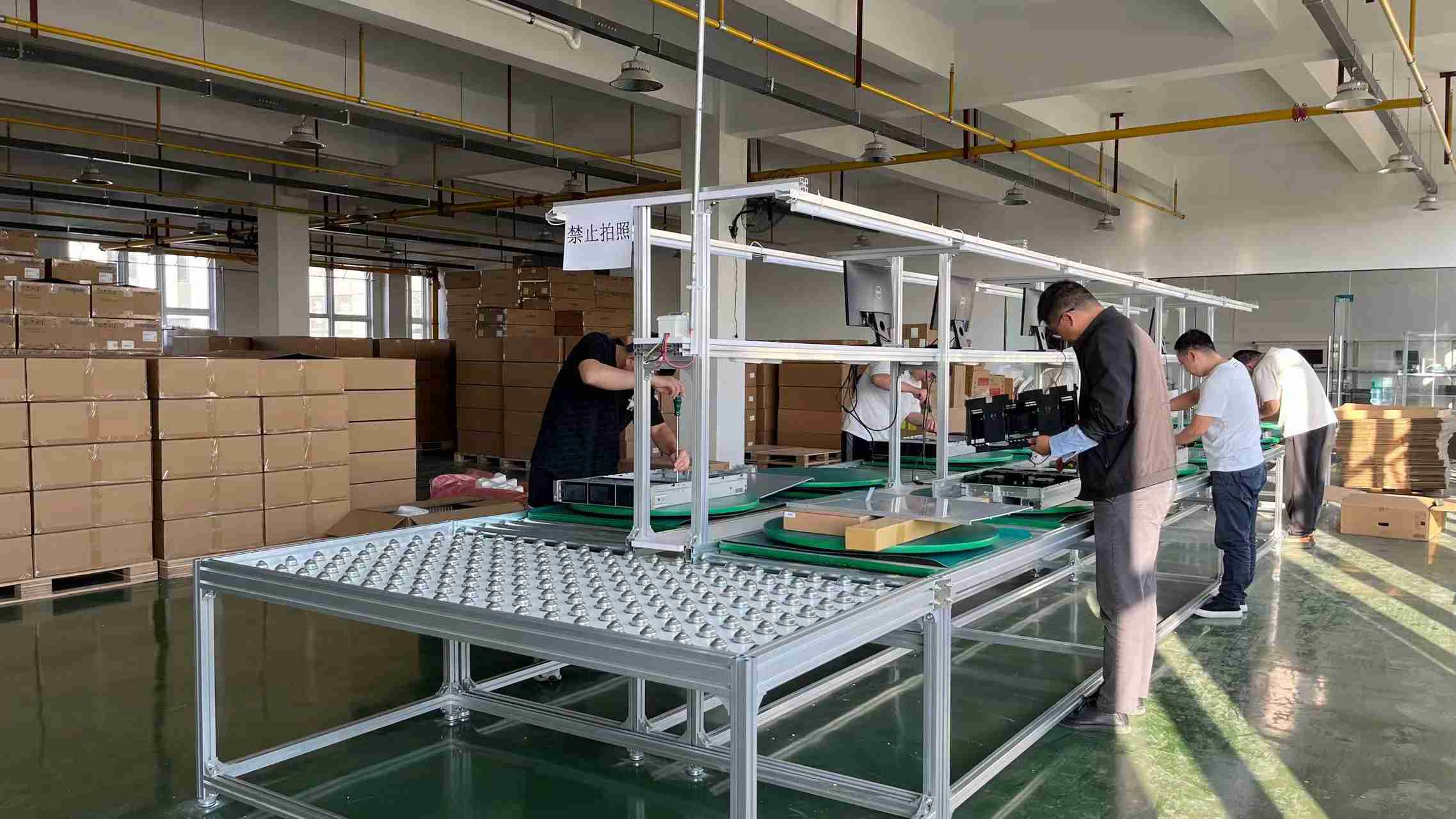
Our facility houses approximately 160 engineers specializing in PCB design optimization, high-frequency signal integrity, and thermal mitigation. Over the past year, we have introduced over 280 customized hardware products for our clients.
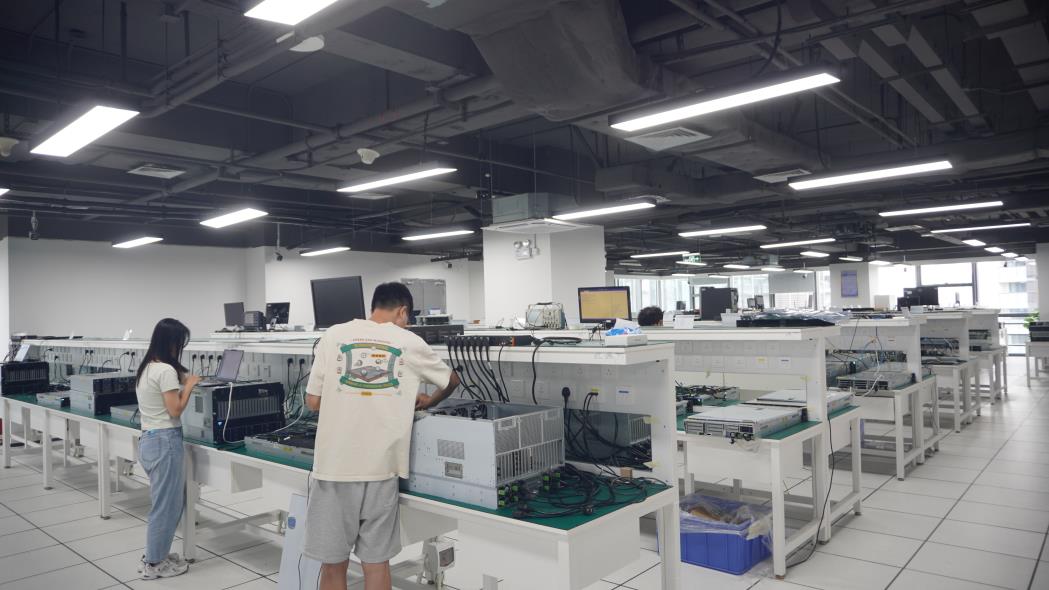
Backed by a dedicated quality assurance division of 42 QC professionals. Our products undergo high-temperature aging, compatibility validations with primary motherboard models, bandwidth stress analysis, and voltage tolerance tests.
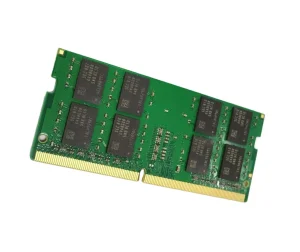
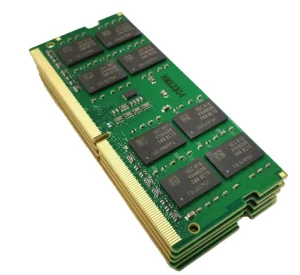
We maintain active supply chain nodes with approximately 1,200 downstream and upstream partners, ensuring uninterrupted sourcing of first-grade DRAM chips, premium copper materials, and high-quality passive electronics.
How localization, ecosystem density, and advanced manufacturing technologies converge to provide unparalleled OEM/ODM advantages.
Building specialized devices like energy harvesters requires a dense network of suppliers. China's electronics clusters—particularly in the Pearl River Delta—offer unmatched integration advantages. From rapid micro-milling of prototypes to high-speed pick-and-place assembly, the turnaround time is significantly reduced.
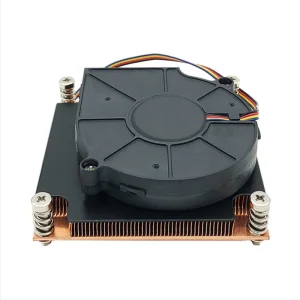
At Kryntel, we capitalize on this spatial efficiency. With 9 years of industry experience and 6 years of international trade operations, our operations connect directly into key semiconductor supply lines. This enables us to provide cost-effective prototyping, customizable heatsinks, high-frequency PCB development, and rapid memory assembly within a unified supply ecosystem.
Industrial buyers across the United States, Germany, India, Brazil, and the UAE face complex compliance, engineering, and logistics barriers. Purchasing from Kryntel ensures alignment with modern procurement guidelines:
Discover how high-frequency PCBs, cooling structures, and low-power motherboards integrate into real-world autonomous environments.
High-voltage power lines and grid substations require continuous monitoring. Using magnetic field induction or thermal energy harvested from the lines, our specialized IoT micro-boards monitor insulation health, grid parameters, and local temperature profiles without requiring battery maintenance.
In heavy industrial plants, vibration energy harvesting (piezoelectric and electrostatic) powers wireless diagnostic sensors. These sensors are integrated directly into motor casings and structural frames, employing low-power processors to analyze machine behavior in real-time.
Outdoor monitoring systems harvest solar and soil thermal energy to run autonomous soil moisture, pH, and climate sensors. These systems utilize low-power logic boards and optimized memory interfaces to save telemetry data before transmitting it via LoRaWAN.
Ensuring system stability, heat dissipation efficiency, and compatibility across globally distributed networks.
Every motherboard, high-frequency PCB, and memory unit manufactured in our facility is subjected to rigorous quality criteria:
We provide full customization for organizations looking to deploy custom energy harvesting nodes:
Complementary hardware solutions engineered to form the processing backbone of high-performance and low-power industrial setups.
Addressing the core technical, procurement, and design queries of systems integrators and device engineers worldwide.
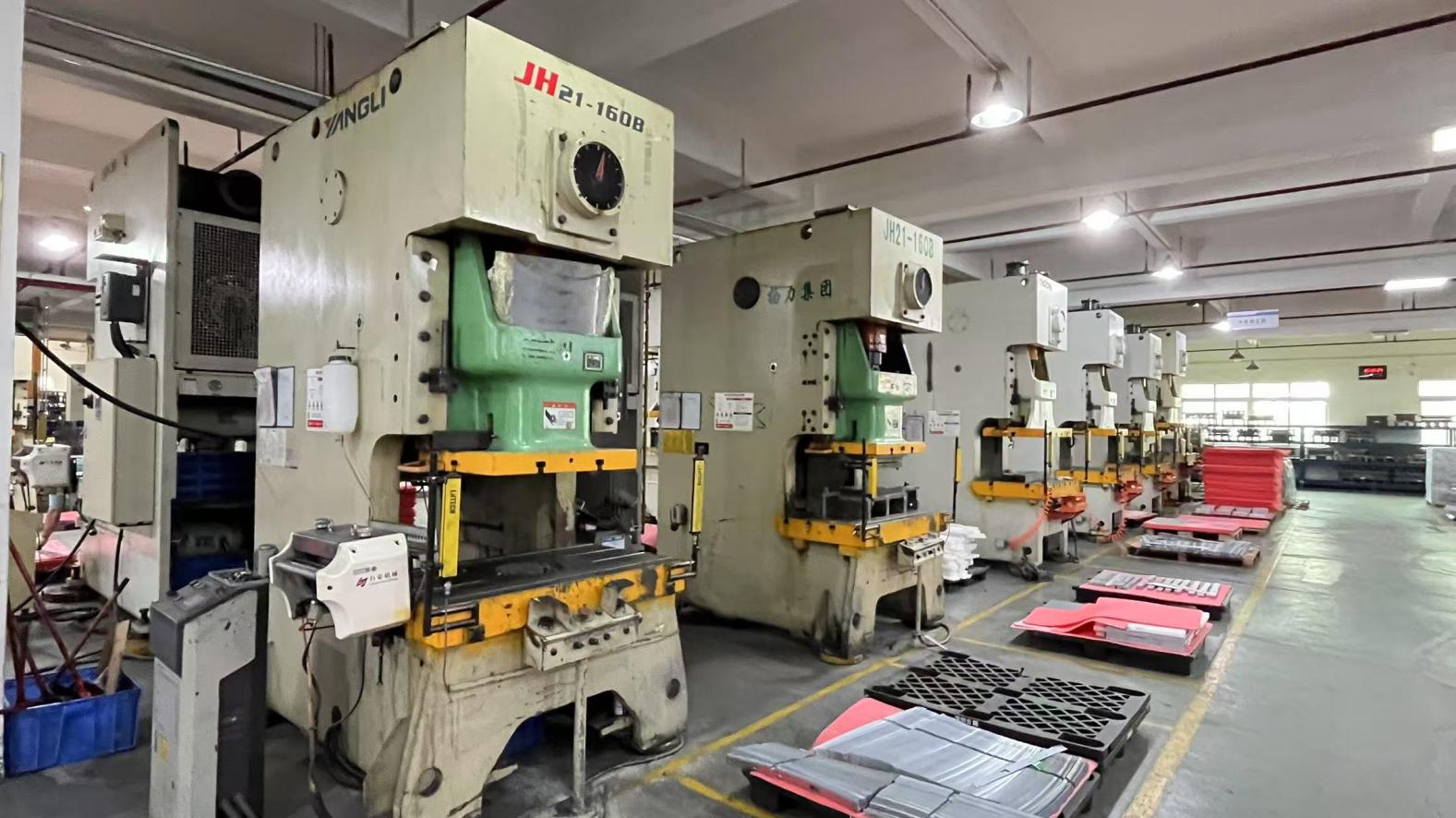
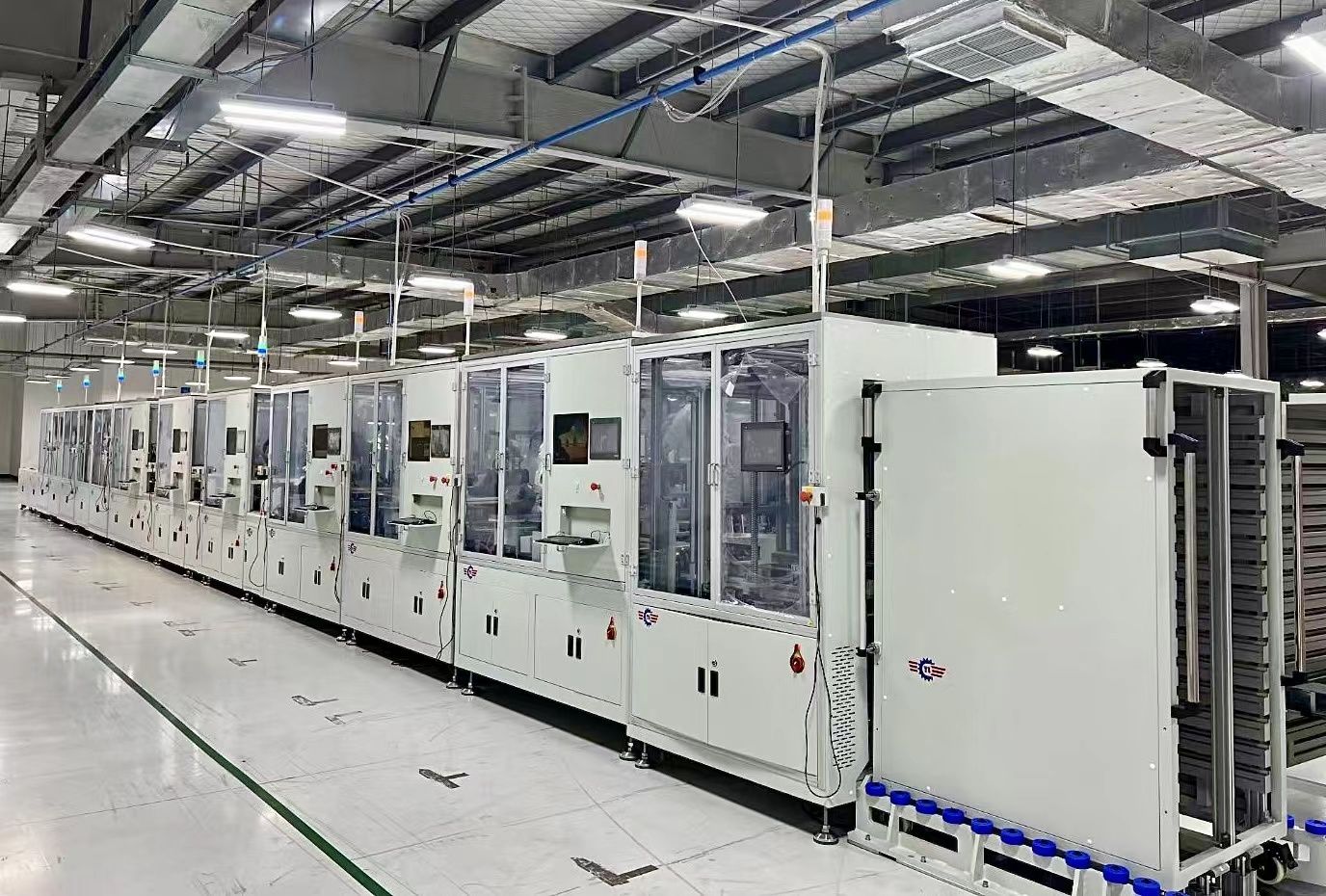
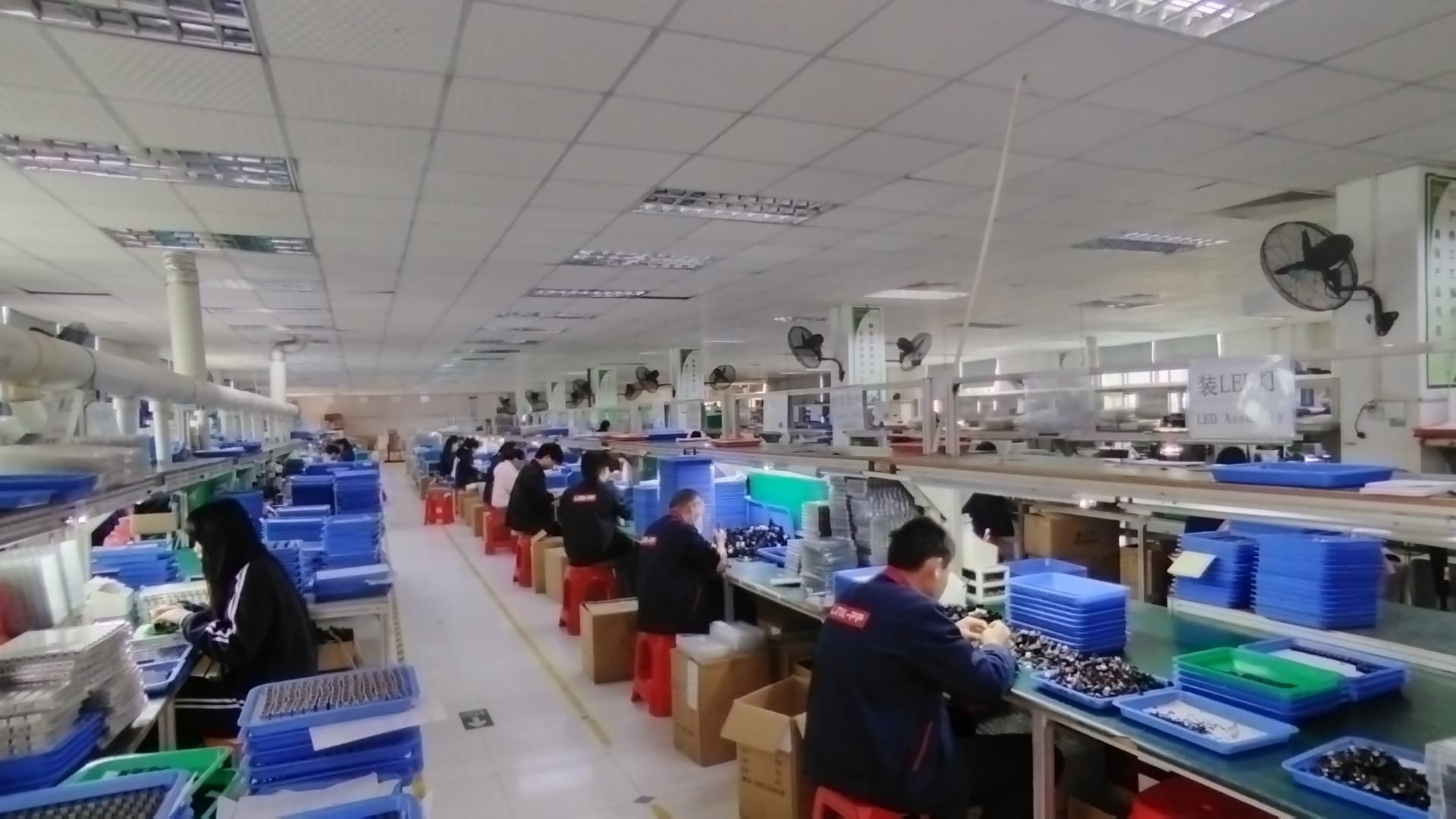
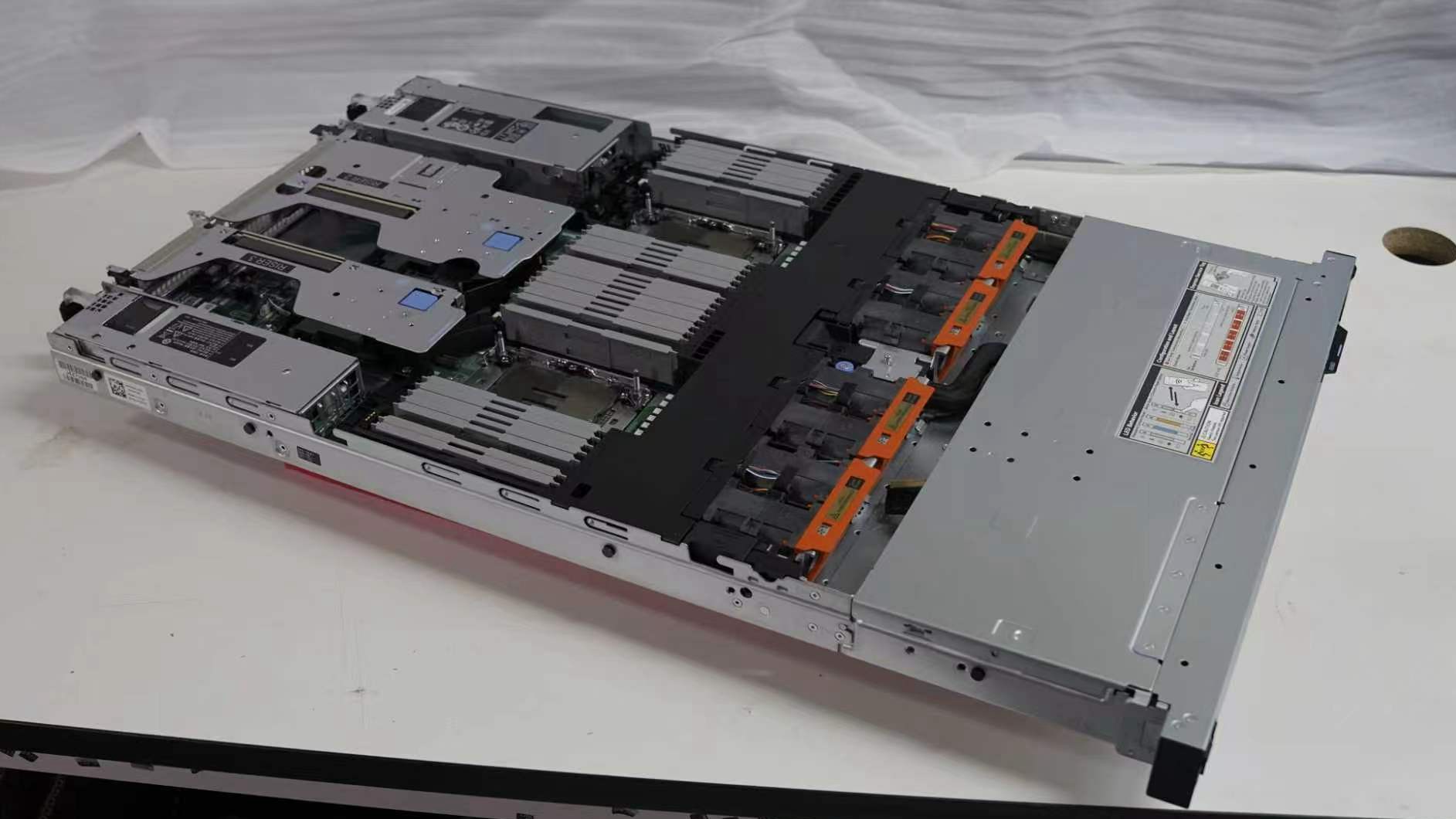
Inside our advanced production line, specialized test bays, and modern manufacturing centers in China.
 Kryntel