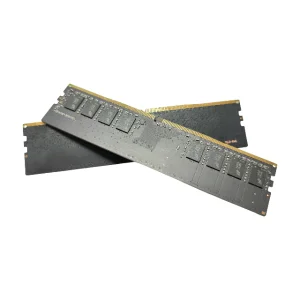
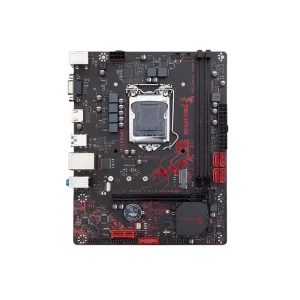
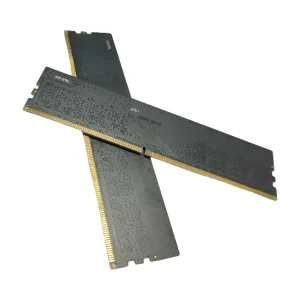
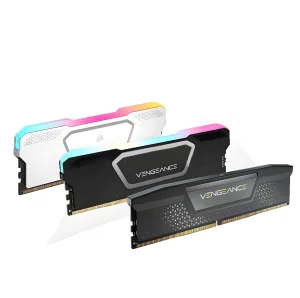
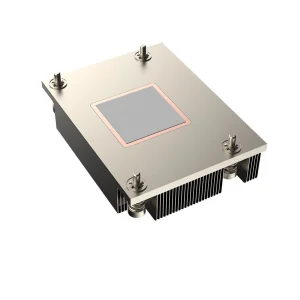
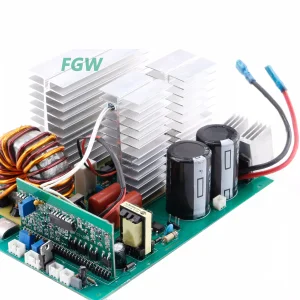
Advanced OEM/ODM storage nodes, cooling components, and system boards
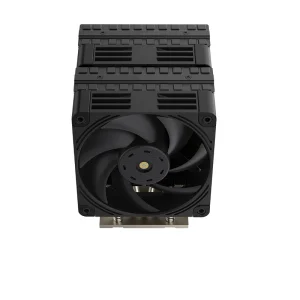
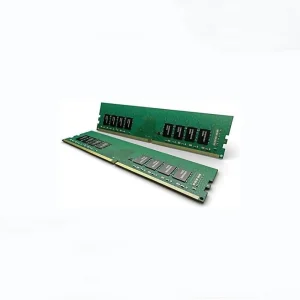
Navigating technology transitions, pricing patterns, and critical procurement pathways
The global solid-state drive (SSD) and DRAM module manufacturing sectors are going through rapid technological evolutions. Solid-state storage is no longer just a fast alternative to legacy spinning hard drives; it acts as a primary architectural pillar for modern hyperscale data centers, high-performance computing (HPC), AI-training clusters, and industrial automation. For global procurement officers, IT directors, and system integrators, securing a reliable, high-yield manufacturing partner in China is a core strategic priority.
As the industry transitions towards PCIe Gen 5 protocols and ultra-high-density 3D NAND flash architectures (reaching 232 layers and beyond), production tolerances have narrowed significantly. These engineering developments require memory factories to upgrade their surface-mount technology (SMT) lines constantly, implement automated optical inspection (AOI) workflows, and secure stable silicon wafer allocations from global tier-1 foundries. The cost performance of storage hardware relies on a factory's capability to balance original component sourcing with strict in-house testing regimens.
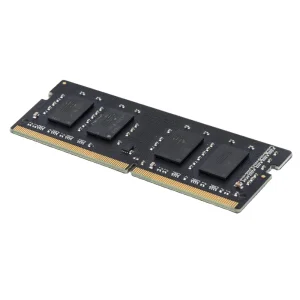
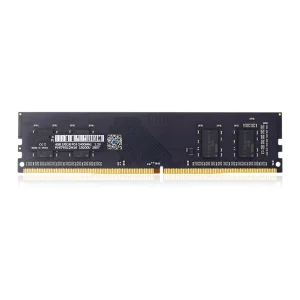
Founded in 2016, Kryntel Memory Technology (China) Co., Ltd. is a specialized DDR5 memory manufacturer focusing on high-performance RAM modules for global OEM, ODM, and private label partners. Running a state-of-the-art production facility, we focus on delivering stable, high-speed, and energy-efficient memory solutions for gaming, industrial, and enterprise server installations.
Over the years, Kryntel has built reliable export processes, securing annual export revenues ranging between USD 8 million and USD 18 million. Supported by 6 years of export operations and 9 years of overall industry experience in memory and semiconductor manufacturing, we help clients navigate challenging international supply requirements.
Our company relies on a vast global supply chain network of approximately 1,200 upstream and downstream partners, guaranteeing stable sourcing of high-grade DRAM chips and components. This operational framework supports computer hardware brands, system integrators, distributors, and large-scale e-commerce sellers worldwide.
Meeting high-reliability demands across diverse commercial landscapes
By working closely with regional distributors and cloud builders in the United States, Germany, India, Brazil, and the UAE, we ensure our storage systems comply with international standards for durability and compatibility.
Minimizing RMA rates through strict testing cycles
Our quality control system relies on strict multi-stage inspection standards, starting with incoming raw materials and continuing through in-process quality control, aging tests, and final product sampling inspections. Led by a dedicated team of 42 QA professionals, Kryntel ensures every memory module and storage drive maintains operational stability in demanding real-world conditions.
| Testing Stage | Technical Methodologies | Target Threshold / Objective |
|---|---|---|
| Incoming Quality Control (IQC) | DRAM chip binning, PCB trace resistance checks, PMIC electrical parameters evaluation. | Zero-defect component feed to the assembly line. |
| In-Process Quality Control (IPQC) | Automated Solder Paste Inspection (SPI), post-reflow Automated Optical Inspection (AOI). | Elimination of cold solder joints and misalignment. |
| Thermal Stress & Aging | Continuous thermal chamber cycling (up to 70°C+) under full synthetic loads. | Weeding out early-life failure components. |
| System & Platform Validation | Compatibility checks across major Intel and AMD server and consumer motherboards. | Guaranteed boot compatibility and XMP/EXPO profile stability. |
| Electrical Stress Verification | Voltage fluctuations margin testing, signal integrity, and bandwidth performance testing. | Stable operation under dynamic computing loads. |
From custom printed circuit boards to application-optimized firmware
Every industrial project has unique requirements. Our R&D division has the tools to support advanced customization, including PCB design optimization, frequency tuning, thermal management design, and branding customization. We offer comprehensive OEM/ODM services with flexible customization parameters: frequency steps, timing latency profiles, custom heat spreaders, custom packaging, and firmware tuning.
Over the past year, we successfully designed and launched over 280 new memory products across our DDR4 and DDR5 portfolios. Our engineering division relies on approximately 160 engineers specializing in memory architecture, signal integrity, thermal dissipation, and hardware reliability optimization.
We work with client engineering teams to define capacity, target speed profiles, form factors, thermal conditions, and hardware compatibility requirements.
Our engineers perform signal trace routing simulations to prevent electromagnetic interference (EMI) and power instability, especially for DDR5 and PCIe Gen 5 designs.
We build engineering samples (ES) for compatibility checks across multiple desktop, workstation, and server platforms.
Once approved, the designs enter mass production on high-precision SMT lines, monitored by our 42-member quality assurance team.
Preparing for high-density architectures, DDR5 PMIC updates, and PCIe Gen 5 integration
As cloud architectures process larger volumes of data, storage and memory designs must continuously evolve. Our technical roadmap focuses on addressing these performance shifts directly:
Our factory operates in compliance with international export regulations. We maintain certification standards for our primary markets in North America, Europe, the Middle East, and Asia. From RoHS and REACH certifications for material safety to FCC and CE validation for electromagnetic compatibility, we handle the necessary paperwork for global logistics.
Addressing key logistics, testing, and production questions from enterprise buyers
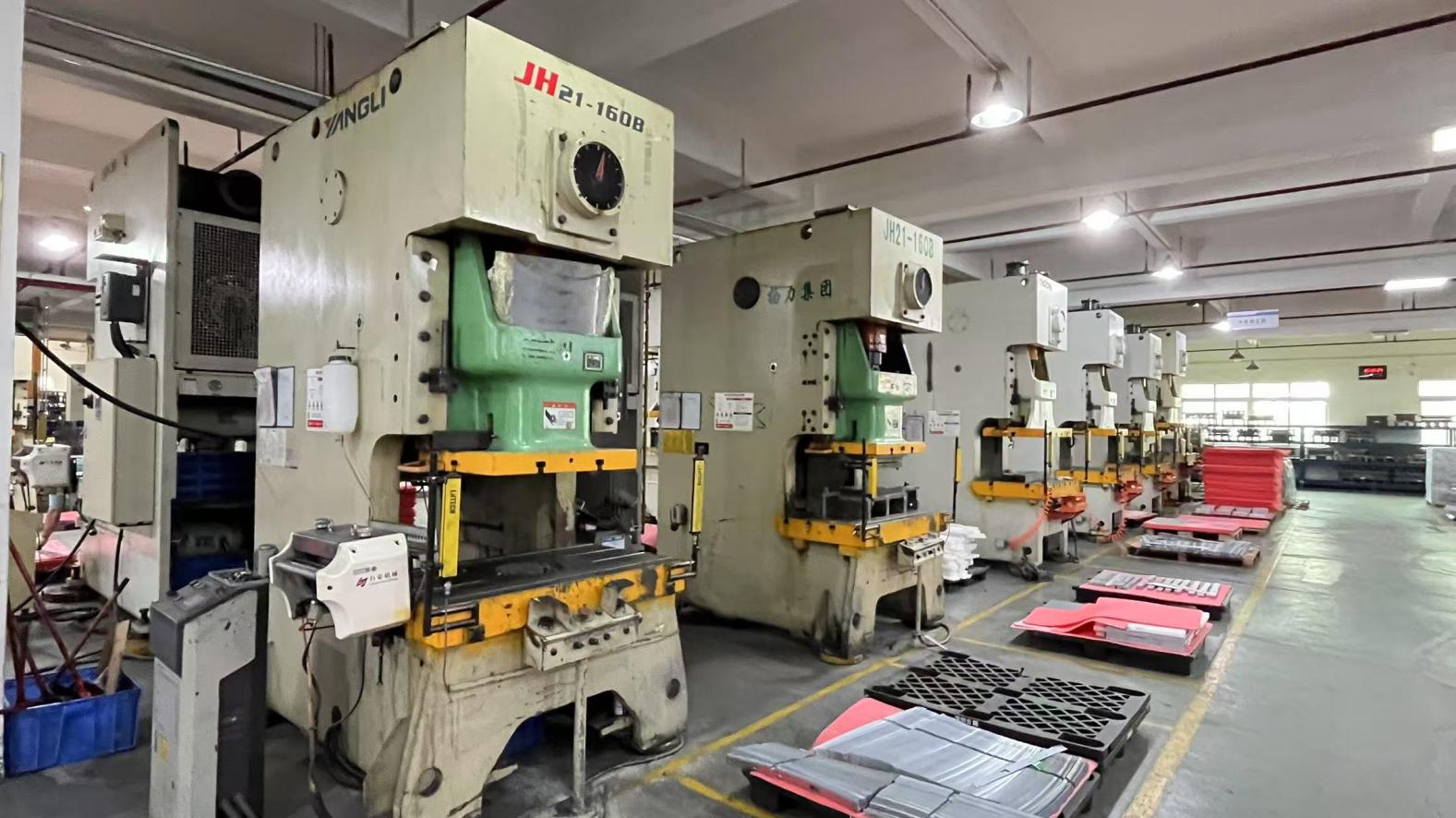
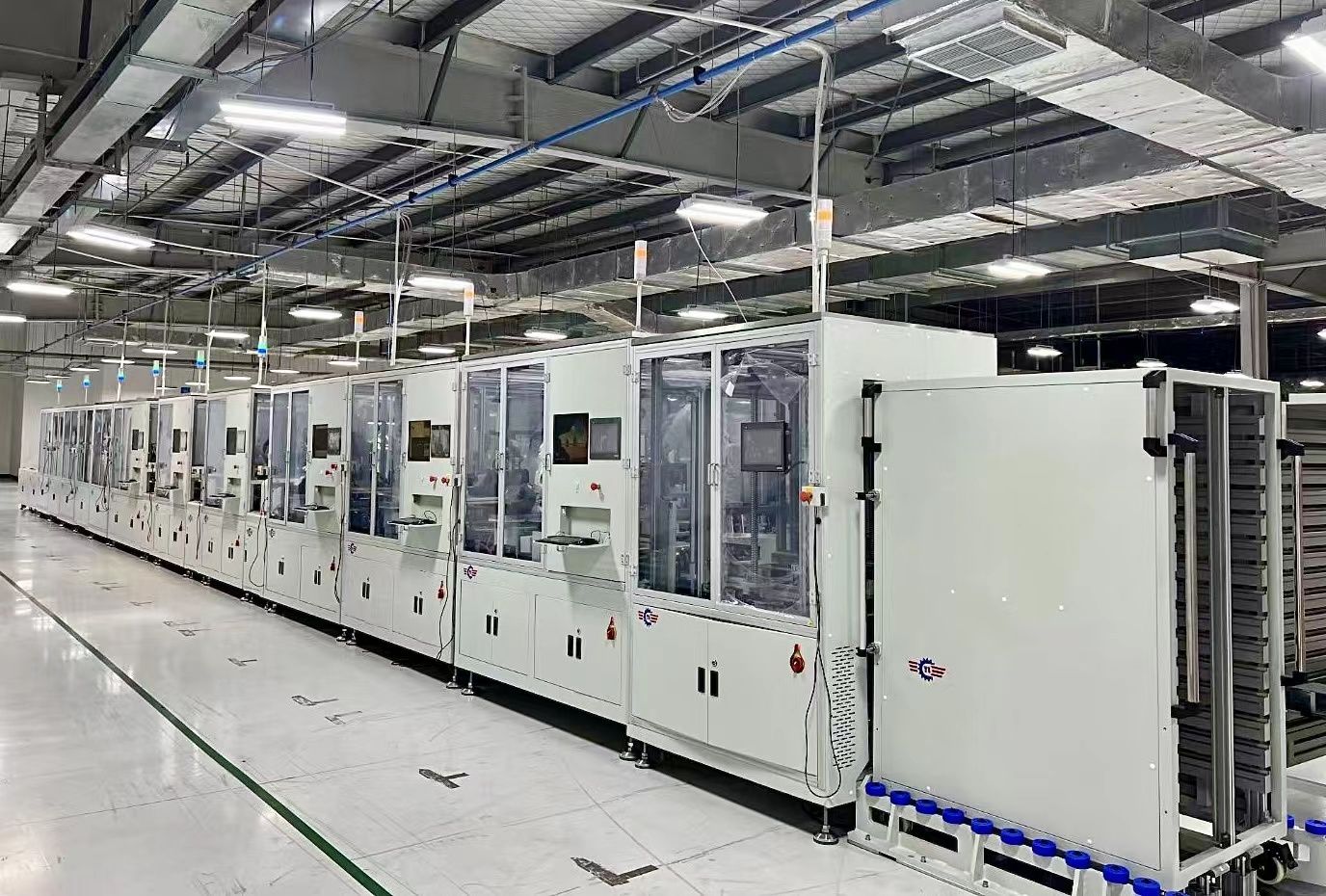
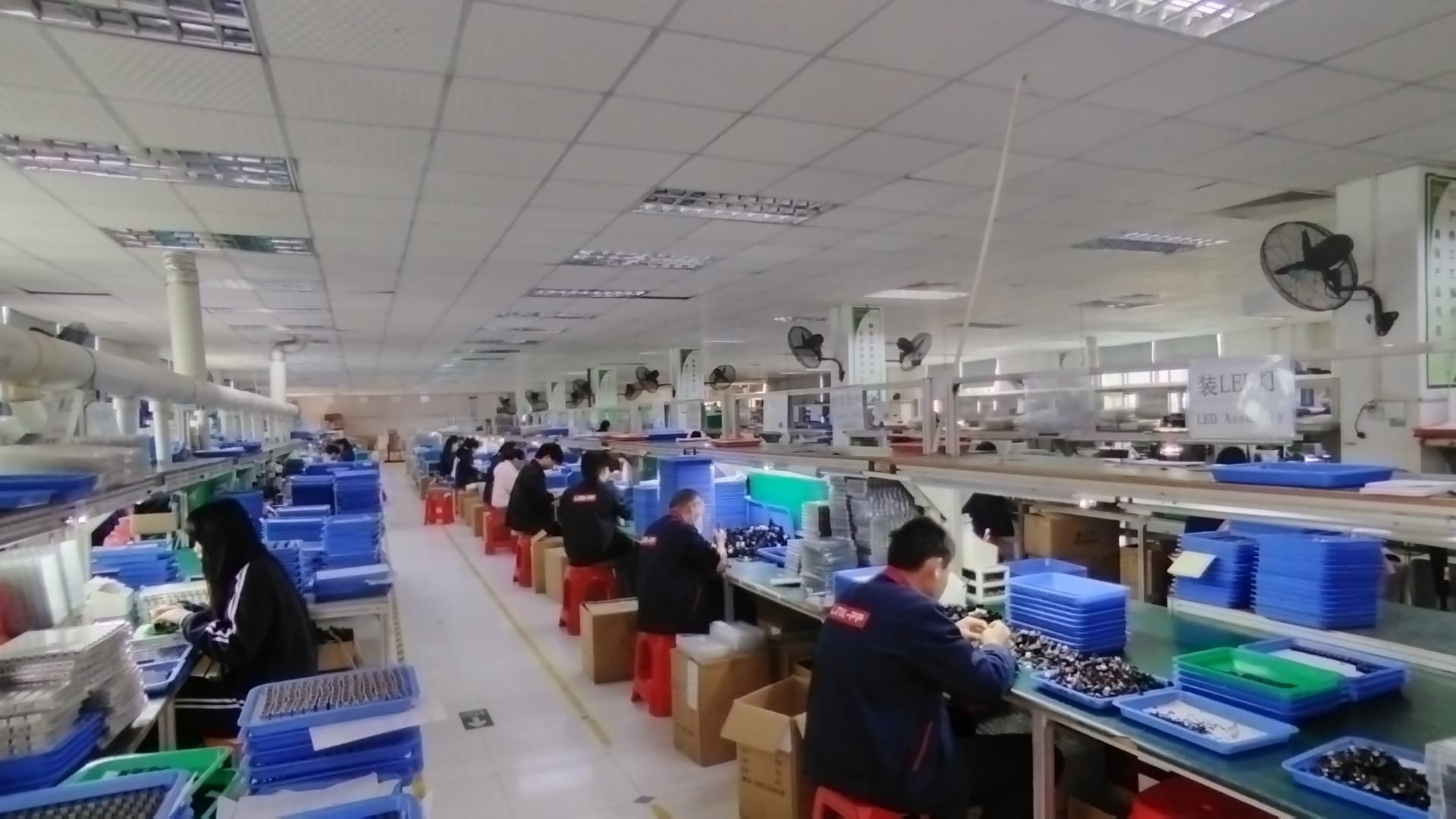
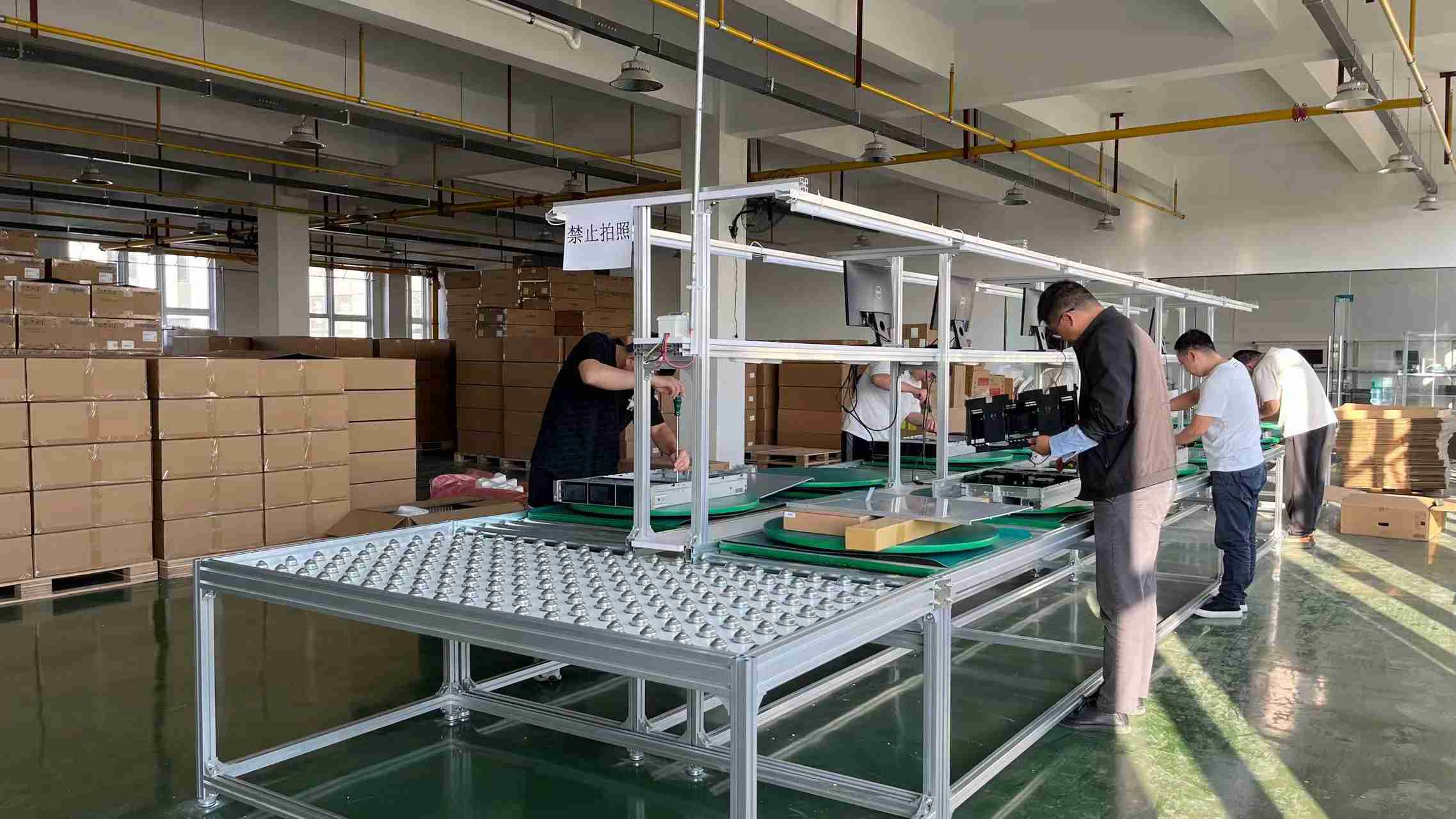
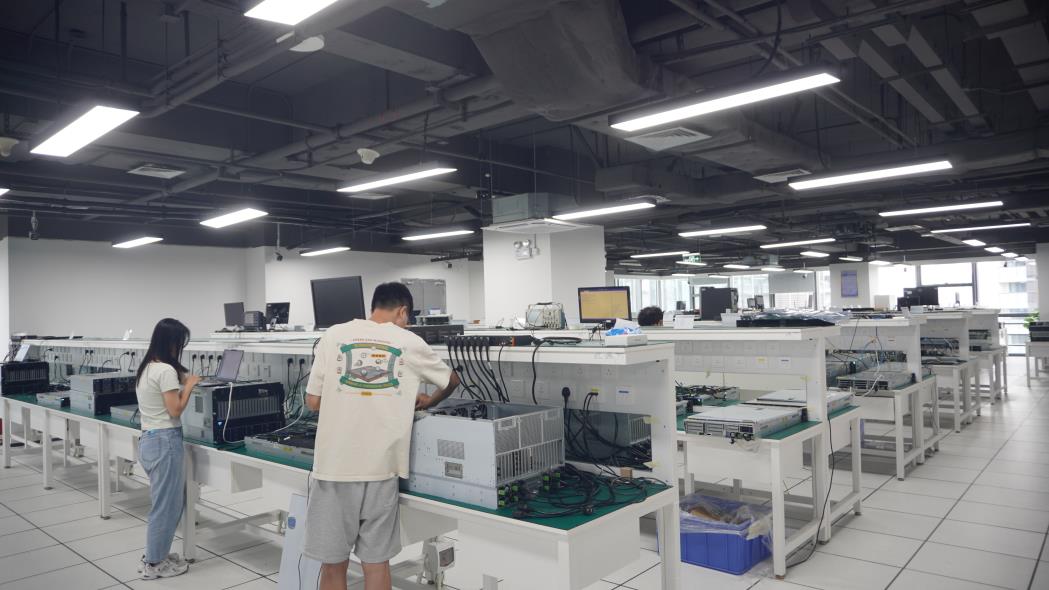
A look inside our manufacturing facility and testing departments
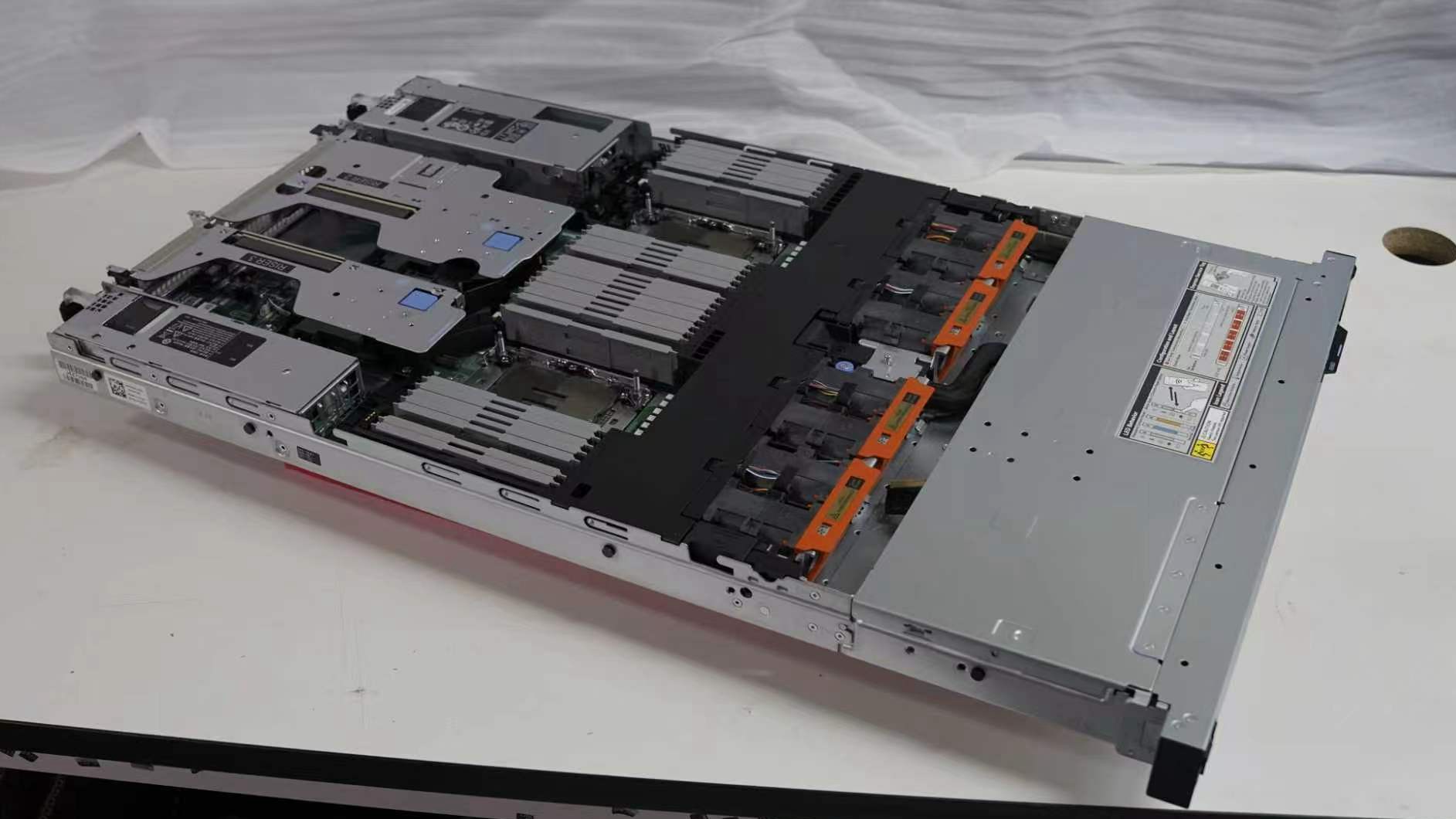
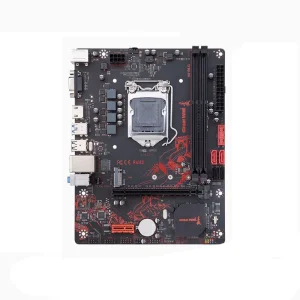
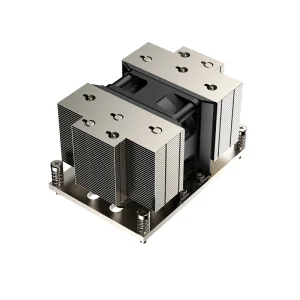
Reliable components, passive cooling assemblies, and memory modules for modern system layouts
 Kryntel