Explore our precision-manufactured memory modules, thermal cooling solutions, and host motherboards designed to form the computational core of modern AR systems.
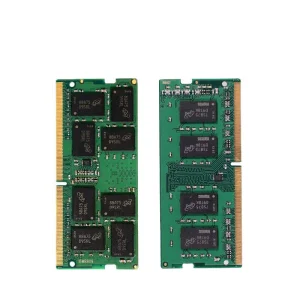
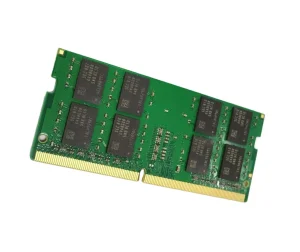
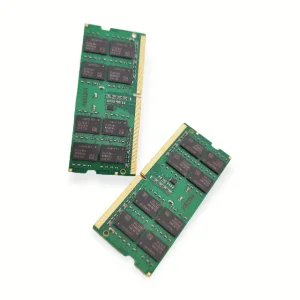
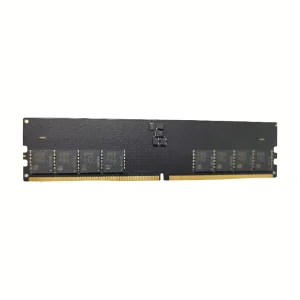
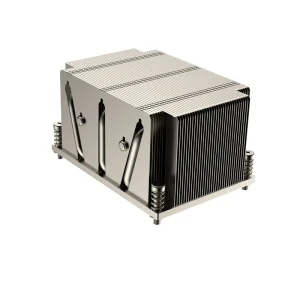
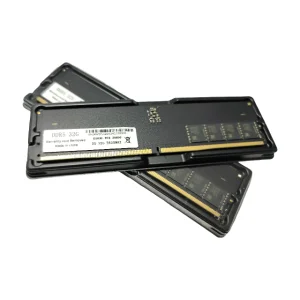
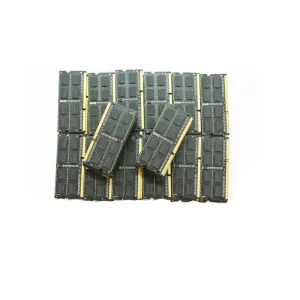
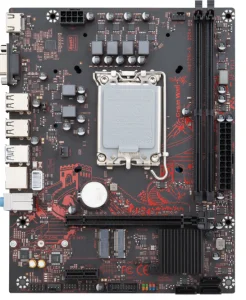
From enterprise manufacturing corridors to immersive medical operating theaters, spatial computing demands high-bandwidth, thermally efficient computing foundations.
Worldwide industries are integrating Augmented Reality to optimize assembly protocols, remote maintenance, and real-time step-by-step guidance. To run complex spatial models and overlay 3D data onto physically dynamic spaces, wearers need devices powered by micro-compute engines that feature high-capacity DRAM modules and dedicated, high-frequency PCBs.
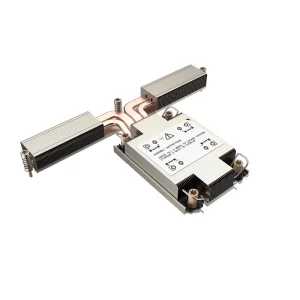
Immersive spatial rendering requires ultra-low motion-to-photon latency (under 15ms) to prevent simulation sickness. This places tremendous pressure on memory bandwidth and local computer modules. Active or passive heatsinks, lightweight high-frequency aluminum PCB substrates, and top-tier RAM solutions are critical components required to handle intense spatial processing workloads.
Global OEMs, ODMs, and system integrators require reliable supply chain partners. Partnering directly with components manufacturers in China allows companies to leverage standardized DRAM pricing, extensive design validation processes, and quick scale-up capabilities for spatial computing hardware.
We design and manufacture the critical hardware layers that allow AR glasses, heads-up displays, and compute modules to calculate spatial algorithms without interruption.
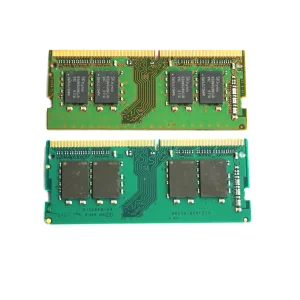
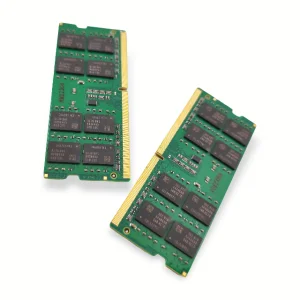
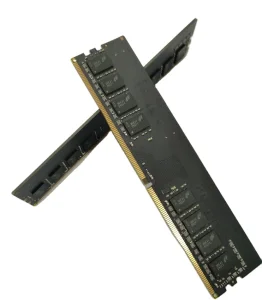
AR devices continuously read spatial inputs from cameras, LiDAR, and IMU sensors. Real-time mapping algorithms process massive data matrices to locate the user in space. High-frequency DDR5 modules running at up to 6000MHz provide the necessary bandwidth, ensuring spatial maps are calculated dynamically with minimal frame loss.
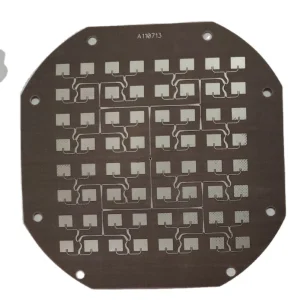
Wearability dictates thermal and spatial constraints. Our Taconic TLY-5 high-frequency aluminum PCBs with a thickness of 0.254mm provide the ideal electrical properties and heat dissipation metrics required to route microprocessors within space-constrained headsets. High thermal conductivity helps preserve device integrity over long operating sessions.
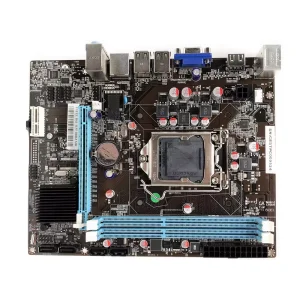
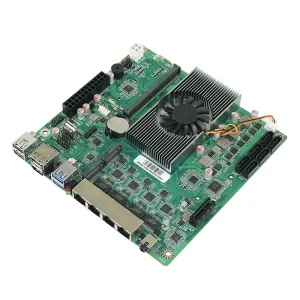
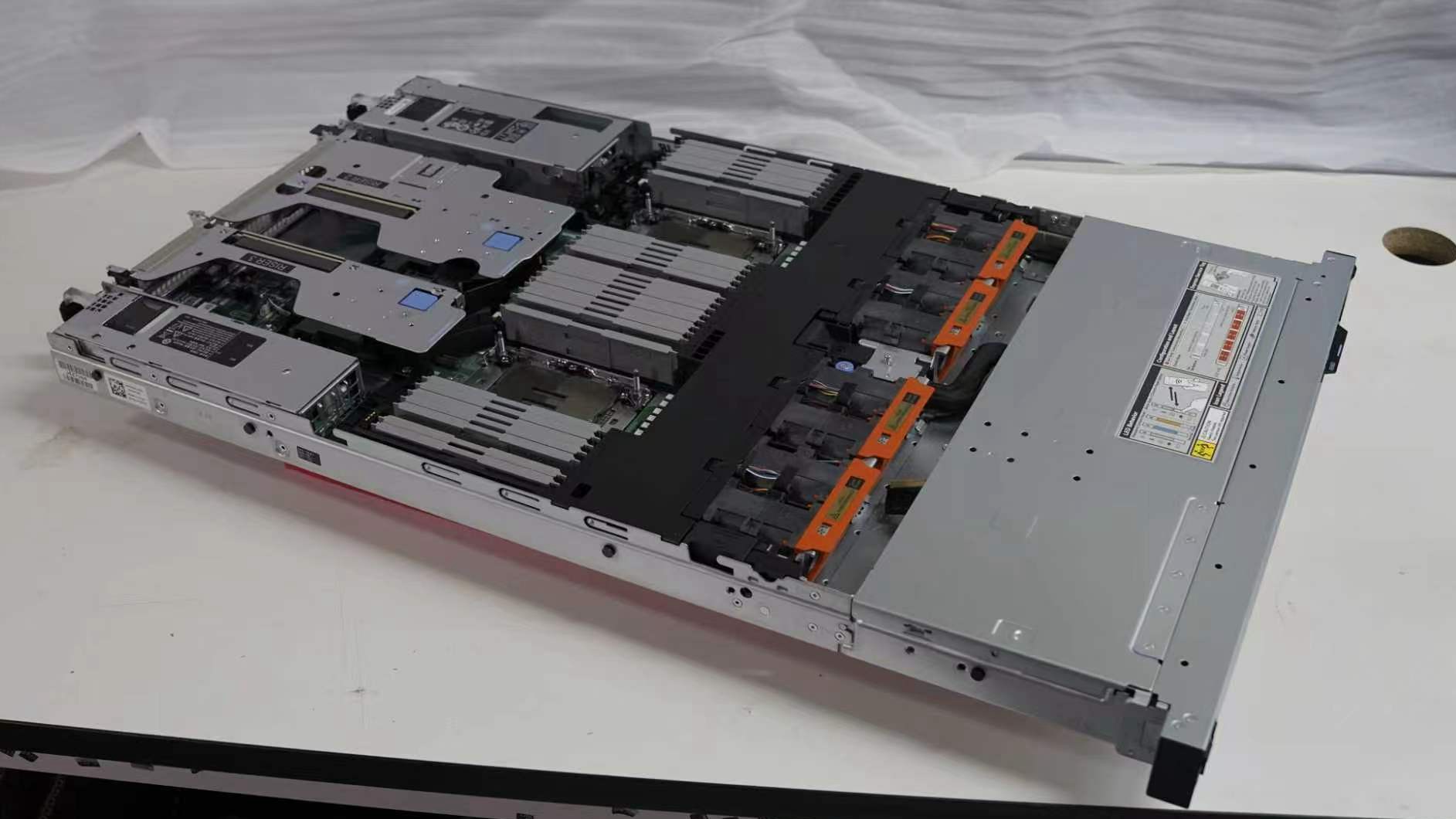
For tethered AR configurations or localized industrial network architectures, mini-server motherboards (such as the N100 ITX Server Motherboard with dual M.2 slots) act as local rendering nodes, routing camera feeds, encoding stereoscopic viewpoints, and caching asset libraries to optimize the wearable device's battery life.
Kryntel Memory Technology (China) Co., Ltd. delivers high-frequency components, custom system boards, and thermal solutions directly to spatial computing builders.
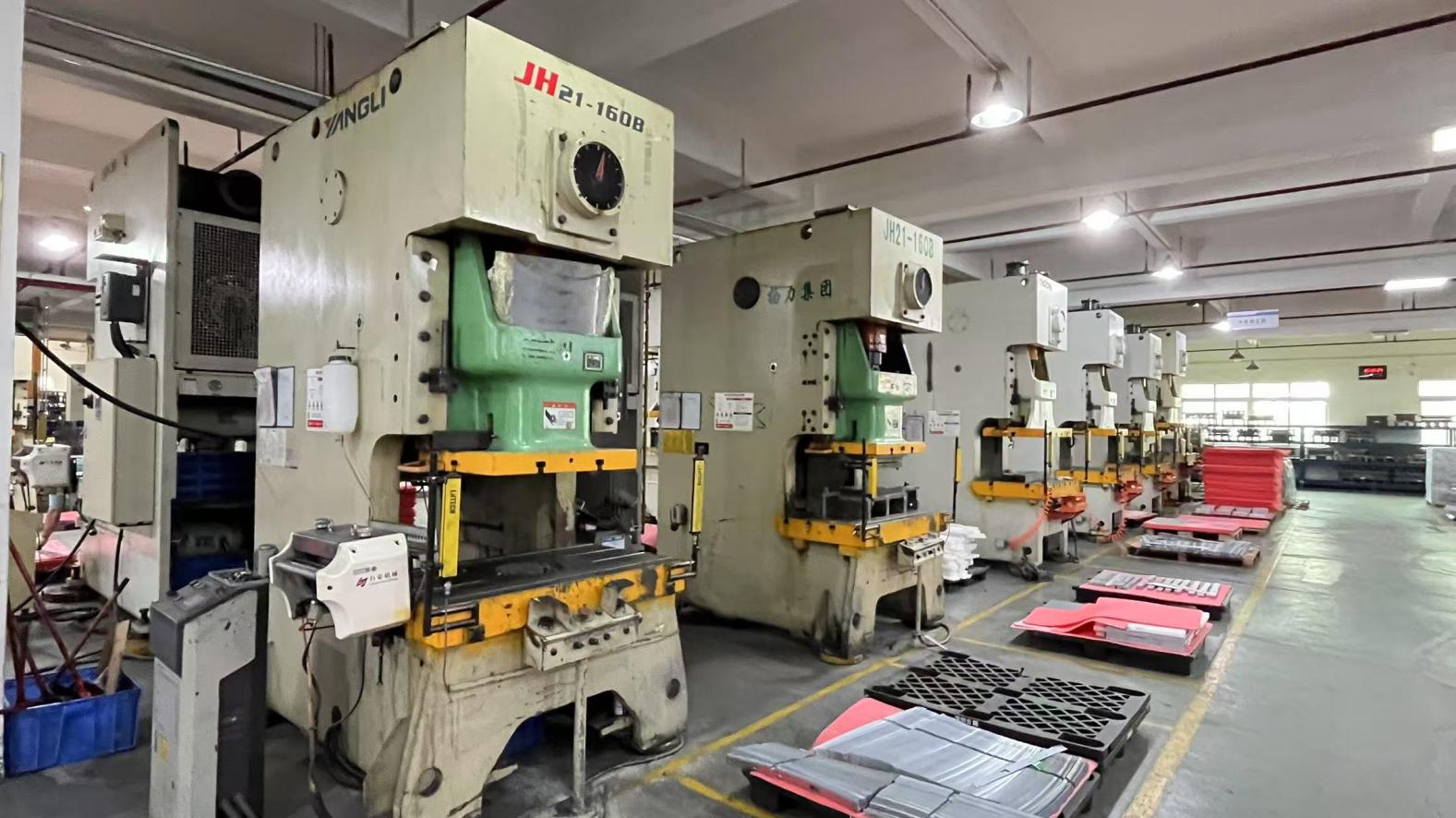
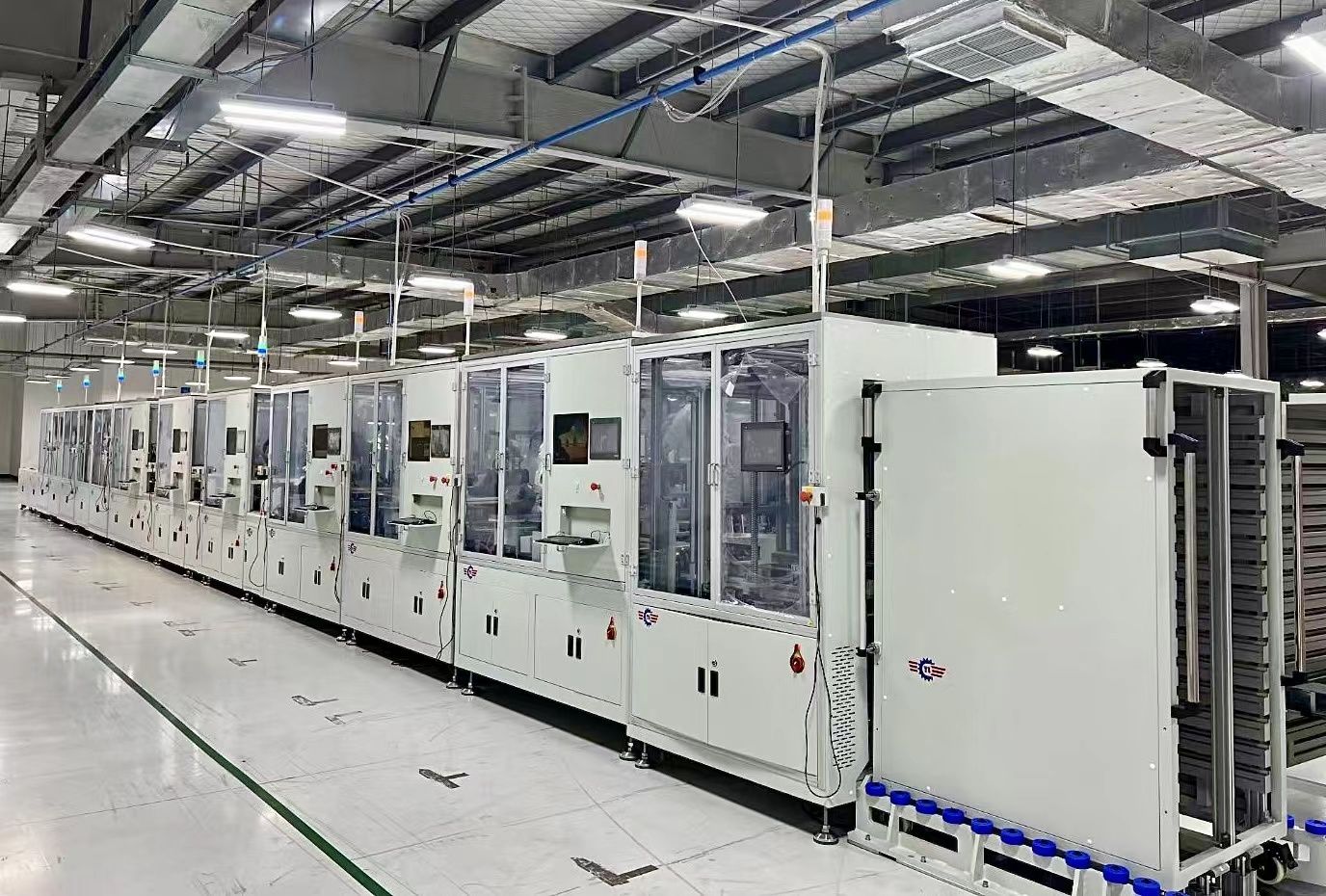
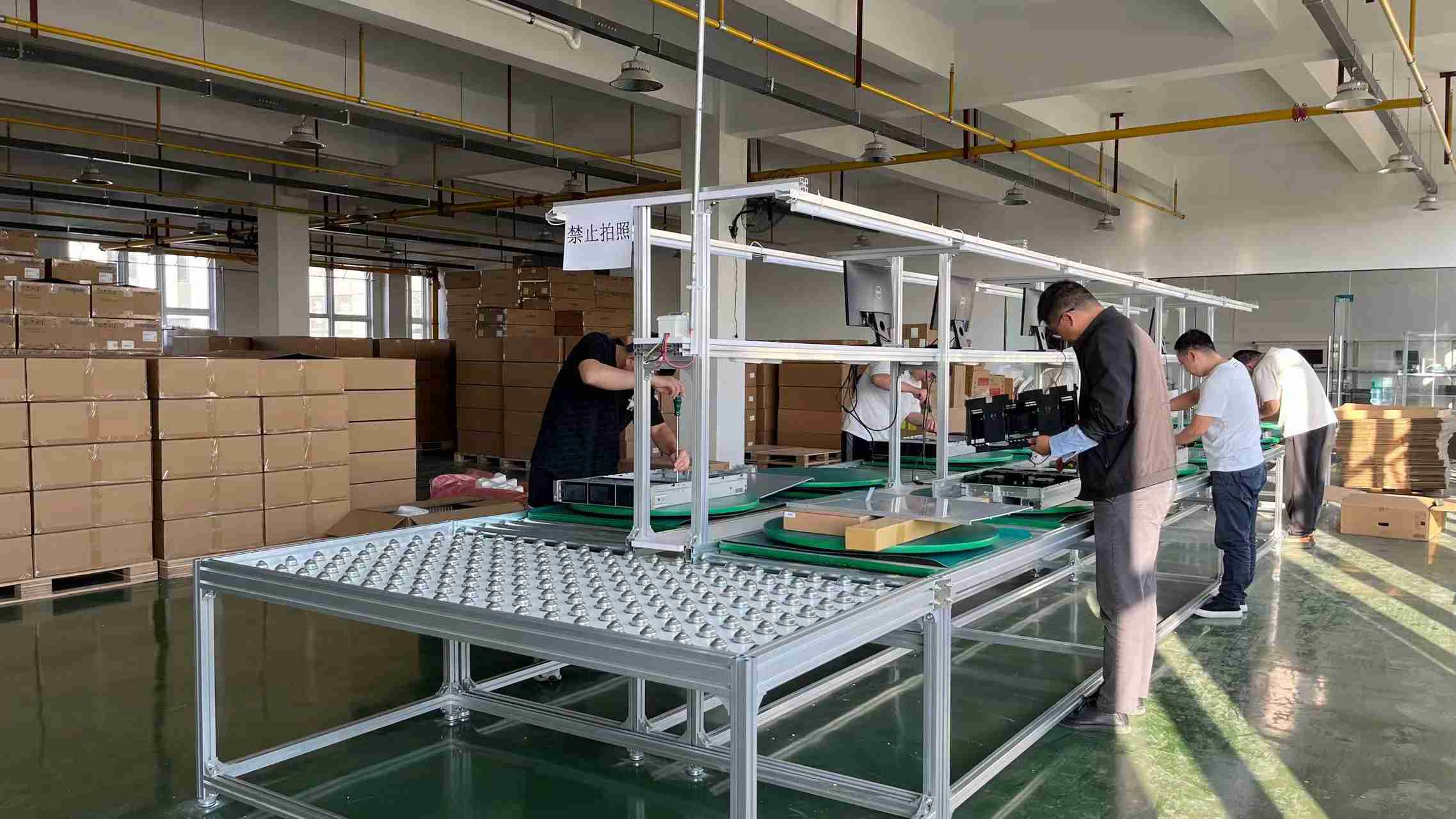
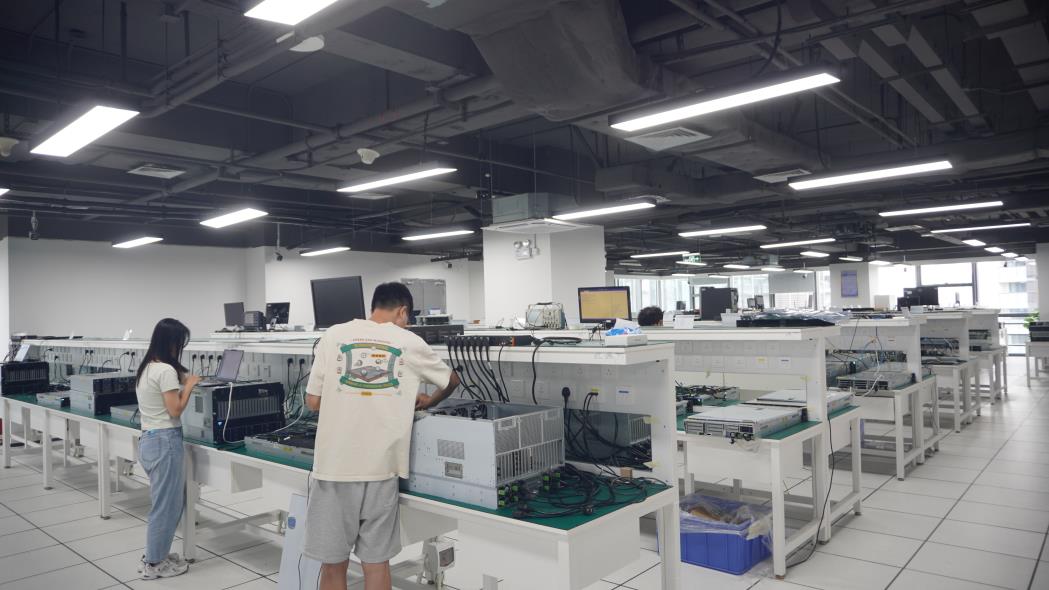
Operating a specialized manufacturing facility configured for strict quality control, we focus on producing stable, high-speed, and energy-efficient memory modules. Our facility integrates component mounting, visual inspection, and multi-stage stability testing to deliver consistent product runs.
Our collaborative network features over 1,200 upstream and downstream partners. This ensures consistent procurement of high-grade DRAM chips, optimized aluminum substrates, and premium raw components even during globally constrained manufacturing cycles.
With an annual export revenue of USD 8M to USD 18M, Kryntel supports procurement routes to key regions, including the United States, Germany, India, Brazil, and the UAE. We manage logistics, custom processing, and localized compliance standards seamlessly.
We provide full-service customization for specialized AR compute nodes, hardware hubs, and smart glass architectures. Partners can coordinate customized high-performance system configurations, heat sink assemblies, specialized PCB routing layouts, firmware tuning, and customized branding packaging to match their commercial releases.
Hardware reliability dictates spatial computing uptime. Our QA process is built on strict quality validation methodologies.
All component batches, including high-purity DRAM wafers, thermal dissipation alloys, and copper substrates, undergo inspection before release to production lines.
Motherboards and memory systems undergo extensive cross-compatibility evaluations across various chipsets and device interfaces, ensuring plug-and-play stability.
Wearables generate operational heat. Components undergo thermal chamber tests to verify that data throughput remains stable even under peak operating temperatures.
Our dedicated team of 42 quality assurance professionals oversees production protocols, verifying hardware performance indices for every wholesale batch.
Answers to common technical, logistics, and quality assurance questions from global hardware purchasing managers.
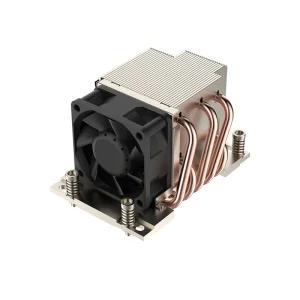
From server cooling accessories and compact boards to specialized substrate layers, explore our secondary range of hardware products.
Step inside our production floors, testing chambers, and semiconductor assembly clean rooms designed to maintain rigorous hardware specifications.

 Kryntel