Select premium cooling accessories, passive server heat sinks, liquid loops, and enterprise memory configurations engineered for 24/7 uptime.
Modern data centers are undergoing a paradigm shift. With the exponential growth of large language models (LLMs), AI computing cluster densities, and high-frequency cloud virtualization, TDP (Thermal Design Power) levels have surged. Next-generation server microprocessors now routinely exceed 350W to 500W TDP per socket. Achieving stable performance requires thermal systems that go far beyond traditional passive aluminum extrusions.
Standard cooling mechanisms are reaching their physics limits. The heat flux generated by chipsets like the Intel LGA4677 or AMD SP5 requires sophisticated heat pipe arrays, vapor chambers, or direct-to-chip liquid cooling block loops. The strategic selection of a server radiator impacts system-level metrics like PUE (Power Usage Effectiveness) and MTBF (Mean Time Between Failures).
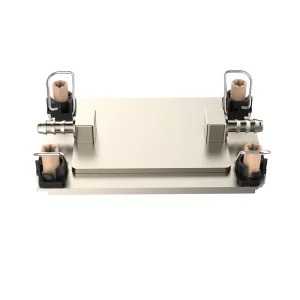
As TDP trends upward, air cooling systems require extreme airflow rates, which drastically increases fan power draw and PUE. Direct-to-chip copper blocks address this by using liquid cooling paths that route water or dielectric fluids directly over high-heat areas.
Providing integrated hardware configurations and enterprise memory modules to OEMs, ODMs, and global partners since 2016.
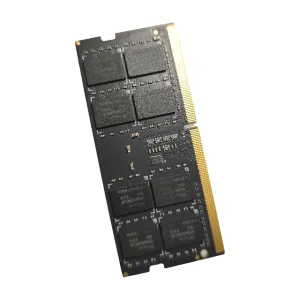
Founded in 2016, Kryntel Memory Technology (China) Co., Ltd. is a professional DDR5 memory manufacturer specializing in high-performance RAM modules for global OEM, ODM, and private label partners. With a modern production facility covering approximately 320㎡, we focus on delivering stable, high-speed, and energy-efficient memory solutions for gaming, industrial, and server applications.
Over the years, Kryntel has built strong export capabilities with annual export revenue ranging from USD 8 million to USD 18 million. The company has accumulated 6 years of export experience and 9 years of overall industry experience in memory and semiconductor-related manufacturing.
Our quality control system is built on strict multi-stage inspection standards, including incoming material inspection, in-process quality control, aging tests, and final product sampling inspection. Product testing methods include high-temperature aging tests, compatibility testing with major motherboard platforms, bandwidth stress testing, and voltage stability testing. We maintain a dedicated QA team of 42 professionals to ensure consistent product reliability.
Kryntel operates with a strong international trade background, supported by experienced export teams familiar with North America, Europe, the Middle East, and Southeast Asia markets. Our primary markets include the United States, Germany, India, Brazil, and the UAE.
We cooperate with a global supply chain network of approximately 1,200 upstream and downstream partners, ensuring stable sourcing of high-quality DRAM chips and components. Our main customer base includes computer hardware brands, system integrators, distributors, and e-commerce sellers.
Our R&D department is highly capable, supporting advanced customization, including PCB design optimization, frequency tuning, heat dissipation solutions, and branding customization. We offer full OEM/ODM services with flexible customization options such as frequency, latency, heat spreader design, packaging, and firmware tuning. In the past year, we successfully launched over 280 new memory products across DDR4 and DDR5 series. Our R&D team consists of approximately 160 engineers specializing in memory architecture, signal integrity, and product reliability optimization.
Why hyperscale datacenters, system builders, and hardware brands choose Chinese manufacturing partners for their thermal infrastructure.
From high-purity copper forging and precision aluminum skiving to heat pipe capillary sintering, the entire supply chain is located in close geographic proximity. This layout reduces lead times, optimizes logistics costs, and speeds up prototyping cycles.
Chinese factories use automated CNC milling machinery, laser welding, and automated vacuum brazing furnace networks. This technology supports tight-tolerance designs like 0.1mm micro-channel cooling structures and complex multi-pipe curves for low-profile 1U nodes.
Reliability is tested through helium leak testing, high-temperature thermal cycling, thermal resistance modeling (FloTHERM/ANSYS Icepak), and pressure drop verification to ensure long-term stability in high-density data centers.
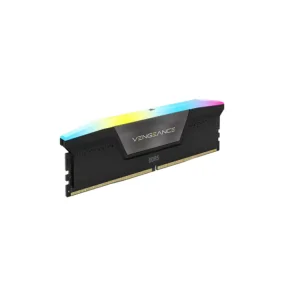
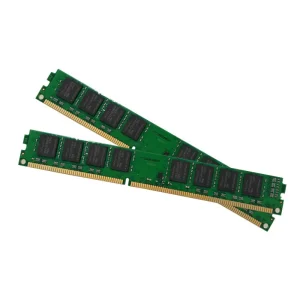
Integrating CPU and memory subsystem cooling is critical for maintaining stable operation in high-performance environments.
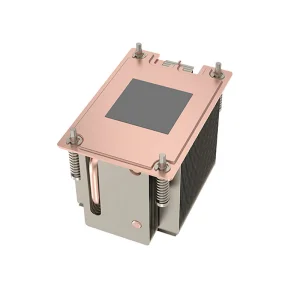
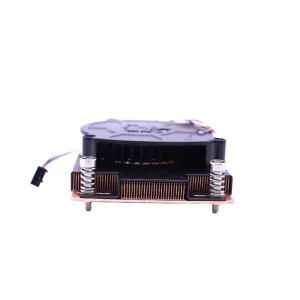
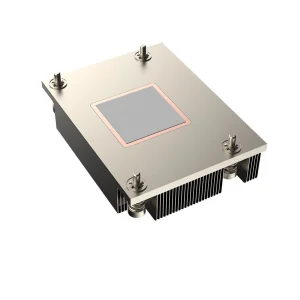
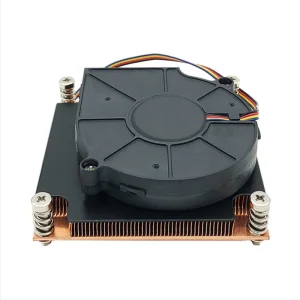
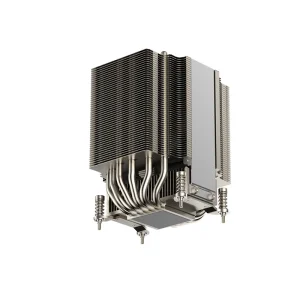
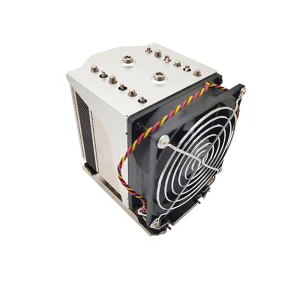
Utilizes high-purity copper skived fins and direct-contact heat pipes to maximize surface area within height-restricted rack chassis.
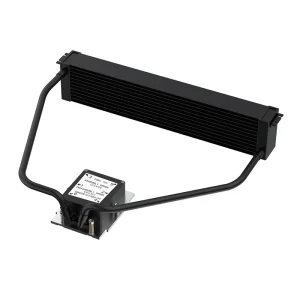
Pairs integrated liquid blocks with fan-assisted radiator assemblies to manage thermal loads for high TDP chips like AMD SP5 and Intel Xeon LGA4677 without requiring facility-wide liquid plumbing.
Thermal management is a system-wide requirement rather than a component-level concern. Modern dense architectures require synchronized thermal paths. Memory subsystems running high-speed DDR5 modules generate localized heat at the PMIC (Power Management IC) level. Simultaneously, nearby multi-socket CPUs dissipate hundreds of watts of power. Designing effective thermal solutions requires addressing both sources of heat.
Our approach integrates components across the system. We combine advanced CPU block mechanics with low-profile memory heat spreaders to optimize the overall chassis airflow vector. This reduces boundary layer resistance, lowers exhaust temperatures, and decreases the fan speed required to cool the system, lowering overall energy usage.
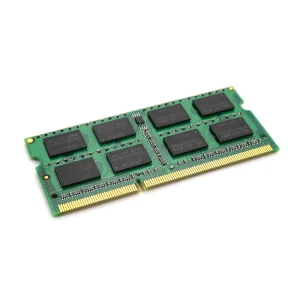
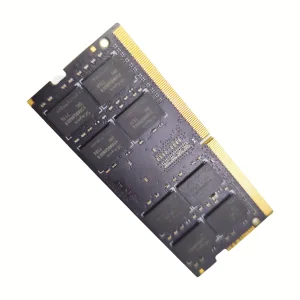
Whether deploying high-frequency DDR5 memory modules or passive high-performance heatsinks, our configurations are engineered to prevent thermal throttling under continuous, high-load enterprise tasks.
Key considerations for hardware procurement managers, systems integrators, and data center engineers when sourcing thermal hardware.
Exported components must comply with RoHS, REACH, CE, and FCC standards. Hardware bound for European and North American markets requires documentation proving lead-free materials, high-voltage isolation, and safe operating characteristics.
Procurement teams should verify material certifications. Copper components must use C1100 oxygen-free copper (greater than 99.9% purity) to maximize thermal conductivity, while aluminum components require high-grade AL6063-T5 to ensure structural durability and resistance to oxidation.
Look for suppliers that provide end-to-end design services. Partnering with manufacturers that offer simulation modeling (CFD), PCB layout design, custom mounting brackets, and specialized thermal interface materials (TIM) ensures proper integration into proprietary hardware designs.
Answers to common technical questions regarding server cooling components, material selection, compatibility, and international procurement.
Browse our broader range of DDR4/DDR5 memory modules and socket-specific cooling solutions built for enterprise systems.
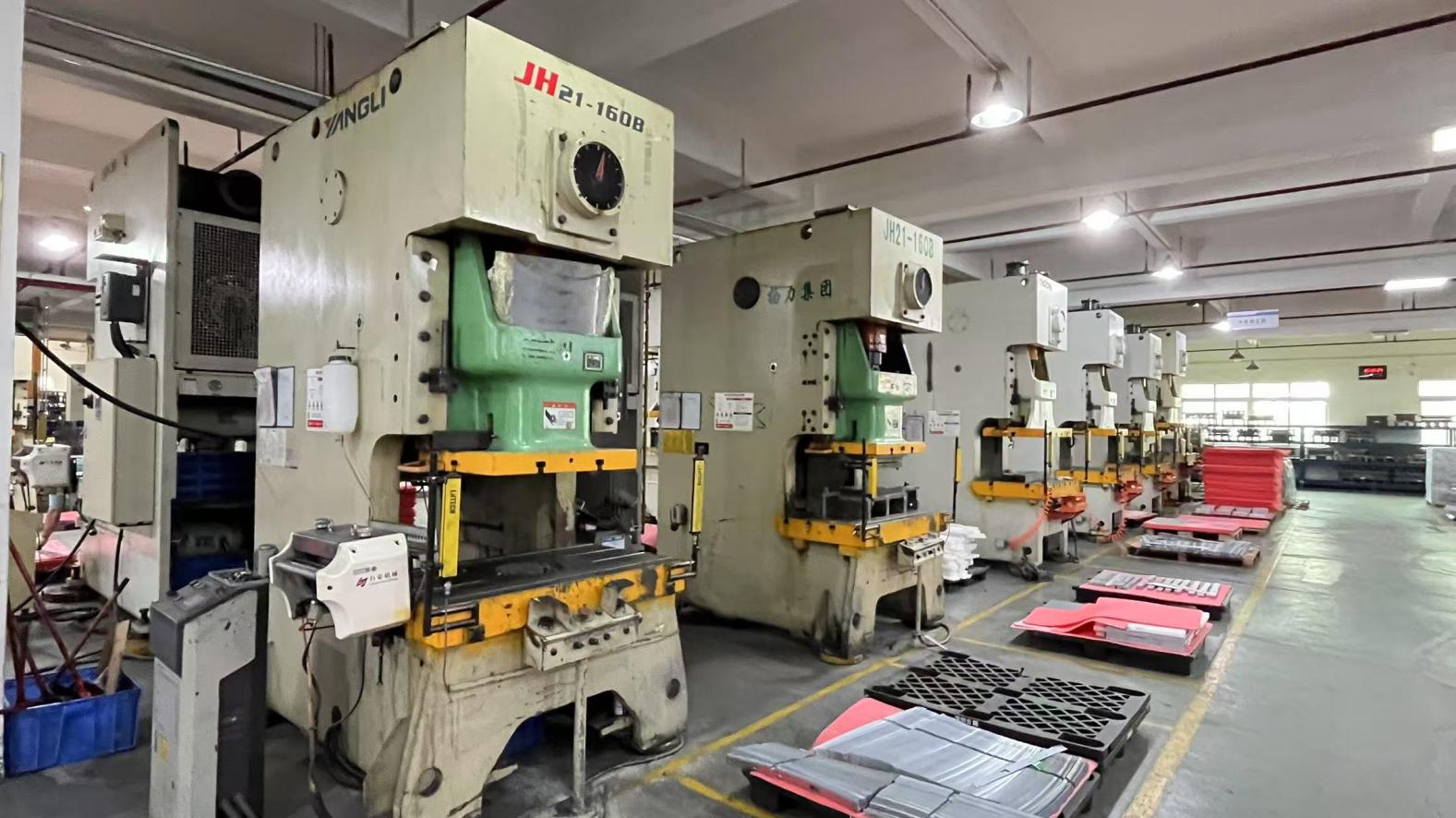
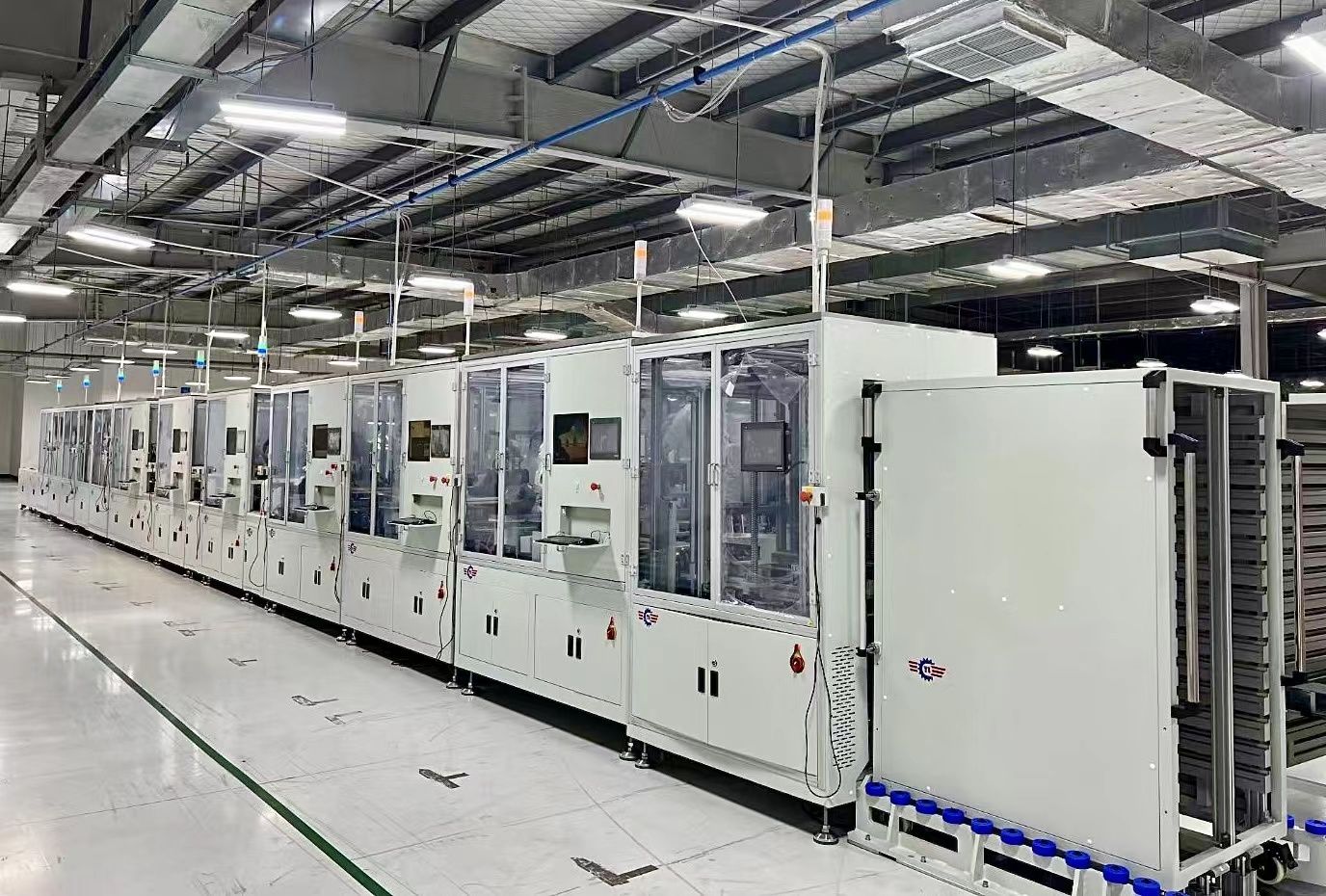
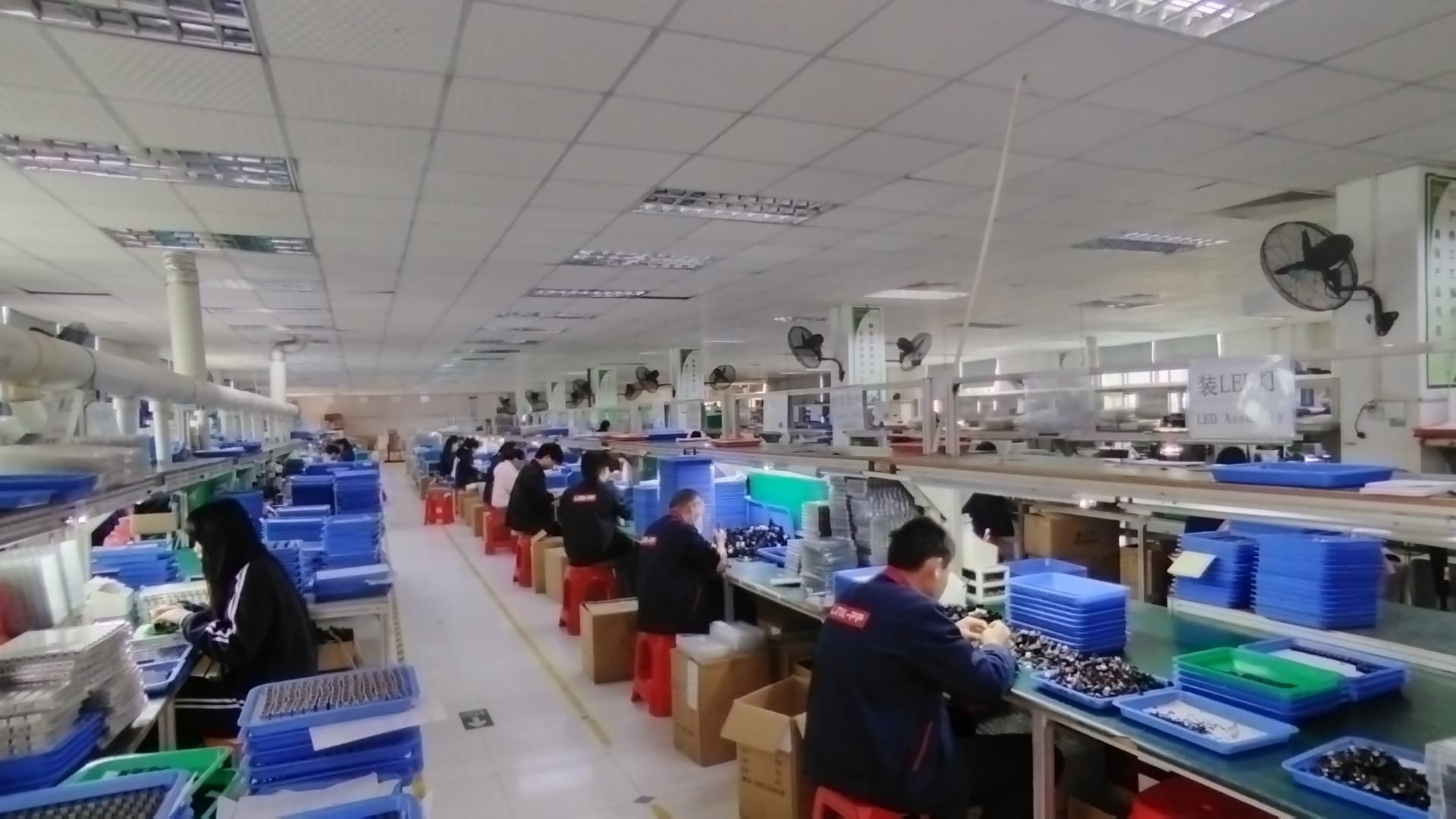
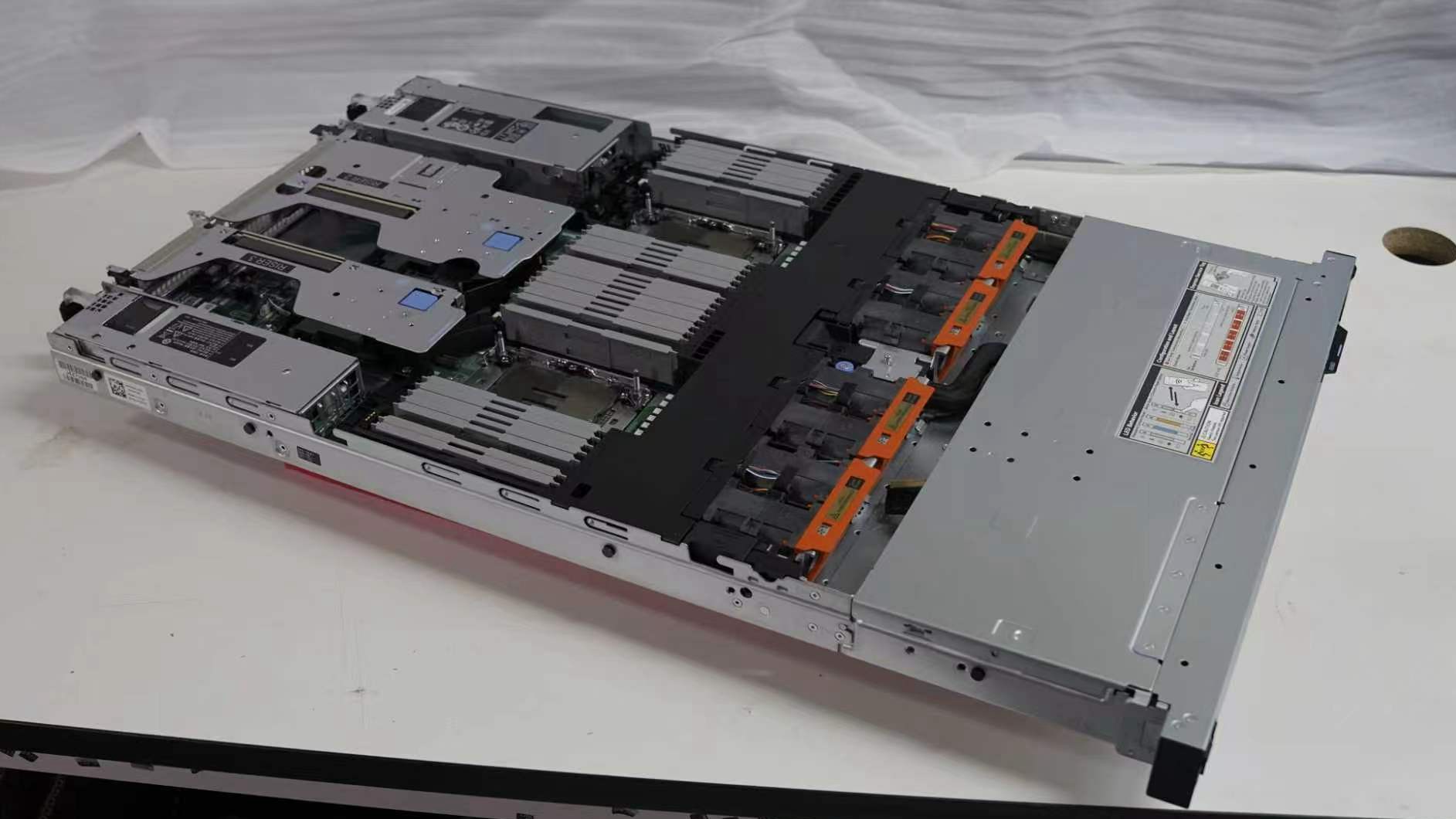
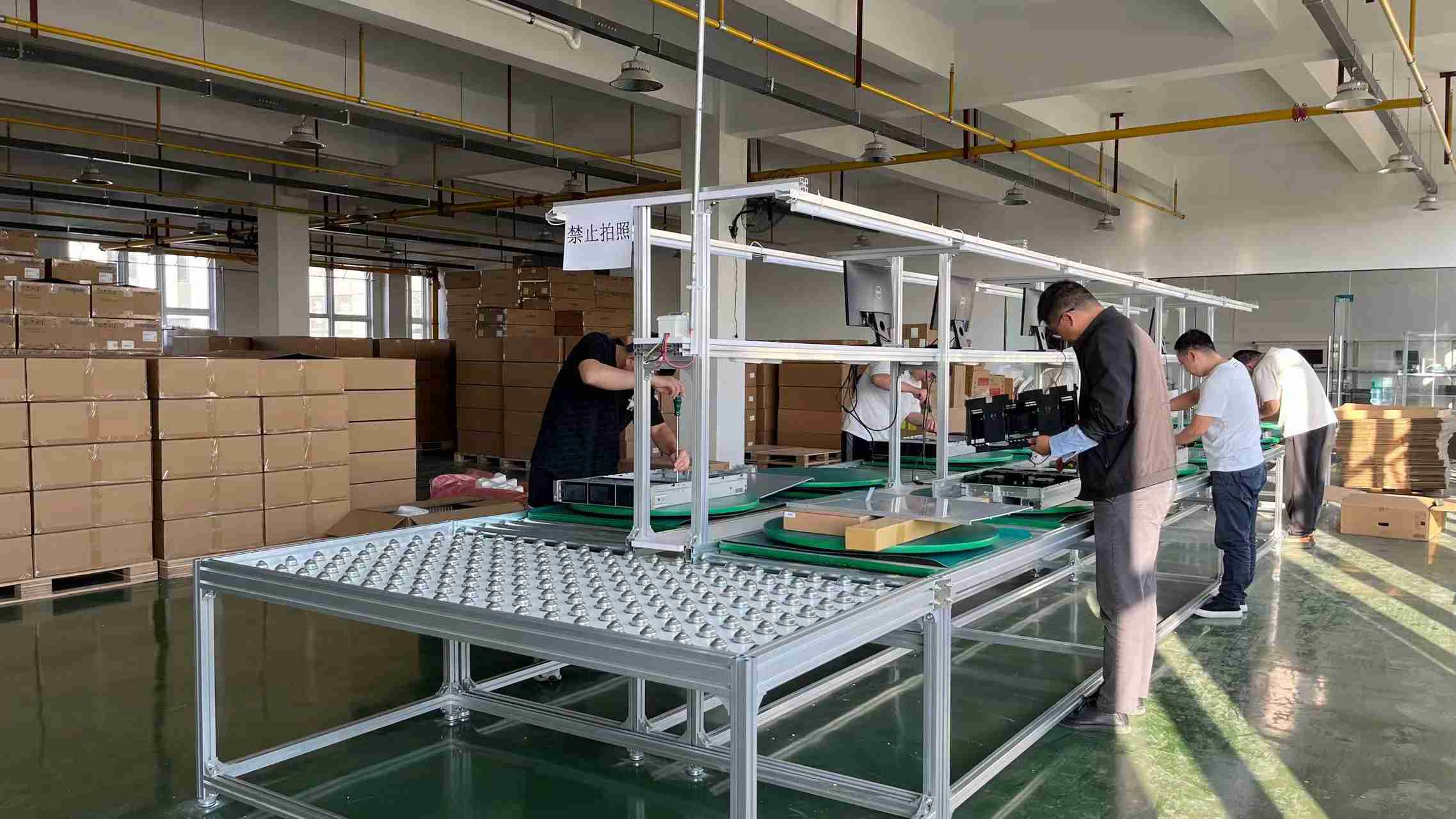
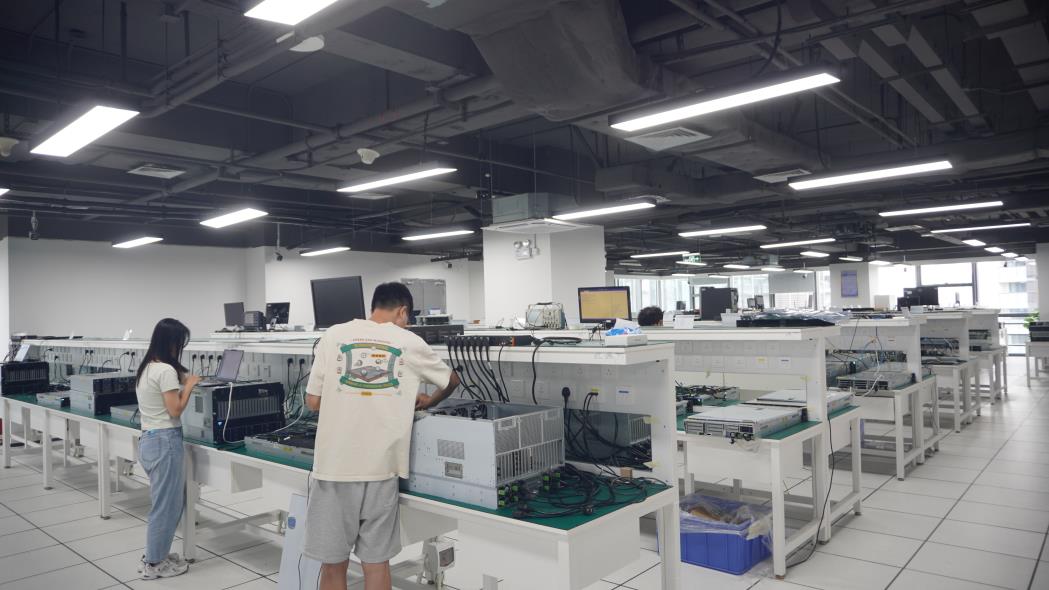
An inside look at our manufacturing footprint, showing our focus on cleanroom conditions, automated SMT setups, and high-frequency validation equipment.
 Kryntel