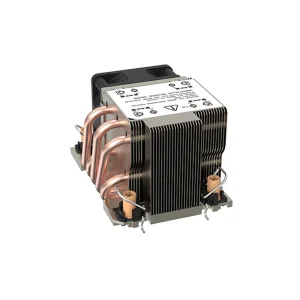
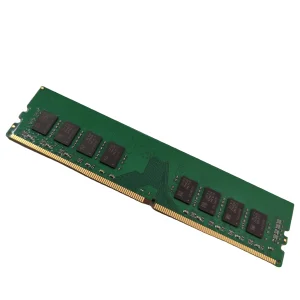
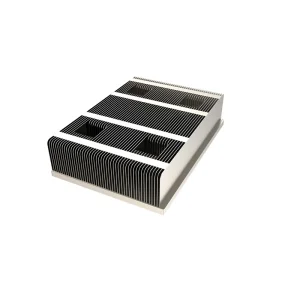
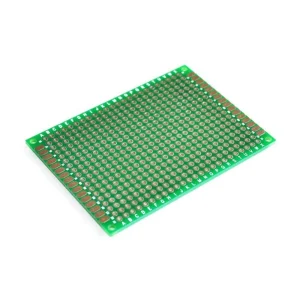
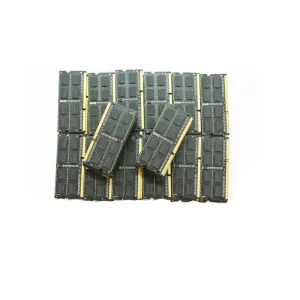
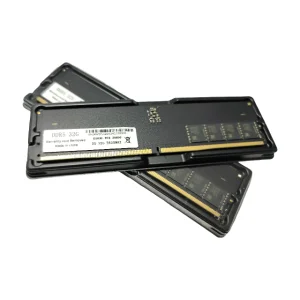
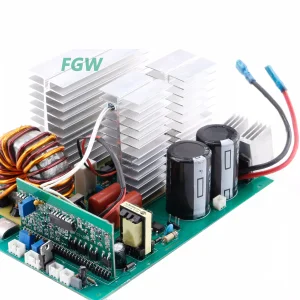
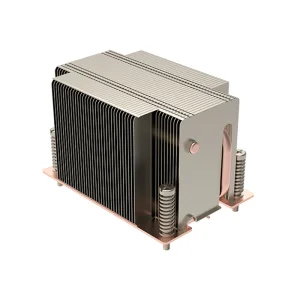
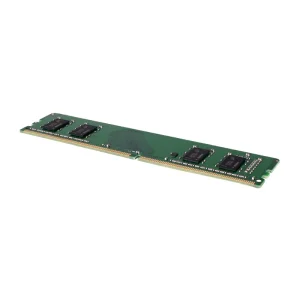
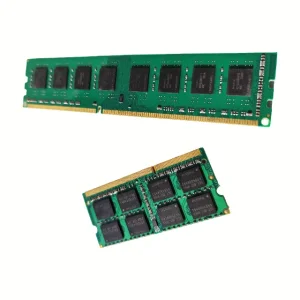
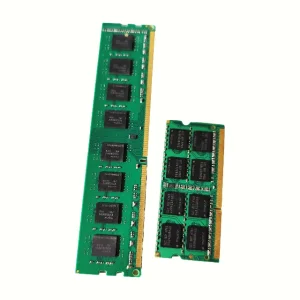
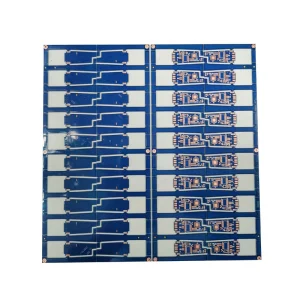
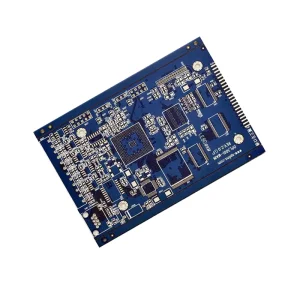
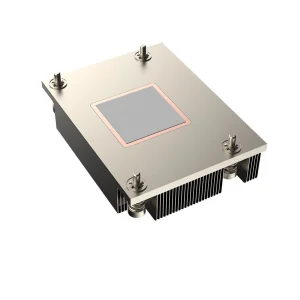
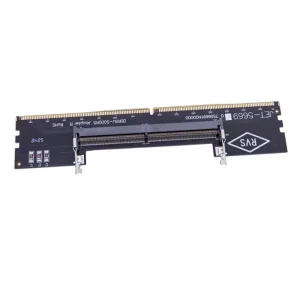
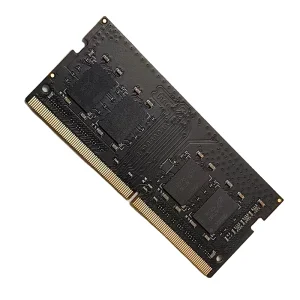
Explore our leading selection of engineered thermal, semiconductor, and circuit board solutions designed for high-density compute environments.
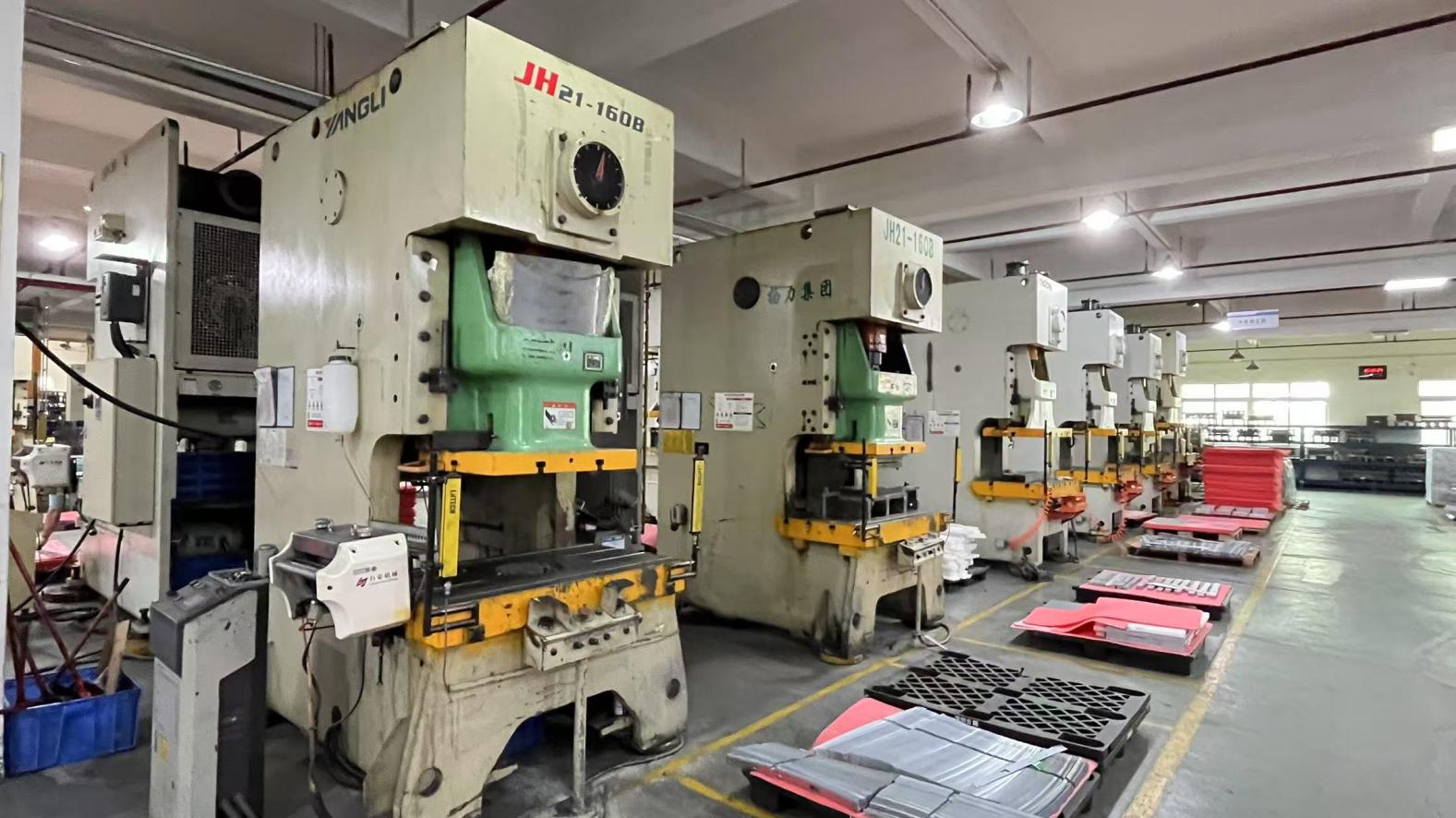
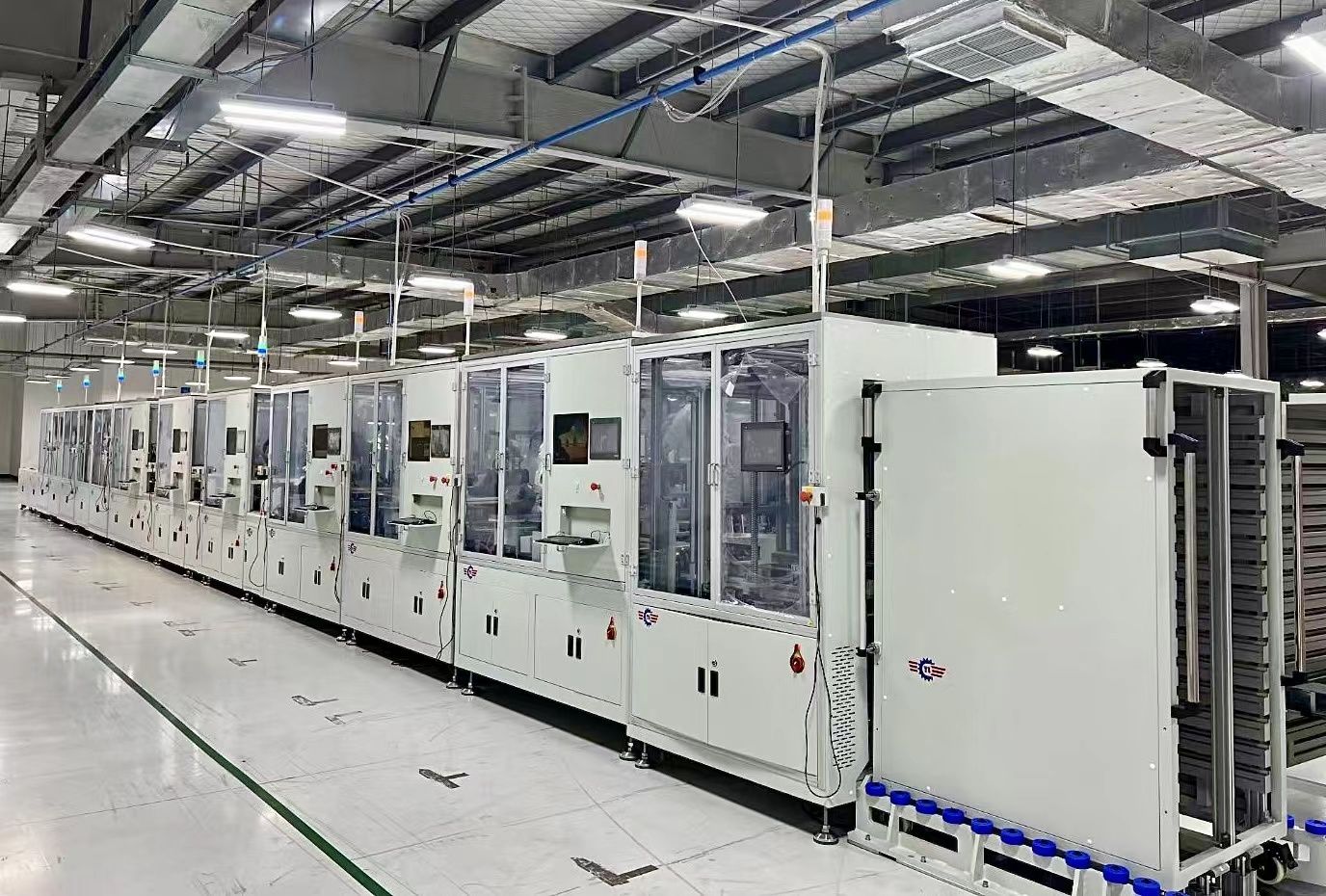
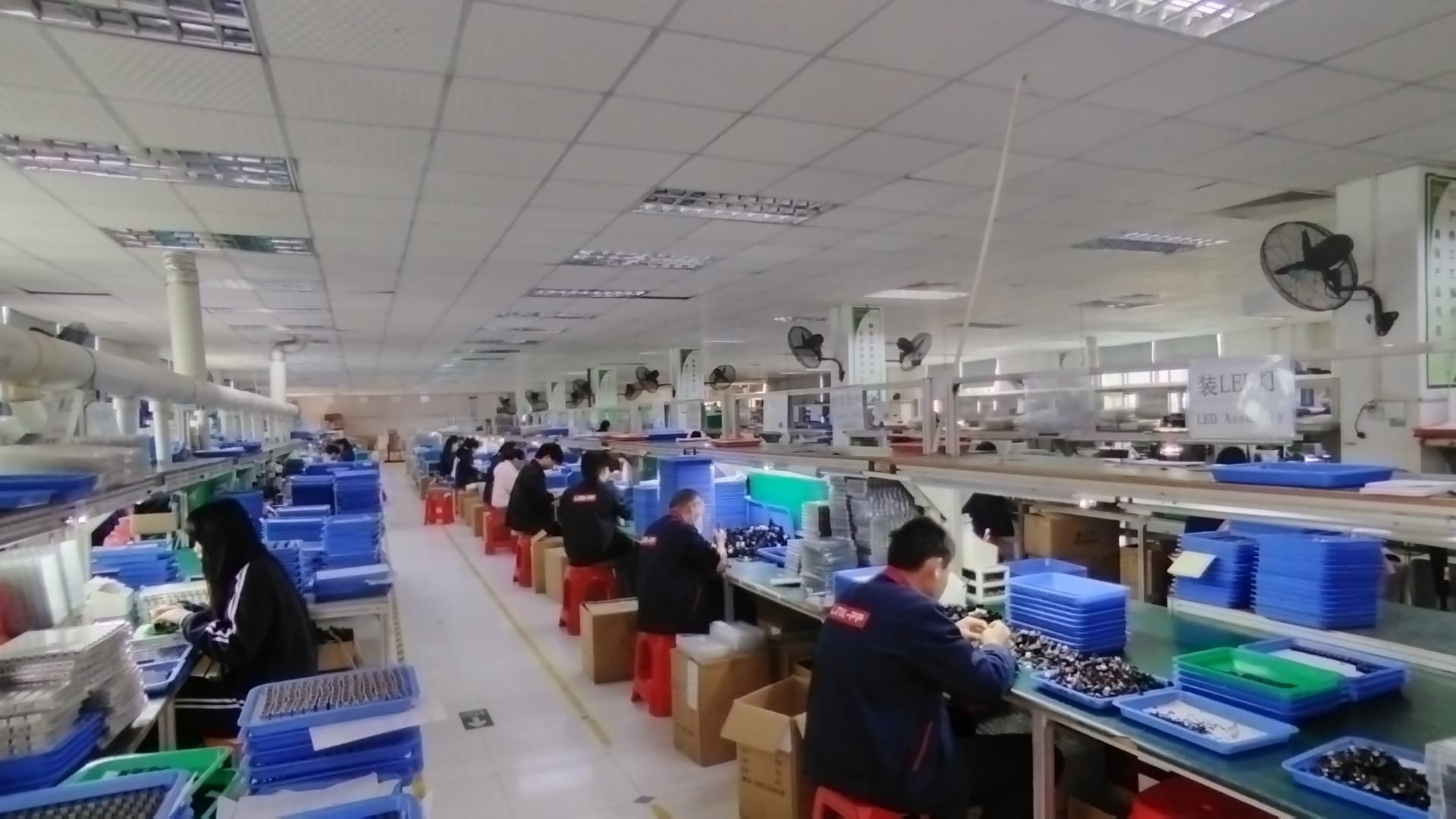
Founded in 2016, Kryntel Memory Technology (China) Co., Ltd. has established itself as an elite DDR5/DDR4 memory manufacturer and advanced hardware engineering exporter. Specializing in high-performance RAM modules, high-frequency PCB designs, and comprehensive SMT assembly services, we partner with world-class OEM, ODM, and private label enterprises. Our modern facility, expanding over a high-efficiency footprint, specializes in producing stable, high-speed, and thermally optimized memory solutions tailored for artificial intelligence, next-gen gaming, industrial automation, and enterprise server infrastructures.
With over 9 years of semiconductor industry experience and 6 years of international trade operations, Kryntel maintains an annual export revenue benchmark of USD 8 million to USD 18 million. We leverage our robust technical foundation to provide complex PCB layout configurations and high-speed signal integrity engineering for global industrial applications.
Continuous innovation in high-speed hardware manufacturing.
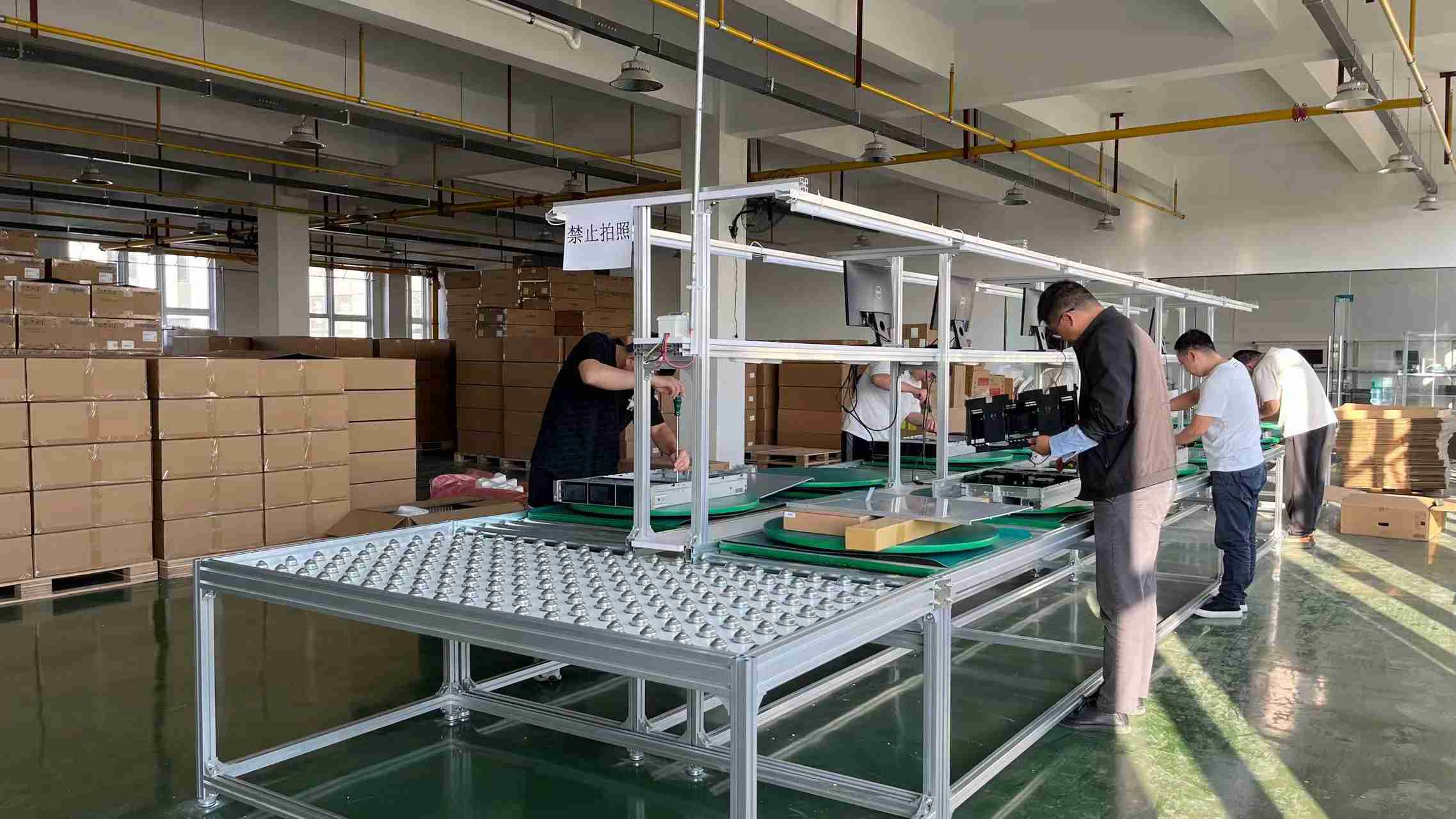
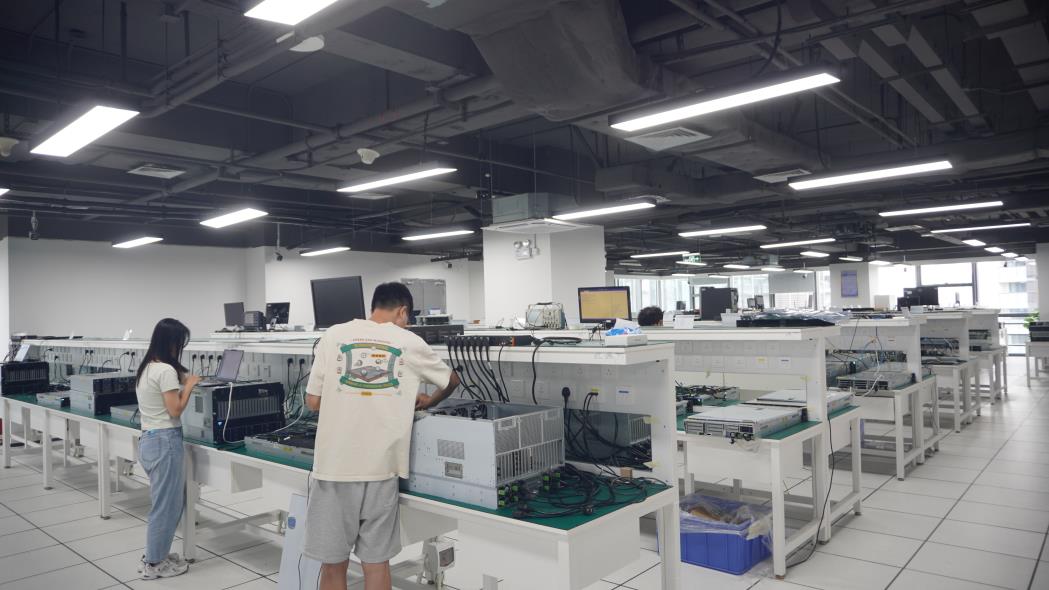
Multi-stage inspection: high-temp aging, signal stress & voltage tests.
Seamless upstream DRAM sourcing & component security.
Specialists in signal routing, thermal solutions, and firmware tuning.
A technical whitepaper analyzing signal integrity, thermal dissipation interfaces, and Chinese supply chain integration in global systems procurement.
Modern electrical engineering calls for high-frequency microvias, controlled impedance routing, and thinner dielectrics to support high-density integrations like DDR5 and PCIe Gen 5/6. PCB prototyping is no longer merely about connecting Point A to Point B; it is an exercise in signal integrity and electromagnetic compatibility (EMC). High-speed data buses operating at upwards of 6000MHz demand extremely precise microstrip and stripline calculations. A deviation of even 1% in copper trace width or substrate thickness can result in transmission line reflections, cross-talk, and signal degradation.
By leveraging advanced PCB stack-up prototyping tools, design engineers optimize signal loss profiles using materials like Rogers, Isola, or specialized high-Tg FR-4. Minimizing the dissipation factor (Df) and maintaining stable dielectric constants (Dk) over varying temperature cycles is critical for server motherboards, industrial automation sensors, and edge AI compute systems.
The transition from a raw schematic design to a populated Printed Circuit Board Assembly (PCBA) requires seamless execution across three distinct phases: substrate fabrication, components procurement, and Surface Mount Technology (SMT) mounting. The true power of Chinese PCB prototyping hubs lies in their unmatched geographic and industrial concentration. Within a single regional ecosystem, engineers can finalize design rules (DFM), produce a multilayer prototype substrate in 24 hours, source specialized components (such as DDR5 DRAM, high-power heatsinks, and custom voltage controllers), and execute SMT placement with microscopic precision.
Our facility's capability to process power supply instrumentation, industrial automation layouts, and high-frequency memory modules under one roof minimizes lead-time bottlenecks. Combining SMT and DIP (Dual In-line Package) plug-in soldering under strict temperature profile parameters prevents thermal stress fractures and ensures long-term solder joint reliability.
Strict registration tolerances down to ±0.05mm for complex multi-layer blind and buried via layouts.
High-speed SMT assembly lines supporting 0201 passives, BGA pitching down to 0.4mm, and AOI inspection.
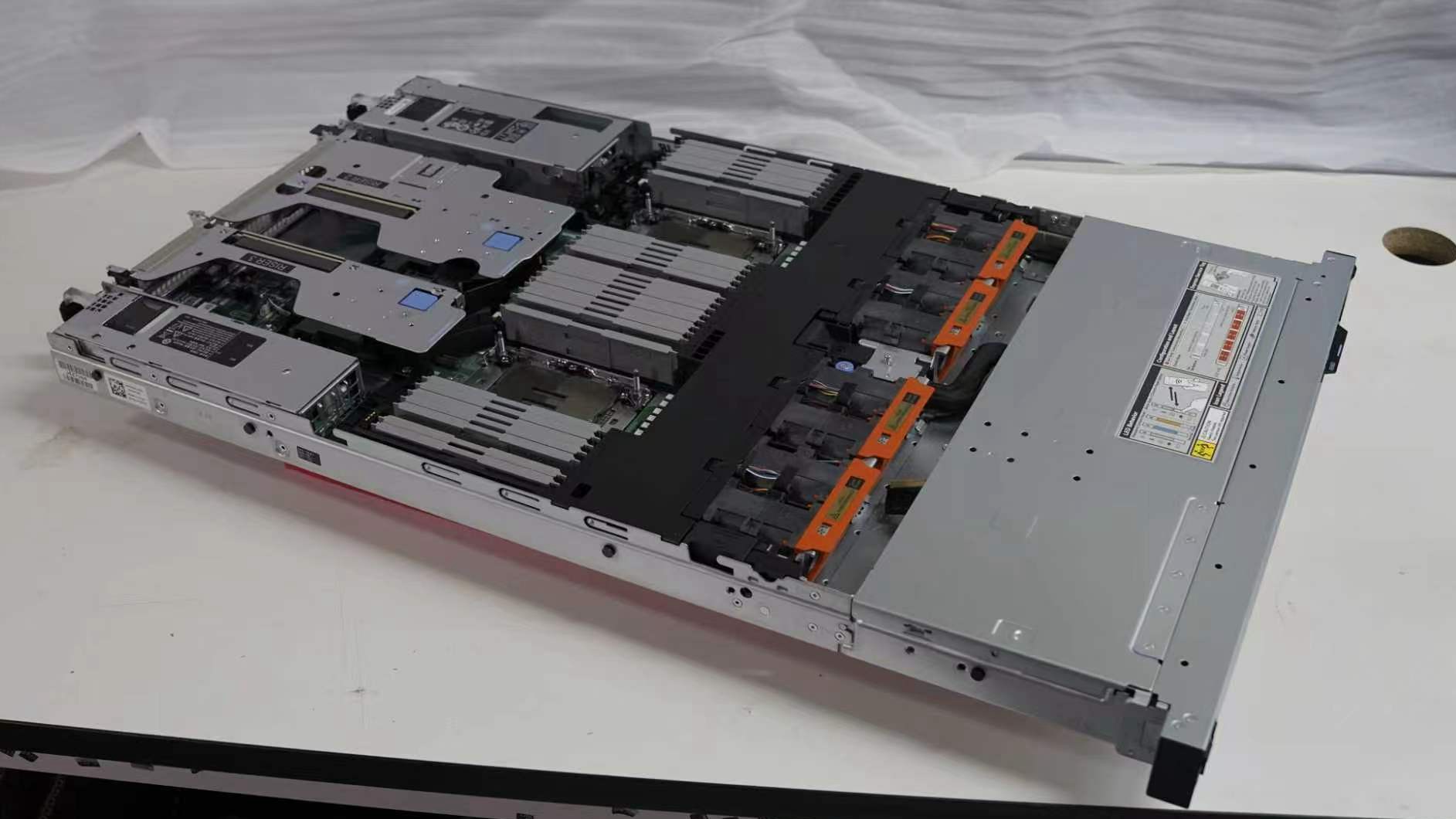
Integration of specialized copper bases and aluminum heatsinks to resolve hotspot problems in high-density servers.
Global procurement teams face challenges: navigating geopolitical tariffs, validating component traceability, and ensuring environmental compliance. A professional exporter must offer more than just manufacturing; they must deliver compliance security. Meeting standards such as RoHS (Restriction of Hazardous Substances), REACH, CE, and UL 94V-0 flammability ratings is mandatory for products entering North America, Germany, Brazil, India, and the UAE.
Additionally, with the global transition towards eco-friendly manufacturing, lead-free surface finishes (such as Immersion Silver, ENIG, and OSP) are crucial. Providing full material composition declarations ensures that high-volume distributors and system integrators can scale without encountering customs clearance delays or regulatory liability.
Inspecting our design optimization pipelines, advanced chip selection, and thermal management integration.
Kryntel's advanced R&D department leverages state-of-the-art simulation software to execute signal integrity (SI) and power integrity (PI) analysis prior to physical fabrication. This proactive engineering approach dramatically reduces prototyping spins, saving valuable market-entry time for systems builders. Whether it is adjusting transmission parameters for DDR5 laptop modules operating under extreme voltage fluctuations, or routing heat dissipation traces on multilayer welder motherboards, our engineers ensure design optimization is native to the process.
Our material sourcing network encompasses over 1,200 verified DRAM and component suppliers, protecting client operations against sudden material shortages. This robust supply chain resilience allows us to deliver uninterrupted manufacturing services for global system integrators and tier-1 computer hardware brands alike.
Our quality assurance workflow applies strict multi-stage testing, including:
Direct answers to the most common questions raised by hardware engineering and procurement professionals.
Our comprehensive range of high-performance memory modules, adapter cards, and server thermal management components.
 Kryntel