As the Internet of Things (IoT) shifts from simple point-to-point communication to hyper-connected, high-throughput, and ultra-low-power ecosystems, the selection of the correct wireless communication standard is critical. Bluetooth Modules stand at the forefront of this industrial transformation. Today’s industrial, commercial, and consumer applications demand unprecedented levels of reliability, signal integrity, and energy conservation. Modern Bluetooth Low Energy (BLE 5.3 / 5.4) and classic Bluetooth architectures enable devices to stream audio, broadcast massive packets via Auracast, and support localized spatial positioning using Angle of Arrival (AoA) and Angle of Departure (AoD).
Selecting a top-tier Bluetooth module manufacturer in China goes beyond standard hardware sourcing. It requires finding a partner capable of merging advanced radio frequency (RF) designs with highly stable system architecture. As an enterprise deeply rooted in advanced electronic SMT processes, memory packaging, and complex motherboard assembly, Kryntel Memory Technology (China) Co., Ltd. applies semiconductor-level precision to wireless solutions. Leveraging micro-vias routing, impedance-matched PCB design, and robust RF shielding, we ensure that every Bluetooth component functions flawlessly in noisy RF environments.
The global demand for high-performance Bluetooth modules is segmenting into specific, high-reliability verticals. No longer restricted to simple consumer peripherals, Bluetooth technology has become a cornerstone of smart infrastructure:
Developing an optimized RF circuit is notoriously difficult. Micro-strip lines must maintain exactly 50 Ohms impedance, antenna placement must account for proximity to metal brackets and human bodies, and harmonic emissions must be suppressed to comply with international regulations. At Kryntel, we address these challenges by applying our expertise in high-frequency DDR5 memory design directly to RF hardware engineering. Memory modules operating at 6000MHz require strict cross-talk containment and precise signal propagation timing. We use this same engineering discipline to manage the 2.4GHz RF layout of our Bluetooth modules, minimizing signal loss and maximizing receiver sensitivity.
Whether using a cost-efficient PCB antenna, a compact ceramic chip antenna for space-constrained enclosures, or an external IPEX connector for maximum range, our designs undergo rigorous testing. We conduct full 3D electromagnetic simulations during the layout phase and run real-world tests in anechoic chambers to optimize radiation patterns and ensure peak performance.
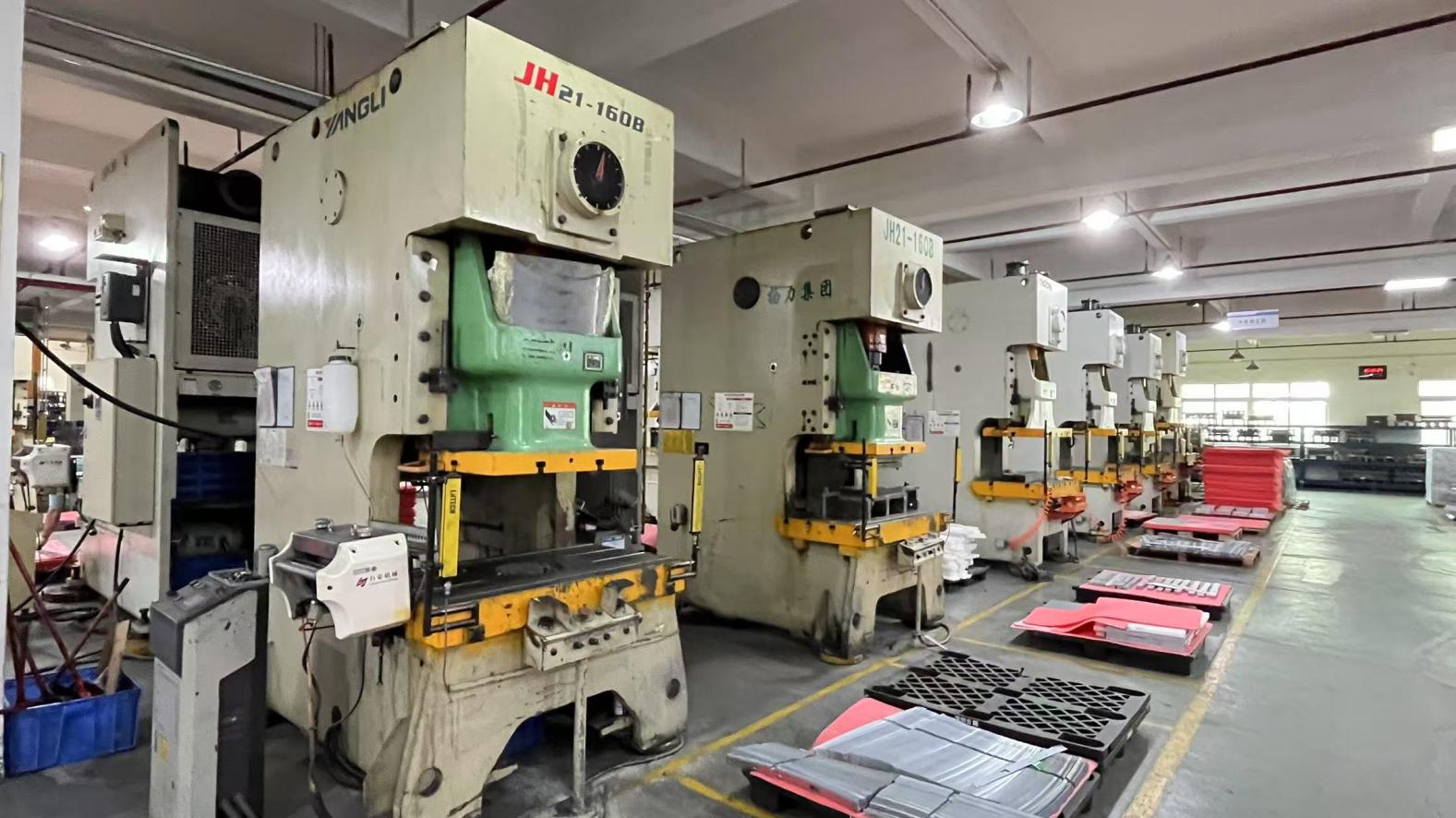
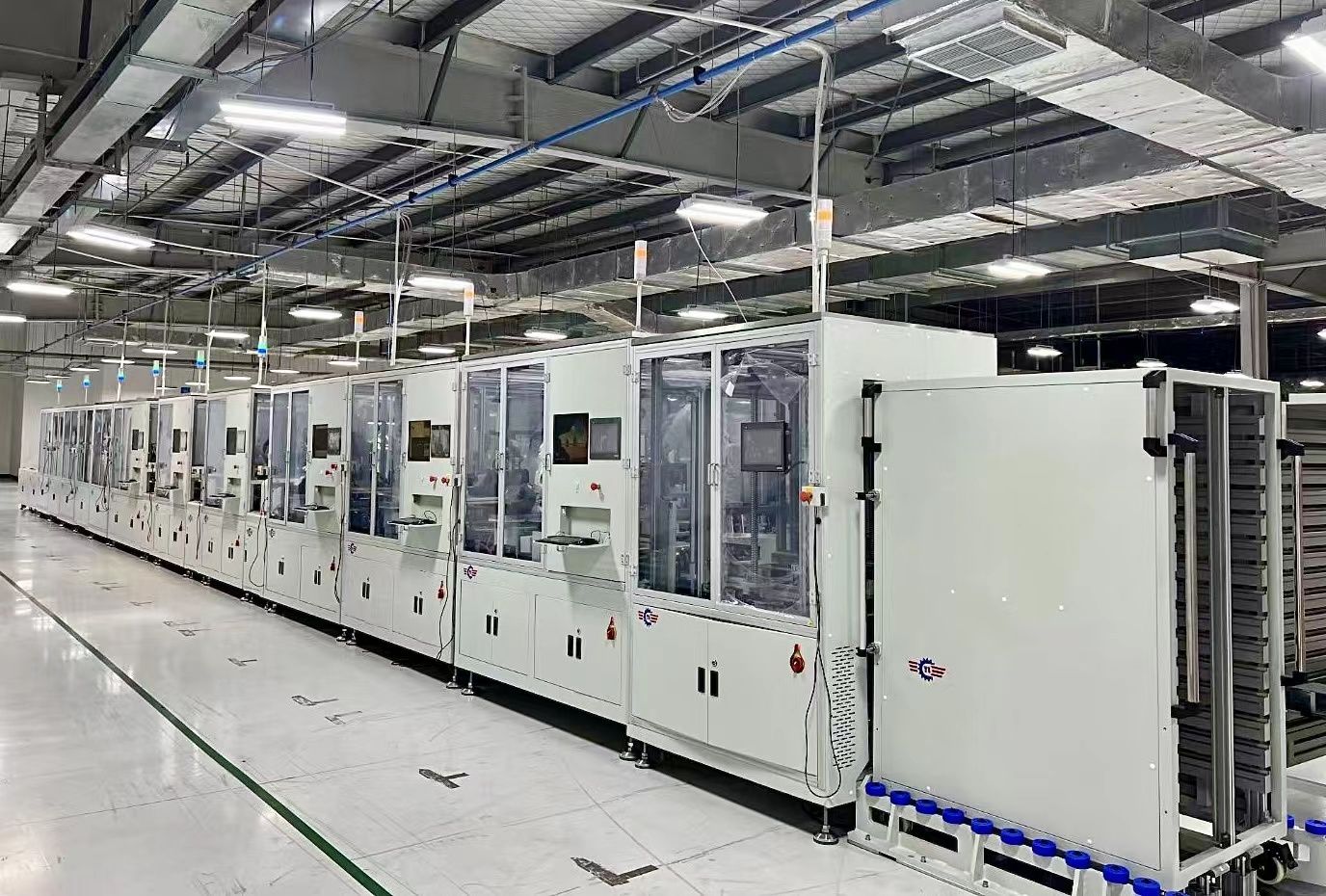
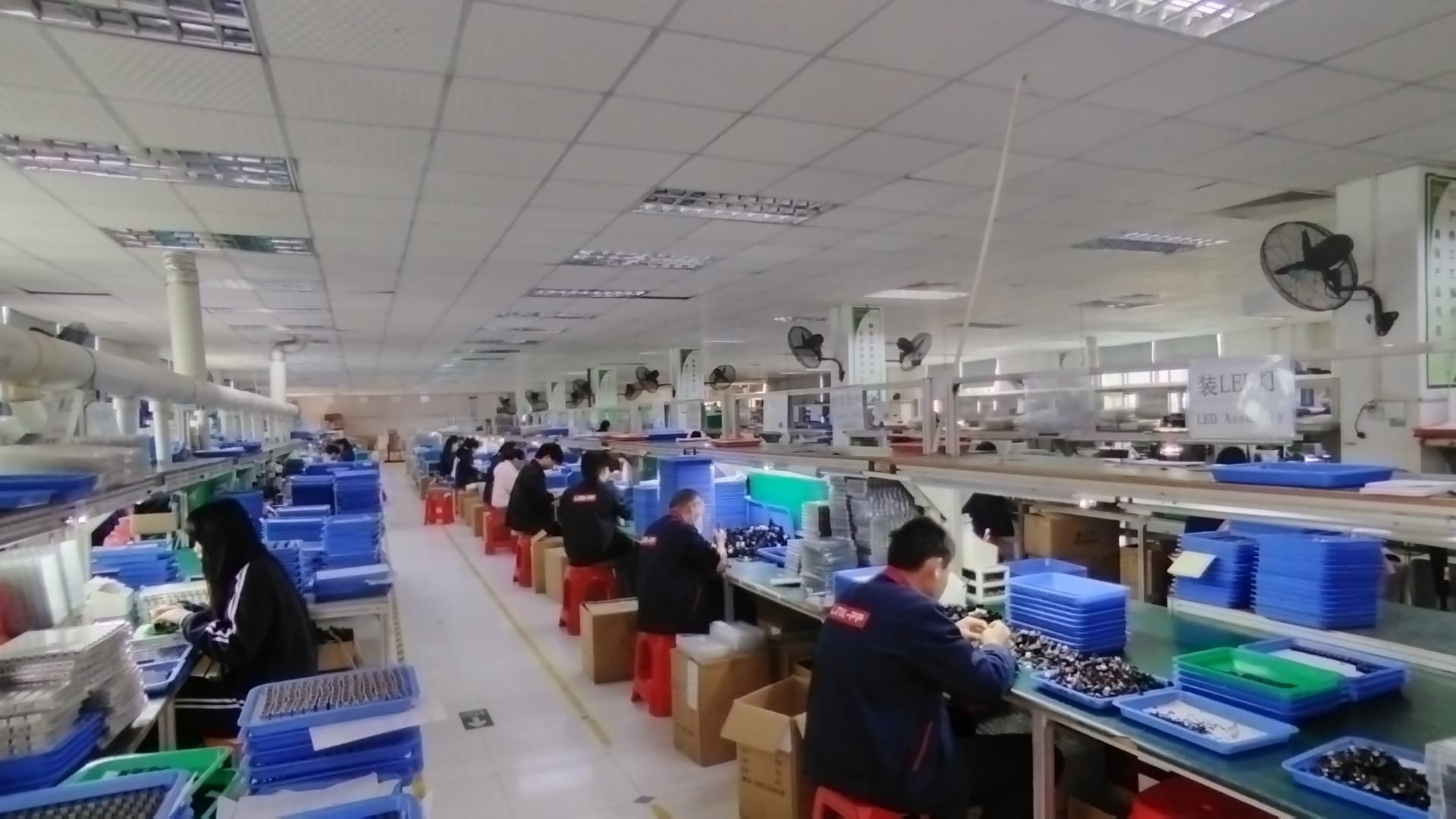
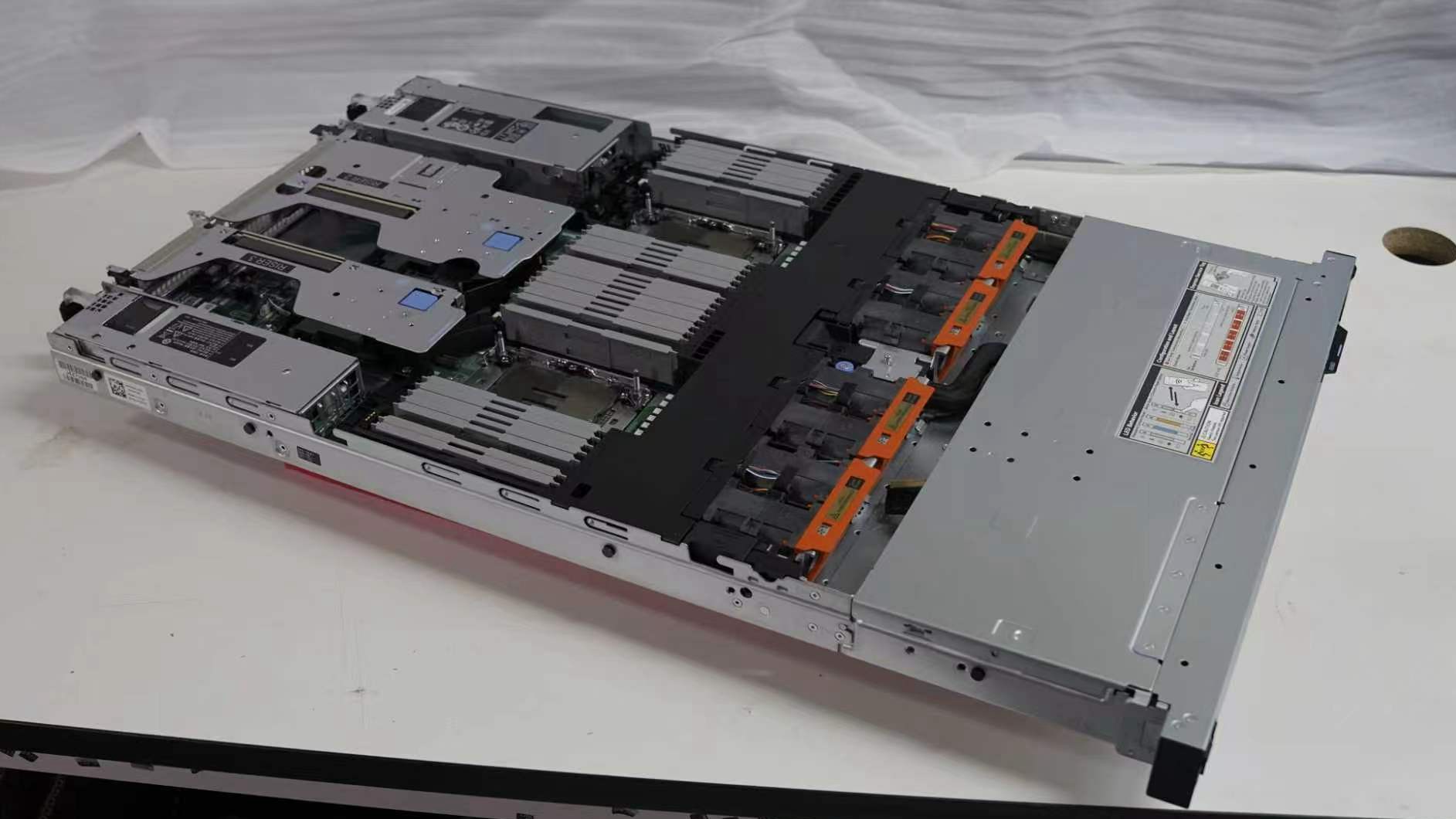
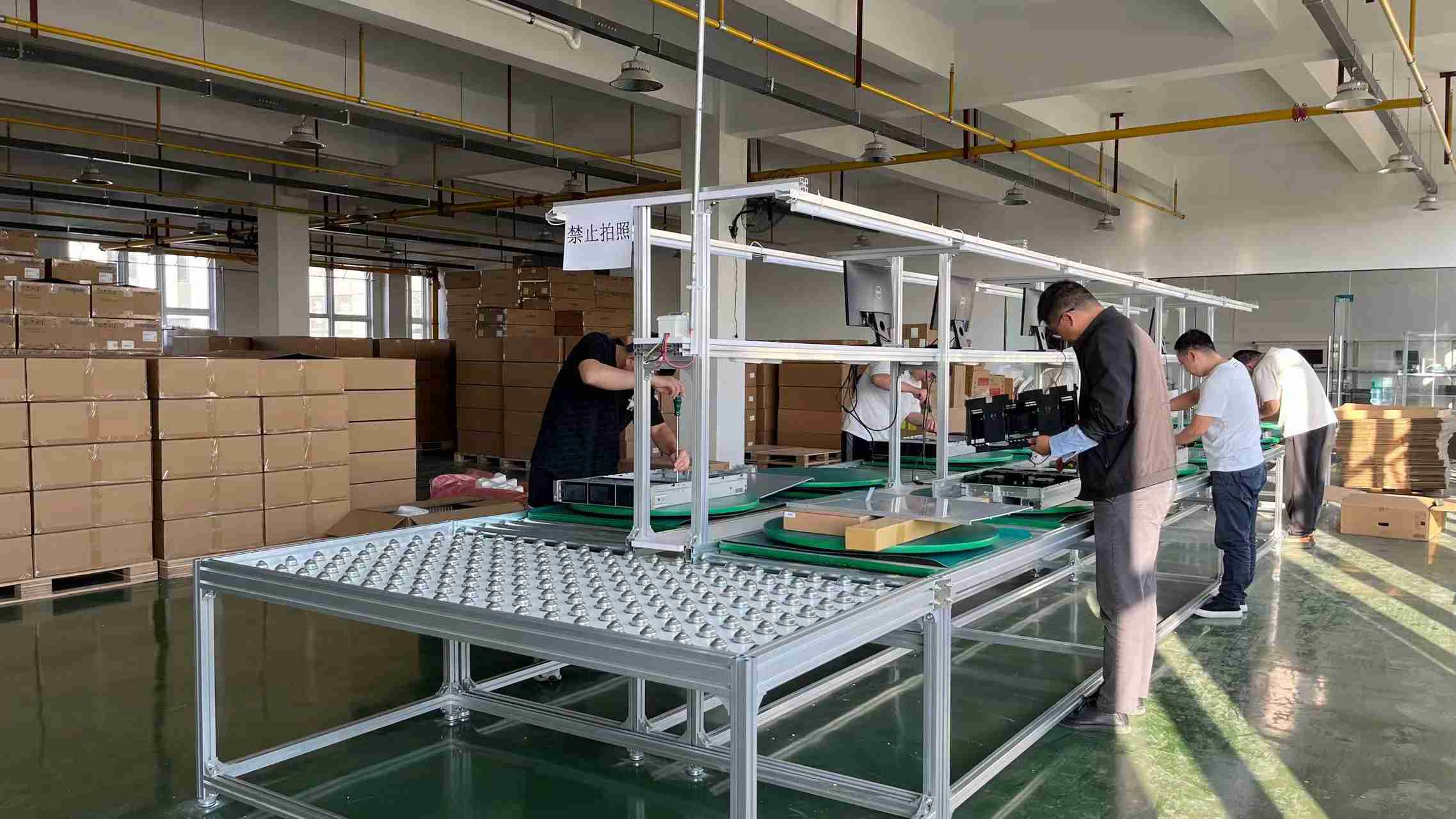
Founded in 2016, Kryntel Memory Technology (China) Co., Ltd. is a leading DDR5 memory manufacturer, specializing in high-performance RAM modules, custom PCBA processing, and smart IoT device hardware. With a modern 320㎡ production facility, our manufacturing lines handle fine-pitch SMT assembly, automated optical inspection (AOI), and high-reliability functional testing. Our annual export revenues range from USD 8 million to USD 18 million, backed by 6 years of export experience and 9 years of semiconductor industry experience.
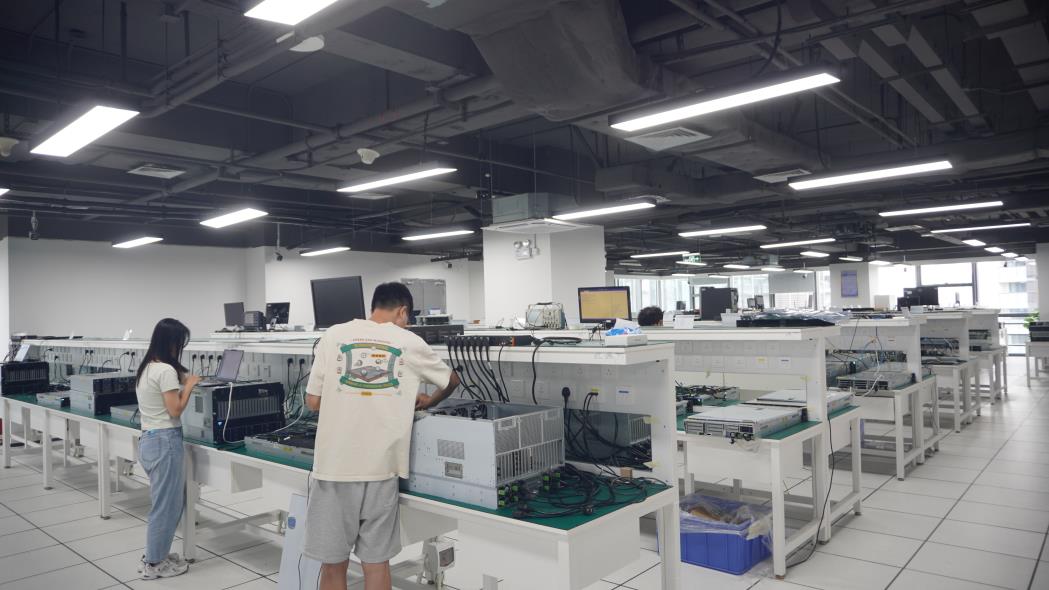
Our quality control system relies on strict multi-stage inspection standards, including incoming material inspection, in-process quality control, aging tests, and final product sampling. We evaluate products using high-temperature aging tests, compatibility testing with major motherboard platforms, bandwidth stress testing, and voltage stability testing. A dedicated QA team of 42 professionals ensures that every batch meets our standards for performance and reliability.
By applying DDR5 layout design principles, we achieve exceptionally low noise floors and high RF transceiver sensitivity on all wireless modules.
We provide full SMT assembly services, customized PCB sizing, variable antenna routing, and custom firmware tuning tailored to your specific application requirements.
We help partners secure international RF certifications, including FCC, CE, IC, MIC, SRRC, and Bluetooth SIG QDID listings.
When selecting a Bluetooth module, it is important to understand key technical differentiators. Below is a comparative overview highlighting the differences between low-cost generic modules and high-performance industrial modules:
| Parameters | Entry-Level Modules | Industrial-Grade Modules | Advanced Kryntel Co-Designed Modules |
|---|---|---|---|
| Bluetooth Version | BLE 4.2 / 5.0 | BLE 5.2 / 5.3 | BLE 5.3 / 5.4 + LE Audio |
| Max TX Power | +4 dBm | +8 to +10 dBm | Up to +20 dBm (with external PA) |
| Receiver Sensitivity | -93 dBm | -97 dBm | -104 dBm (Coded PHY) |
| Operating Temperature | -20°C to +70°C | -40°C to +85°C | -40°C to +105°C (Automotive grade) |
| Antenna Integration | PCB trace only | Ceramic chip / U.FL connector | Custom RF layout matching IPEX/MHF4 |
As standard IoT systems evolve toward edge intelligence, Bluetooth module architectures are changing. Kryntel’s engineering roadmap focuses on three main technological pillars:
 Kryntel