Engineered for high performance, stability, and seamless connectivity within smart infrastructures and home automation networks.
Modern building and residential management paradigms have progressed beyond basic remote-controlled switches and localized setups. The current landscape is defined by edge computing nodes, interconnected IoT gateways, and complex cloud-assisted controls. To maintain continuous operation and handle real-time data flows, today's smart infrastructures require industrial-grade hardware, precise signal management, and high-performance memory modules.
As a leading exporter and manufacturer of specialized memory modules and advanced PCB assemblies, Kryntel Memory Technology (China) Co., Ltd. plays a key role in this technical shift. We supply the primary hardware components that power smart control centers, high-capacity IoT gateways, and dedicated media networks. By using high-speed DDR4 and DDR5 memory modules alongside customized PCB structures, we help automation systems process heavy workloads at the edge, run AI-driven predictive HVAC systems, and manage smart security platforms with minimal latency.
Operating out of a modern manufacturing facility covering approximately 320㎡, Kryntel applies its deep expertise in semiconductor memory and circuit assembly to meet the rising global demand for certified, industrial-grade smart home infrastructure components.
Smart building architectures function as a unified network combining micro-controllers, local communication gateways, and high-speed data servers. To help system integrators and distributors deploy these solutions smoothly, we offer complete hardware support across key operational layers:
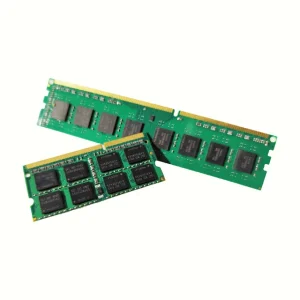
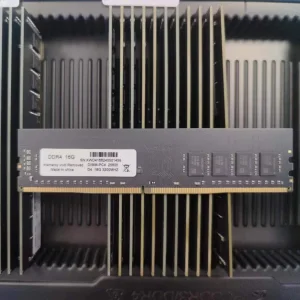
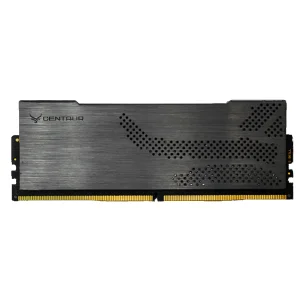
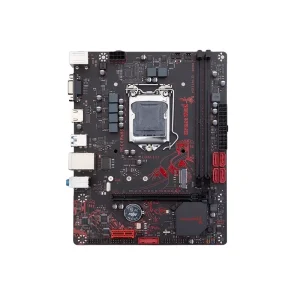
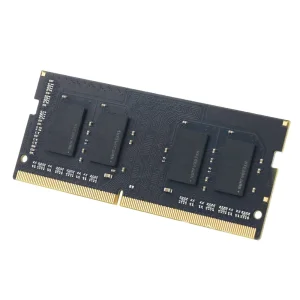
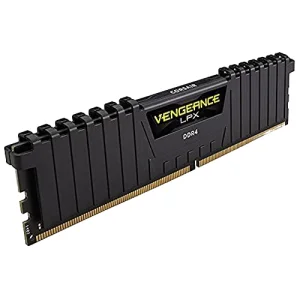
We supply server-grade ECC DDR4/DDR5 memory modules and advanced PCB assemblies to power edge gateways. These components manage localized device networks, coordinate smart home protocols (like Zigbee and Matter), and secure local data handling.
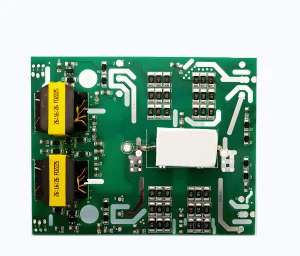
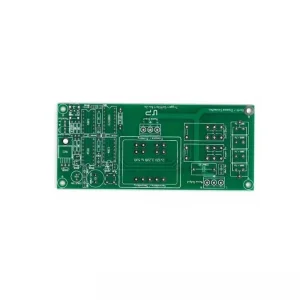
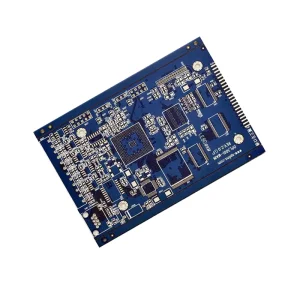
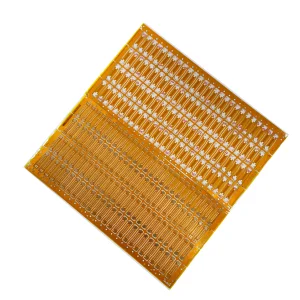
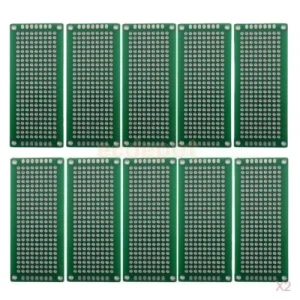
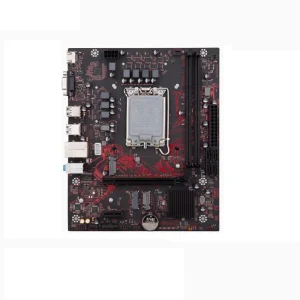
Our custom PCBA services deliver high-density, multi-layer printed circuit boards designed to fit tight controller housings. These boards ensure stable operation for smart thermostats, lighting controllers, and localized access points.
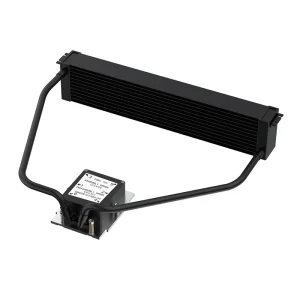
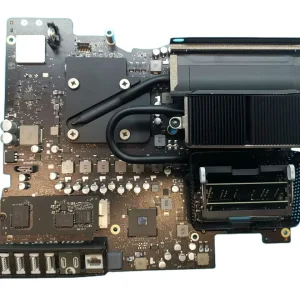
Using integrated water-cooling components and copper/aluminum heat sinks, we protect smart control servers and central power modules from thermal stress, ensuring long-term reliability.
The demand for smart building and home automation systems varies by region, driven by local efficiency regulations, infrastructure styles, and technical environments. We export to key international markets, adjusting our product configurations to meet regional needs:
For B2B buyers and system installers, product safety and standards compliance are essential requirements. Kryntel ensures all export-grade products meet the standards needed for international distribution, with a particular focus on European CE guidelines.
Our testing procedures cover several stages to guarantee field reliability:
| Testing Category | Specific Procedures | Target Objective |
|---|---|---|
| Thermal Aging | Extended operation under high-temperature chambers (up to 85°C) | Eliminates early component failures and ensures long-term stability |
| Platform Compatibility | Testing across mainstream motherboard platforms and industrial processors | Ensures compatibility with global industrial control hardware |
| Voltage Stress & Signal Integrity | Comprehensive voltage sweep and impedance checks | Guarantees clean signal transmission for high-speed data applications |
| EMC Compliance | Testing electromagnetic radiation emissions and resistance | Meets CE standards for minimal interference with residential electronics |
We work with a global network of roughly 1,200 upstream and downstream suppliers to source authentic DRAM chips and high-grade laminates. Supported by our 42-member Quality Assurance department, this supply network ensures consistent, high-yield manufacturing runs and reliable component sourcing for our global partners.
As a specialized manufacturer, we offer comprehensive customization (OEM/ODM) services to match the specific needs of diverse automation systems:
As home automation networks shift toward local machine learning models, hardware architectures must evolve. Our R&D team of 160 engineers is focusing on several key developmental areas to support next-generation smart systems:
1. Low-Power High-Bandwidth Storage: Developing next-generation DDR5 configurations to handle local AI processing for voice recognition and occupancy prediction without drawing excessive power.
2. Compact Modular Configurations: Moving toward CAMM2 and highly integrated system-in-package (SiP) structures to save space in wall-mounted controllers.
3. Enhanced Physical Durability: Implementing advanced conformal coatings and anti-sulfurization components to protect smart home modules operating in humid, coastal, or industrial environments.
A look inside our advanced manufacturing, testing, and development facilities designed for precision component assembly.
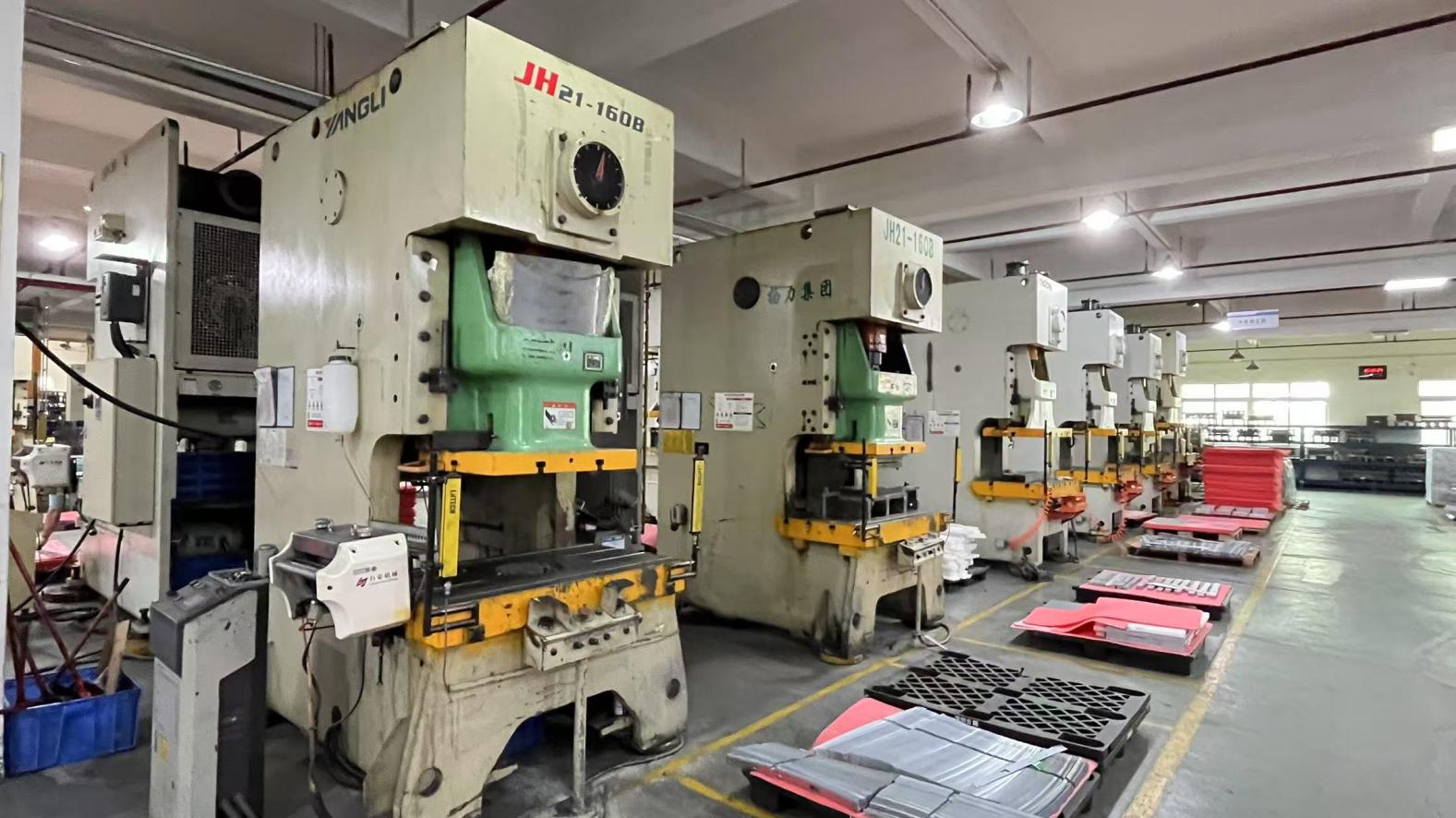
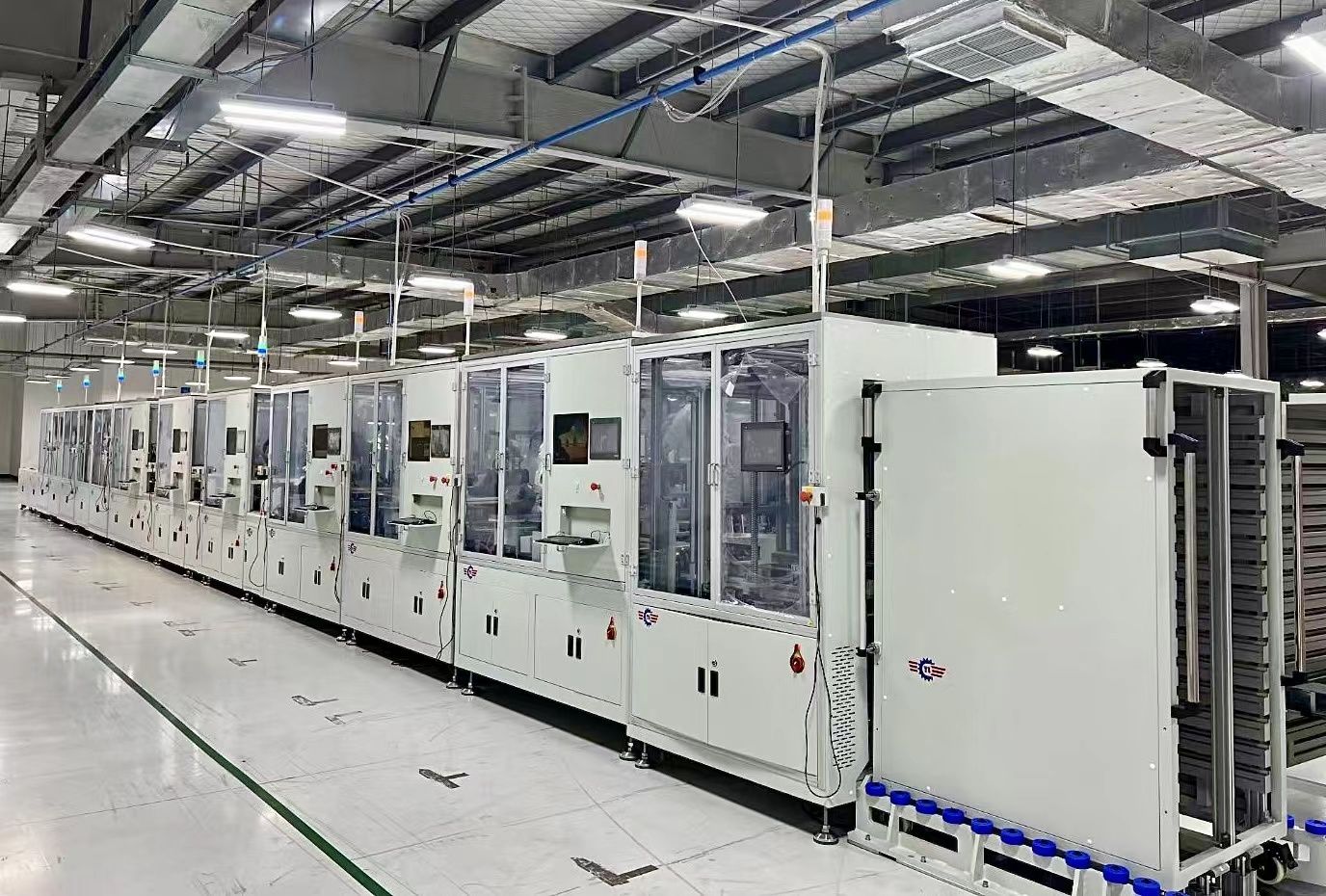
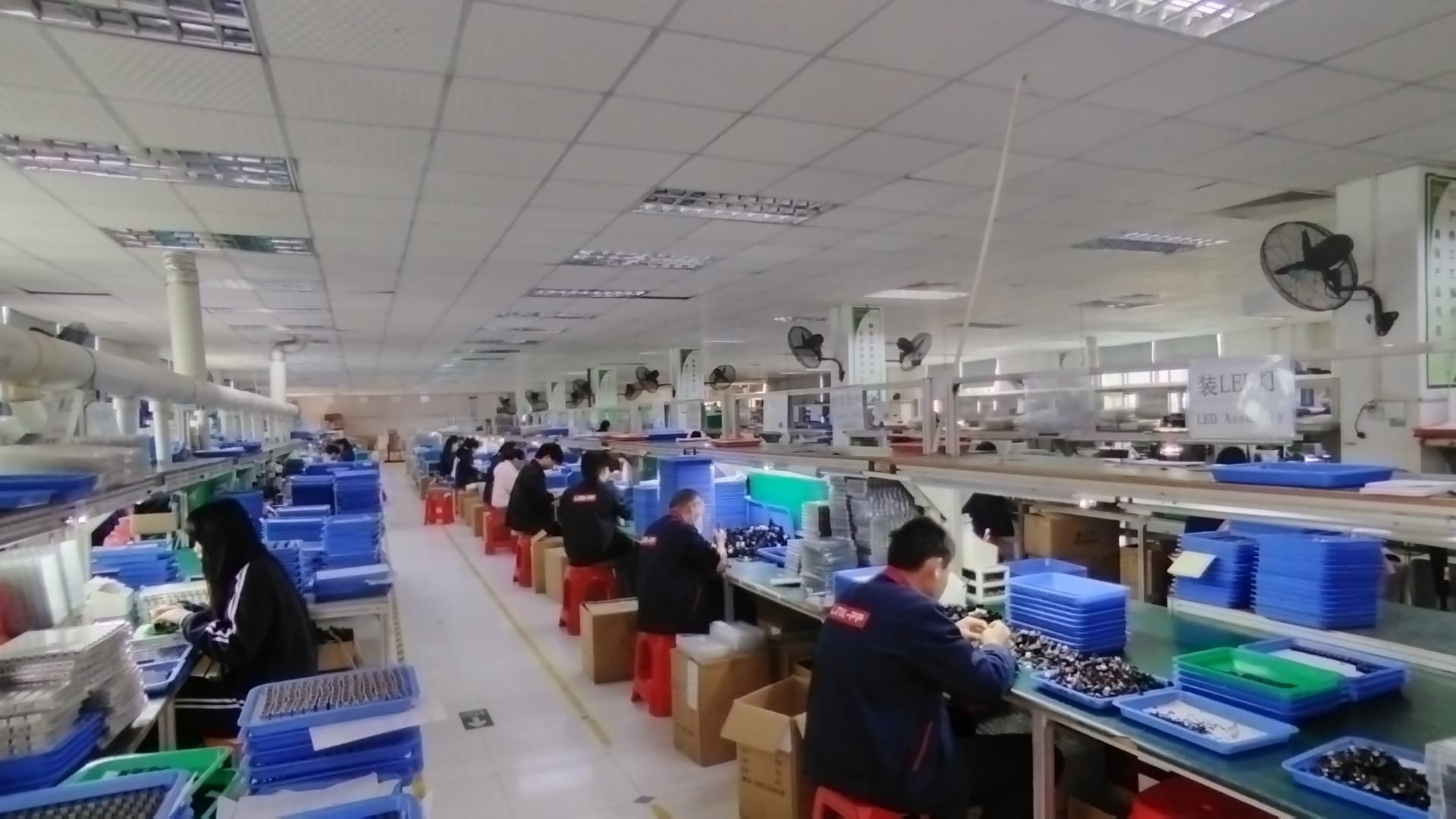
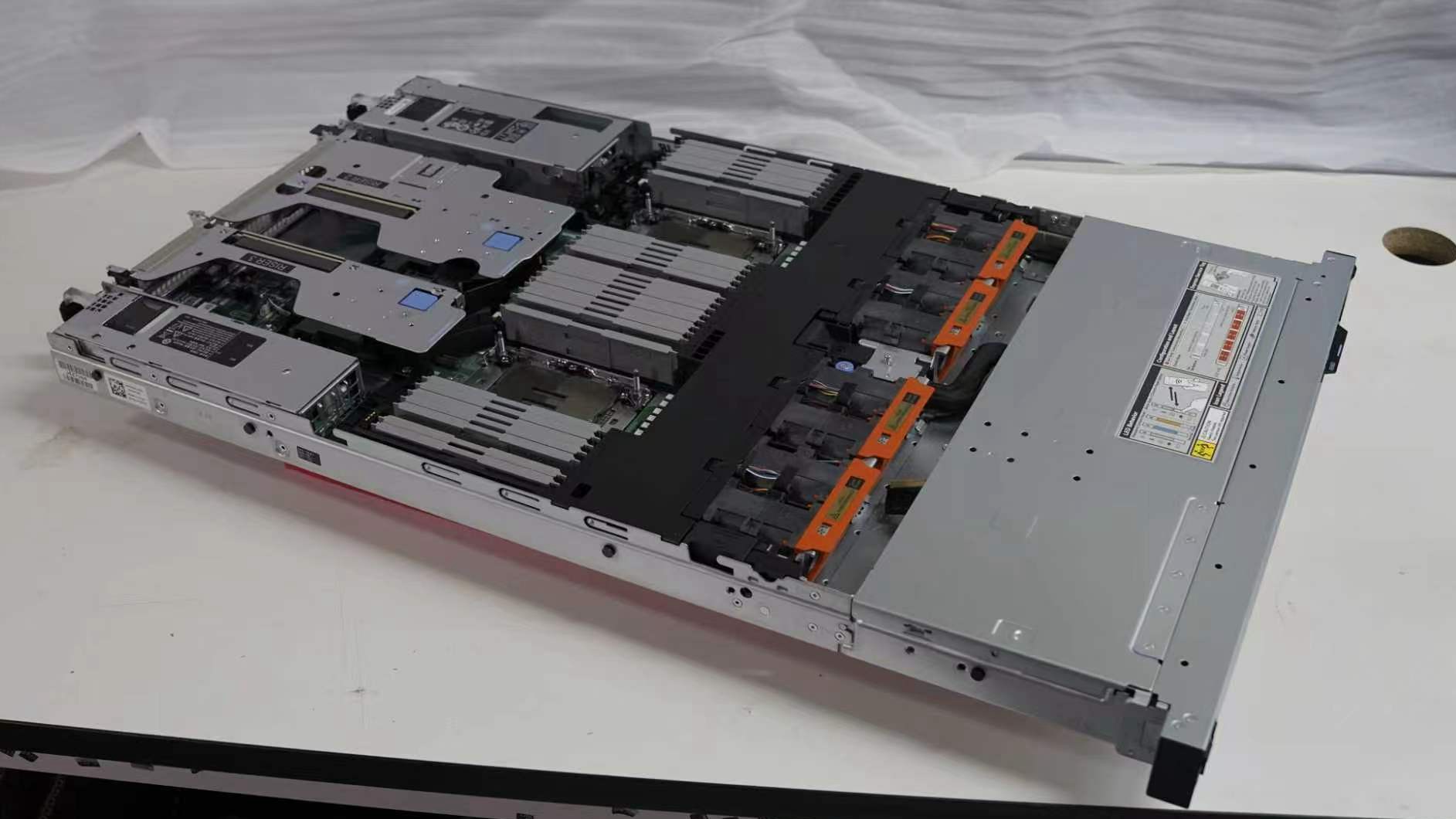
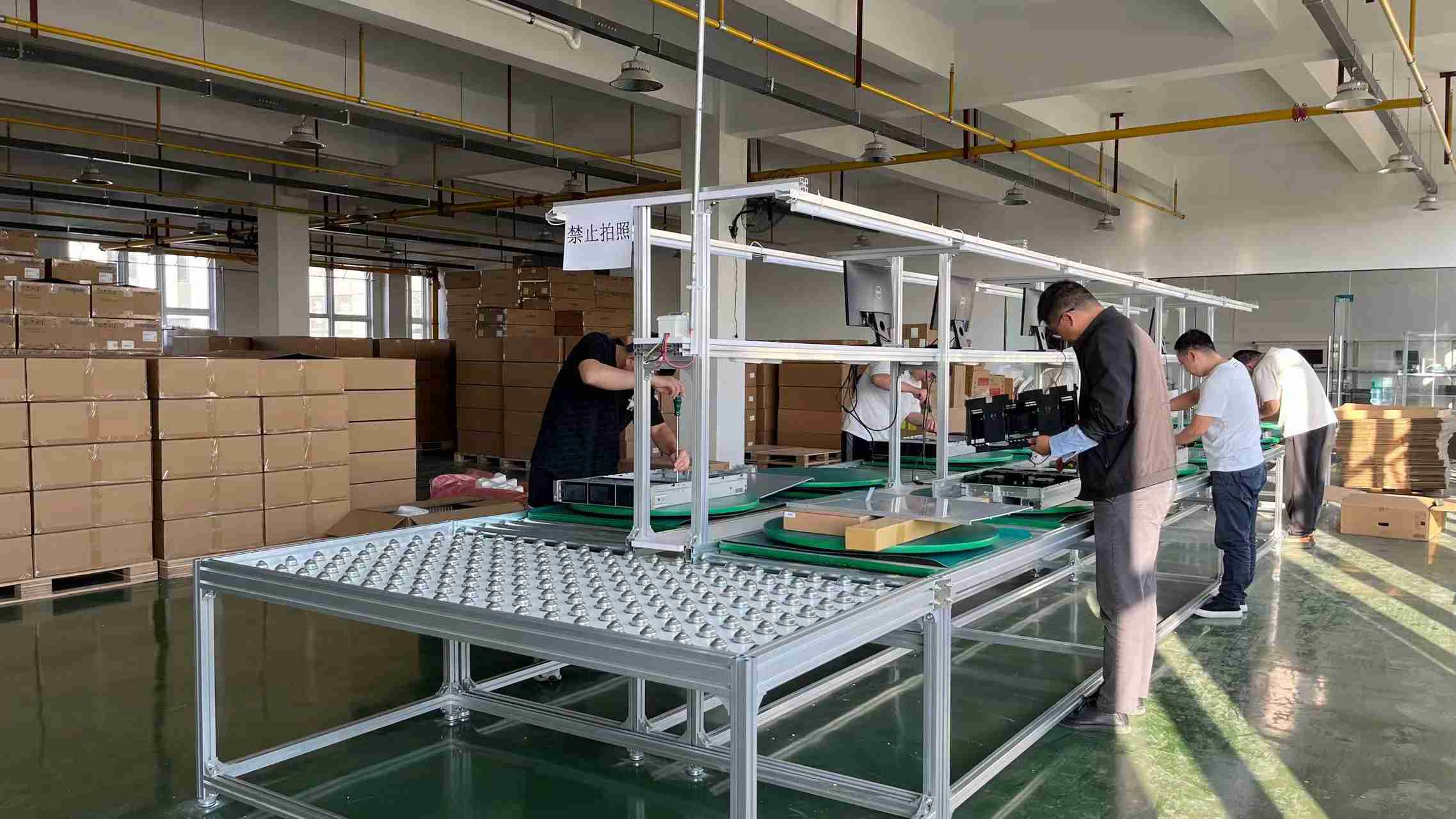
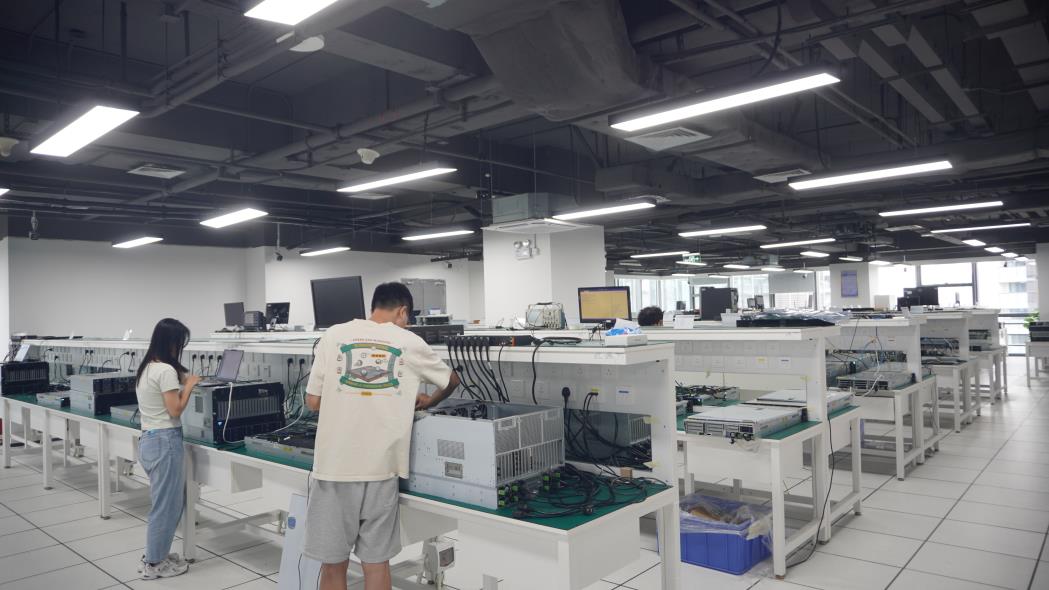
Answers to common B2B queries regarding compliance, customization, shipping, and ordering procedures.
We design and manufacture our circuit assemblies (PCBAs), motherboards, and memory modules to meet the electromagnetic compatibility (EMC) and safety requirements needed for CE certification. By maintaining strict control over signal paths and thermal dissipation, our components help system developers pass overall product certifications more easily.
MOQ limits depend on the depth of customization. Standard high-performance memory modules generally have low MOQs, while specialized, multi-layer custom PCB designs or specific heat-sink assemblies may require larger production runs. Contact our sales department to discuss your project requirements.
We keep an active inventory of mainstream motherboards, industrial chipsets, and operating environments in our testing lab. Every product design undergoes strict compatibility runs to ensure it works reliably alongside global smart home and industrial equipment.
Standard memory module orders are usually prepared and shipped within 2 to 3 weeks, depending on current inventory. Custom OEM/ODM runs, including custom design phases, manufacturing setup, and quality testing, typically require 4 to 6 weeks.
Over the years, we have built relationships with about 1,200 reliable supply chain partners. This wide network helps us maintain access to genuine wafer allocations and essential electronic components, allowing us to keep production schedules steady even during market fluctuations.
Additional custom circuits, memory expansions, and thermal components for high-reliability automation setups.
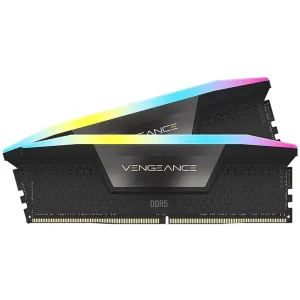
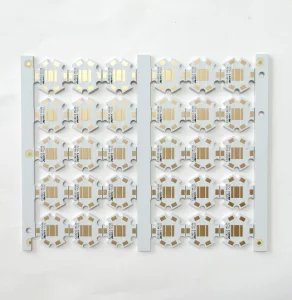
 Kryntel