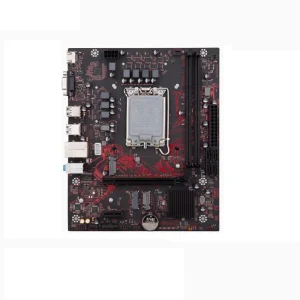
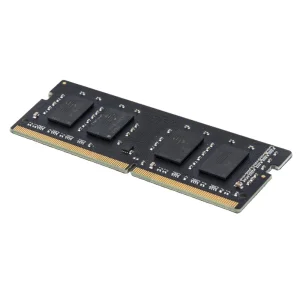
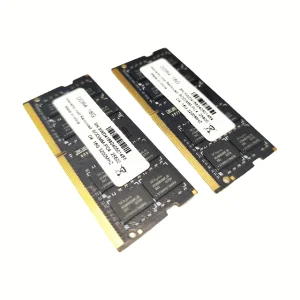
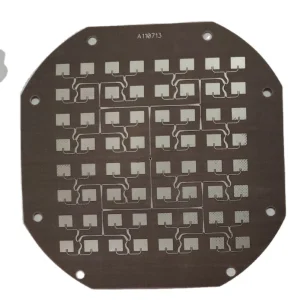
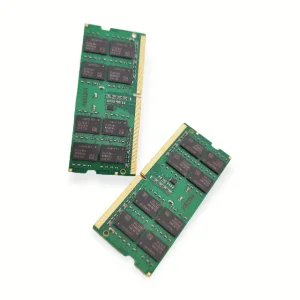
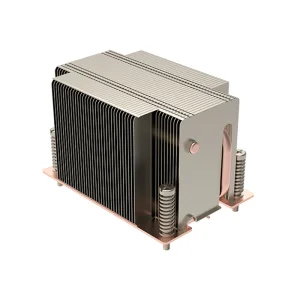
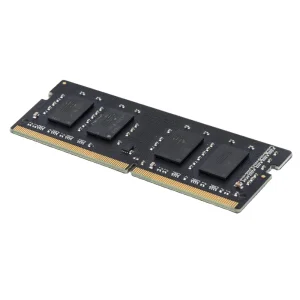
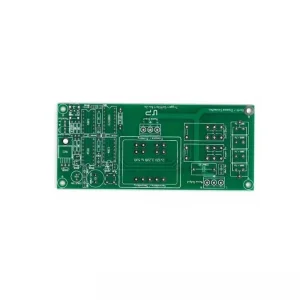
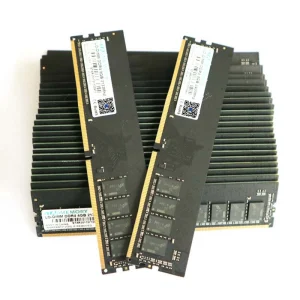
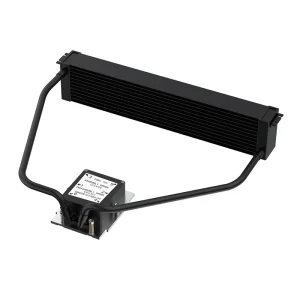
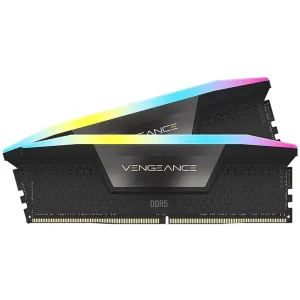
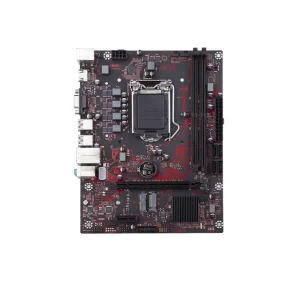
Explore our premium selection of logic assemblies, high-conductivity metal core substrates, and specialized hardware units engineered for demanding compute environments.
In high-reliability semiconductor packaging and power conversion, thermal resistance is the ultimate engineering challenge. Aluminum Circuit Boards (commonly referred to as Metal Core PCBs or MCPCBs) represent a crucial breakthrough in thermal management, offering up to ten times the thermal dissipation efficiency of traditional FR4 substrates.
By bonding a copper circuit layer to a thermally conductive dielectric layer, which is itself anchored to an aluminum base plate, we create a direct heat highway. This design minimizes structural thermal resistance ($R_{th}$), significantly lowering junction temperatures of active components like power LEDs, high-speed microprocessors, and automotive motor driver switches.
Through meticulous engineering using premium ceramic-filled dielectrics and high-frequency materials such as Taconic TLY-5, our manufacturing lines achieve mechanical profiles as thin as 0.254mm. This design optimizes both signal integrity and spatial footprint, ensuring robust performance under demanding conditions.
A trusted global partner in high-performance memory modules and metal core circuit boards assembly.
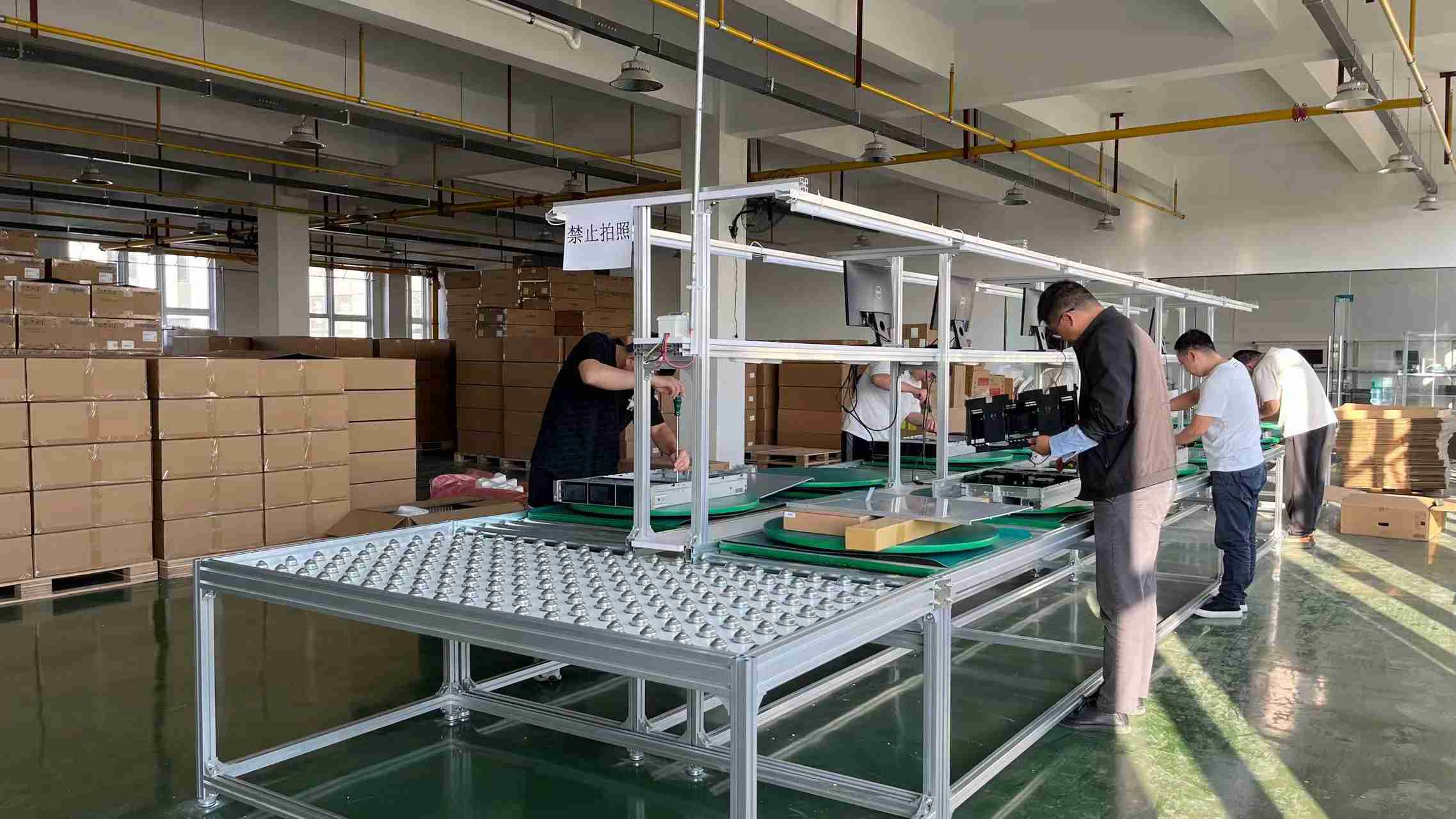
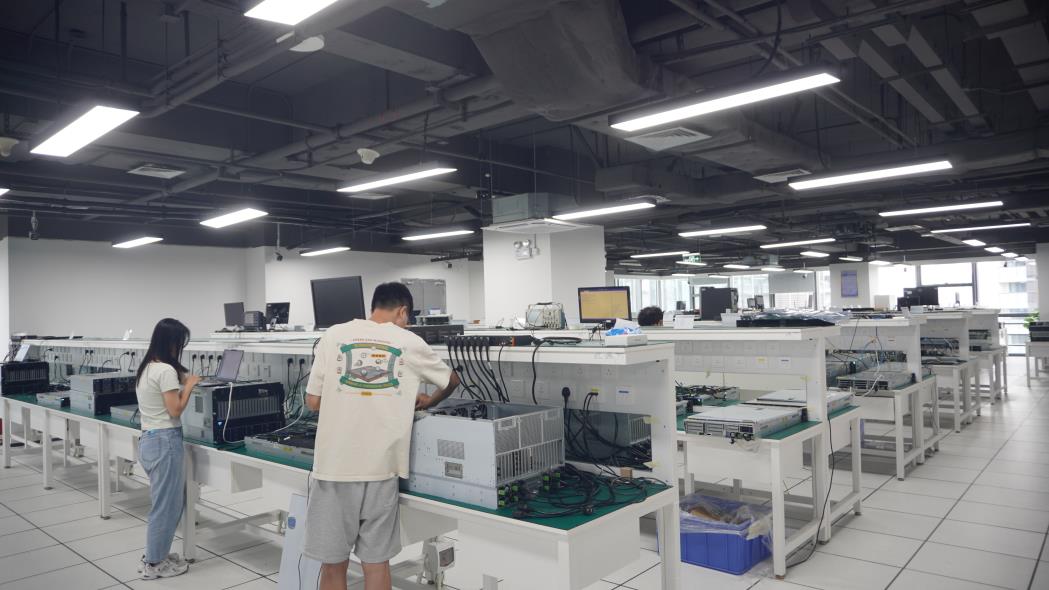
Founded in 2016, Kryntel Memory Technology (China) Co., Ltd. has established itself as an industry leader in manufacturing high-performance RAM modules, advanced thermal substrates, and server-grade cooling systems. Operating from our advanced facility with specialized testing laboratories covering 320m², we design stable, energy-efficient memory and circuit interfaces tailored for high-speed computing, data center hardware, and automotive power electronics.
Over the years, we have built a resilient export architecture, recording annual export revenues of USD 8 million to USD 18 million. Supported by 9 years of overall semiconductor manufacturing experience and 6 years of international trade operations, our technical teams provide seamless OEM/ODM integration, from initial CAD layout validation to final multi-stage stress inspections.
Our global supply chain leverages a robust network of over 1,200 upstream and downstream partners. This deep integration guarantees the reliable sourcing of premium grade DRAM ICs, specialized Taconic prepregs, and raw aluminum clads (such as 5052 and 6061 alloys) even amid volatile global logistics conditions.
How industries across key regions deploy our CE-Certified Aluminum Circuit Boards to tackle specific thermal challenges.
Application: High-Density Servers & RF Systems. Data centers utilizing advanced water-cooled AM5/SP5 processors deploy our thin-core aluminum substrates to dissipate heat from voltage regulator modules (VRMs). This prevents motherboard flex and thermal throttling under dense virtualization workloads.
Application: EV Power Inverters & Charging Piles. Strict compliance with CE directives and RoHS regulations drives German automotive system integrators to source our aluminum circuit boards. These boards provide isolation and direct thermal dissipation for 800V silicon carbide (SiC) EV charging structures.
Application: Industrial Control Systems. Steel mills and sugarcane automation hubs utilize our heavy copper aluminum core PCBs. They withstand localized ambient heat and sudden load fluctuations in high-torque motor control cabinets.
Application: Smart City LED Infrastructures. In outdoor high-lux architectural lighting grids exposed to extreme desert heat, standard FR4 substrates degrade quickly. Our aluminum boards prevent yellowing and mechanical failure, keeping structural installations active for years.
Review the exact mechanical tolerances and material classes driving our zero-defect manufacturing lines.
High-frequency microwave circuits operating above 5 GHz face challenges with dispersion and signal loss on standard FR4 layers. By incorporating Taconic TLY-5 laminates (dielectric constant $\epsilon_r$ of 2.20) at a precise thickness of 0.254mm directly onto a rigid aluminum base, we achieve low loss tangents and uniform impedance controls.
This specialized design provides the structure needed to dissipate heat from high-frequency power amplifiers while maintaining a clean ground plane. It prevents signal distortion caused by localized thermal expansion, ensuring reliable performance in demanding high-frequency applications.
Integration of thin-film ceramic layers (<50μm) with thermal conductivities up to 8.0 W/m-K to meet demand for compact power modules.
Refining automated via filling processes for multi-layer MCPCBs. This enables 3D-integrated component placements on high-density circuits.
Developing bio-degradable, highly recyclable metal bases. These support the circular economy initiatives adopted by global electronics brands.
How our strategic location, automated facilities, and supply chain partners support reliable logistics for global buyers.
We run a multi-stage QA workflow overseen by our 42-member testing team:
Located in the South China electronics manufacturing hub, our facility leverages close proximity to key domestic material refineries. This gives us access to raw copper foil, refined aluminum, and specialized prepreg materials with minimal shipping lag.
This regional advantage helps us reduce manufacturing lead times, allowing us to complete standard prototype runs in 3 to 5 days, and scale to full production runs within 2 weeks. Additionally, our relationships with over 1,200 supply chain partners ensure access to stable material supplies, insulating our production schedules from broader market shifts.
For our global clients in high-reliability fields, this supply chain strength ensures consistent quality, predictable lead times, and stable pricing, even during peak global demand periods.
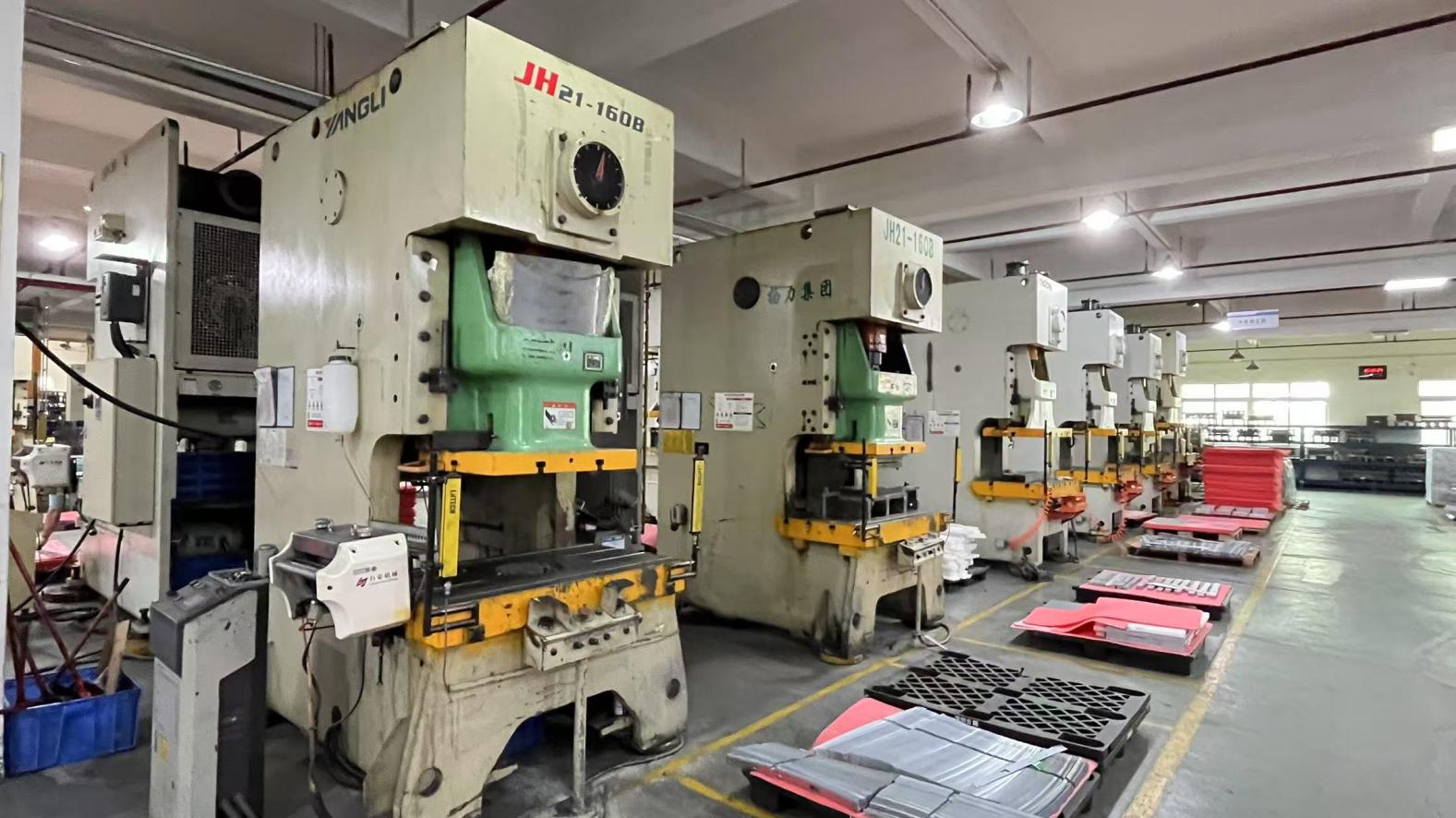
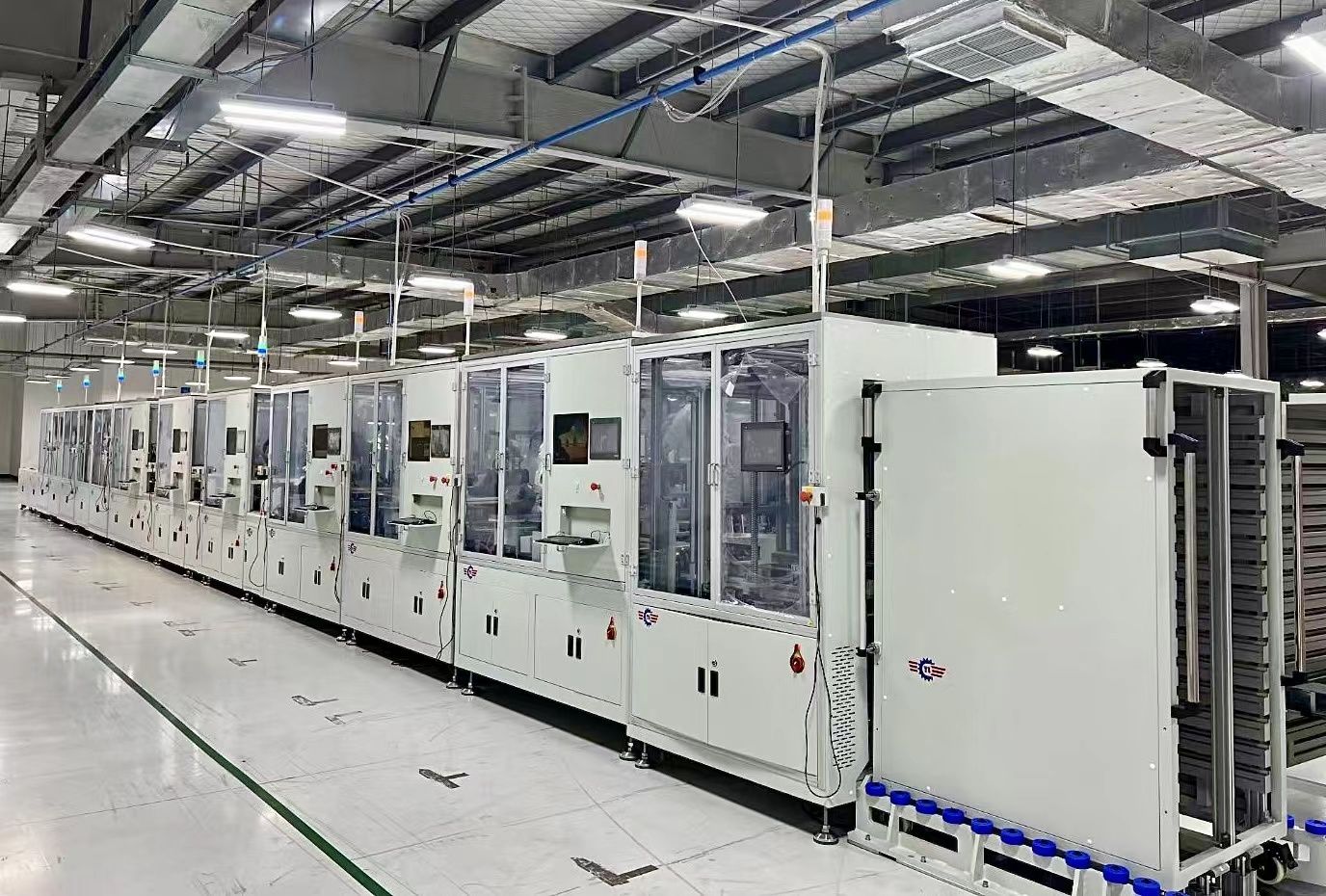
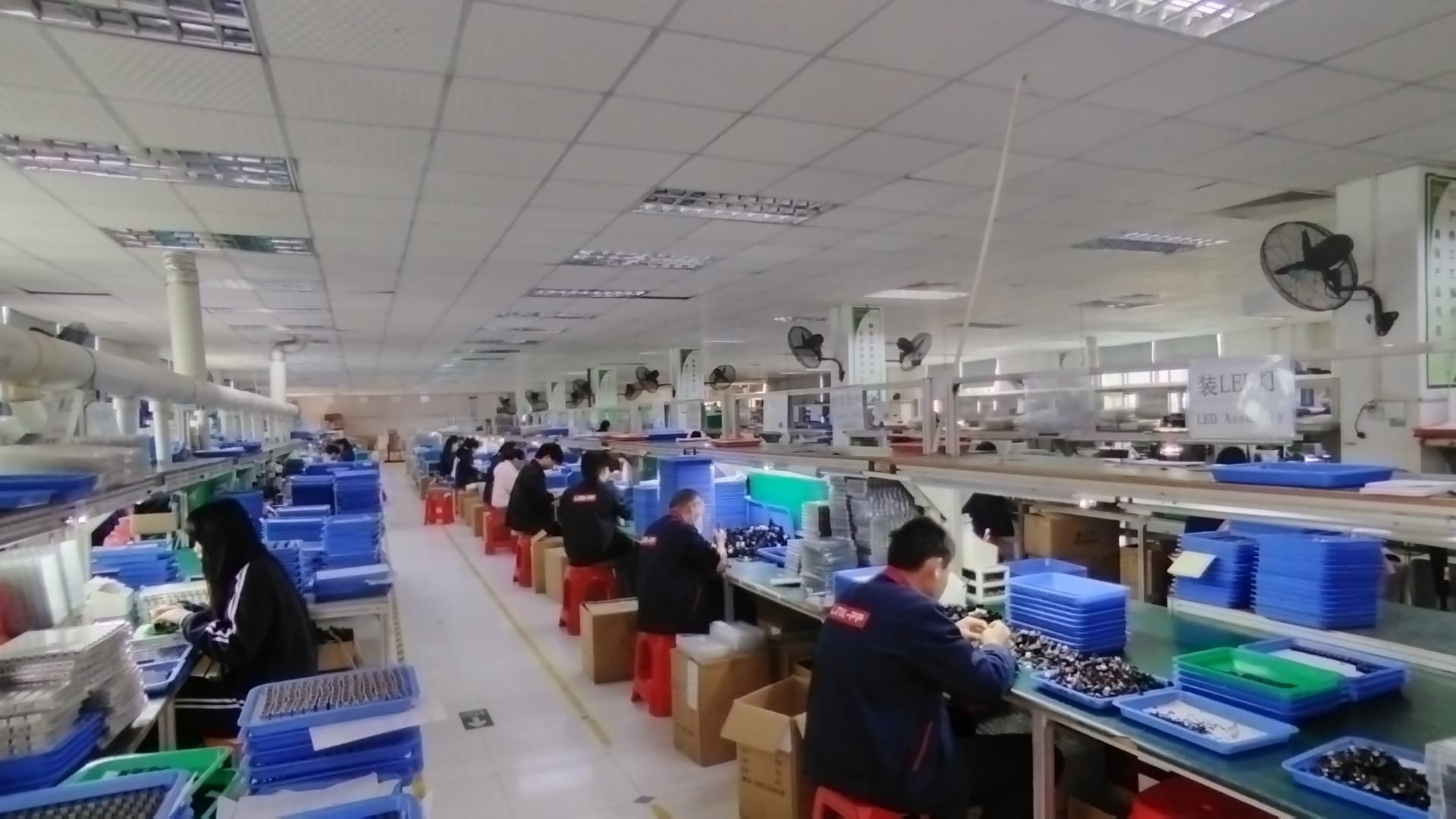
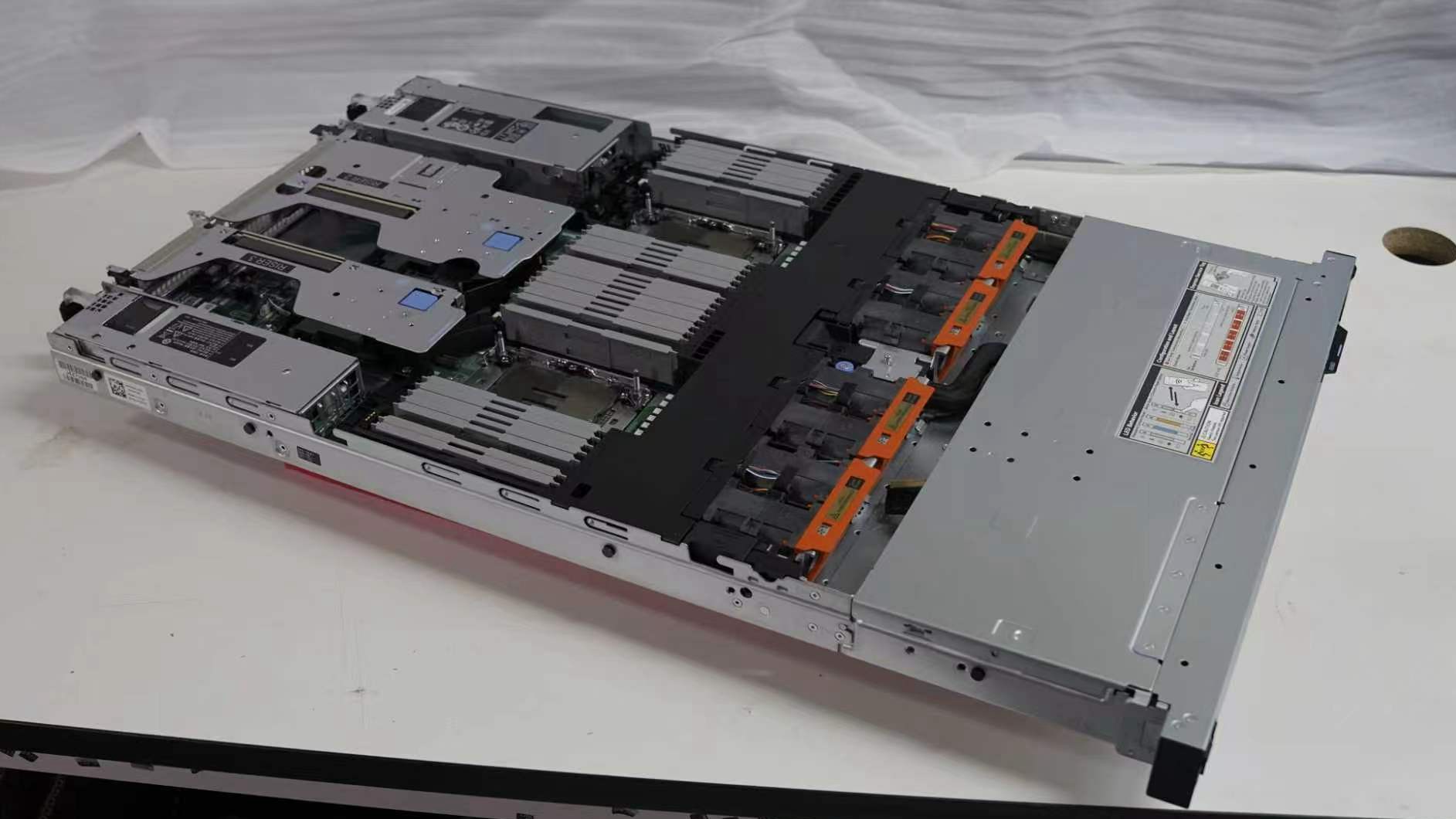
Take a closer look at our cleanrooms, automated SMT lines, and testing equipment.
Find answers to common questions about our material properties, processing capabilities, and order processes.
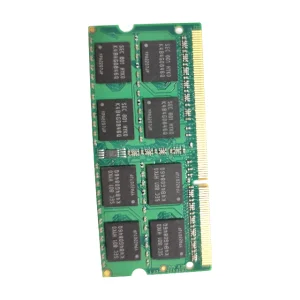
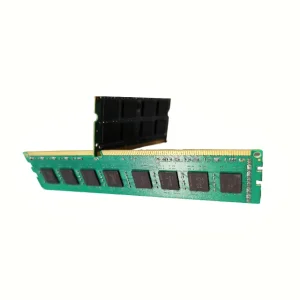
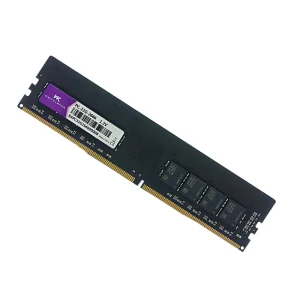
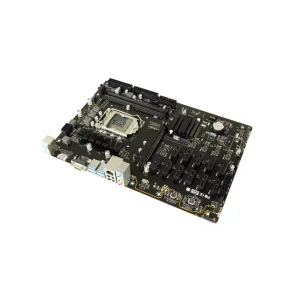
Complete your hardware setups with our range of high-speed memory modules, multi-socket motherboards, and passive server coolers.
 Kryntel