UVC LED Manufacturers & Exporters in the Finland Market

High-reliability optoelectronic control subsystems, server thermal solutions, and multilayer PCBs driving high-efficiency germicidal irradiation networks in the Nordic region.

Send Inquiry Now

Whitepaper: Industrial UVC LED Ecosystem & Subsystem Optimization in Finland

The global shift towards clean technology has placed the Nordic region, particularly Finland, at the forefront of advanced ultraviolet (UV) sterilization applications. UVC LEDs (operating in the wavelength range of 260nm to 280nm) have rapidly replaced mercury-based lamps in water treatment, air purification, and surface disinfection due to their energy efficiency, instant-on capabilities, and non-toxic footprint. However, deploying reliable industrial-grade UVC systems requires much more than simply sourcing the LED packages; it demands highly stable electrical drive electronics, advanced thermal management subsystems, and robust telemetry computing units.

Critical Thermal Challenge of UVC LEDs

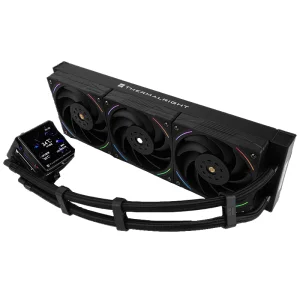
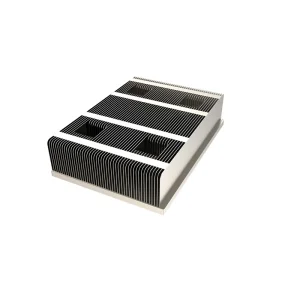
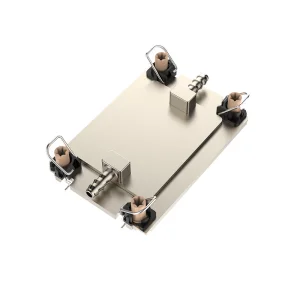
Unlike visible LEDs, UVC LEDs have a relatively low wall-plug efficiency (WPE), typically converting only 5% to 15% of input electrical power into ultraviolet light. The remaining 85% to 95% is converted into heat concentrated at the microscopic LED junction. Because UVC output drops drastically as junction temperatures rise, the integration of active water cooling blocks and high-conductive copper/aluminum heatsinks is critical to maintaining sterilization reliability and ensuring the system's operational lifetime (L70 > 10,000 hours).

1. Finland's Commercial & Industrial Demands

Finland’s geographic and industrial configuration shapes its strict criteria for disinfection technologies:

  • Municipal Water Purification: With over 188,000 lakes, Finland relies heavily on advanced water purification systems. Municipal plants in Helsinki and Tampere are increasingly transitioning to chemical-free UVC LED reactors for drinking water and wastewater treatment, requiring long-lifetime components that can handle freezing winter temperatures.
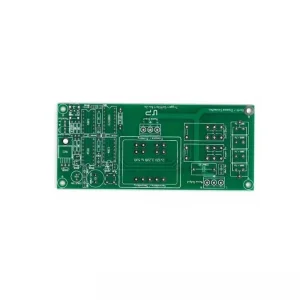
  • Smart HVAC Systems in Cold Climates: Energy-efficient buildings in Helsinki utilize heat recovery ventilation. To maintain indoor air quality without increasing air exchange energy costs, in-duct UVC LED systems are integrated. These require compact, high-efficiency constant-current driver PCBs.
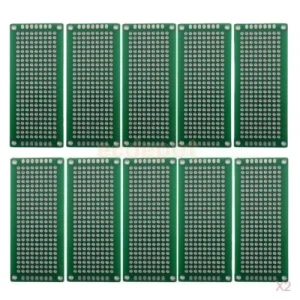
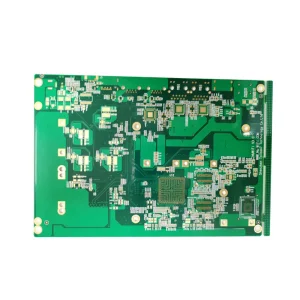
  • Marine and Maritime Industries: Finnish maritime companies require specialized ballast water treatment systems that rely on high-intensity, shock-resistant UVC reactors. The control electronics must be built on high-durability 4-layer PCBs certified for high-vibration maritime environments.

2. Global Enterprise Procurement Requirements

Global procurement teams targeting the Finnish and wider European markets must satisfy strict technical and regulatory compliance criteria. Subsystem components must show proof of compliance, consistent manufacturing repeatability, and optimized thermal pathways:

Compliance & Safety

Mandatory CE, RoHS, and FCC certifications, validating zero ozone emissions and complete safety for end-users.

Reliability Assurance

Rigorous multi-stage burn-in and aging tests under extreme temperatures to ensure consistent output.

Advanced Thermal Design

Low thermal resistance designs utilizing copper substrates and water cooling loops to maximize chip lifespan.

3. Macro-Level Industry Solutions: Systems Architecture

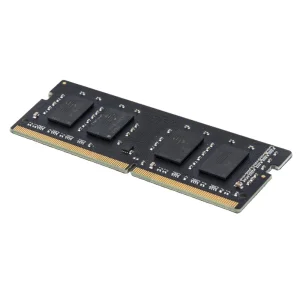
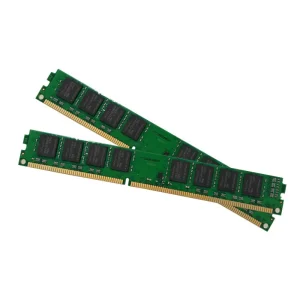
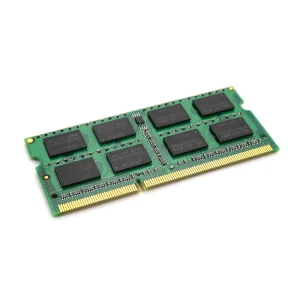
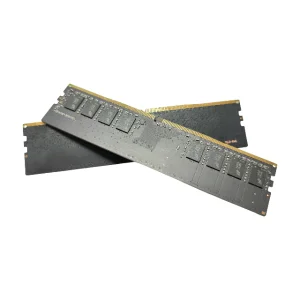
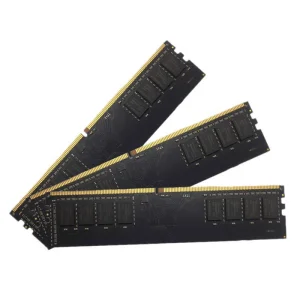
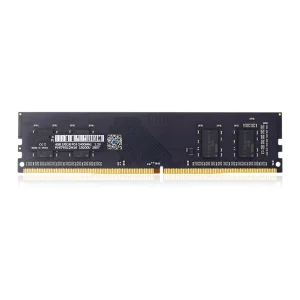
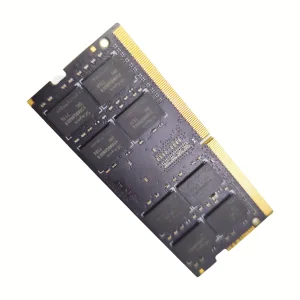
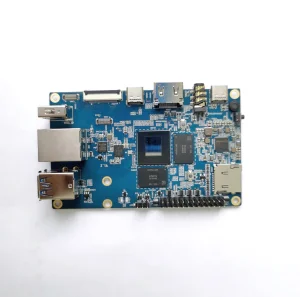
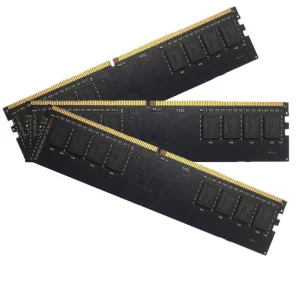
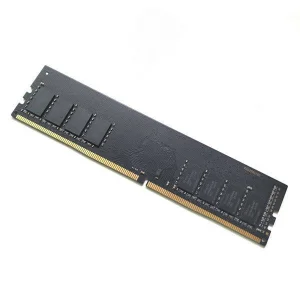
To implement an effective germicidal disinfection grid, a macro system architecture is utilized. This layout links the UVC LED emitters with high-precision driver circuits (PCB assembly) and active heat rejection systems (cooling blocks and heatsinks), all monitored by industrial telemetry units powered by high-speed memory systems (DDR4/DDR5) and embedded processors (such as Rockchip RK3588S controllers).

4. Technology Roadmap: The Shift to Solid-State Disinfection

By 2026, regulatory bans on mercury-based lamps under the Minamata Convention will accelerate the demand for high-power solid-state UVC solutions. The technology roadmap points toward:

  1. Higher Wavelength Precision: Targeting the absolute peak absorption wavelength of pathogens at 265nm to optimize germicidal efficacy.
  2. Edge-AI Driven Automation: Integrating smart sensors and microcontrollers to adjust UVC output based on real-time biological load and water turbidity.
  3. Optimized Subsystem Integration: Sourcing high-durability component assemblies from experienced semiconductor and PCB manufacturers to reduce overall operational expenses (OPEX).

Kryntel Memory Technology

Founded in 2016, Kryntel is a high-performance electronics manufacturer supplying robust components for industrial, server, and custom optoelectronic applications worldwide.

  • 320㎡ Modern Facility
  • 42 QA Team Experts
  • 160 Research Engineers
  • $8M - $18M Export Revenue
  • CE / FCC / RoHS Standards

Looking for bespoke thermal management, custom PCBs, or industrial memory controllers for your disinfection systems in Finland?

Get Custom Quote
9+
Years Industry Experience
1,200+
Global Supply Partners
280+
Products Launched Annually
100%
Strict QA Verification

Frequently Asked Technical Questions

Important answers regarding industrial components, thermal design, and system integration in the Nordic market.

Why is thermal management critical for industrial UVC LED installations?
UVC LEDs convert most of their input electrical energy into heat instead of light. If this heat is not quickly dispersed, the junction temperature rises, causing a drop in UVC output and accelerating the degradation of the LED chip. Using advanced copper/aluminum heatsinks or liquid cooling blocks is essential to protect the system's performance and ensure long-term stability.
What type of PCB designs are recommended for high-reliability UVC LED driver boards?
Multilayer FR4 boards with thermal vias, or Metal Core PCBs (MCPCBs), are typically used. Our 4-layer KB6160 FR4 circuit designs provide the structural integrity and layout flexibility needed to handle complex constant-current driver circuits, helping to isolate heat from sensitive electrical components.
How does Kryntel verify the quality of its components for industrial applications?
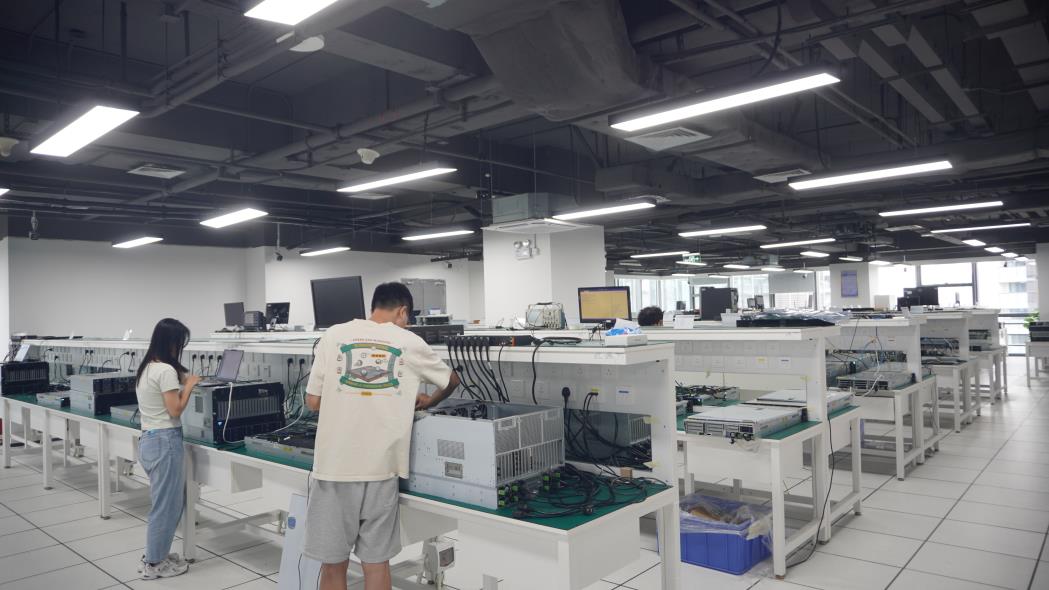
We follow a multi-stage inspection process that includes testing incoming materials, monitoring in-process quality, and conducting final product sampling. We also perform high-temperature aging tests, compatibility testing with major system platforms, and voltage stability testing to ensure reliable performance under continuous industrial loads.
Does Kryntel provide custom ODM/OEM solutions for Nordic projects?
Yes. Our R&D department can customize PCB layouts, develop advanced cooling plates, optimize signal transmission, and adjust parameters to fit specific project needs. We support our partners in Finland and across the EU with tailored electronics and hardware engineering services.

Expanded Product Catalog

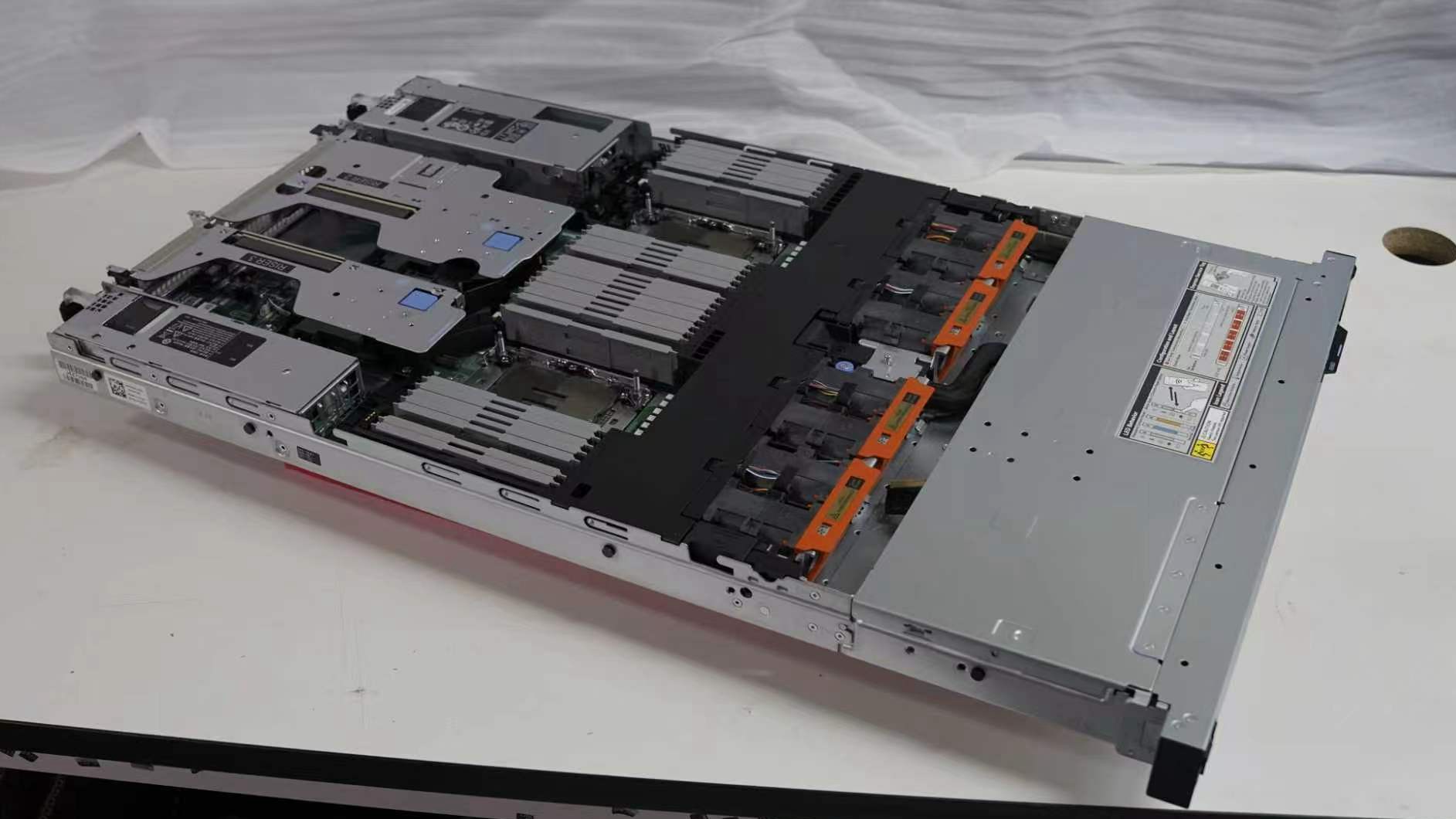
High-grade memory modules, controllers, and cooling components designed to build stable, long-lasting industrial control and telemetry systems.
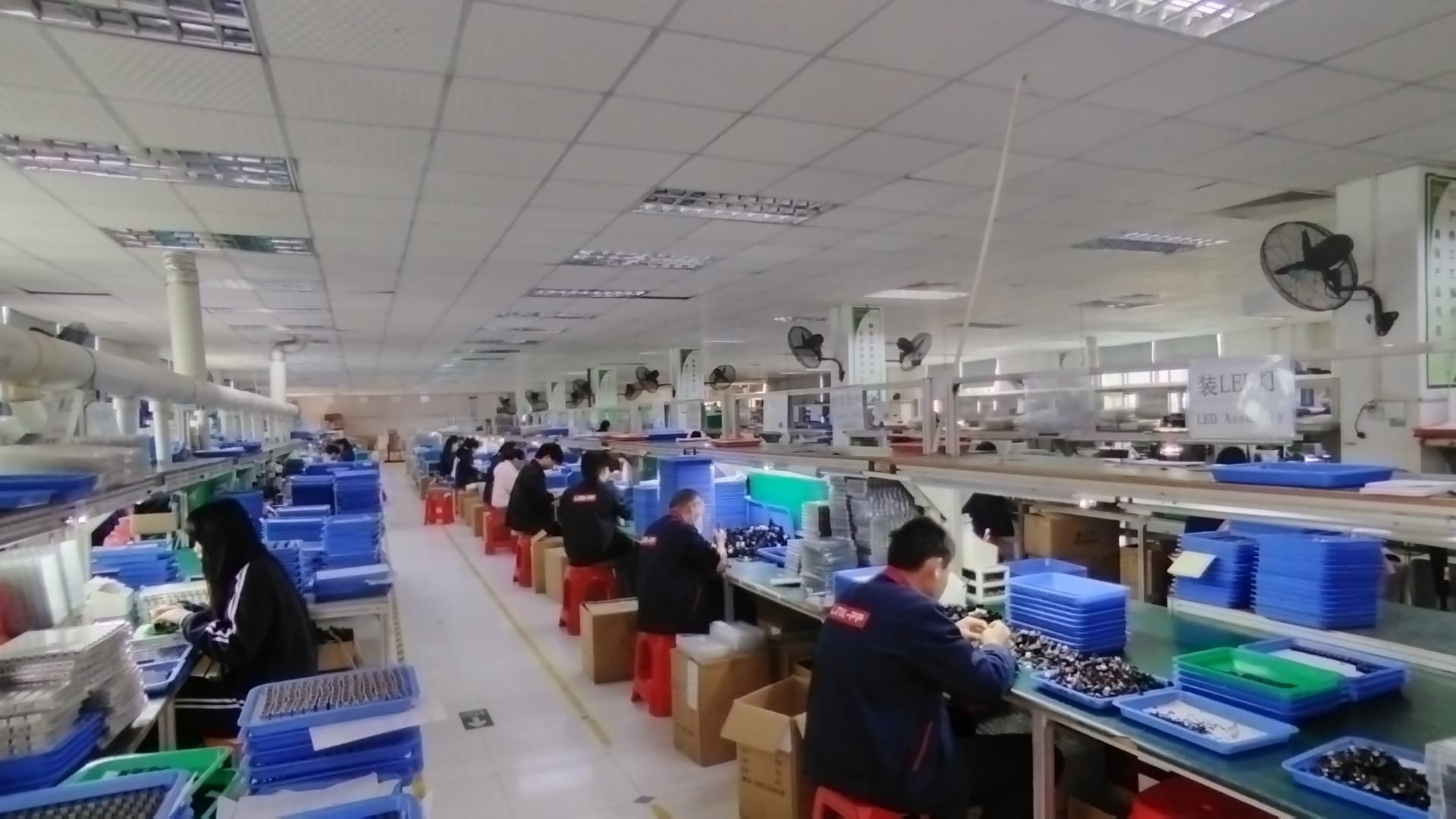
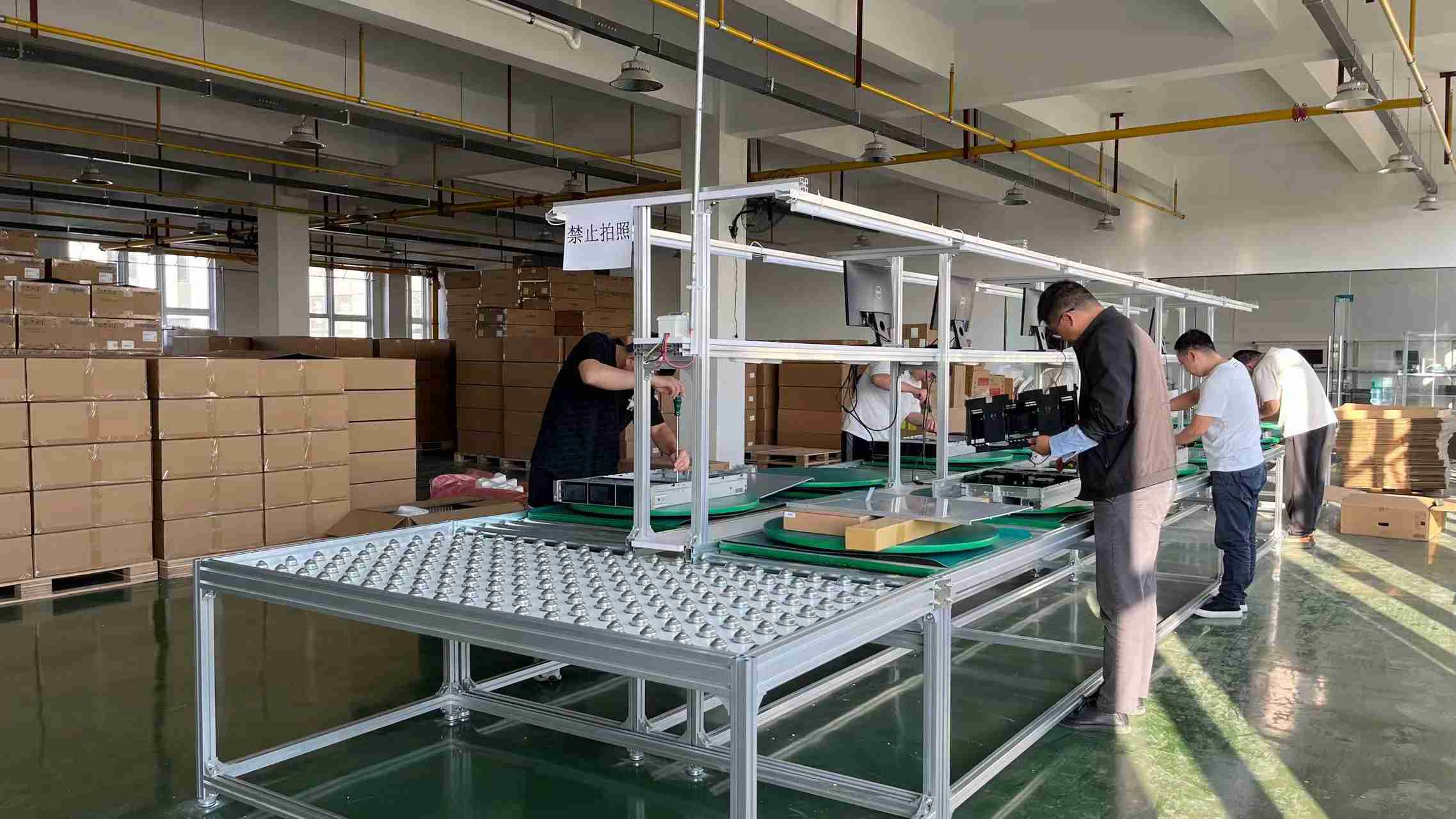
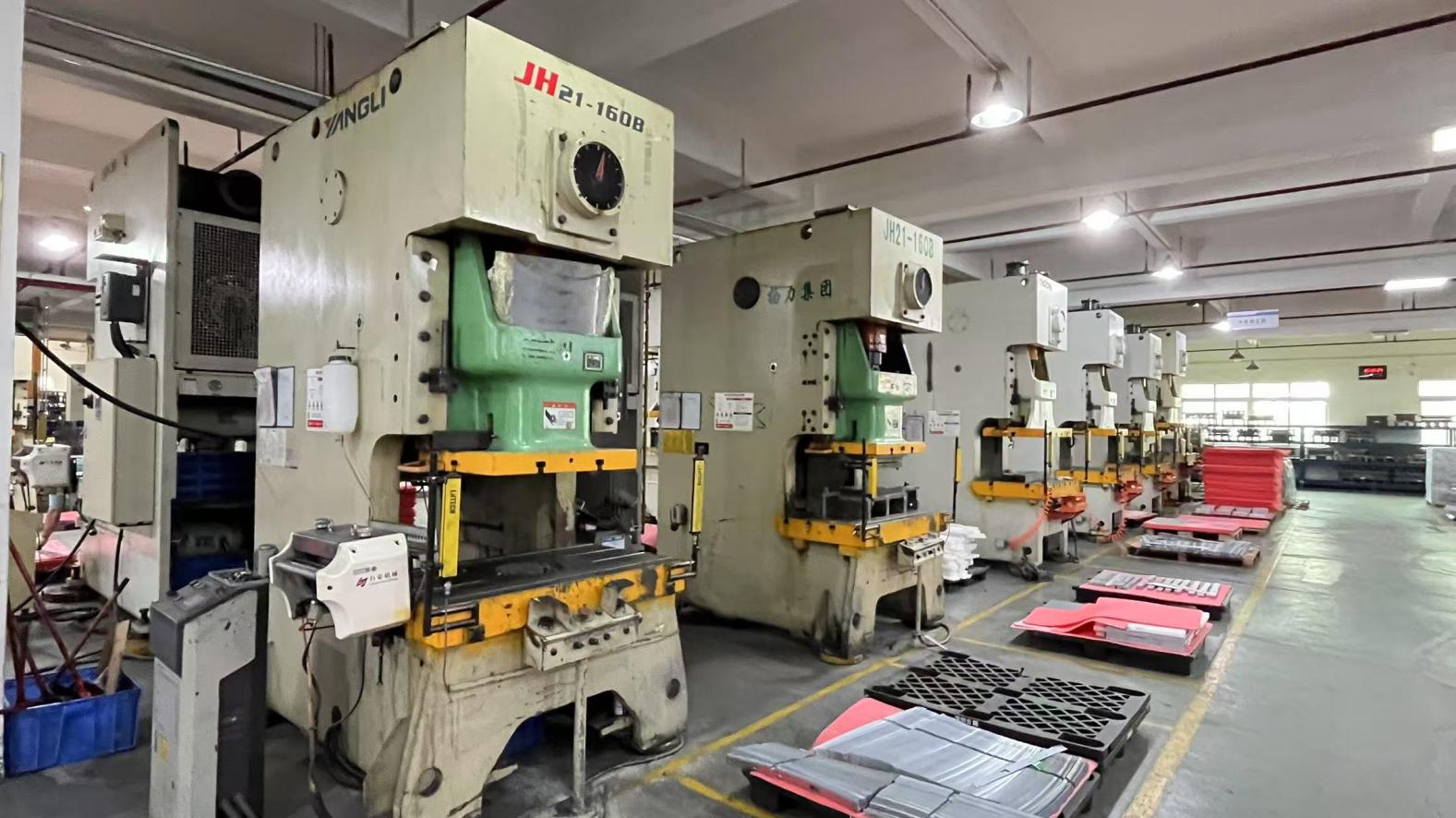
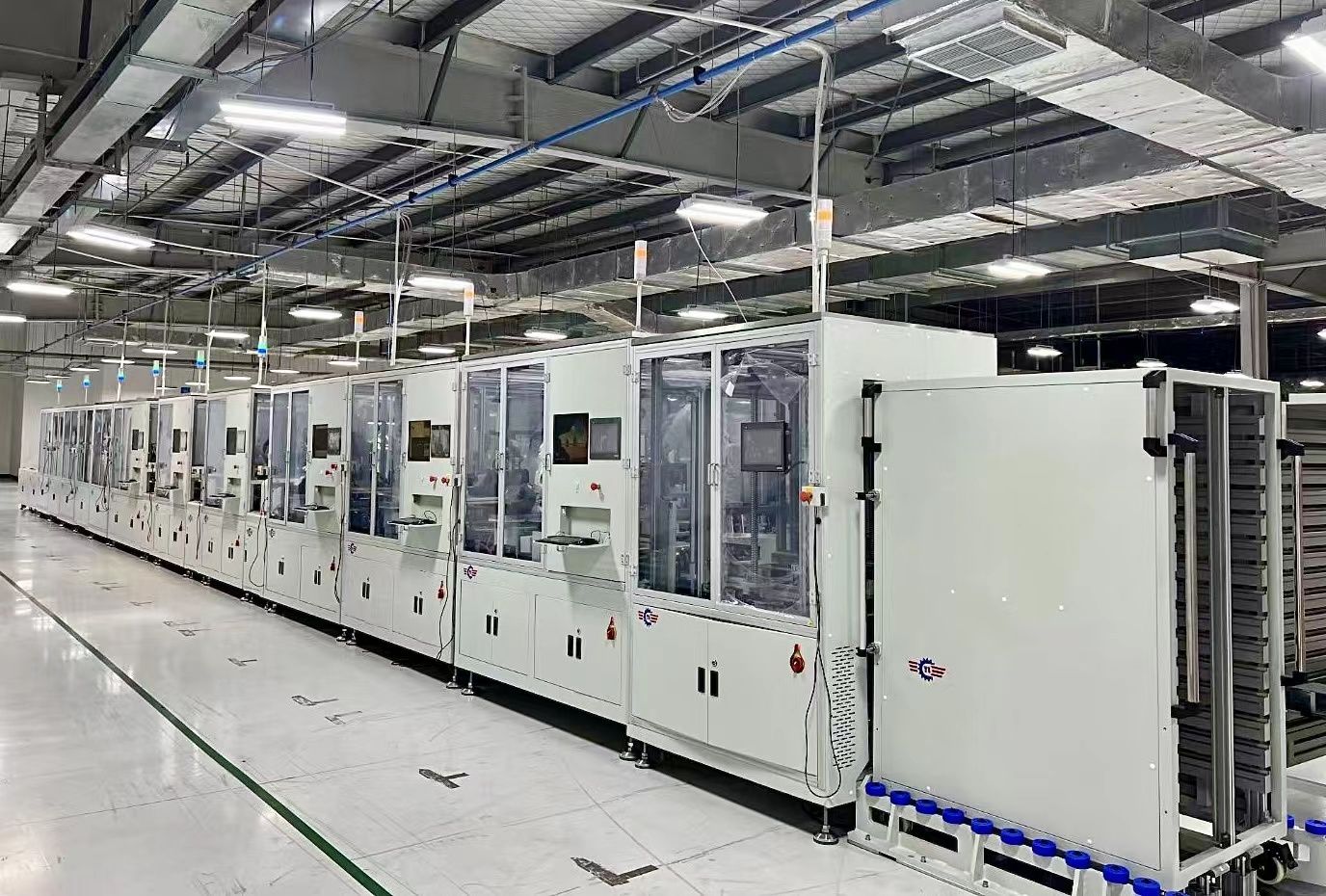
Global Logistics & Modern Production Facilities

Our production facilities adhere to strict European environmental guidelines, providing reliable and prompt supply services to Finland.
Connect with our Technical Integration Experts

Whether you require customized thermal cooling solutions, high-grade control PCBs, or specialized hardware subsystems for the Finland market, Kryntel provides reliable and high-performance components tailored to your needs.

Send Inquiry Now