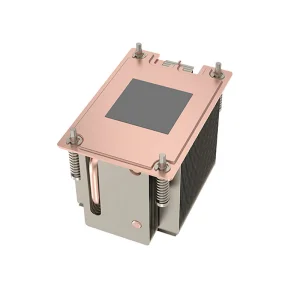
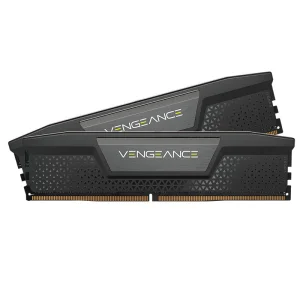
Optimized and certified hardware components ready for export to the West African market
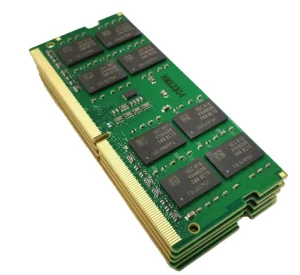
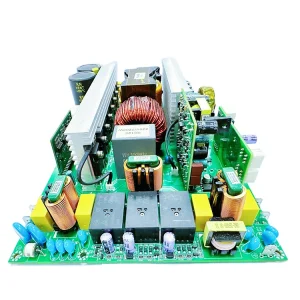
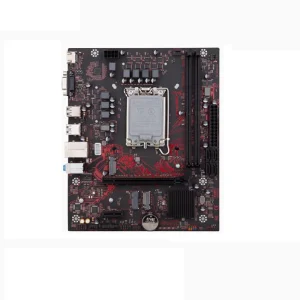
Designed to handle high electrical loads (exceeding 100 Amps) reliably, avoiding thermal runaway in solar chargers, power grids, and local heavy machinery installations.
Sub-Saharan conditions require advanced thermal dissipation. Thick copper layers act as integrated heat sinks, directly transferring heat away from key silicon components.
Heavy copper increases the board's structural integrity, protecting circuits from vibration and physical stress inside generator systems and industrial power units.
Nigeria is currently experiencing a profound transformation in its energy and technological landscapes. With the expansion of solar mini-grids spearheaded by the Rural Electrification Agency (REA), and the rapid installation of 5G telecommunication networks by providers such as MTN and Airtel, the demand for highly resilient electronic components has hit an all-time high.
One of the major issues faced by local system integrators in Lagos, Abuja, and Port Harcourt is equipment failure due to extreme ambient heat and power surges. Thick copper PCBs (typically containing copper weights from 3 oz/ft² to 10 oz/ft² or more) offer the definitive solution. Standard PCBs fail under intense electrical stresses; however, heavy copper substrates provide the thermal dissipation capacity and low impedance needed to ensure that inverters, UPS systems, and battery management platforms operate 24/7 without interruption.
Did you know? In solar power systems, over 60% of controller failures are caused by thermal overload on standard copper trace layers. Specifying heavy copper boards prevents these expensive on-site maintenance cycles in remote Nigerian installations.
Manufacturing high-reliability heavy copper boards requires precise chemical etching and plating controls. The table below represents the core capabilities and limits designed to assist Nigerian hardware engineers in finalizing their layout designs:
| Copper Thickness (oz/ft²) | Min. Line Width (mm) | Min. Line Spacing (mm) | Typical Application Space |
|---|---|---|---|
| 3 oz / 105 µm | 0.25 mm | 0.25 mm | High-power LED, Industrial power modules |
| 4 oz / 140 µm | 0.35 mm | 0.35 mm | Automotive charging, Solar charge controllers |
| 6 oz / 210 µm | 0.50 mm | 0.50 mm | Power grid switchgear, Heavy-duty rectifiers |
| 10+ oz / 350 µm | 0.80 mm | 0.80 mm | Electric vehicle chargers, Military power systems |
Semiconductor Industry Experience
Global Upstream & Downstream Partners
Max Annual Export Revenue Value
Dedicated Inspection Professionals
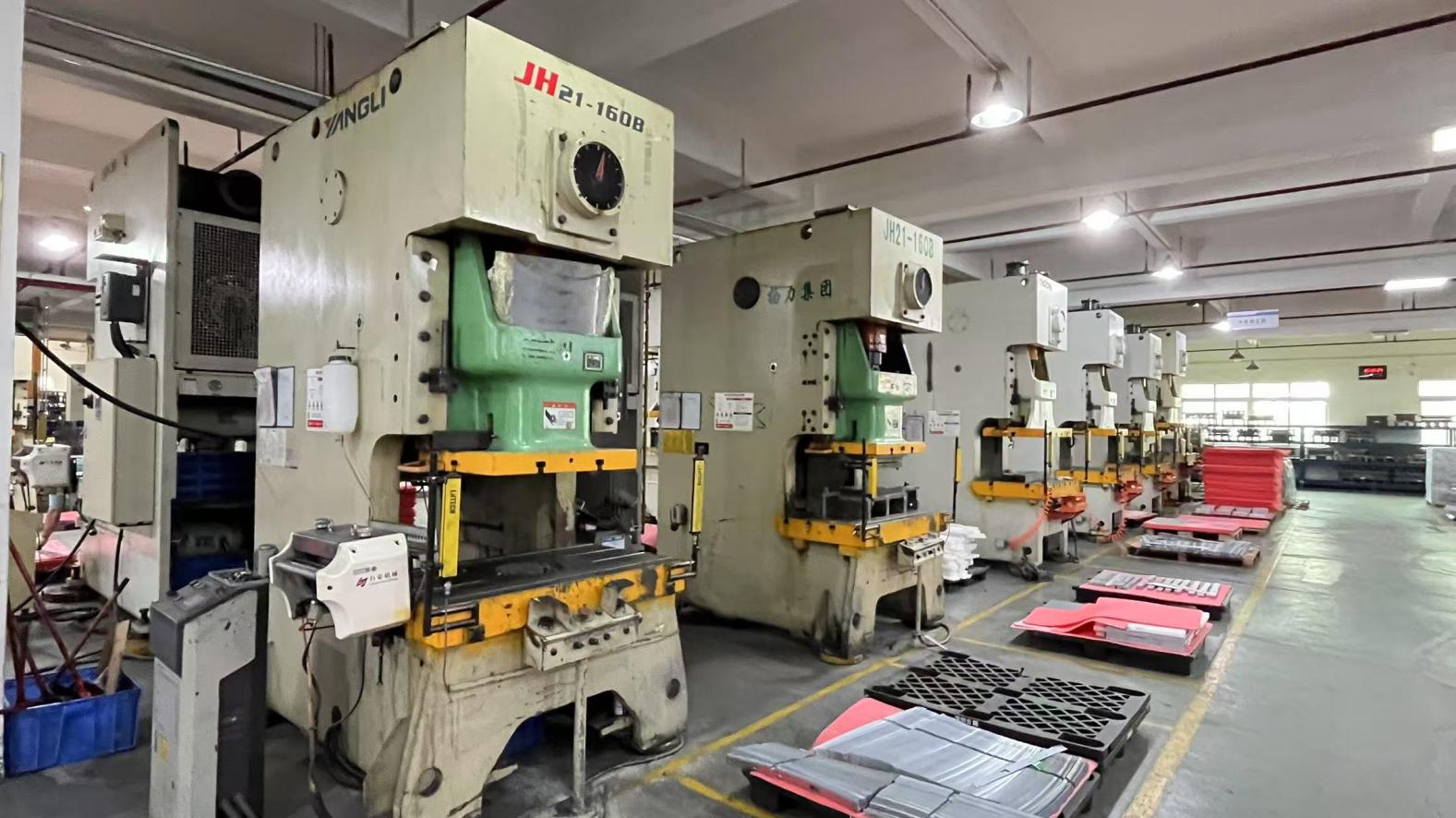
Founded in 2016, Kryntel Memory Technology (China) Co., Ltd. is a professional hardware manufacturer specializing in high-performance memory modules and power-optimized substrate technologies for global OEM, ODM, and private label partners. In addition to our mainstream DDR4/DDR5 system memory lines, we provide specialized high-frequency and multi-layer thermal PCB solutions engineered for harsh operating environments, such as the West African subregion.
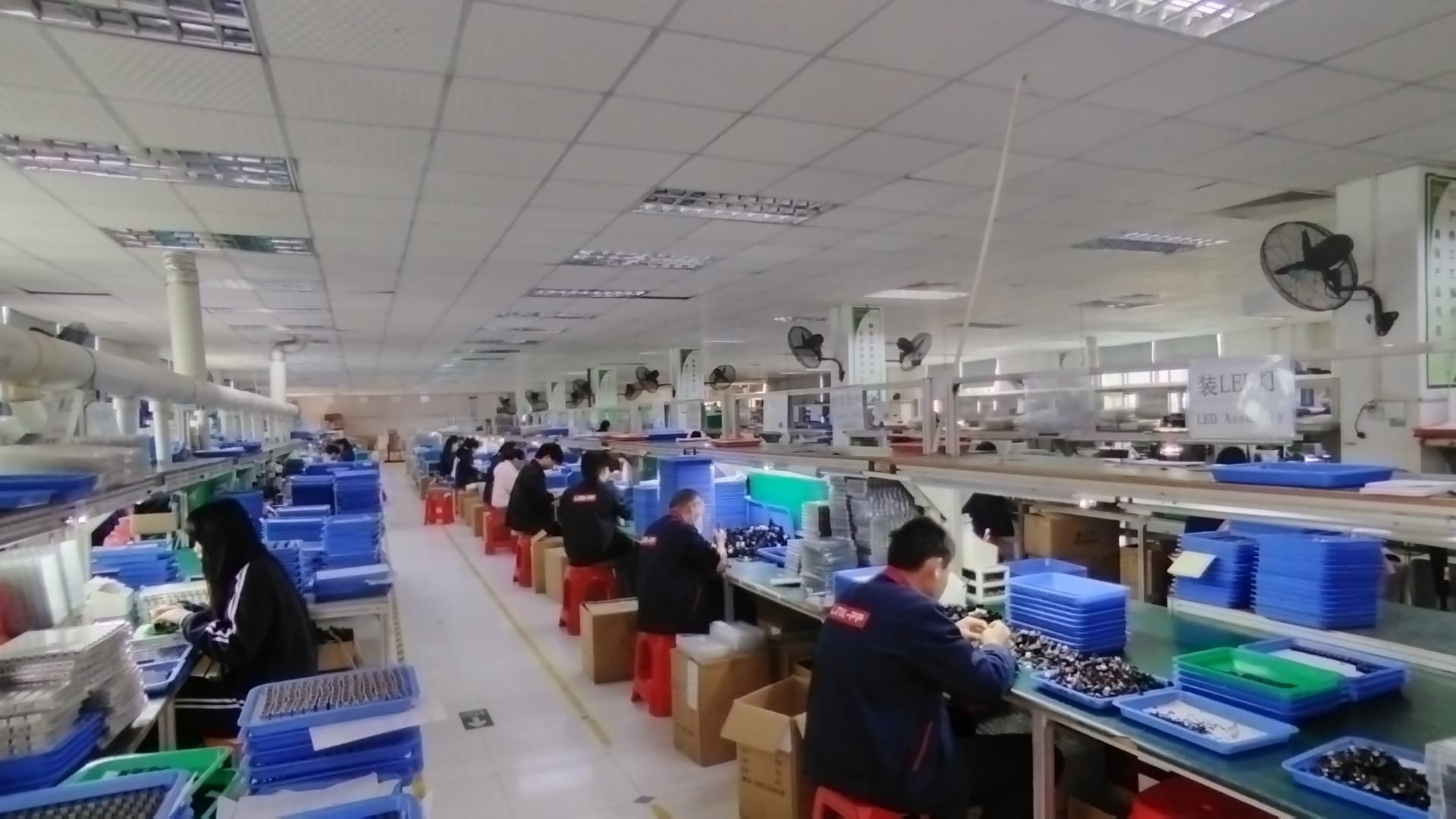
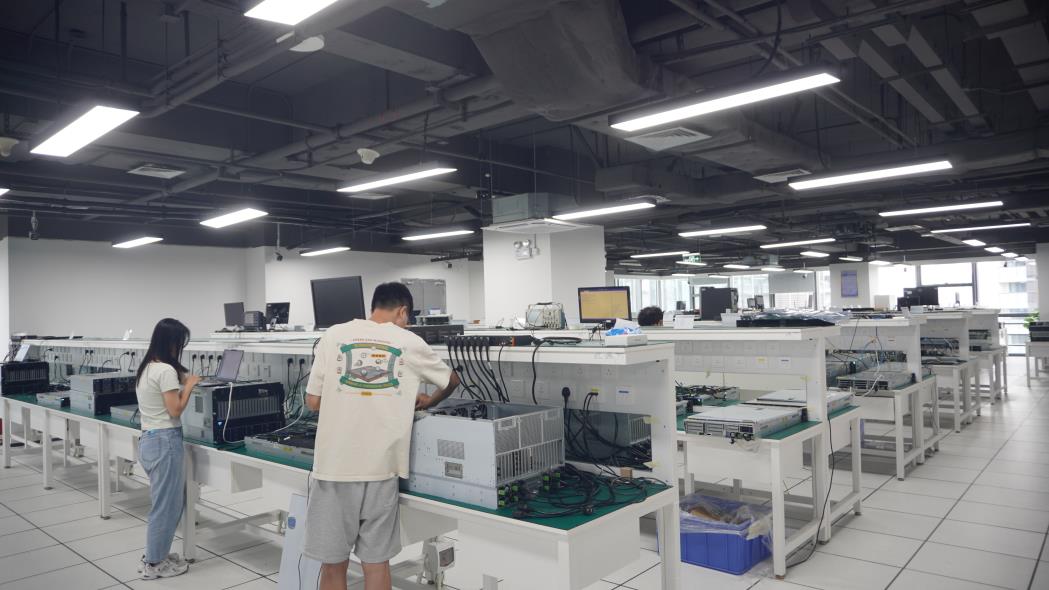
With a dedicated R&D department consisting of approximately 160 engineers specializing in signal integrity, thermal dissipation, and reliability testing, we consistently launch cutting-edge technologies (introducing over 280 new products across key series in the past year alone). Our quality assurance system incorporates multi-stage inspections, including raw material check, in-process checking, thermal chamber cycling, and compatibility verification.
Sourcing directly from a highly optimized factory in China yields clear, long-term operational advantages:
Answering the most common questions raised by Nigerian procurement managers and engineers
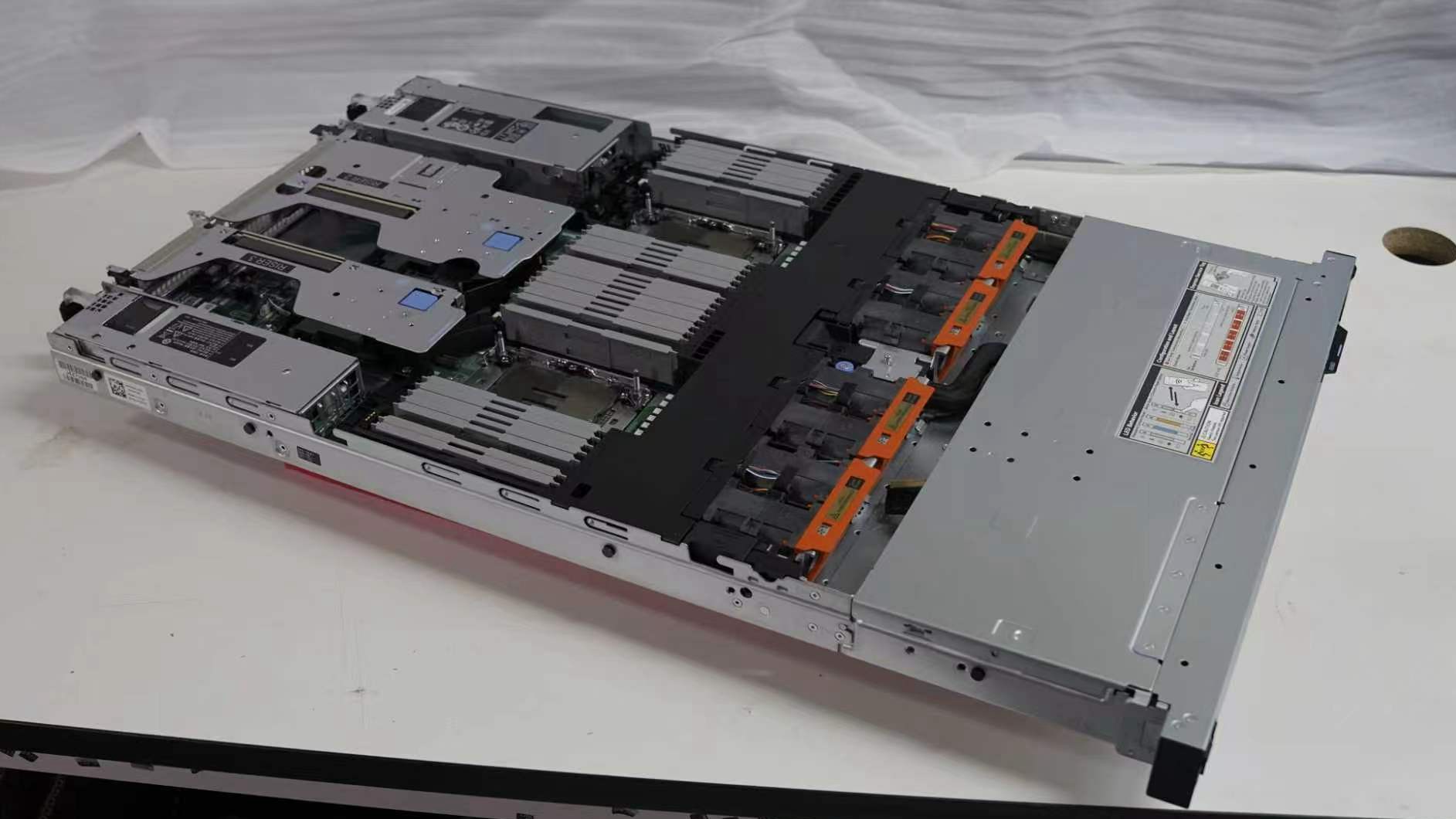
Original high-performance computing memory and power management components
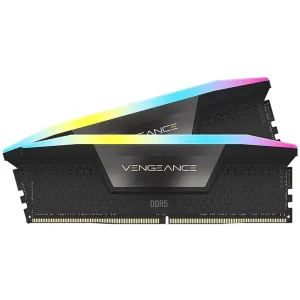
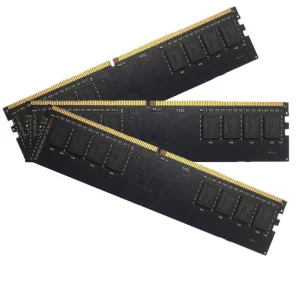
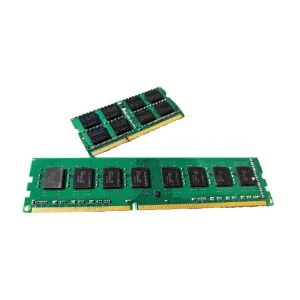
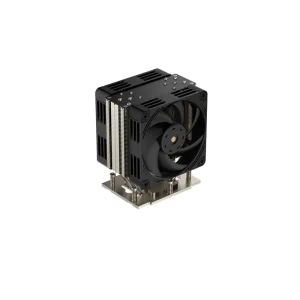
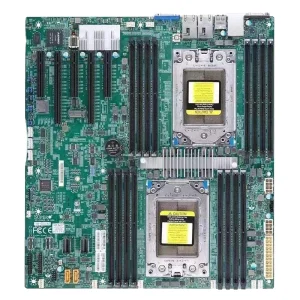
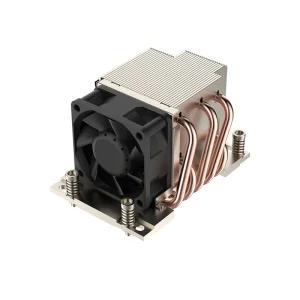
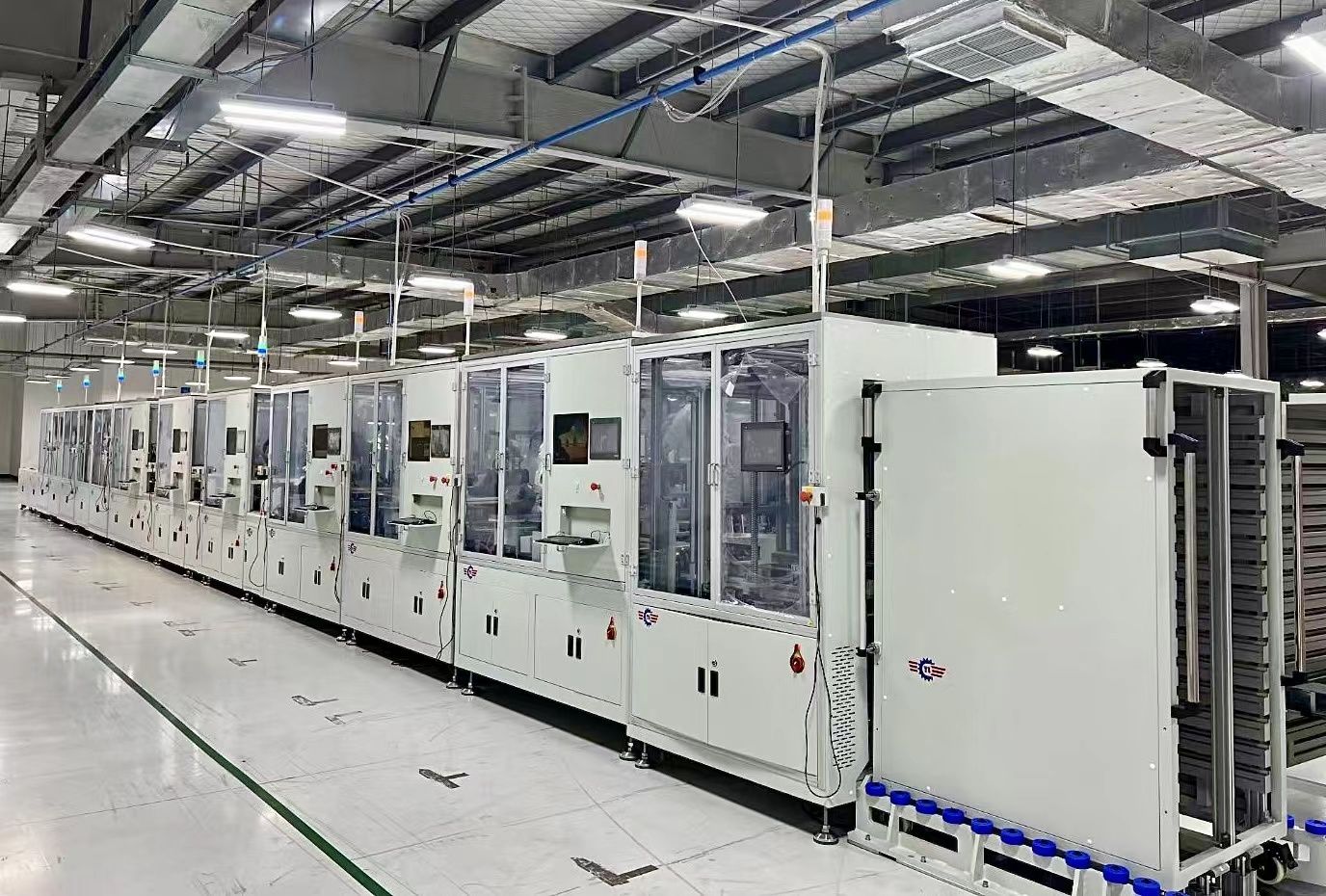
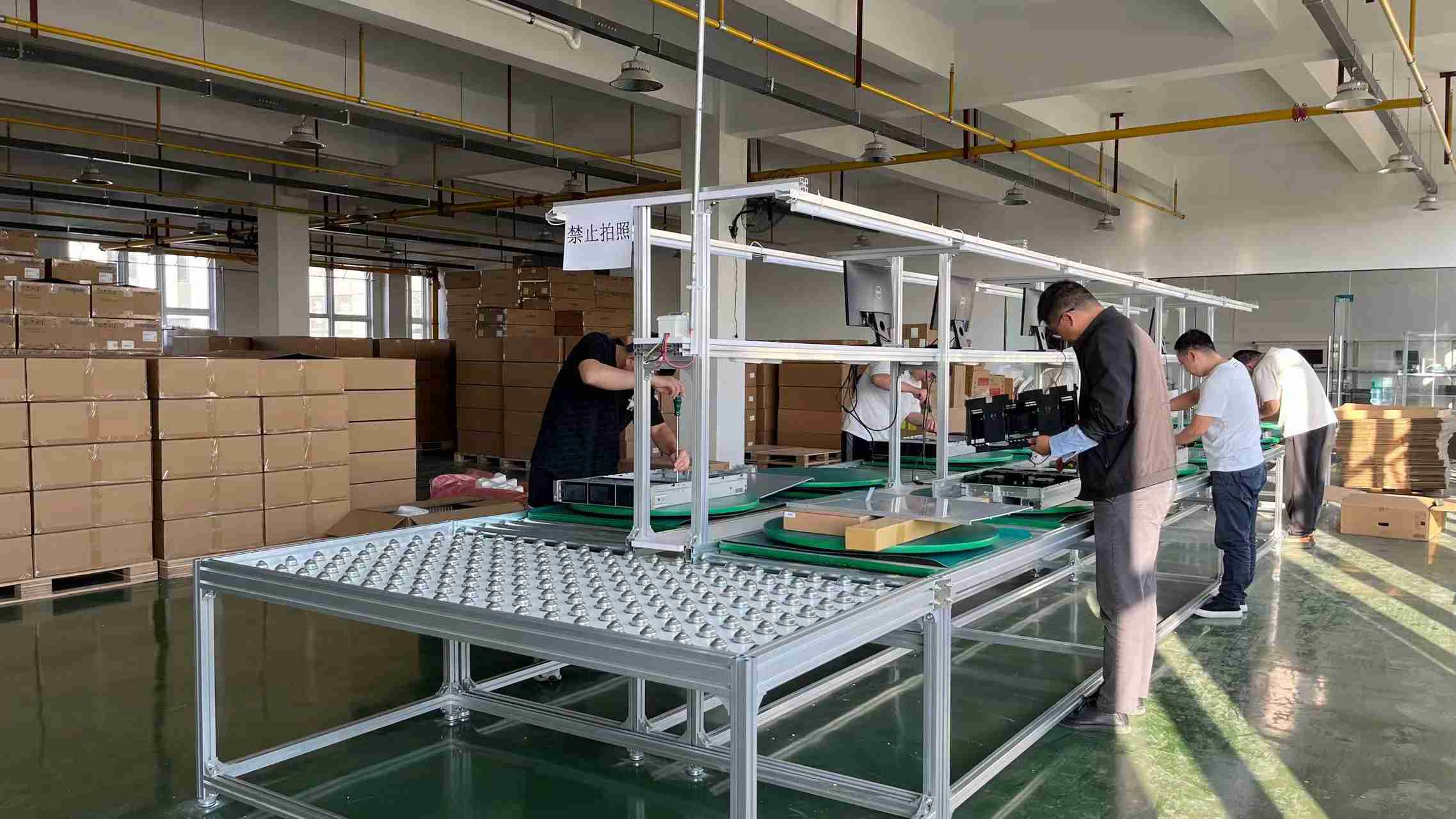
Operating with advanced production lines to support the global power electronics supply chain
 Kryntel