Optimized memory systems and high-sensitivity electronic modules configured to New Zealand telecom, telemetry, and compute standards.
As New Zealand transitions towards an advanced digital and spatial economy, local engineering firms in Auckland, Wellington, and Christchurch face unprecedented demands for signal integrity. The rapid expansion of aerospace technology, high-precision agritech sensors, and deep-sea marine telemetry requires electronic components capable of operating flawlessly under extreme environments. Standard FR-4 substrates fall short at microwave and millimeter-wave frequencies, making high-performance Rogers PCBs the essential material of choice.
Rogers PCBs utilize PTFE, ceramic-filled, and hydrocarbon-based laminates to deliver incredibly low dielectric loss, low outgassing, and remarkable dimensional stability. In NZ's dynamic marine sector, where telemetry devices are subjected to moisture and high thermal fluctuations, or in the aerospace hubs of the South Island, where components face vacuum conditions, Rogers laminates (such as RO4003C and RO4350B) prevent signal distortion and thermal expansion failures.
A comparative analysis of electrical performance parameters crucial for RF design engineers in the Oceanic region.
| Material Property | Typical FR-4 Substrate | Rogers RO4003C (Ceramic) | Rogers RO4350B (Flame Retardant) | RT/duroid® 5880 (PTFE Glass) |
|---|---|---|---|---|
| Dielectric Constant (Dk @ 10GHz) | 4.2 - 4.8 | 3.38 ± 0.05 | 3.48 ± 0.05 | 2.20 ± 0.02 |
| Dissipation Factor (Df @ 10GHz) | 0.015 - 0.020 | 0.0027 | 0.0037 | 0.0009 |
| Thermal Expansion (CTE - Z-Axis) | 175 ppm/°C | 46 ppm/°C | 32 ppm/°C | 24 ppm/°C |
| Moisture Absorption Rate | 0.15% - 0.25% | 0.06% | 0.06% | 0.02% |
| Best Applications | Low-speed / Control Circuitry | Preamps, Cellular base stations | RF Base station Antennas | Aerospace, Millimeter wave radar |
In high-frequency designs, thermal shifts can warp the PCB trace dimensions, leading to catastrophic shifts in impedance. Standard boards experience significant expansion when temperatures rise, straining copper plated through-holes (PTH) and risking micro-fractures. Rogers materials feature a CTE profile closely matched to copper (around 16-18 ppm/°C), ensuring mechanical reliability and impedance stability across New Zealand's fluctuating climate zones.
Additionally, Rogers laminates feature remarkably low moisture absorption. With values hovering below 0.06%, these boards do not trap water vapor. In environments such as marine deployments around the Cook Strait or deep-submersible oceanographic rigs, maintaining dry dielectric properties is critical to prevent shift in resonance and signal attenuation.
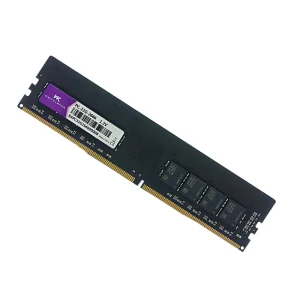
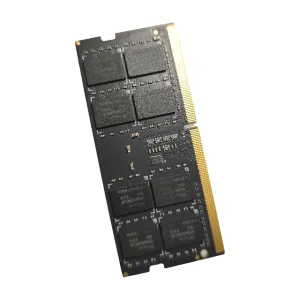
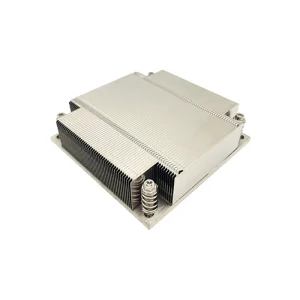
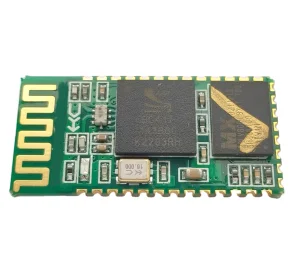
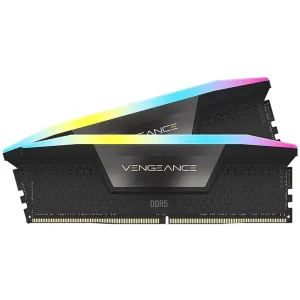
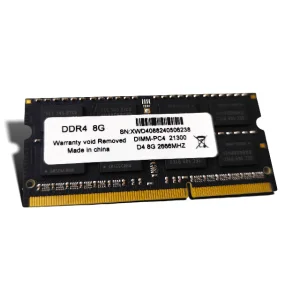
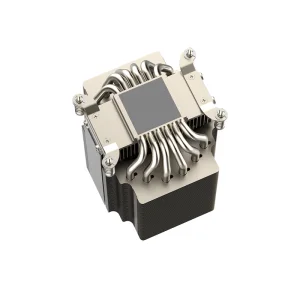
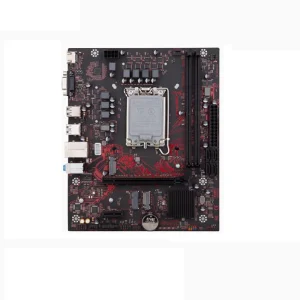
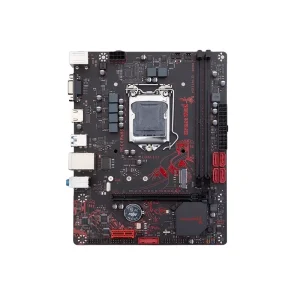
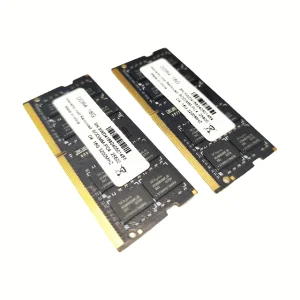
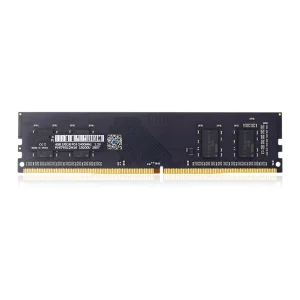
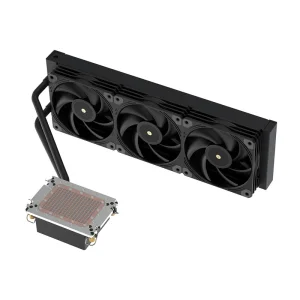
High-performance computing systems operating Rogers RF backplanes require premium cooling and circuit stability. Explore our system integration modules:
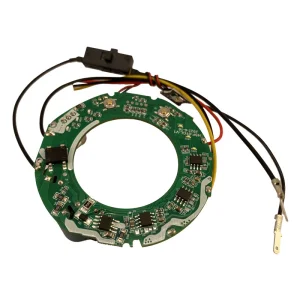
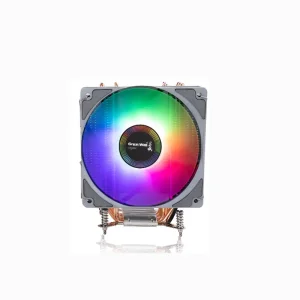
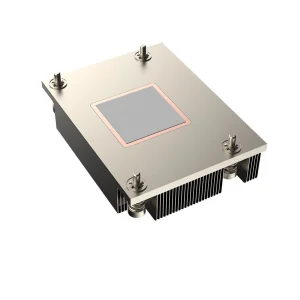
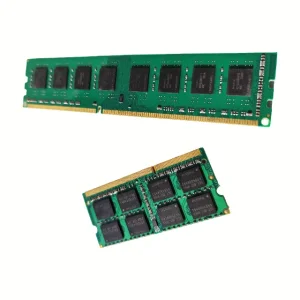
Our robust supply chain delivers premium electronics assembly and PCB layout services directly to Oceania, overcoming logistical delays and engineering bottlenecks.
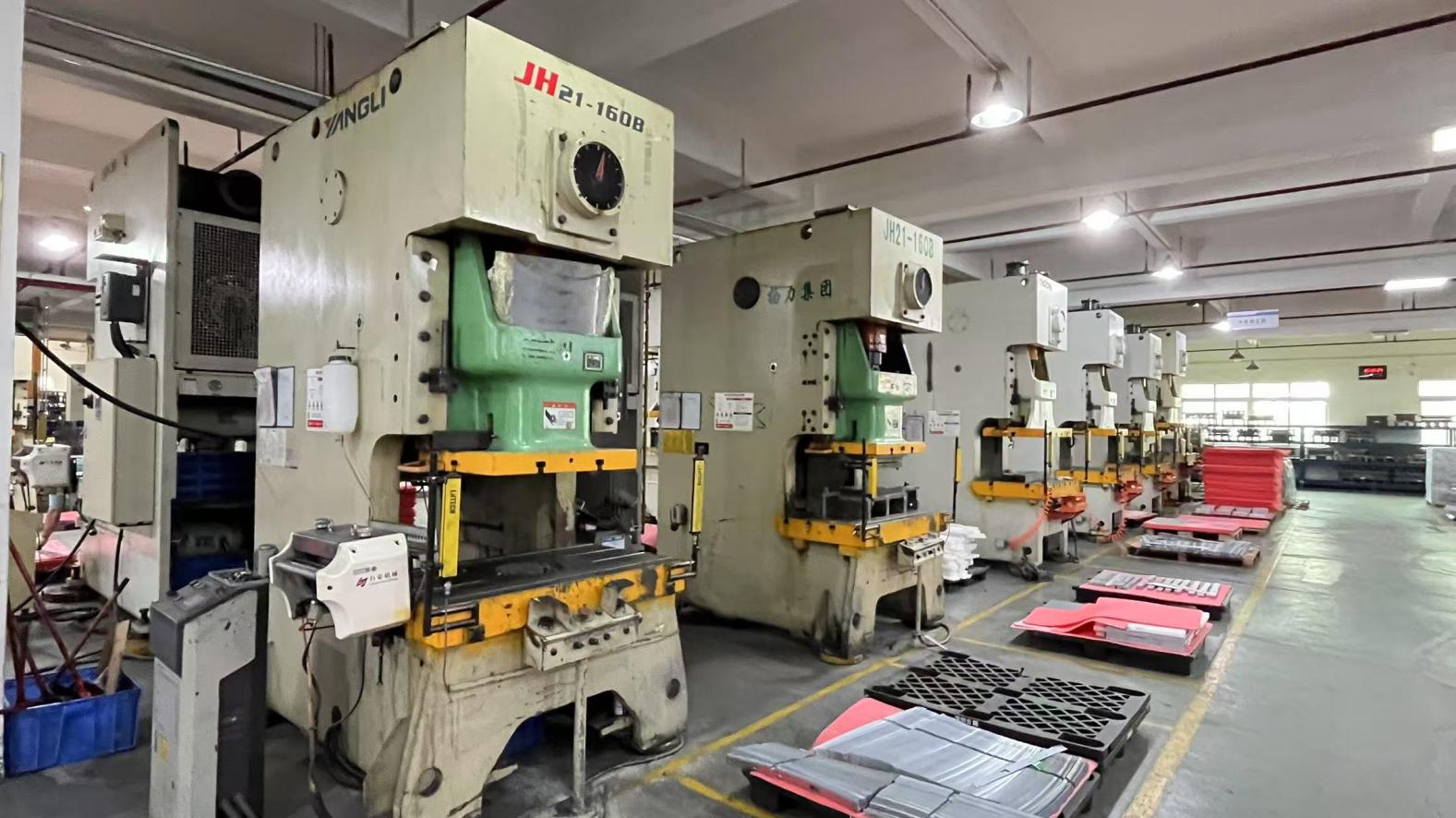
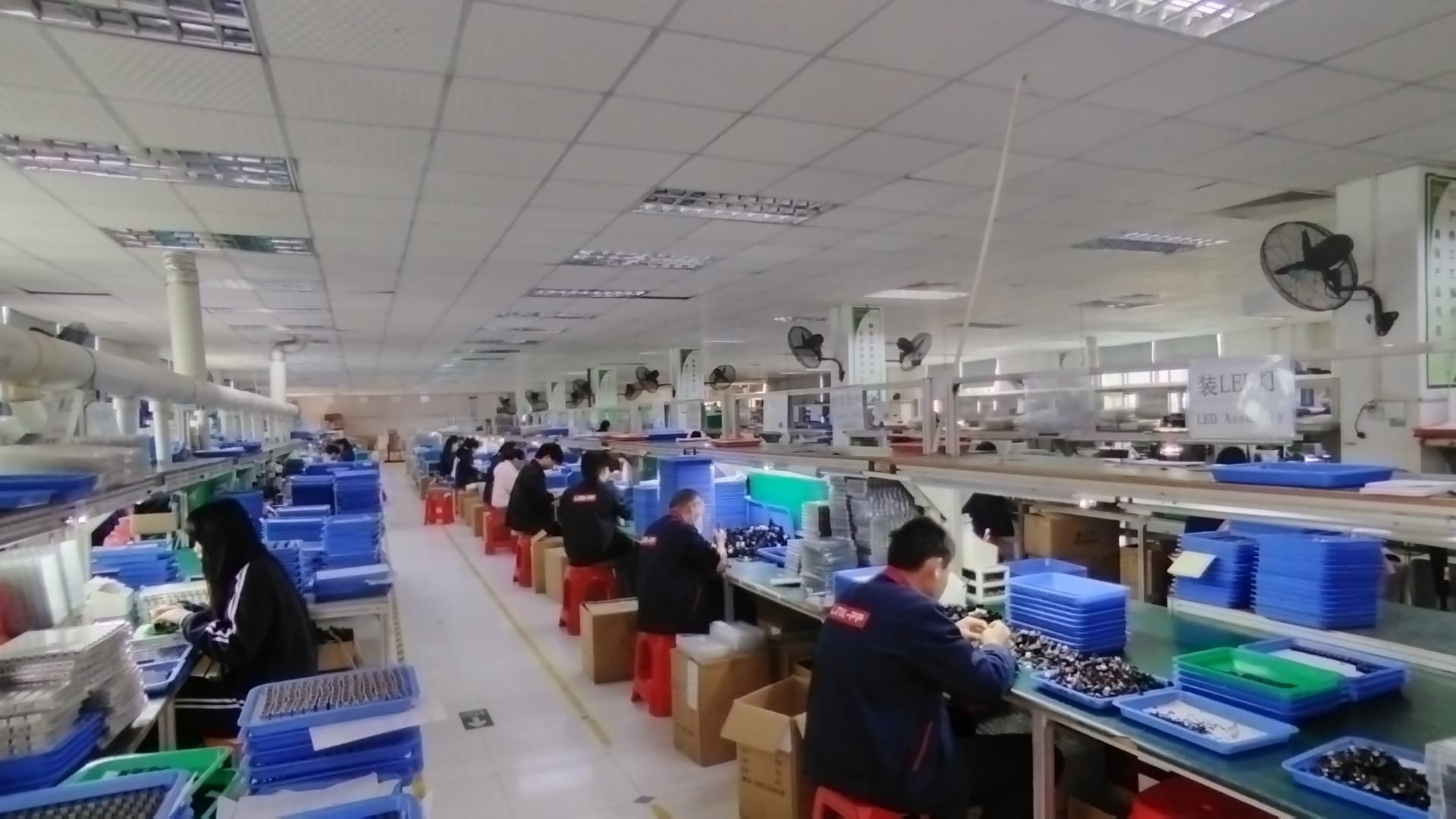
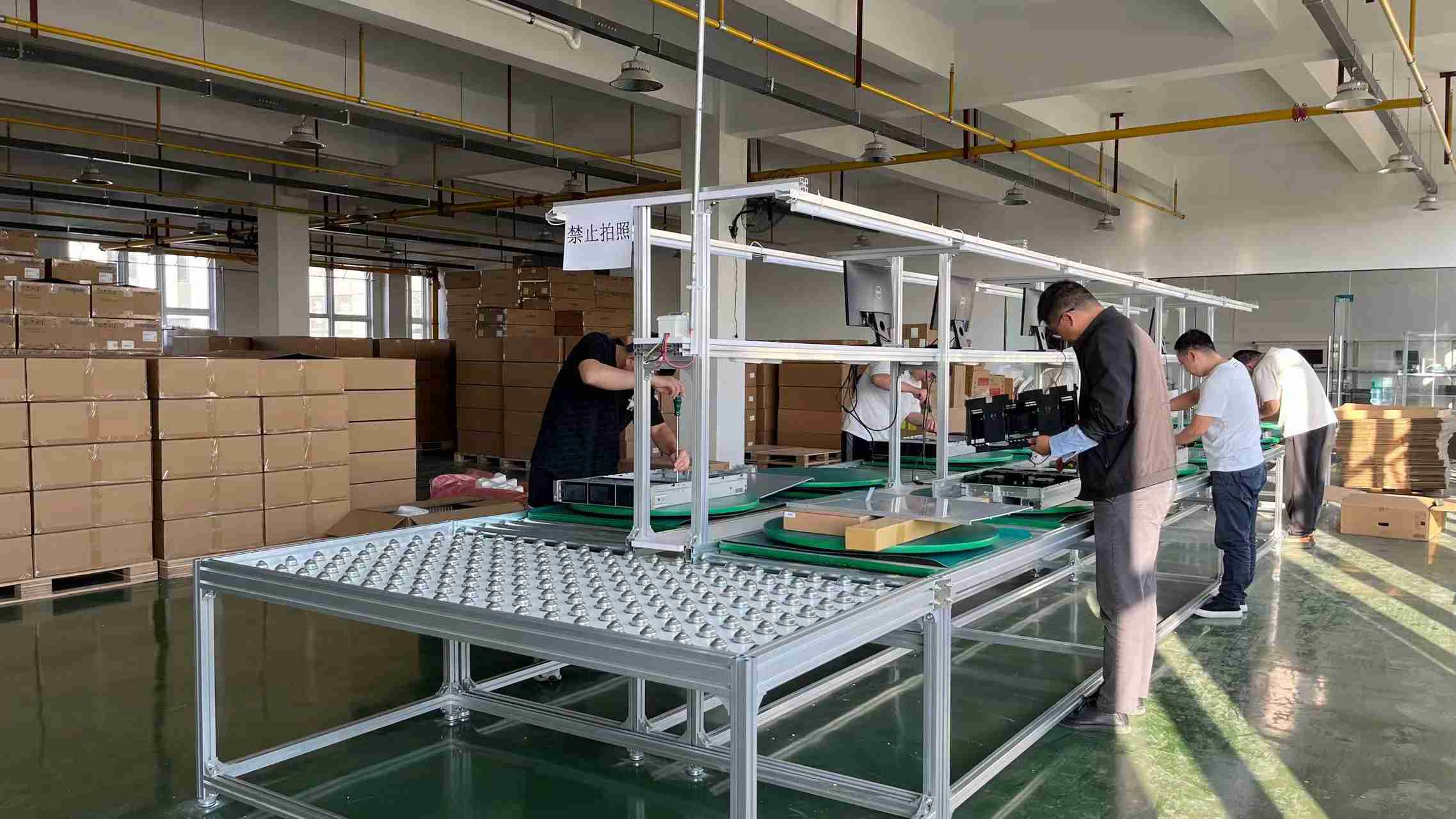
For research universities, defense contractors, and specialized product developers across New Zealand, sourcing high-frequency substrates can be plagued by long lead times and high minimum order quantities. Kryntel Memory Technology (China) Co., Ltd. addresses this gap by combining advanced manufacturing capabilities, high-speed RAM production, and precision PCB assembly under a singular, integrated framework.
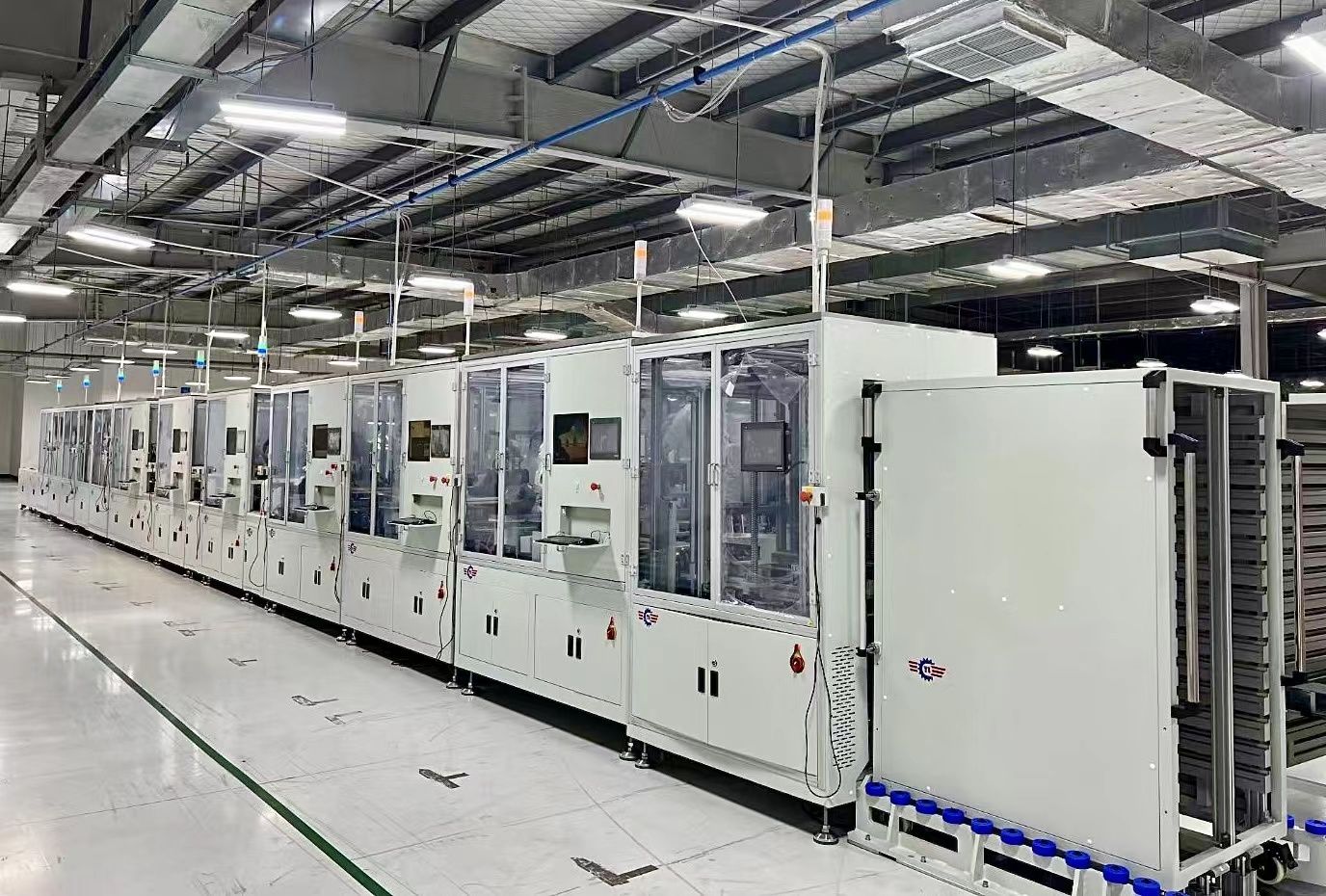
We leverage a global network of over 1,200 upstream and downstream partners. This gives us immediate, priority access to authentic Rogers, Teflon, and Nelco substrates. Our state-of-the-art facilities fabricate, inspect, and assemble multilayer PCBs using IPC Class 3 quality criteria. Whether you need high-frequency layers hybrid-bonded to FR-4 to optimize project budget, or pure PTFE multi-layers for microwave transceivers, we deliver consistent, impedance-controlled solutions.
Our quality control system comprises multi-stage inspect loops including Automated Optical Inspection (AOI), X-Ray testing for multi-layer trace alignment, and high-frequency vector network analyzer checks to verify signal performance.
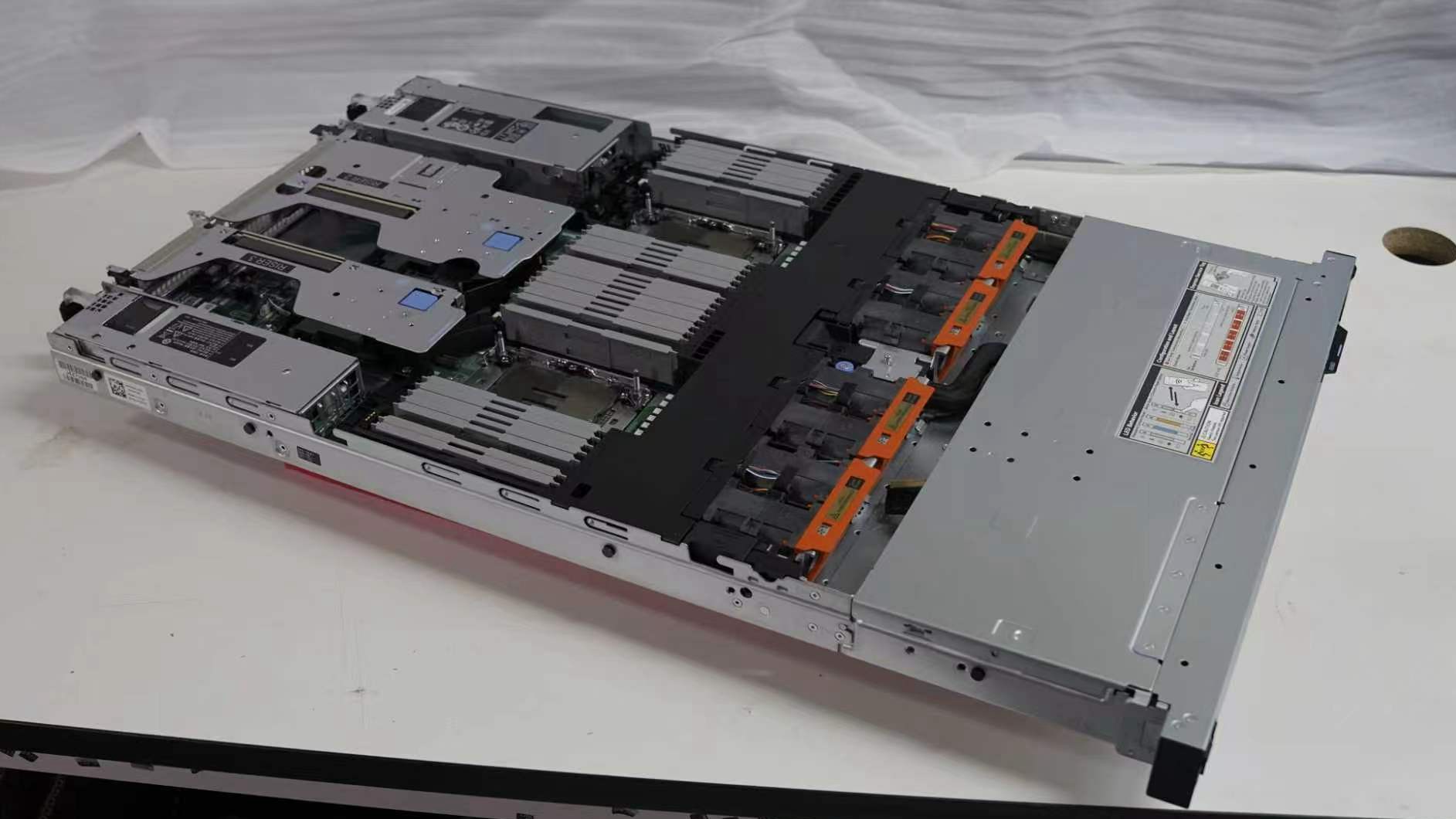
As computing interfaces move toward PCIe Gen 5/6 and telecom transitions to sub-THz networks, high-frequency design becomes more complex.
Modern data pipelines are demanding unprecedented bandwidth. At high frequencies, PCB traces function as transmission lines rather than simple connections. Designing high-speed memory systems (such as DDR5 running at 6800MHz) requires the same signal integrity principles used in RF design: controlled impedance, minimal crosstalk, and precise trace matching.
Kryntel is at the forefront of this design convergence. Our research and development team, consisting of approximately 160 engineers, actively develops optimized stackups where high-speed logic and RF telemetry sit harmoniously on single-board architectures. By utilizing hybrid Rogers/FR-4 multi-layer builds, we ensure the RF section utilizes low-loss ceramic layers while the digital/memory routing sections utilize cost-effective materials, saving weight and cost.
Our upcoming product cycle focuses on integrations supporting ADAS (Advanced Driver Assistance Systems), autonomous agritech machinery, and ruggedized oceanic sensor grids deployed across the Pacific region.
Founded in 2016, Kryntel Memory Technology (China) Co., Ltd. is a professional manufacturer specializing in high-performance memory modules and specialized high-speed PCB assemblies. Servicing global OEM, ODM, and private label partners, our modern production facility operates under strict ISO 9001 and ISO 14001 guidelines.
Our quality control system is built on rigorous testing protocols: high-temperature aging tests, platform compatibility testing, thermal stress simulation, and bandwidth limit testing. Over the years, we have grown to be a trusted export partner, generating USD 8 million to USD 18 million in annual export revenues, with strong supply footprints in North America, Europe, Brazil, and the Oceanic market.
With an experienced engineering group and dedicated support teams, we assist New Zealand electronics developers from initial layout design and impedance validation through to final PCBA and packaging.
Consult with Our Engineers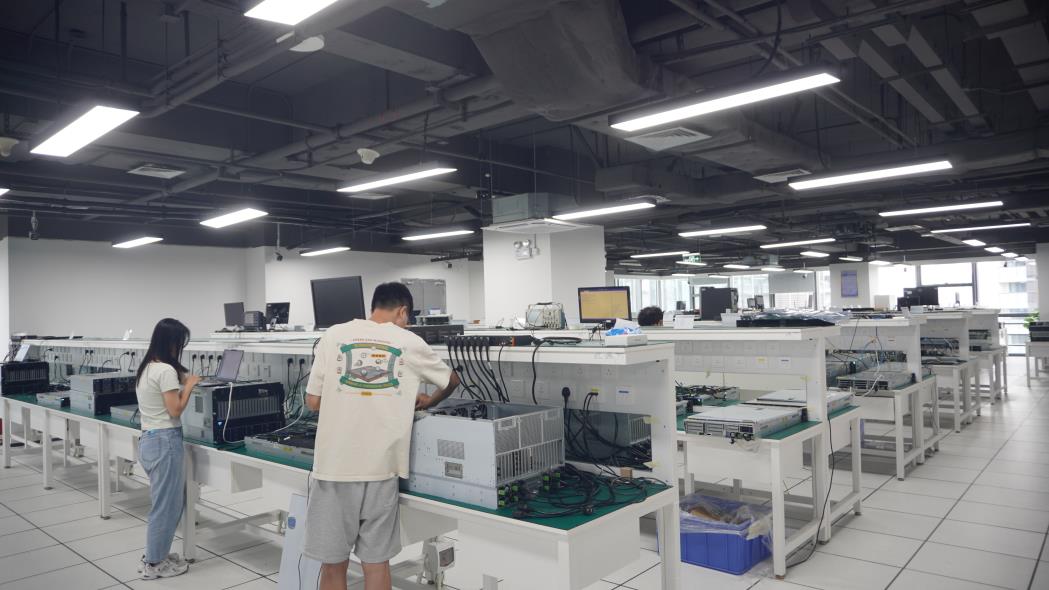
Answers to crucial engineering questions regarding material selection, impedance control, and logistics for the New Zealand region.
Select premium hardware elements engineered for server grids, high-speed telemetry platforms, and client workstations.
 Kryntel