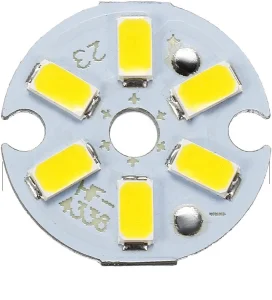
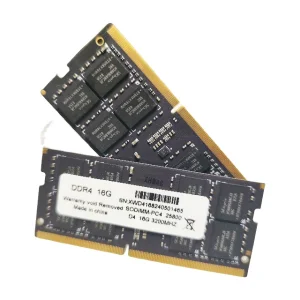
Engineered to meet the exact impedance-control, signal-integrity, and thermal-management requirements of local research hubs and advanced electronics assemblies.
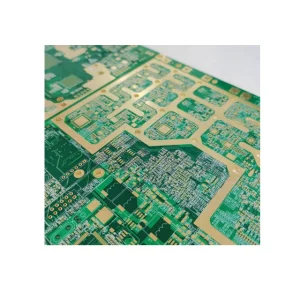
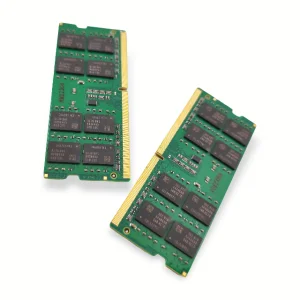
The Kingdom of Belgium, sitting at the geographic and economic heart of Europe, has established itself as an essential pioneer in microelectronics, aerospace engineering, telecommunications, and advanced automotive components. With institutions like IMEC (Interuniversity Microelectronics Centre) in Leuven spearheading global semiconductor research, the regional demand for high-reliability, high-frequency printed circuit boards (HF PCBs) has surged exponentially. These specialized boards are key to supporting modern radar installations, high-speed telecom infrastructures, satellite payloads, and industrial automation networks across Belgium's major hubs including Antwerp, Brussels, Ghent, and Liège.
High-frequency PCBs operate in frequency bands where standard FR-4 substrates fail to maintain signal integrity. In these bands—ranging from 500 MHz to over 100 GHz—dielectric loss, signal dispersion, and thermal dissipation become critical design parameters. Belgian electronics developers increasingly require hybrid substrates combining premium materials, such as Rogers 4000 series ceramic-filled thermoset polymer, with high-performance FR-4 (like Shengyi High Tg170) to balance mechanical structural integrity with superb electrical performance. The strategic deployment of these custom hybrid stacks enables developers to manage cost limits while achieving high signal transmission speeds and low loss characteristics.
To design an effective high-frequency PCB, engineers must look beyond basic schematics and address the physical chemistry of the substrate materials. The key parameters that determine high-frequency performance include:
| Material Class | Dk (at 10GHz) | Df (at 10GHz) | Thermal Conductivity (W/m/K) | Typical Application |
|---|---|---|---|---|
| Rogers RO4003C | 3.38 ± 0.05 | 0.0027 | 0.71 | LNA, Automotive Radar, Base Stations |
| Shengyi High-Tg FR-4 | 4.2 - 4.6 | 0.015 - 0.020 | 0.35 | Control boards, mixed-signal structures |
| Hybrid Stack (RO4000 + FR4) | Variable by Layer | Optimized per trace | 0.55 (Average) | Cost-sensitive telecom, IoT gateways |
Belgian businesses utilize high-frequency substrates and related semiconductor subsystems across several key high-tech sectors:
While European firms excel in high-level R&D and circuit design, the physical fabrication of advanced PCBs often benefits from partnering with Chinese manufacturing ecosystems. Chinese manufacturers, including industry-focused players like Kryntel Memory Technology (China) Co., Ltd., have established highly optimized production systems. The core advantages of Chinese supply chains for the Belgian market include:
1. Material Supply Stability: Leading Chinese manufacturers maintain direct strategic relationships with global laminate suppliers (Rogers, Isola, Shengyi, Nelco). This ensures that rare and specialized high-frequency materials are always in stock, bypassing the long supply chain lead times that often affect smaller European boutique fabs.
2. Advanced Hybrid Lamination Machinery: Fabricating a hybrid board (e.g., Rogers 4003C layers bonded with Shengyi TG170 FR-4 layers) requires specialized multi-stage vacuum press systems. The coefficient of thermal expansion differences between the two materials can lead to warping during curing if not managed properly. Chinese production facilities utilize advanced German and Japanese lamination machines that apply precise, computer-controlled temperature and pressure profiles to guarantee flat, stress-free boards.
3. Comprehensive Testing Protocols: Reliable high-frequency boards must undergo strict testing. Chinese facilities employ multi-stage inspection lines comprising Automated Optical Inspection (AOI), Time-Domain Reflectometry (TDR) for impedance testing, Flying Probe Testing, and thermal shock testing. This rigorous approach ensures that every shipped board adheres to IPC Class 2 or Class 3 standards.
Why global system integrators and Belgian engineering firms trust Kryntel's production engineering.
Precision manufacturing using Rogers, Shengyi, Taconic, and Nelco laminates. Custom hybrid multilayer bonding for optimal performance-to-cost ratios.
Supported by a dedicated team of 42 QA professionals, including high-temperature aging, TDR impedance matching, and thermal stress tests.
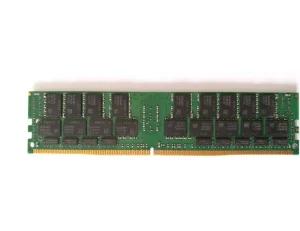
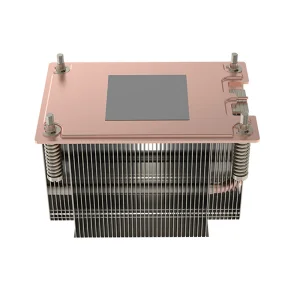
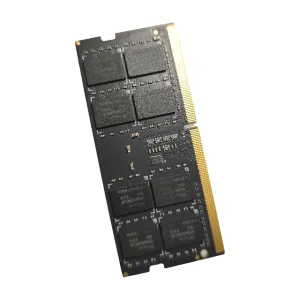
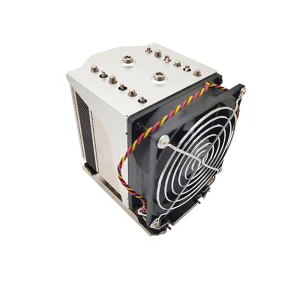
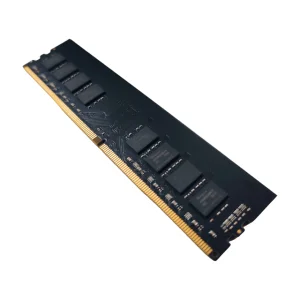
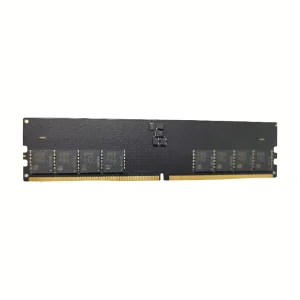
Beyond PCBs, we deliver high-performance memory subsystems (DDR4/DDR5) and thermal cooling solutions (320W server-grade heat sinks).
Years Industry Experience
Max Annual Export Revenue
R&D Engineers
Supply Chain Partners
Founded in 2016, Kryntel Memory Technology (China) Co., Ltd. is a professional manufacturer and designer specializing in high-performance memory modules (DDR4 and DDR5), server-grade heat sinks, and integrated motherboard substrates. Based in China, Kryntel supports global OEM, ODM, and private label partners, bridging the gap between high-speed chip architectures and physical motherboard interfaces.
With an annual export revenue ranging between USD 8 million and USD 18 million, Kryntel has built a reputation for delivering reliable hardware to high-density server architectures, industrial automation nodes, and high-frequency communication rigs. Over the past 9 years, the company has accumulated 6 years of focused export experience, serving key markets across North America, the Middle East, Southeast Asia, and European Union countries, including Germany, France, and Belgium.
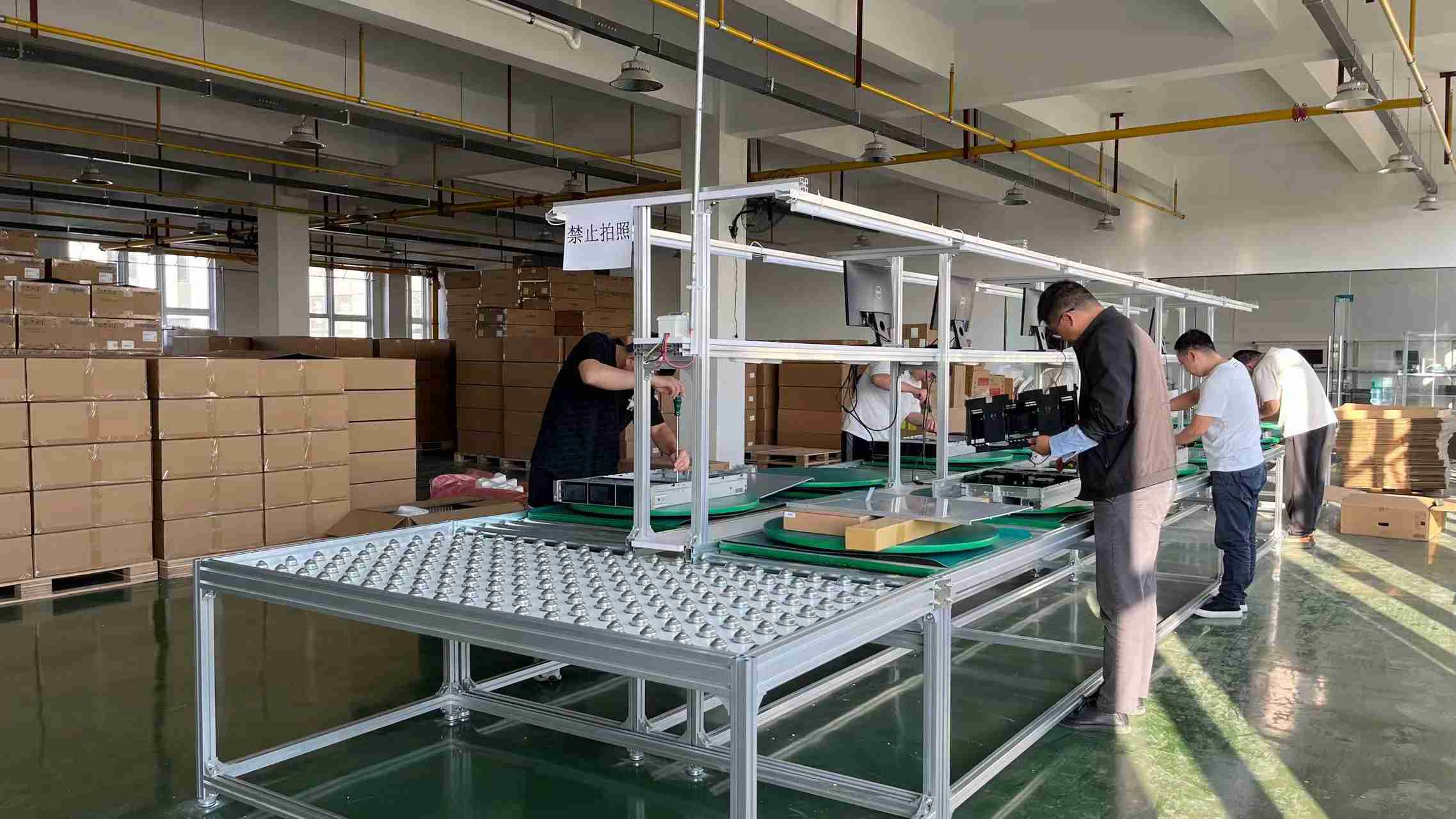
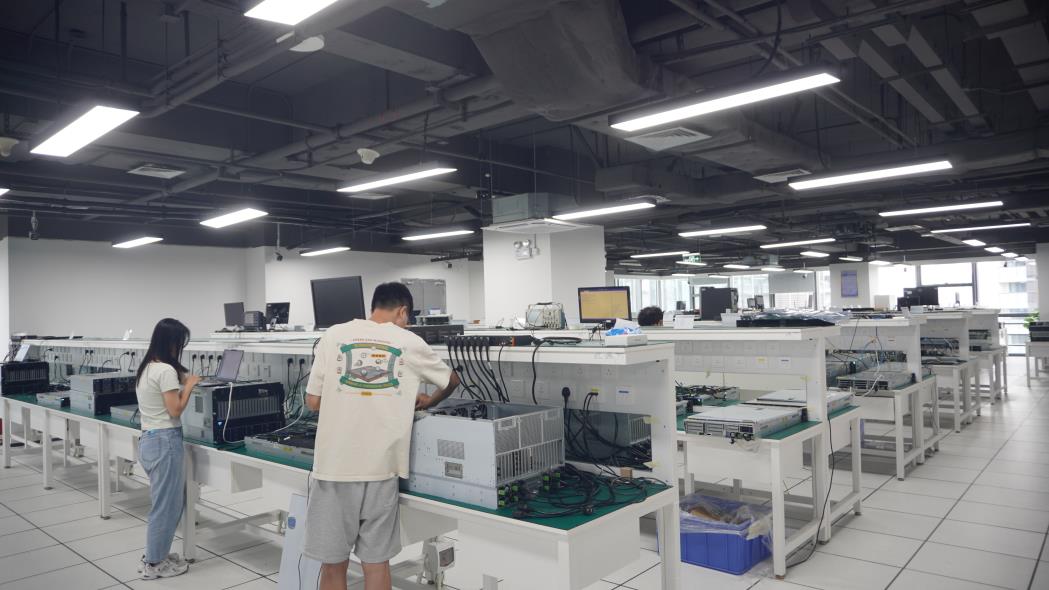
Kryntel maintains a modern manufacturing plant equipped with multi-zone reflow ovens, high-speed automated placement lines, and advanced signal analyzer stations. Kryntel's robust engineering department houses approximately 160 specialists in memory architecture, signal integrity, thermal dynamics, and firmware tuning. In the past year alone, Kryntel launched more than 280 memory configurations across DDR4 and DDR5 portfolios, highlighting its capability to adapt to changing market requirements. Supported by an ecosystem of approximately 1,200 upstream and downstream partners, Kryntel maintains secure components sourcing to ensure stable pricing and consistent supply schedules for large-scale system deployments.
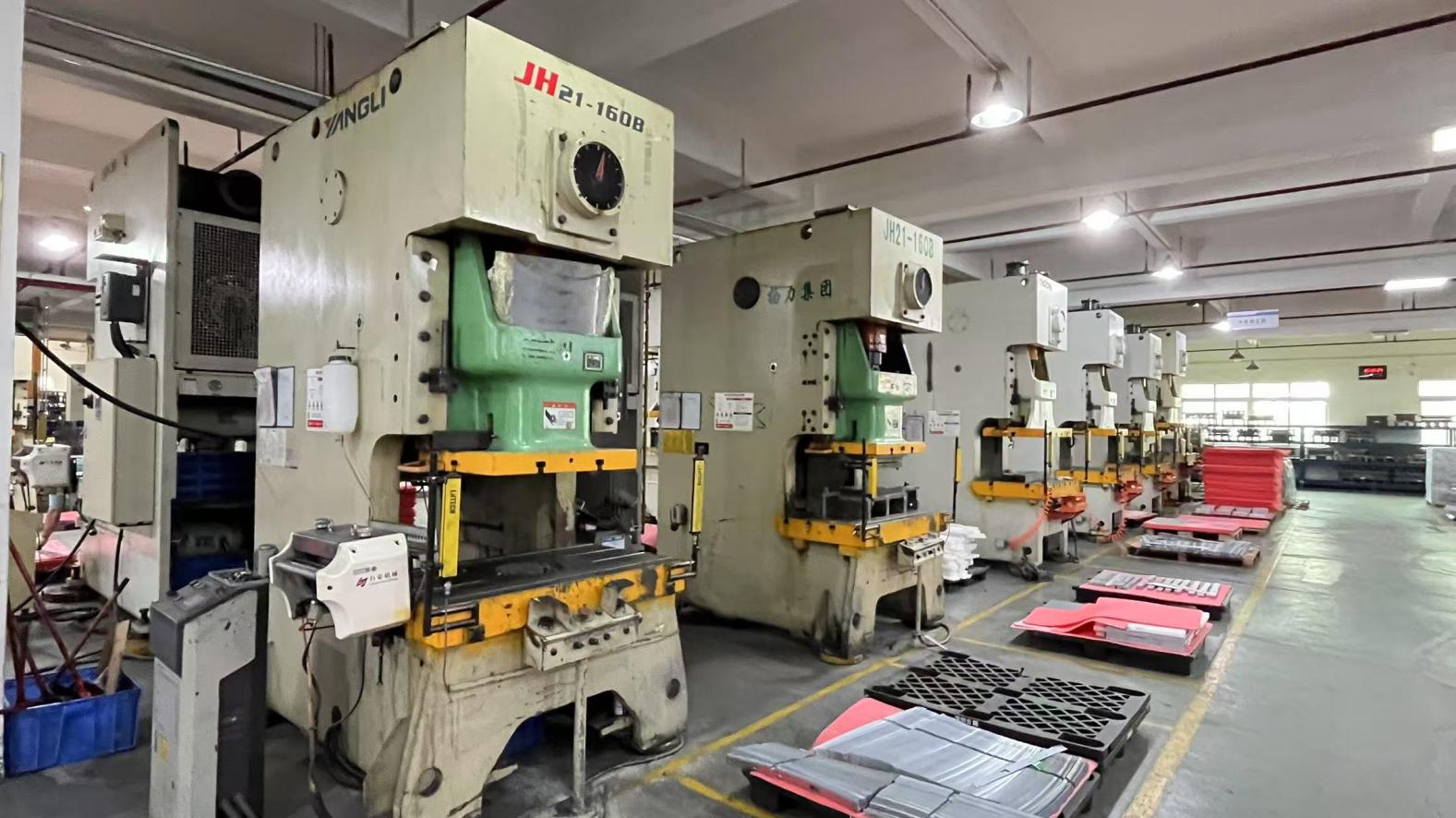
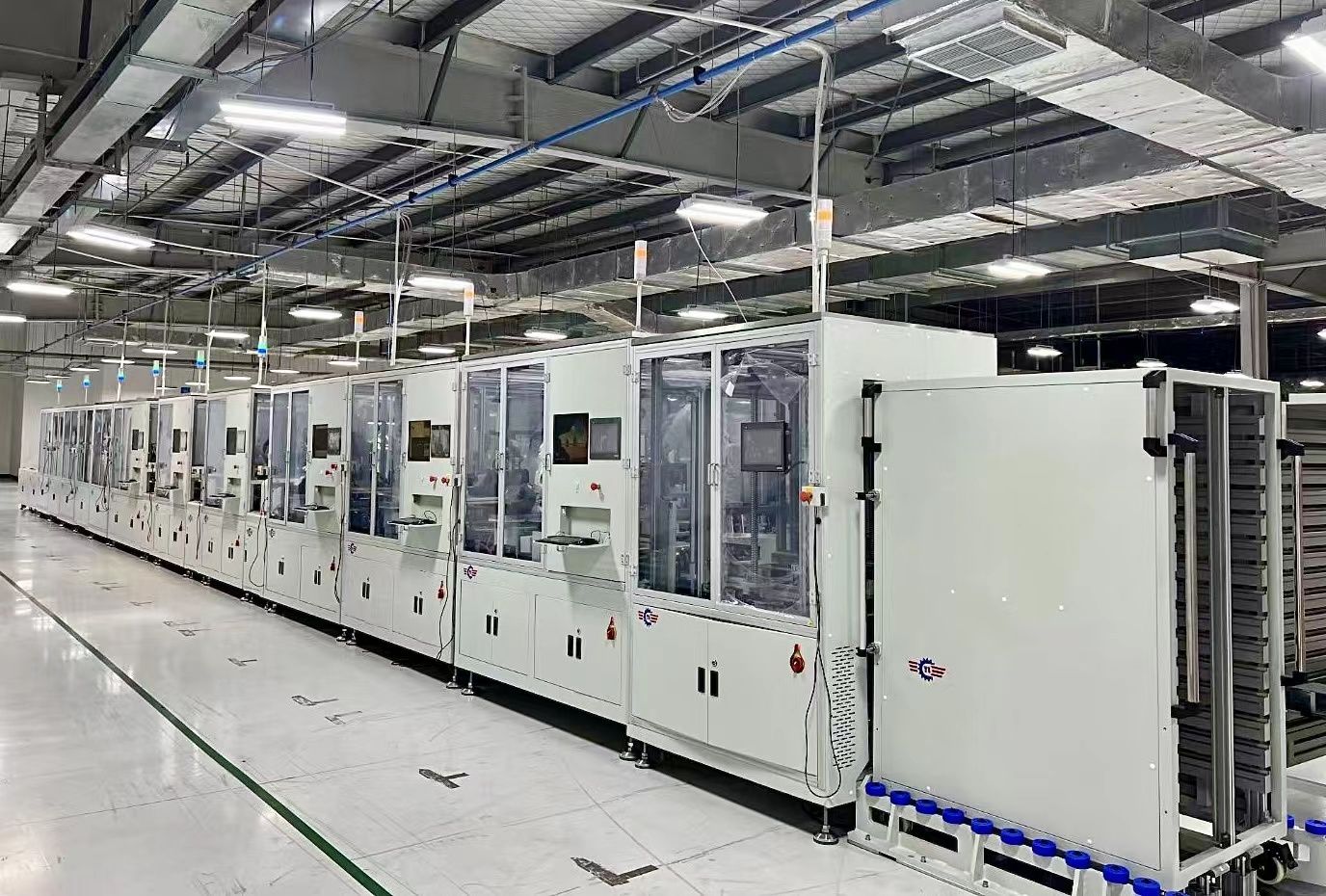
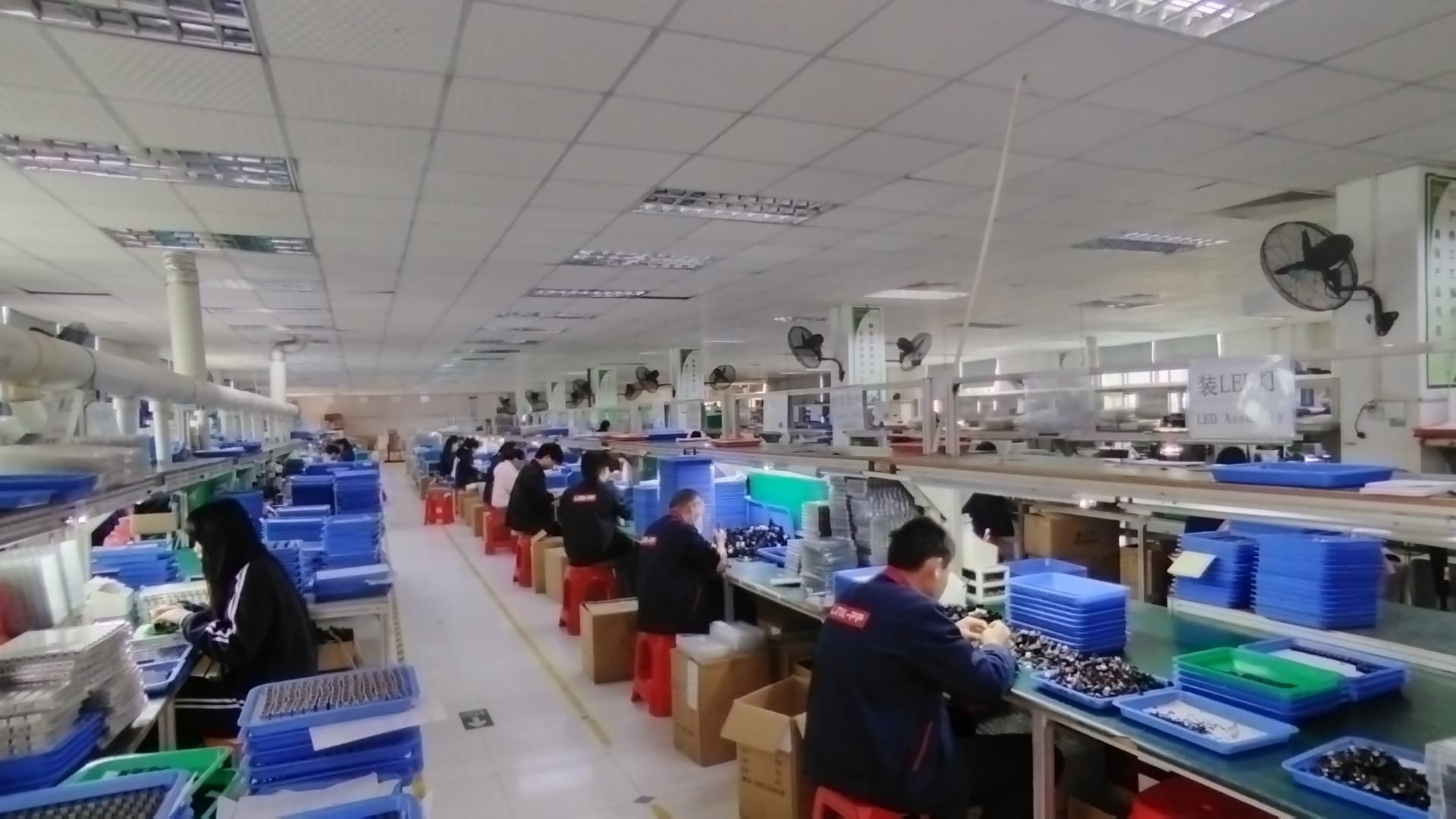
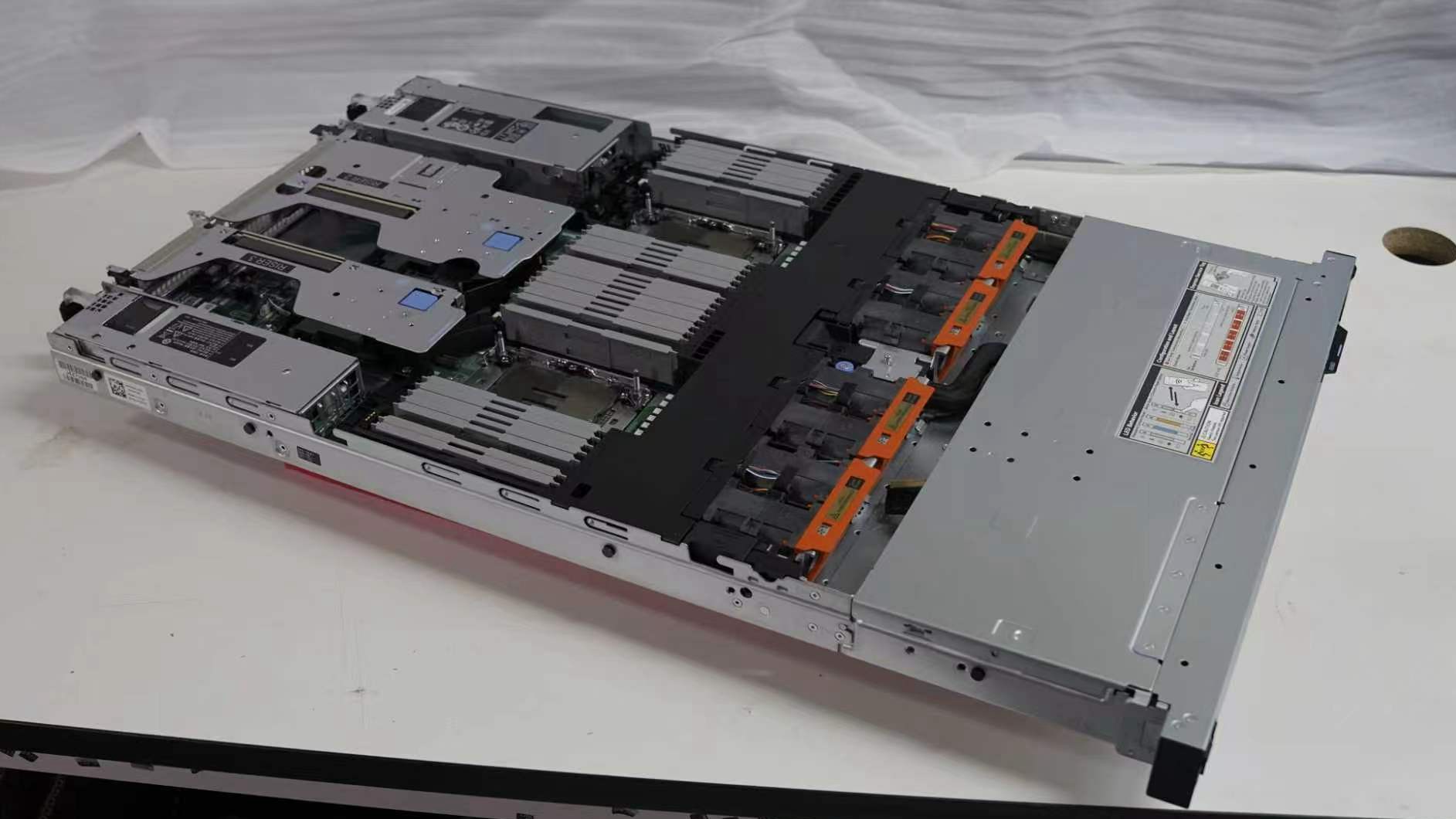
High-speed system memory and high-power thermal solutions designed to complement advanced high-frequency compute clusters.
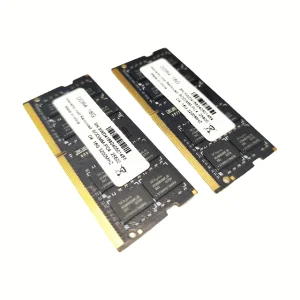
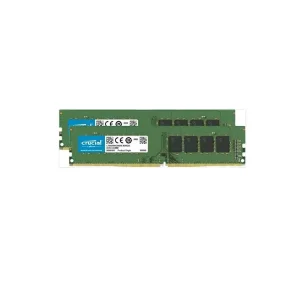
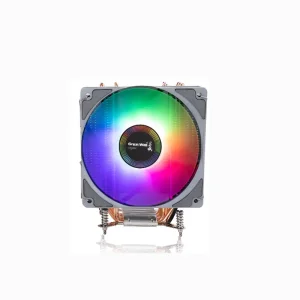
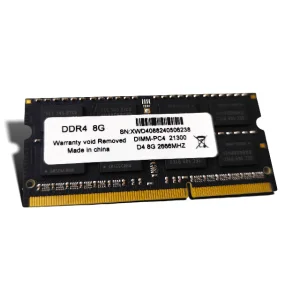
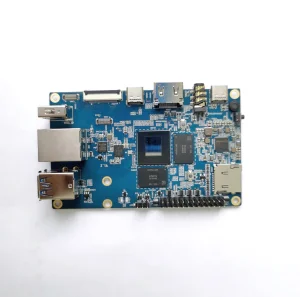
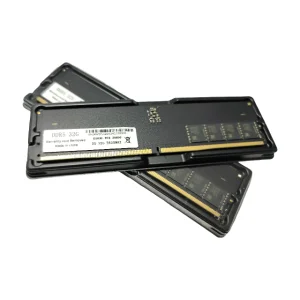
Additional custom memory architectures and multi-platform solutions to round out your system designs.
Technical answers regarding PCB material science, layout rules, and sourcing logistics for European systems engineers.
Rogers 4000 series is a ceramic-filled hydrocarbon laminate. Unlike FR-4, it features a highly stable dielectric constant (Dk) across wide frequency ranges and very low dissipation factor (Df). This prevents signal distortion and minimizes attenuation (loss) in gigahertz frequencies, making it essential for RF, microwave, and high-speed data transmission.
A hybrid PCB combines expensive RF-grade laminates (like Rogers 4000) only on the layers where high-speed signals are routed, while using cost-effective FR-4 (like Shengyi High Tg170) for the structural layers and low-speed control traces. This approach lowers total material costs while maintaining high signal performance where it is needed.
Modern high-density servers (e.g., those using Intel Xeon Ice Lake processors) generate significant heat under processing loads. A 320W LGA4189 heat sink utilizes advanced vapor chambers and sintered copper heat pipes to quickly move thermal energy away from the CPU die. This prevents thermal throttling and ensures system stability in Belgian enterprise and research computing centers.
Yes. All of Kryntel's DRAM modules (including ECC and non-ECC variants) undergo multi-stage component testing, high-temperature aging chambers, and strict compatibility validation across major motherboard platforms. They are fully compliant with RoHS and CE standards, making them suitable for deployment in European industrial computing and automation systems.
Kryntel offers complete customization services, including PCB layout optimization, signal integrity tuning, customized frequency profiles, specialized heat dissipation designs, and custom firmware adaptation. The engineering department of 160 specialists can adjust memory or subsystem parameters to meet your project's specifications.
For prototype boards, fabrication typically takes 3 to 7 working days, depending on layer count and material availability. High-frequency hybrid multilayers may require up to 10 working days to run multi-stage vacuum press cycles and verify impedance tolerances via Time-Domain Reflectometry (TDR).
Impedance control is calculated using specialized 2D/3D field solvers (such as Polar Instruments software) based on trace width, dielectric height, dielectric constant (Dk), and copper thickness. Upon fabrication, we verify these calculations by running Time-Domain Reflectometry (TDR) testing on coupon boards included on the production panel.
We provide complete shipping documentation, including commercial invoices, packing lists, detailedHS codes, and certificates of origin. We work closely with international carriers (DHL, FedEx, UPS) to facilitate fast import processing at Brussels Airport or local maritime hubs, keeping your assembly schedules on track.
Get in touch with Kryntel's engineering team today. Whether you need prototype RF PCBs, DDR5 memory modules, or high-power thermal subsystems, we deliver performance-tested hardware tailored to your system requirements.
Send Inquiry Now Kryntel