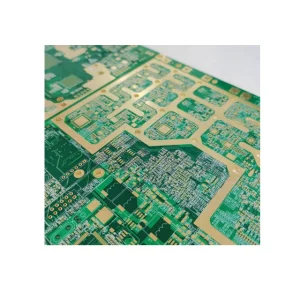
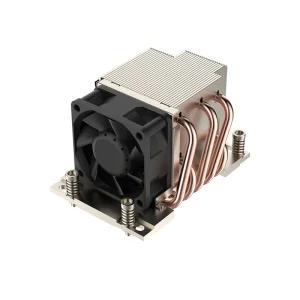
High-performance system components optimized for high-bandwidth satellite terminals and telecommunications base stations across the Pacific.
As a nation comprising 33 atolls spanning 3.5 million square kilometers of the central Pacific Ocean, Kiribati presents distinct geographic and structural challenges for digital and telecom rollouts. Achieving consistent connectivity in the Gilbert, Line, and Phoenix Islands requires strong satellite communication networks, low-latency microwave links, and robust marine monitoring systems.
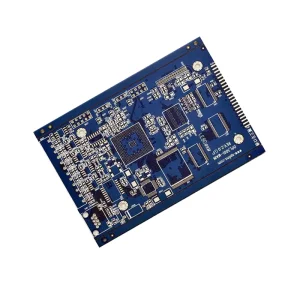
High-Frequency PCBs (HF PCBs) are essential to this infrastructure, serving as the foundation for RF transmitters, VSAT terminals, LEO (Low Earth Orbit) satellite ground stations, and oceanic sensor networks. Unlike conventional boards, HF substrates offer high impedance control, minimal signal loss, and reliable dielectric constants (Dk) at millimeter-wave frequencies.
Our customized high-frequency boards, combining materials from top global brands like Rogers and Shengyi, are built to meet these exact needs. They ensure that Kiribati's edge communication networks function with high uptime, even in isolated areas like Kiritimati (Christmas Island) or the outer Gilbert Islands.
How we address the mechanical and chemical challenges posed by Kiribati's equatorial climate.
To counter moisture and salt spray, we apply high-purity ENIG or ENEPIG surface finishes. These coatings protect copper conductors from oxidation, ensuring long-term solder joint reliability and stable electrical contact for RF signals.
Our boards can be prepared for IPC-CC-830 compliant conformal coatings (silicone, acrylic, or polyurethane). This barrier shields the circuit from salt mist, moisture, and dust, preventing leakage currents and dendritic growth on fine-pitch components.
| Property / Parameter | Standard FR-4 (Glass Epoxy) | Rogers RO4350B / RO4003C | Shengyi High-TG Hybrid Stack-Up |
|---|---|---|---|
| Dielectric Constant (Dk @ 10GHz) | 4.2 – 4.8 (Highly unstable) | 3.48 ± 0.05 (Highly stable) | 3.6 – 4.0 (Balanced performance) |
| Dissipation Factor (Df @ 10GHz) | 0.015 – 0.025 (High loss) | 0.0037 (Ultra-low loss) | 0.005 – 0.008 (Low loss) |
| Moisture Absorption Rate | < 0.25% | < 0.06% (Ideal for high humidity) | < 0.10% (Excellent moisture shield) |
| Coefficient of Thermal Expansion (CTE) | 14 - 17 ppm/°C (X-Y axis) | 11 - 14 ppm/°C (Matches copper foil) | 12 - 15 ppm/°C (High structural stability) |
| Optimal Application Range | Consumer Electronics, low frequency | RF Transmitters, LEO Satellites, Radar | Base stations, High-Speed digital backplanes |
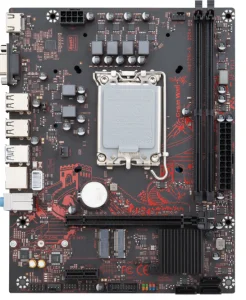
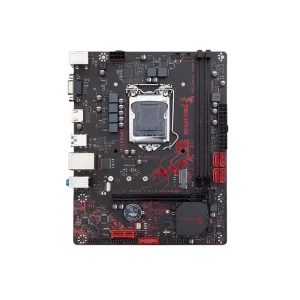
Motherboards and hardware components optimized for regional computing infrastructure, government offices, and local telecom nodes.
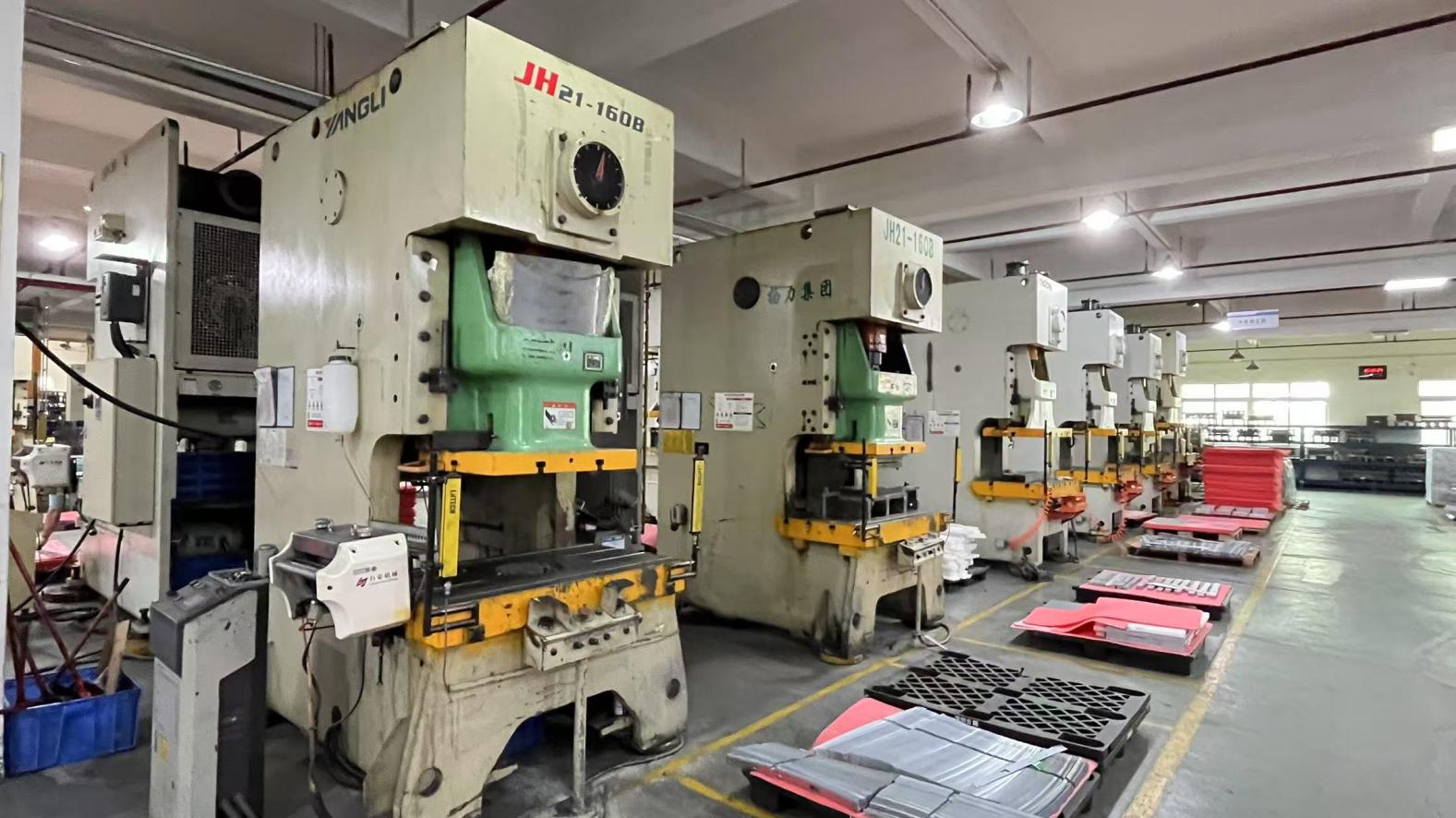
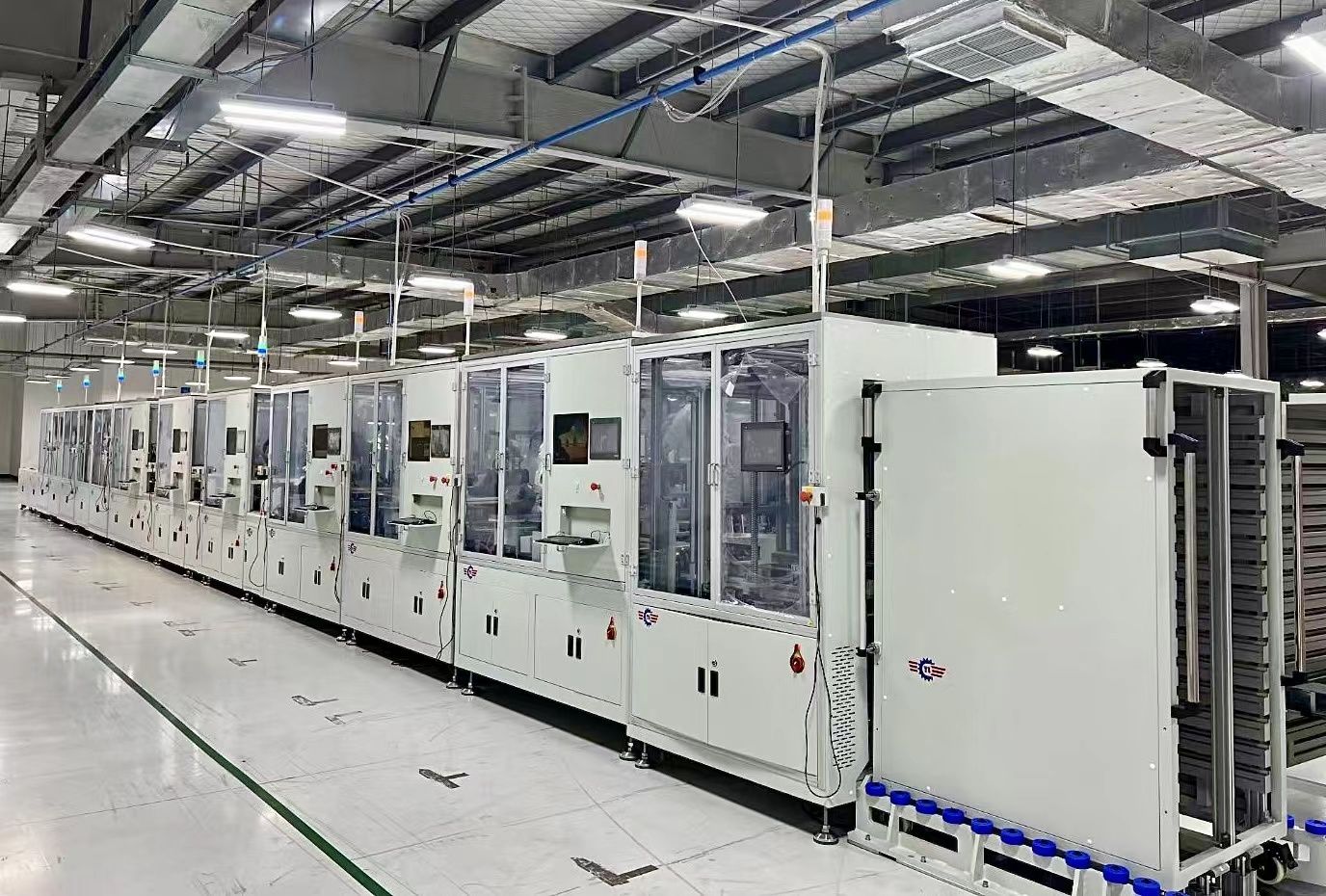
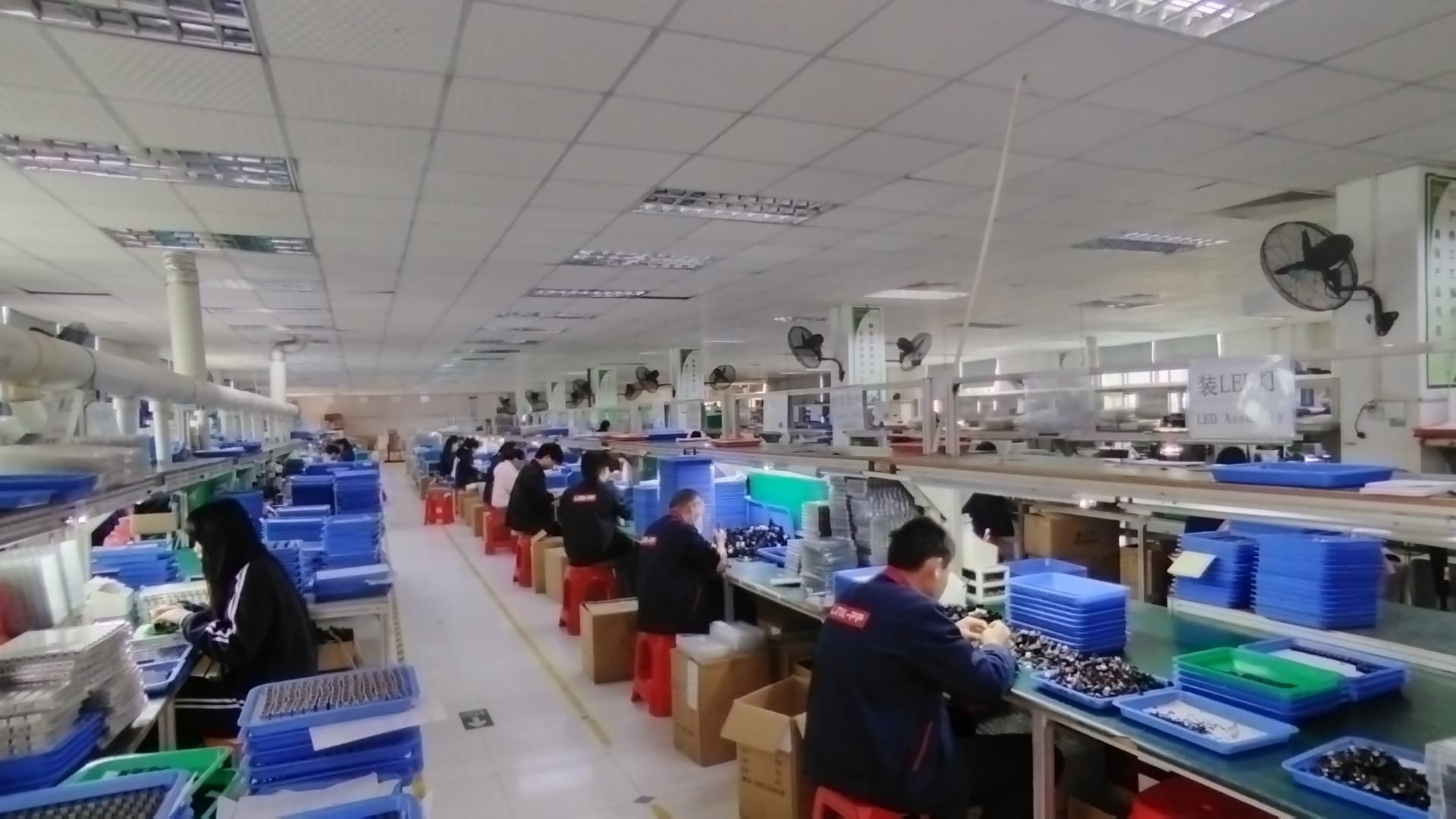
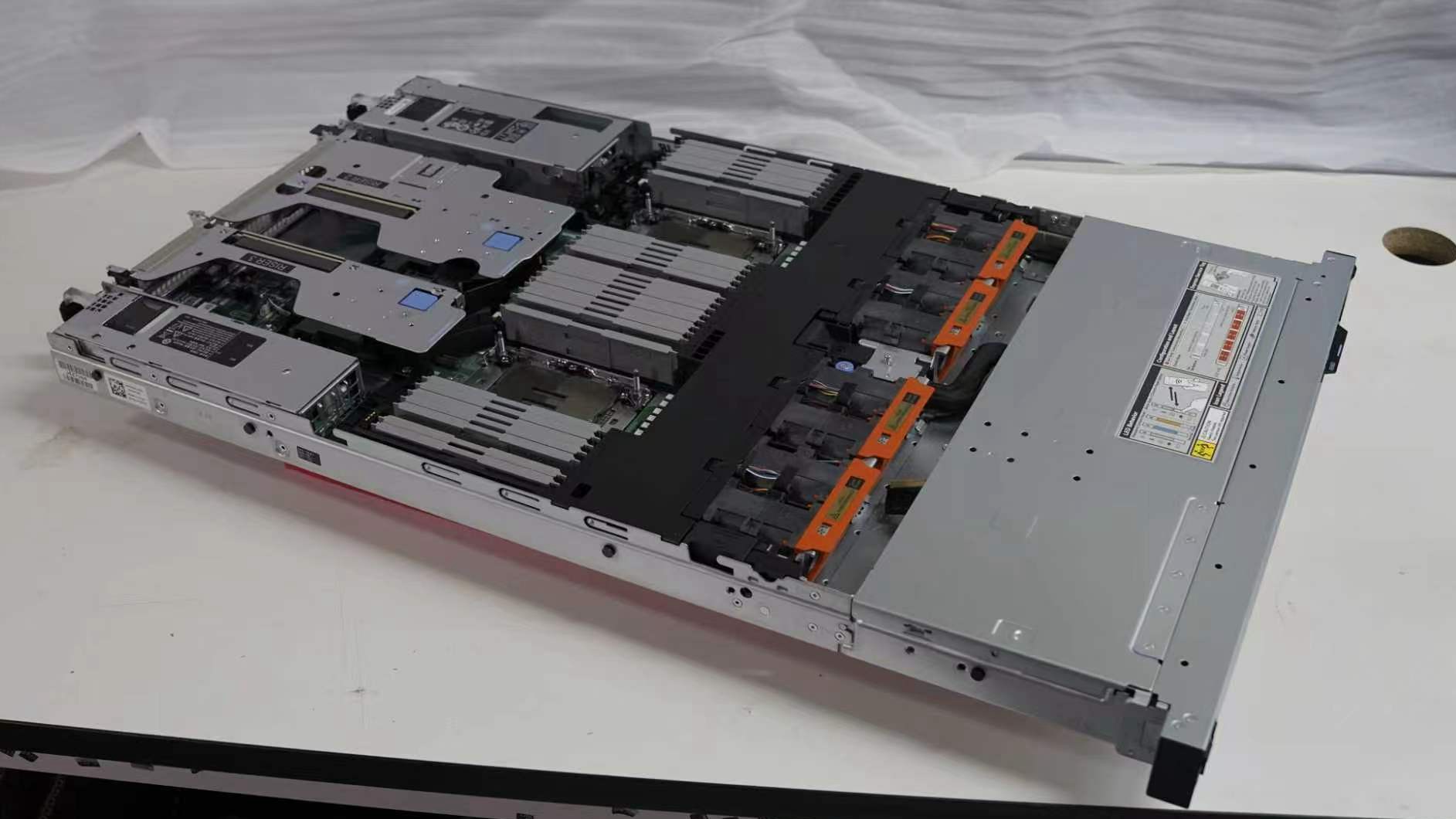
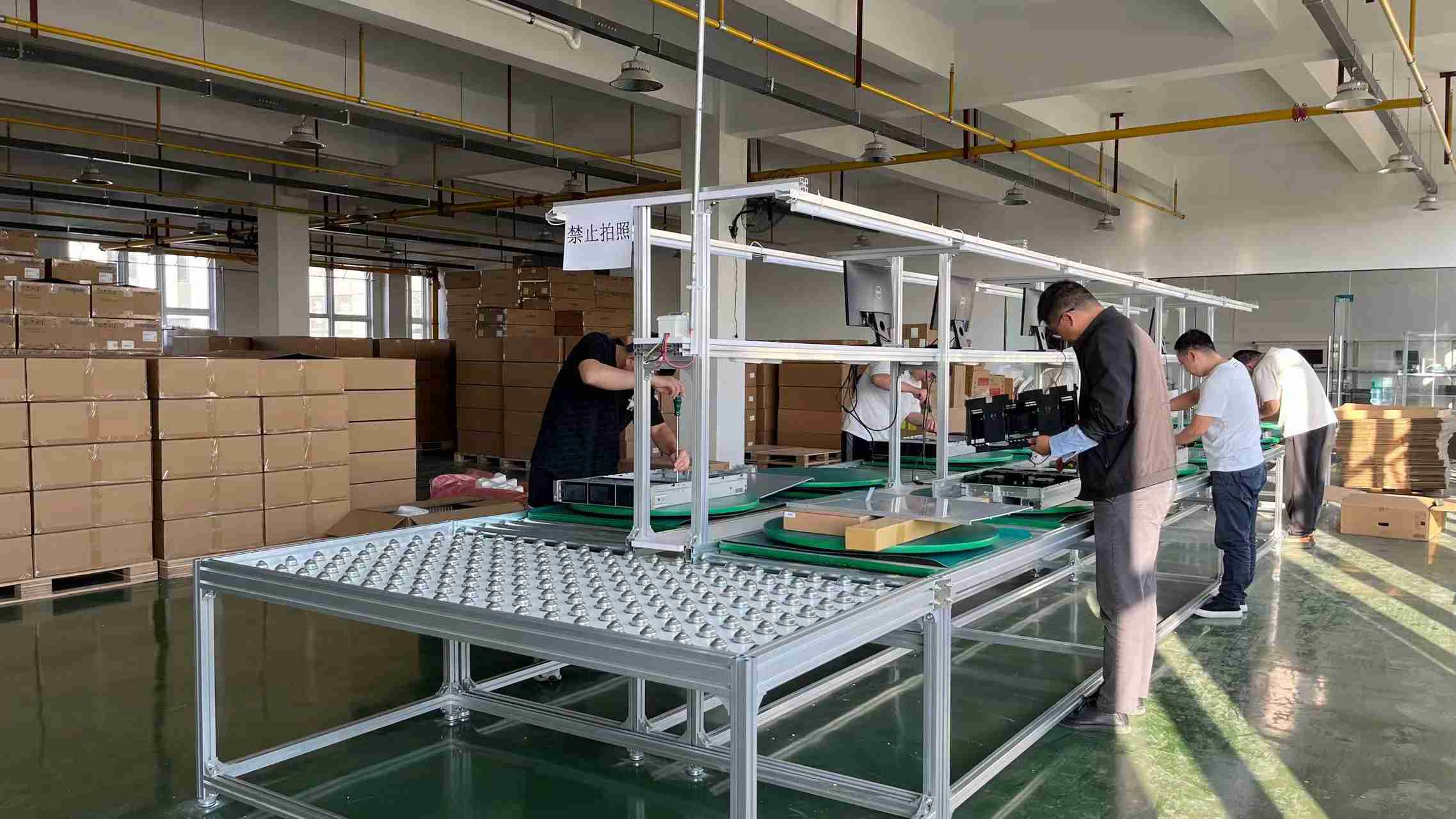
Established in 2016, Kryntel Memory Technology (China) Co., Ltd. is a high-technology manufacturer specializing in high-performance memory modules, advanced PCBs, and complete system assemblies for global OEM, ODM, and system integration projects.
Operating from a facility spanning approximately 320m², we produce stable, high-speed, and thermal-efficient computing and communication hardware. Over the years, Kryntel has established robust export pipelines, generating annual export values of USD 8 million to USD 18 million across the Americas, Europe, the Middle East, and Asia-Pacific.
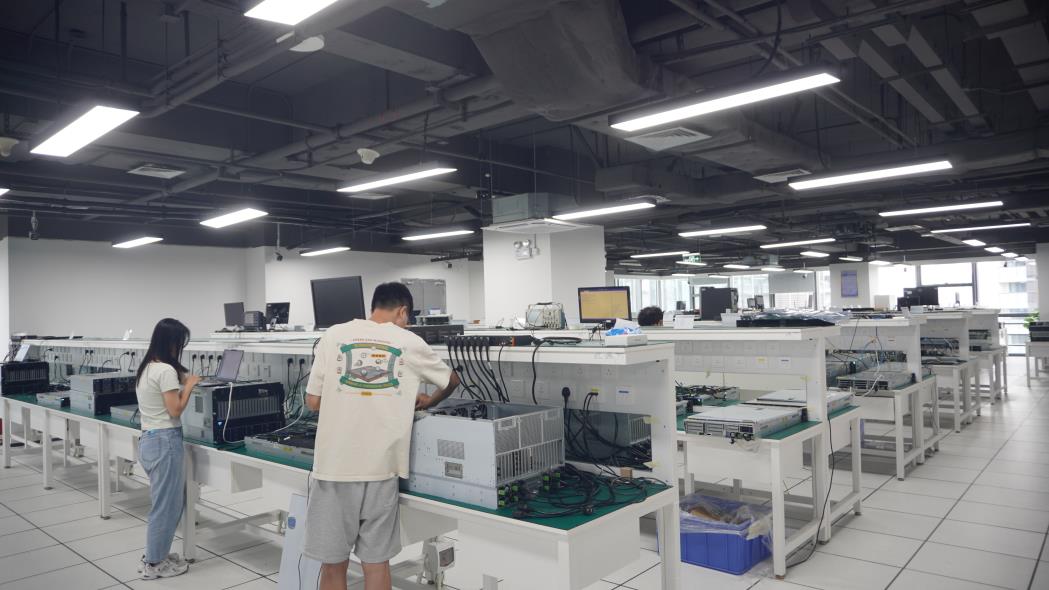
Our quality control protocols span multiple inspection gates, including incoming material qualification, in-process checking, thermal chamber burn-in, and final stress testing. With 42 quality assurance specialists and a 160-engineer R&D department, we customize and manufacture boards that meet exact customer requirements.
Our close relationship with raw material suppliers and key component manufacturers allows us to source copper-clad laminates, premium DRAM dies, and specialty heat spreaders at scale. This integration helps us maintain competitive pricing, reliable lead times, and stable product quality.
Ensuring seamless custom clearances, compliance alignment, and door-to-port maritime freight to Tarawa.
Importing complex electronic assemblies into Kiribati requires attention to transportation routes and regulatory compliance. We handle the process from production in Shenzhen to delivery at the Port of Betio (Tarawa) or Bonriki International Airport, ensuring compliance with international regulations.
Every shipment is accompanied by detailed documentation, including Certificate of Conformity (CoC), material trace declarations (RoHS & REACH compliance), and packing lists detailing mechanical dimensions and substrate specifications. This reduces customs delays and ensures smooth transit.
Technical advice on selecting, designing, and maintaining high-frequency PCB systems in Pacific maritime territories.
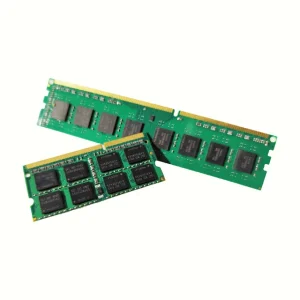
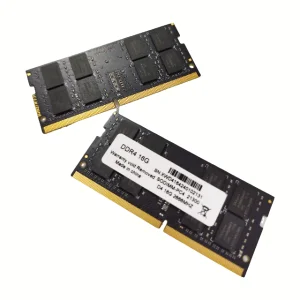
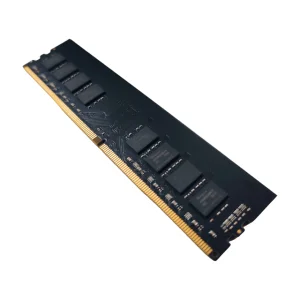
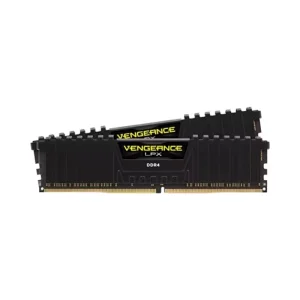
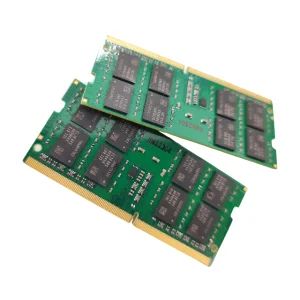
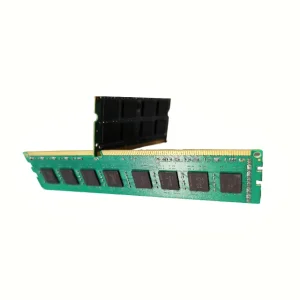
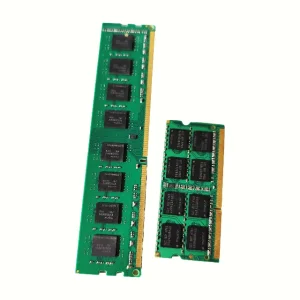
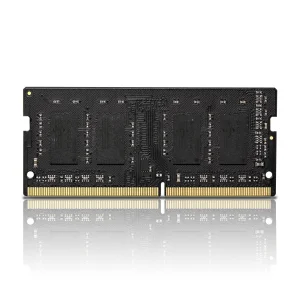
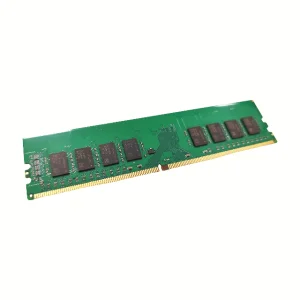
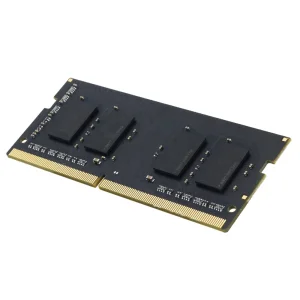
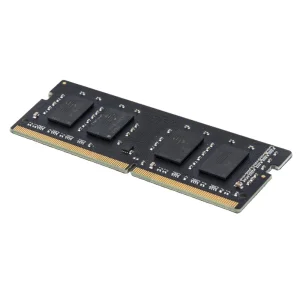
High-reliability memory upgrades and legacy system hardware configurations for servers, laptops, and networking nodes in Kiribati.
Contact our technical sales team for impedance modeling, material selection support, and volume quotes customized for the Kiribati digital infrastructure pipeline.
 Kryntel