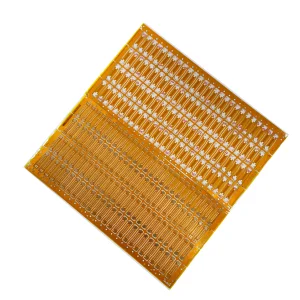
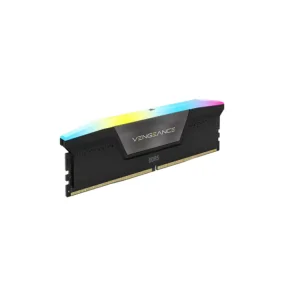
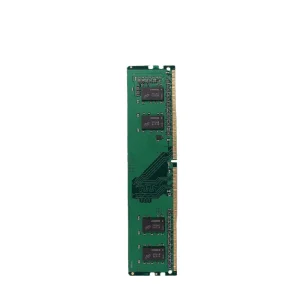
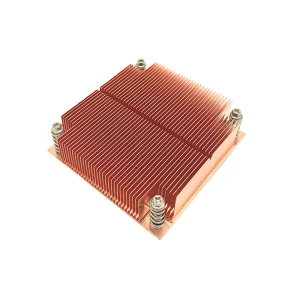
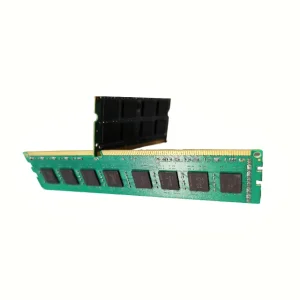
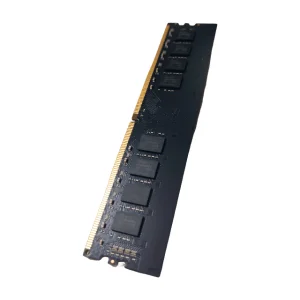
Explore our leading DDR3 laptop architecture alongside high-performance memory modules optimized for Korean industrial platforms, embedded controllers, and custom hardware applications.
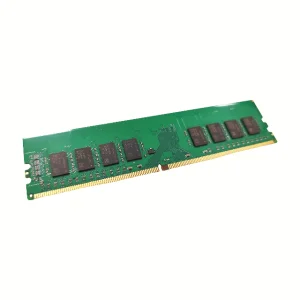
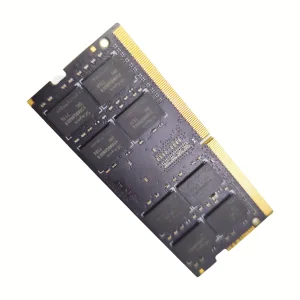
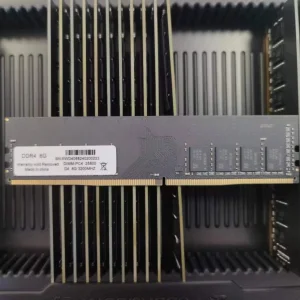
South Korea stands globally recognized as a powerhouse of semiconductor innovation, hosting industry titans that lead in high-bandwidth memory (HBM) and modern DDR5 architectures. However, within Korea's highly advanced industrial sectors—such as manufacturing hubs in Ansan, Incheon, and Ulsan—lies a continuous, critical demand for legacy memory technologies, specifically DDR3 RAM modules. While consumer electronics transition to newer iterations, key infrastructure nodes, factory automation controllers, automotive diagnostics, and telecommunication switches depend heavily on DDR3's established thermal profiling and high operational stability.
Replacing these legacy environments is often cost-prohibitive or structurally impractical due to the requirements of certified hardware lifecycles. System integrators, medical computer manufacturers, and local distributors in South Korea consistently seek stable, high-reliability DDR3 exporters who can guarantee long-term availability, compatibility, and compliant technical support.
Under the "Smart Factory 2030" national strategy, South Korea is converting small and medium enterprise (SME) facilities into automated, IoT-connected environments. This transition utilizes an array of edge nodes, industrial Programmable Logic Controllers (PLCs), Human-Machine Interfaces (HMIs), and system gateways. Key reasons why DDR3 remains the standard choice for these systems include:
Delivering high-reliability memory modules through rigorous quality protocols, expert engineering, and stable international supply chains.
Kryntel leverages cleanroom processing and SMT automation. Our testing protocols include thermal chamber validation, signal timing optimization, and high-temperature aging tests, minimizing DOA (Dead on Arrival) occurrences to less than 0.05%.
By establishing long-term relations with Tier-1 DRAM component suppliers, we maintain stable production volume for DDR3, DDR4, and DDR5. This safeguards our Korean clients from global semiconductor supply volatility.
Our dedicated engineering department optimizes PCB layering, impedance matching, heat dissipation shields, and SPD configuration to ensure seamless operation on both legacy and newly integrated boards.
Explore high-performance platforms, specialized graphics motherboards, ECC memory options, and next-generation computer RAM designed to handle demanding workflows.
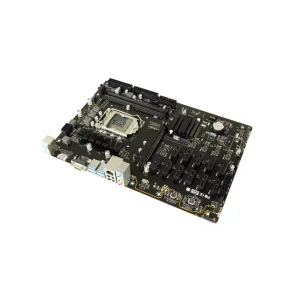
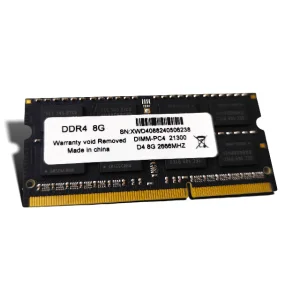
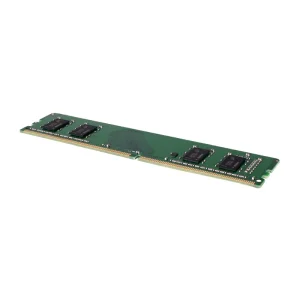
At Kryntel Memory Technology (China) Co., Ltd., we recognize that memory modules deployed in industrial setups must withstand harsh environments. Unlike typical consumer components, our modules undergo strict validation checks to maintain quality throughout the product's life:
Successfully importing hardware into South Korea requires navigating specific local compliance and technical demands. Kryntel works closely with Korean importers and logistics companies to verify all materials align with local import regulations:
Our lead-free manufacturing processes meet RoHS standards, and we support efforts to obtain KC (Korea Certification) markers where required for custom-engineered system designs. Additionally, our shipping teams handle customs documentation carefully, offering clear container labeling to expedite clearance at ports of entry like Incheon and Busan.
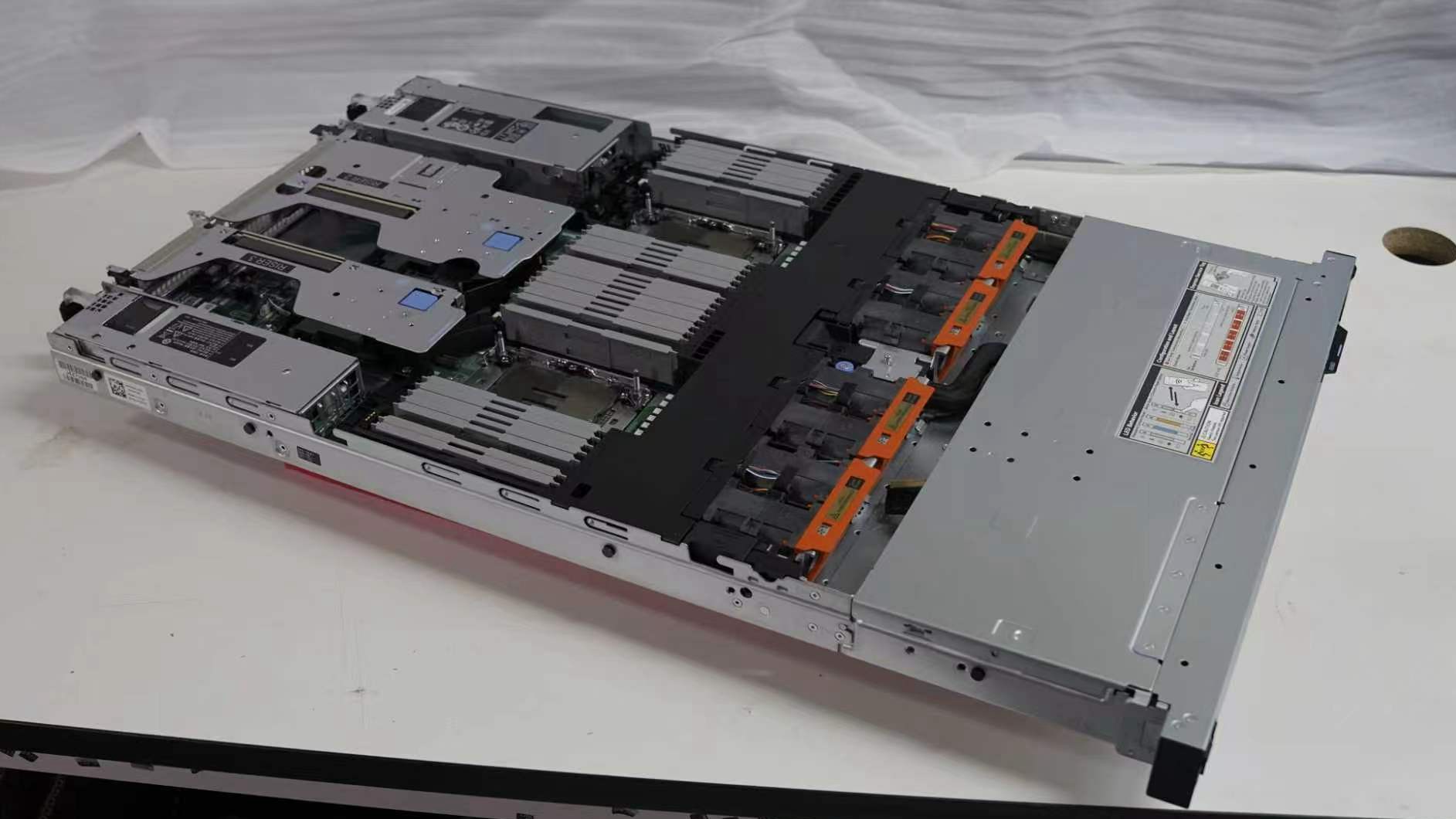
Explore our main inventory of enterprise server memory, high-precision assemblies, motherboards, cooling components, and laptop modules.
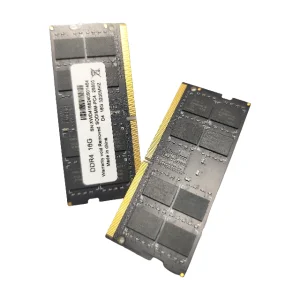
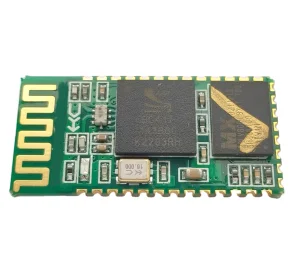
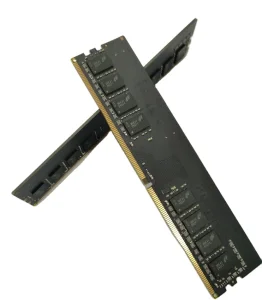
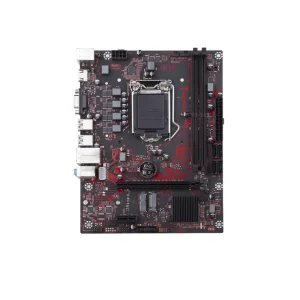
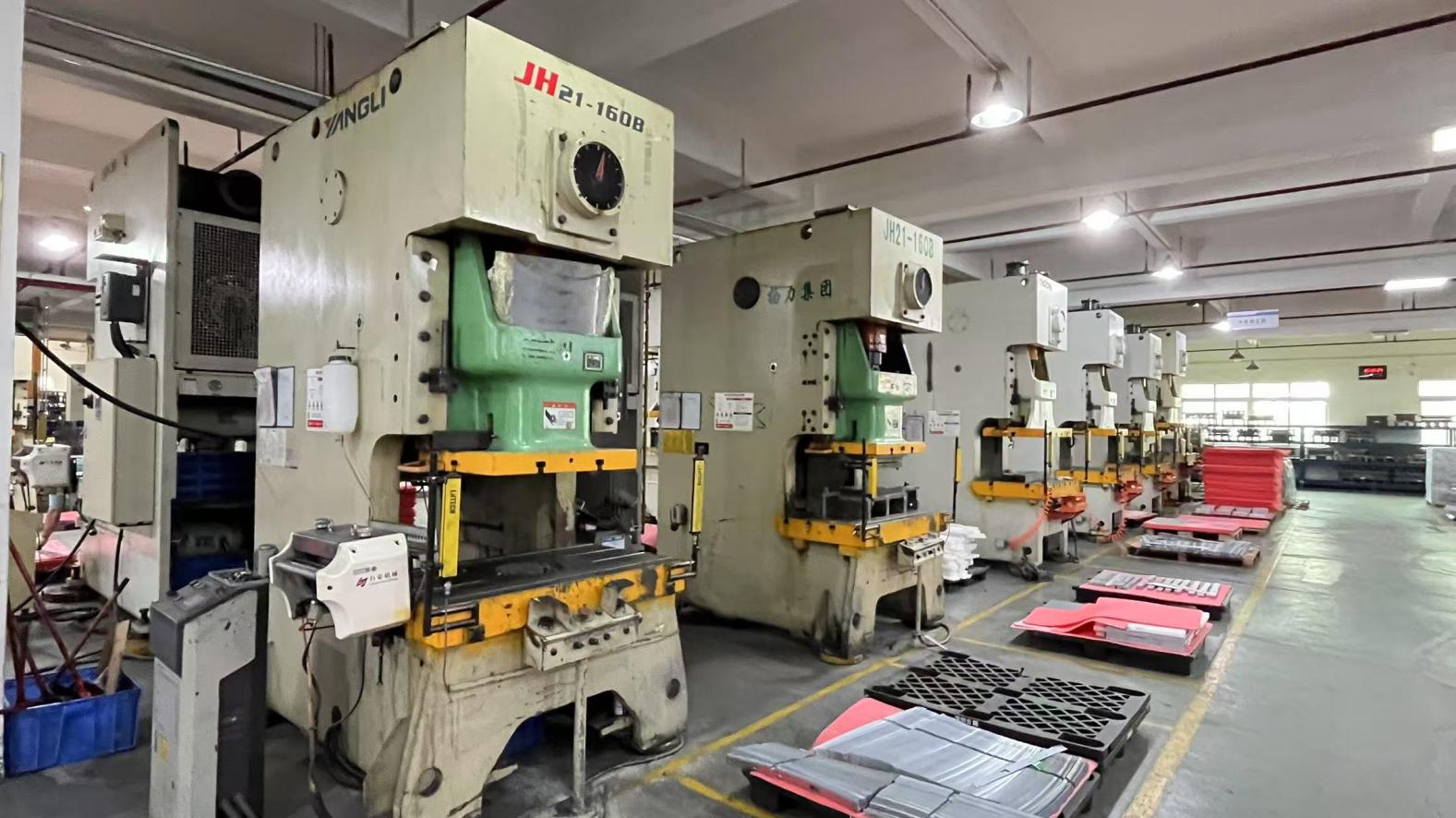
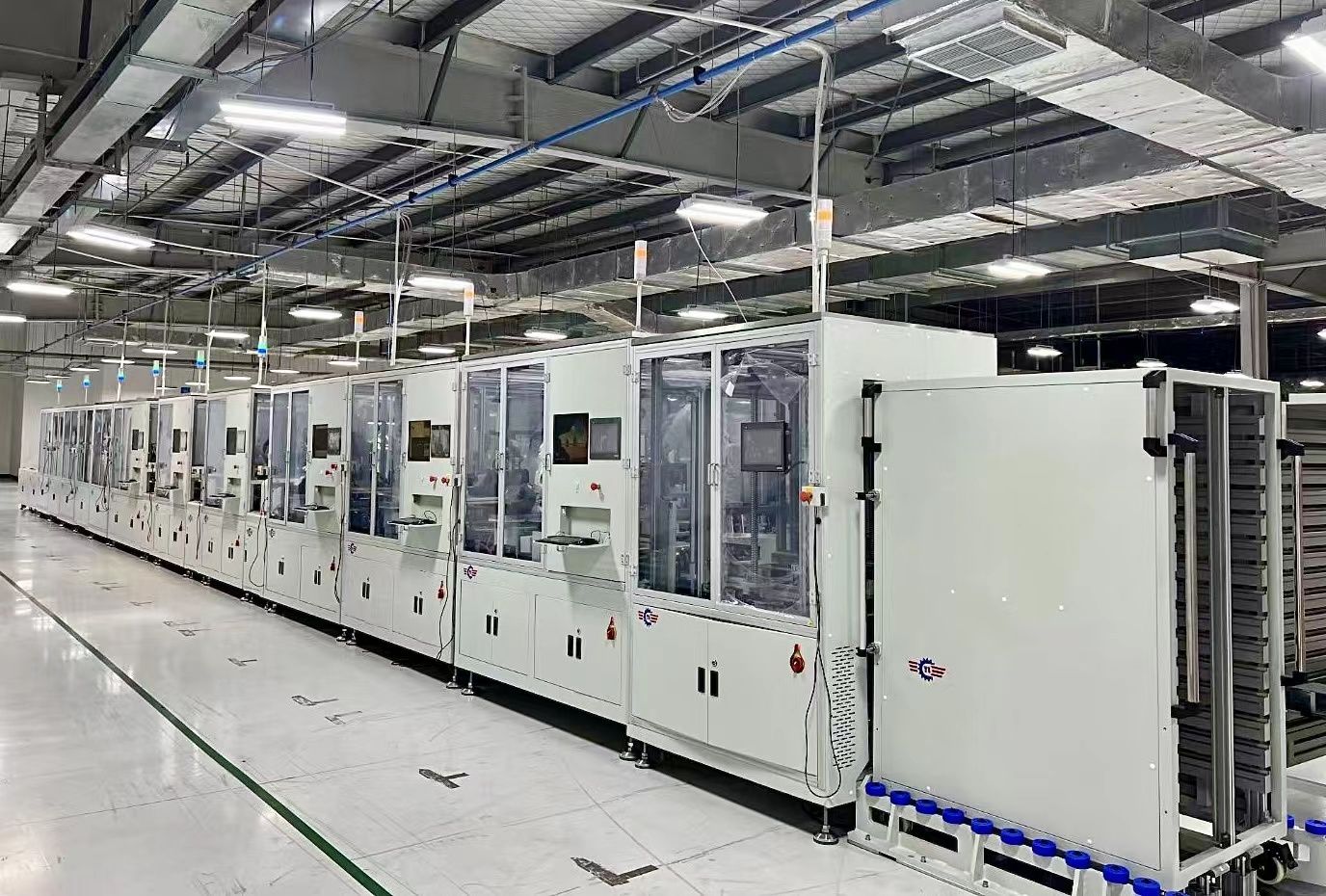
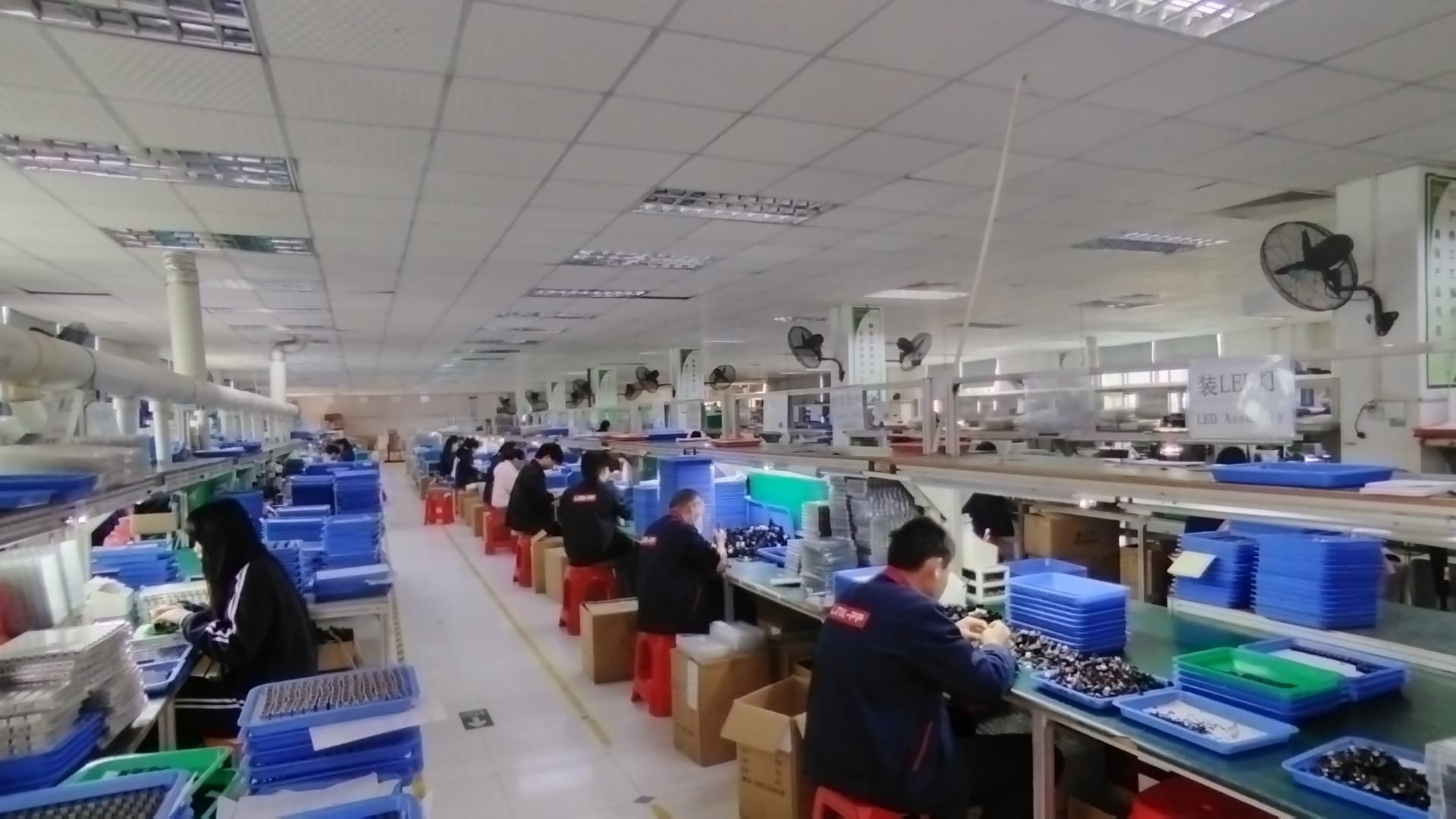
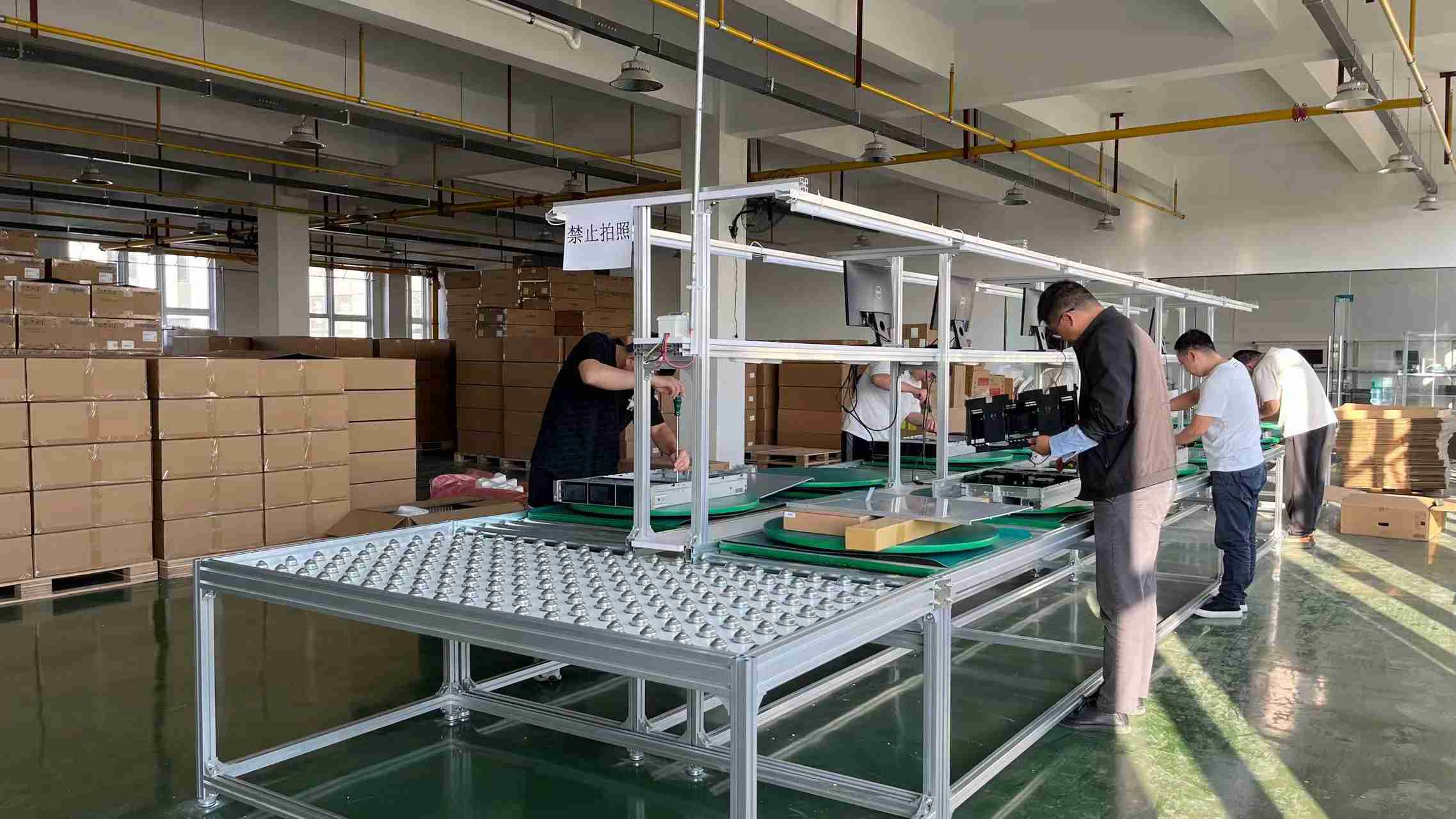
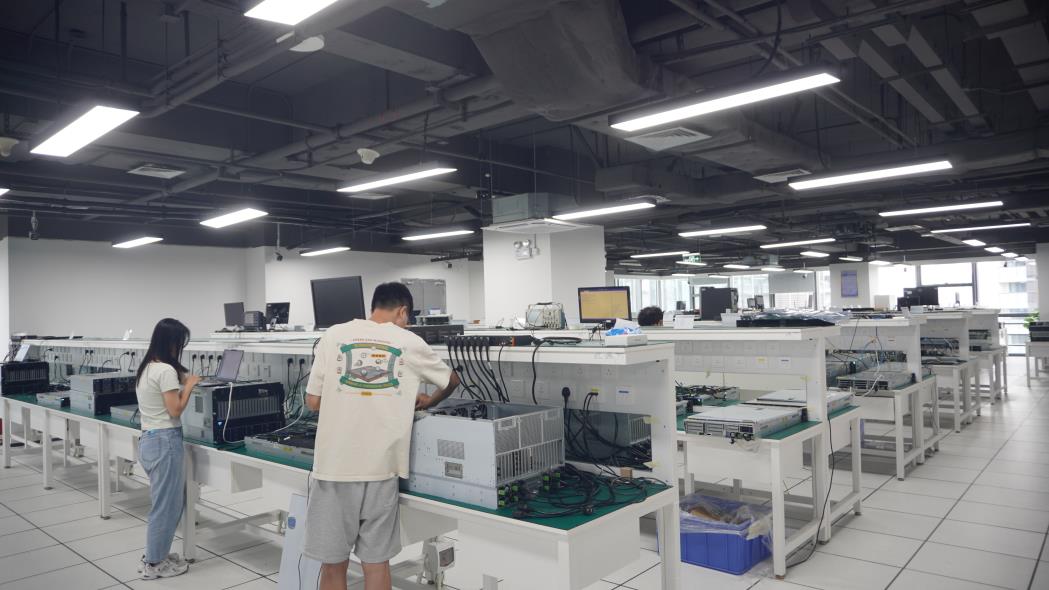
A look at Kryntel's advanced testing environments, cleanrooms, and warehouse operations supporting our global OEMs and system integrators.
Find answers to common questions about memory imports, compatibility standards, and OEM procurement options for the South Korean market.
Partner with Kryntel Memory Technology for tested, stable, and customized memory solutions. Get in touch with our export sales team for bulk pricing, custom OEM samples, and detailed specification sheets.
Send Inquiry Now → Kryntel