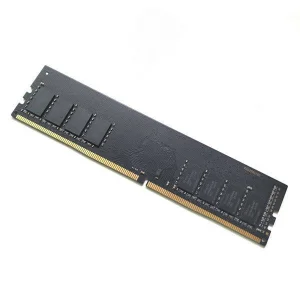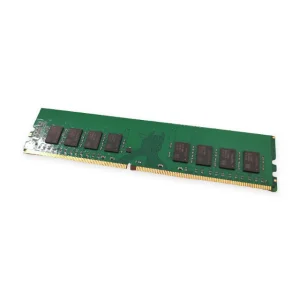
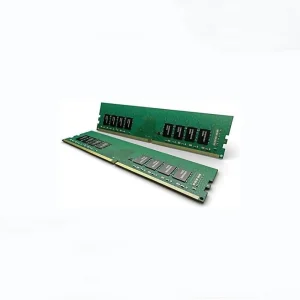
As Europe’s economic powerhouse, Germany (Deutschland) continues to dominate global fields of automotive engineering, advanced industrial automation, and enterprise cloud architecture. Through initiatives like Industrie 4.0, German manufacturers are integrating Cyber-Physical Systems (CPS), smart sensor networks, and edge-computing modules within production floors. These workloads require memory solutions with high thermal threshold tolerances and absolute data integrity.
Legacy and newly integrated systems in Munich, Stuttgart, and Nuremberg rely heavily on JEDEC-standard DDR4 memory. This standard provides the ideal balance of cost-efficiency, power profiles, and mature architectural stability compared to emerging DDR5 components. To prevent system downtime in critical assembly environments, German engineers mandate strict compliance with European directives, including CE (Conformité Européenne), RoHS, and REACH.
Frankfurt is Europe’s primary interconnectivity hub, hosting a large density of colocation data centers (such as Equinix, Interxion, and Digital Realty). As network utilization increases due to AI inference workloads, containerization, and massive databases, cloud hosts require cost-efficient memory scaling options.
Upgrading enterprise cloud systems with high-density DDR4 modules allows server operators to expand virtualization capacities without replacing existing server processors. For German system integrators and distributors, procurement focuses on reliable sourcing channels that can supply high-frequency (such as 3200MHz and 2666MHz) modules under low-latency conditions, while offering strict warranties to safeguard heavy infrastructure investments.
While the consumer PC market is shifting toward newer formats, the global industrial, medical, and embedded sectors show a strong demand for DDR4 lifecycle longevity. Many commercial devices utilize chipsets with cycles spanning up to 2030, making it critical for procurement teams to secure stable DDR4 channels.
Global suppliers face the challenge of providing stable supplies without experiencing pricing volatility caused by IC fabrication changes. Kryntel ensures supply continuity by partnering with major DRAM die manufacturers (Samsung, SK Hynix, and Micron), ensuring a reliable flow of A-grade components to meet the requirements of long-term projects.
For procurement officers in Germany, calculating the TCO requires looking beyond the initial purchase price of the RAM. It also involves assessing potential costs from field errors, system instability, and component degradation under thermal stress.
Working with a supplier that maintains rigorous testing procedures helps minimize quality-related liabilities. We offer customization services that allow clients to adjust SPD configurations and latency profiles, ensuring seamless integration with existing motherboard designs.
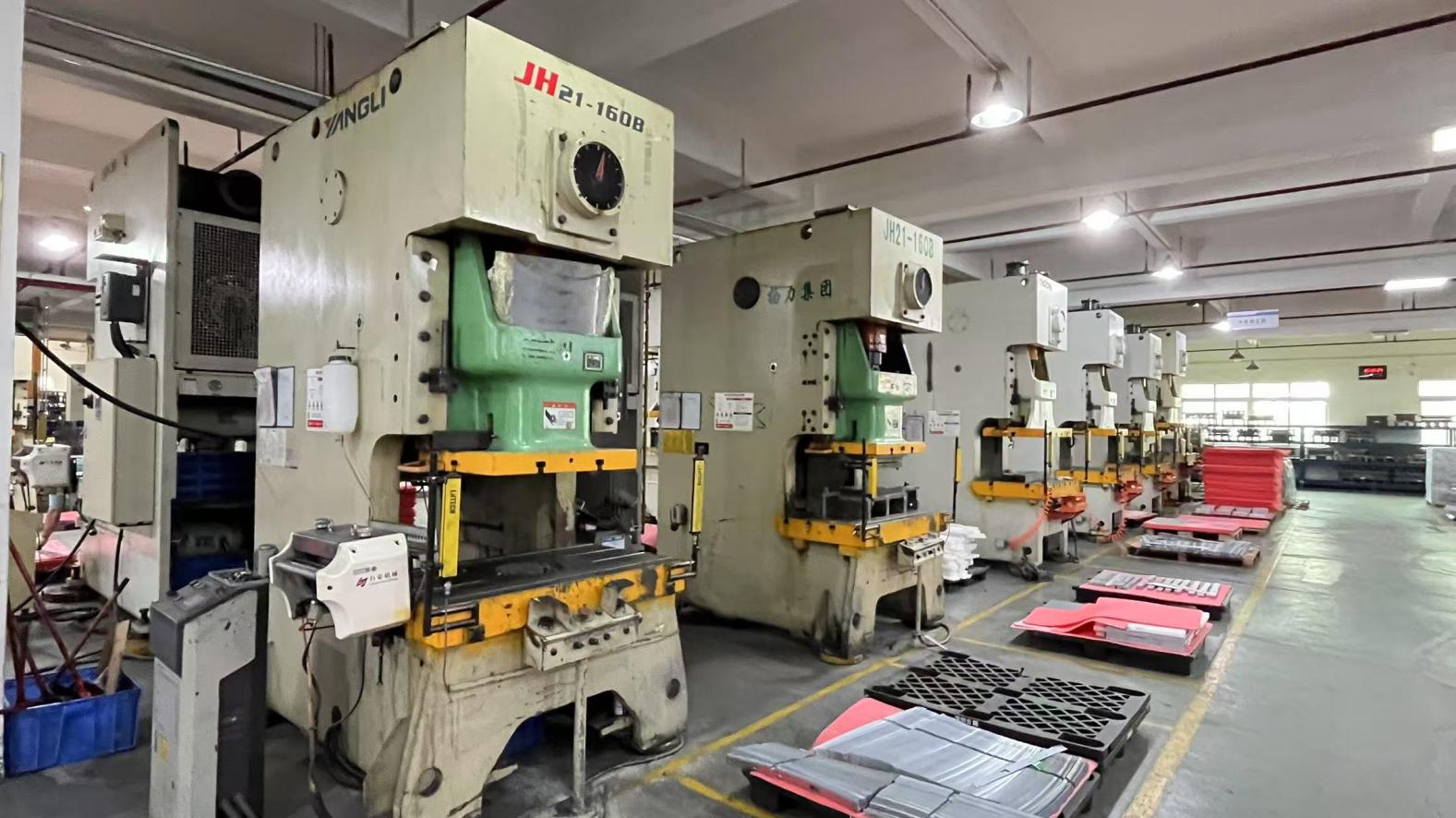
Founded in 2016, Kryntel Memory Technology (China) Co., Ltd. is a specialized manufacturer of high-performance DDR4 and DDR5 memory modules, supporting global OEM, ODM, and private label partners. Operating out of a modern manufacturing facility, we provide high-speed, stable, and energy-efficient memory components for gaming systems, industrial applications, and enterprise servers.
Over the years, we have built strong export relationships, generating annual export revenues between USD 8 million and USD 18 million. Our team leverages 6 years of direct export experience alongside 9 years of combined semiconductor manufacturing knowledge to help clients navigate international distribution challenges.
We work within a structured supply chain network of approximately 1,200 partners, ensuring stable sourcing of high-quality DRAM chips and components. This robust network helps us keep pricing competitive and maintain delivery schedules during periods of material shortage.
Our quality control system uses multi-stage inspection procedures to verify reliability at every step of production. This process covers incoming materials, in-process assembly, thermal testing, and final product sampling.
Our Quality Assurance department consists of 42 technicians who perform high-temperature aging tests, platform compatibility checks across major motherboard brands, bandwidth stress testing, and voltage stability testing.
Our R&D team includes approximately 160 engineers focused on optimizing signal integrity, designing durable PCBs, and maximizing heat dissipation performance. We offer extensive customization services, allowing partners to customize frequency, latency profiles, outer packaging, heat-spreaders, and firmware configurations.
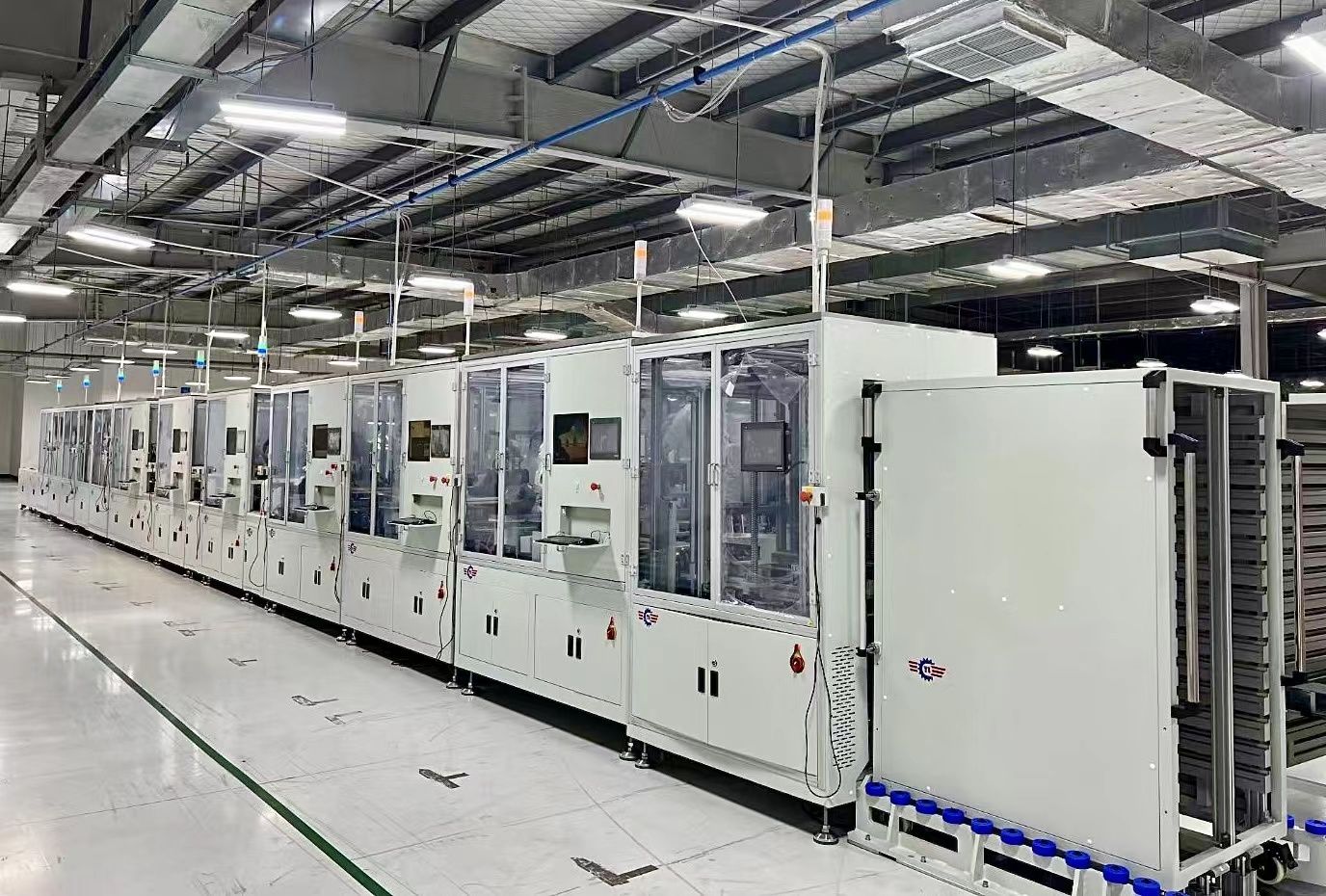
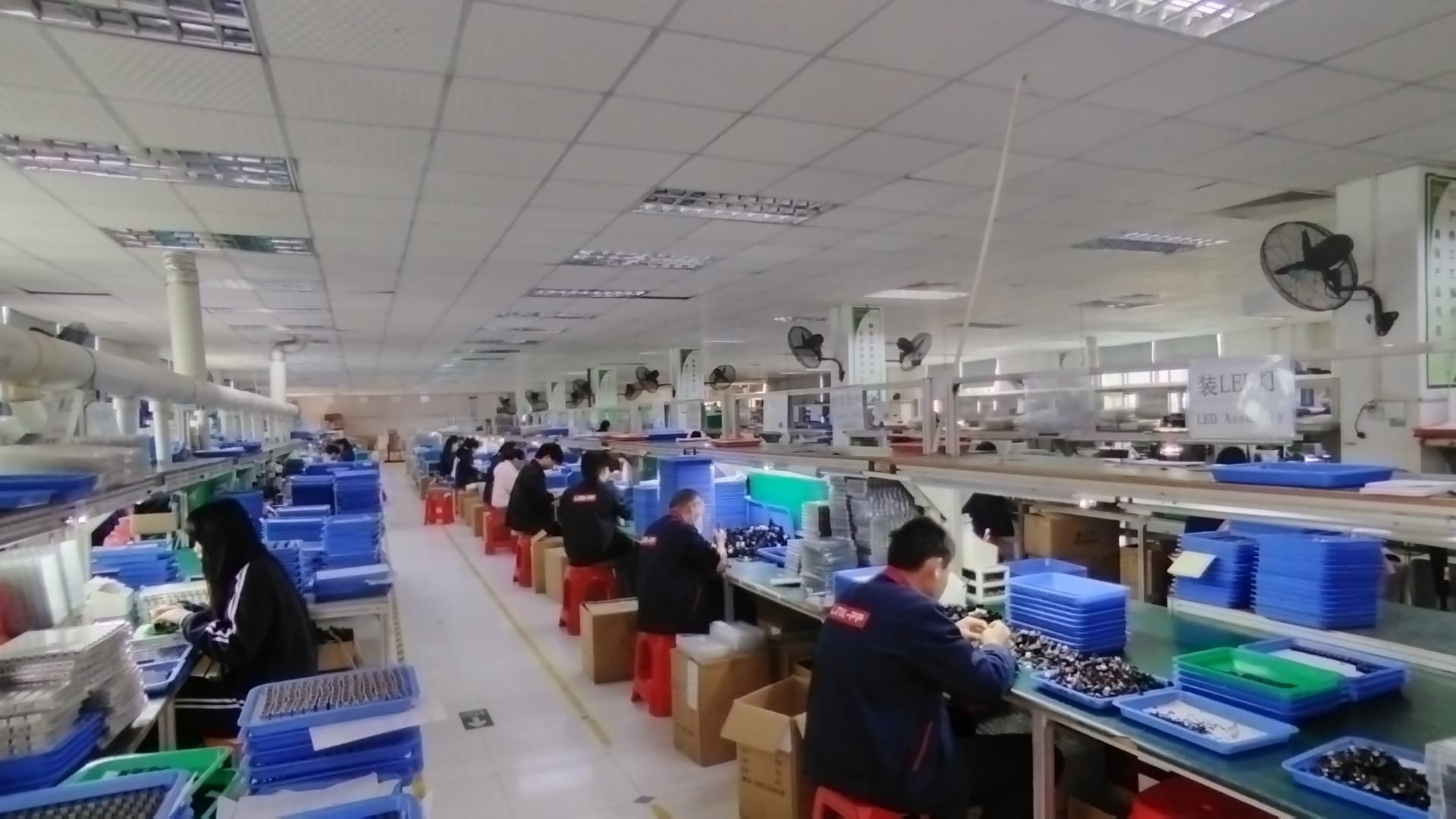
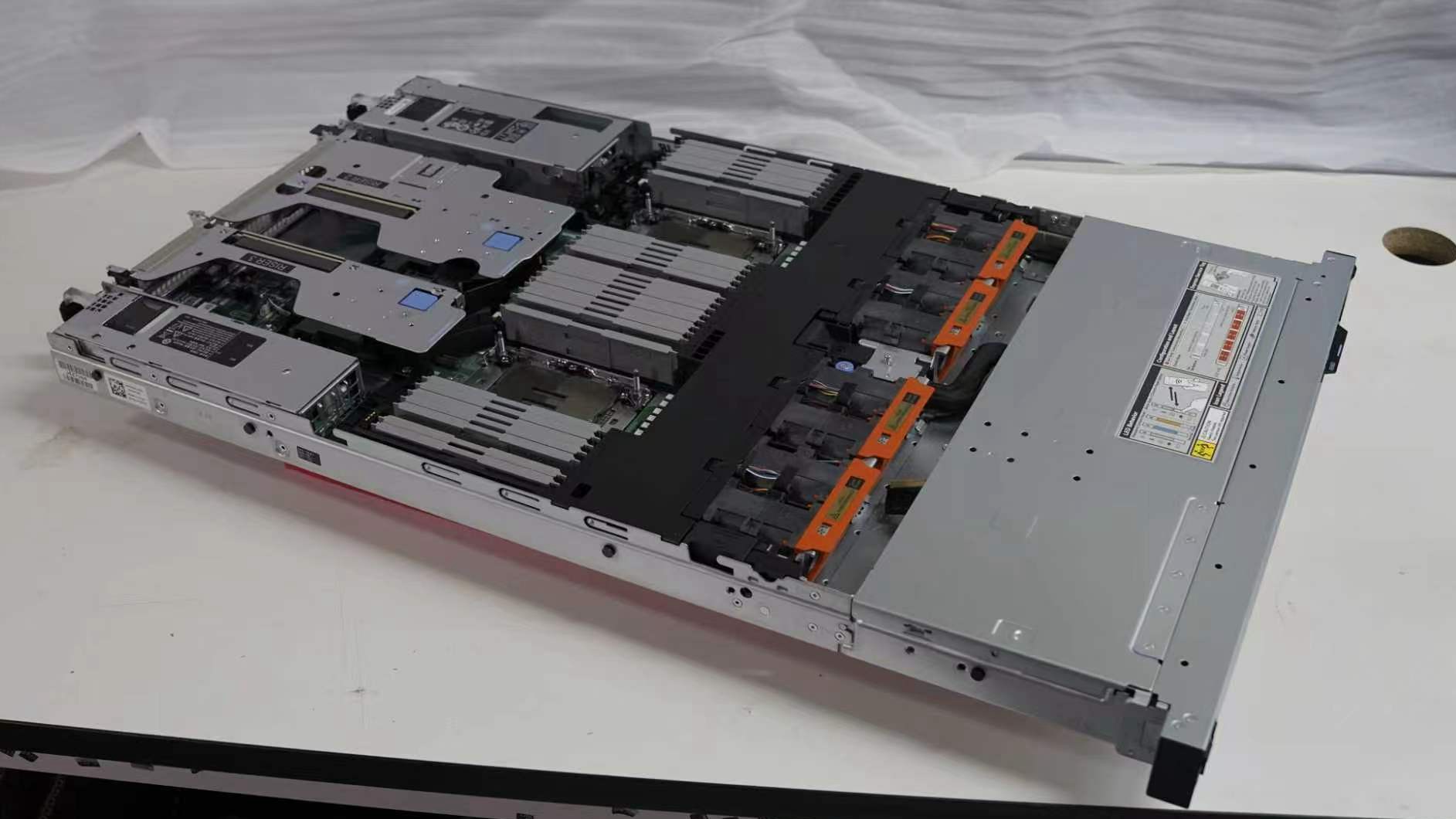
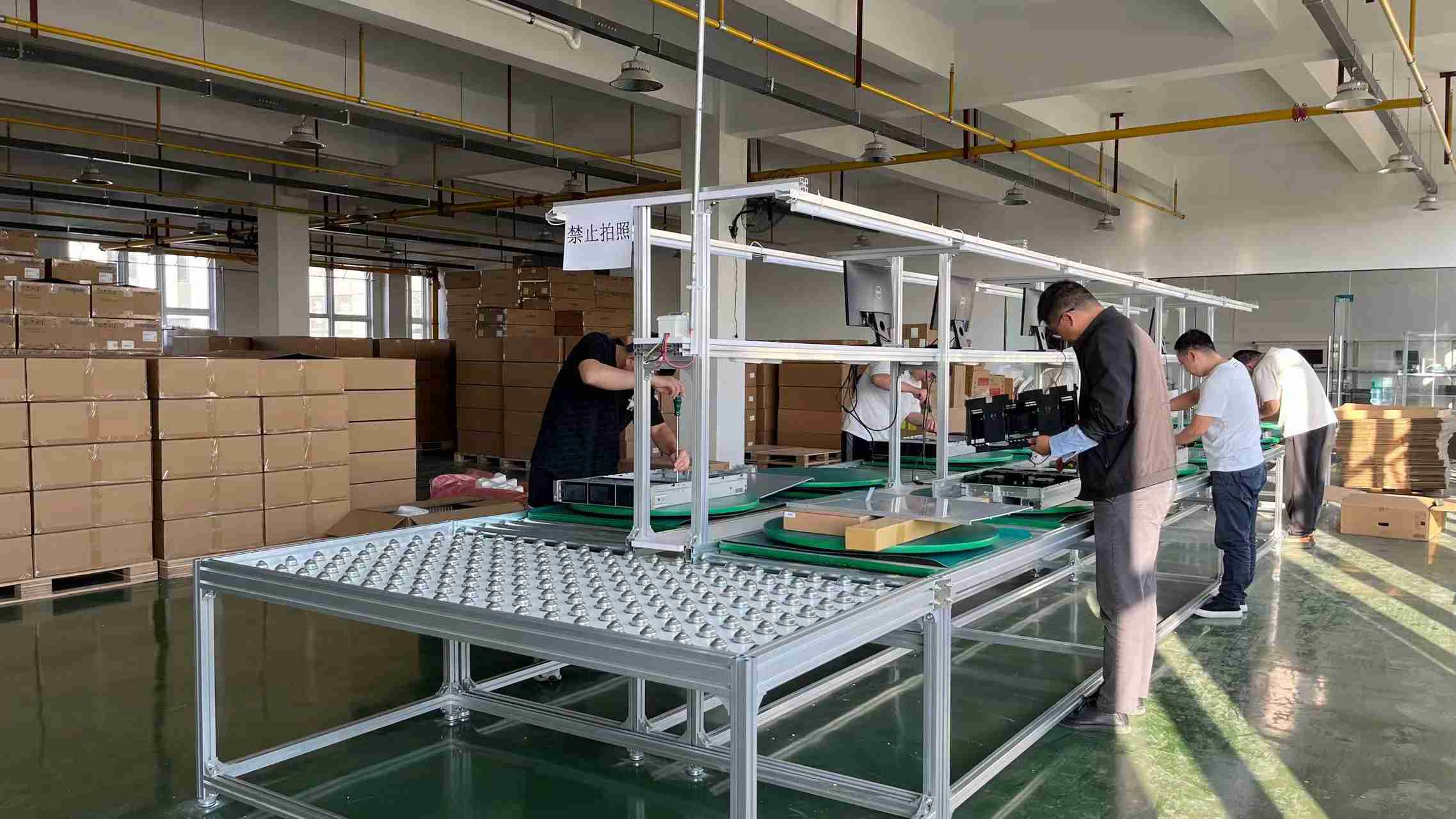
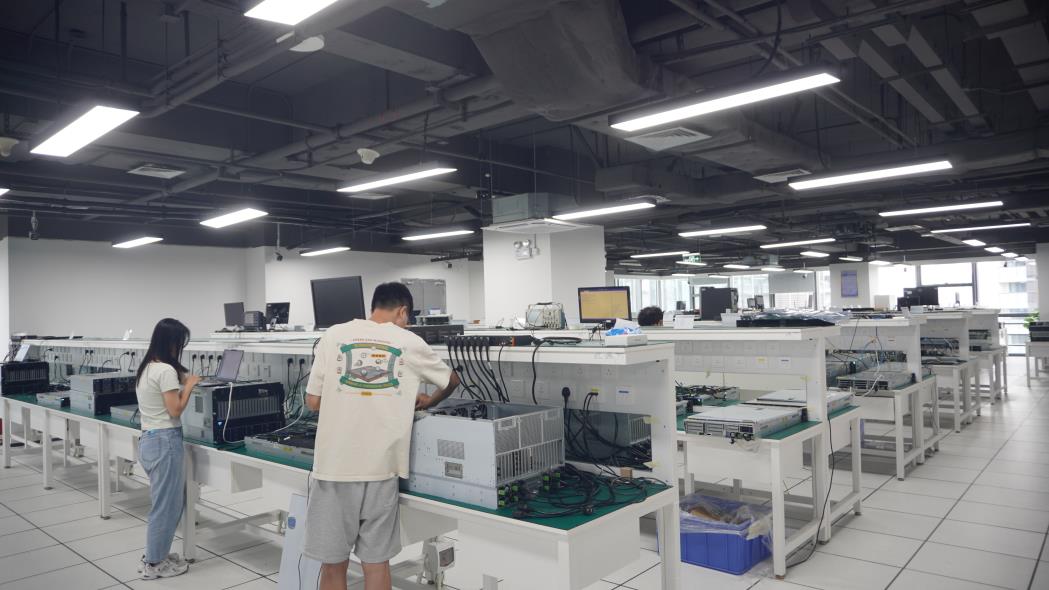
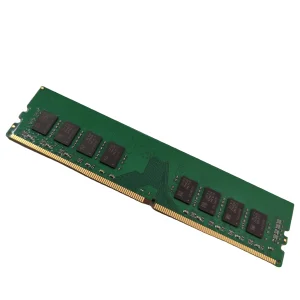
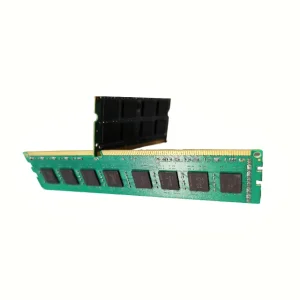
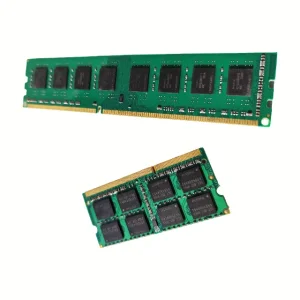
German automated production lines rely on high-precision IPCs. Our ECC SODIMM and UDIMM modules offer consistent data parity checks, minimizing memory faults in high-temperature manufacturing environments.
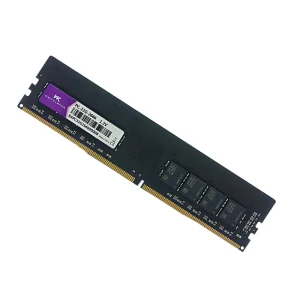
Local cloud providers use high-density 32GB and 64GB DDR4 server registers (RDIMMs) to expand node density. This approach helps lower overhead expenses by upgrading capacity without replacing physical CPU structures.
Medical imaging systems in networks across North Rhine-Westphalia rely on low-latency memory to process high-resolution visual data quickly. Our modules undergo specialized timing configuration to ensure stable read/write cycles.
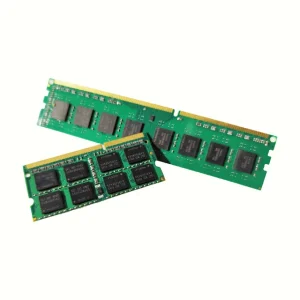
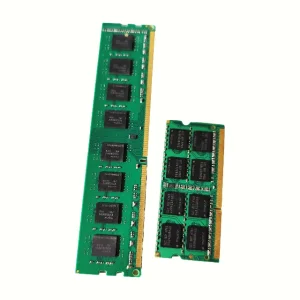
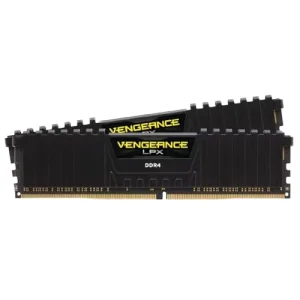
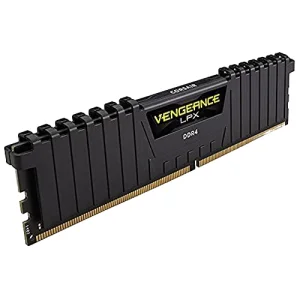
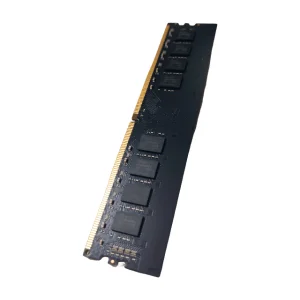
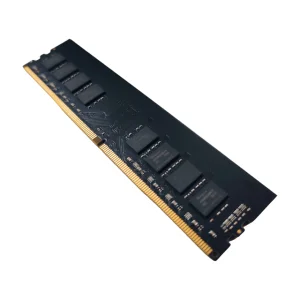
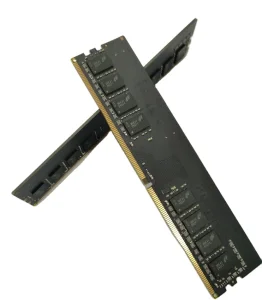
Yes, all our DDR4 memory modules exported to the German market are fully compliant with RoHS directives and carry the CE mark. We avoid using restricted hazardous substances during production, helping you comply with Germany’s ElektroG and WEEE environmental frameworks.
We use original, A-grade DRAM dies sourced from Samsung, SK Hynix, and Micron. This ensures stable signal characteristics, high compatibility across major motherboard platforms, and a low failure rate in demanding applications.
Yes. Our R&D department of approximately 160 engineers can customize the SPD parameters to match custom BIOS standards for Siemens, Beckhoff, Kontron, or other specialized industrial system architectures.
We run multi-stage inspections, including incoming material testing, high-temperature dynamic burn-in tests, compatibility testing on common motherboards, and voltage margin verification. Our 42-member QA team verifies that each shipment meets JEDEC parameters.
Lead times depend on order size and customization needs. Standard modules in stock are prepared for shipping within 3 to 7 business days, while customized OEM orders typically ship in 14 to 21 business days via air cargo to hubs like Frankfurt, Munich, or Berlin.
We stand behind our production quality by offering long-term warranties (up to lifetime warranty options on select server and laptop models). In the event of a validation or manufacturing defect, we provide replacements to minimize project disruption.
 Kryntel