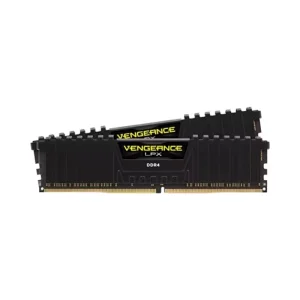
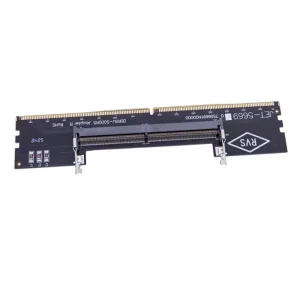
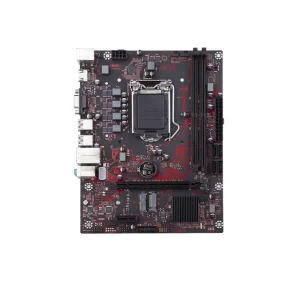
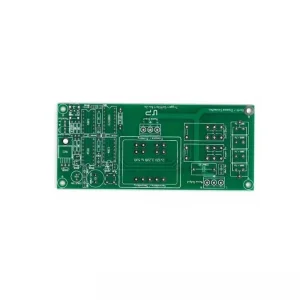
High-precision PCB assembly, processing units, and high-performance server memory optimized for broadcasting and data environments in East Africa.
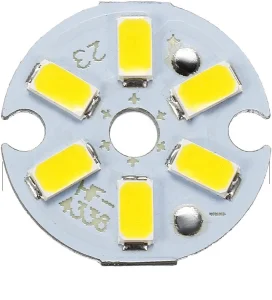
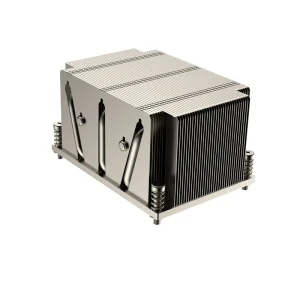
Founded in 2016, Kryntel Memory Technology (China) Co., Ltd. is a leading DDR5 and DDR4 memory manufacturer and PCBA solutions provider, specializing in high-performance hardware for global OEM, ODM, and private label partners. In East Africa, we stand as a key backbone supplier, enabling Ethiopian broadcasting houses, educational systems, and data center operators to source premium hardware directly from our state-of-the-art facilities in China.
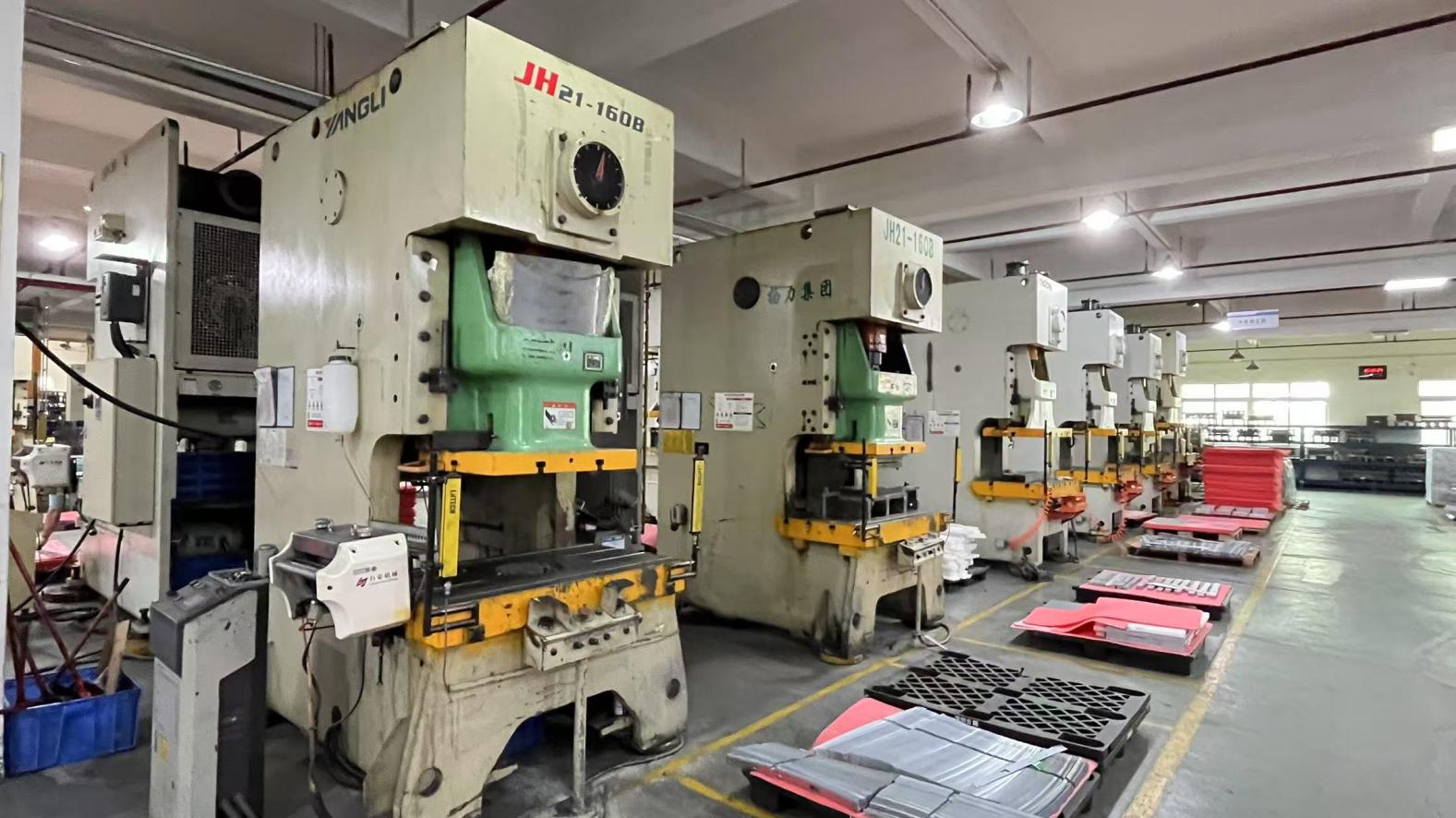
Operating a highly optimized manufacturing plant, our core technical capabilities focus on delivering stable, high-speed, and thermal-resilient solutions. We bridge the gap between global semiconductor innovation and the immediate localization requirements of developing communication hubs, combining massive supply chain capability with high-precision R&D custom design.
Ethiopia is undergoing an unprecedented digital infrastructure revolution. Led by the Ministry of Innovation and Technology (MInT) and backed by the massive roll-out of Ethio Telecom's 4G and 5G networks, the demand for stable, high-throughput digital processing hardware has grown exponentially. The transition of media organizations like the Ethiopian Broadcasting Corporation (EBC) and private entities such as Kana TV and Fana Broadcasting from legacy SDI systems to modern IP-based workflows has altered hardware paradigms across the nation.
However, the Ethiopian geography poses unique mechanical and technical challenges. Addis Ababa sits at an altitude of approximately 2,355 meters (7,726 feet) above sea level. This high elevation significantly lowers air density, which in turn reduces the convection efficiency of standard air-cooling fans by 20% to 30%. In regional data centers and transmitter rooms, high-load video rendering systems and servers face severe thermal throttling risks.
Moreover, local electrical grids suffer from voltage fluctuations. In regions with unstable power supply, media equipment requires components with high thermal tolerance, low power consumption, and dedicated power management controllers. This makes high-grade, copper-based thermal heatsinks, highly stable server memory modules, and specialized power board assemblies (such as photovoltaic inverter components) critical to guaranteeing uptime.
Analyzing four critical deployment environments where specialized Chinese electronics supply chains drive localization success.
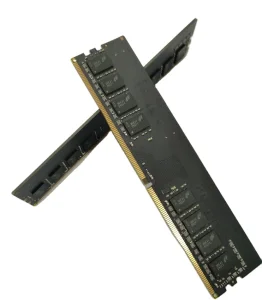
Supporting live video encoding, multiplexing, and digital stream decoding in regional media hubs. Highly stable DDR4/DDR5 memory reduces frame drops during HD live streams.
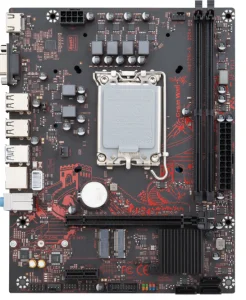
Providing H610/H510 thin-client motherboards and memory for regional school PC projects, enabling video-based learning and interactive software arrays.
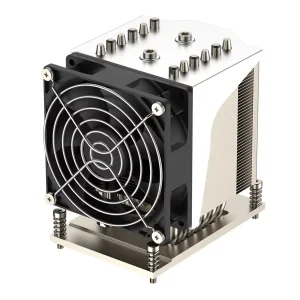
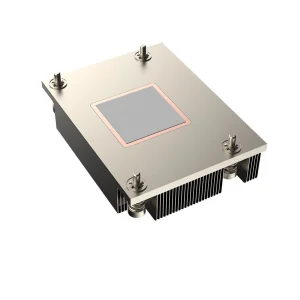
Deploying 300W passive/active server heatsinks inside telecommunication hubs to counter the reduced cooling efficiency at 2,300m elevation in Addis Ababa.
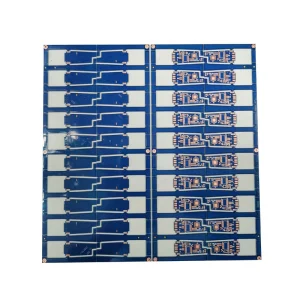
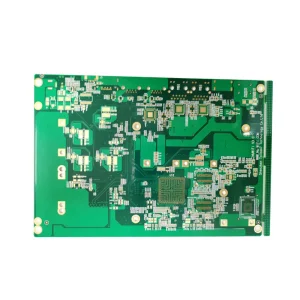
Manufacturing customized LED PCB driver boards that power high-density commercial video advertisements in public areas of Bole Lemi and downtown Addis.
Over the next five years, East Africa's media structure will migrate entirely to IP-based workflows (SMPTE ST 2110) and cloud rendering. Local television stations will deploy software-defined architectures where video processing is no longer handled by single-purpose hardware cards, but by virtualized software engines running on hyper-converged server stacks.
This technical evolution places immense load on two components: memory bandwidth and thermal dissipation. With DDR5 operating at speeds exceeding 4800MHz and processor thermal design power (TDP) exceeding 300W, hardware reliability must be designed from the ground up.
| Technological Stage | Core Hardware Requirement | Ethiopia Implementation Objective |
|---|---|---|
| Phase 1: UHD/4K Transition | DDR4/DDR5 high-capacity RAM (16GB/32GB) | Prevent frame-latency during multi-camera live switching. |
| Phase 2: High-Altitude Datacenters | Copper-based heat sinks with multiple heat pipes | Mitigate thermal throttling under thin air conditions. |
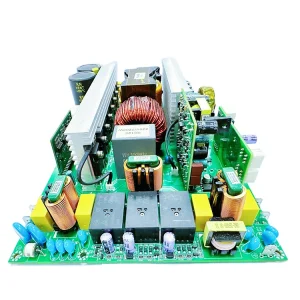
| Phase 3: Off-Grid Transmission | Photovoltaic (PV) power PCBA controllers | Provide continuous remote broadcast station operations. |
High-speed DDR memory adapters, hair dryer control modules, and notebook RAM kits supporting local consumer electronics assembly plants in Ethiopia.
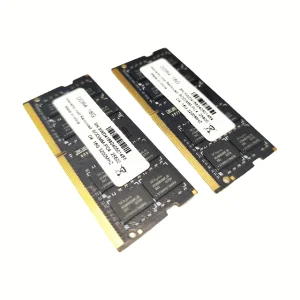
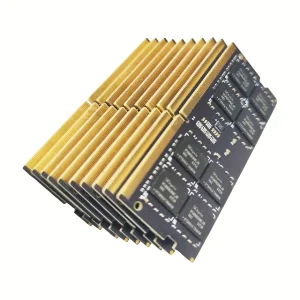
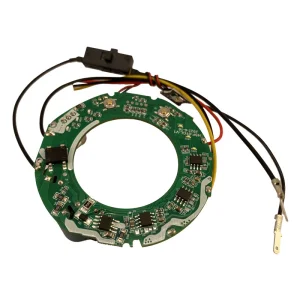
For African hardware buyers, supply chain delays can stall multi-million dollar projects. Kryntel has established an optimized delivery mechanism that links our primary manufacturing lines in China directly to Bole International Airport in Addis Ababa via dedicated air cargo routes. This cuts delivery times down from the typical 6-week sea routes to just 5-7 working days for express air freight.
Additionally, our flexible customization options (OEM/ODM) are uniquely geared towards the Ethiopian market. Local brands can order custom DDR4/DDR5 packages, optimized PCB layouts designed to dissipate heat more efficiently, or specific BIOS configurations suited for local system integrators.
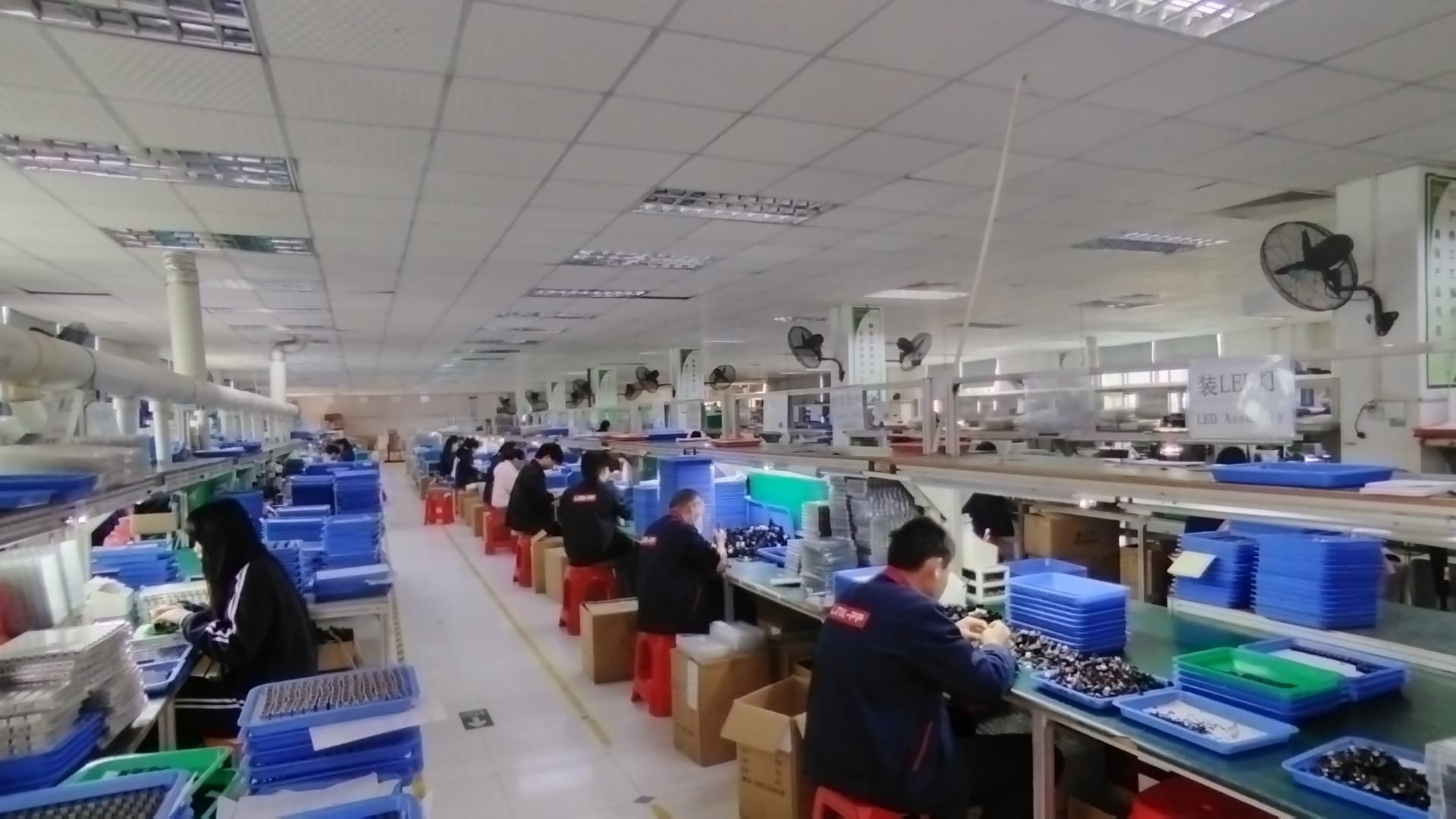
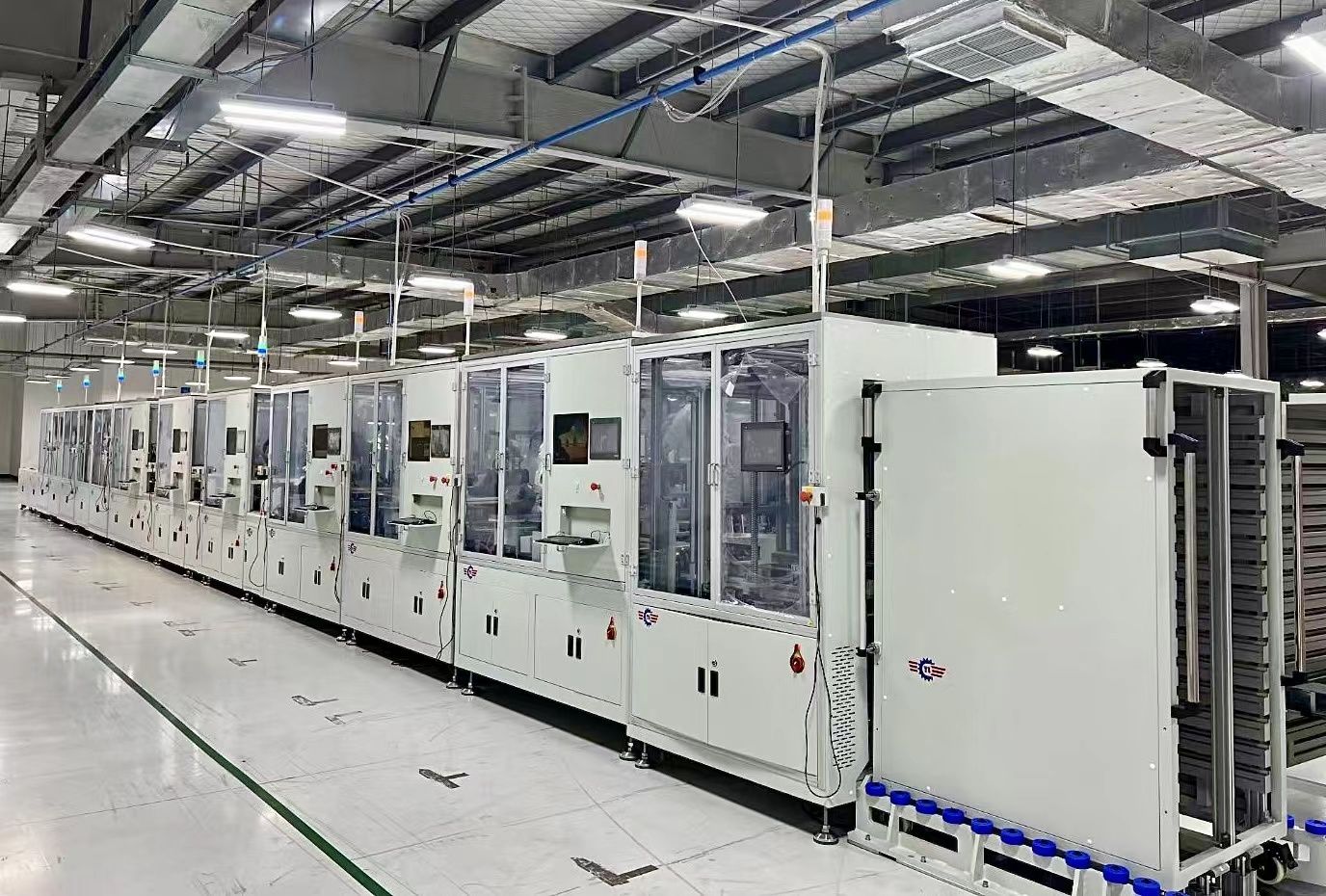
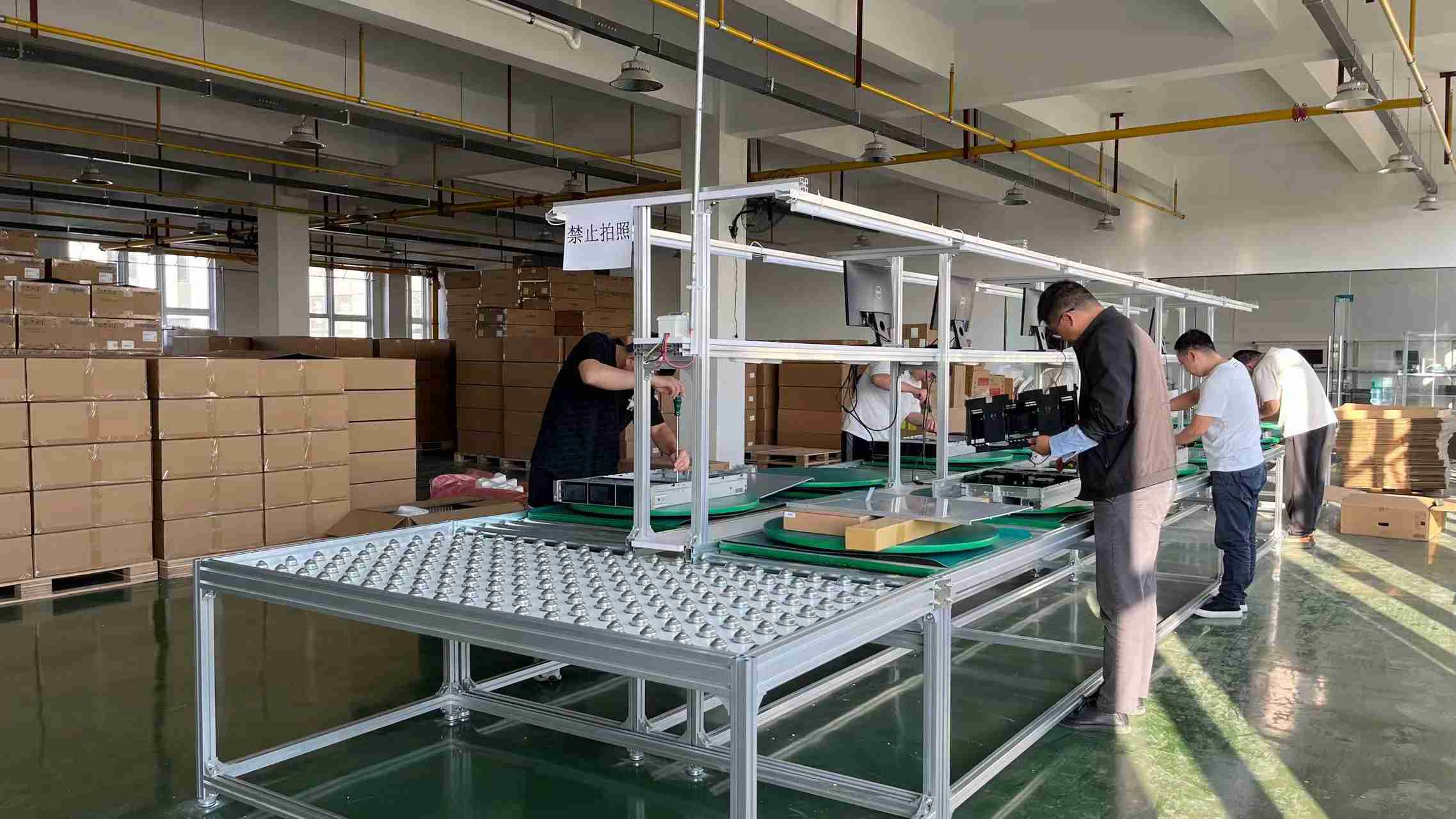
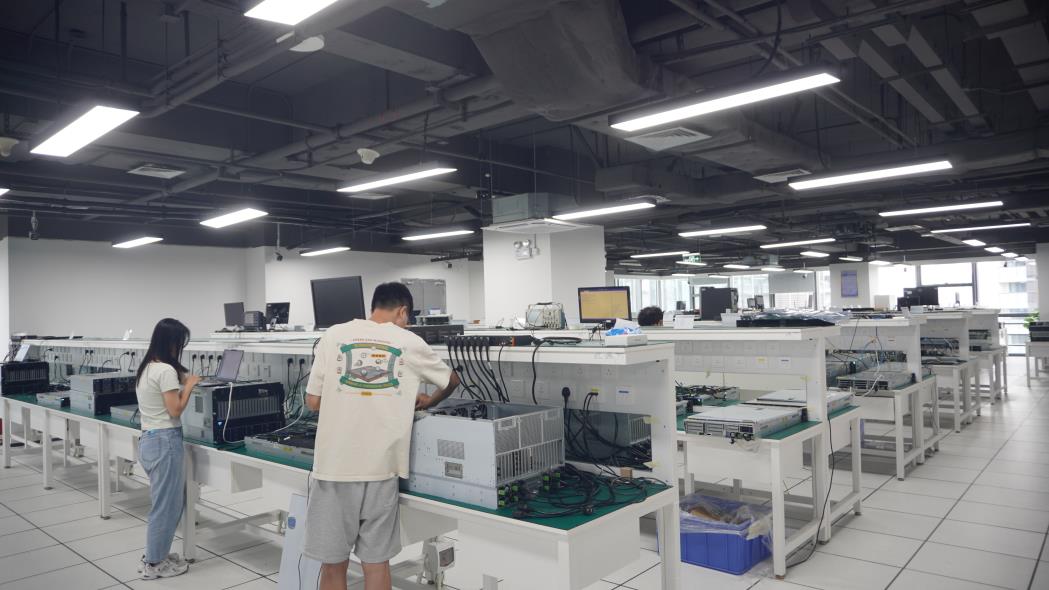
High production limits and extensive engineering capability built on strict multi-stage quality control.
Explore our full line of industrial electronics and computing components designed for server rooms, regional broadcast hubs, and smart educational projects.
Detailed technical answers for engineering and purchasing departments sourcing AV and server components for Ethiopia.
Addis Ababa lies at 2,355 meters elevation. Reduced air density means air-cooling systems are less efficient. To avoid thermal throttling, we recommend utilizing copper-based heatsinks (like the AM5 or LGA4926 units) with active multi-pipe arrangements that feature higher CFM (Cubic Feet per Minute) ratings and broader fins to maximize heat exchange surfaces.
Yes. Our R&D team of 160 engineers offers deep motherboard (H610/H510) and RAM customizations. This includes custom BIOS splash screens, SPD profiles for precise memory frequency tuning, and thermal profiles configured for unstable power grid situations to protect hardware components.
We supply custom Photovoltaic Inverter PCB Assemblies that manage DC-to-AC conversion with up to 98% efficiency. These boards are built with high-grade capacitors capable of operating under high temperatures (up to 105°C), ensuring off-grid telecom and FM/TV transmitter towers operate reliably without reliance on central grid power.
Every batch of DDR4 and DDR5 memory modules goes through four stages of testing, including dynamic voltage tolerance testing. We check stability under fluctuating voltage profiles and carry out high-temperature aging tests at 75°C to simulate heat buildup inside crowded Ethiopian server rooms.
For urgent developments and prototypes, we utilize direct air cargo services from Guangzhou or Shenzhen to Bole International Airport in Addis Ababa, which takes between 5 to 7 business days. Sea freight routes via Djibouti Port are available for bulk production, taking approximately 30 to 40 days.
We offer layout consulting and customized motherboard prints. For partners under long-term supply agreements, we provide detailed technical schematics and component maps to assist local engineering repair centers in Addis Ababa with diagnostic troubleshooting.
Standard memory modules have flexible MOQs starting at 100 units. Customized PCB layouts or custom-designed heatsinks typically require an MOQ of 500 to 1,000 units to offset manufacturing design setup costs. Prototypes can be constructed in smaller batches during the development phase.
We assist in the preparation of all documentation needed by the Ethiopian Customs Commission and alignment with the Ethiopian Standards Agency (ESA). This includes verified product data sheets, CE conformity declarations, and compliant HS code classifications to ensure a smooth import process.
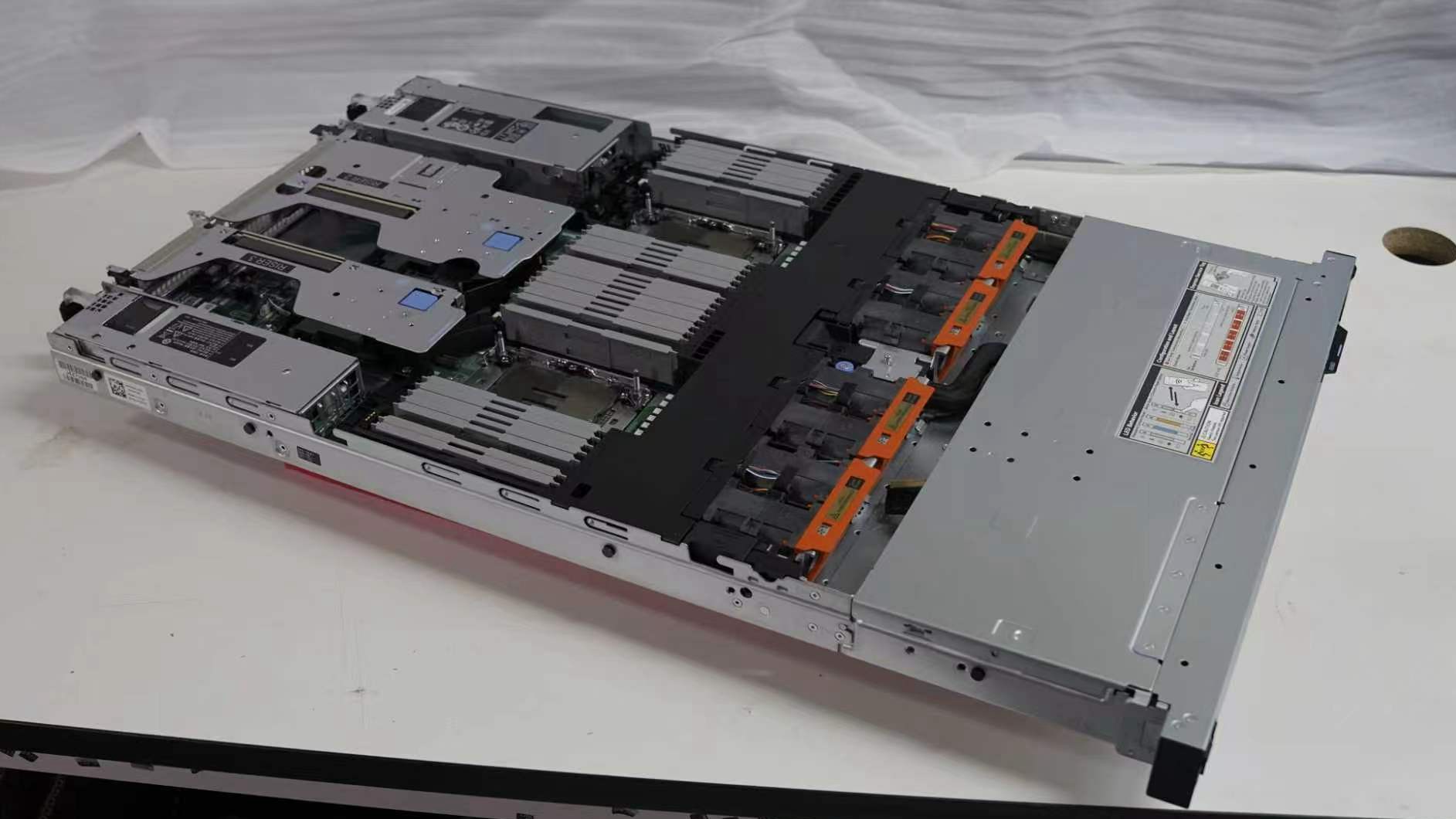
Take a look inside our cleanroom facilities, SMT lines, automated test cells, and component inventories in China.
 Kryntel