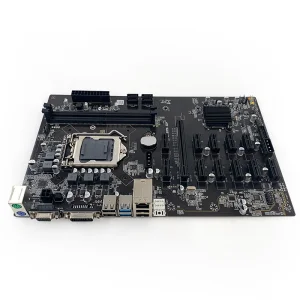
Explore our flagship circuit boards, high-speed memory modules, and advanced thermal management components engineered for next-generation system architectures.
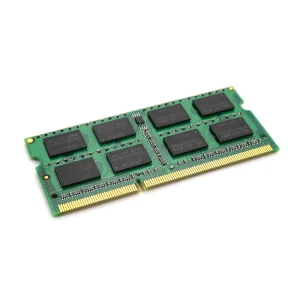
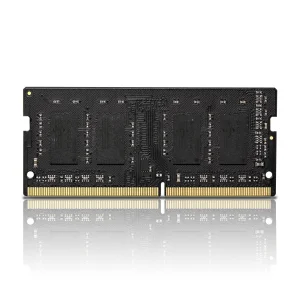
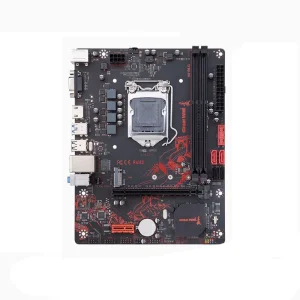
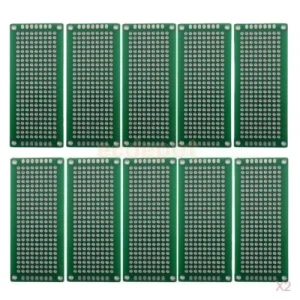
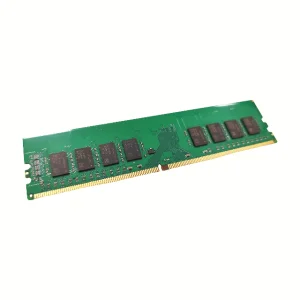
Empowering global system integrators and OEMs with enterprise-grade component reliability, precision engineering, and specialized manufacturing capabilities.
Kryntel Memory Technology (China) Co., Ltd. is a premier manufacturer of high-performance double-sided and multilayer printed circuit boards, high-speed memory modules, and computer hardware systems. Founded in 2016, we have established a state-of-the-art facility utilizing cutting-edge SMT (Surface Mount Technology) and wave soldering production lines. Our technical scope spans from raw substrate engineering—including high-quality FR4 fabrication—to the complete system integration of microprocessors, motherboards, high-frequency DRAM modules (DDR3, DDR4, and DDR5), and thermal solutions.
With an annual export revenue ranging between USD 8 million and USD 18 million, Kryntel has demonstrated robust capability in global trade, compliance, and logistics. Our commitment to quality is backed by a 42-member Quality Assurance division operating specialized test laboratories. Here, every batch of hardware is subjected to high-temperature aging chambers, voltage margin analysis, bandwidth stress profiling, and real-world system compatibility grids across major chipset vendors. This ensures our components deliver uninterrupted performance in consumer, industrial, and enterprise server environments.
How the demands of AI computing, high-frequency signal propagation, and high-density designs are reshaping PCB and hardware manufacturing standards.
As memory architectures transition from legacy standards to high-bandwidth DDR4 and DDR5 interfaces, the design challenges of the underlying printed circuit board scale exponentially. High-frequency routing requires strict characteristic impedance control—commonly calibrated at 50Ω single-ended and 100Ω differential lines. Minor deviances in trace geometries, dielectric constants of materials like FR4, or stack-up thickness can lead to severe signal attenuation, electromagnetic interference (EMI), and propagation delays.
Modern layouts, such as our 4-layer KB6160 FR4 multilayer systems, employ microvias, controlled stub lengths, and dedicated ground planes to contain return paths. By maintaining strict control over copper thickness (ranging from 0.5oz to 2oz depending on thermal and current requirements) and utilizing glass-epoxy laminates with stable dielectric properties, we guarantee minimal signal degradation even at data transfer rates exceeding 3200MHz.
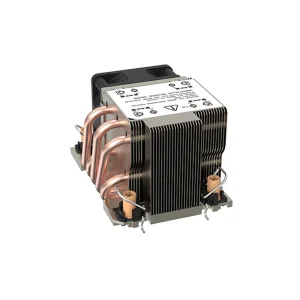
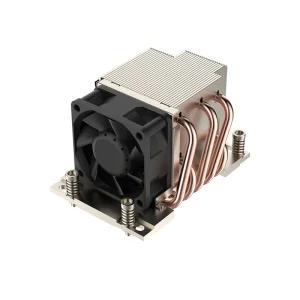
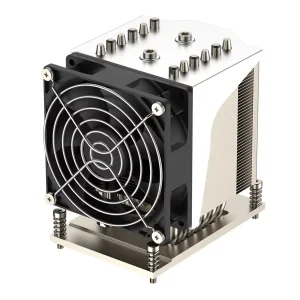
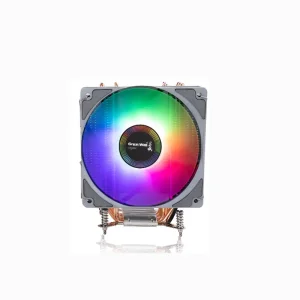
With power levels in desktop and server CPUs soaring past 300W (such as LGA 4677 and AMD SP6 sockets), the circuit board is no longer just an electrical highway; it is a critical thermodynamic link. Heat dissipated by the processor, voltage regulator modules (VRMs), and high-frequency memory must be routed away efficiently to prevent localized hot spots. This requires integrated motherboard designs featuring optimized thermal vias, thick copper planes, and heavy-duty cooling solutions. Advanced server air cooling—utilizing multi-tube copper-aluminum heat sinks with active PWM control—ensures continuous operation without thermal throttling under maximum computation loads.
Automated placement of fine-pitch BGAs, passive arrays, and edge connectors with micrometer-level precision. Perfect for complex server motherboards and dense memory modules.
Pre-routing simulation of crosstalk, reflection, and EMI using state-of-the-art EDA software. Ensures compliance with FCC, CE, and rigorous industrial standards.
Deep strategic partnership with over 1,200 upstream silicon and passive component suppliers ensures stable procurement, even during global semiconductor shortages.
Addressing the complex demands of high-performance computing, office automation, and enterprise infrastructures.
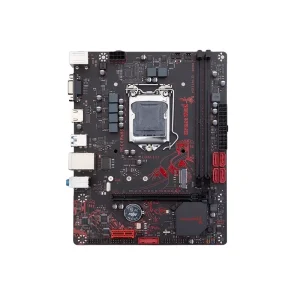
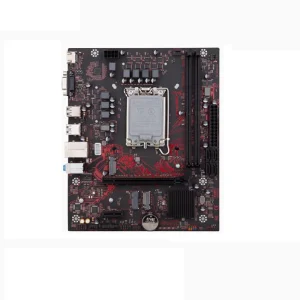
In standard business operations, hardware reliability directly dictates workforce productivity. Our line of legacy and modern motherboards—including the robust H81M-G and B250 series—are designed to provide cost-effective yet highly durable foundation blocks. Designed with solid state capacitors, ESD protection circuitry, and optimized layout pathways for Core series processors, these boards withstand fluctuations in power supply and thermal stress common in non-climate-controlled office spaces.
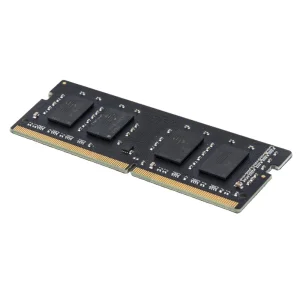
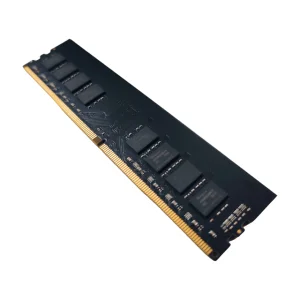
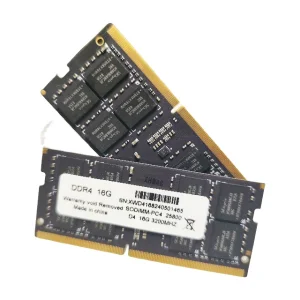
For data centers and cloud service providers, downtime is measured in thousands of dollars per second. To meet the demands of continuous computation, Kryntel provides high-capacity, non-ECC and ECC-compatible memory modules running alongside heavy-duty thermal systems. Thermal solutions such as the 350W AMD SP6 2U Server Cooler and 300W LGA 4677 Server CPU Heat Sink utilize multi-contact copper bases, high-density aluminum fins, and dual ball-bearing fans. These systems guarantee active, long-term heat dissipation for dense multi-socket server chassis layout systems.
Real-world evidence of our precision processes, packaging lines, testing zones, and inventory management systems.
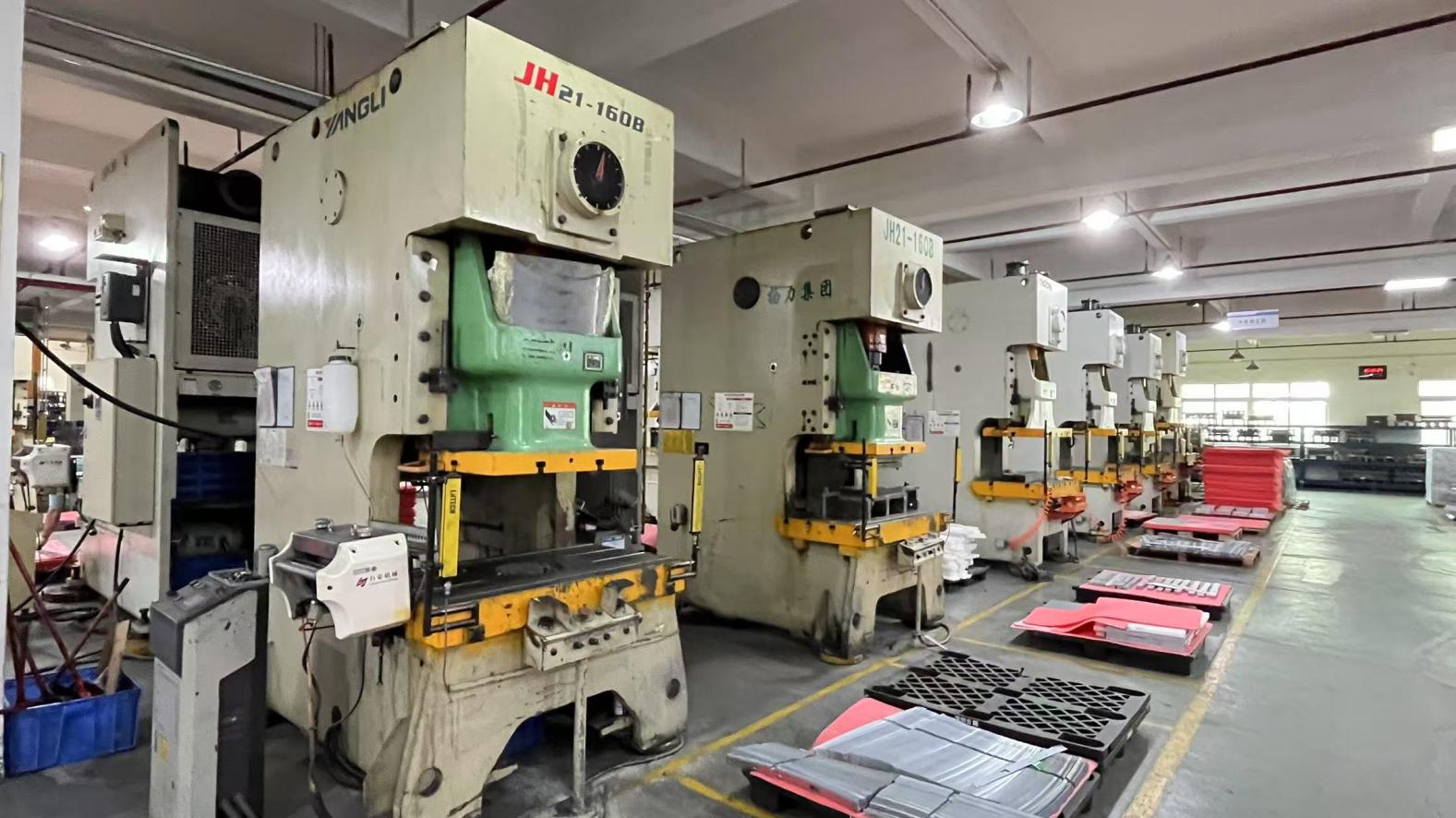
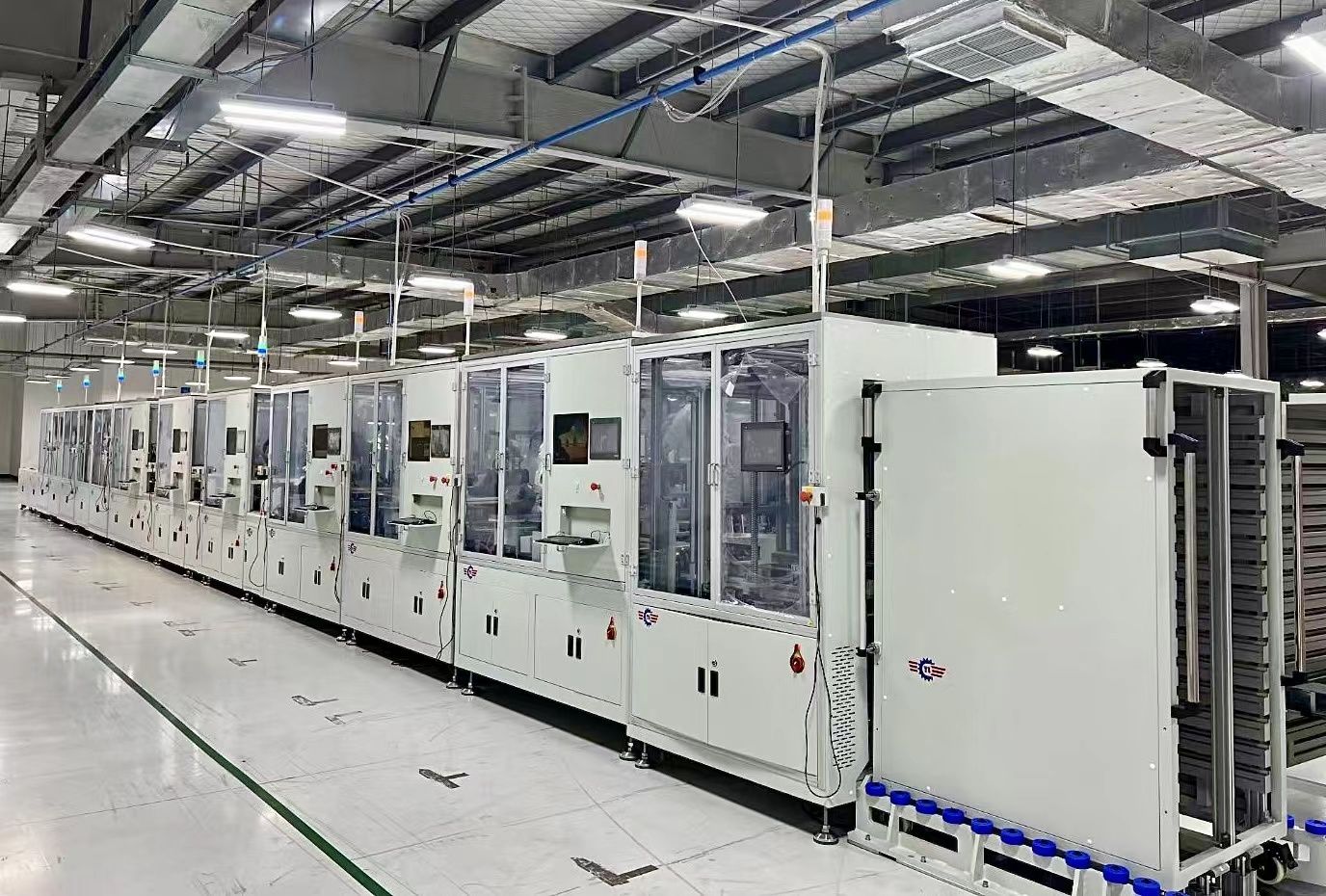

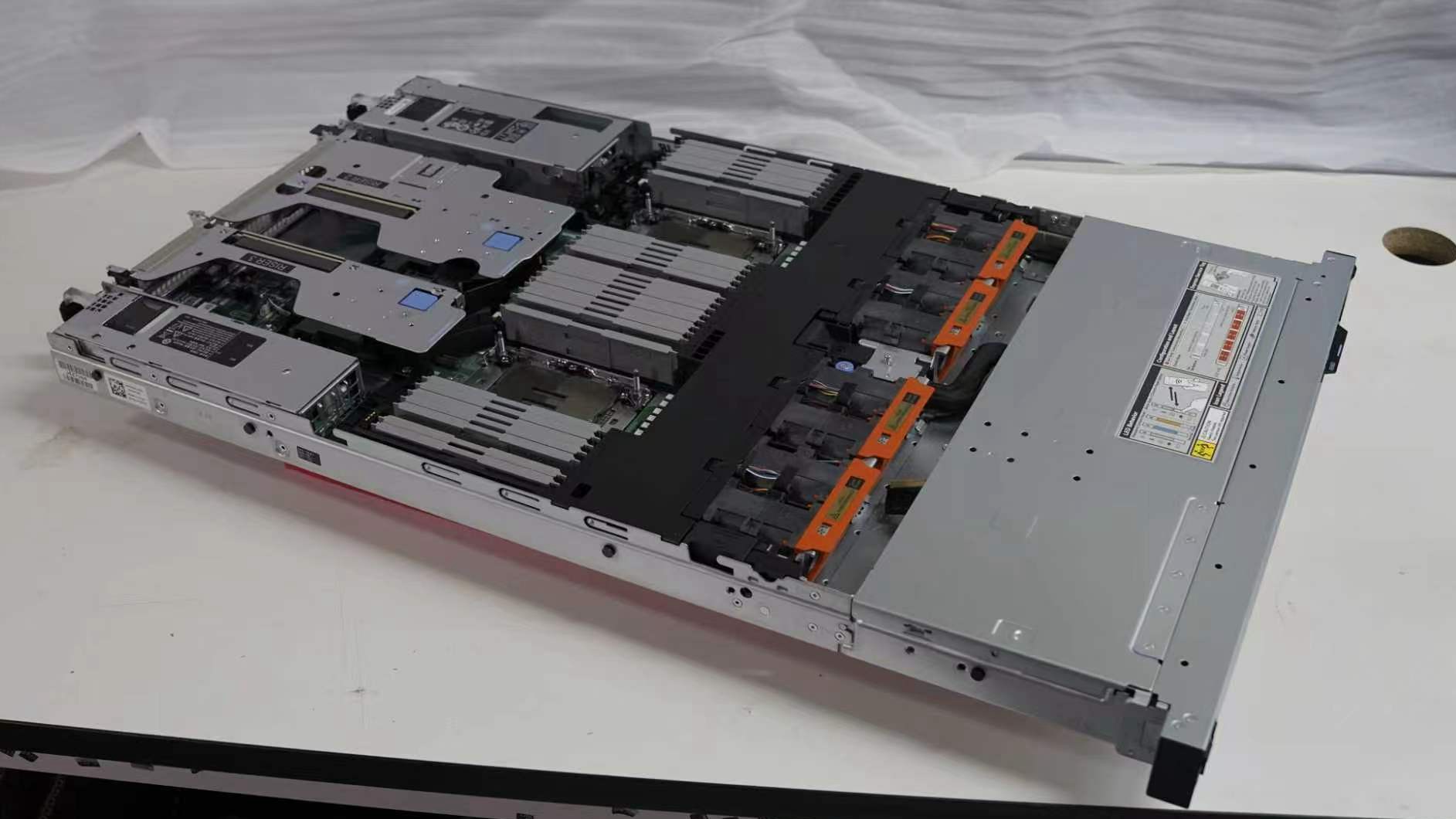
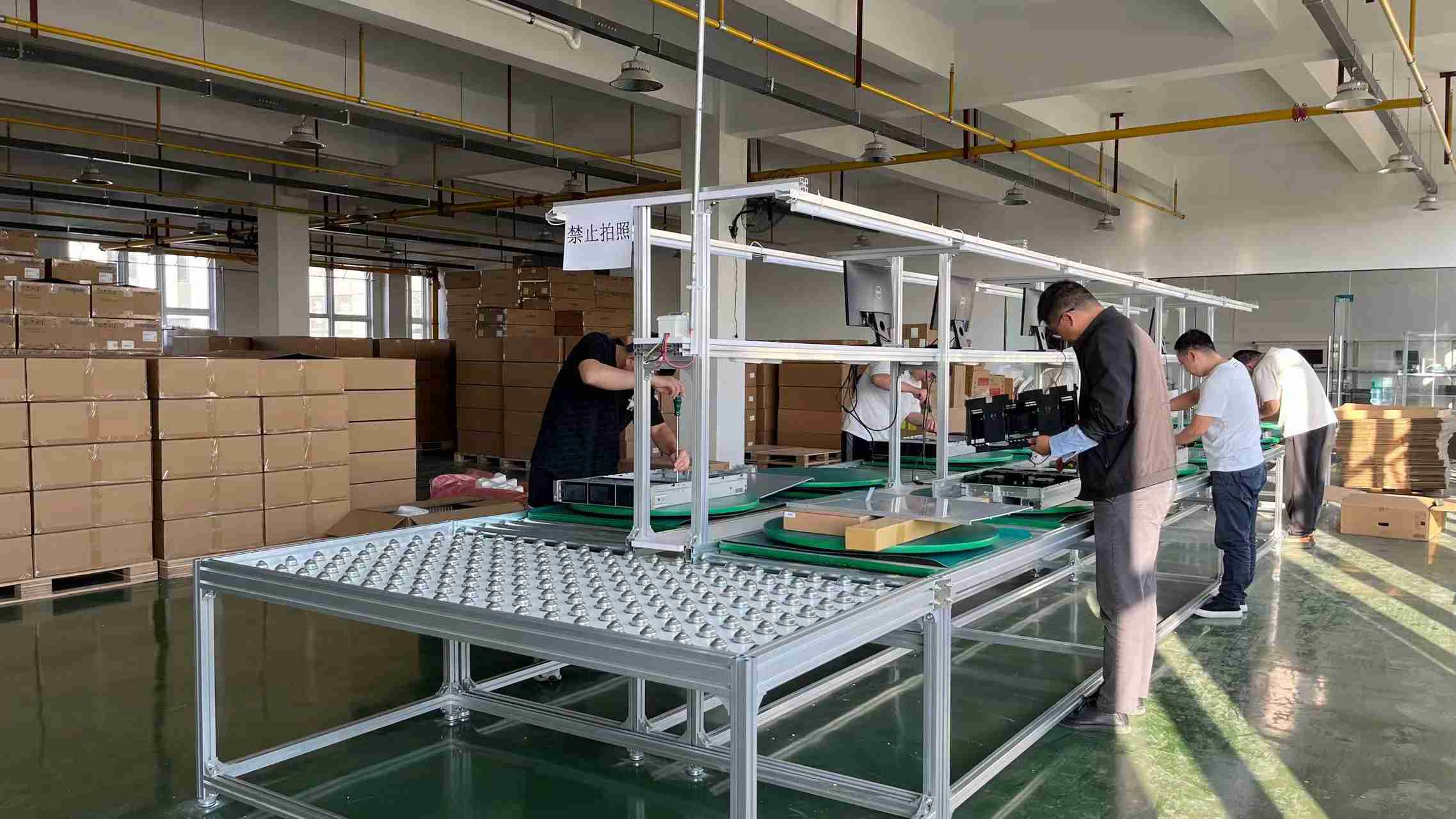
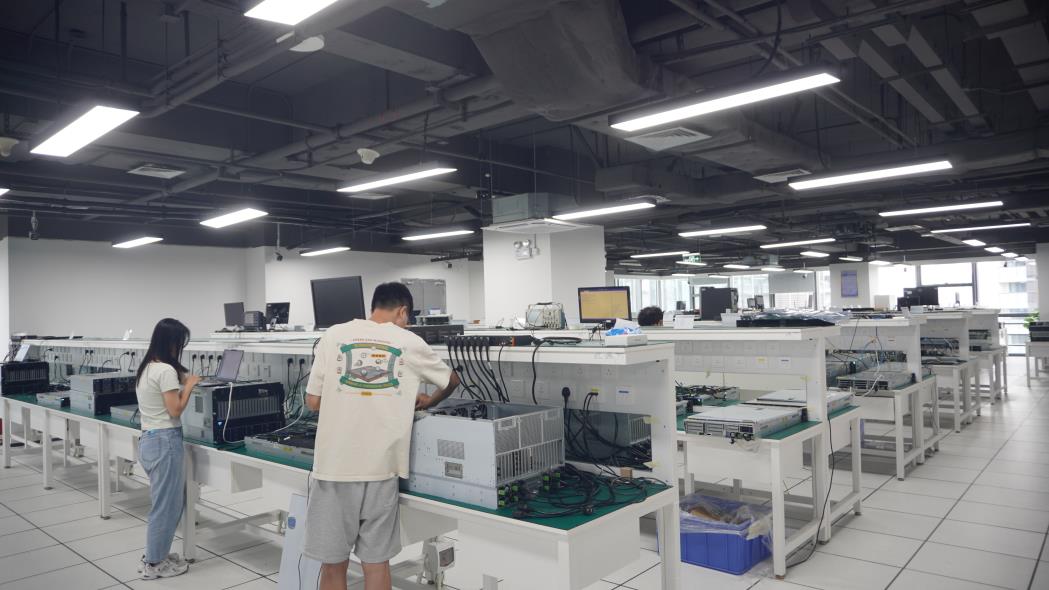
Developing systems and architectures for future computing standards, including DDR5/DDR6 systems and ultra-thin HDI layout modules.
To serve highly regulated markets such as North America and Europe, Kryntel ensures every phase of development is documented and verified. Our printed circuit boards utilize lead-free solder processes and meet RoHS directives. Motherboard and memory configurations are built to FCC, CE, and WEEE requirements. Furthermore, our dedicated international trade department provides comprehensive support for customs clearance, tariff classification, and localized delivery logistics in key regions such as the United States, Germany, India, Brazil, and the UAE.
As computing enters the AI era, bus speeds demand a shift from traditional motherboard layouts to advanced multi-layer systems with embedded power management ICs (PMICs) directly on the memory module (as seen in DDR5 architectures). Our engineering department is already developing low-power DDR5 solutions with higher burst lengths and dual 32-bit subchannels, providing significantly higher data rate performance. At the same time, we are upgrading our CPU cooler designs to incorporate vapor chambers and direct-contact heat pipes capable of handling thermal densities exceeding 400W for next-generation Intel and AMD server platforms.
Detailed technical answers addressing PCB design, memory compatibility, thermal solutions, and OEM/ODM procurement.
Complete your build or integration project with our verified range of DDR4 modules, server-grade heat sinks, and office-ready motherboards.
 Kryntel