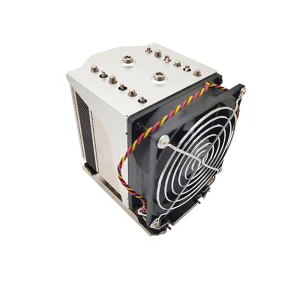
Select hardware solutions supporting optimized power conversion, thermal stabilization, and processing efficiency in modern enterprise nodes.
In modern electronic systems, voltage regulators serve as the cornerstone of system reliability, operational efficiency, and signal integrity. Whether stepping down high distribution voltages for sensitive logic boards or managing load transients in high-density data center racks, these devices maintain constant output potential amidst fluctuating inputs. The global technology transition from legacy power schemes to active multiphase point-of-load (POL) modules has fundamentally rewritten the integration rules for modern circuit boards.
This integrated approach reduces system-level complexity but dramatically increases the reliance on high-precision SMT (Surface Mount Technology) assembly lines and rigorous semiconductor validation. As Chinese factories scale up to meet these demands, they have evolved from simple commodity component assembly houses into sophisticated technology partners capable of performing micro-precision fabrication, custom silicon layout optimizations, and automated high-frequency testing.
Design engineers face a primary architectural dichotomy when sourcing voltage regulation solutions: Linear Regulators (LDOs) versus Switching Regulators (Buck/Boost converters). Each offers specific operating characteristics suited for different points on the circuit board:
Characterized by extremely low output noise, exceptional ripple rejection (PSRR), and minimal design footprint. Ideally deployed for analog sensor interfaces, RF circuits, and local high-speed I/O references where thermal losses are manageable.
Delivers conversion efficiencies exceeding 95% by rapidly chopping input DC currents and utilizing inductors and capacitors for energy storage. Vital for powering multi-core CPUs, system memory channels, and high-wattage hardware.
Integrates multiple buck converters, LDOs, and telemetry channels on a single substrate. Mandated by DDR5 specs to manage power rails directly on the module, minimizing transient response loops and reducing CPU-side load overheads.
Understanding load transient dynamics is crucial. When an enterprise system transitions from an idle state to a heavy computation load (such as AI database operations or 3D rendering), current draw climbs by orders of magnitude in nanoseconds. The voltage regulator must compensate immediately, preventing voltage droop from causing logic errors. This is why high-grade power delivery systems leverage advanced multi-phase controllers and superior thermal dissipation solutions.
Procuring electronic components on a global scale requires navigating complex logistical ecosystems, compliance hurdles, and technical auditing processes. As system integration demands scale, global distributors and OEMs seek manufacturing partners in China that can assure technical parity with tier-one semiconductor conglomerates while offering scalable production costs and open channels of communication.
Key global purchasing hotspots like the United States, Germany, India, Brazil, and the United Arab Emirates look for manufacturers possessing deep compliance expertise. This involves maintaining traceability codes for silicon lots, complying with environmental mandates, and presenting robust packaging configurations that withstand long-distance shipping and storage humidity stresses.
A prime representative of high-precision component design and hardware engineering in the region is Kryntel Memory Technology (China) Co., Ltd.
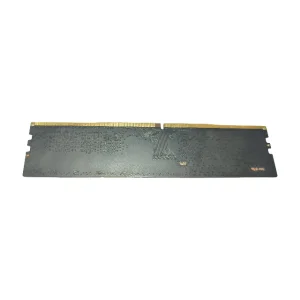
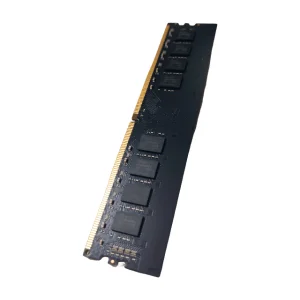
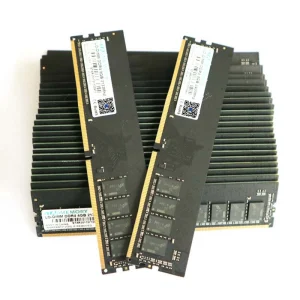
Founded in 2016, Kryntel Memory Technology (China) Co., Ltd. is a professional DDR5 memory manufacturer specializing in high-performance RAM modules for global OEM, ODM, and private label partners. With a modern production facility covering approximately 320㎡, we focus on delivering stable, high-speed, and energy-efficient memory solutions for gaming, industrial, and server applications.
Over the years, Kryntel has built strong export capabilities with annual export revenue ranging from USD 8 million to USD 18 million. The company has accumulated 6 years of export experience and 9 years of overall industry experience in memory and semiconductor-related manufacturing.
Our quality control system is built on strict multi-stage inspection standards, including incoming material inspection, in-process quality control, aging tests, and final product sampling inspection. Product testing methods include high-temperature aging tests, compatibility testing with major motherboard platforms, bandwidth stress testing, and voltage stability testing. We maintain a dedicated QA team of 42 professionals to ensure consistent product reliability.
Kryntel operates with a strong international trade background, supported by experienced export teams familiar with North America, Europe, the Middle East, and Southeast Asia markets. Our primary markets include the United States, Germany, India, Brazil, and the UAE.
We cooperate with a global supply chain network of approximately 1,200 upstream and downstream partners, ensuring stable sourcing of high-quality DRAM chips and components. Our main customer base includes computer hardware brands, system integrators, distributors, and e-commerce sellers.
Our R&D department is highly capable, supporting advanced customization, including PCB design optimization, frequency tuning, heat dissipation solutions, and branding customization. We offer full OEM/ODM services with flexible customization options such as frequency, latency, heat spreader design, packaging, and firmware tuning.
In the past year, we successfully launched over 280 new memory products across DDR4 and DDR5 series. Our R&D team consists of approximately 160 engineers specializing in memory architecture, signal integrity, and product reliability optimization.
Kryntel is committed to delivering cutting-edge memory solutions with consistent quality, competitive pricing, and long-term partnership value for global customers.
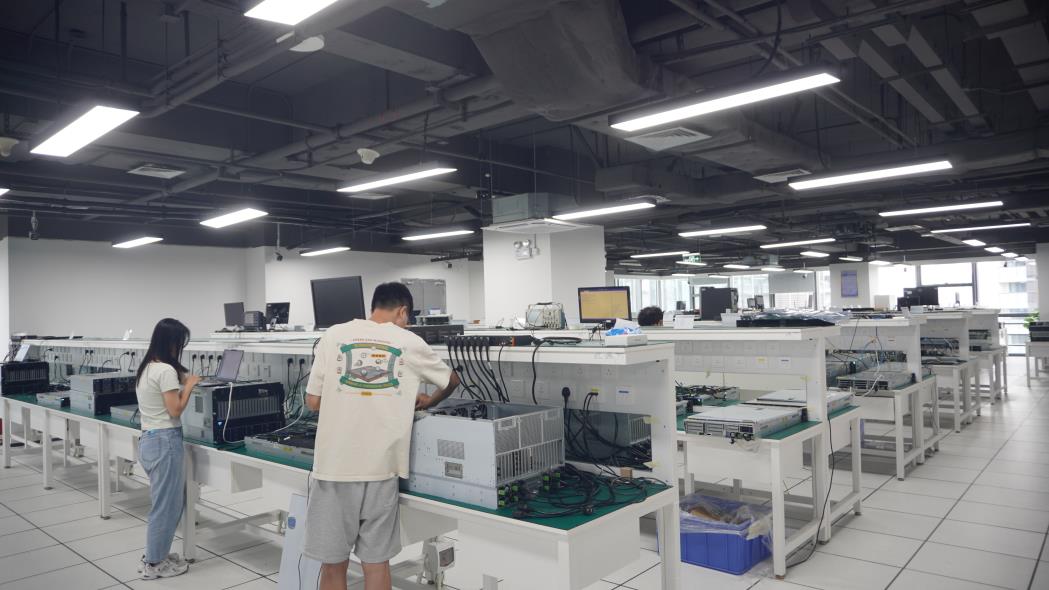
Our infrastructure supports multi-phase board verification, SMT surface-mount processing, thermal dissipation analysis, and automated compatibility screening across major processor architectures.
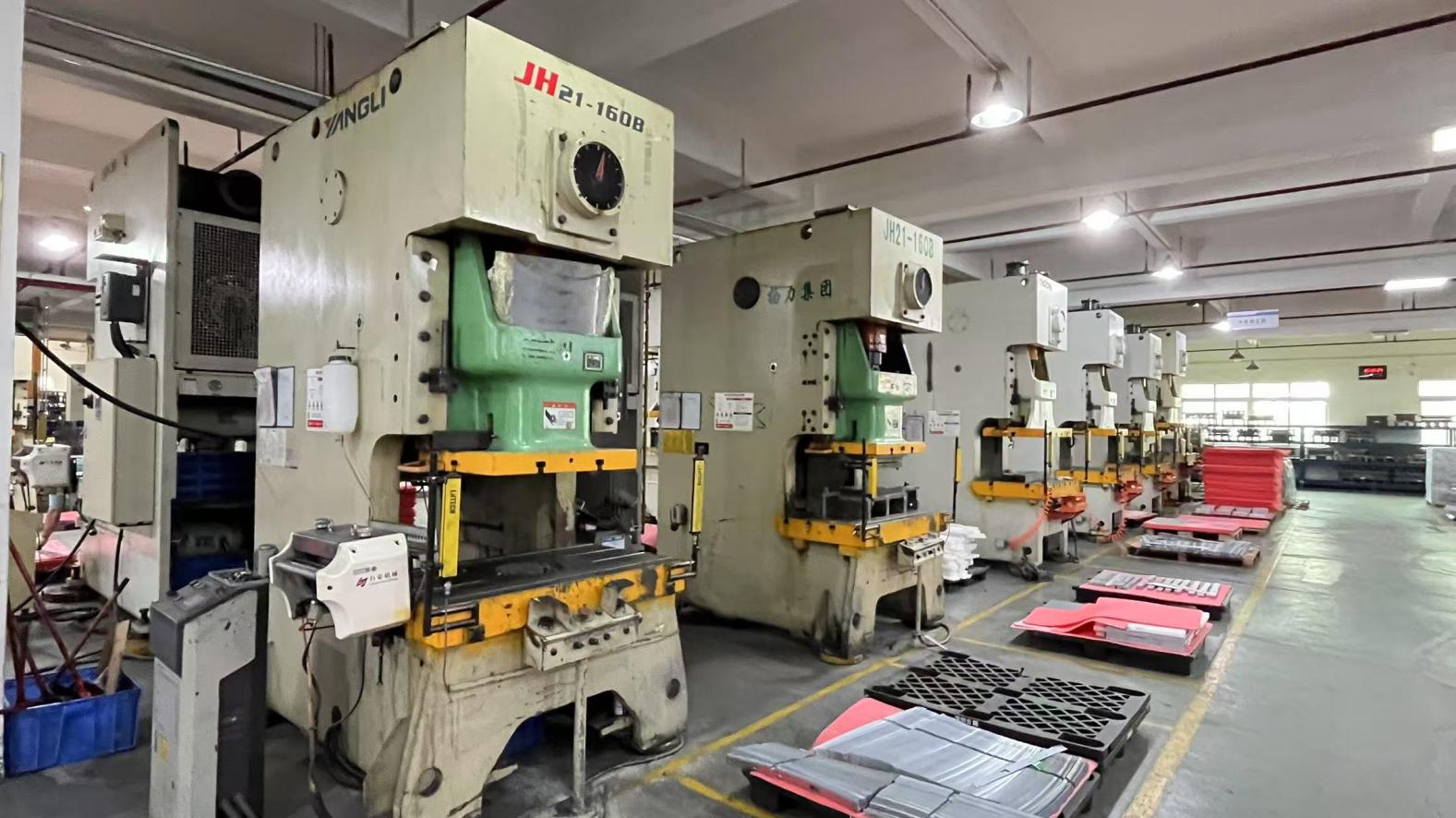
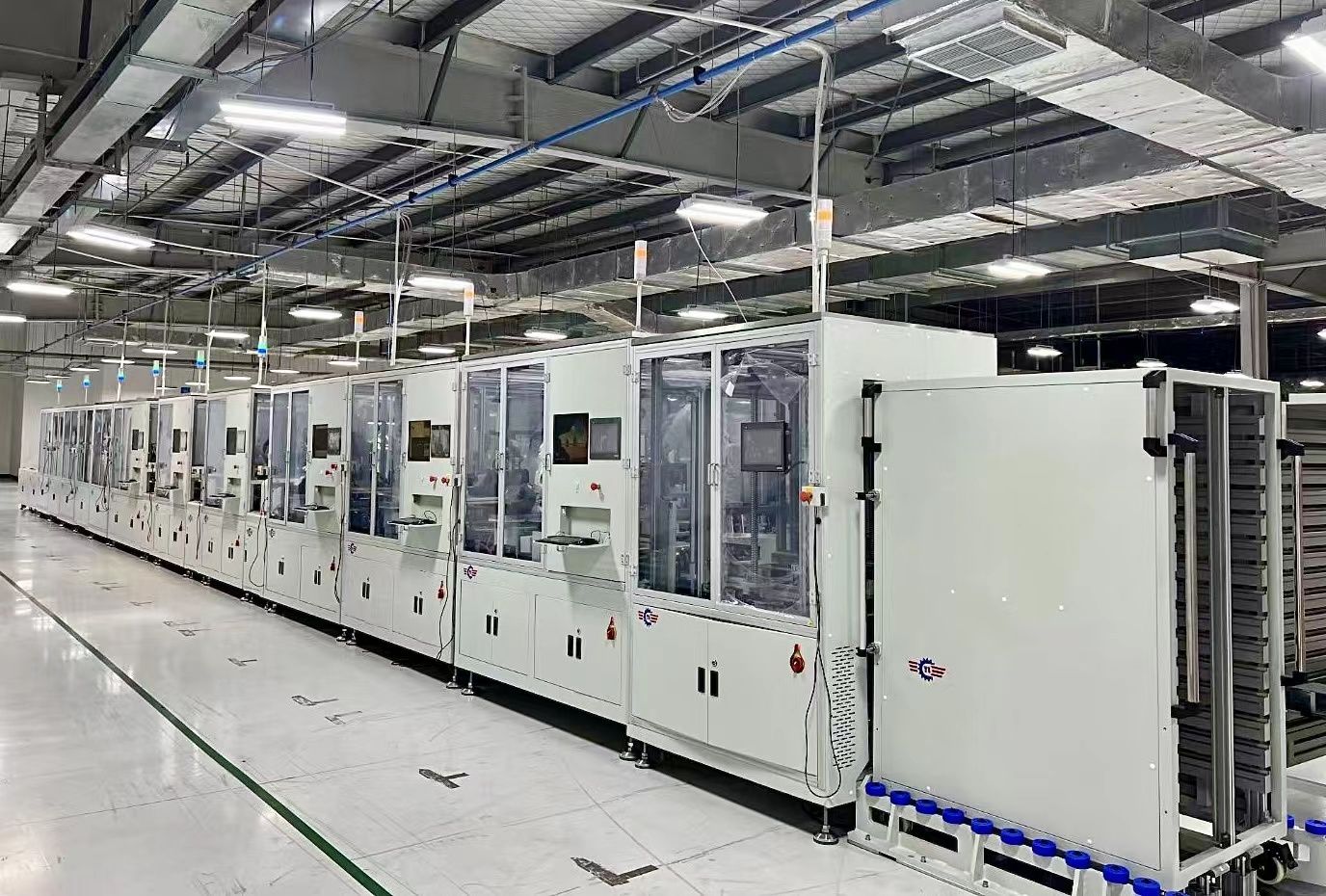

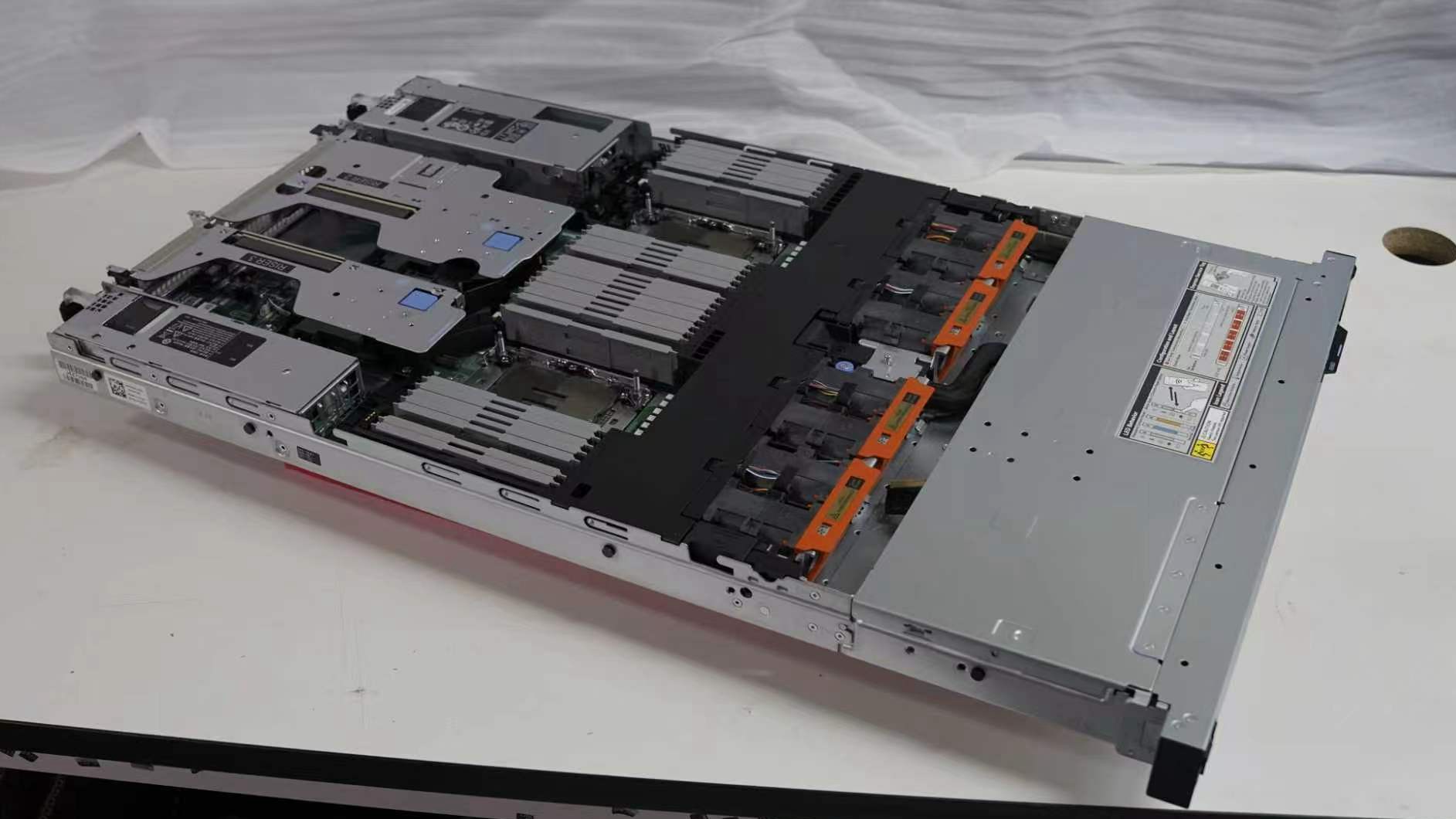
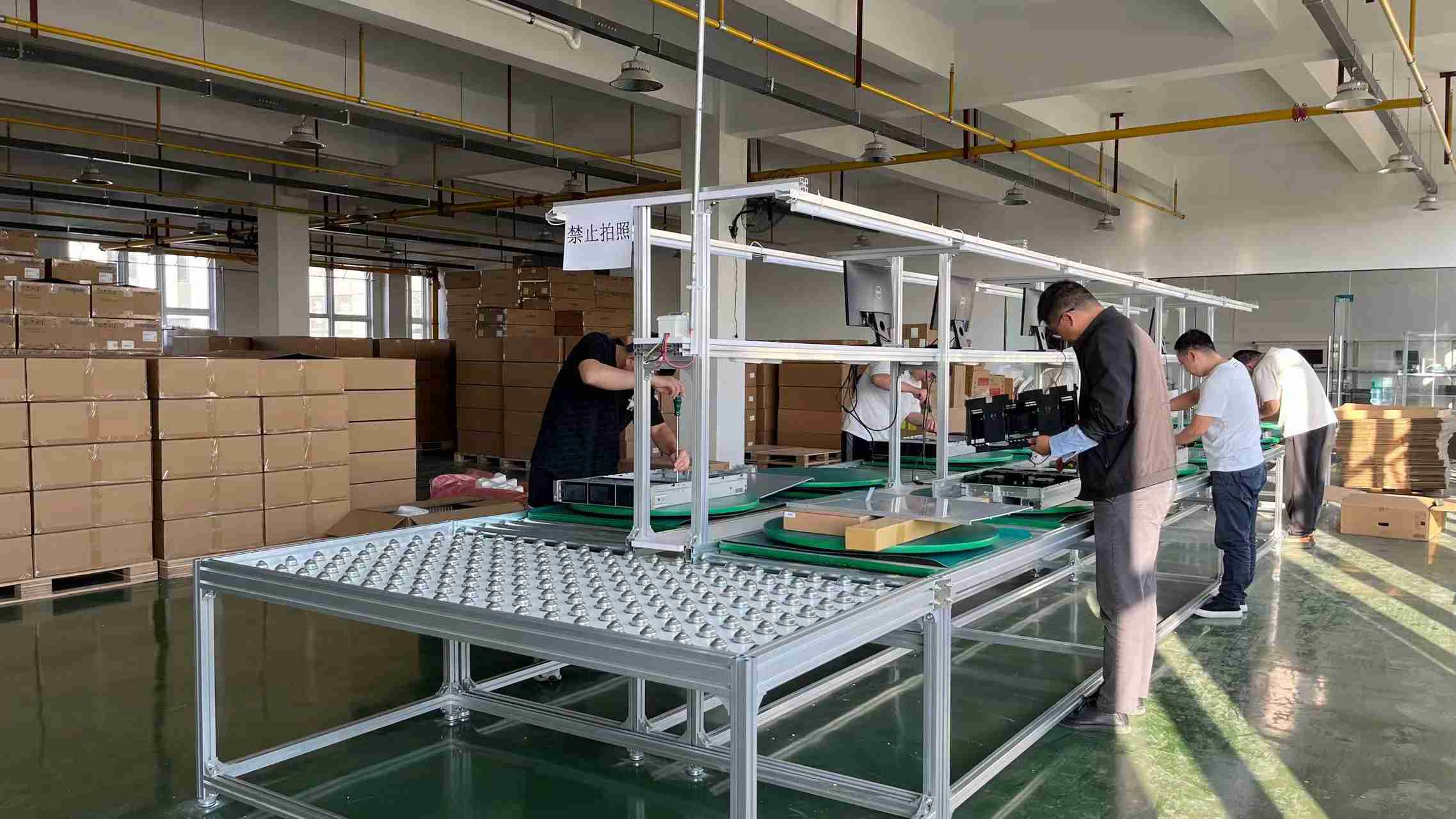
The roadmap for voltage regulators, power distribution networks (PDN), and high-frequency memory designs is shaped by energy conservation demands and space minimization constraints. Emerging developments in the field include:
Quality assurance is paramount when sourcing voltage regulators and system hardware for industrial, medical, and defense-critical electronics. Leading Chinese manufacturers conform to the following global standards:
ISO 9001 & IATF 16949: Certifies that manufacturing facilities employ documented traceability protocols for components, ensuring defective wafer lots can be flagged and isolated before integration.
CE, FCC, & RoHS: Standardized electromagnetic compliance certifications that verify electrical designs do not generate disruptive electromagnetic interference (EMI) or exceed restricted hazardous substance concentrations.
AEC-Q100 Qualification: Critical for automotive applications, requiring voltage regulators to operate reliably across extreme temperatures (-40°C to +125°C) and under sustained physical shock.
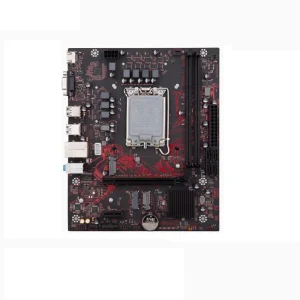
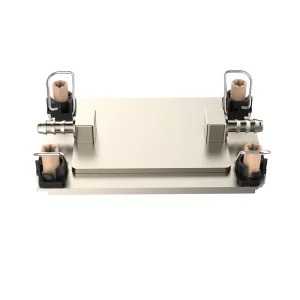
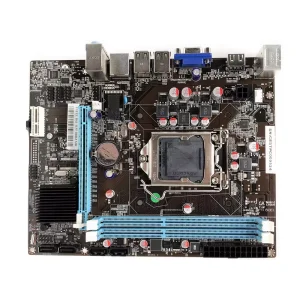
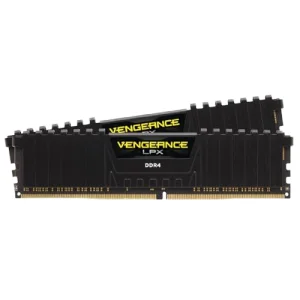
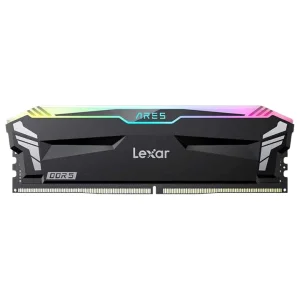
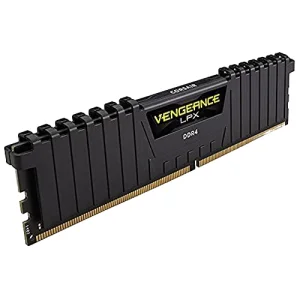
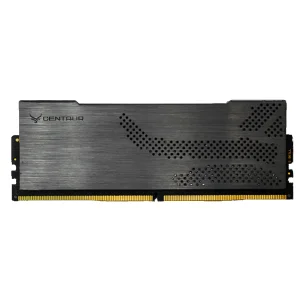
Reliable memory modules, motherboards, and cooling configurations engineered to maintain system efficiency and durability.
 Kryntel