Explore our high-performance components optimized for enterprise environments, gaming platforms, and critical data centers.
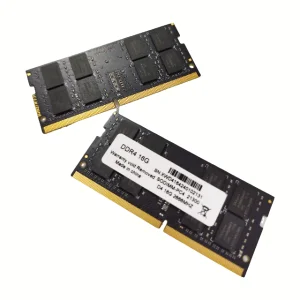
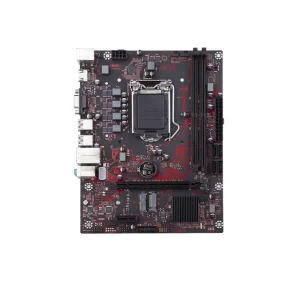
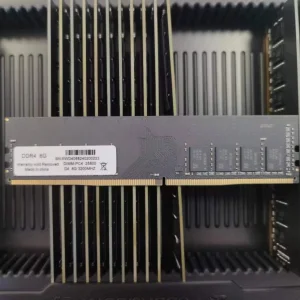
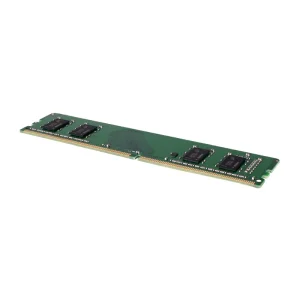
How technical architectural changes dictate the global supply chain requirements for enterprises and data centers.
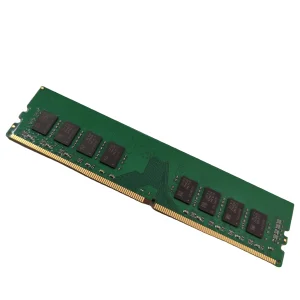
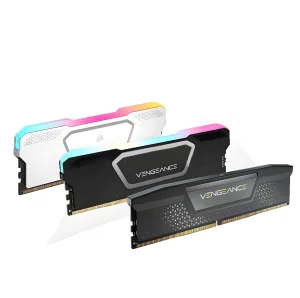
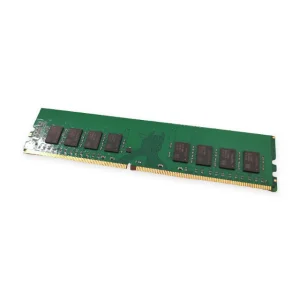
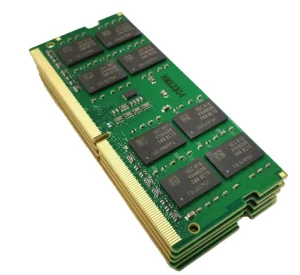
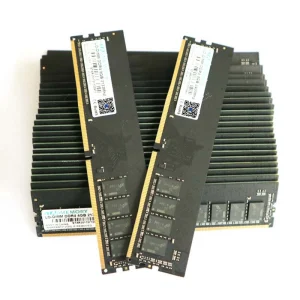
The paradigm shift from DDR4 to DDR5 introduces On-Die ECC (Error Correction Code) and PMIC (Power Management IC) directly onto the module, dramatically optimizing high-speed data transmission and localized voltage scaling.
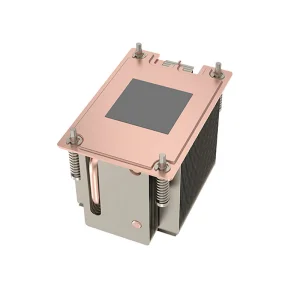
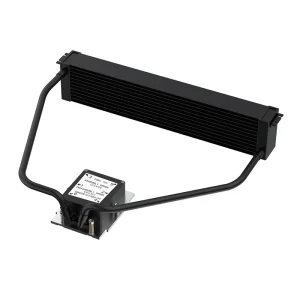
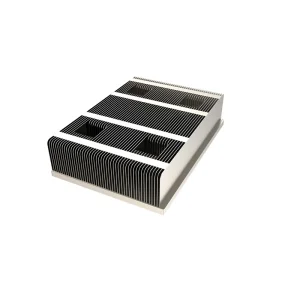
As server component density grows, managing thermal resistance is critical. High-performance aluminum copper composite heatsinks and active SP5 integrated water blocks provide optimal cooling pathing to protect high-wattage computing cores.
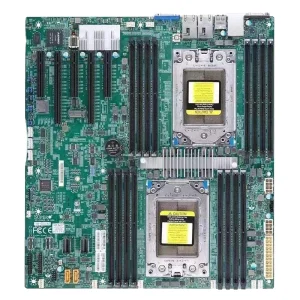
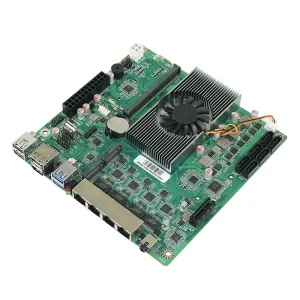
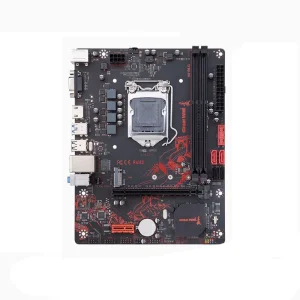
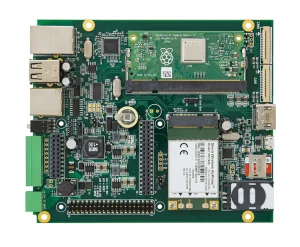
Industrial deployment calls for compact, specialized footprints. Dual M.2 sockets, multi-Gigabit Ethernet controllers, and ARM/X86 integration on single motherboards enable precise telemetry and IoT system analytics.
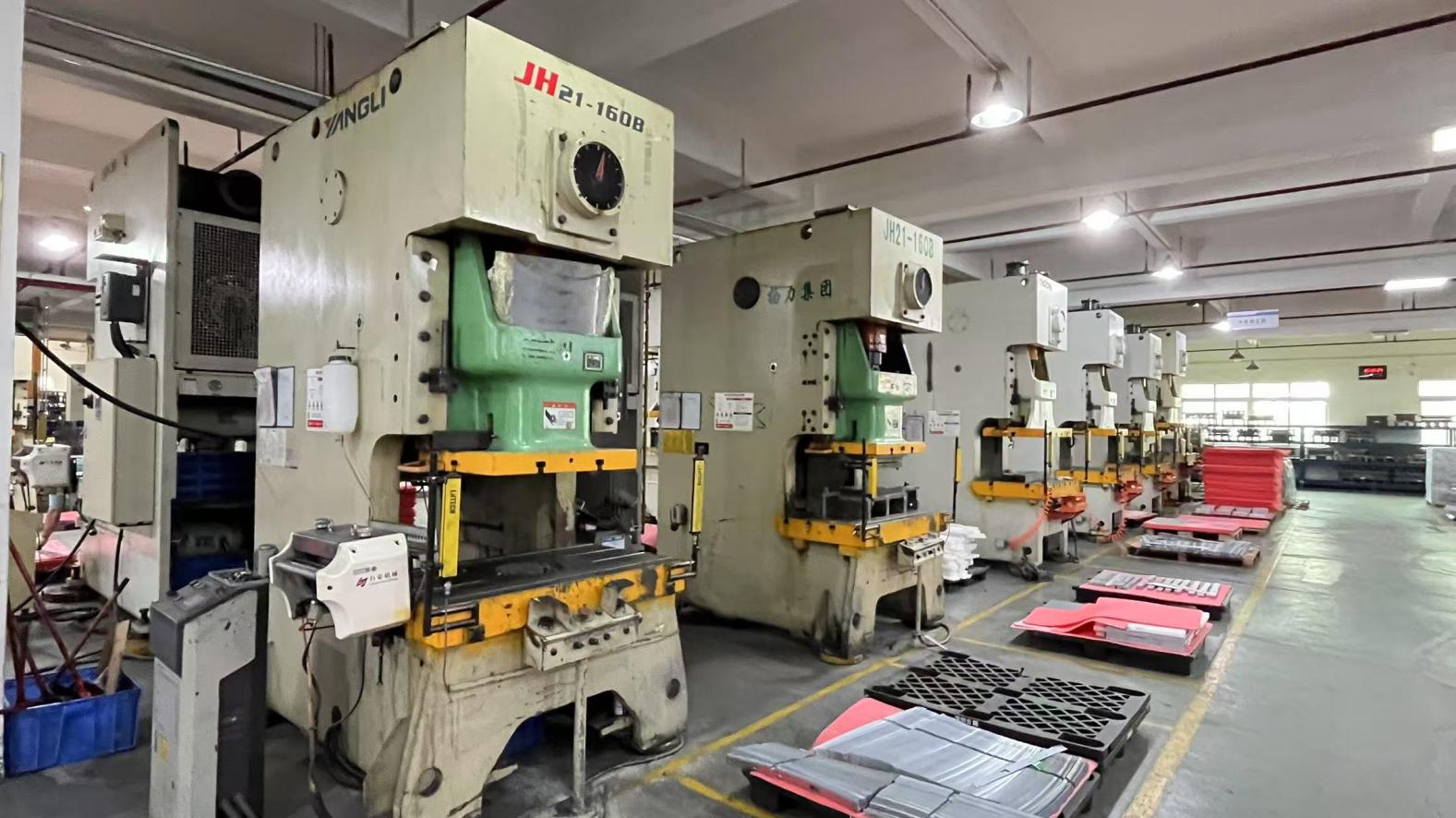
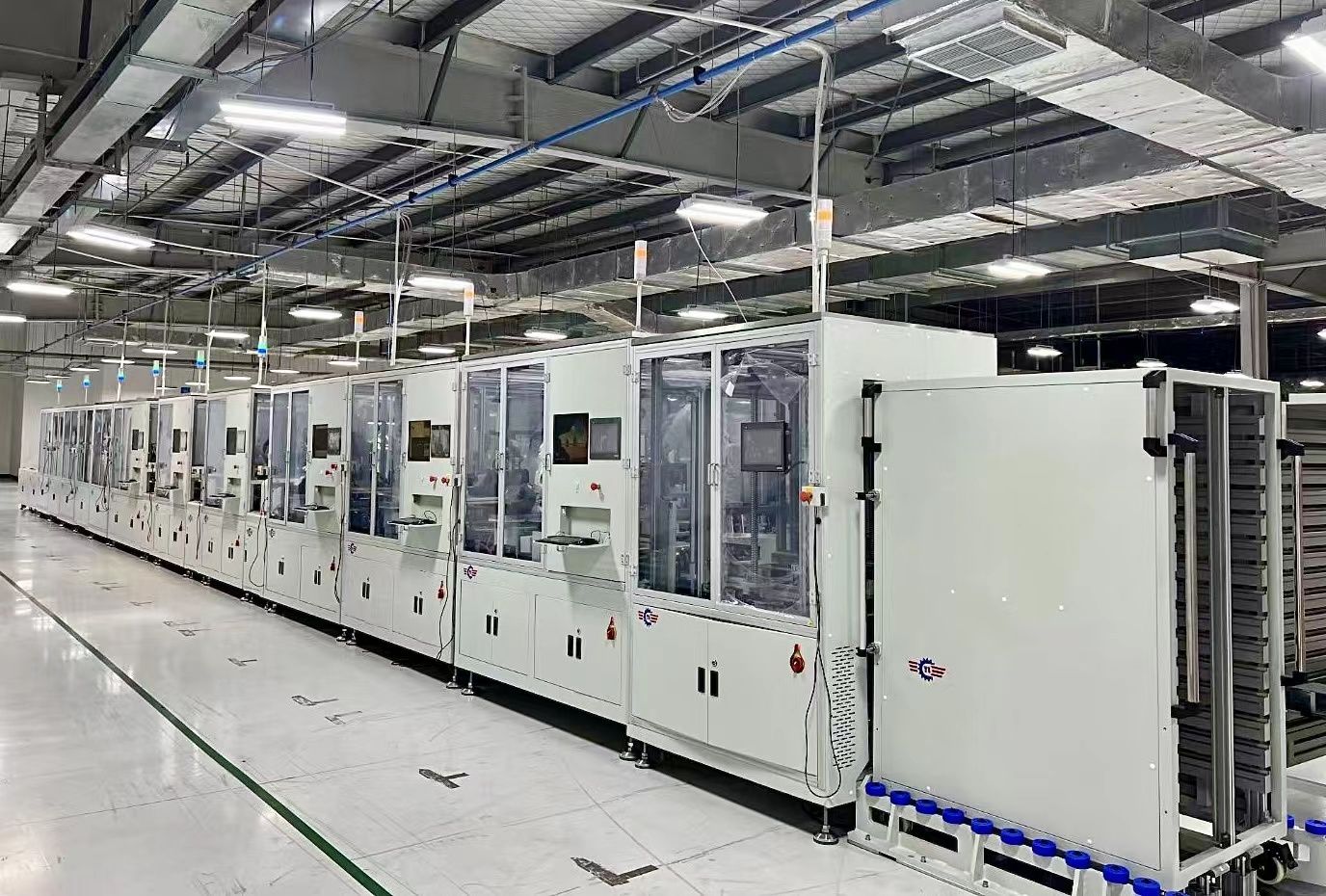
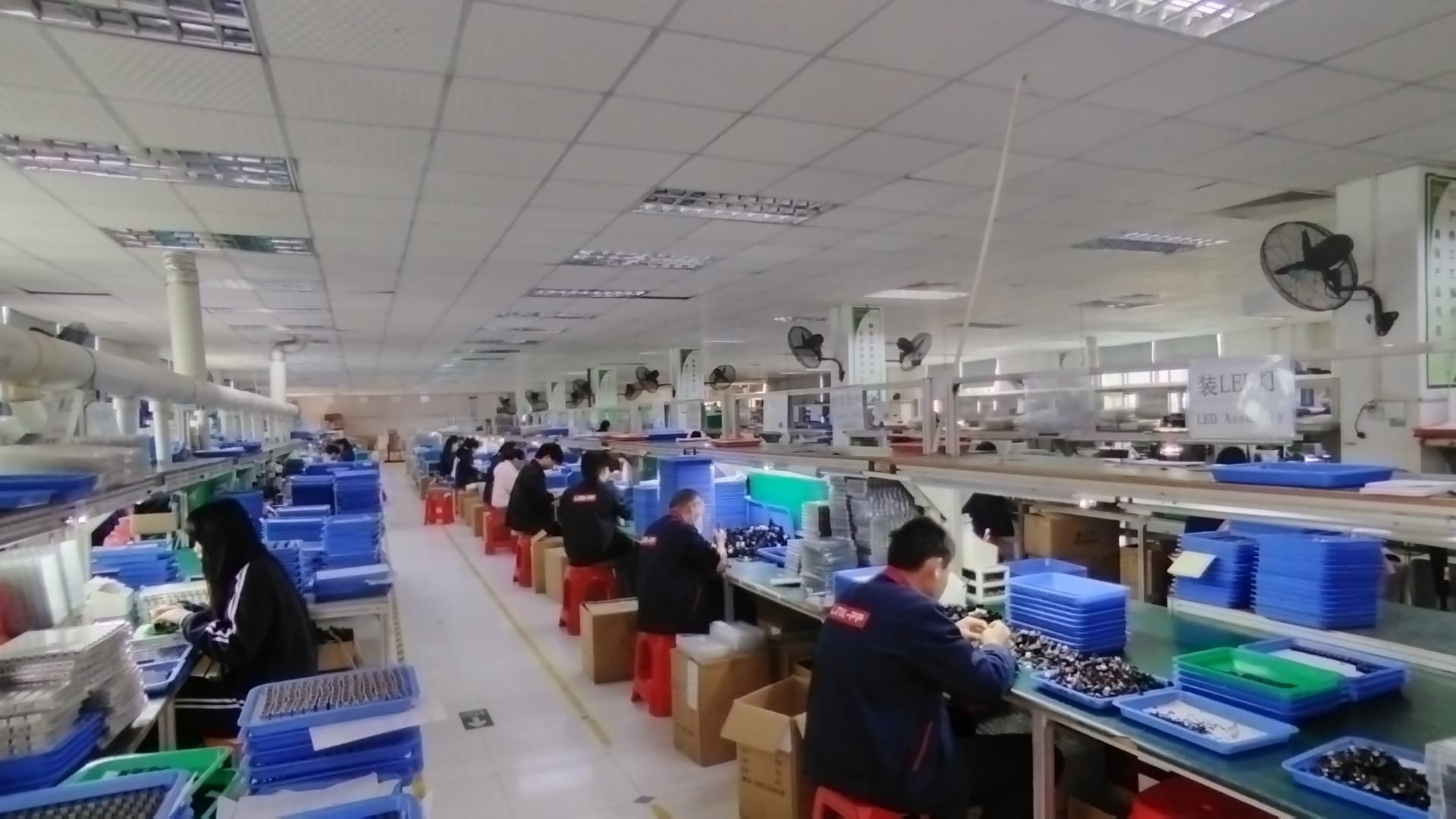
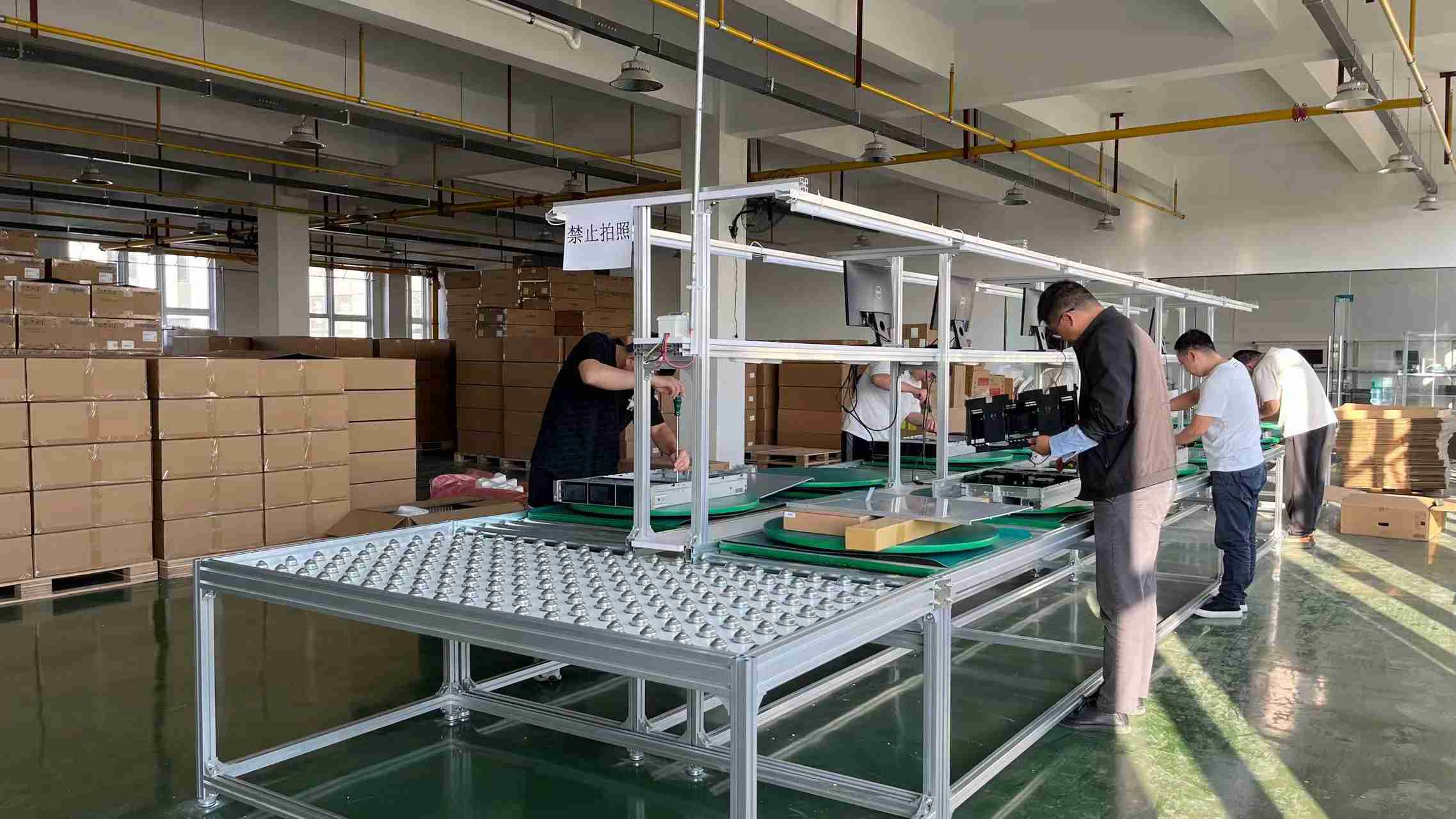
Established in 2016, Kryntel Memory Technology (China) Co., Ltd. has developed into a critical node of the semiconductor value chain in Shenzhen, China. Under strict Quality Management systems, Kryntel operates high-precision SMT (Surface Mount Technology) and packaging lines to service top-tier system integrators and global enterprise networks.
Industry Track Record
R&D Specialists
Inspection Team
Supply Partners
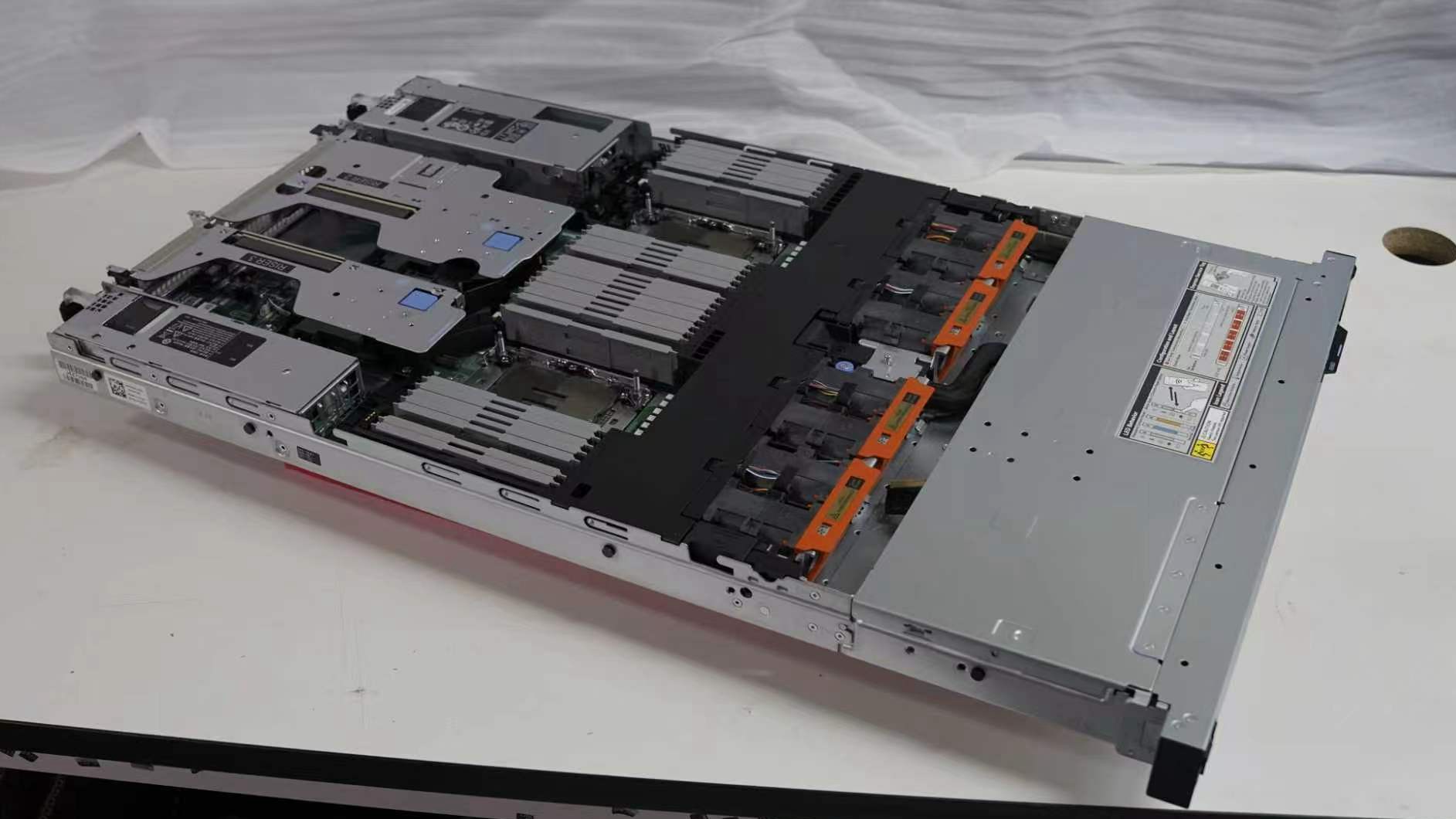
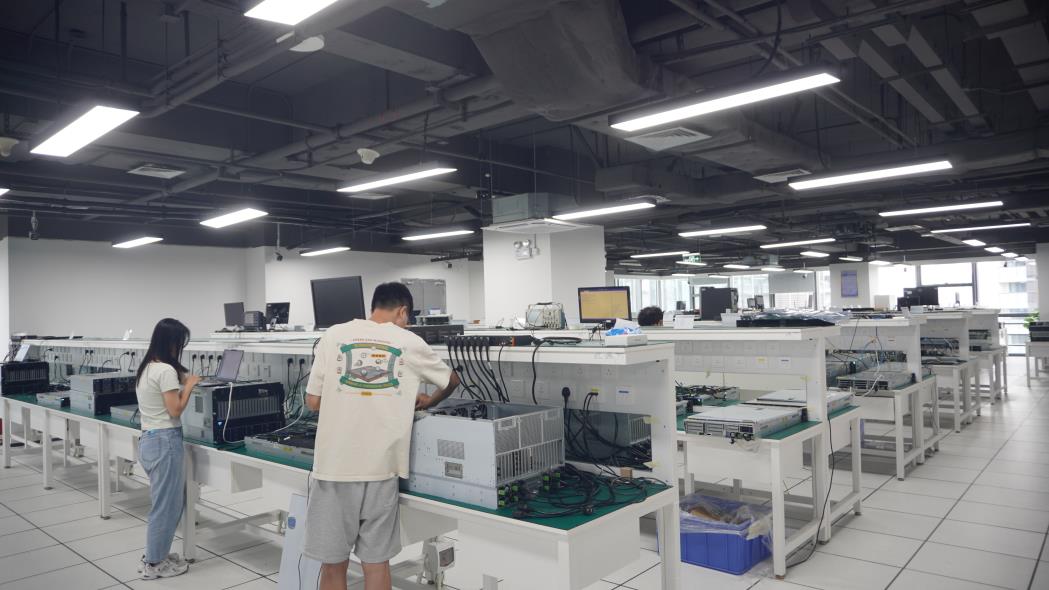
Visualizing the physical engineering and QA protocols backing our High-Performance Hardware components.
Our products operate globally across diverse network topologies, supporting mission-critical digital systems.
Leveraging high-frequency DDR4 and DDR5 ECC registered modules alongside specialized SP5 water coolers and BGA heatsinks to maximize uptime and prevent data decay inside massive scale-out server architectures.
Utilizing high-end N100 and customized ITX architectures combined with Raspberry Pi system structures to design hardened, dust-resistant compute platforms capable of real-time SMT analytics and sensory translation.
Critical engineering considerations, validation guidelines, and global sourcing parameters answered by industry engineers.
On-Die ECC, standard on all DDR5 chips, corrects single-bit errors inside the silicon array before the data is transmitted. In contrast, traditional Side-Band ECC (found in server memory like DDR4/DDR5 ECC SODIMMs) contains extra data lines on the PCB to allow the host CPU's memory controller to detect and correct errors in transit across the bus. For server-level data integrity, utilizing modules with dedicated side-band ECC capabilities is still required.
We enforce a strict physical validation loop. Each batch undergoes high-temperature aging chambers under sustained write-read loads for at least 24 hours. Following this, the modules are loaded onto various server and desktop motherboard chipsets (including Intel H510M-A, H81, and AMD Server platforms) to perform bandwidth stress testing using diagnostics to verify data line alignment and signal integrity.
Passive copper and aluminum coolers rely on the chassis' high-CFM system fans to drive airflow through the cooling fins. This eliminates the risk of localized mechanical fan failures inside the server chassis, reducing moving parts, lowering power draw, and optimizing cooling efficiency for high TDP processors (like AMD EPYC SP5 architectures).
Yes. Kryntel's OEM/ODM services support complete firmware modification, SPD configuration (tuning memory profiles for specific legacy hardware), heat spreader structural design, and custom PCB trace layouts optimized for demanding industrial automation setups.
Complete your server builds and system integration pipelines with our certified high-performance options.
 Kryntel