High-performance processing engines, memory architectures, thermal radiators, and flexible interconnection systems designed for mission-critical industrial deployments.
Decoding the modern electronics value chain: High-density integration, supply chain resilience, and architectural standards.
The global electronics component ecosystem is currently undergoing a structural transformation. Driven by high-performance computing (HPC), AI-driven edge infrastructure, automotive digitalization, and complex server grids, system integrators require more than standardized parts. They demand tailored, energy-efficient, and electrically stable building blocks. The paradigm has shifted from basic material acquisition to joint-engineering collaborations where signal integrity, thermal dissipation limits, and physical interconnect performance are optimized concurrently.
Modern memory systems (DDR4/DDR5) and processor microarchitectures have pushed power and electrical routing limits to unprecedented levels. In high-speed DDR5 topologies, routing signals at 5600MT/s or 6000MT/s requires ultra-precise impedance matching (usually target Z0 = 40-50 Ohms) on high-reliability, multi-layer PCBs. Additionally, as processors like the AMD SP6 or Intel LGA4677 exceed thermal design limits (TDPs of 350W and above), standard chassis cooling is no longer sufficient. Specialized, high-performance extruded or vapor-chamber server radiators are essential to prevent thermal throttling and ensure stable MTBF (Mean Time Between Failures) metrics.
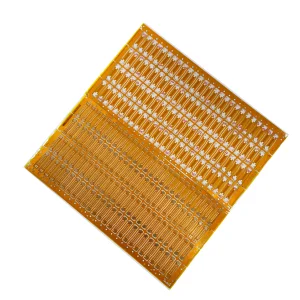
Concurrently, the manufacturing landscape in China has transitioned from high-volume assembly to advanced precision fabrication. Modern manufacturing centers optimize every layer of the hardware stack: from polyimide chemistry in Flexible Printed Circuits (FPC) to high-speed DRAM component screening processes. Sourcing organizations looking for sustainable cost-performance ratios must align with manufacturers that control their upstream supply of silicon, optimize internal multi-layer PCB design, and maintain robust, high-precision thermal profiling tools.
An authoritative look at our corporate foundation, production assets, and global footprint.
Founded in 2016, Kryntel Memory Technology (China) Co., Ltd. has established itself as a professional DDR5 and DDR4 memory manufacturer. We specialize in high-performance RAM modules designed specifically for global OEM, ODM, and private-label partners. Based in a modern production facility spanning approximately 320㎡, we focus our operational bandwidth on delivering highly stable, fast, and energy-efficient memory solutions for gaming architectures, industrial automation, and enterprise server infrastructures.
Over nearly a decade of growth, Kryntel has developed strong global export capabilities, with annual export revenues ranging between USD 8 million and USD 18 million. Backed by 6 years of focused export logistics experience and 9 years of overall semiconductor industry experience, we offer our partners seamless transaction pathways, robust trade compliance, and deep engineering support.
At the center of our operational success is a highly integrated supply chain network featuring approximately 1,200 upstream and downstream partners. This strong ecosystem ensures the stable sourcing of high-grade DRAM dies, passive components, and premium PCBs, shielding our clients from standard market fluctuations and component shortages. Our primary customer base consists of international computer hardware brands, system integrators, value-added distributors, and large-scale e-commerce sellers across the United States, Germany, India, Brazil, and the UAE.
How our core product portfolios integrate into modern high-speed compute environments.
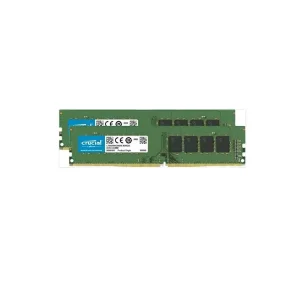
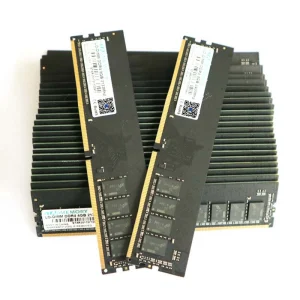
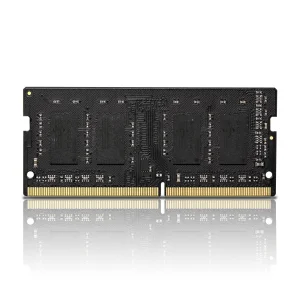
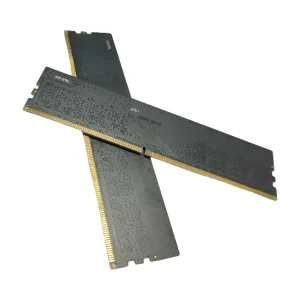
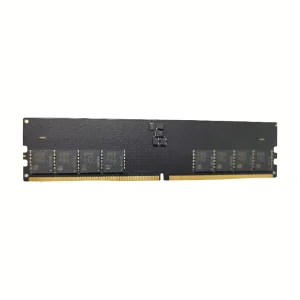
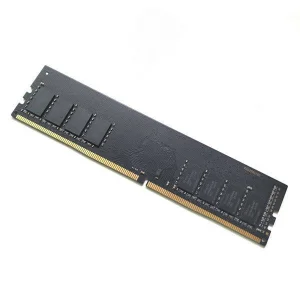
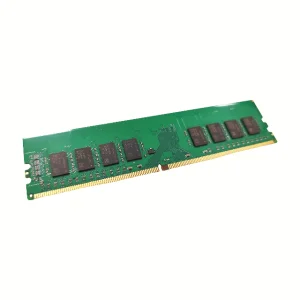
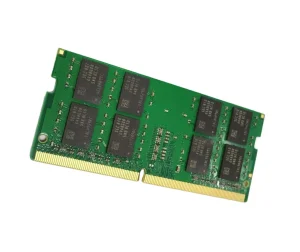
Optimized for low latency, high frequency, and low power. Our DDR5 modules incorporate on-die ECC (Error Correction Code) and onboard PMICs (Power Management ICs) to handle modern high-speed data streams safely, ensuring maximum data integrity for servers and workstation setups.
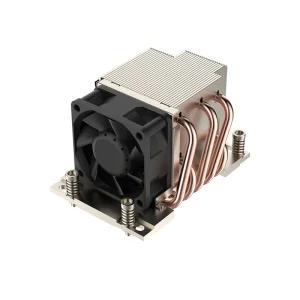
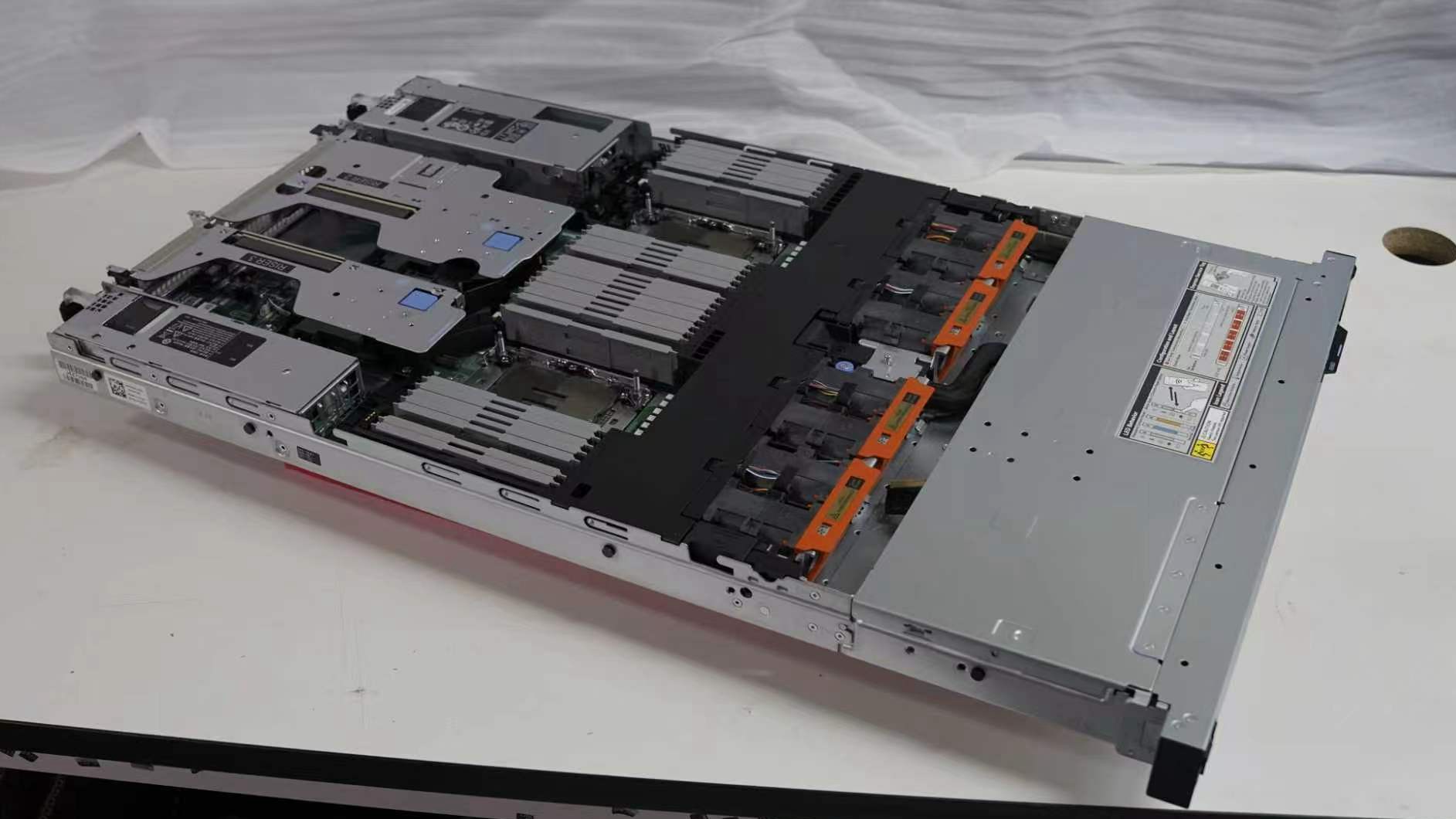
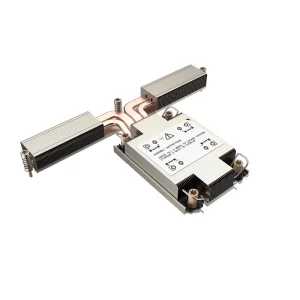
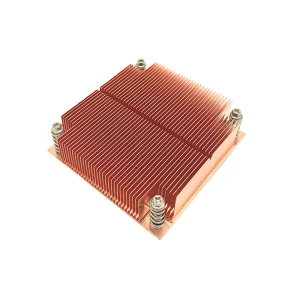
Designed for processors like the AMD SP6 and LGA4677 sockets, our active and passive cooling solutions utilize structural aluminum, copper heat pipes, and high-efficiency fans. They are engineered to dissipate heat loads up to 350W under continuous operations, maintaining optimal system performance.
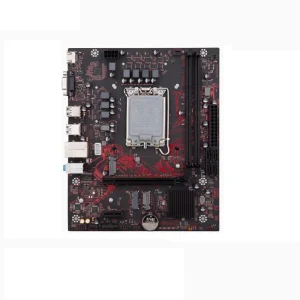
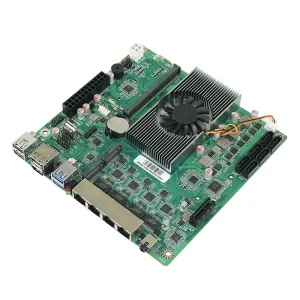
Custom multi-layer PCBs and Motherboard architectures (B760M-G, H610, N100 ITX). Built with low-loss dielectric laminates, precise impedance control, and premium micro-vias, our boards provide robust performance for complex, space-constrained computing applications.
How our 42-member Quality Assurance team ensures defect-free manufacturing and long-term reliability.
We maintain a dedicated Quality Assurance department comprising 42 QA and QC specialists. Our quality management program governs every phase of production: from the initial component selection to the final outgoing package. Each memory module, motherboard, and cooling component undergoes a rigorous, multi-stage testing process before leaving our factory.
| Testing Phase | Verification Protocol | Critical Performance Metric Checked |
|---|---|---|
| Incoming Material Inspection (IQC) | DRAM Die grading & passive component tolerance validation via automated testing equipment. | Silicon purity, chip grade matching, and electrical parameter compliance. |
| In-Process Quality Control (IPQC) | Automated Optical Inspection (AOI) after SMT reflow soldering processes. | Precision of solder joints, micro-bridge detection, and alignment accuracy. |
| Thermal & Aging Chambers | High-temperature burn-in chambers simulating continuous operations at 70°C. | Electrical stability under high thermal loads; early component failure identification. |
| Compatibility Cross-Validation | Testing modules across a wide matrix of Intel (H610, B760, Server chipsets) and AMD motherboards. | BIOS recognition, SPD timing setting accuracy, and dual-channel stability. |
| Stress & Signal Validation | High-bandwidth data flow stress tests at varying operating voltages. | Bit Error Rate (BER) mitigation, impedance consistency, and signal integrity. |
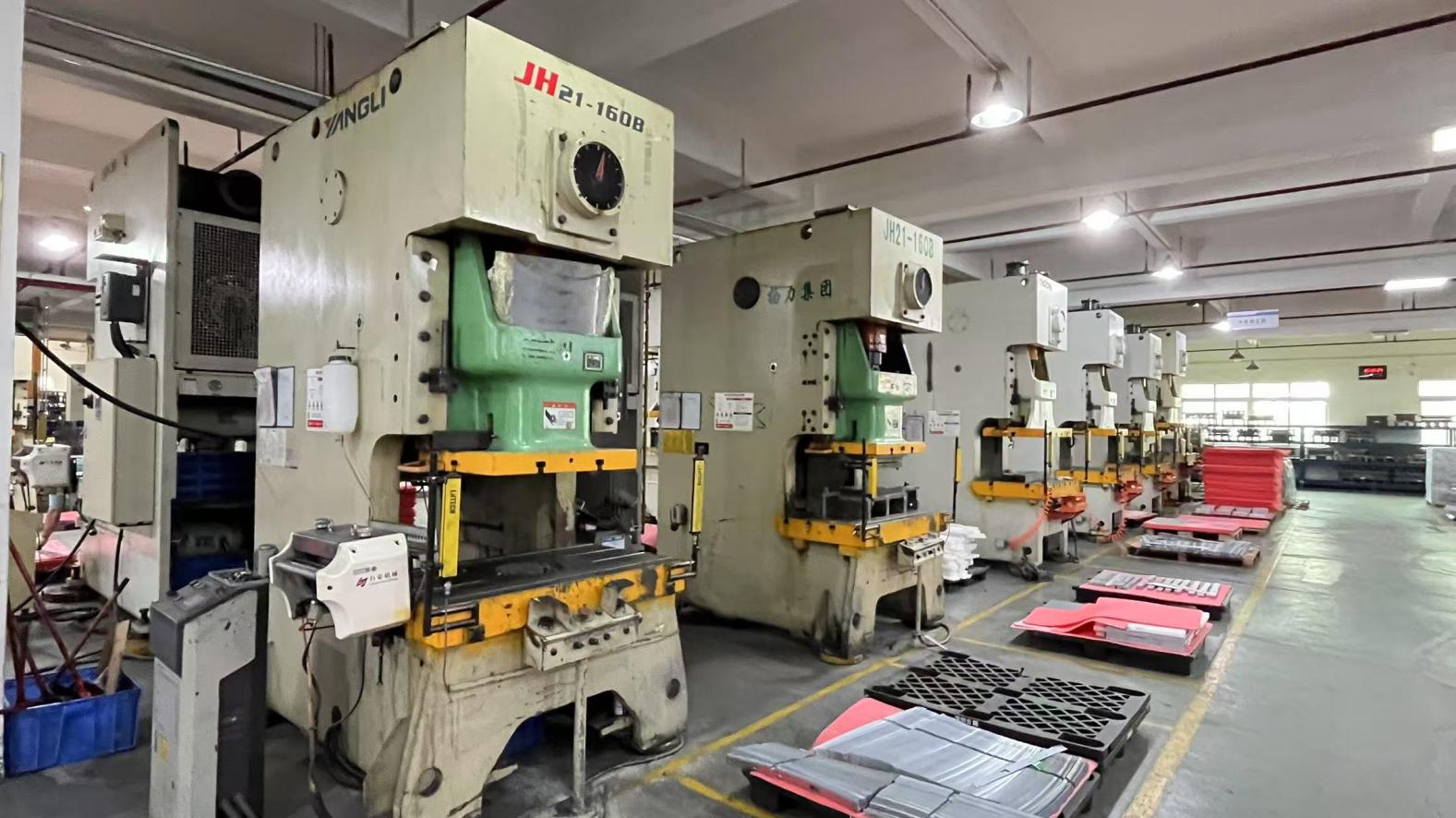
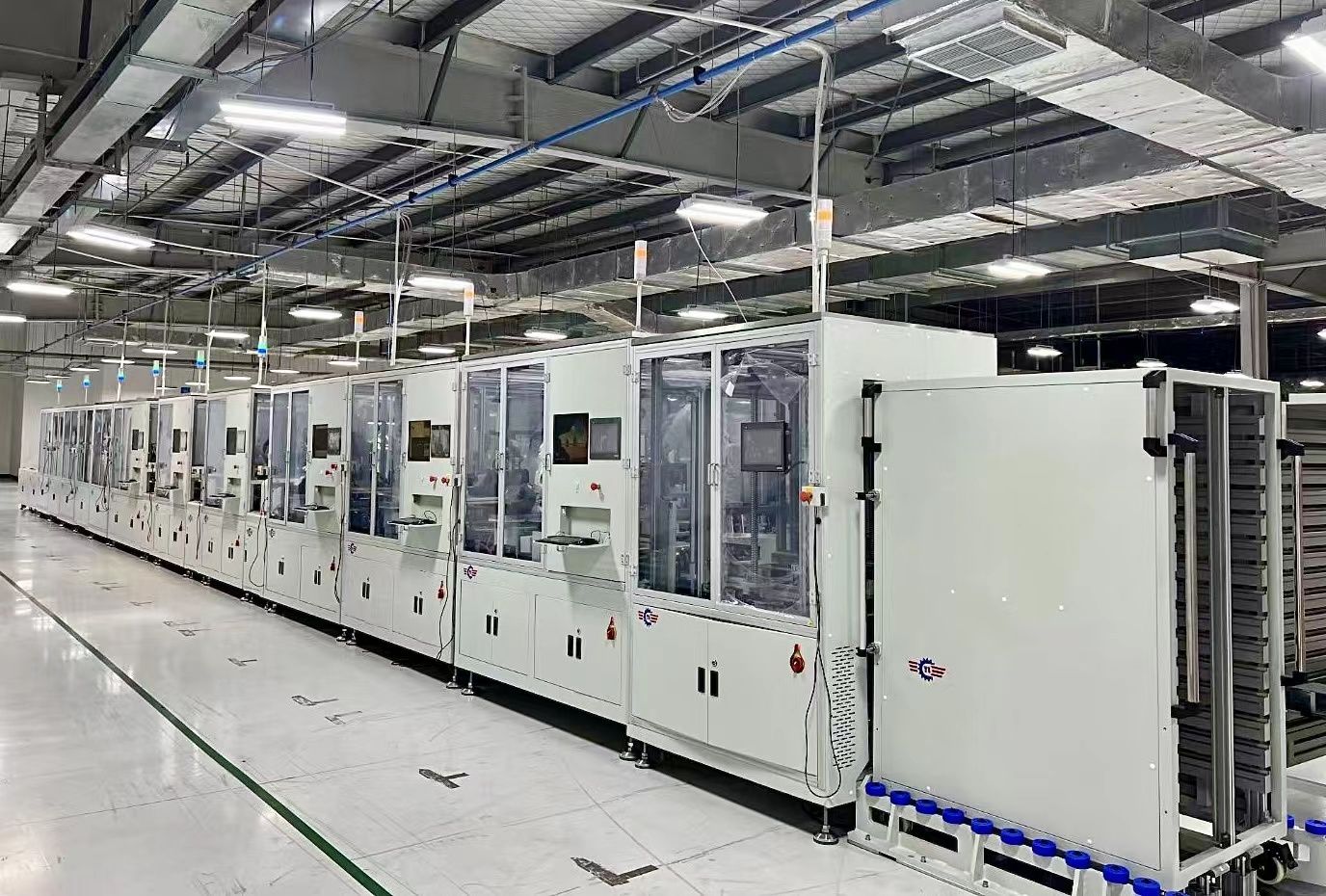
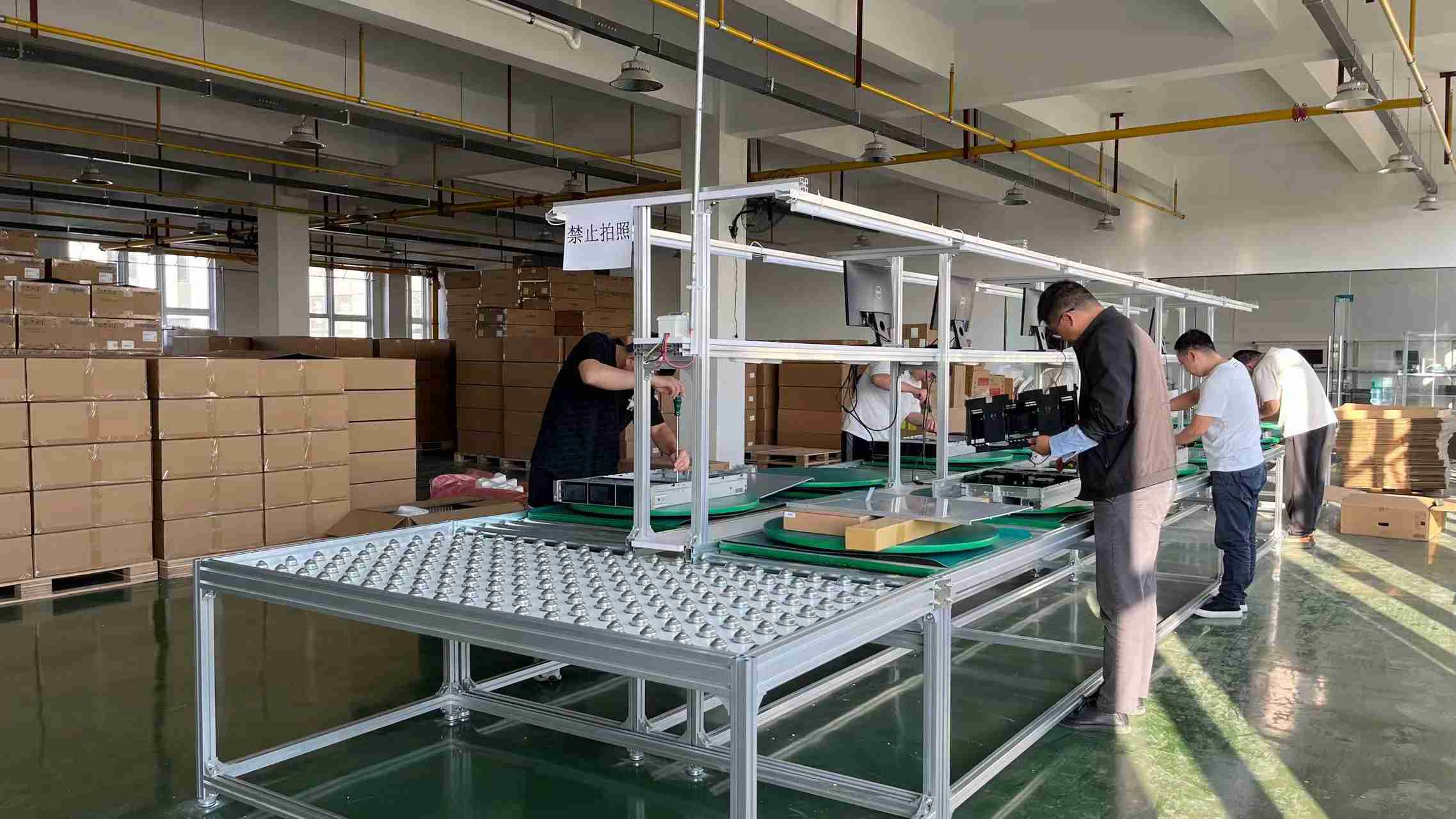
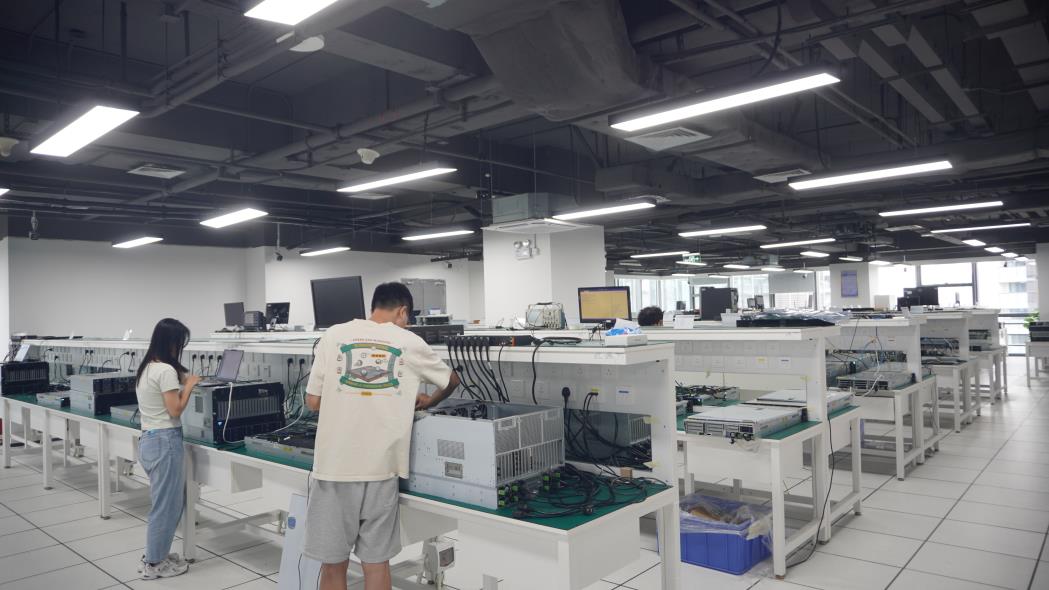
Our production facilities leverage state-of-the-art SMT assembly lines, automated optical scanners, and specialized burn-in chambers to support high-yield, stable output for our partners worldwide.

Ensuring cross-border compliance, stable sourcing networks, and responsive technical engineering support.
Navigating different regulatory frameworks is a critical consideration for global procurement managers. As an experienced exporter with an established footprint in North America, Europe, the Middle East, and Asia, Kryntel ensures full regulatory compliance across all target markets. Our materials are verified to meet CE, FCC, RoHS, and WEEE standards, guaranteeing smooth customs clearance and compliant market placement.
Our sales and support teams are deeply familiar with regional customs protocols, tax frameworks, and logistics channels. We provide customized packaging, precise HS code classifications, and flexible shipping options (FOB, CIF, DDP) to reduce transit times and manage landed costs effectively. Additionally, our R&D engineering team offers technical documentation, including STEP files, electrical schematics, and MTBF analyses, allowing our components to integrate smoothly into our customers' final assemblies.
A glimpse into our development pipelines, custom capabilities, and technological roadmap.
Our engineering department consists of approximately 160 R&D engineers specializing in high-speed memory architectures, signal integrity simulations, and thermal dissipation systems. In the past fiscal year alone, our teams developed and introduced over 280 new memory products across our DDR4 and DDR5 portfolios.
We provide comprehensive OEM/ODM customization services. These include custom PCB layouts, specialized heat spreader geometries, high-performance frequency tuning, custom SPD firmware programming, and targeted packaging design. This enables our clients to tailor memory configurations, motherboard layouts, and thermal management systems to their exact application requirements.
Expanding the production of high-performance DDR5 modules up to 6400MT/s. This phase focuses on optimizing on-die thermal sensors and PMIC power layouts to minimize power consumption while boosting throughput.
Designing vapor chamber thermal management components specifically for high TDP chips like the AMD SP6 and Intel LGA4677. These are engineered to handle workloads up to 450W without relying on noisy, high-power active fans.
R&D initiatives focused on CXL memory expanders. This will enable high-density, low-latency pooled memory systems for next-generation data centers and machine learning architectures.
Addressing technical specifications, quality control details, and procurement logistics.
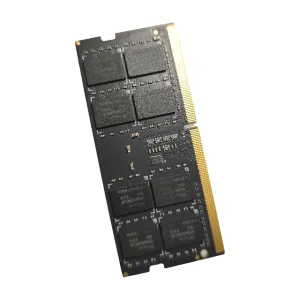
Browse our advanced DDR5 memory, active and passive server cooling solutions, and specialized motherboard configurations.
 Kryntel