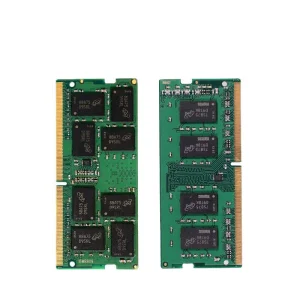
Explore our top-performing electromechanical assemblies, DDR4/DDR5 high-frequency memory modules, and specialized industrial server heat sinks.
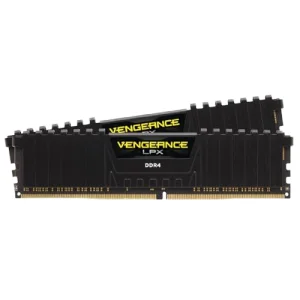
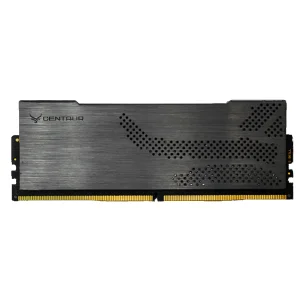
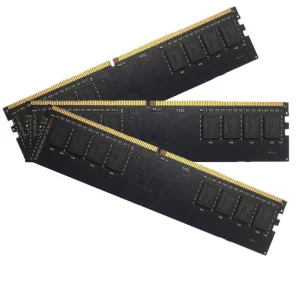
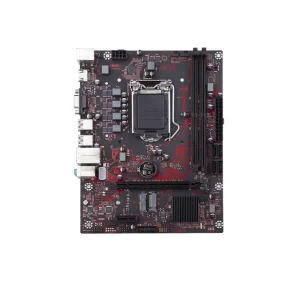
The global landscape of electromechanical manufacturing is undergoing a profound structural shift. As downstream sectors like Cloud Computing, Artificial Intelligence, Industrial IoT (Internet of Things), and Automotive Electronics demand unprecedented densities and thermal efficiencies, the role of electromechanical and semiconductor device factories has evolved from mere assembly houses to critical R&D partners. China remains at the absolute core of this transformation.
This whitepaper explores the strategic pillars that govern the selection of elite electromechanical exporters, highlighting how integrated supply chains, automated SMT (Surface Mount Technology) assembly lines, advanced thermal solutions, and cutting-edge DRAM fabrication establish China's production dominance.
China's manufacturing supremacy in the electromechanical sector is not merely built on cost efficiencies; it is sustained by deep, localized cluster ecosystems. From the initial silicon wafer dicing and packaging in memory modules, to PCB substrate manufacturing, high-precision SMT placement, and final structural thermal engineering, the entire process is co-located.
Understanding future architectural directions is crucial for procurement teams looking to future-proof their supply chains. Major developments include:
The Migration to DDR5 and High-Bandwidth Architectures: The transition from DDR4 to DDR5 is not just a speed upgrade; it is a fundamental shift in memory architecture. DDR5 shifts power management from the motherboard directly to the memory module itself via an onboard PMIC (Power Management Integrated Circuit). This allows for higher power efficiency, better localized voltage regulation, and cleaner signals. Additionally, DDR5 introduces On-Die ECC (Error Correction Code), significantly bolstering stability for enterprise servers running multi-threaded virtualization workloads.
Thermal Dissipation for Next-Generation TDP (Thermal Design Power) Demands: With high-performance CPUs and server processors exceeding 350W TDP, active and passive thermal management has become an exact science. Traditional aluminum extrusions are increasingly paired with integrated copper vapor chambers, sintered powder heat pipes, and full liquid-cooling loop assemblies specifically engineered for modern sockets like LGA4677 and LGA4926.
Electromechanical assemblies and high-speed memory systems do not operate in a vacuum. Exporters must possess the system-level expertise to tailor components for localized, high-stress deployment scenarios:
Vetting offshore manufacturers requires a systematic methodology that goes beyond examining basic pricing sheets. Quality assurance parameters must include:
Incoming Material Inspection (IQC): Raw silicon dies must undergo rigorous speed-binning and electrical characteristics testing. In-Process Quality Control (IPQC): Utilizing X-ray scanning to detect internal solder voids in ball-grid array (BGA) components. Environmental Aging Tests (OQC): Exposing components to high-temperature thermal cycling chambers (typically at 85°C with 85% relative humidity) under continuous voltage loads for up to 48 hours to weed out infant mortality failures before shipment.
How Chinese electromechanical and semiconductor factories leverage geographical, financial, and technical ecosystems to optimize your total cost of ownership (TCO).
Proximity to major global chip foundries, raw copper refiners, and plastic extrusion hubs translates to compressed lead times and dynamic manufacturing scheduling.
Tailor-made PCB layout optimization, firmware tweaking for system BIOS alignment, precise SPD voltage configuration, and custom heat shield laser marking.
Employing rigorous aging testing at scale, bandwidth stress validation, voltage margin checks, and full cross-platform compatibility mapping.
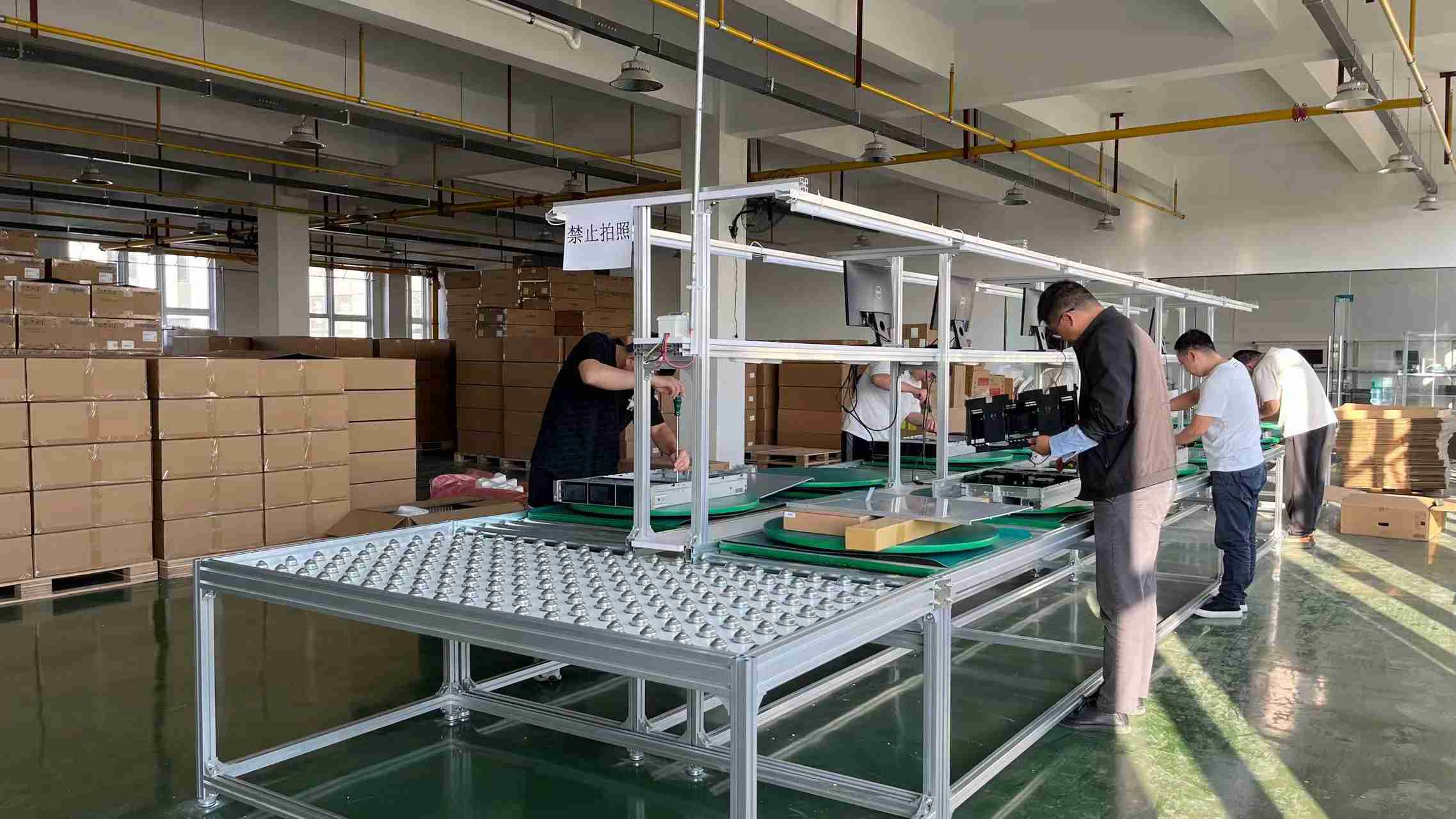
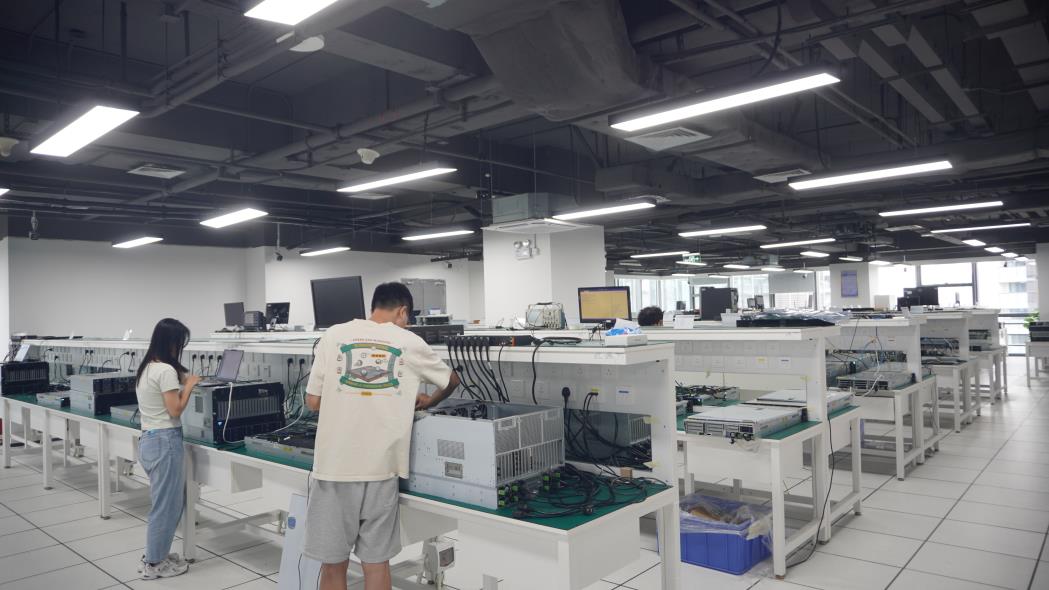
Visualizing our standardized production processes, precision cleanroom floor operations, high-speed SMT assembly, and strict QC testing environments.
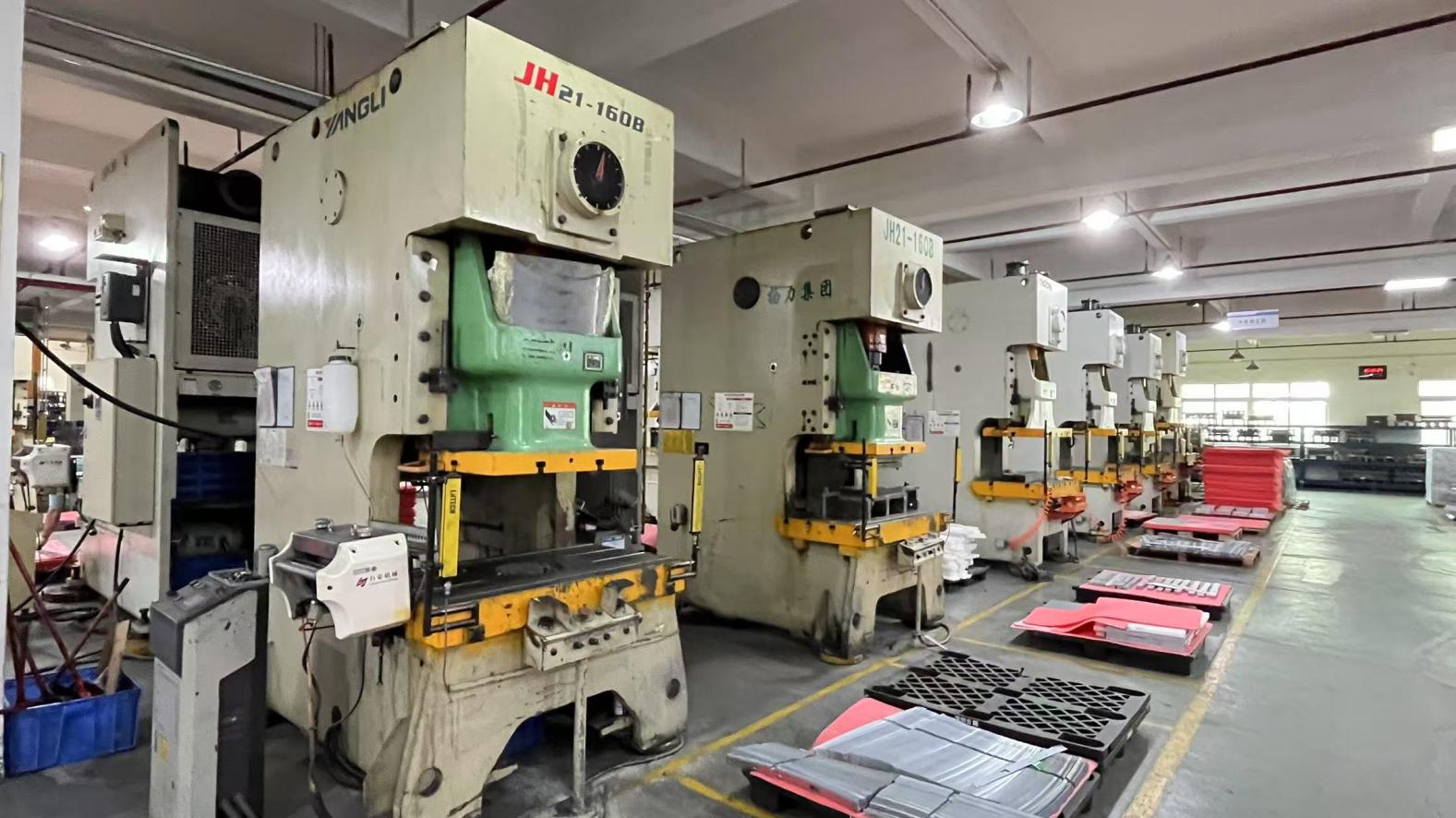
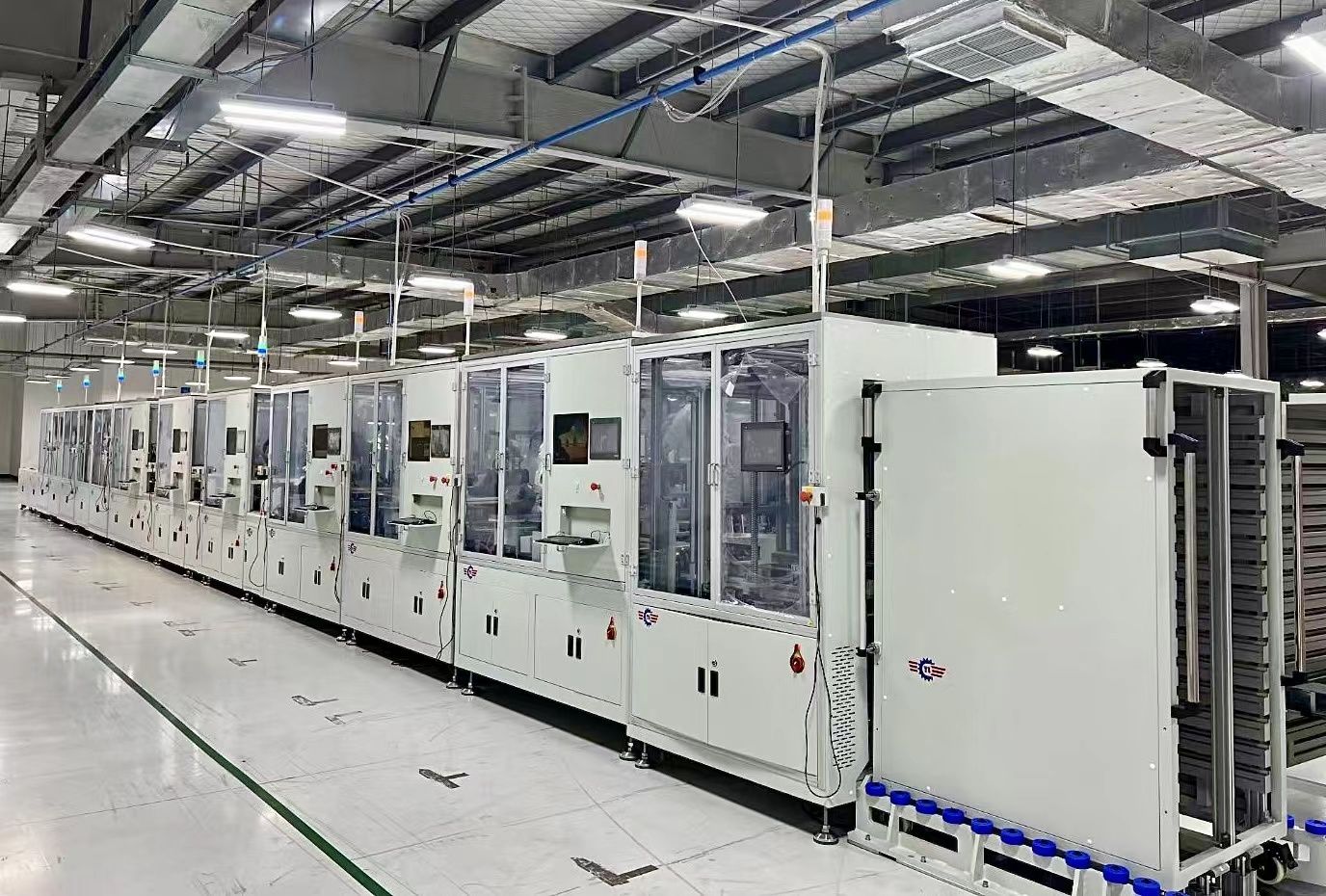
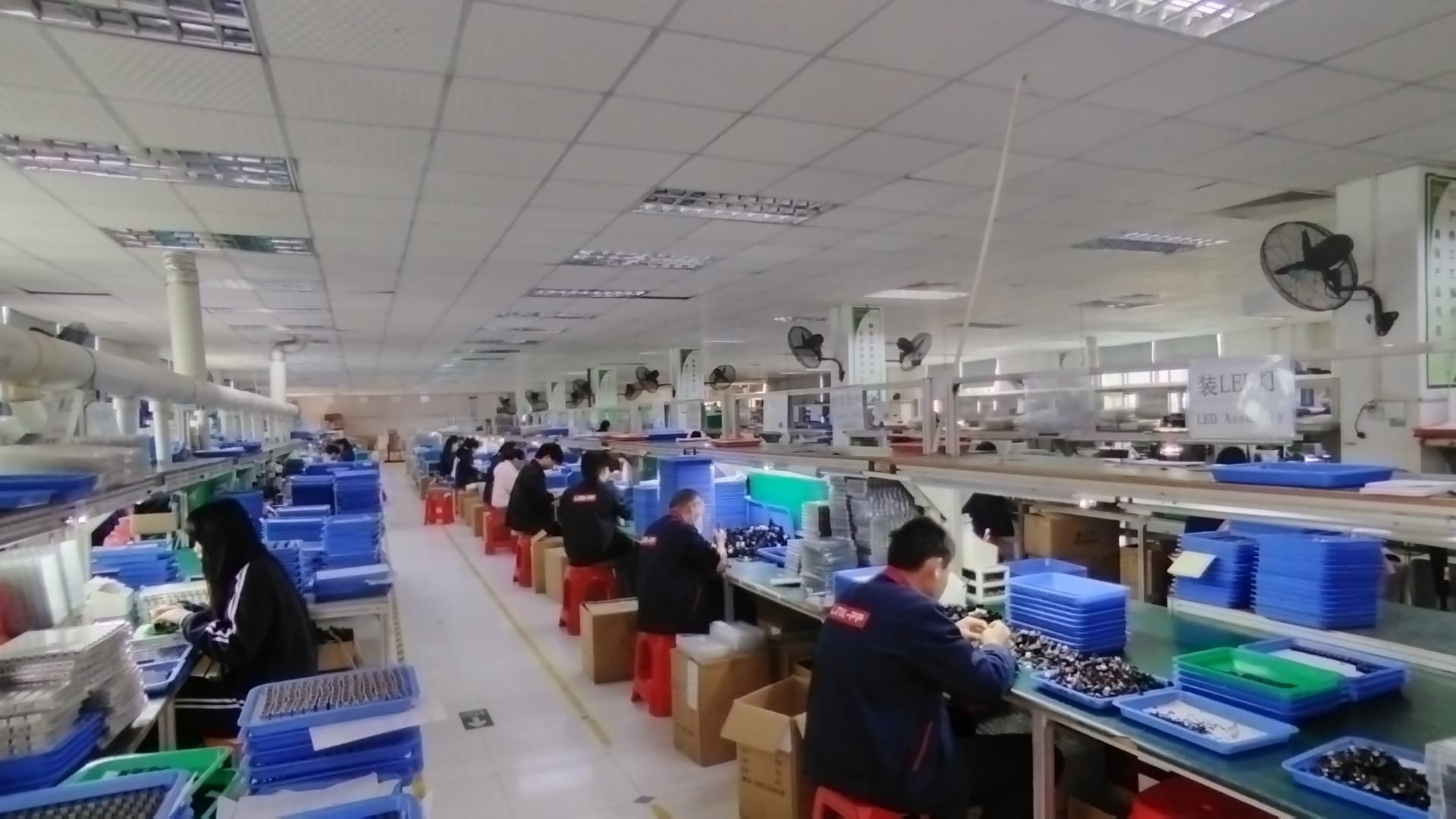
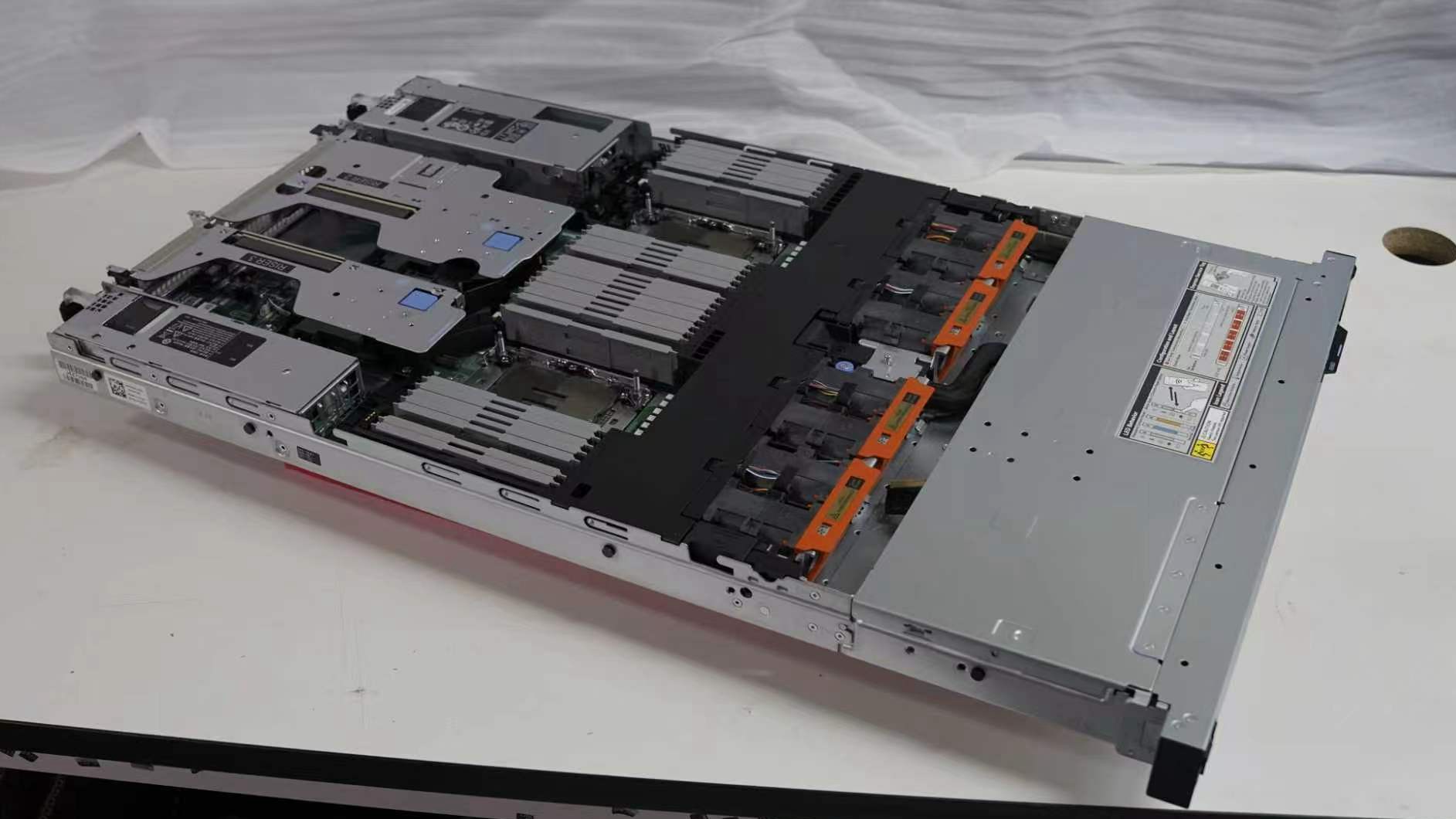
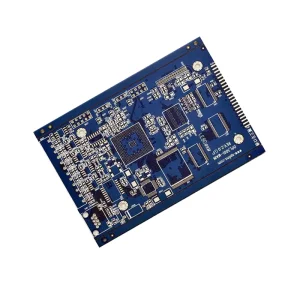
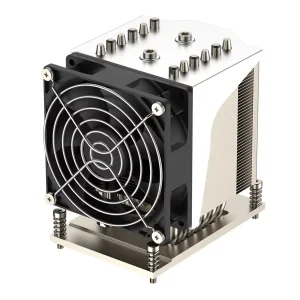
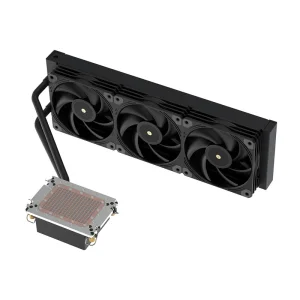
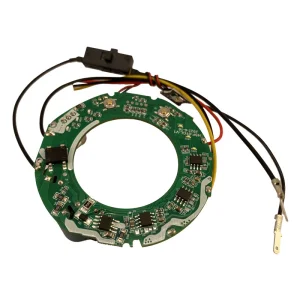
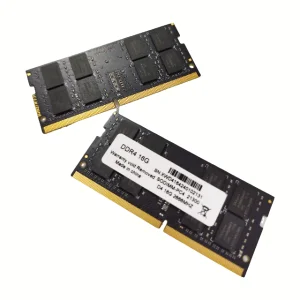
High-specification motherboards, custom PCBA blower controls, passive thermal radiators, and enterprise water-cooling devices.
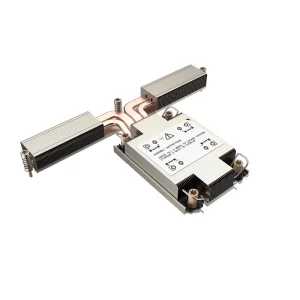
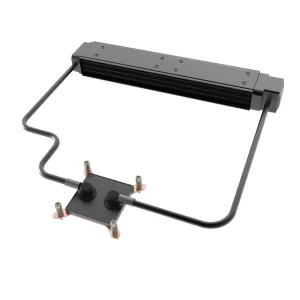
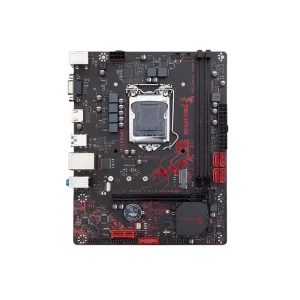
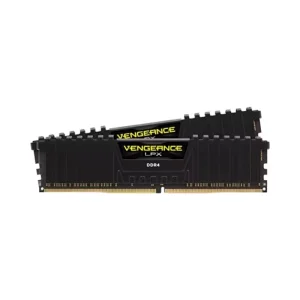
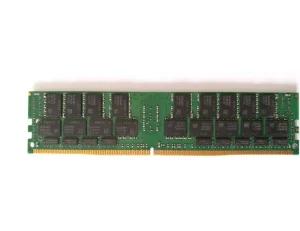
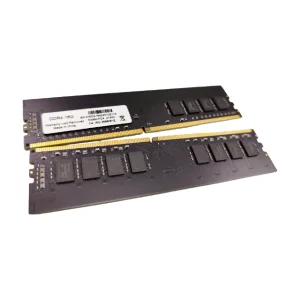
Resolving high-intent queries related to semiconductor sourcing, custom cooling configurations, SMT capabilities, and logistics.
Our R&D team maps compatibility profile directories against all major enterprise server motherboard platforms (Intel Xeon & AMD EPYC ecosystems, including sockets like LGA4677 and LGA4926). We run automatic testing sequences utilizing system BIOS emulators and real-world hardware environments to check compatibility across varied chipsets.
We provide full customization, including custom PCB colors (matte black, green, blue), custom-extruded aluminum heat-spreader designs, programmable RGB lighting configurations, custom SPD (Serial Presence Detect) programming for optimized default latencies, and localized packaging configurations suitable for consumer retail or system integration markets.
DDR5 operates at higher default frequencies (starting at 4800MHz up to 6000MHz and beyond) compared to DDR4, using a 1.1V standard operating voltage rather than 1.2V. Importantly, DDR5 shifts power regulation from the motherboard to the module itself via an onboard PMIC, improving power management, while on-die ECC ensures real-time bit correction for server-grade stability.
Immersion Silver delivers an extremely flat, coplanar surface finish, which is critical for fine-pitch BGA (Ball Grid Array) component placement. It offers excellent electrical connectivity, long shelf life, and provides strong, robust solder joints without the complexity of gold-plating processes, making it ideal for industrial automation assemblies.
 Kryntel