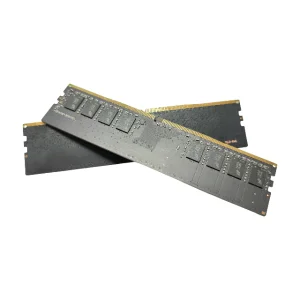
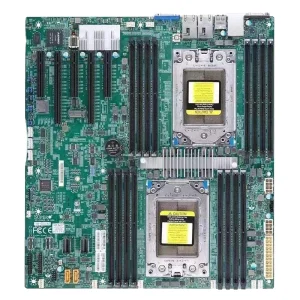
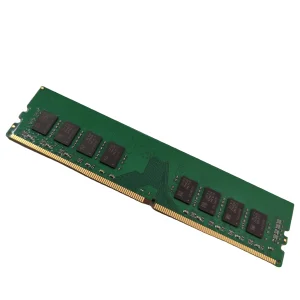
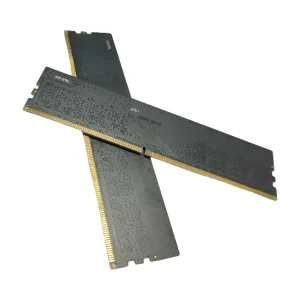
High-performance processing engines, memory architectures, and thermal management systems optimized for modern cloud storage infrastructures.
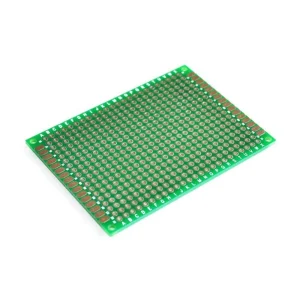
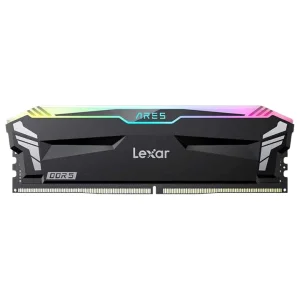
In the era of hyper-scale computing, AI-driven workloads, and petabyte-scale database architectures, modern Cloud Storage Systems have transitioned from traditional physical storage arrays to highly optimized, software-defined environments. The physical layer, however, remains the foundational bedrock of performance, endurance, and efficiency. Cloud Storage System suppliers and factories are no longer merely assembling components; they are designing integrated solutions where microsecond latency savings define system reliability.
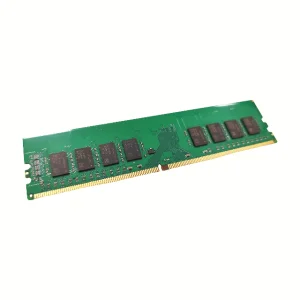
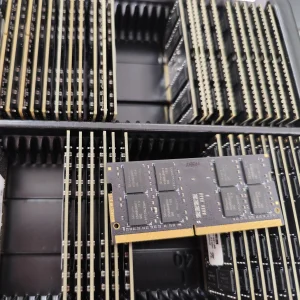
This technical guide analyzes the key hardware components, global supply chains, and industrial paradigms that make up the backbone of modern datacenters. We evaluate the alignment of memory modules (DDR4/DDR5), thermal cooling plates, multi-layered PCB controllers, and high-frequency motherboards with the needs of enterprise networks. From thermal efficiency to silicon architecture, selecting the right storage hardware partner is critical to minimizing Total Cost of Ownership (TCO) while maximizing mean time between failures (MTBF).
Decoupling hardware controls from physical storage pools allows for agile allocation, high availability, and rapid failover recovery cycles.
Using flash protocols over InfiniBand and Ethernet networks to bridge the performance gap between local NVMe and remote storage drives.
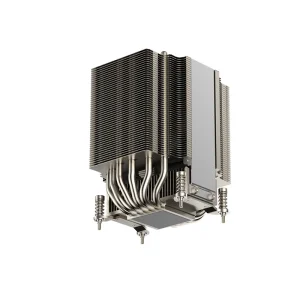
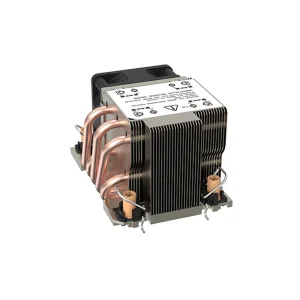
Deploying custom copper-aluminum heatsinks and liquid coolers on storage nodes to prevent CPU and memory throttling.
Founded in 2016, Kryntel Memory Technology (China) Co., Ltd. is a professional DDR5 and DDR4 memory manufacturer specializing in high-performance RAM modules, customized servers, thermal cooling systems, and accessories for global OEM, ODM, and private label partners. With a modern production facility focusing on delivering stable, high-speed, and energy-efficient memory solutions, Kryntel supports gaming, industrial, and server applications across continents.
Our quality control system is built on strict multi-stage inspection standards, including incoming material inspection, in-process quality control, aging tests, and final product sampling inspection. Product testing methods include high-temperature aging tests, compatibility testing with major motherboard platforms, bandwidth stress testing, and voltage stability testing. We maintain a dedicated QA team of 42 professionals to ensure consistent product reliability.
Kryntel operates with a strong international trade background, supported by experienced export teams familiar with North America, Europe, the Middle East, and Southeast Asia markets. Our primary markets include the United States, Germany, India, Brazil, and the UAE. In the past year, we successfully launched over 280 new memory products across DDR4 and DDR5 series, ensuring that our clients are equipped with modern technological capabilities.
The cloud storage industry is undergoing rapid changes. Over the next five years, memory and hardware interfaces will transition to accommodate high-bandwidth AI computing needs. Storage system suppliers are shifting their research toward three core technologies:
CXL creates a unified, coherent memory space between host processors (CPUs/GPUs) and attached devices, allowing memory sharing and pooling. This reduces data latency and lowers provisioning costs by enabling storage systems to access remote DRAM pools dynamiclly.
Next-generation hardware requires double the bandwidth of previous eras. Industrial storage suppliers are redesigning motherboards and bus configurations to handle PCIe 5.0/6.0 transmission rates, keeping data throughput high and latency low.
As processing demands rise, thermal management becomes critical. Integrating smart PWM cooling configurations and premium copper-aluminum heat pipe systems ensures processing nodes operate under safe parameters, extending hardware lifespans.
| Feature Parameter | DDR4 Storage Arrays | DDR5 Storage Arrays | Future CXL Pooled Architectures |
|---|---|---|---|
| Data Transfer Rates | 1600 - 3200 MT/s | 4800 - 6400+ MT/s | Flexible Memory Expansion Interface |
| Operating Voltage | 1.2V | 1.1V (Highly Efficient) | System-Level Adaptive Voltage Scaling |
| ECC Support | Sideband Channel Required | On-Die ECC (Standard) | End-to-End Enterprise ECC & Link Parity |
| Primary Target | Legacy Enterprise Networks | AI Analytics & Virtual Machines | Composable Disaggregated Datacenters |
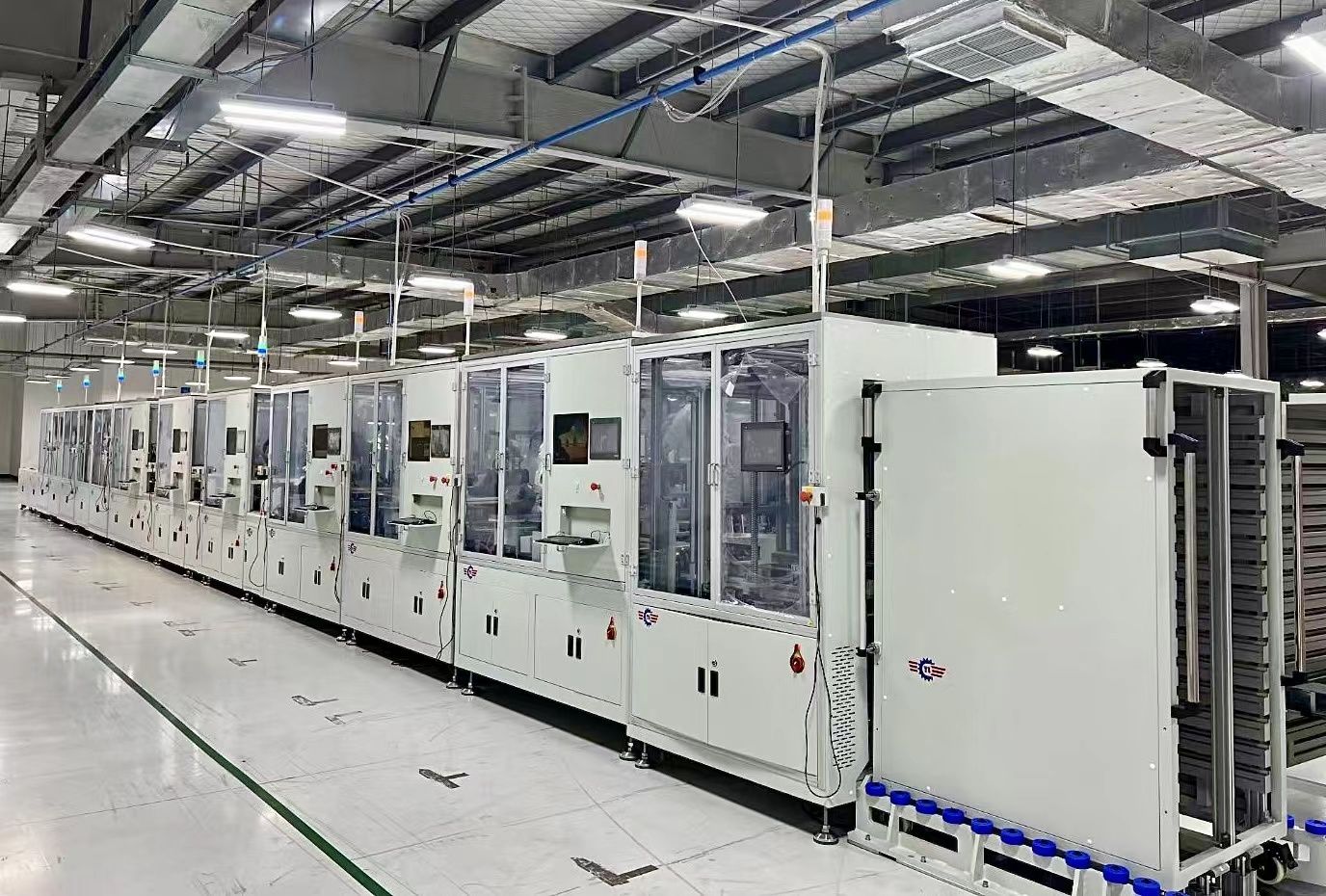
For global procurement departments, reliability means choosing suppliers capable of shipping consistent product volumes on schedule. Modern factories, such as Kryntel Memory Technology, deploy advanced Factory 4.0 automation systems to optimize manufacturing stages, maintain product quality, and secure raw materials.
Our strategic partnership with over 1,200 suppliers ensures access to critical components like high-grade DRAM chips, multi-layer PCBs, and copper components, even during market changes. Automated production lines inspect physical assemblies at each phase, reducing defects below the industry average.
ERP integration tracks and manages the delivery of core raw materials, minimizing raw stock delays and keeping component assembly on track.
Automatic Optical Inspection (AOI) systems scan printed circuit boards (PCBs) for alignment, solder consistency, and contact connectivity.
Hardware nodes go through thermal chamber stress testing to simulate the demanding workloads of continuous datacenters.
Different applications require specific hardware configurations. By partnering with OEM/ODM designers, storage managers can source components tailored to their workloads.
Optimized for high capacity, redundancy, and steady performance. Key components include ECC registered memory modules, server motherboards with redundant controllers, and high-performance cooling fans.
Focused on speed, bandwidth, and low latency. Utilizing DDR5 RAM, passive cooling solutions for CPU setups, and custom-designed PCB lines for high-speed network connections.
Built for environmental resistance and operating stability. Hardware features wide-temperature memory models, dust-resistant packaging, and passive aluminum heatsinks.
Sourcing storage components globally requires evaluating production quality, trade processes, and customization services. For hardware components like RAM, motherboards, and cooling fans, procurement managers focus on three main metrics:
Suppliers must provide flexiblity in PCB design, custom branding, and firmware tuning. The ability to modify frequencies, latencies, and physical dimensions is key to fitting components into existing network chassis.
Reliable components come with test certifications, showing compatibility with major motherboard brands (Intel, AMD, Supermicro, etc.) under sustained operational loads.
Experienced suppliers offer comprehensive shipping logistics and clear compliance certifications, ensuring materials pass global import standards easily.
Operating cloud storage infrastructure globally requires meeting strict region-specific technical standards. Trusted manufacturers design and produce their hardware to comply with environmental and safety regulations, including:
Verifies safety, health, and environmental compliance for hardware sold within the European Economic Area.
Ensures electromagnetic interference (EMI) levels remain within safe limits for communication equipment in North America.
Restricts hazardous substances in electronic equipment, protecting environment and health during component disposal.
Monitors chemical substance safety within electronic assemblies, ensuring safe operations for maintenance staff.
Answers to critical questions asked by procurement professionals, network engineers, and system design integrators.
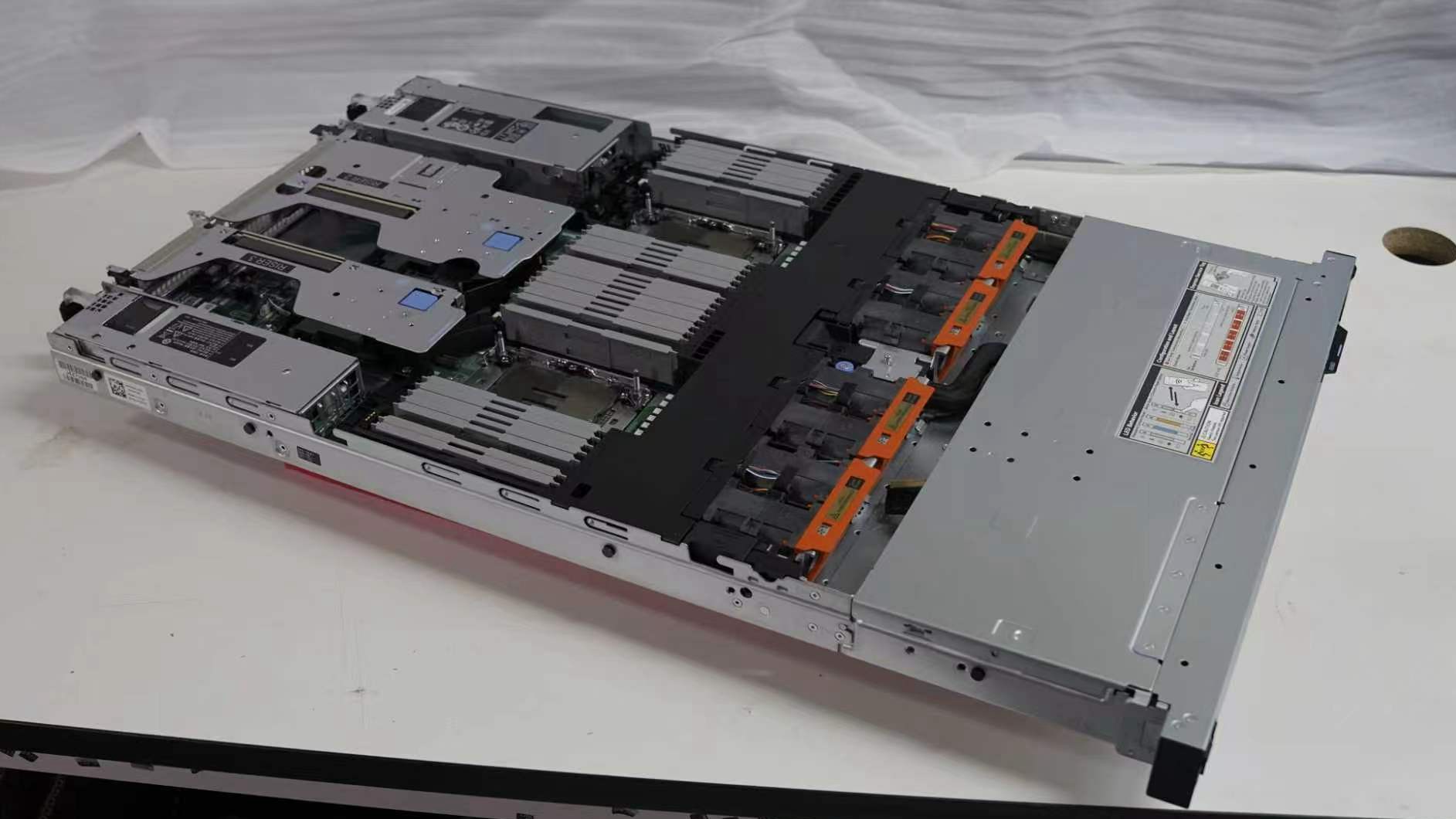
Explore our technical range of high-density RAM modules, low-profile server processors, cooling plates, and circuit accessories designed for continuous uptime.
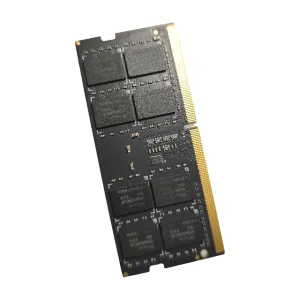
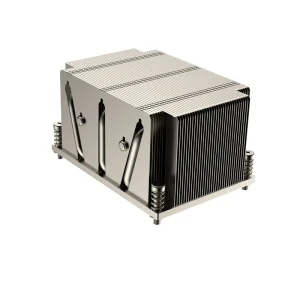
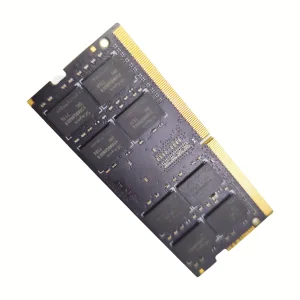
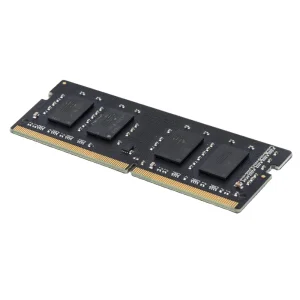
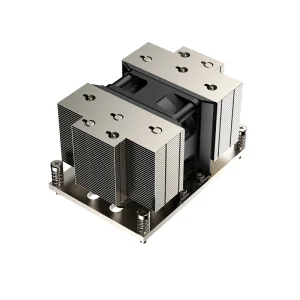
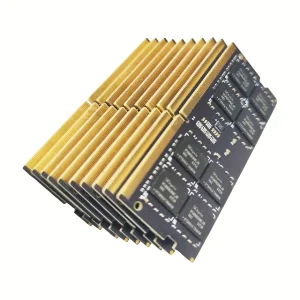
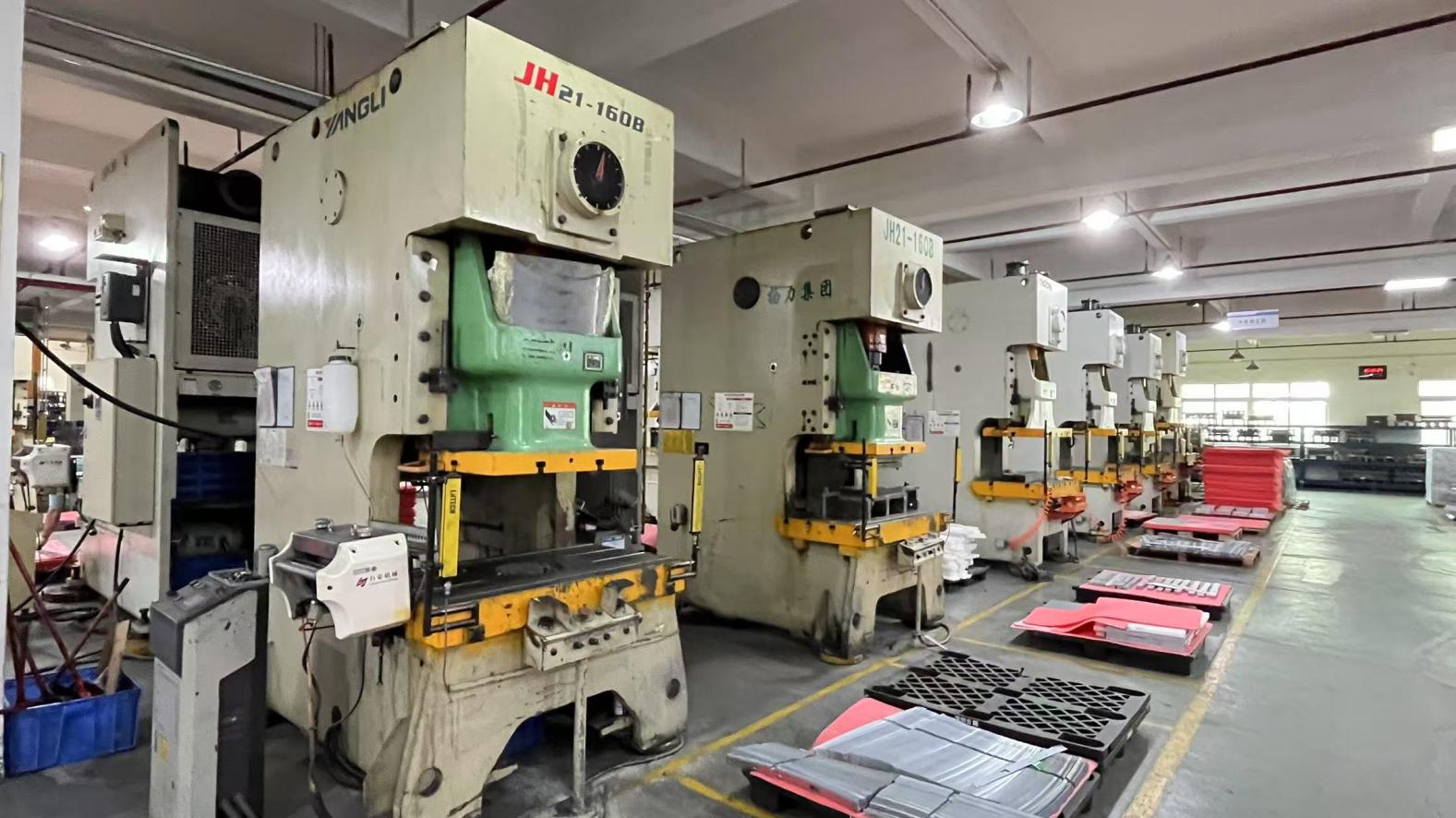
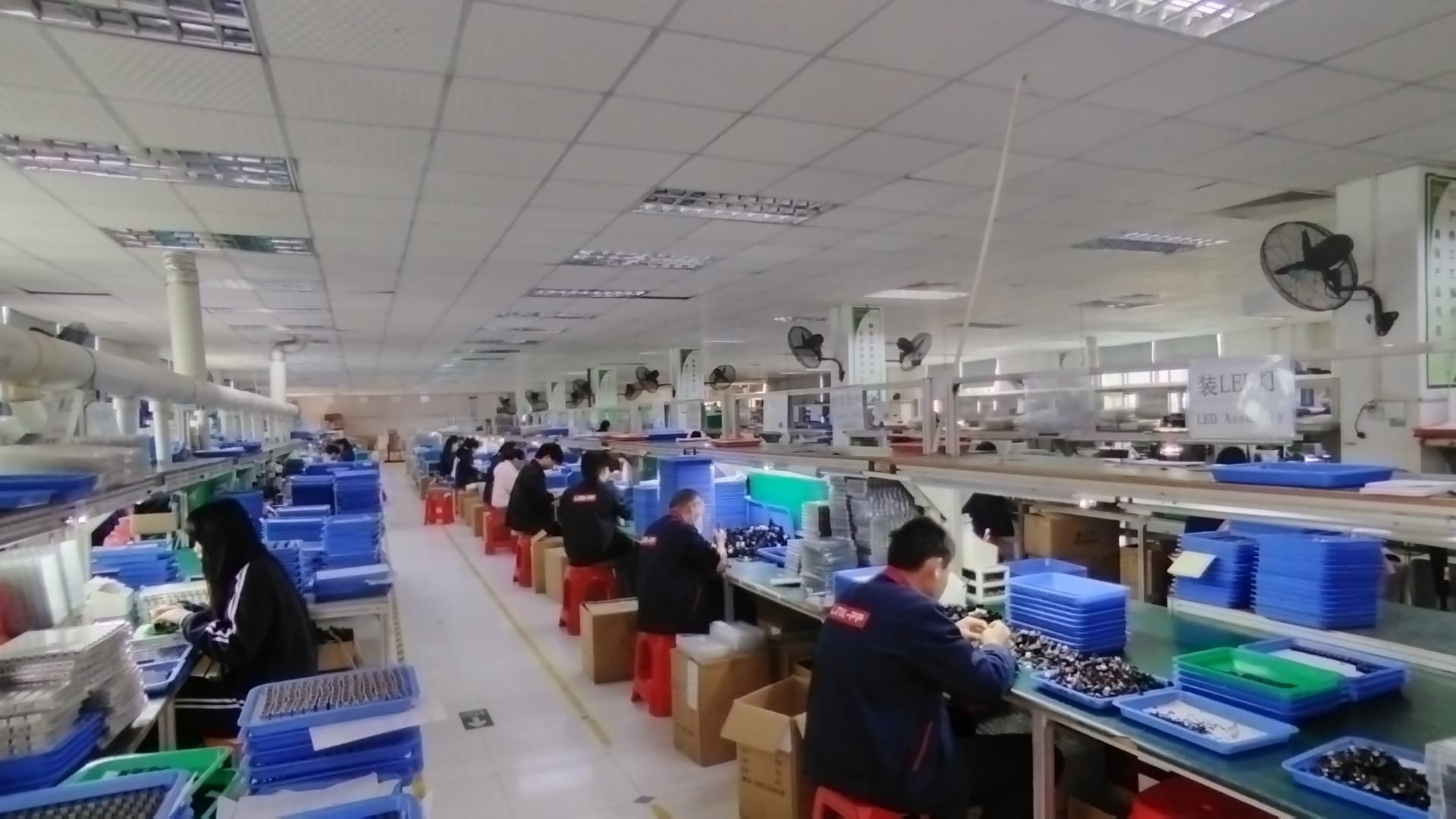
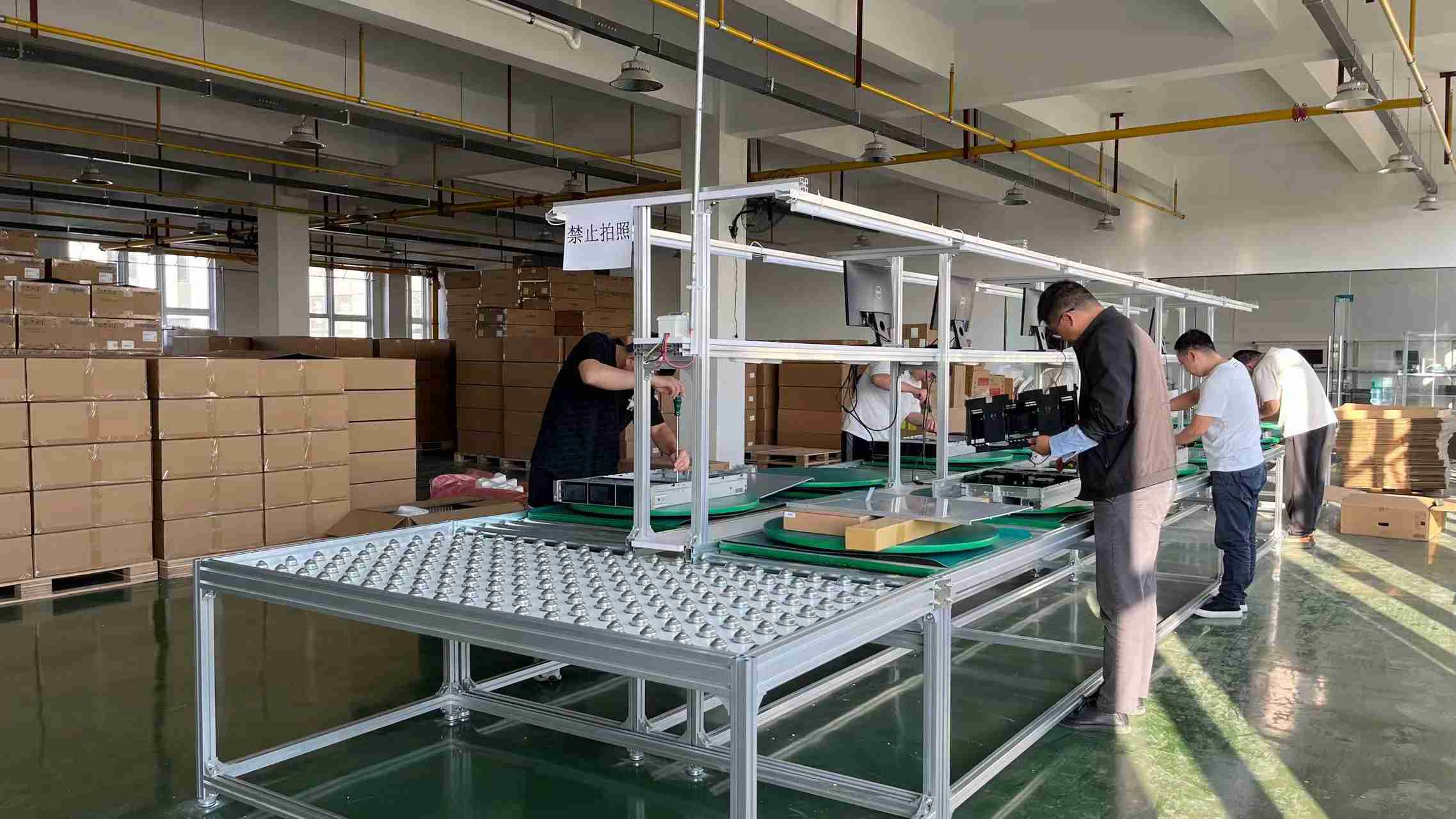
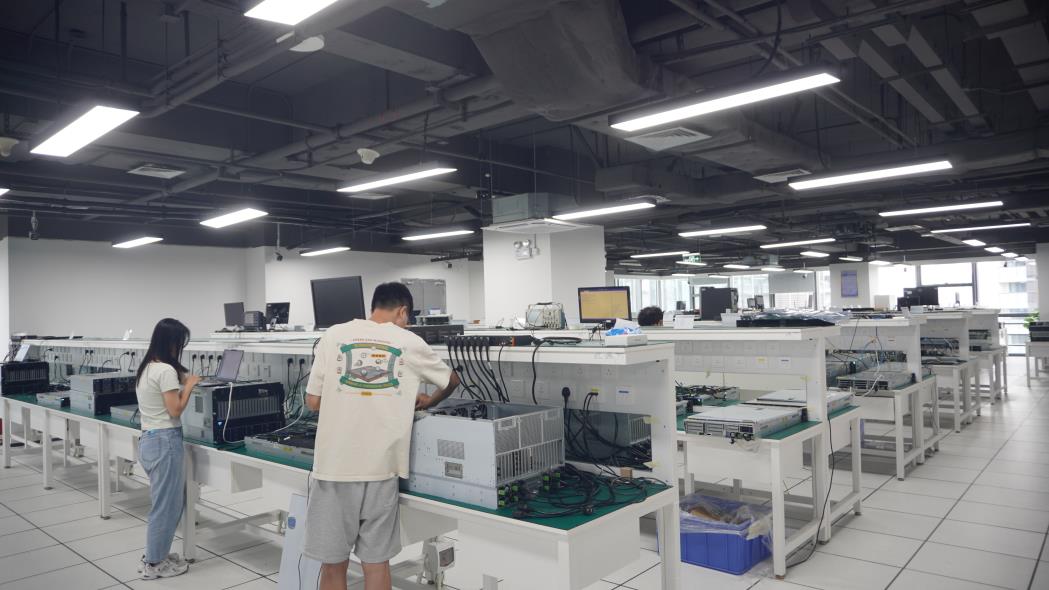
An inside look at our advanced SMT lines, cleanrooms, packaging units, and testing labs where storage systems and memory components are manufactured to strict industrial standards.
 Kryntel