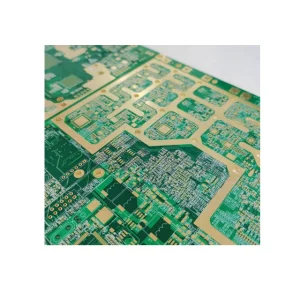
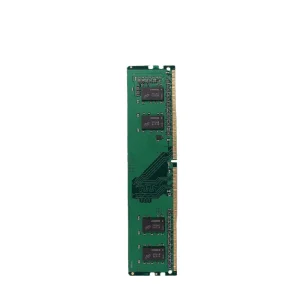
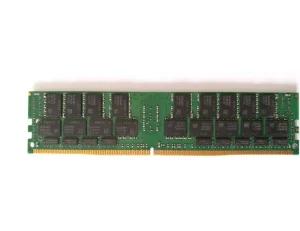
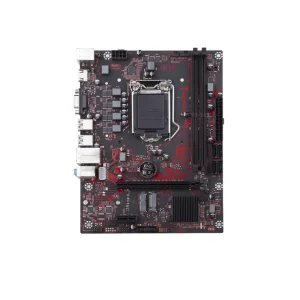
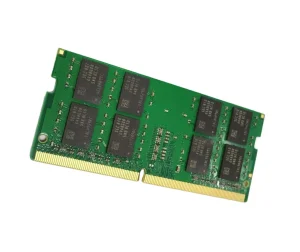
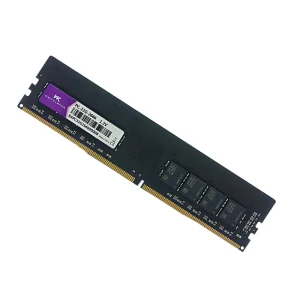
Explore our high-performance infrastructure components, custom designed for telecommunications, optical hubs, high-frequency computing systems, and server backbones.
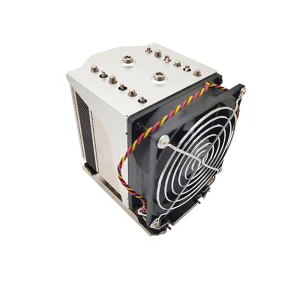
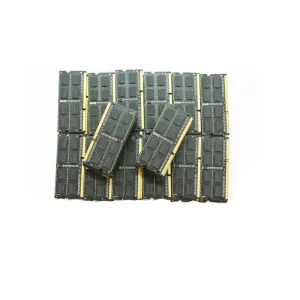
Analyzing the massive structural shift in high-speed optical transmission and optoelectronic networking infrastructure.
The persistent expansion of Fiber-to-the-Home (FTTH) networks and the dense aggregation of cellular base stations globally demand unprecedented capacities of armored, drop, and micro-sheath optical fiber cables. Modern telecom networks require cables with reduced micro-bending sensitivity to withstand tight routing spaces in metropolitan ducts.
Artificial Intelligence (AI), Machine Learning (ML), and high-performance computing clusters run on optical backplanes. With switches migrating to 800G and 1.6T bandwidth, the standard electrical interconnects are rapidly giving way to high-density ribbon optical cables, MPO/MTP multi-fiber array assemblies, and active optical cables (AOC).
Intercontinental data traffic relies extensively on underwater fiber optic trunk lines. These heavy-duty armored marine cables feature high tensile strength, multiple protective barriers against hydrogen diffusion and water ingress, and low-loss single-mode fibers to span thousands of kilometers without signal degradation.
Pioneering advancements in fiber chemistry, cable cladding, and system integration for next-generation network speed.
Next-generation silica glass fibers utilize ultra-pure Germanium doping to achieve ultra-low attenuation (down to 0.14 dB/km at 1550 nm). Using G.652.D and bend-insensitive G.657.A2 single-mode standards, these fibers minimize macro-bend signal leakage, enabling compact enclosures and complex terminal splits.
Cables are engineered to survive harsh environmental stresses. Outer jackets utilize Low Smoke Zero Halogen (LSZH) compounds, UV-resistant Polyethylene (PE), or Polytetrafluoroethylene (PTFE) for flame retardancy. Mechanical protection features corrugated steel tape armor, aramid yarns (Kevlar), and fiberglass strength members.
To scale transmission past the copper physical limit, modern networks employ Co-Packaged Optics (CPO). Silicon photonics arrays integrate optical transceivers directly with switch ASICs. This migration requires ultra-precise polarization-maintaining fiber cables and customized laser source delivery lines.
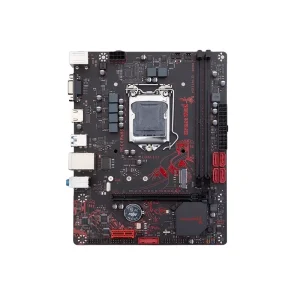
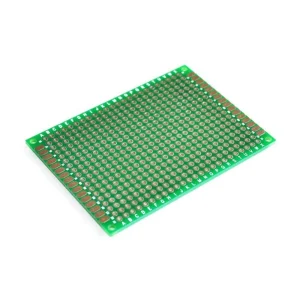
Combining high-speed semiconductor assemblies, robust printed circuits, and advanced thermals to power global communication backplanes.
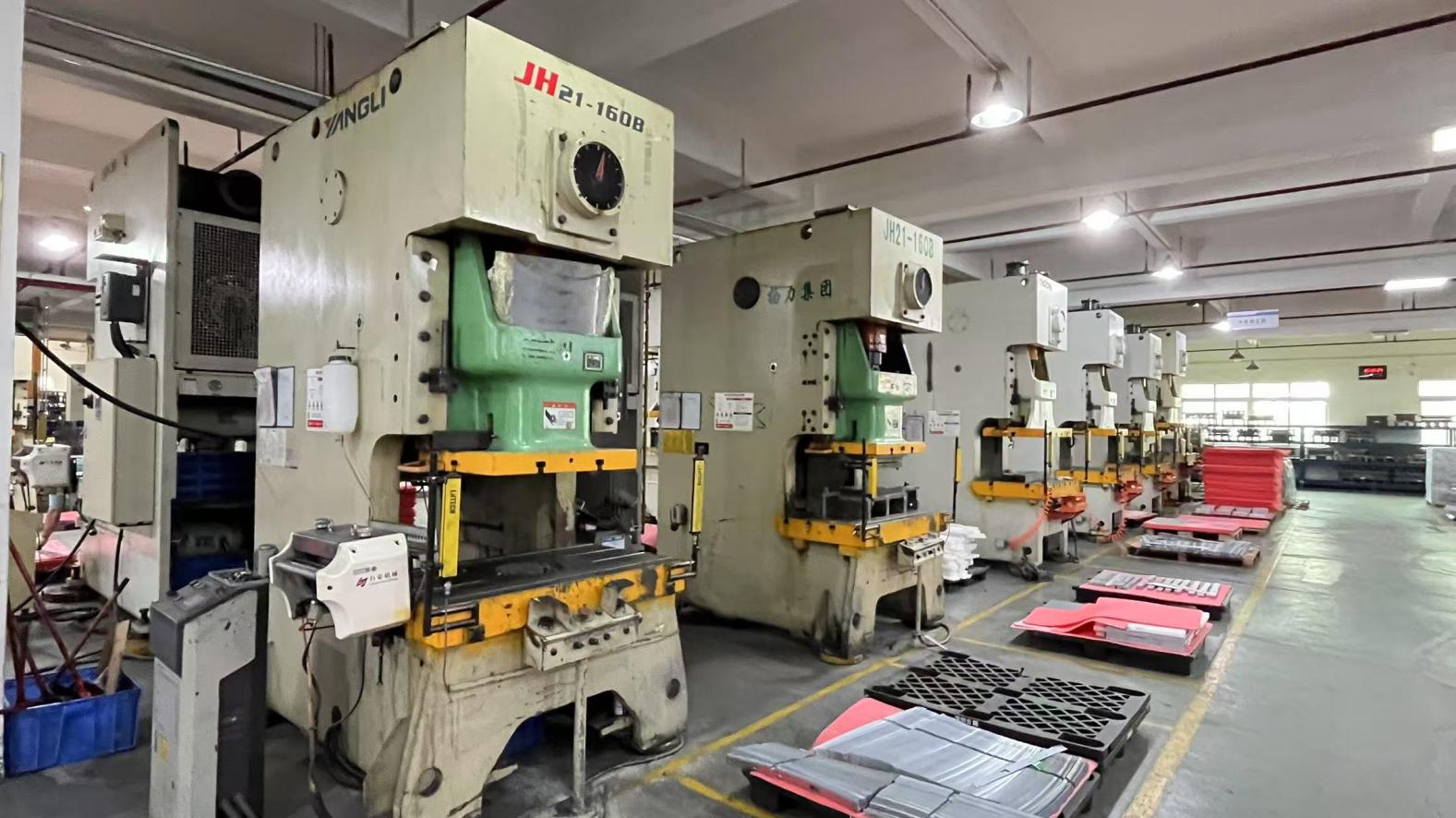
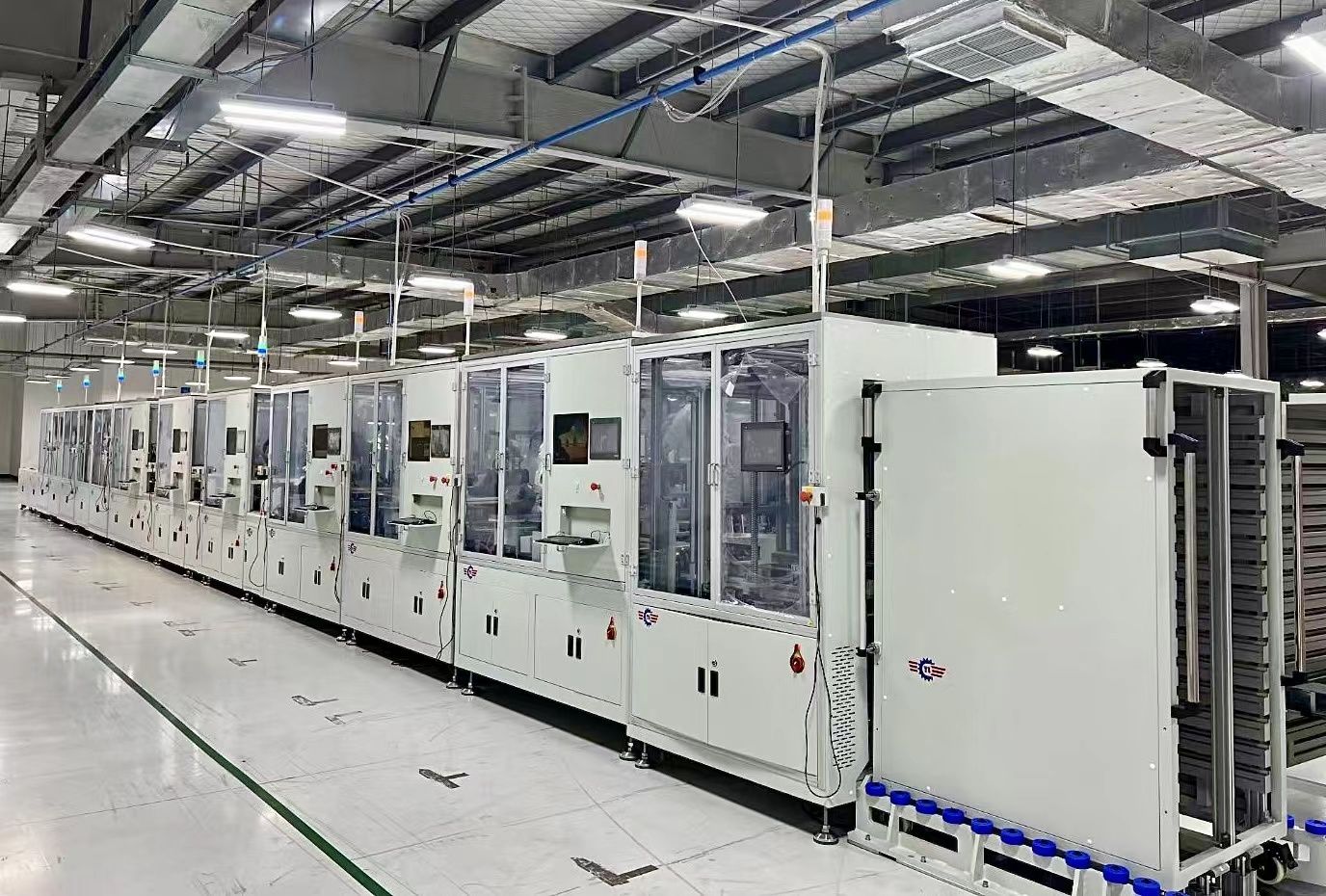
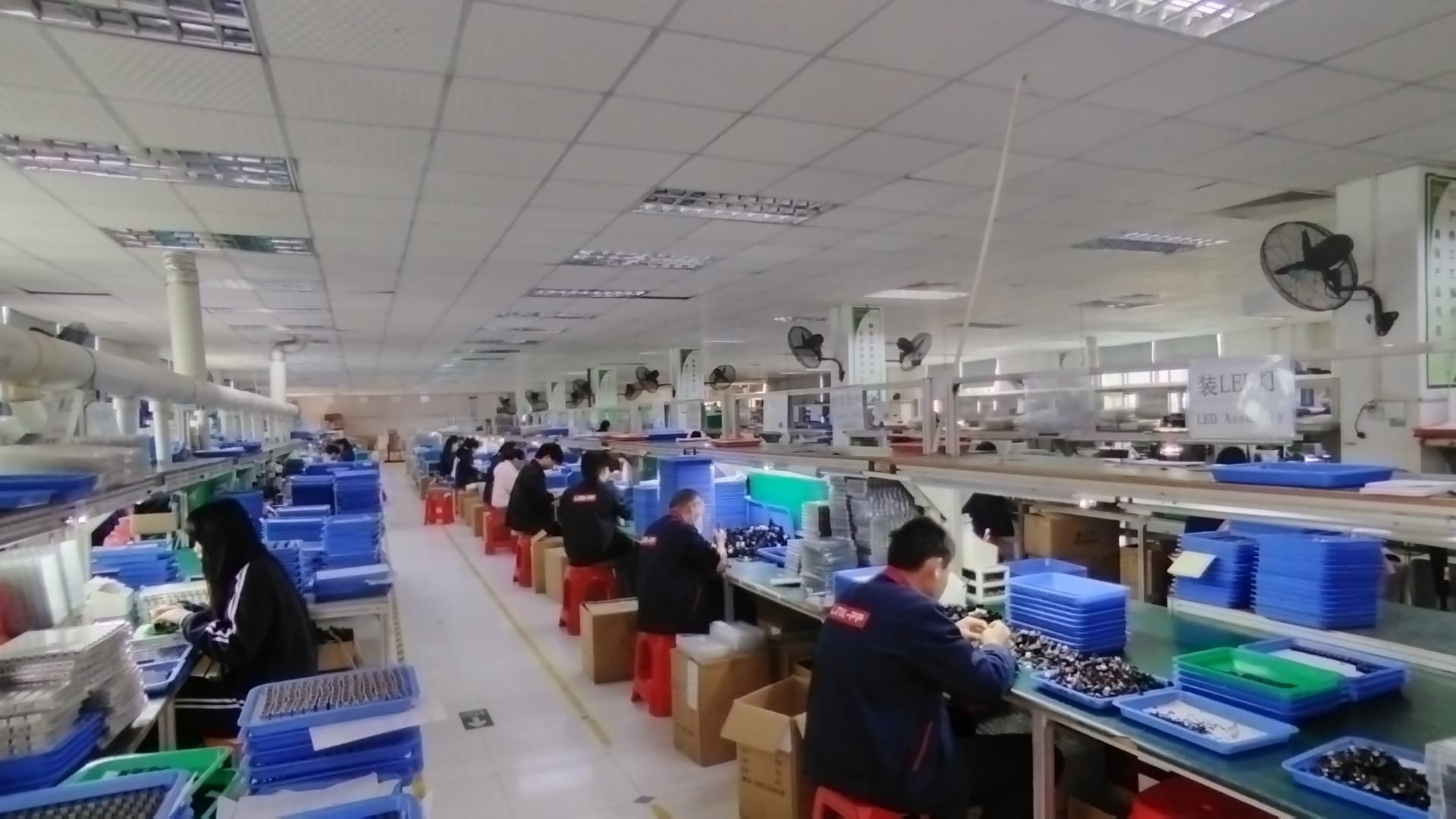
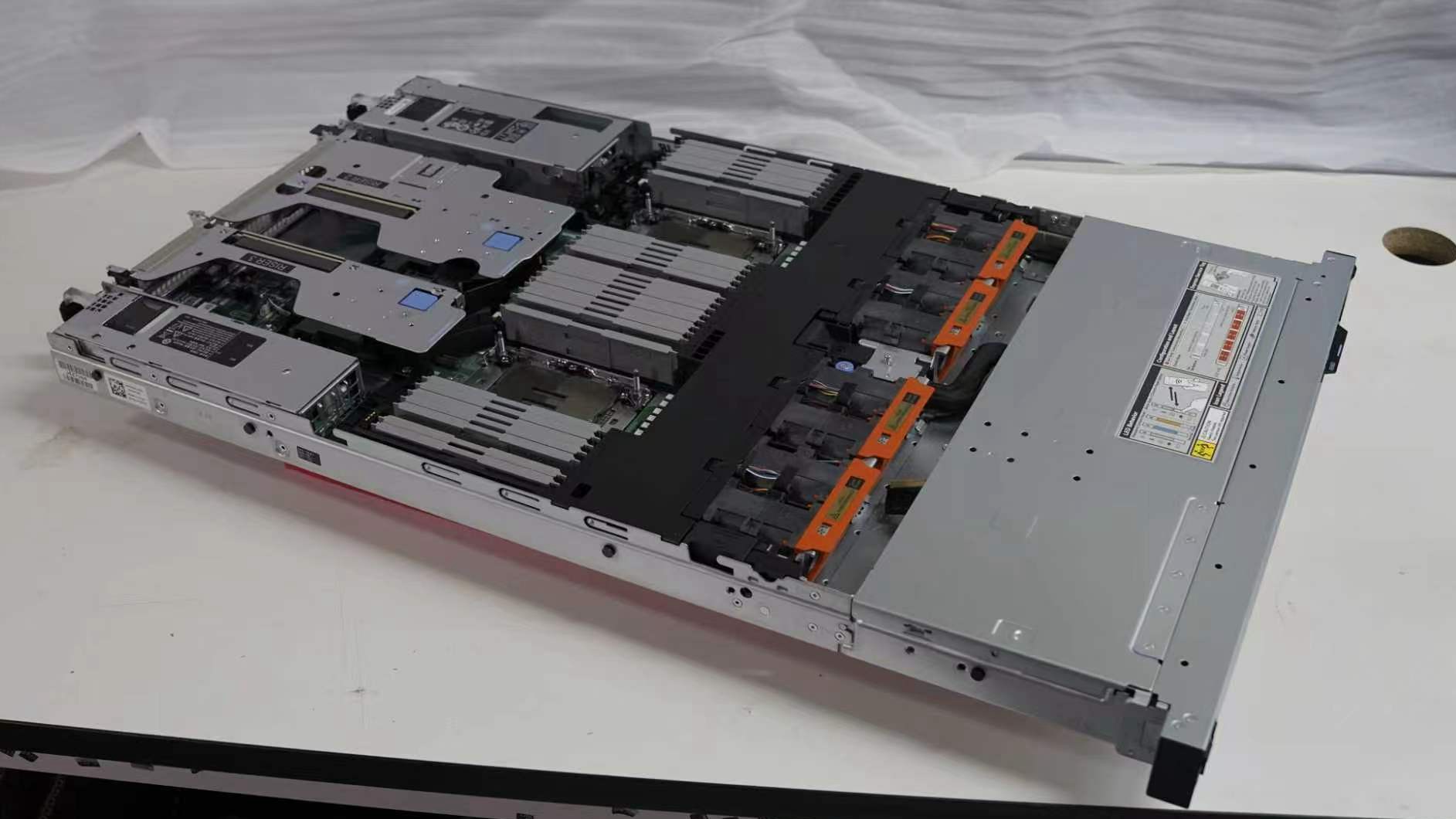
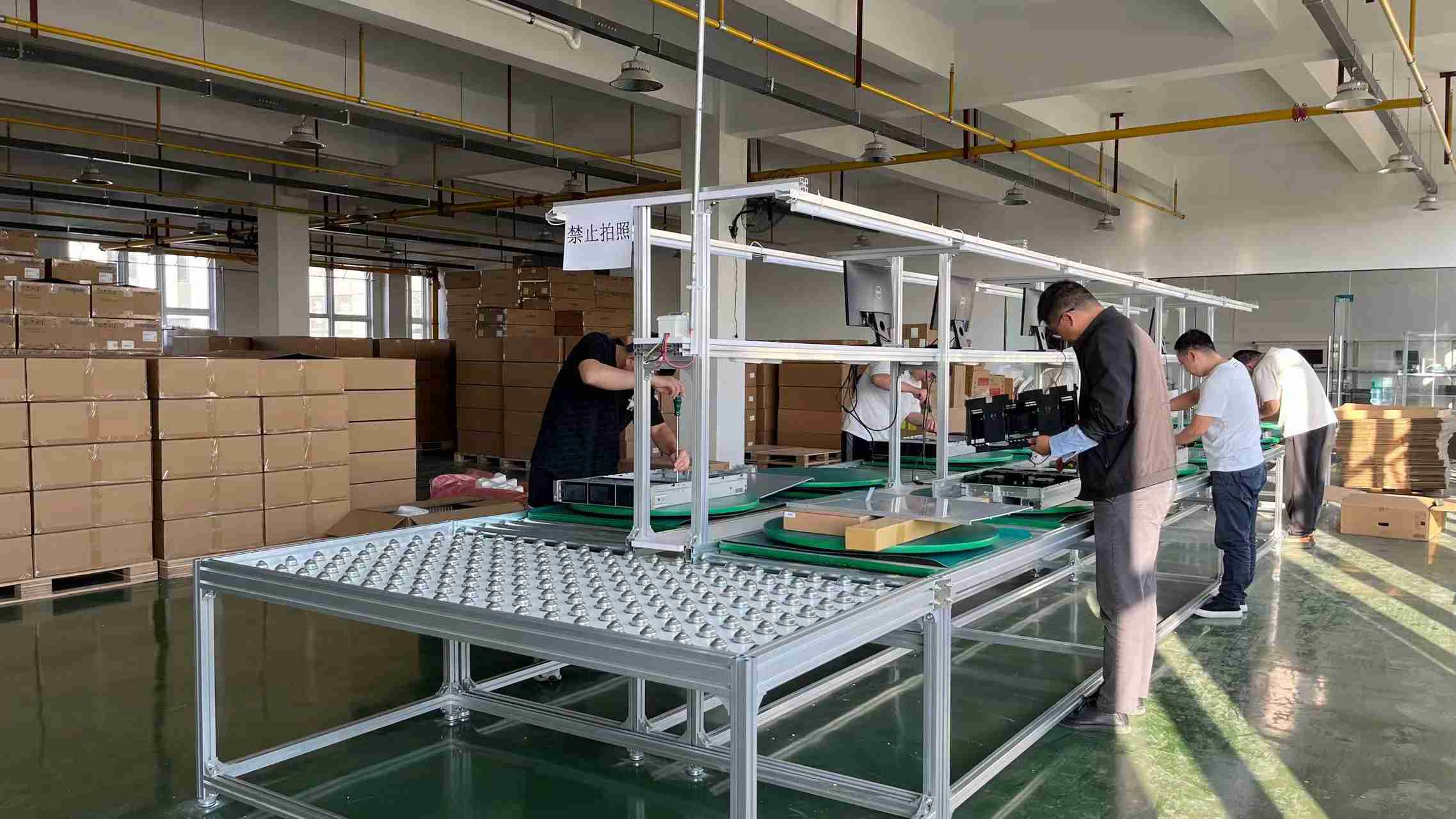
Kryntel Memory Technology (China) Co., Ltd., founded in 2016, is a professional DDR5 memory manufacturer specializing in high-performance RAM modules for global OEM, ODM, and private label partners. With a modern production facility covering approximately 320㎡, we focus on delivering stable, high-speed, and energy-efficient memory solutions for gaming, industrial, and server applications. Our state-of-the-art manufacturing plant serves as the cornerstone for complex electronic design, allowing us to cater to broad hardware integration needs ranging from high-frequency memory blocks to advanced telecommunication modules and optical network interfaces.
Over the years, Kryntel has built strong export capabilities with annual export revenue ranging from USD 8 million to USD 18 million. The company has accumulated 6 years of export experience and 9 years of overall industry experience in memory and semiconductor-related manufacturing. Our core competencies in high-frequency circuit traces and high-reliability multilayer PCB layouts naturally align with the manufacturing and assembly requirements of optical fiber transceivers, active network cards, and optical-to-electrical converter nodes.
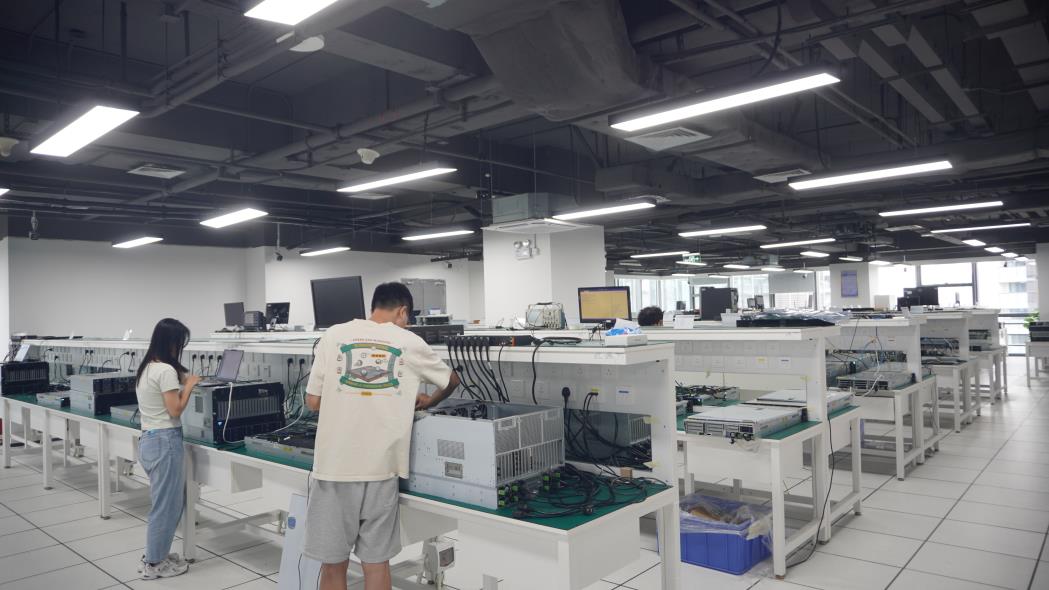
Our quality control system is built on strict multi-stage inspection standards, including incoming material inspection, in-process quality control, aging tests, and final product sampling inspection. Product testing methods include high-temperature aging tests, compatibility testing with major motherboard platforms, bandwidth stress testing, and voltage stability testing. We maintain a dedicated QA team of 42 professionals to ensure consistent product reliability.
Kryntel operates with a strong international trade background, supported by experienced export teams familiar with North America, Europe, the Middle East, and Southeast Asia markets. Our primary markets include the United States, Germany, India, Brazil, and the UAE. We cooperate with a global supply chain network of approximately 1,200 upstream and downstream partners, ensuring stable sourcing of high-quality DRAM chips and components. Our main customer base includes computer hardware brands, system integrators, distributors, and e-commerce sellers.
Our R&D department is highly capable, supporting advanced customization, including PCB design optimization, frequency tuning, heat dissipation solutions, and branding customization. We offer full OEM/ODM services with flexible customization options such as frequency, latency, heat spreader design, packaging, and firmware tuning.
In the past year, we successfully launched over 280 new memory products across DDR4 and DDR5 series. Our R&D team consists of approximately 160 engineers specializing in memory architecture, signal integrity, and product reliability optimization.
Semiconductor & Opto-Hardware Expertise
R&D Engineers for Custom OEM/ODM
Global Upstream & Downstream Partners
Dedicated QA Professionals & Inspectors
Custom turnkey deployments matching strict performance profiles across key modern vertical industries.
High-density MTP/MPO patch cords, customized ultra-thin OM4 and OM5 fiber assemblies, and high-frequency active optical cables configured for rapid deployments in system racks. Engineered for low insertion loss and high thermal thresholds.
Armored outdoor cables (GYTA, GYTS, and ADSS) optimized for aerial pole mounting or underground conduit pathways. These fiber runs support high-capacity traffic management systems, public security networks, and cellular nodes.
Highly durable plastic optical fiber (POF) and glass fiber systems designed to withstand heavy electromagnetic interference (EMI), continuous vibrational stress, chemical exposure, and elevated operating temperatures in automated factories.
Get professional, engineering-focused answers to the most common inquiries regarding custom optical cabling, hardware compatibility, and manufacturing specs.
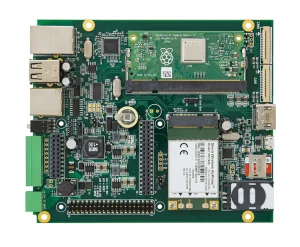
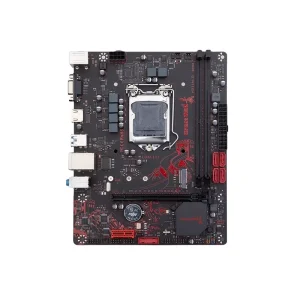
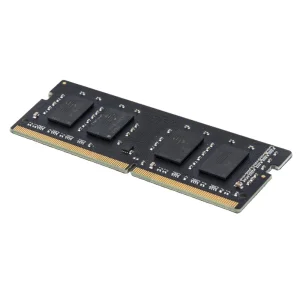
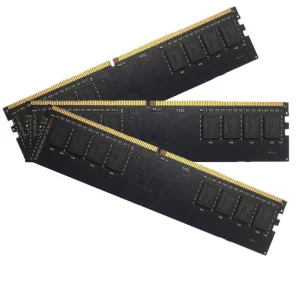
Explore our complete catalog of industrial controller motherboards, high-density memory modules, and specialized PCB prototypes built for continuous enterprise performance.
 Kryntel