Explore our top-tier selection of DDR4 and DDR5 enterprise modules designed for networking equipment, servers, and high-performance computing.
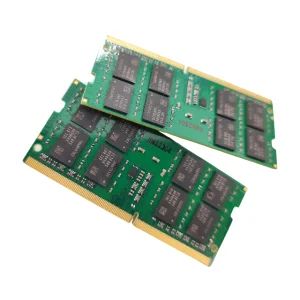
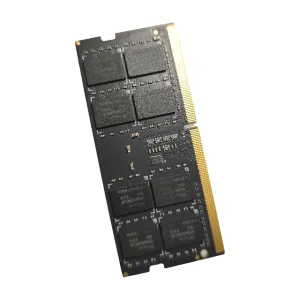
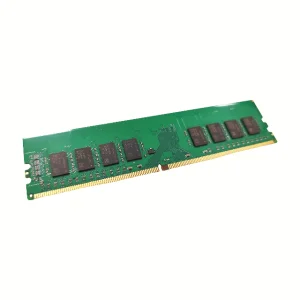
Empowering worldwide network infrastructures, hyperscale data centers, and industrial IoT ecosystems with professional computing solutions since 2016.
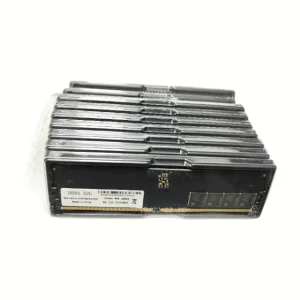
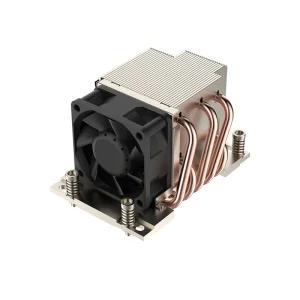
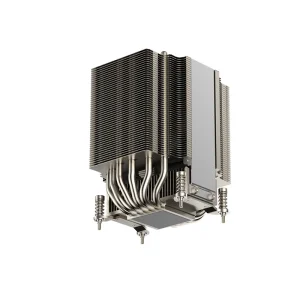
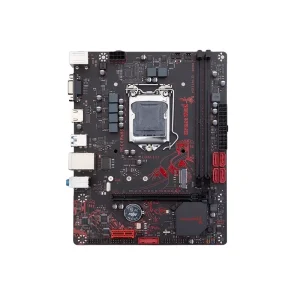
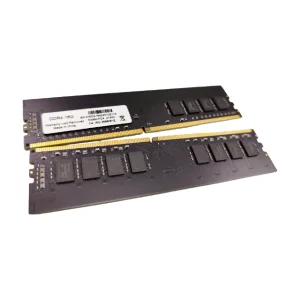
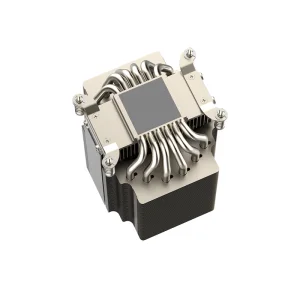
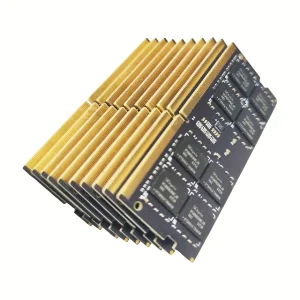
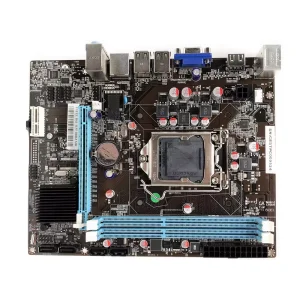
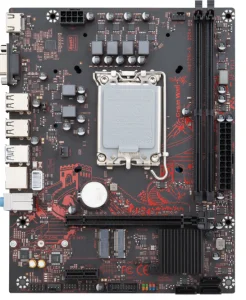
Founded in 2016, Kryntel Memory Technology (China) Co., Ltd. is a premier manufacturer specializing in high-performance memory modules and peripheral enterprise hardware. With a modern 320㎡ production facility, we serve as the manufacturing backbone for global OEM, ODM, and private label partners. Our core product lines include high-frequency DDR4/DDR5 desktop and laptop RAM, enterprise server ECC memory, high-dissipation AMD/Intel CPU coolers, and high-compatibility mainboards.
Our operational reliability is supported by a dedicated QA team of 42 professionals. We execute structured multi-stage quality control parameters, incorporating incoming material inspection (IQC), in-process quality control (IPQC), high-temperature aging tests (burn-in), motherboard validation matrix testing, bandwidth stress testing, and voltage tolerance assays. In the past fiscal year alone, we launched over 280 memory configurations across DDR4 and DDR5 standard formats, catering to international client footprints in the US, Germany, India, Brazil, and the UAE.
Kryntel works closely with global system integrators, value-added resellers, and industrial procurement channels. We manage complex supply chain pipelines, ensuring the steady procurement of original, tier-1 DRAM wafer stocks. This allows us to guarantee consistent density, timing profiles, and voltage specifications for our global client base.
Unlocking competitive supply chains, high-tech industrial integration, and fast-turn prototyping for global procurement managers.
The clustering of semiconductor packaging, PCB assembly (SMT), chassis metalwork, and thermal component manufacturing within the Pearl River Delta enables extremely short product turnaround cycles. This proximity reduces logistics latency and ensures immediate prototyping iterations for customized enterprise components.
Chinese SMT facilities feature advanced Japanese and German pick-and-place equipment capable of precision component placement. This ensures reliability for 0201 passives, high-density ball grid arrays (BGAs), and complex multi-layer PCB design configurations required for networking systems.
By leveraging automated test programming (ATE), standardized production lines, and scaled component purchasing, factories in China provide high-reliability products at competitive pricing. This gives B2B clients strong margins on their product distribution networks.
From DDR5 upgrades to high-density cooling requirements, we examine the macro trends driving modern hardware architecture.
Networking appliances, routers, and switches are transitioning from DDR4 to DDR5 to meet high bandwidth needs. Operating at speeds from 4800MHz to 6000MHz+, DDR5 features dual 32-bit subchannels, on-die ECC, and on-module PMIC control. These specifications provide the low-latency pipelines necessary for modern processing.
Modern 2U server designs with AMD SP5/SP6 or Intel Xeon processors require dedicated thermal management. High TDP levels (350W+) need advanced copper base-plates, high-fin-density aluminum stacks, and custom active/passive vapor chamber coolers to prevent thermal throttling.
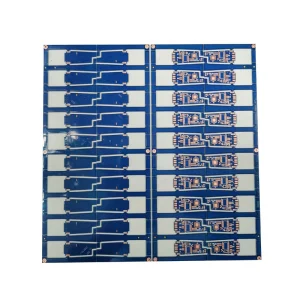
High-frequency operations demand strict impedance controls and optimized PCB layouts. Reducing crosstalk, managing transmission line losses, and optimizing via structures are critical design priorities during SMT prototyping, particularly for multi-layer networking switches.
Our engineering capabilities address a range of localized enterprise application requirements:
Deploying high-density server configurations with DDR4/DDR5 ECC RAM modules helps maintain operational stability, minimize bit-flip system errors, and support high virtual machine (VM) density per node.
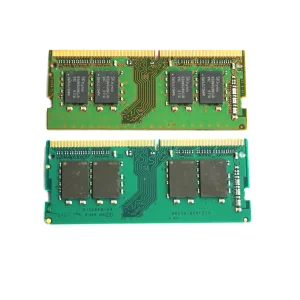
In Edge IoT setups, our compact SO-DIMM ECC modules enable low-power, high-frequency edge analytics, optimizing remote telemetry processing without relying on cloud backhaul channels.
For AI inferencing systems, our passive water-block CPU assemblies and high-performance server boards provide stable thermal and power delivery under sustained processor loads.
We provide comprehensive customization support for global B2B procurement needs:
How our quality assurance team of 42 professionals ensures component-level reliability.
Every batch of incoming DRAM wafers and chipset components undergoes strict visual and automated inspection. This verification confirms silicon integrity, layout specifications, and pin alignments before the SMT stage.
We run high-temperature aging tests (burn-in) under simulated heavy workloads to identify and isolate early component failures, ensuring long-term field reliability.
We test compatibility across major desktop, server, and networking motherboard systems, verifying consistent memory speed profiles and system boot reliability.
Answers to common technical, logistics, and production inquiries for international procurement managers.
We offer a lifetime warranty on our standard memory modules. For custom ODM assemblies or mainboards, we provide standard 3-year coverage. Our return merchandise authorization (RMA) process includes functional analysis at our facility, with replacements shipped alongside subsequent B2B orders to minimize transit times.
Our R&D team uses advanced electromagnetic simulation software to optimize PCB trace routing. This minimizes crosstalk and signal attenuation by maintaining consistent trace impedance, implementing dedicated power planes, and spacing high-frequency signal vias carefully.
Yes. We design and manufacture passive and active thermal management assemblies for AMD SP5, SP6, LGA1700, and AM5 sockets. We optimize the thermal performance of our vapor chambers, heat pipes, and high-density fins to match target thermal design power (TDP) levels up to 350W and beyond.
Our SMT production runs use automated optical inspection (AOI) after solder paste printing and component mounting. Post-reflow assemblies undergo functional testing, and multi-layer PCBs undergo X-ray testing to check via alignment and internal layer connectivity.
Standard production runs typically take 15 to 20 working days from deposit confirmation and component allocation. Custom packaging, special heat spreaders, or complex SPD customization may add 7 to 10 days to the schedule.
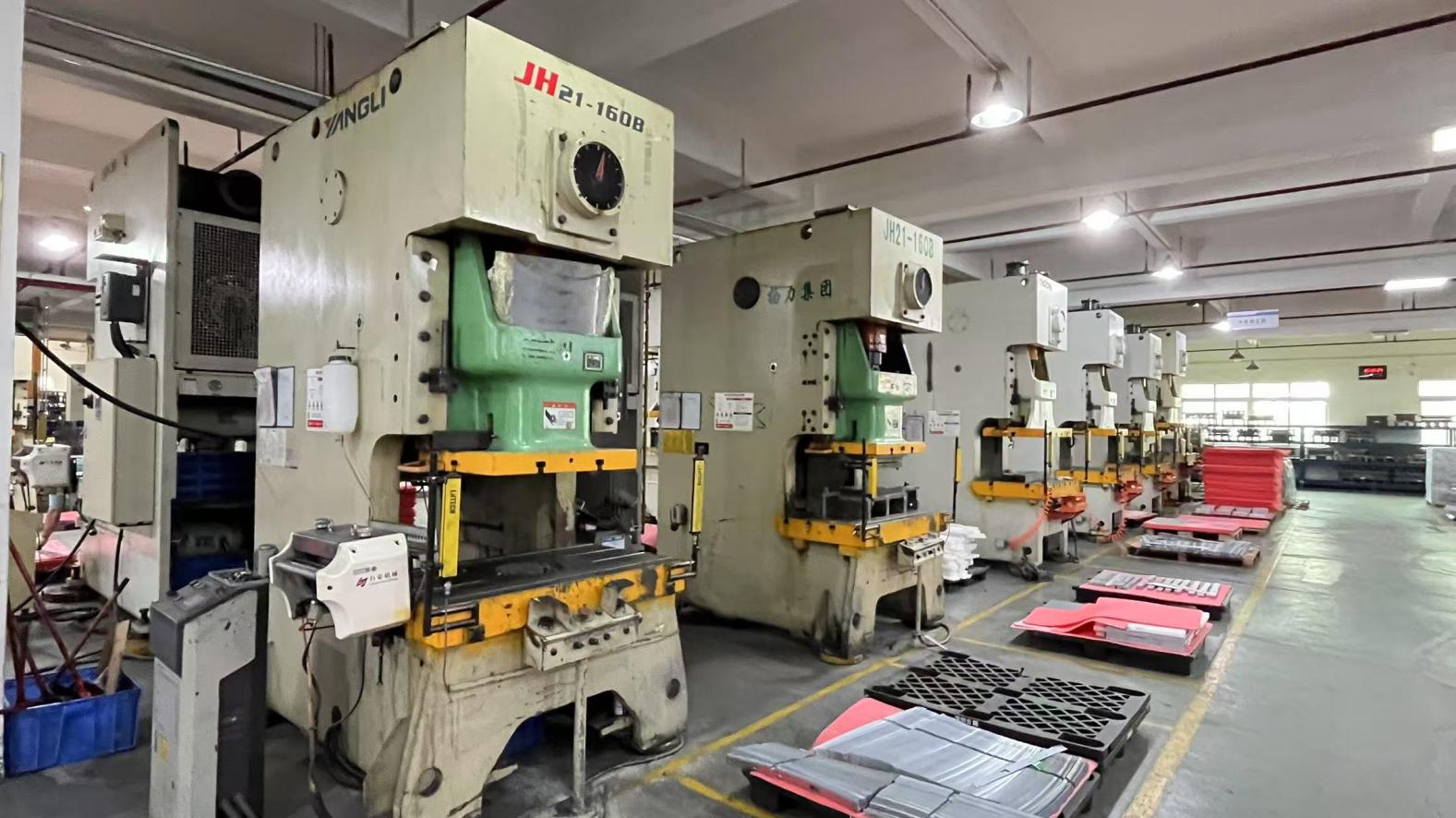
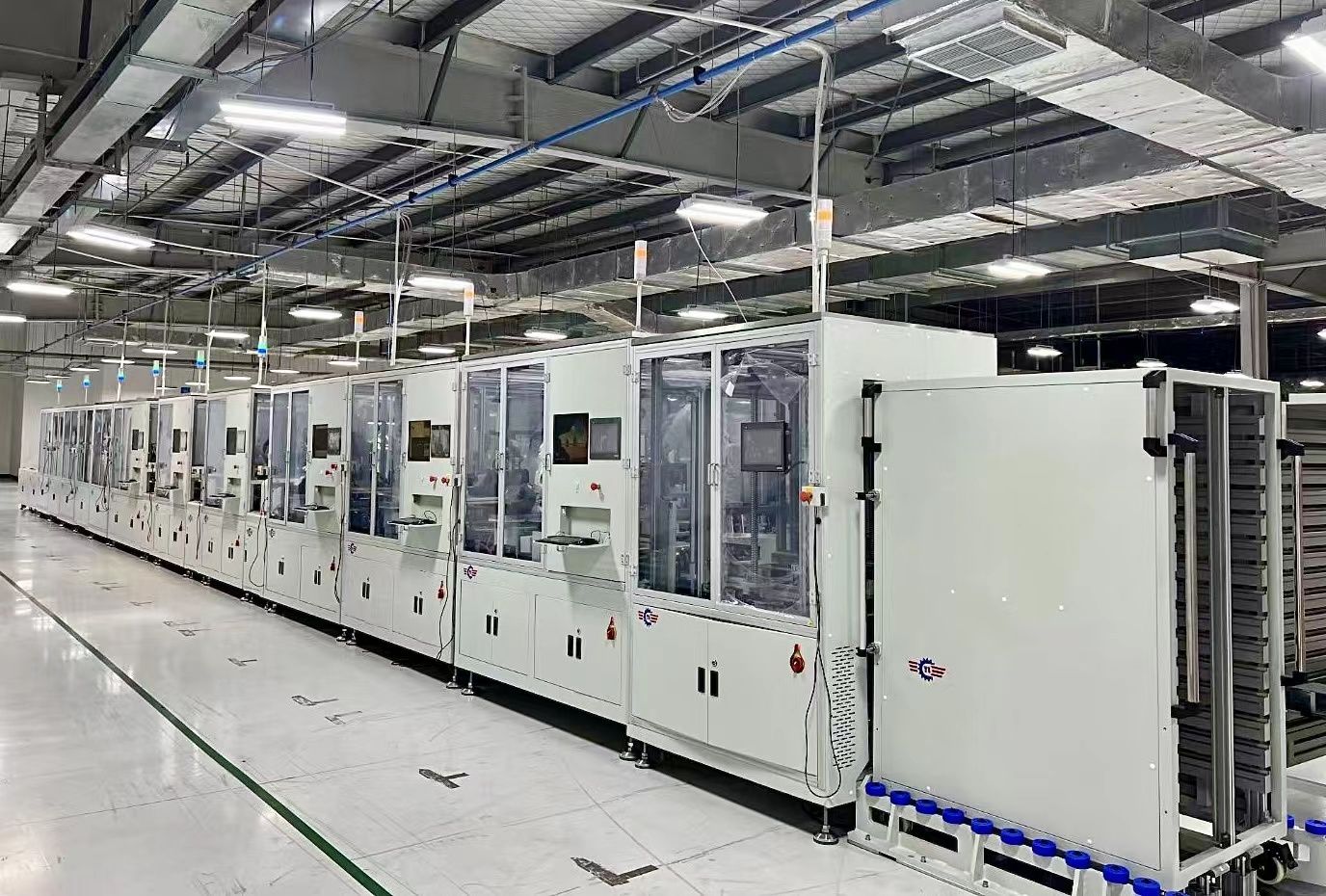
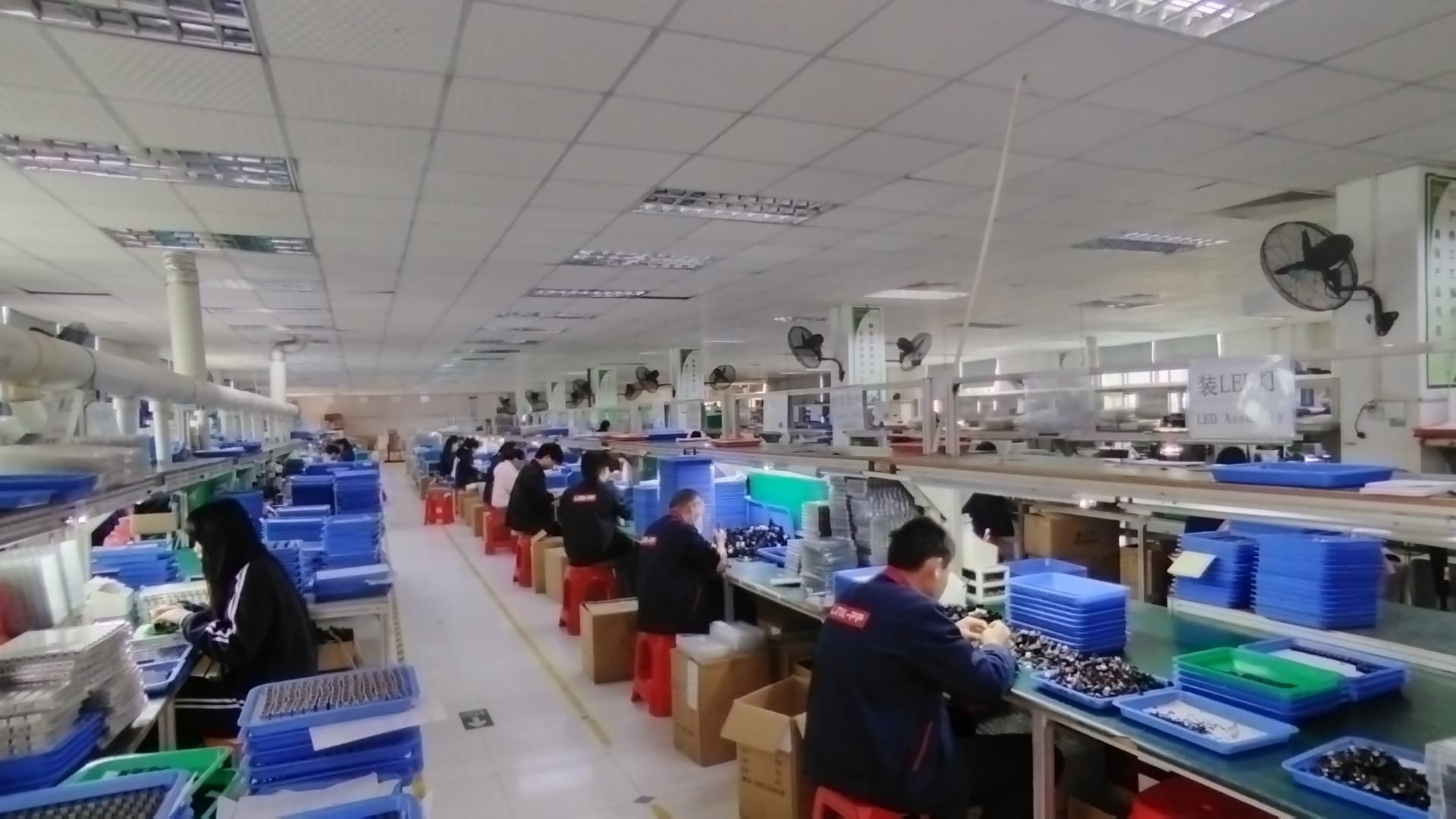
A look inside our automated production lines, testing laboratories, and assembly operations in China.
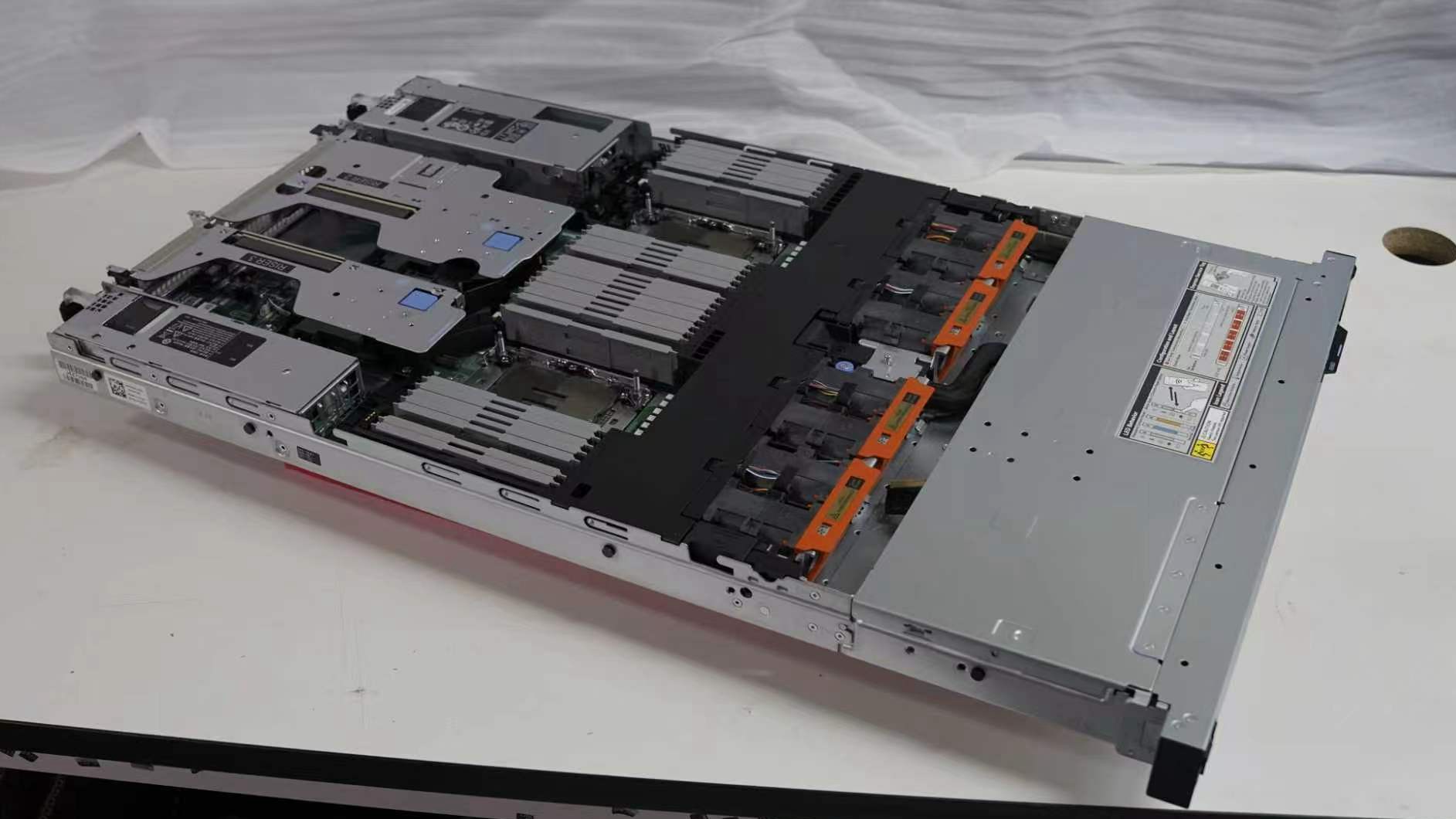
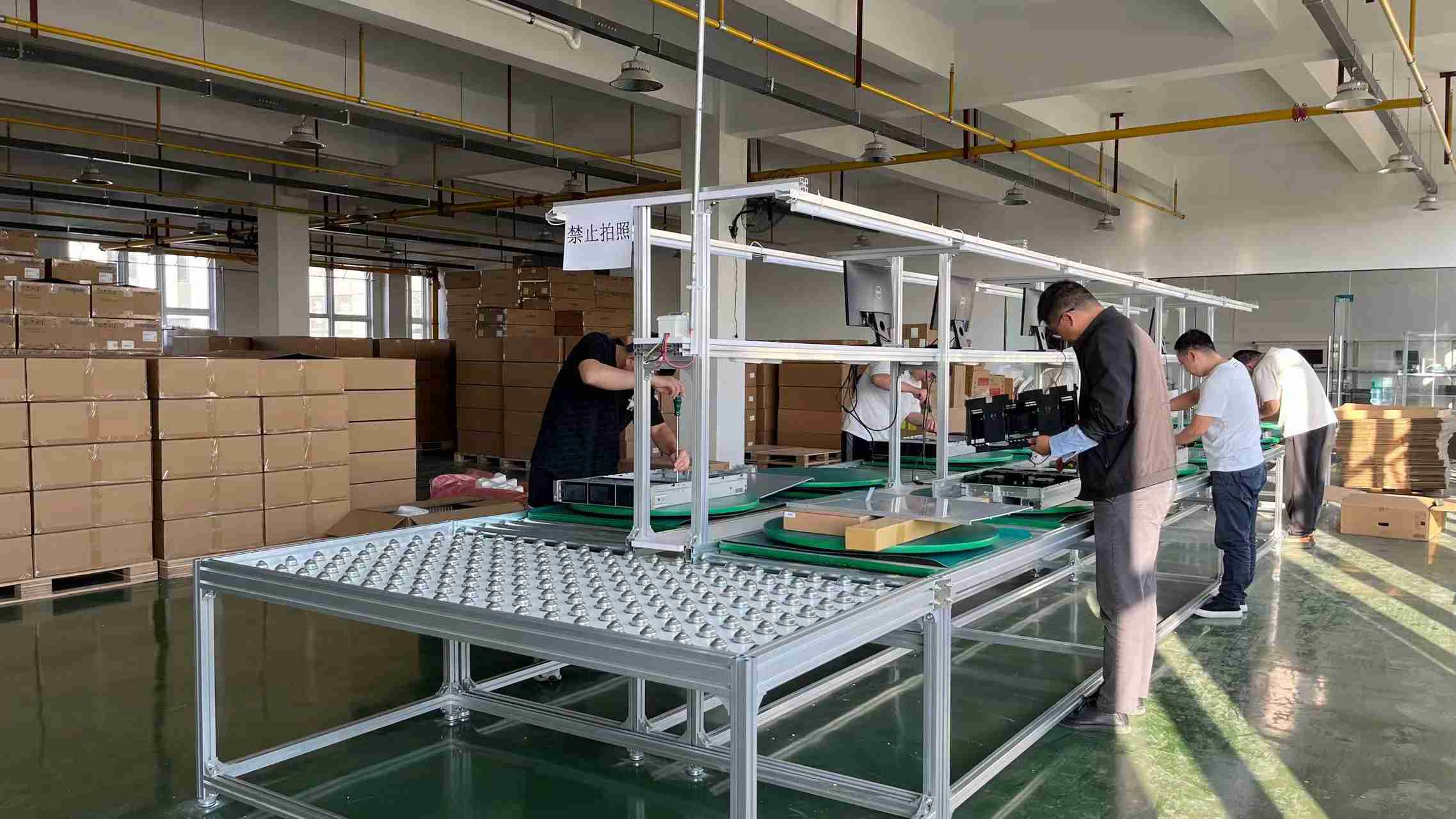
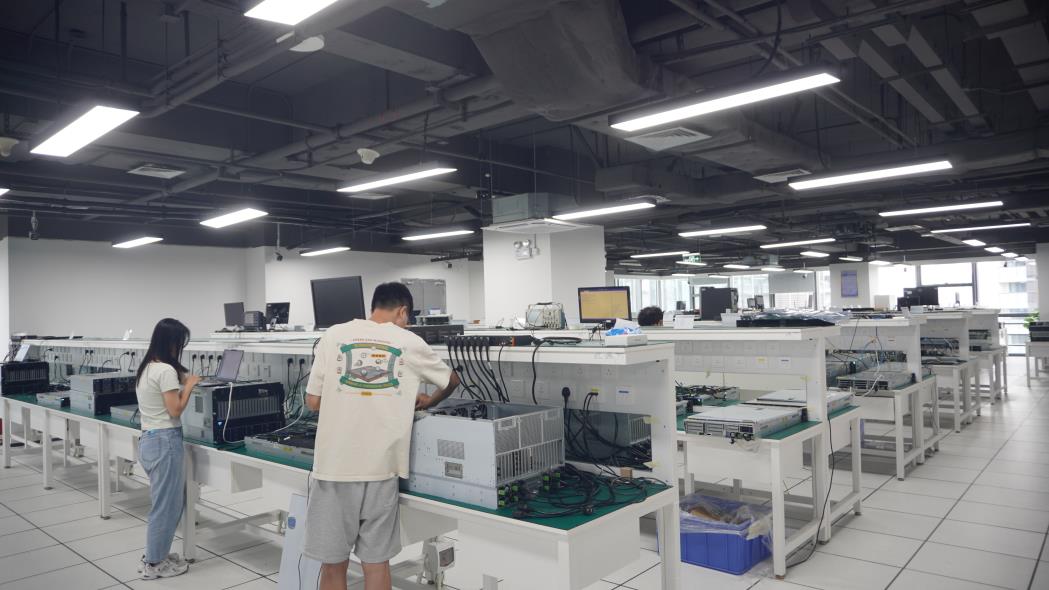
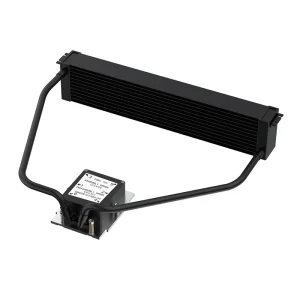
High-performance processing boards, cooling radiators, and automated assembly solutions designed to enhance your network architectures.
 Kryntel