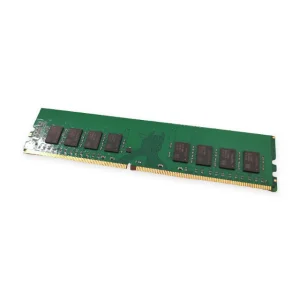
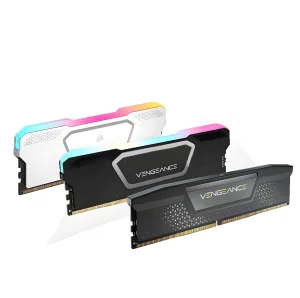
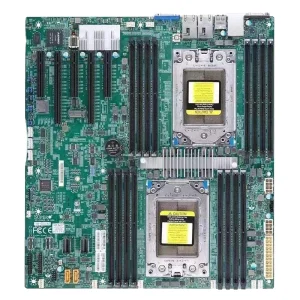
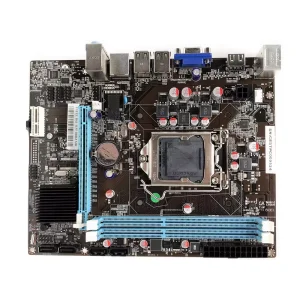
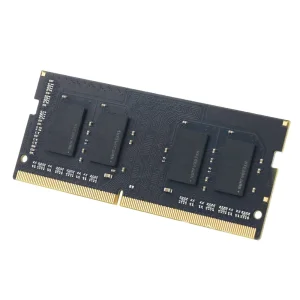
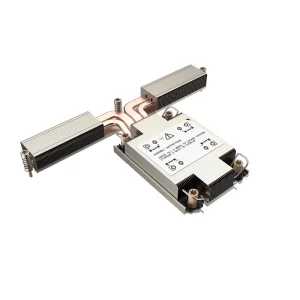
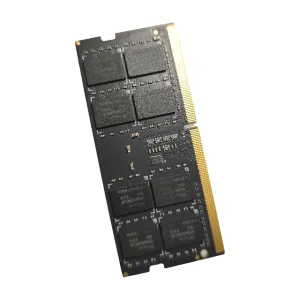
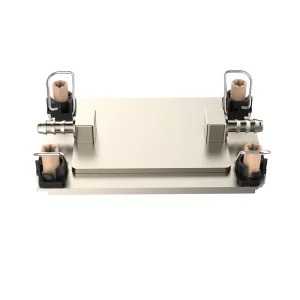
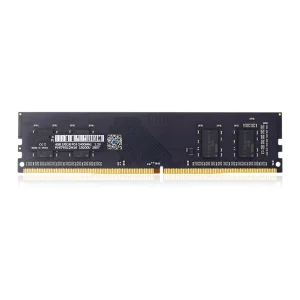
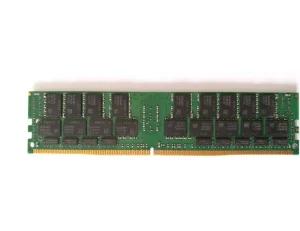
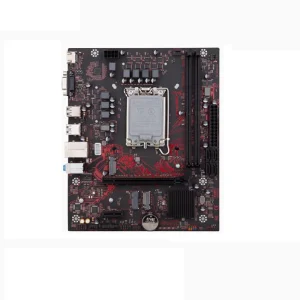
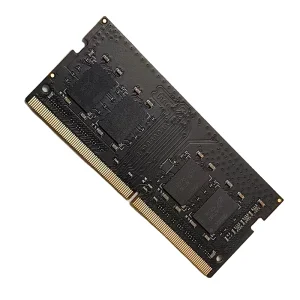
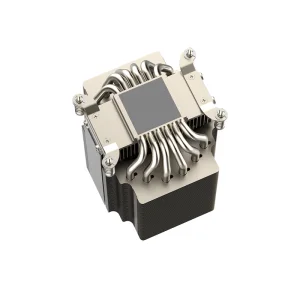
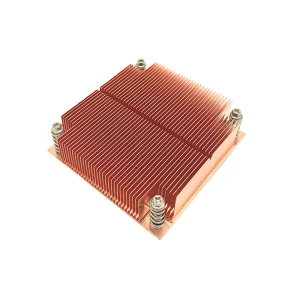
High-precision semiconductor products, server components, and thermal dissipation systems manufactured to extreme standards.
The global smartphone battery industry is undergoing a monumental paradigm shift. As smart devices transform into portable AI engines and high-rate processing consoles, the demands on power supply integrity, thermal performance, and energy density have reached unprecedented heights. Custom OEM smartphone battery manufacturing is no longer a simple chemistry-packaging process; it is a highly integrated, semiconductor-aligned science requiring cleanroom production environments, advanced battery management system (BMS) PCB architectures, and robust supply chain resilience.
At Kryntel Memory Technology (China) Co., Ltd., we utilize our 9 years of semiconductor-level manufacturing experience, rigorous quality control, and micro-electronics assembly capabilities to provide highly dependable power, memory, and motherboard system integrations. Established in 2016, our facility functions at the intersection of processing speed and energy reliability, delivering unmatched engineering services to OEMs, system integrators, and brands worldwide.
The smartphone battery supply chain is deeply consolidated in major East Asian industrial hubs. Today, B2B procurement heads and brand managers demand more than just standard specifications. They search for factories that can guarantee zero-defect safety rates, support custom-shaped pouch cells (L-shaped, stepped, ultra-thin, and dual-cell setups), and scale production rapidly to align with product launches.
Kryntel manages strong international trade channels with annual export revenues ranging from USD 8 million to USD 18 million. Supported by a robust network of upstream raw material sources and downstream logistics, our market footprint spans the United States, Germany, India, Brazil, and the UAE. We understand that global logistics require strict compliance with international hazardous goods regulations (UN38.3, MSDS) to ensure seamless customs processing and risk-free commercial rollout.
Why premier global electronics brands trust Kryntel to deliver mission-critical components.
Our quality assurance framework spans multi-stage workflows, including cell capacity grading, high-temperature aging, vibration stress analysis, and structural weld inspections. Every batch is traceable down to the raw material supplier.
Backed by over 160 engineers, we offer full design capabilities for complex printed circuit board assemblies (PCBA) and Battery Management Systems, optimized for over-voltage, under-voltage, and thermal protection.
Operating a network of 1,200 downstream and upstream partners, we secure cost-effective shipping for Class 9 dangerous goods, ensuring on-time delivery across North America, Europe, Asia, and Latin America.
As smartphone hardware architectures evolve with components like DDR5 high-speed memories, multi-core CPUs, and 5G modems, power requirements have changed. High-speed compute cycles generate rapid heat spikes, requiring the power unit to handle wide thermal limits and dynamic current adjustments.
Our standard smartphone battery designs rely on premium LiCoO2 anodes, optimized for long cycle lives and high nominal voltages (3.8V - 3.85V, charging cutoff at 4.4V - 4.45V) to maximize storage footprint efficiency.
Integrating advanced Coulomb-counting ICs with dynamic impedance tracking to ensure highly accurate battery level readings, preventing sudden shutdowns under heavy workloads.
Connecting cell manufacturing with passive thermal solutions. We optimize internal heat paths to work cleanly with copper-aluminum composites and cooling systems, protecting critical internal components.
Engineered for low internal resistance (ESR). Our battery cells minimize power drops under multi-gigahertz computing cycles, ensuring stable performance during intensive application use.
For any global electronics brand, importing power cells presents complex regulatory compliance challenges. Kryntel removes this friction by manufacturing in strict adherence to international safety directives. Our production facilities maintain a rigorous multi-stage testing standard:
1. Cell Sorting & Impedance Matching: Every cell is graded using automated testers to ensure voltage and resistance uniformity across battery packs, preventing premature aging.
2. High-Temperature Aging Tests: Finished battery packs undergo temperature-controlled aging chambers for extended periods to confirm chemical stability.
3. Dynamic Compatibility Verification: Our R&D team performs testing on current motherboard architectures to ensure clean power delivery without voltage drops or electrical noise.
Modern battery manufacturing spans a wide variety of form factors and operational profiles. Different industries and environments require tailored parameters to ensure safe, stable operation under unique conditions:
Built for warehouse, logistics, and field operations, these designs prioritize wide temperature tolerances (-20°C to 60°C) and durable structural framing to withstand drop tests and environmental exposure.
Designed for devices featuring advanced cooling setups, liquid radiators, and fast DDR5 memory, supporting stable high-rate discharge and parallel dual-cell charging.
Providing full flexibility in shape, capacity, protection board dimensions, connector types, and labeling to integrate seamlessly with custom-built chassis designs.
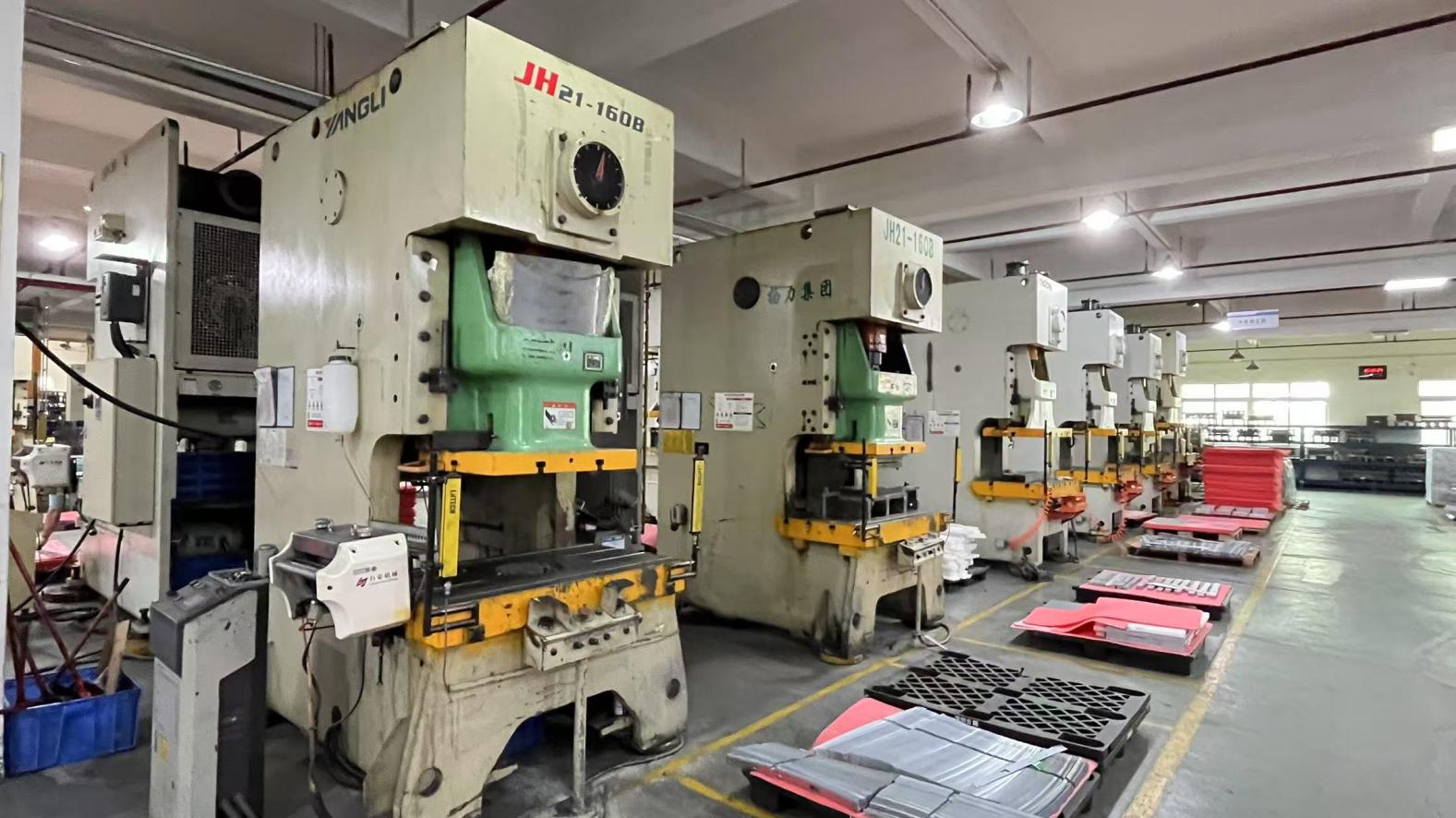
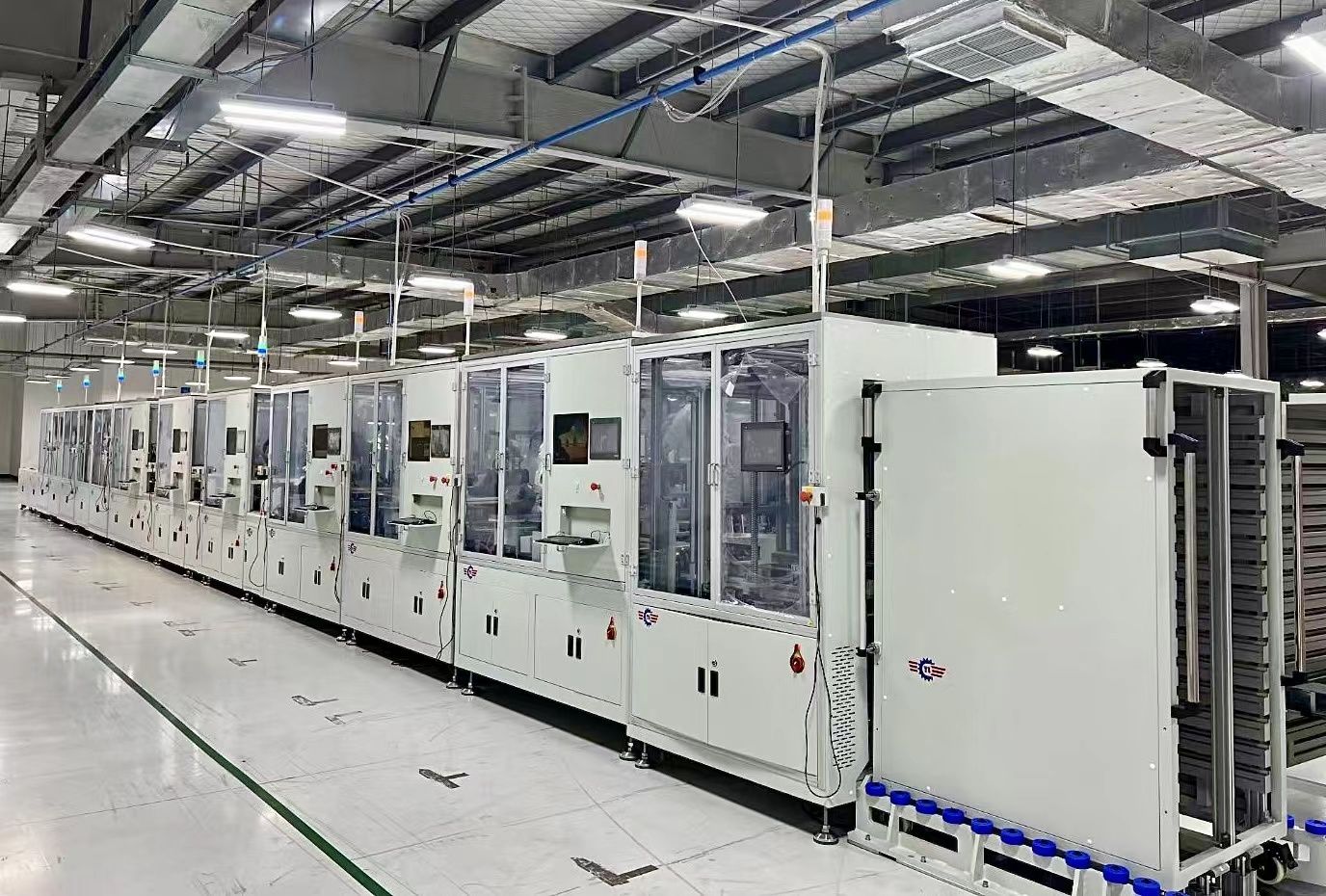
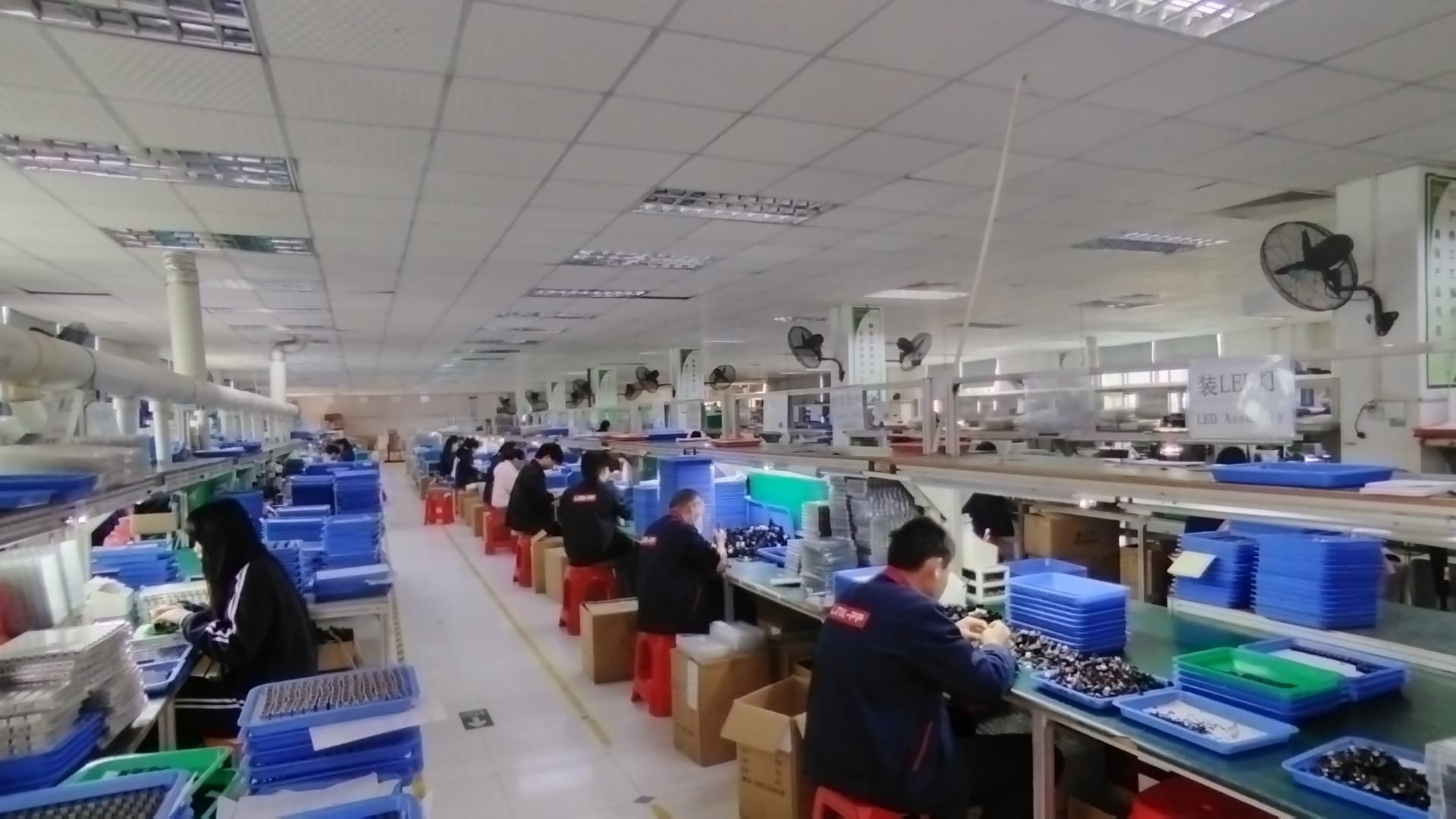
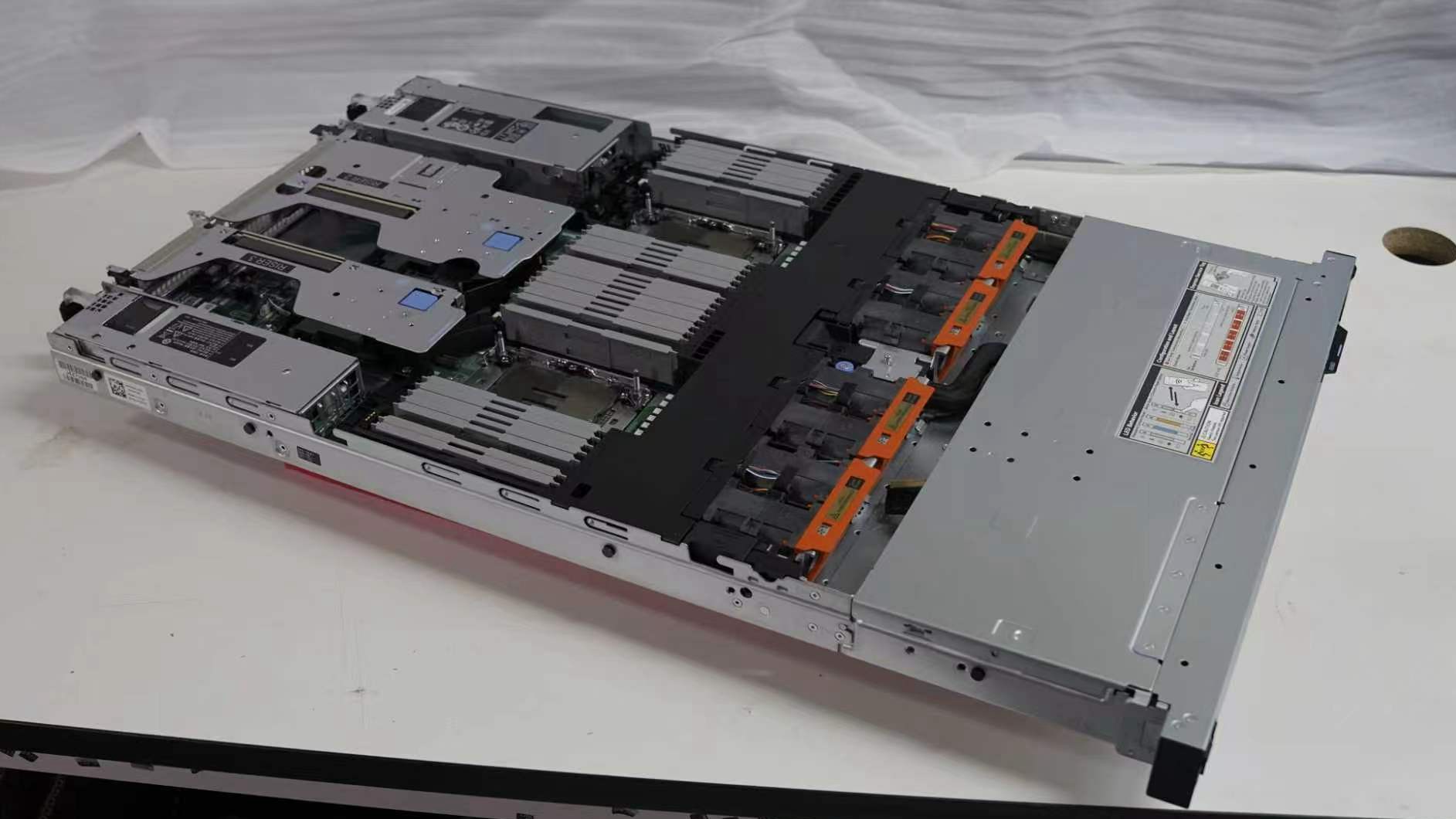
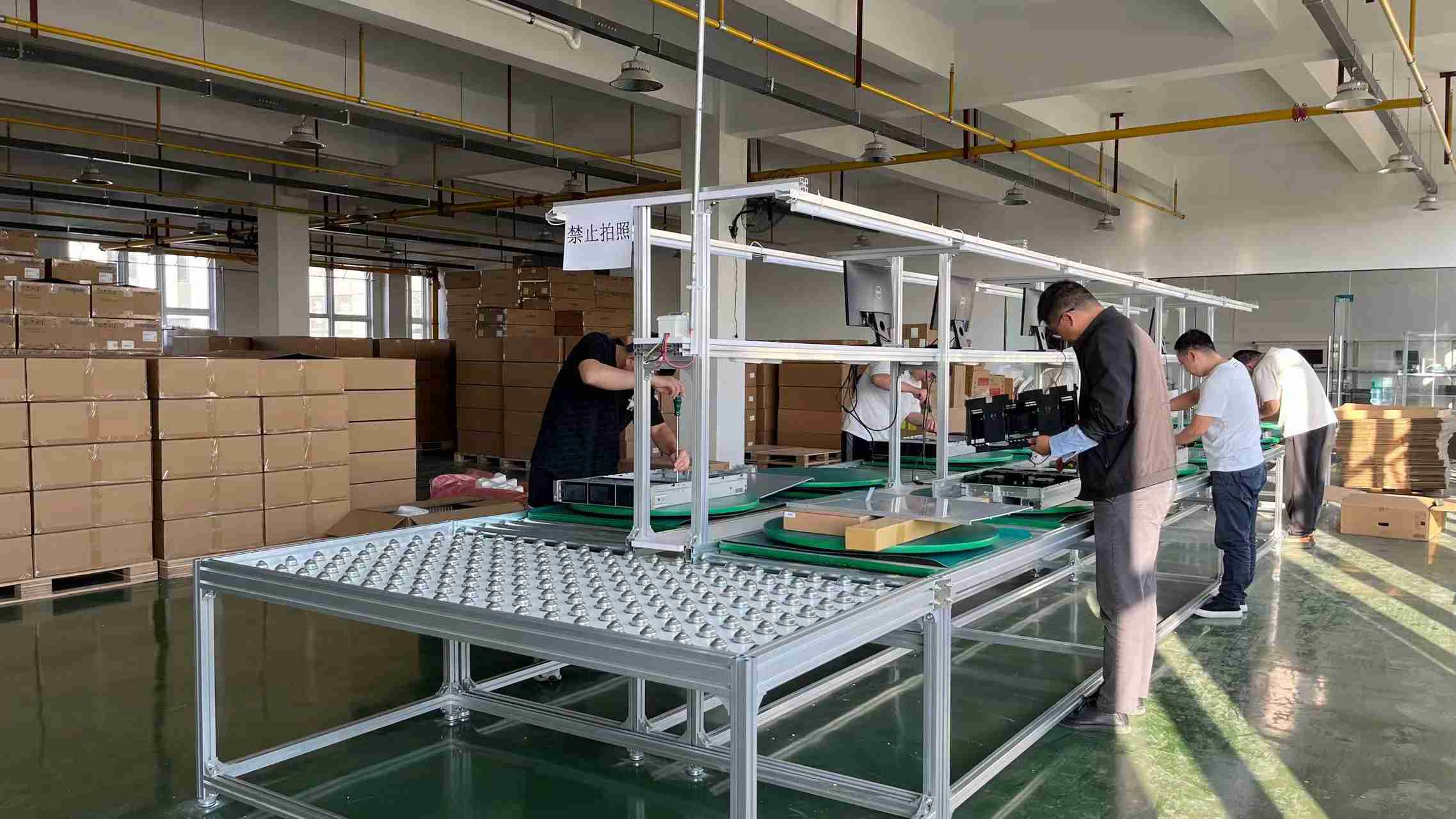
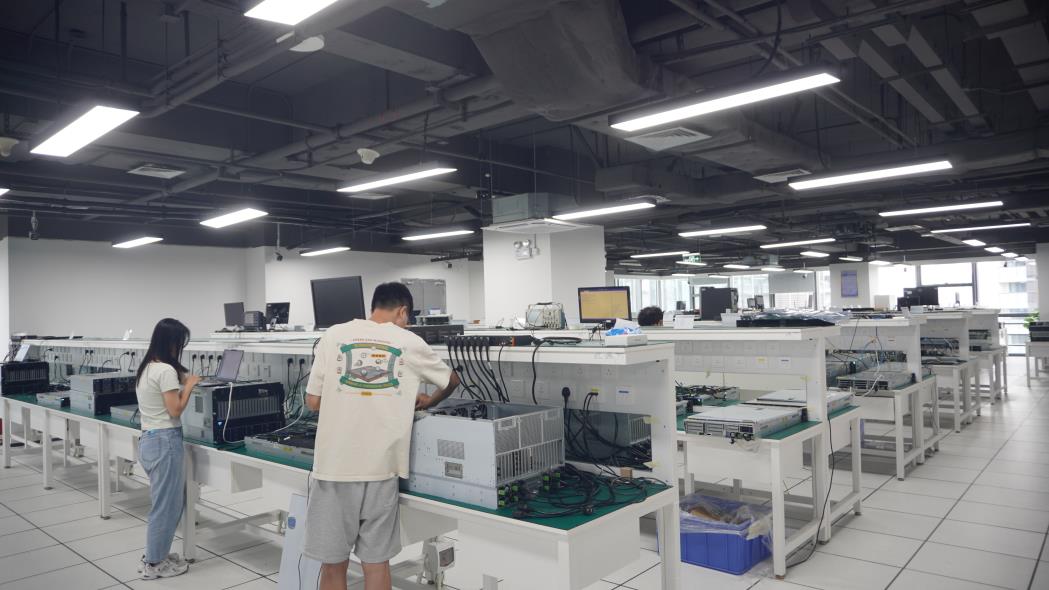
A look into our cleanrooms, testing stations, and electronic assembly lines.
Get answers to critical technical, sourcing, and logistics questions directly from our engineering team.
Our standard Minimum Order Quantity (MOQ) for custom-dimension smartphone battery packs ranges from 3,000 to 5,000 units. This allows us to optimize raw material sourcing for the lithium-cobalt cells and establish cost-efficient assembly lines. For standard-dimension cells or initial prototype runs, we can offer flexible lower quantities.
Cell swelling is primarily caused by gas generation during overcharging or under-discharge states, combined with high temperatures. We address this through a two-fold safety system: 1) Using premium, gas-suppressing additives in our lithium formulas, and 2) Customizing our BMS circuitry to monitor cell swelling precursors through voltage sensors and thermal thermistors, cutting off charge cycles before critical conditions arise.
Yes, all battery packs destined for North America and Europe are manufactured using UL-listed cells and certified to pass CE, IEC 62133, RoHS, and UN38.3 standard testing. We supply full documentation packages, including safety data sheets (SDS) and transportation testing certifications, to ensure easy customs clearance.
Absolutely. Our in-house R&D team can program the BMS firmware to output real-time battery status metrics (such as State of Charge, State of Health, current, voltage, and cell temperature) via SMBus, I2C, or HDQ communication channels, allowing device microprocessors to optimize battery performance dynamically.
Our high-density smartphone cells are engineered to maintain 80% or more of their original capacity after 500 to 800 full charge-discharge cycles under normal working temperatures, depending on the charge protocols and speed profiles implemented by the device manufacturer.
From cooling blocks to advanced gaming RAM, discover our diverse product range.
 Kryntel