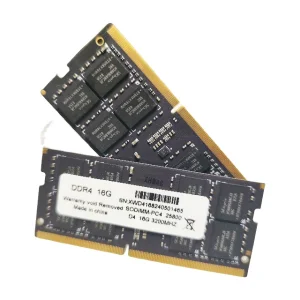
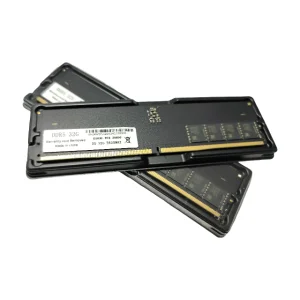
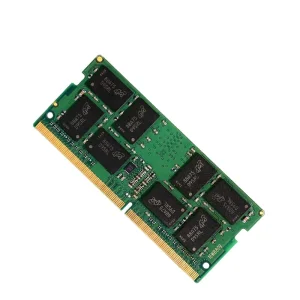
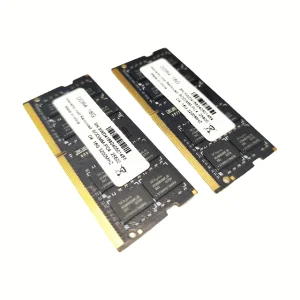
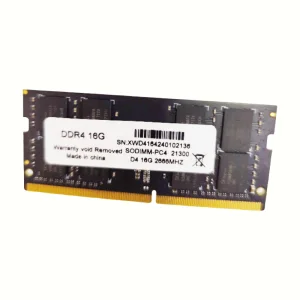
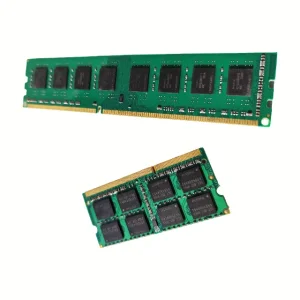
High-frequency memory architectures and custom hardware modules built to rigorous OEM specifications.
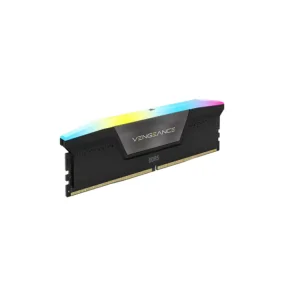
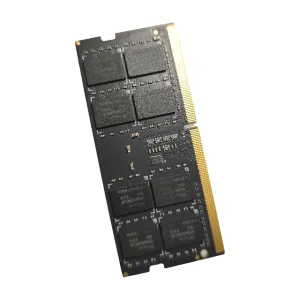
Analysis of Signal Integrity, Power Management, and the Transition from DDR4 to DDR5
The modern enterprise computing ecosystem demands unprecedented data throughput. As processors scale to 64, 96, and 128 cores per socket, the memory bus often emerges as the primary system bottleneck. To mitigate latency and maximize bandwidth, the transition from DDR4 to DDR5 represents a fundamental architectural paradigm shift, rather than a simple evolutionary frequency bump.
While DDR4 operates on a single 64-bit channel with system-defined power regulation handled on the motherboard, DDR5 re-engineers this pipeline completely. It splits the memory bus into two independent 32-bit subchannels (plus ECC bits) to improve channel efficiency and lower data access latencies. Furthermore, DDR5 shifts the power management responsibility directly to the DIMM via an onboard Power Management Integrated Circuit (PMIC). This mitigates signal losses at high frequencies, optimizes voltage distribution, and reduces general motherboard circuit complexity.
| Feature Matrix | DDR4 Standard | DDR5 Standard |
|---|---|---|
| Base Frequency | 1600 - 3200 MHz | 4800 - 6400+ MHz |
| Channel Architecture | 64-bit Single Channel | 2x 32-bit Subchannels |
| Operating Voltage | 1.2V | 1.1V (Highly Efficient) |
| Power Management | Motherboard Controlled | Onboard PMIC Integration |
| On-Die ECC | Not Supported | Standard Feature (Reliability) |
High-speed DDR5 frequencies (up to 6000MHz and beyond) require micro-level trace length matching and impedance-controlled PCB stack-ups to completely prevent crosstalk.
By correcting single-bit errors inside the DRAM die before transmitting data to the host CPU, DDR5 drastically increases reliability for intensive computing modules.
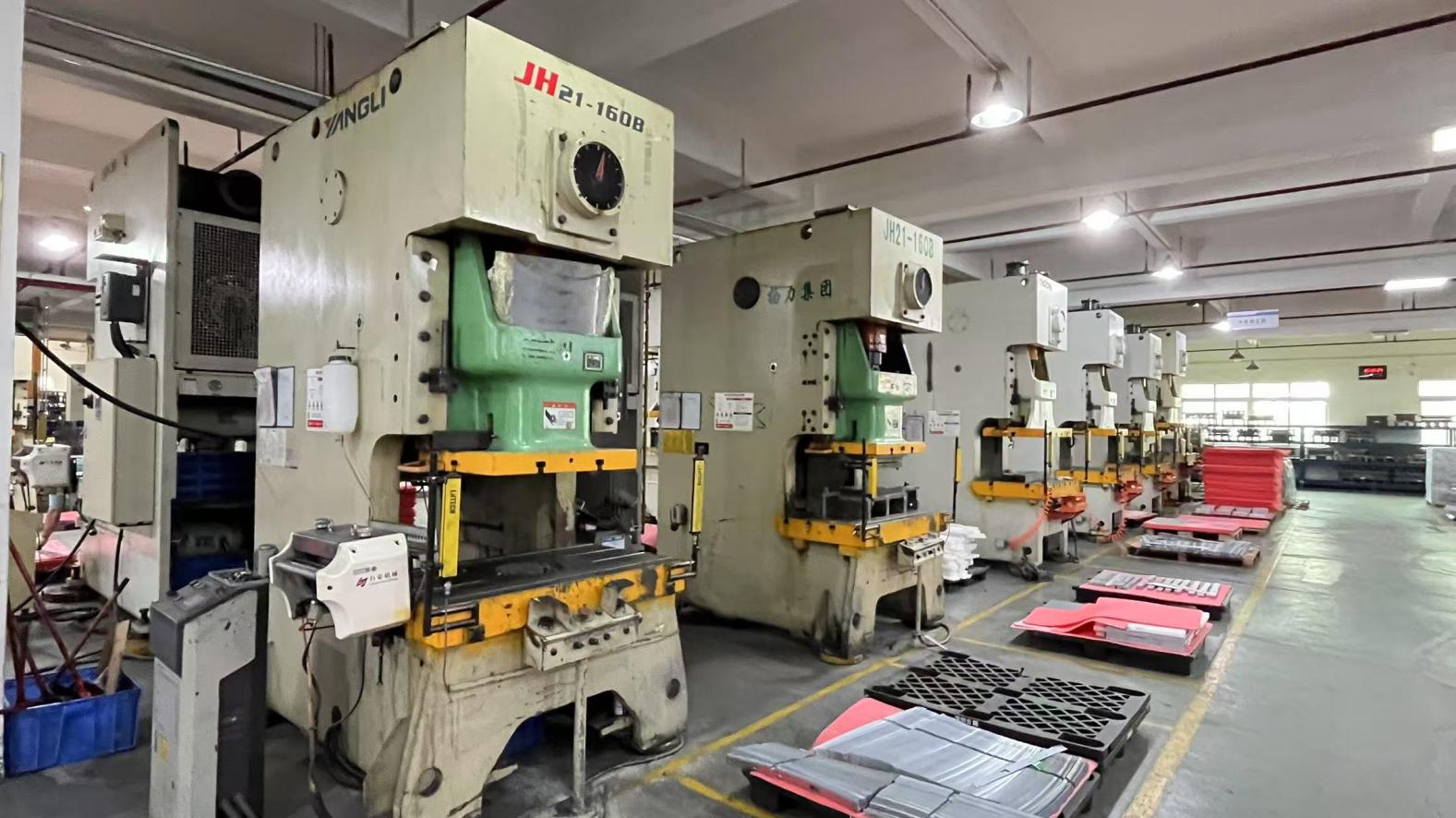
Our engineering process implements custom anodized aluminum heat spreaders and high-conductivity thermal pads to dissipate localized heat spikes from the PMIC.
Kryntel Memory Technology (China) Co., Ltd. – Reliable OEM Partners Since 2016
Founded in 2016, Kryntel Memory Technology (China) Co., Ltd. has established itself as a premier OEM/ODM developer of DDR5 and DDR4 memory modules. We specialize in high-performance RAM architectures built for enterprise servers, industrial computing, custom system integration, and global consumer hardware brands.
With an extensive supply chain ecosystem comprising over 1,200 upstream and downstream partners, we guarantee access to original, A-grade DRAM dies sourced from major global fabricators. This robust supply network, combined with our strategic logistics channels, enables us to support global clients across North America, Germany, India, Brazil, and the UAE with high-quality, continuous bulk deliveries.
Our dedicated QA team of 42 professionals runs thorough hardware validation procedures, including multi-temperature reliability testing, Motherboard-specific validation runs, and bandwidth stress tests. Backed by 6 years of deep export experience and 9 years of overall industry manufacturing background, we operate with a global trade approach, minimizing compliance bottlenecks and custom clearance friction.
Flexible hardware adjustments tailored specifically to your branding and operational tolerances
Kryntel offers end-to-end custom engineering, allowing global system integrators and distributors to specify exact requirements for target markets. Our R&D team supports complex modifications, including:
We tune latency profiles (CL values) and frequency tables (from standard JEDEC 4800MT/s up to 6000MT/s+) directly inside the firmware for customized stability under varying voltages.
We customize standard Serial Presence Detect (SPD) tables, permitting instant plug-and-play overclocking profiles on consumer and enthusiast motherboards.
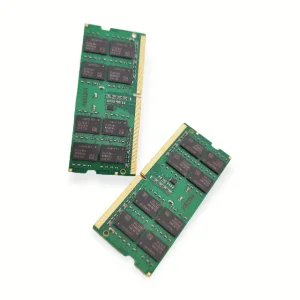
Custom layout design for ultra-low profile (VLP) enterprise systems, dense SODIMM layouts for rugged computers, or reinforced PCB thicknesses for high-vibration systems.
Add custom-branded, CNC-cut anodized aluminum heat spreaders, laser-engraved serial tags, or optimized thermal pads designed to match your company's aesthetic identity.
Our agile customization process enables us to quickly validate initial prototypes, shortening the design-to-delivery lifecycle to keep pace with changing market demands.
Pioneering Next-Generation Core Memory Solutions to Support Advanced Computing Pipelines
Accelerating current standard production to yield 6400MT/s and 7200MT/s options. Incorporating newer, highly integrated PMIC designs that optimize power dissipation and lower memory-controller latency on mainstream Intel Xeon and AMD EPYC platforms.
Developing CXL-compatible memory expansion cards. This interface allows system designers to build modular memory architectures over PCIe interfaces, satisfying memory footprint requirements in complex AI learning clusters.
Collaborating with global semiconductor partners to evaluate PAM (Pulse Amplitude Modulation) signaling and next-generation packaging technologies. Our R&D team is laying the groundwork for high-yield manufacturing of DDR6 modules with speeds planned to exceed 10Gbps per pin.
How Kryntel Memory Modules Power Global Industrial, Commercial, and Consumer Applications
High-capacity DDR4/DDR5 ECC modules provide the stable data storage needed for dense virtualization environments, high-transaction database systems, and active cloud hosting frameworks.
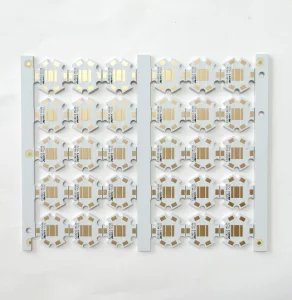
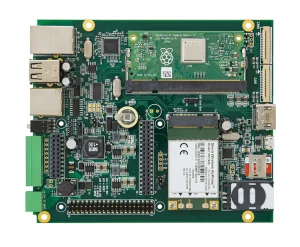
Designed for wide-temperature environments, our specialized PCBs support single-board computers (such as SMT assembly options for Raspberry Pi designs) and automated machinery controllers.
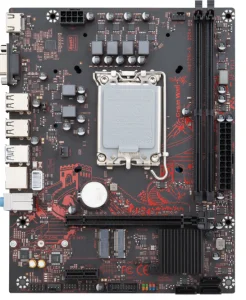
High-frequency, low-latency RAM kits with custom thermal profiles and RGB integration deliver stable frames and smooth overclocking options for performance desktop PCs.
Operating from China's Advanced Electronics Logistics Hub to Ensure Unmatched Assembly Efficiency
Our manufacturing base operates in close proximity to major logistics hubs and raw material markets. This geographic advantage enables us to source critical parts, such as multi-layer PCBs, PMICs, passives, and packaging materials, with very short lead times. By maintaining robust strategic relationships with major DRAM silicon fabricators, we secure consistent component supply even during market fluctuations.
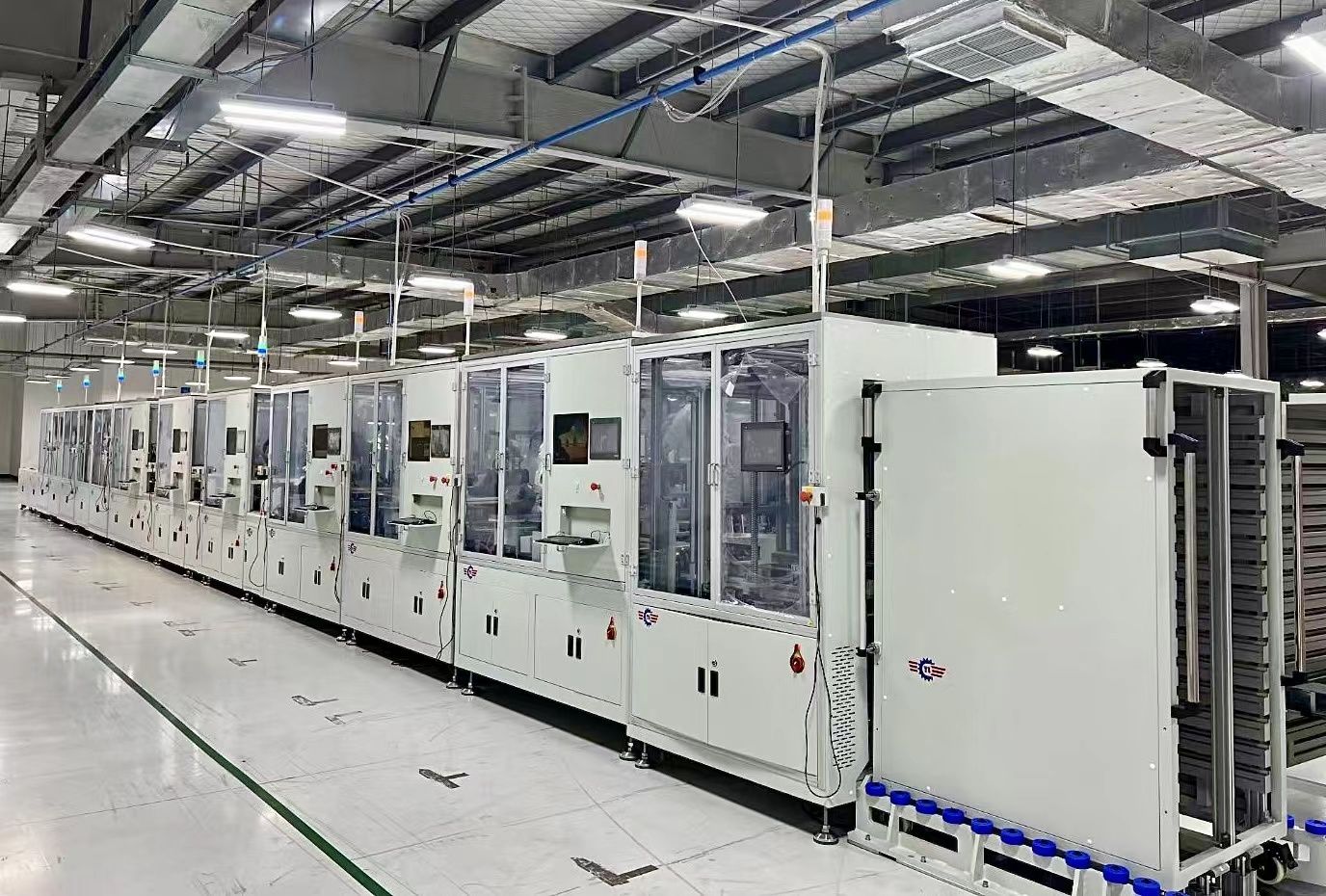
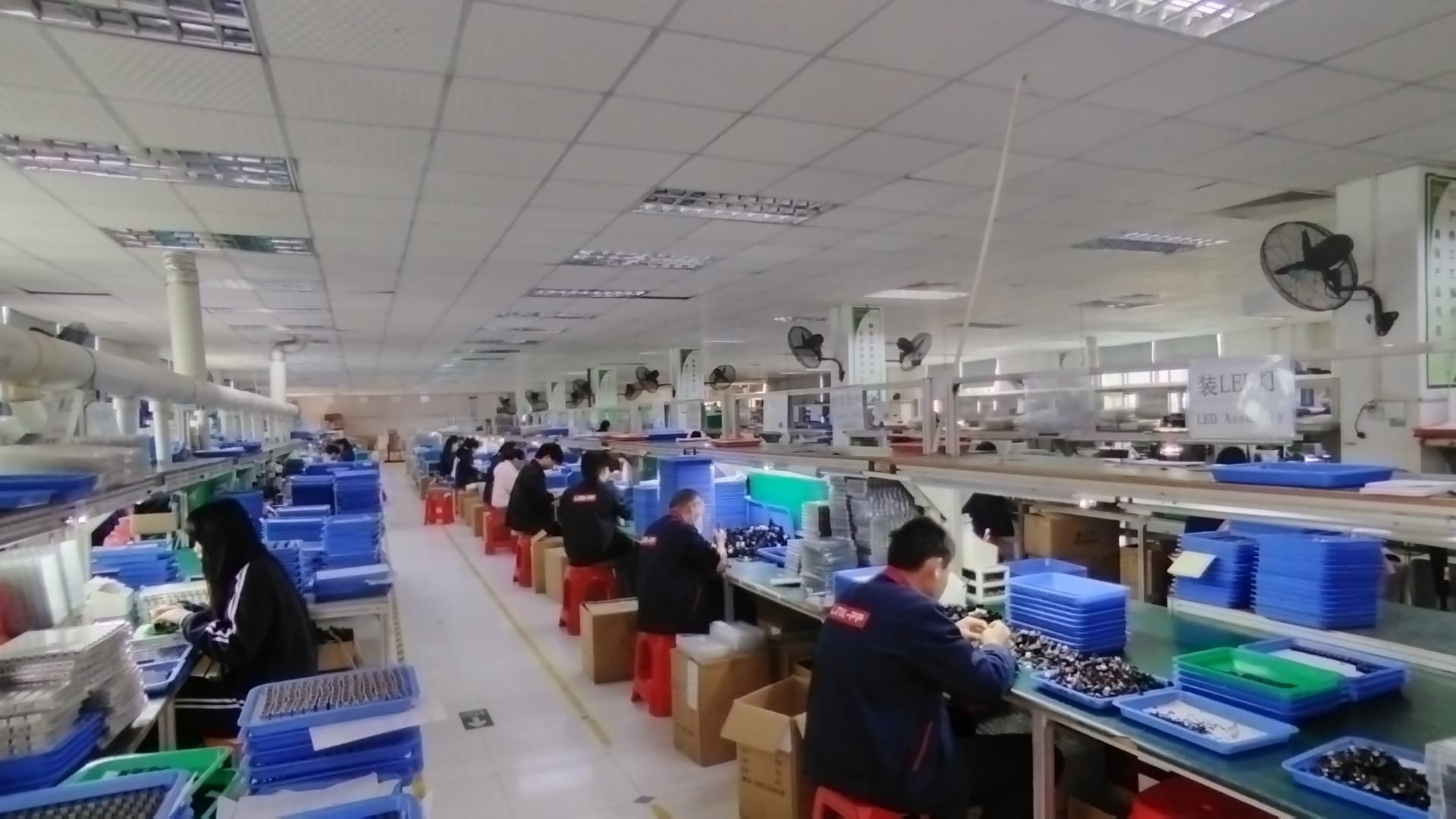
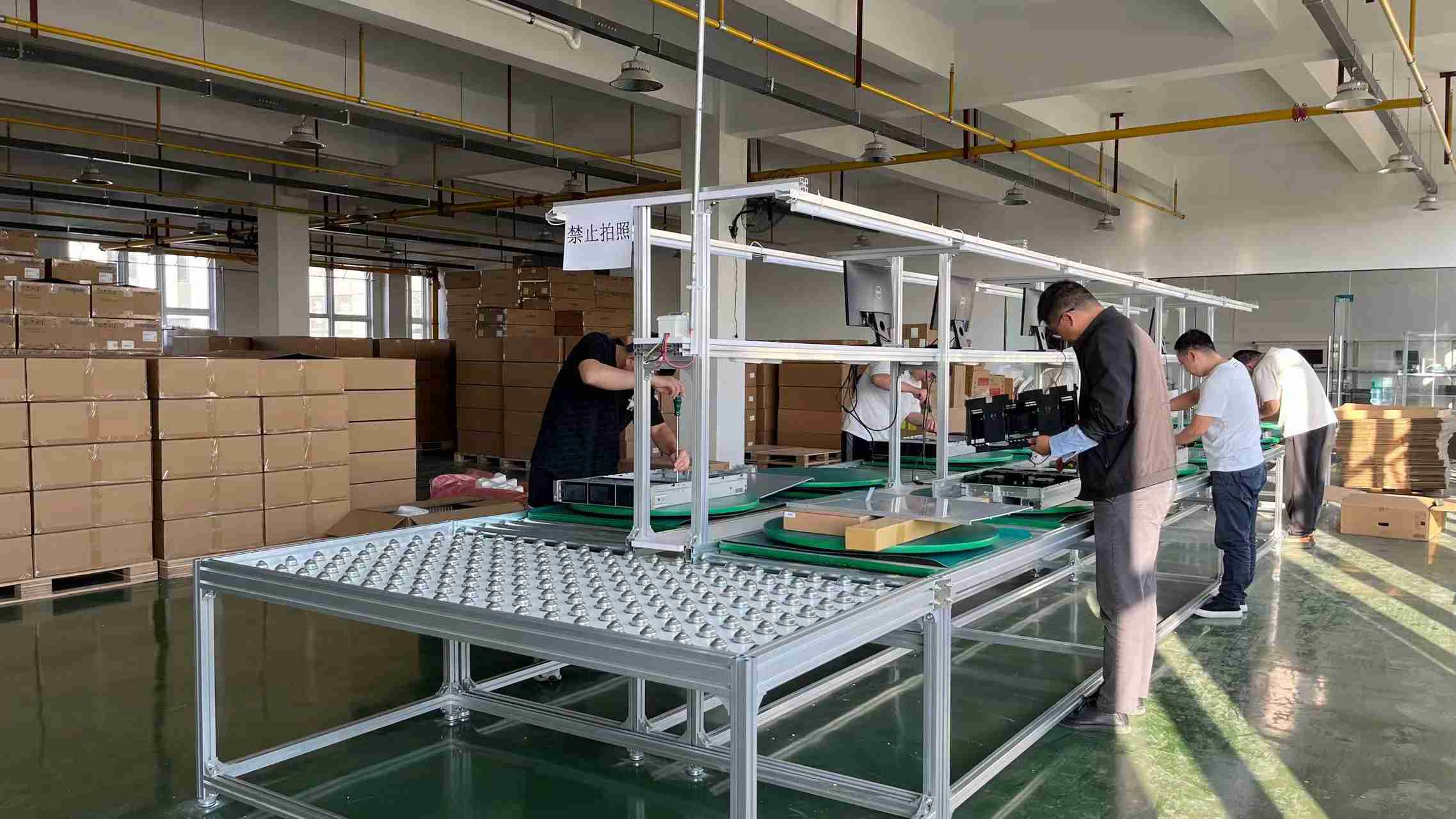
At our assembly facility, we utilize automated SMT placement machinery and reflow soldering lines. This state-of-the-art equipment minimizes placement tolerances and defect rates. The facility is supported by a dedicated cleanroom environment, ensuring that each memory card meets high industrial cleanliness standards before packaging.
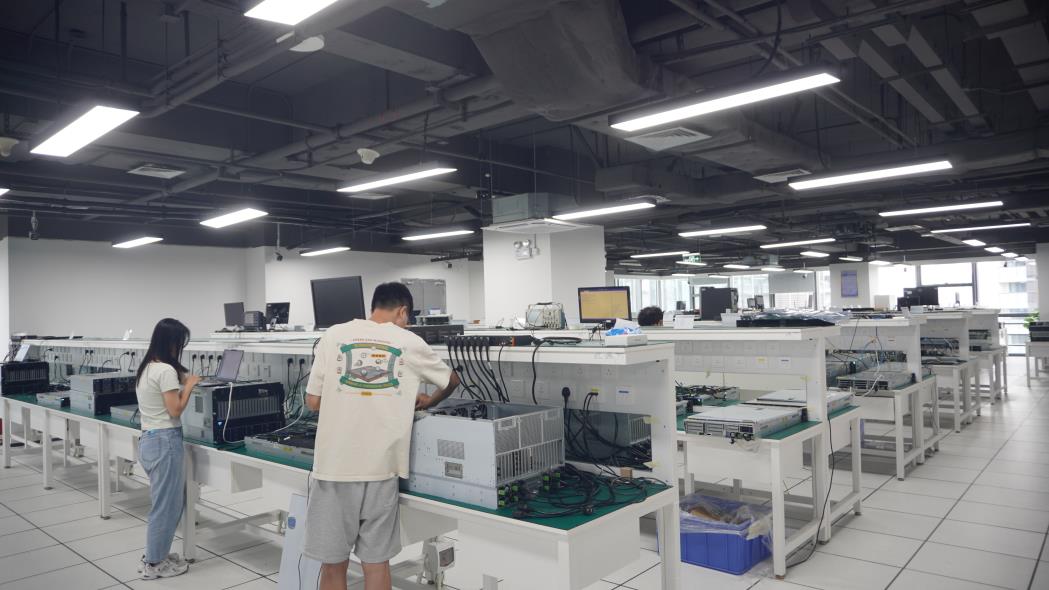
Our advanced testing pipeline features custom automated testing equipment (ATE). This setup allows us to run simultaneous, multi-channel compatibility and frequency stress checks across different motherboard chipsets, ensuring that every shipped batch matches the performance specifications of the customer.
Rigorous Validation Protocols to Ensure Long-Term Reliability and Full Regulatory Alignment
Global electronics importing requires strict adherence to regional safety and environmental rules. Kryntel memory modules are engineered and certified to meet key international standards, ensuring smooth distribution into highly regulated markets:
Our quality assurance process is structured around a multi-stage validation workflow:
Answers to common questions from procurement officers, system integrators, and distributors
For standard DDR4 and DDR5 memory modules using existing designs, our typical production lead time is 7 to 15 business days. Custom PCB design adjustments, unique heat-sink fabrications, or custom SPD profile programming can add 10 to 15 days to the initial engineering and validation cycle.
We maintain strict raw material procurement processes. We only source original, A-grade DRAM dies from leading suppliers. Each batch is tracked and checked to verify serial codes, performance characteristics, and structure before assembly.
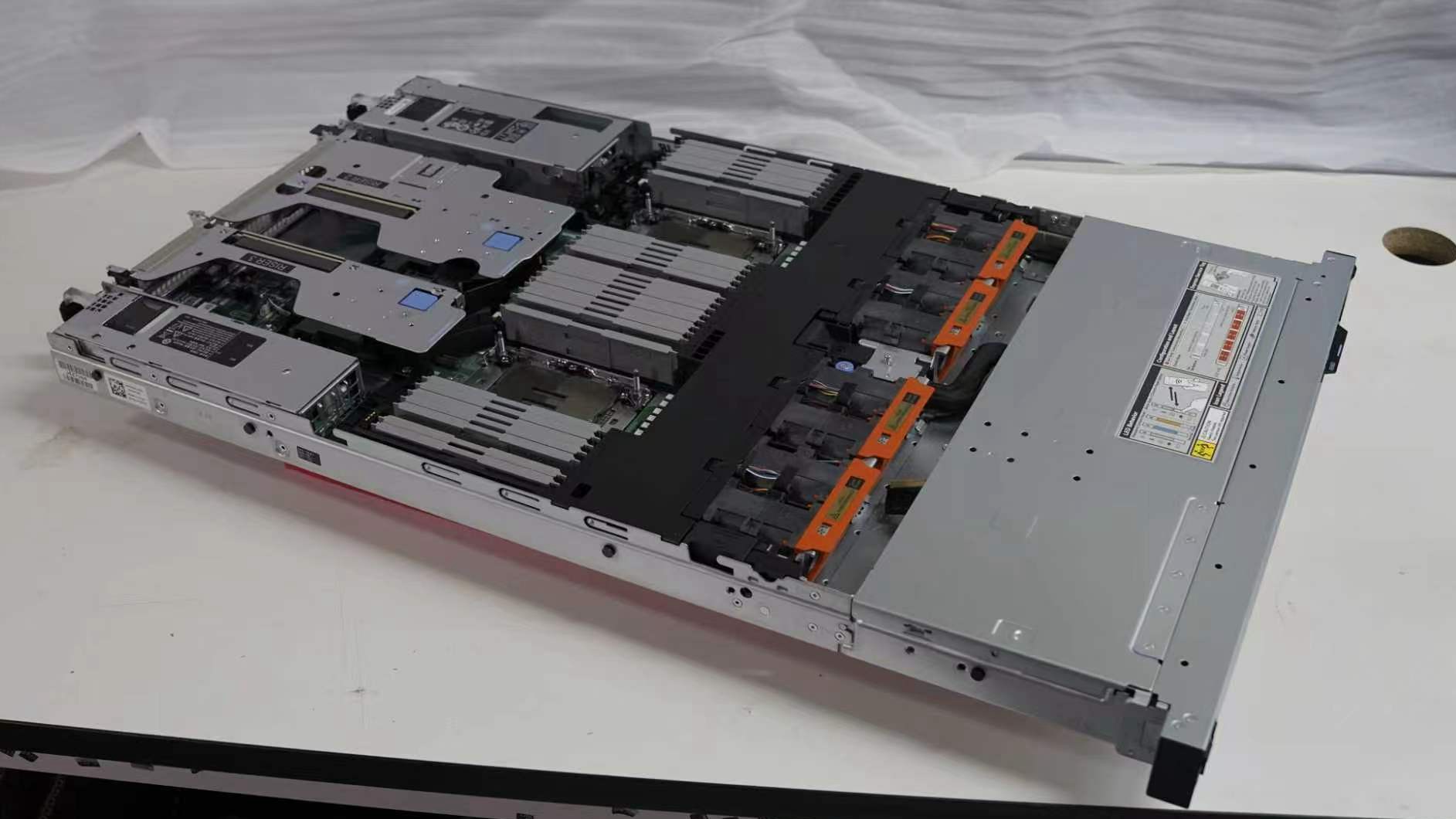
We provide both standard and customized server-grade RDIMMs and ECC SODIMMs. Our engineering team assists with SPD register tuning, ensuring complete compatibility with dual and quad-socket servers from major brands like Dell, HP, and Supermicro.
Yes, we offer complete heat-sink customization. You can choose from various materials, anodized color options, and laser-engraving designs. We also configure custom packaging and product labels to match your brand requirements.
For standard modules with custom label branding, our MOQ starts at 500 units. For full ODM configurations requiring custom PCB designs or special tooling, the MOQ typically begins at 2,000 units, depending on the complexity of the design.
All Kryntel memory modules are covered by a comprehensive warranty. We provide replacement modules for any validated manufacturing defects. This warranty is backed by our dedicated testing team, ensuring high-quality, reliable performance in the field.
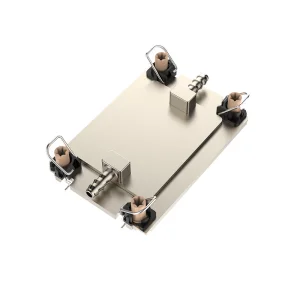
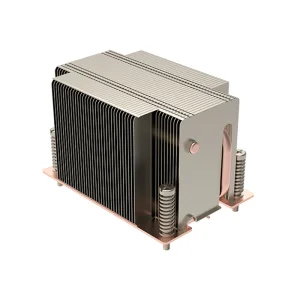
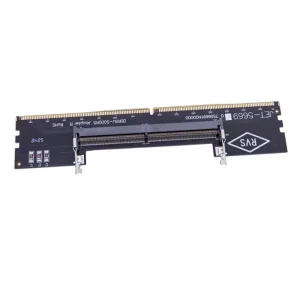
High-performance heatsinks, water blocks, and memory adapter cards designed for demanding enterprise systems.
 Kryntel