Modern enterprise data centers, cloud platforms, and industrial automated systems are facing an unprecedented operational paradox: the exponential rise of artificial intelligence, machine learning, and high-performance computing (HPC) requires immense processing power, which in turn leads to skyrocketing energy consumption and heat production. At this scale, energy management is no longer merely a grid-level distribution problem; it is a critical, silicon-level design constraint.
As a pioneer in enterprise memory architectures and advanced thermal management components, Kryntel Memory Technology (China) Co., Ltd. bridge the gap between high-capacity data processing and energy efficiency. By delivering customized OEM memory modules (DDR4 and DDR5 ECC RAM) engineered for lower operating voltages, and pairing them with high-efficiency heatsinks and integrated liquid coolers, we supply the key building blocks for green computation. Our holistic approach targets the root causes of server power waste: DRAM refresh overhead, PMIC efficiency loss, and cooling-fan parasitic loads.
Enterprise technology buyers across North America, Europe, and Asia-Pacific are shifting their procurement strategies toward suppliers who can provide direct energy savings. Below are the key drivers shaping global B2B procurement today:
With rising global electricity rates, energy bills represent over 40% of standard data center OPEX. Procuring DDR5 memory featuring built-in Power Management ICs (PMICs) and high-density copper-aluminum heatsinks yields significant power reductions at scale.
Regulatory frameworks such as the EU Corporate Sustainability Reporting Directive (CSRD) mandate corporations to report scope 1, 2, and 3 emissions. Energy-efficient silicon memory chips and recyclable aluminum thermal units directly aid compliance.
Next-gen multi-core processors running AI workloads generate localized heat spikes. Without targeted thermal cooling solutions (e.g., passive heatsinks or water blocks), system throttling occurs, causing computation inefficiency and energy spikes.
How do Kryntel's hardware offerings function as core components of a comprehensive energy management solution? The answer lies in the optimization of the physical layer.
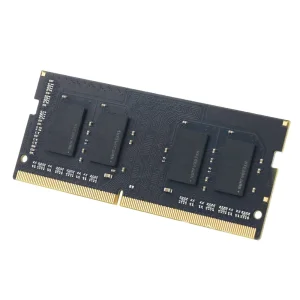
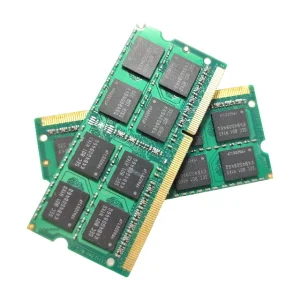
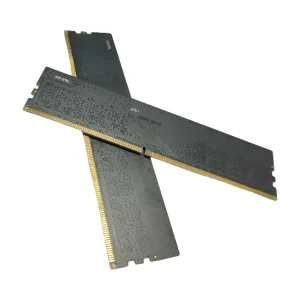
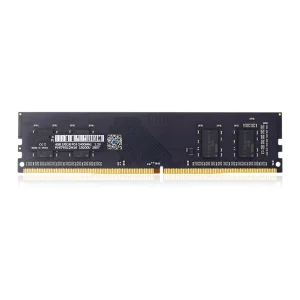
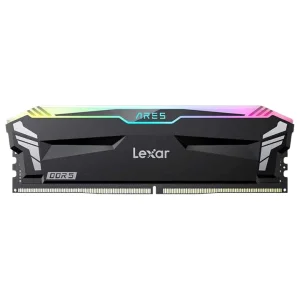
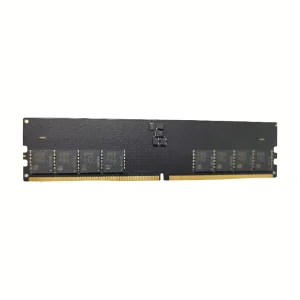
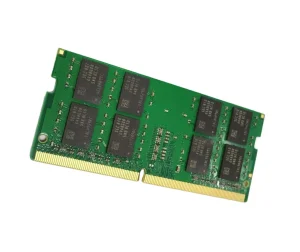
By manufacturing low-power DDR4 and high-bandwidth DDR5 modules, we help enterprises scale performance while reducing absolute power drain. DDR5 shifts power management from the server motherboard directly to the memory module using an onboard PMIC (Power Management Integrated Circuit). This layout transition allows for:
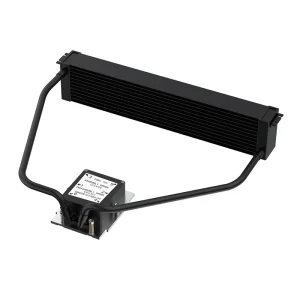
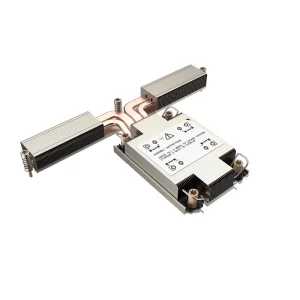
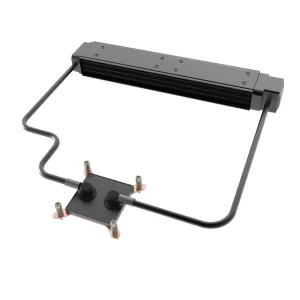
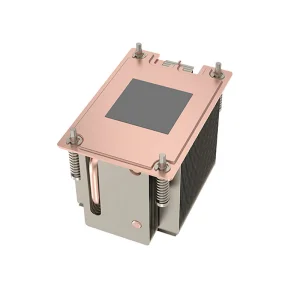
A server's cooling fans consume up to 15% of the total system power when operating at high RPMs. By integrating custom passive extruded aluminum radiators and 2U server integrated water coolers, we ensure that heat is dissipated immediately from the CPU socket and RAM channels.
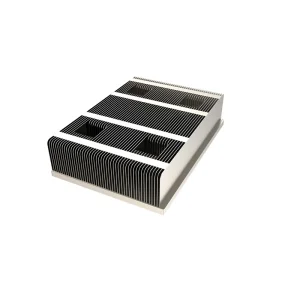
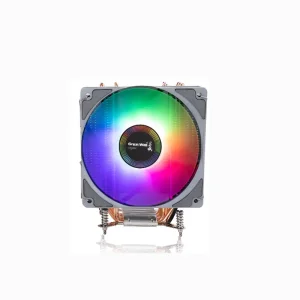
Our passive aluminum heatsinks (such as the LGA4677 and BGA2518 models) optimize airflow resistance, allowing servers to run cooler with lower chassis fan speeds. In hyperscale installations, this structural improvement can drop the site-wide Power Usage Effectiveness (PUE) by several decimal points, translating directly into millions of kilowatt-hours saved annually.
Our global presence, technical workforce, and reliable supply chain infrastructure ensure seamless delivery of high-volume OEM orders.
Exporting high-stability components globally, with key markets including the United States, Germany, India, Brazil, and the UAE.
Our custom OEM solutions are customized to address the unique energy profiles of diverse commercial and industrial architectures:
With servers packed tightly in 2U and 4U configurations, cooling and RAM density are major bottlenecks. We design customized low-profile copper-aluminum thermal radiators that slot easily into dense server arrays, paired with high-frequency DDR5 ECC memory that maintains signal integrity even under elevated ambient temperatures.
Edge nodes deployed in remote locations, smart grids, or manufacturing floors operate without active climate control. Kryntel’s industrial-grade components undergo rigorous high-temperature aging and thermal cycle testing, ensuring stable 24/7 performance without structural thermal failures.
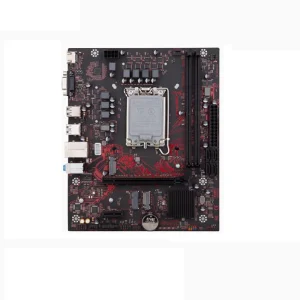
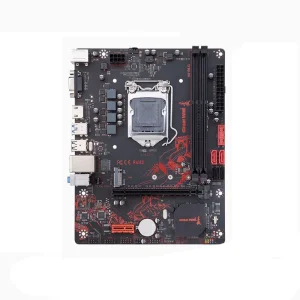
AI model training demands high memory bandwidth and generates immense localized thermal TDP. Our integrated water-cooling components and customized server motherboards act as highly efficient heat-exchangers, stabilizing the silicon junction temperature and preventing computing interruptions.
For hardware brands looking to launch energy-efficient computing lines, we provide comprehensive ODM design capabilities. This includes custom PCB layout design, specific frequency profiling (from 1600MHz up to 6000MHz), localized branding, and packaging customization.
As silicon engineering advances, Kryntel’s R&D department (comprising 160+ specialized engineers) is actively developing technologies to support the next era of energy-conscious computing:
Developing next-generation LPDDR5X and DDR6 modules that push operating voltages below 1.0V, targeting ultra-efficient micro-servers and distributed edge clusters.
Integrating direct-to-chip liquid cooling loops with active heat pipes to manage high TDP CPUs (up to 450W) while maintaining a low spatial footprint.
Designing custom firmware that dynamically adjusts memory refresh cycles based on actual server load, eliminating idling energy waste.
Reliability is the foundation of any energy management plan. At Kryntel, our QA system is structured on rigorous multi-stage inspection standards to ensure consistent product longevity. We maintain a dedicated QA team of 42 professionals who execute:
High-temperature aging tests, compatibility testing with major motherboard platforms (Intel, AMD, server architectures), and bandwidth stress tests under maximum memory loads.
Thermal camera imaging of heatsinks and liquid coolers under active load to verify heat dissipation gradients and ensure hot spots are eliminated.
Our raw materials are responsibly sourced via our global network of 1,200 partners, ensuring strict adherence to environmental directives such as RoHS and CE standards.
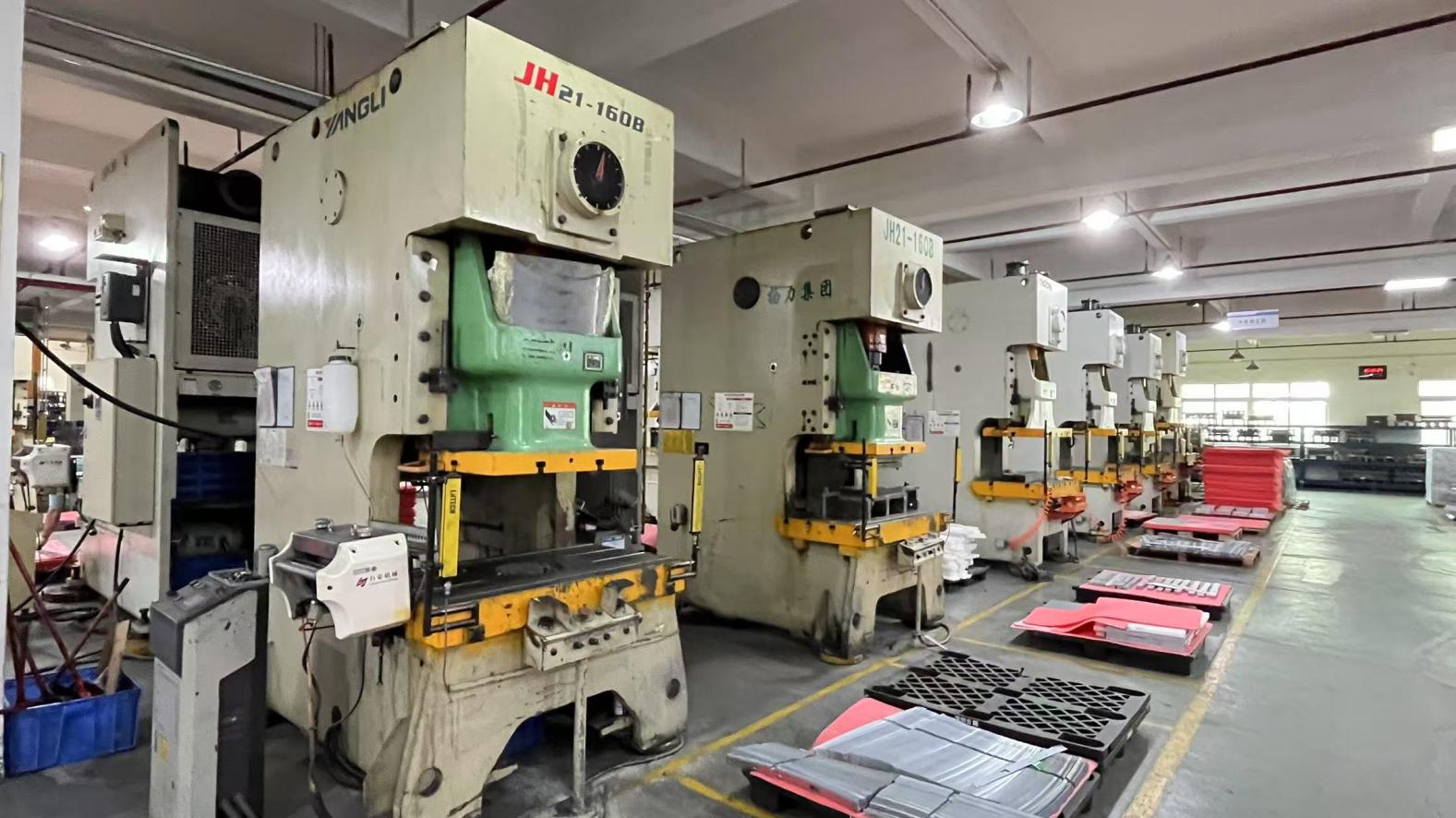
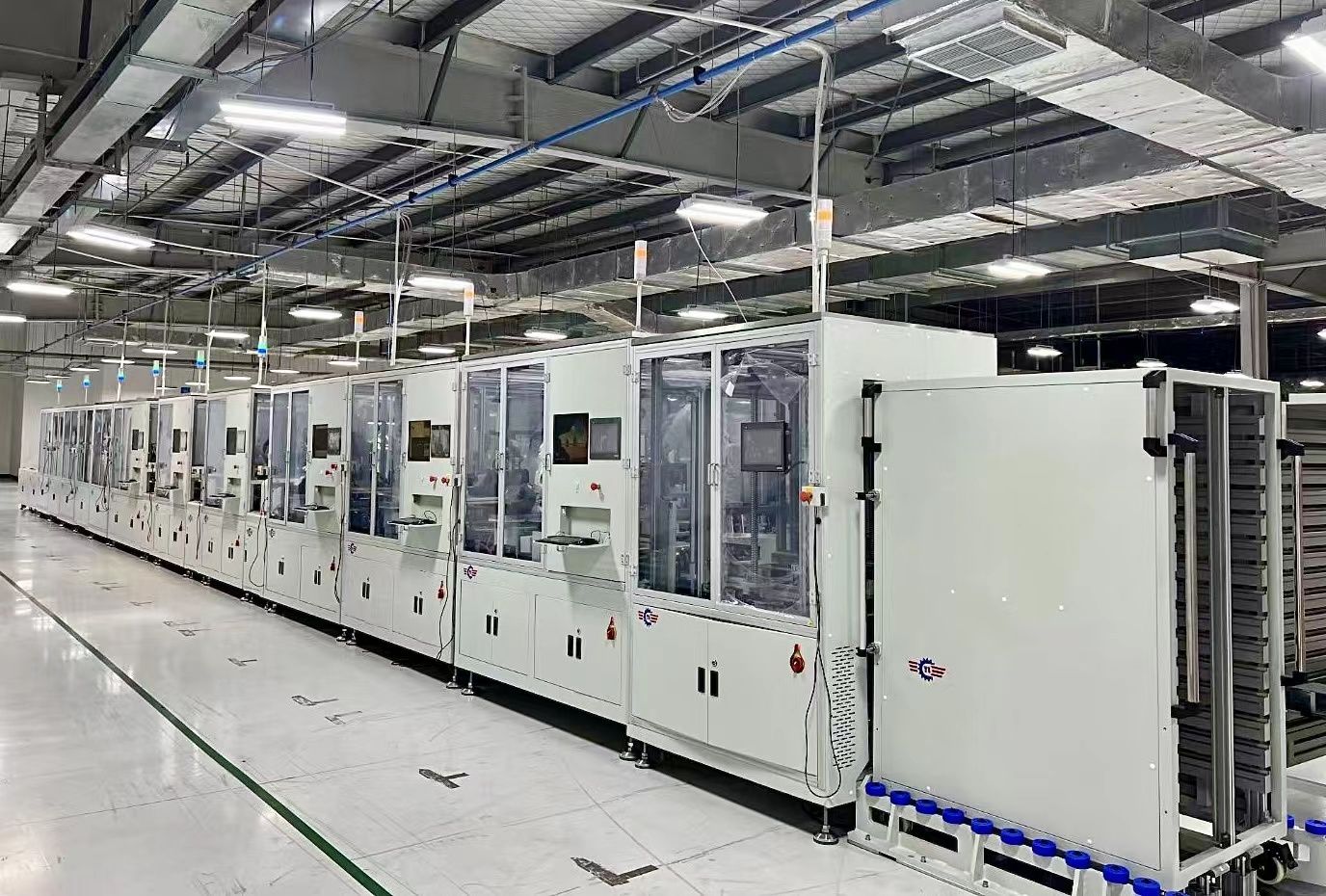
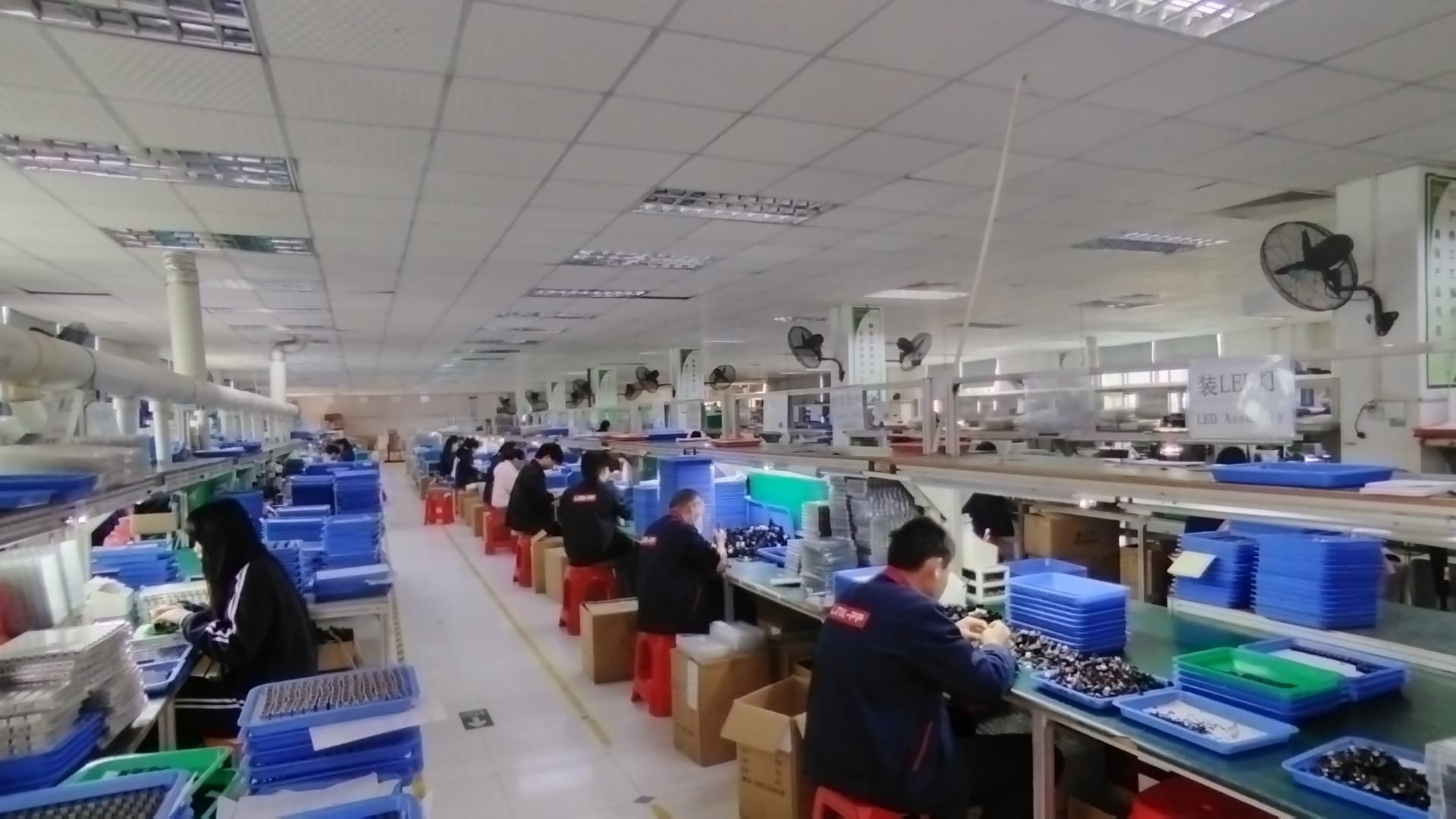
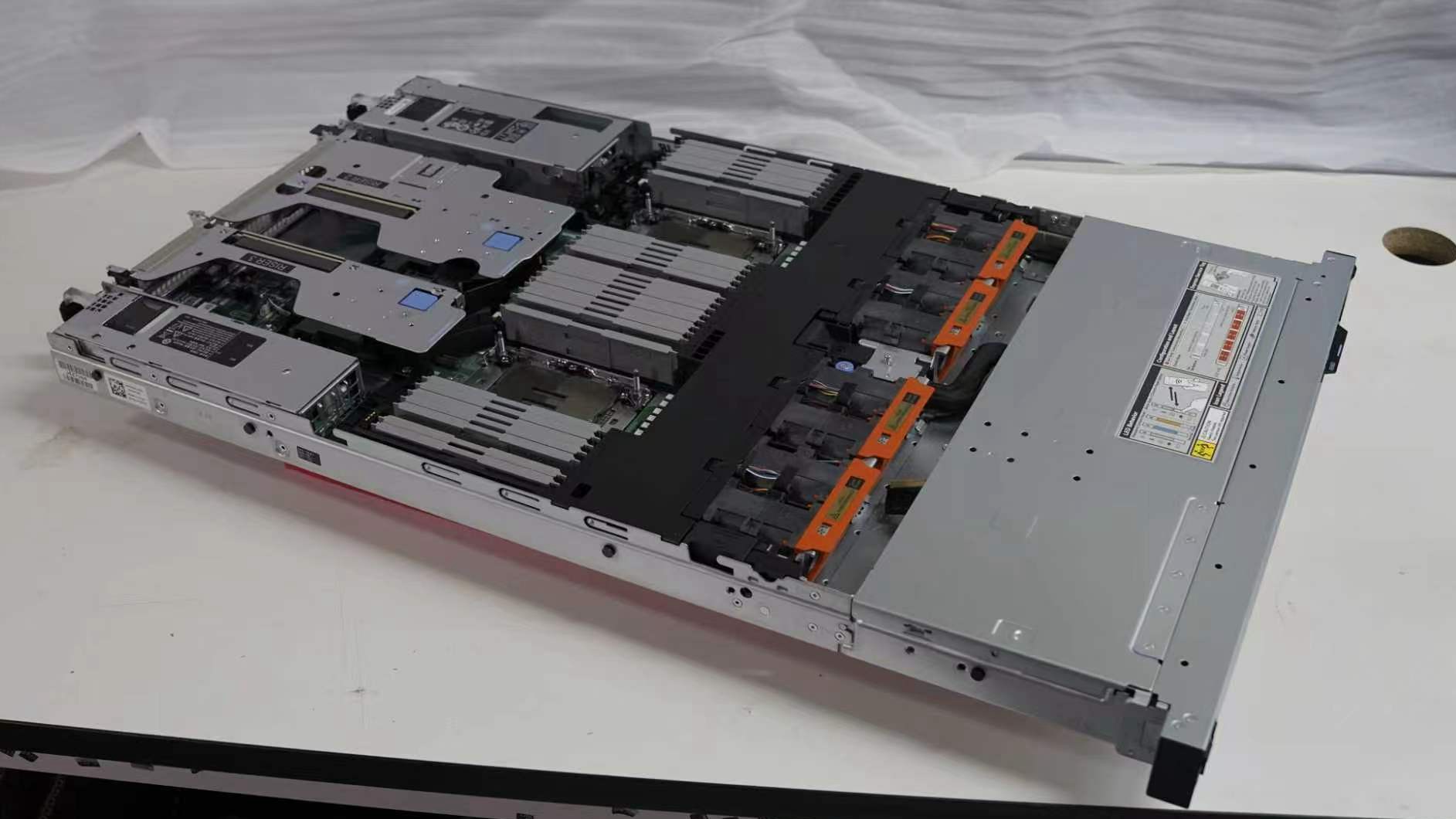
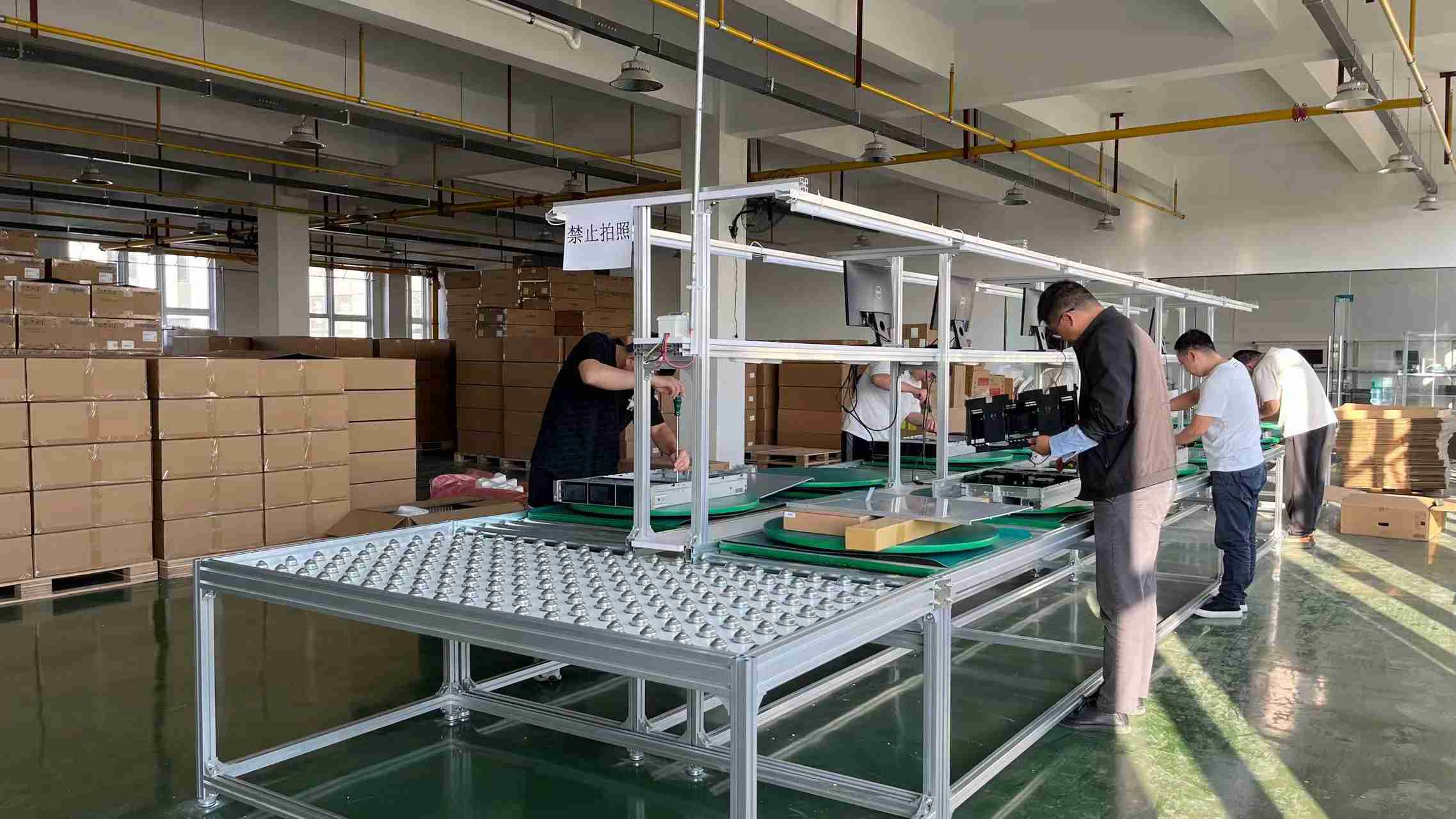
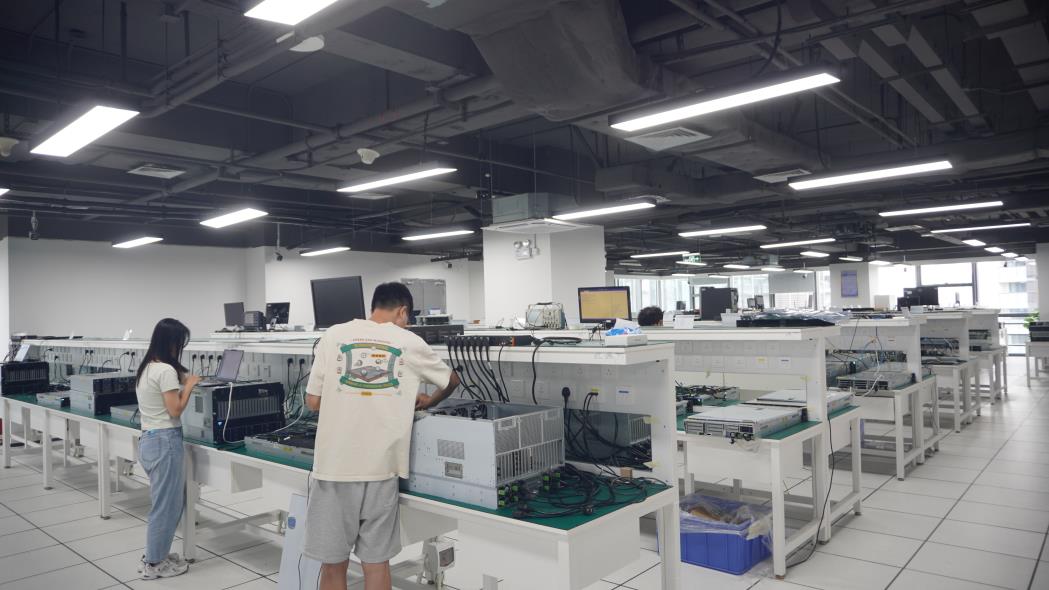
Our state-of-the-art facility (covering 320㎡ of cleanroom space) employs advanced surface-mount technology (SMT) and high-speed automated testers to produce highly reliable DRAM modules. Below are photos of our manufacturing, assembly, and testing lines:
 Kryntel