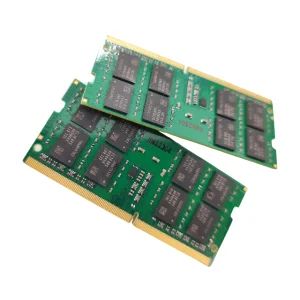
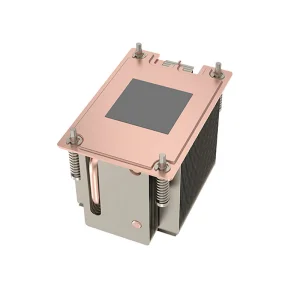
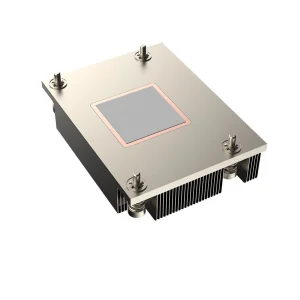
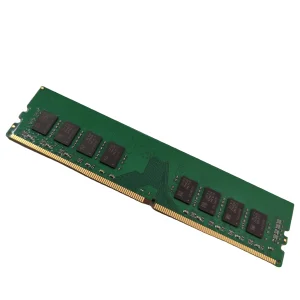
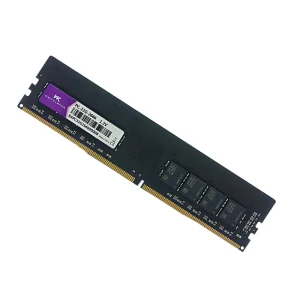
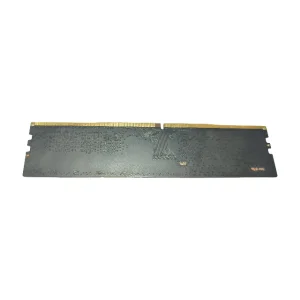
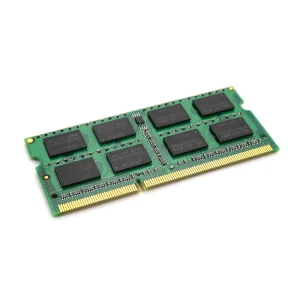
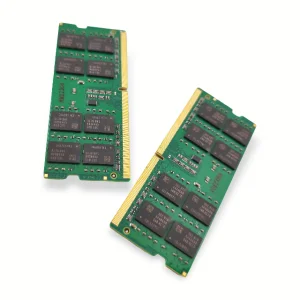
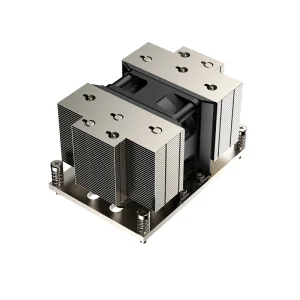
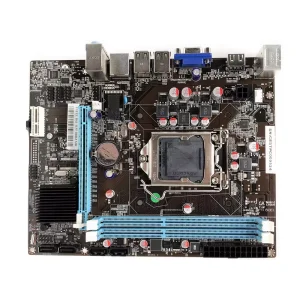
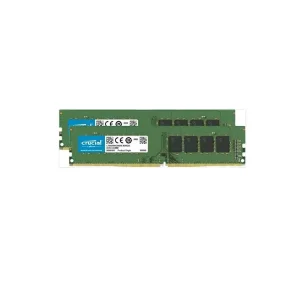
Explore our high-performance electronic components, high-speed RAM assemblies, and thermal management solutions built for demanding server and consumer ecosystems.
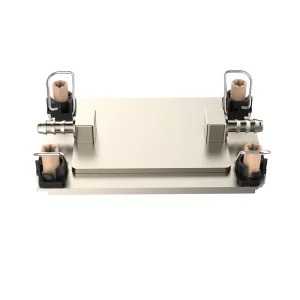
A comprehensive analysis of global production demand, technological trends, and systemic requirements in high-frequency applications.
In the contemporary hardware landscape, the double-sided printed circuit board (PCB) remains the bedrock of medium-to-high complexity electronic engineering. Unlike single-sided variants, double-sided circuit boards feature conductive trace paths on both sides of the substrate layer, interconnected through plated through-holes (PTH) or microvias. This structural layout is essential for routing complex circuit topologies without risking signal collision or geometric bottlenecks. As global consumer electronics scale downward in physical size and upward in operational frequency, the performance requirements placed on double-sided boards have intensified.
Modern telecommunication modules, server memory layouts, and industrial controllers demand strict signal integrity. By using double-sided copper-clad laminates (typically FR-4 with high Tg ratings), engineers can allocate power and ground planes strategically to shield high-frequency signal lines, reducing Electromagnetic Interference (EMI) and maintaining controlled impedance.
Globally, the market for double-sided PCBs is driven by the expansion of the Internet of Things (IoT), industrial automation, automotive control systems, and enterprise computing architectures. Industrial applications demand PCBs that can withstand harsh environments, thermal cycling, and high vibrational stresses. Consequently, the selection of raw materials—such as high-Tg (glass transition temperature) laminates, polyimide, or metal-backed cores—has become a key step in custom OEM design. Exporters who provide double-sided PCBs must align with strict global certifications, including UL 796, RoHS, REACH, and ISO 9001 quality guidelines, to satisfy international compliance and supply chain security standards.
Aligning circuit board specifications with strict signal integrity requirements, thermal mitigation, and precise mechanical tolerances.
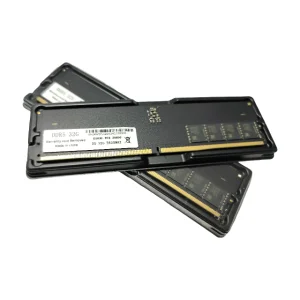
We ensure strict tolerances of ±10% (and down to ±5% on special requests) for microstrip, stripline, and coplanar wave-guide routing layouts. Critical for high-speed DDR4/DDR5 systems and motherboard architectures.
We offer Electroless Nickel Immersion Gold (ENIG), Lead-Free HASL, Immersion Silver, and OSP coatings. These finishes ensure excellent solderability, oxidation resistance, and long-term joint integrity.
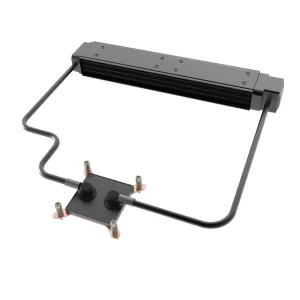
From standard FR-4 (Tg 130-180°C) to polyimide, PTFE, and ceramic-filled substrates. Optimized for intense heat dissipation, such as in 400W server water blocks and high-power CPU coolers.
Kryntel Memory Technology (China) Co., Ltd. is a high-performance developer and supplier specializing in custom double-sided PCBs, complex PCBA assemblies, and high-frequency memory modules.
Founded in 2016, Kryntel Memory Technology (China) Co., Ltd. is a professional manufacturer specializing in high-performance RAM modules, custom PCB designs, and PCBA solutions for global OEM, ODM, and private label partners. With a modern production facility covering approximately 320㎡, we focus on delivering stable, high-speed, and energy-efficient electronic solutions for gaming, industrial, and server applications.
Over the years, Kryntel has built strong export capabilities with annual export revenue ranging from USD 8 million to USD 18 million. The company has accumulated 6 years of export experience and 9 years of overall industry experience in memory and semiconductor-related manufacturing.
Our quality control system is built on strict multi-stage inspection standards, including incoming material inspection, in-process quality control, aging tests, and final product sampling inspection. Product testing methods include high-temperature aging tests, compatibility testing with major motherboard platforms, bandwidth stress testing, and voltage stability testing. We maintain a dedicated QA team of 42 professionals to ensure consistent product reliability.
Kryntel operates with a strong international trade background, supported by experienced export teams familiar with North America, Europe, the Middle East, and Southeast Asia markets. Our primary markets include the United States, Germany, India, Brazil, and the UAE. We cooperate with a global supply chain network of approximately 1,200 upstream and downstream partners, ensuring stable sourcing of high-quality DRAM chips and components. Our main customer base includes computer hardware brands, system integrators, distributors, and e-commerce sellers.
Our R&D department is highly capable, supporting advanced customization, including PCB design optimization, frequency tuning, heat dissipation solutions, and branding customization. We offer full OEM/ODM services with flexible customization options such as frequency, latency, heat spreader design, packaging, and firmware tuning. In the past year, we successfully launched over 280 new memory products across DDR4 and DDR5 series. Our R&D team consists of approximately 160 engineers specializing in memory architecture, signal integrity, and product reliability optimization.
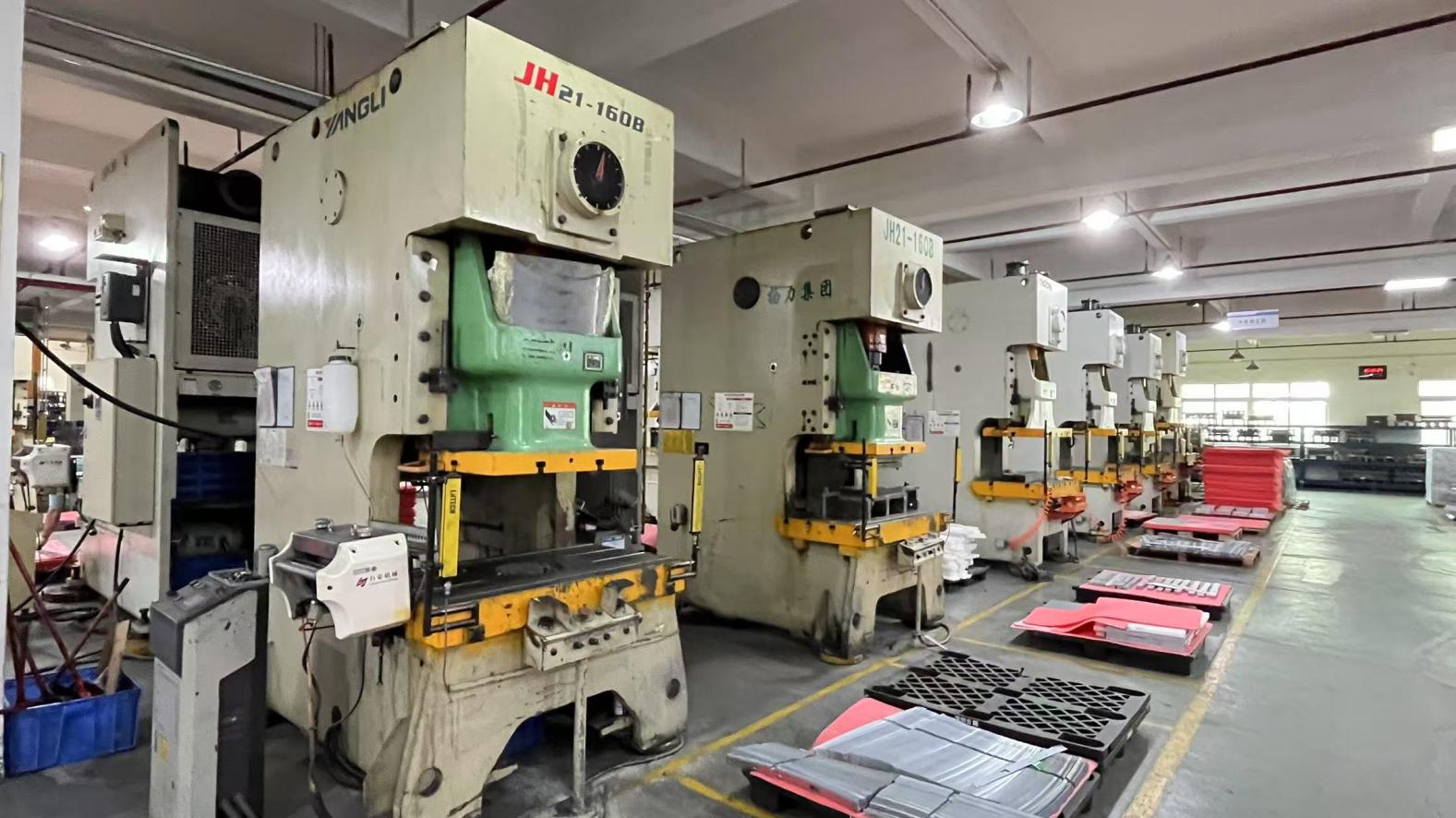
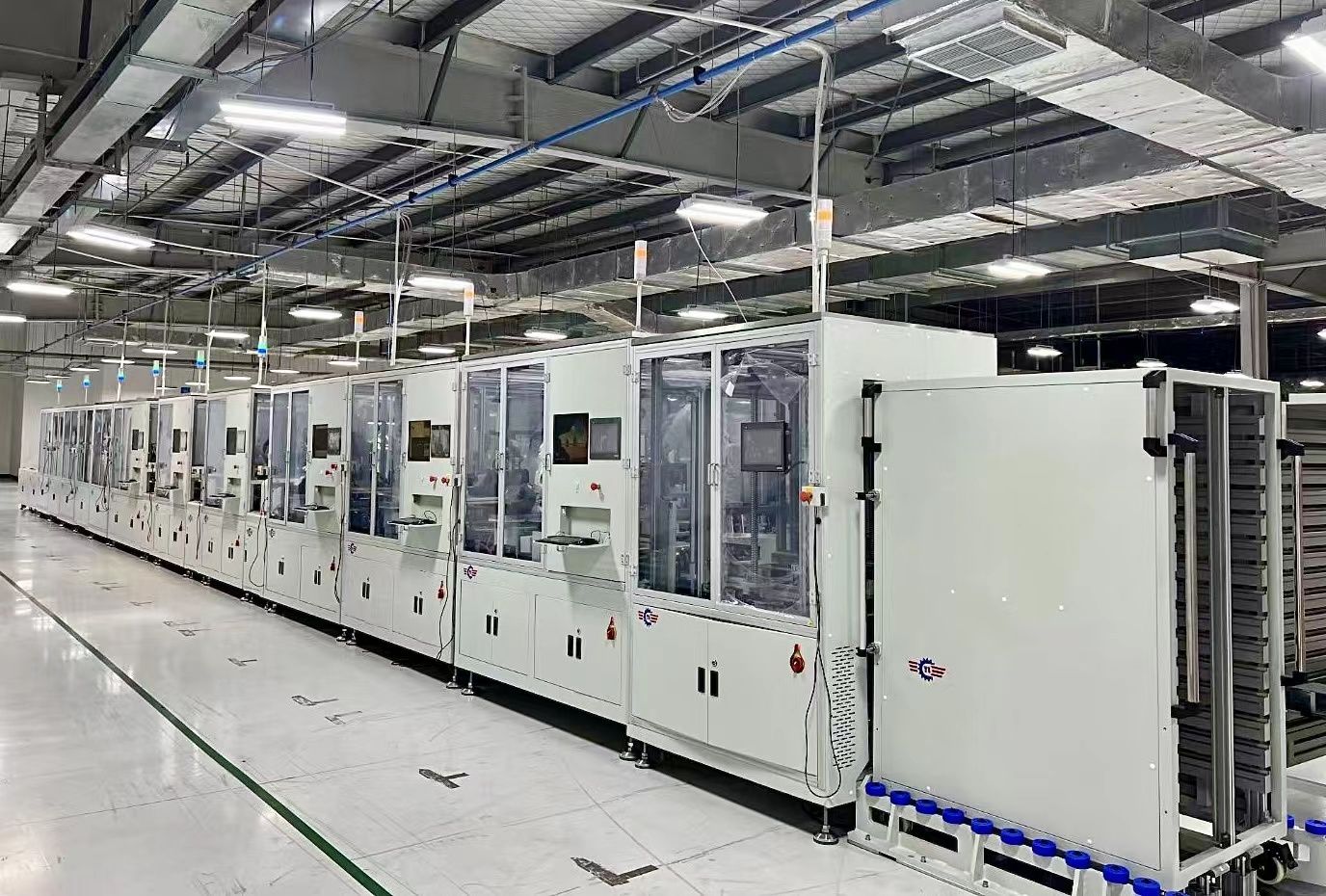
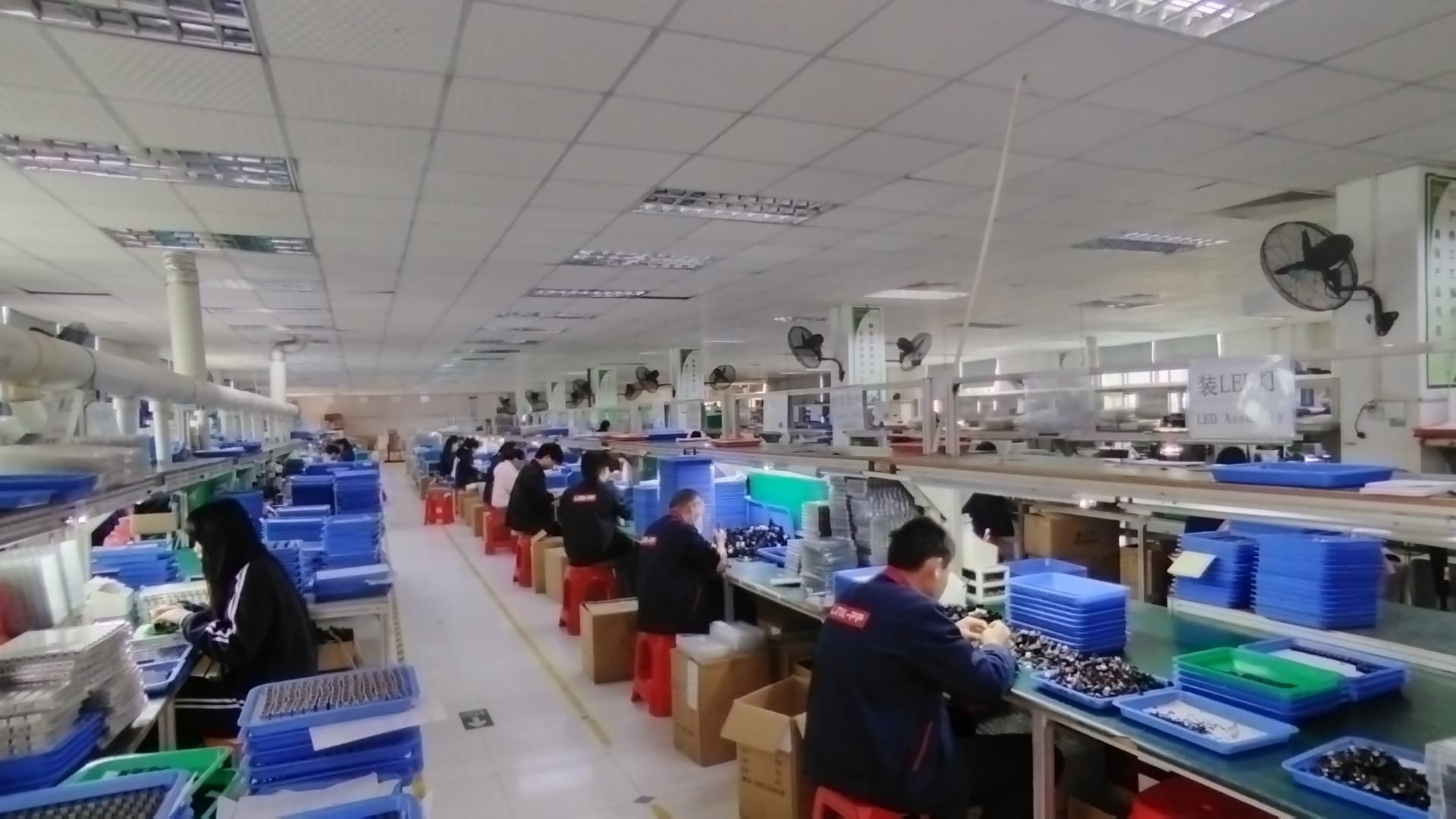
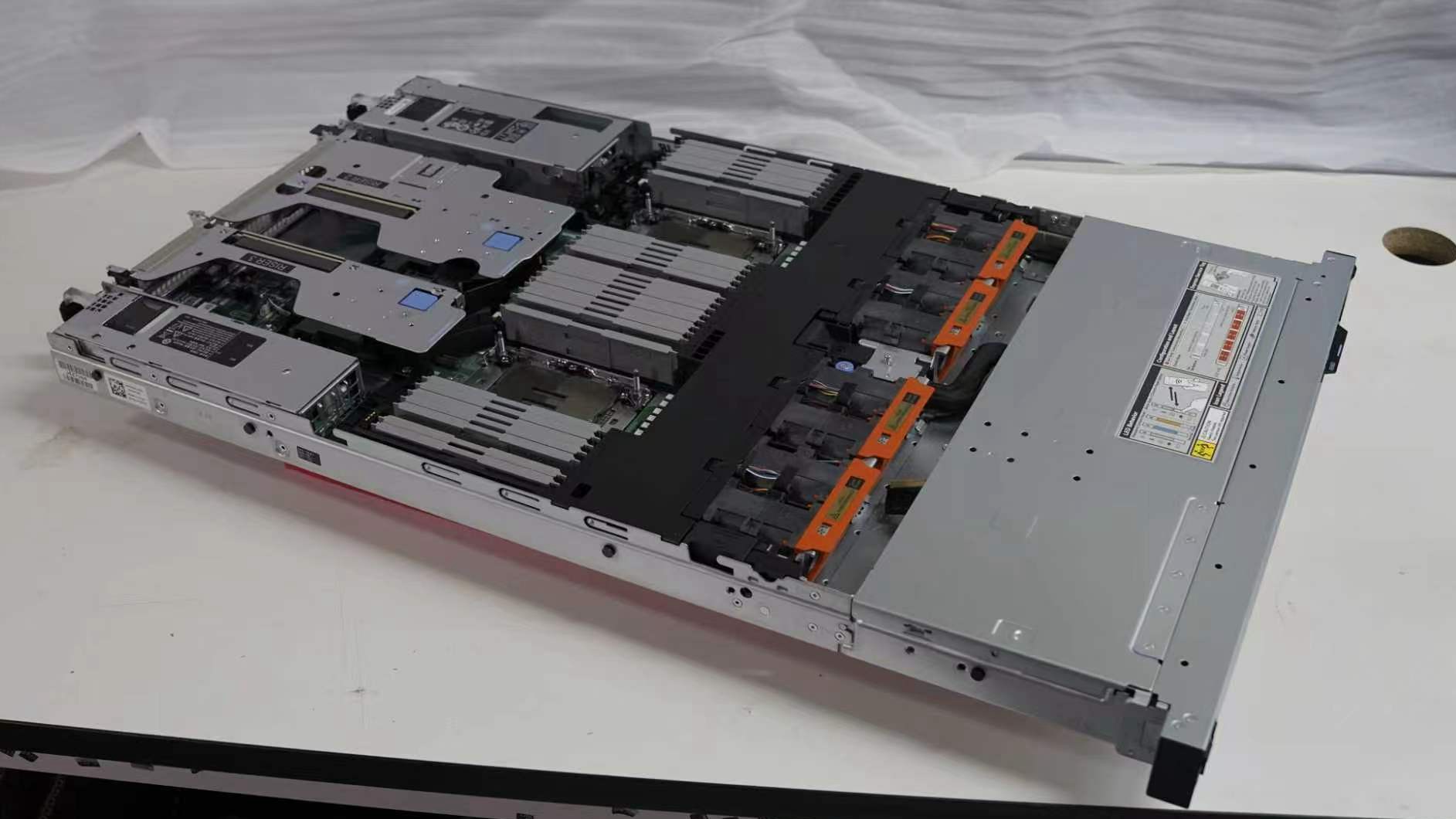
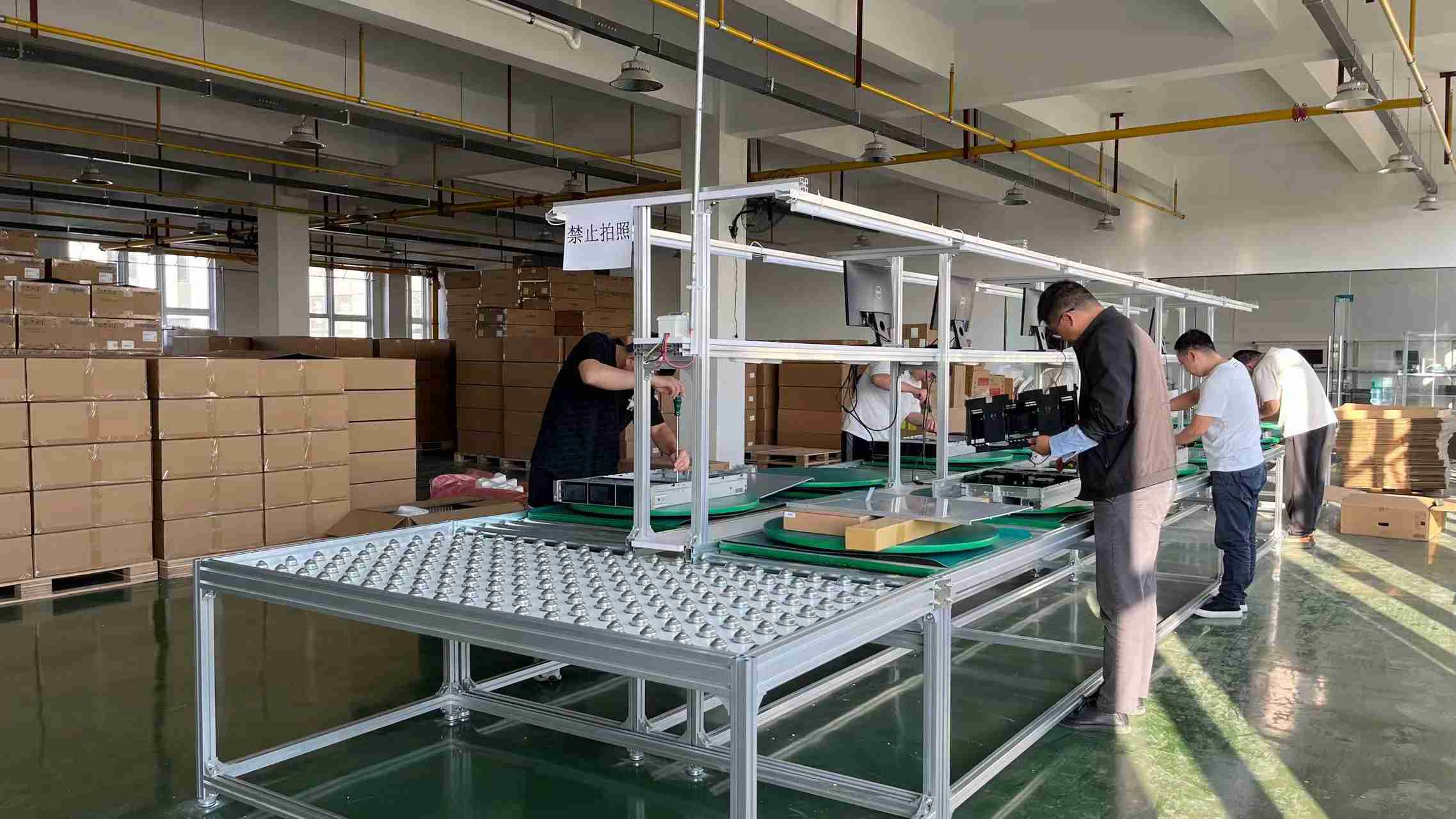
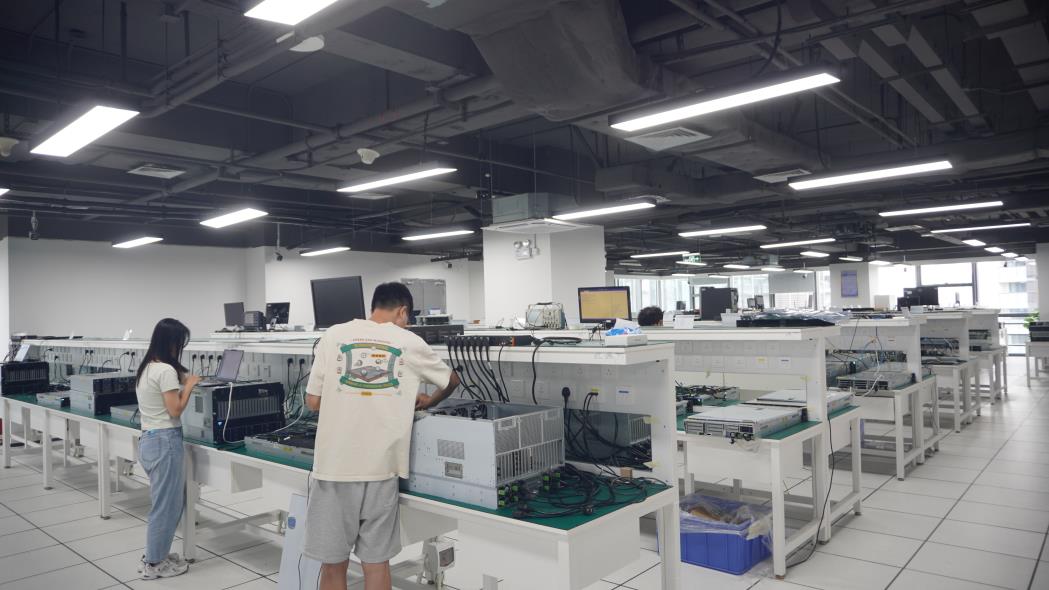
Why global tier-1 brands rely on Kryntel's localized supply chain integration and optimization strategies.
China's dominance in the global PCB manufacturing sector is not merely based on labor cost advantages. It is built on a highly integrated supply chain network, rapid component sourcing, and advanced automated assembly systems. At Kryntel, our production facility combines high-speed Surface Mount Technology (SMT) lines, automated optical inspection (AOI), and multi-stage testing setups to streamline processing from blank PCB to finished PCBA module.
This localized efficiency offers significant cost and time-to-market advantages for custom OEM double-sided circuit board designs. In many Western regions, sourcing basic components like FR-4 laminates, specialty solder masks, and micro-passive components (resistors, capacitors, and ICs) involves long lead times and high logistics costs. Within China's electronics ecosystem, our access to over 1,200 verified partners allows us to procure raw materials in days rather than weeks. This means custom design changes, PCB trace revisions, and prototyping cycles can be completed quickly, accelerating development schedules for new product launches.
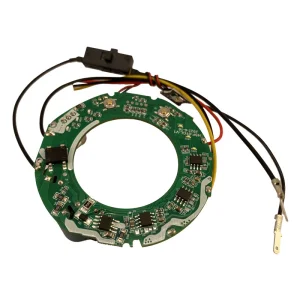
For complex applications—such as our high-speed hair dryer control board PCBA or computer motherboard layouts—we integrate SMT processing directly with the double-sided board manufacturing. This reduces connection interfaces, lowers path impedance, and guarantees superior signal reliability under high-load operations.
Understanding and addressing the complex criteria of international procurement directors, system integrators, and OEM brands.
For international procurement directors, purchasing custom double-sided PCBs involves balancing unit cost, reliability, and regulatory compliance. High-density designs require clean trace layouts with minimal cross-talk, while power electronics need sufficient copper weight (1oz, 2oz, or up to 4oz) to prevent overheating. Additionally, strict adherence to environmental regulations like RoHS and REACH is essential for products entering European and North American markets.
Kryntel addresses these procurement requirements through a transparent engineering and manufacturing workflow. When a client submits a Gerber file, our team of 160 engineers performs a Design for Manufacturability (DFM) review. This process checks trace-to-trace clearance, drill tolerances, and copper balance to prevent common defects like tombstoning during reflow soldering. By resolving potential issues before production begins, we minimize waste, lower manufacturing costs, and ensure consistent quality across production runs.
Expert answers to common engineering, procurement, and logistics questions about custom double-sided PCBs and assemblies.
The standard copper thickness is 1 oz/sq.ft (approx. 35 microns), which meets the requirements of most general applications. For high-current power boards, industrial controllers, or advanced CPU thermal solutions, we can customize copper weights up to 2 oz, 3 oz, or 4 oz to support higher current demands and improve heat dissipation.
We use controlled impedance simulation tools during the DFM process to verify the dielectric constant (Dk) of the FR-4 laminate. We also run automated design rule checks (DRC) to ensure signal paths are separated from ground reference planes. This approach prevents signal degradation and cross-talk, which is particularly important for high-speed systems like DDR5 RAM and complex server motherboards.
For general-purpose boards, Lead-Free HASL is a cost-effective choice. However, for fine-pitch surface-mount components, BGA packaging, or high-frequency memory modules (like DDR4/DDR5), we recommend Electroless Nickel Immersion Gold (ENIG). ENIG provides a flat mounting surface and excellent oxidation resistance, ensuring reliable long-term performance.
Our quality control protocol is managed by a team of 42 QA professionals. We use Automated Optical Inspection (AOI), X-ray testing for solder void analysis, electrical flying-probe testing, and high-temperature aging tests to verify performance. Every batch undergoes final sample testing before shipping to international markets, ensuring reliability and compliance.
Explore our full catalog of high-performance components, desktop memory kits, motherboards, and server-grade CPU coolers.
 Kryntel