Explore our premium core hardware building blocks engineered for smart robotic nodes, sensor controls, and high-frequency calculation arrays.
Founded in 2016, Kryntel Memory Technology (China) Co., Ltd. has established itself as an elite developer and manufacturer of high-density memory sub-systems, high-frequency motherboards, thermal solutions, and sensor-grade PCB assemblies. As the robotics sector undergoes a massive evolutionary pivot toward decentralized Edge AI and Real-Time Motion Control, our component solutions serve as the primary logic and processing engine inside autonomous machines globally.
Operated from our cutting-edge fabrication unit in China, we manage high-mix, high-reliability design structures supporting international OEM, ODM, and contract manufacturing partners. With over 9 years of solid semiconductor industry experience and 6 years of international trade history, Kryntel maintains an annual export value between USD 8 million and 18 million. Our footprint stretches across vital industrial centers in the United States, Germany, India, Brazil, and the UAE.
"To power the robotic systems of tomorrow, components must achieve unparalleled signal integrity and thermal efficiency under extreme operating conditions. That is what Kryntel delivers."
Our infrastructure supports rigorous custom configurations to fit specific embedded form factors and rugged computing environments:
The convergence of robotic process automation (RPA), Machine Vision, and Edge Intelligence is driving unprecedented demand for specialized computing and sensing components.
Modern automated guided vehicles (AGVs) and collaborative robots (Cobots) are no longer simple execution units. They require real-time processing of high-fidelity spatial data. Fast, low-latency, and high-density memory modules (DDR4/DDR5) are essential to feed GPU accelerators and microcontrollers that route paths and coordinate dynamic motor controllers in milliseconds.
Industrial robotic systems utilize multi-layered printed circuit board assemblies (PCBAs) for proximity detection, metal scanning, magnetic orientation, and digital communication protocols. These boards must offer high electromagnetic compatibility (EMC) and resist thermal variations, moisture, and vibrational wear encountered in harsh manufacturing plants.
As computing components shrink while operating at higher clock speeds, thermal bottlenecks become a leading cause of robotic component failure. System integrators prioritize advanced heat dissipation technologies (active copper multi-tube air cooling and liquid block assemblies) to prolong the MTBF (Mean Time Between Failures) of industrial control cabinets.
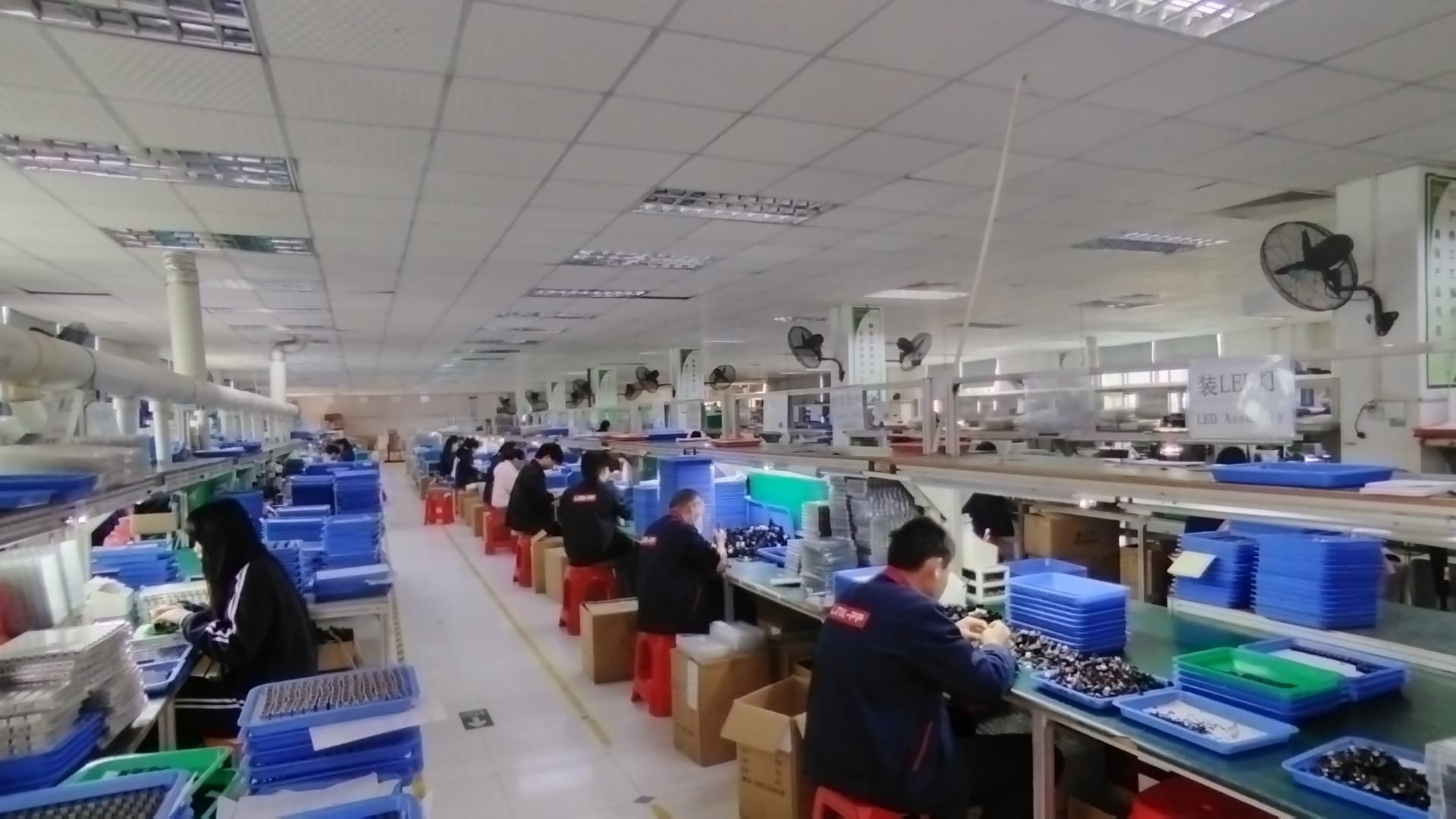
Our raw material planning, high-speed SMT placement, testing, and outbound logistics are run within a highly concentrated electronic manufacturing zone. This geographic concentration gives Kryntel distinct structural advantages:
China operates as the epicenter of global electronic hardware production, featuring an unmatched concentration of raw material refinement, silicon wafer packaging, PCB fabrication, and technical engineering talent. For robotics brands and procurement groups, sourcing from Kryntel ensures an optimized combination of performance reliability, design flexibility, and cost control.
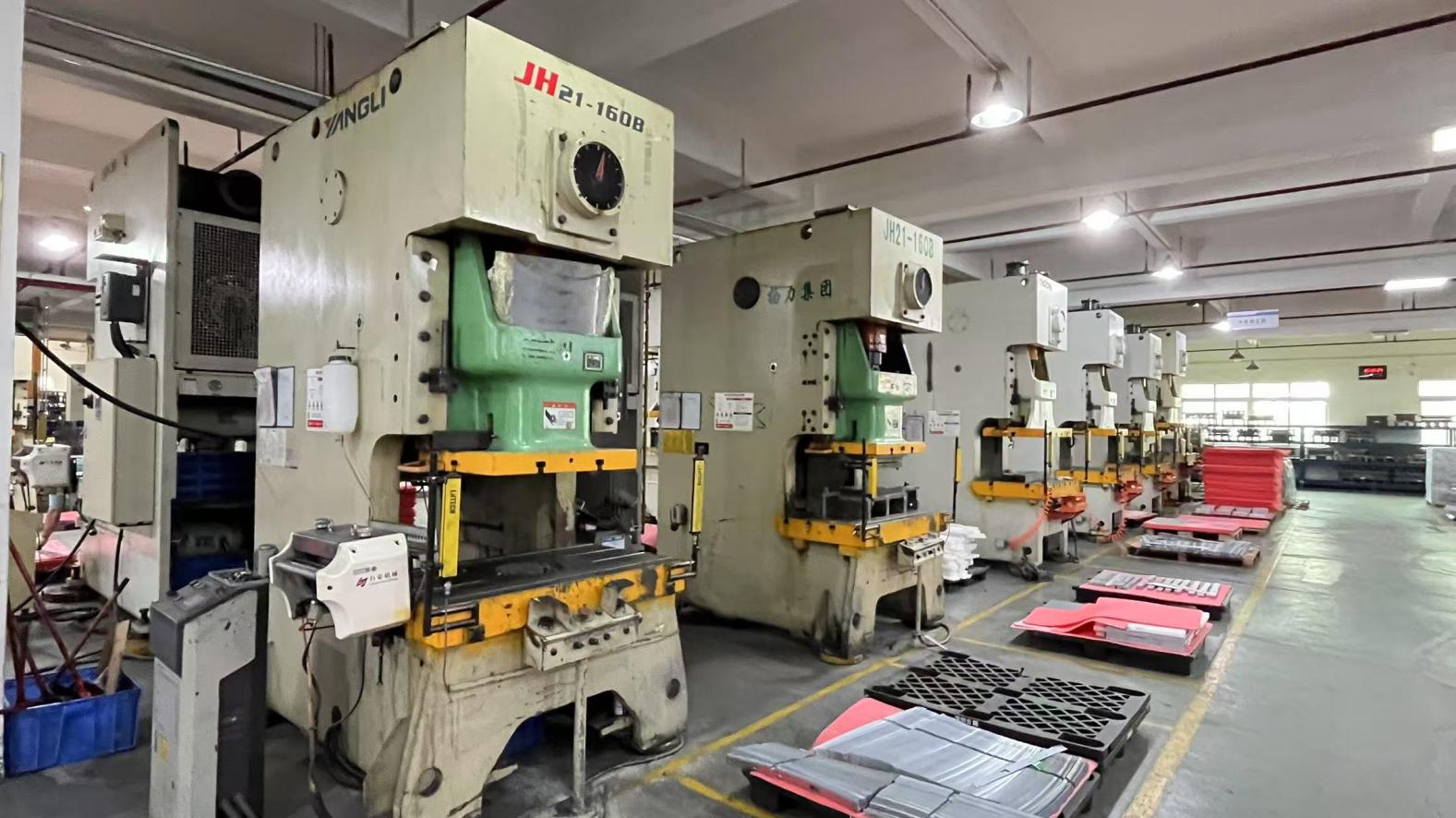
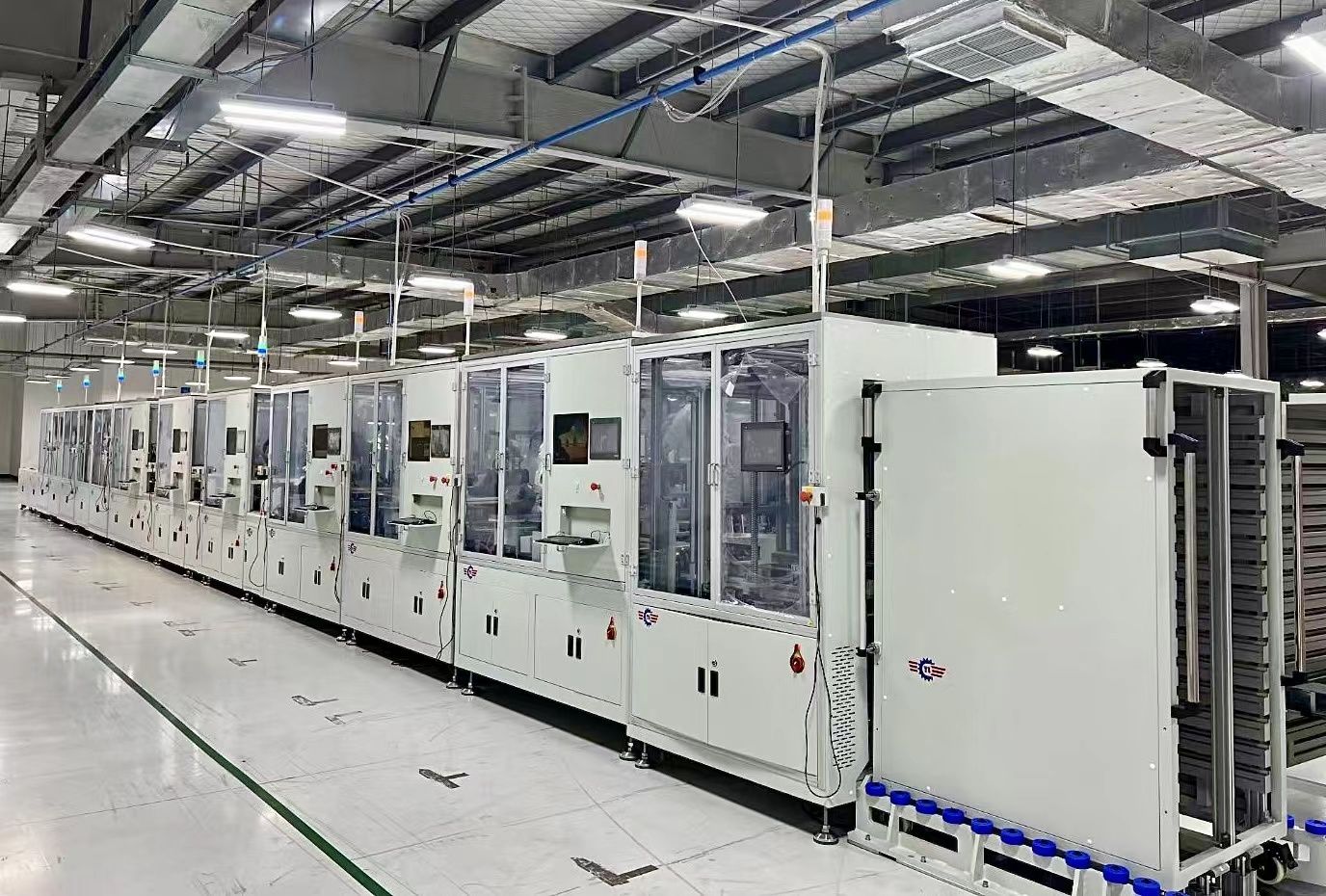
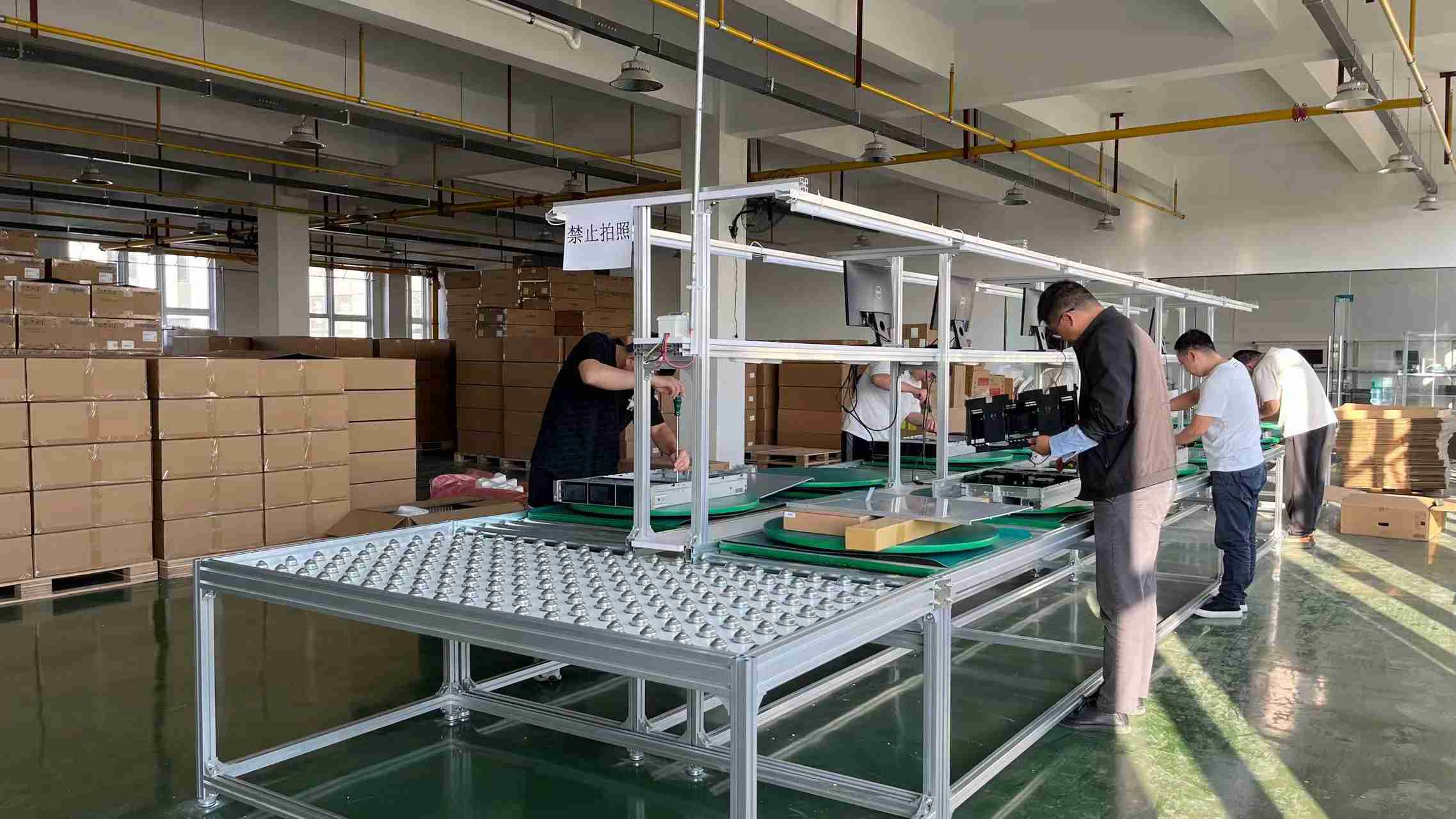
Our facility houses dual-line surface-mount technology (SMT) stations, high-capacity wave soldering arrays, and automated testing bays. These machinery layouts enable us to deliver volume-based pricing for essential hardware components while maintaining strict compliance with international standards such as CE, RoHS, and FCC.
A reference guide to the technical metrics and customization profiles supported by Kryntel Memory Technology.
| Component Group | Primary Specifications Supported | Common Robotic Application |
|---|---|---|
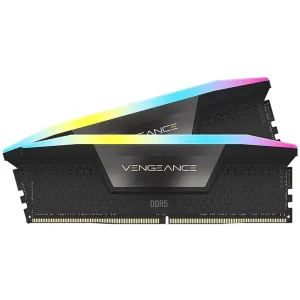
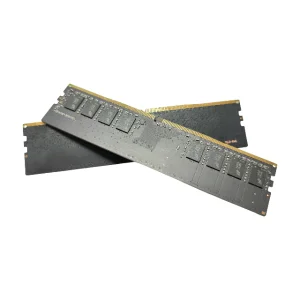
| DDR5 Memory Arrays | 16GB to 64GB / 6000MHz to 6800MHz / RGB option / On-die ECC | Real-time path planning, multi-sensor inputs, edge AI engines |
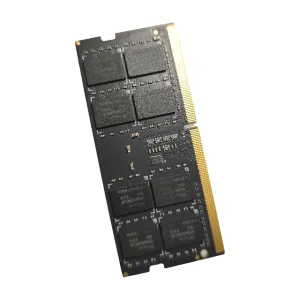
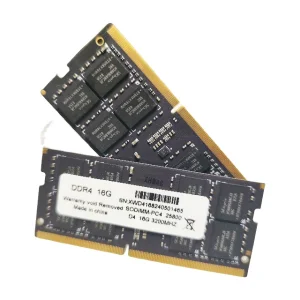
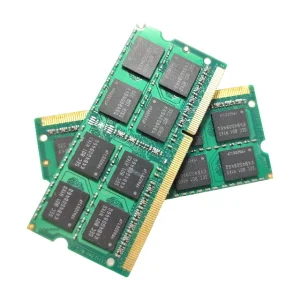
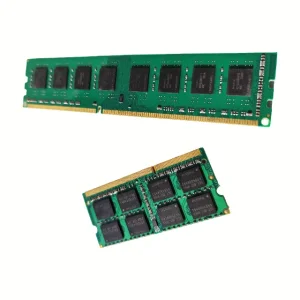
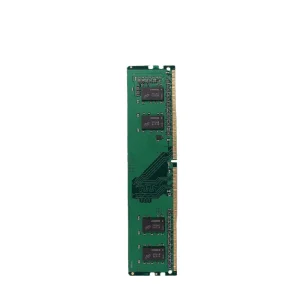
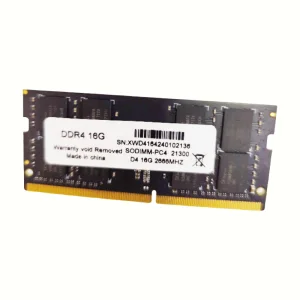
| DDR4 Memory Modules | 4GB to 32GB / 1600MHz to 3200MHz / ECC & non-ECC / SODIMM & UDIMM | HMI Panels, AGV controllers, legacy automation PLC gateways |
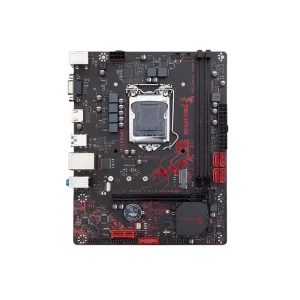
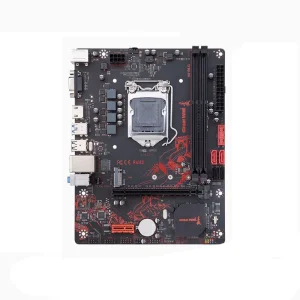
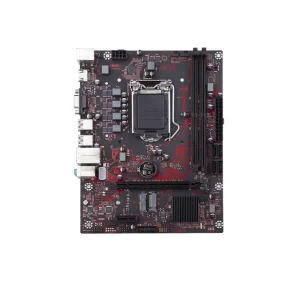
| Embedded Motherboards | Compact M-ATX formats / H81, H311, H510 chipsets / Extended I/O ports | Central processing units for heavy robotic cells and vision systems |
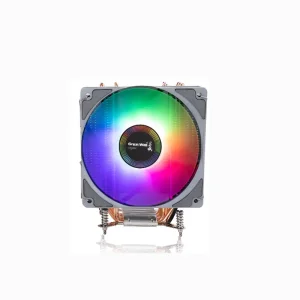
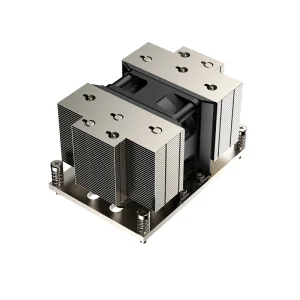
| Thermal Cooling Arrays | 6-Tube copper bases / Red LED options / up to 220W TDP cooling capacity | Heat mitigation for high-draw controller computing boxes |
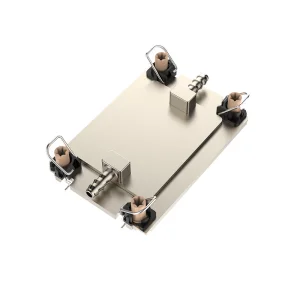
| Server-Grade Liquid Cooling | LGA4677, LGA4189 blocks / Full-copper structural layout / 400W+ capability | Localized Edge computing servers running deep learning robot models |
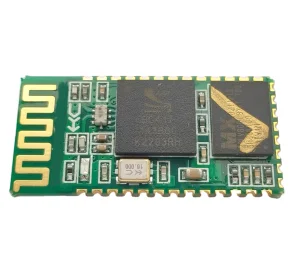
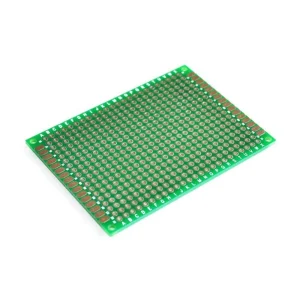
| Custom PCB Assemblies | Single/Double-sided prototype runs / Specialized sensor interfaces | Metal detectors, safety perimeter scanners, dynamic load sensors |
How our component portfolio forms the backbone of critical automation and smart processing tasks across industries.
Precision joints and servo-drives demand microsecond response times. Our customized, low-latency DDR4 RAM modules and rugged H81/H311 motherboards act as the core logic boards inside industrial control cabinets, facilitating fluid multi-axis movement without jitter.
Fleet vehicles navigating active warehouses use LiDAR, cameras, and proximity sensors to map routes. The original high-sensitivity PCB assemblies and compact memory cards we build process these intense spatial streams locally, ensuring instant obstacle avoidance.
Processing deep-learning visual inspection software on factory floors generates significant heat loads. By combining server-grade DDR4 ECC memory with LGA4189/LGA4677 high-capacity cooling blocks, we enable continuous, high-speed sorting and defect detection.
The global industrial sectors are shifting from basic assembly designs toward highly connected networks. To remain competitive, future robotic components must adapt to three core trends:
1. Widespread DDR5 Migration: The massive data bandwidth of DDR5 (up to 6800MHz and beyond) is fast becoming the standard for modern automated facilities. This memory architecture supports the memory-intensive computing needed for multi-camera spatial navigation.
2. Increased Focus on On-Device ECC: To prevent data corruption in high-EMI (Electromagnetic Interference) environments, manufacturers are choosing memory with Error-Correcting Code (ECC) to protect processing channels in crucial medical and aerospace operations.
3. Advanced Thermal Management: The rise of power-dense processors on the edge requires robust thermal systems. Compact CPU coolers with multi-tube direct-contact arrays are essential to prevent heat-throttling in sealed, dustproof housings.
At Kryntel, our R&D group is focused on supporting these transitions:
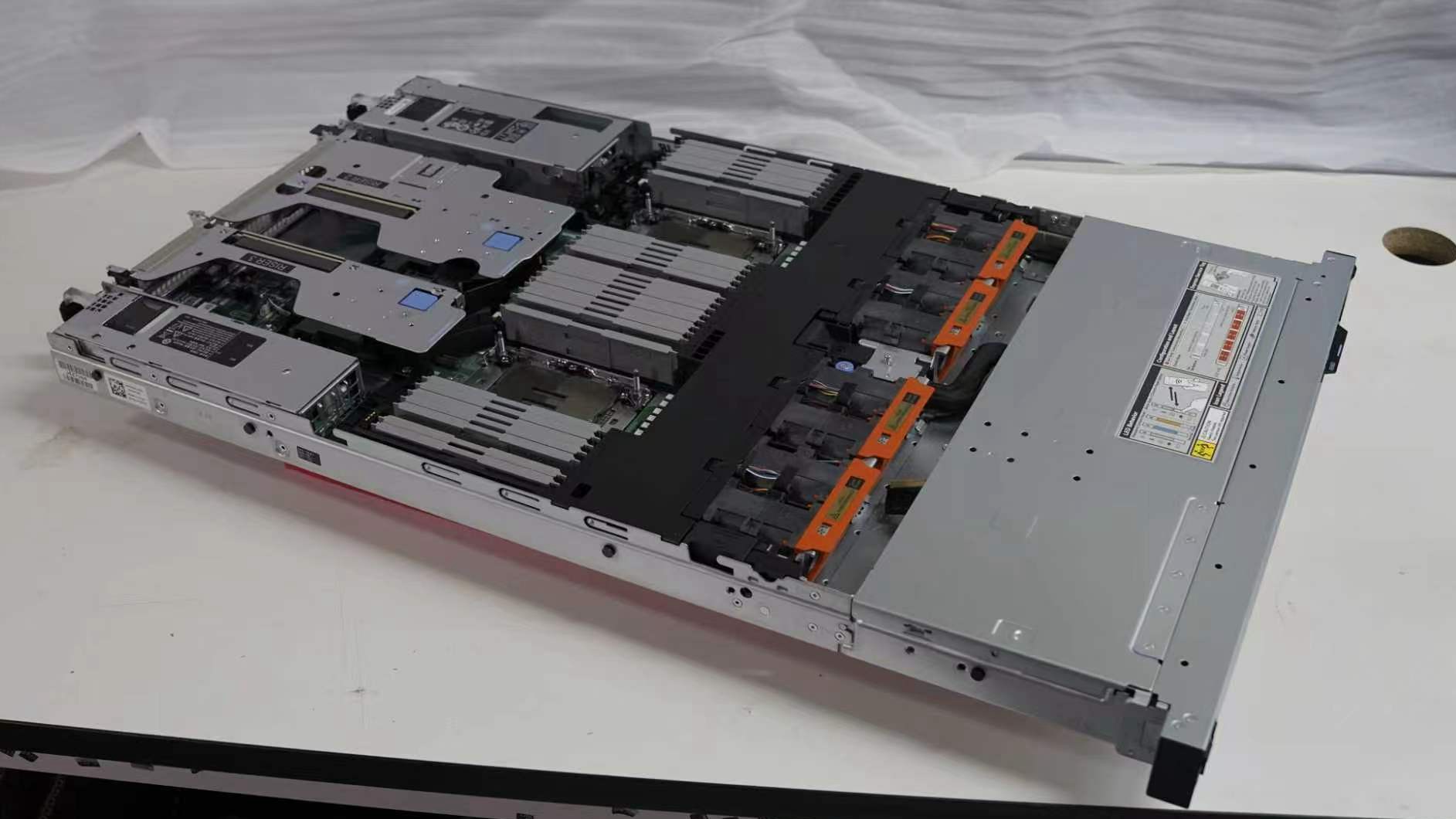
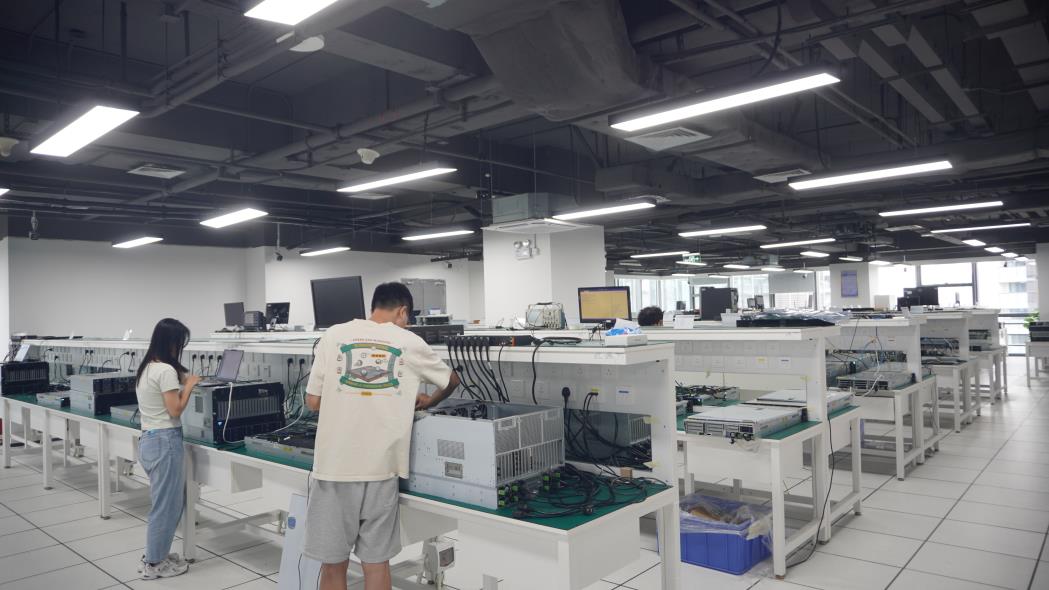
Take a virtual tour of our verified manufacturing workflows and physical production footprints in China.
Find authoritative answers regarding our engineering capability, wholesale processes, and OEM customization services.
Our QA process involves a multi-stage workflow: Incoming Quality Control (IQC) for silicon and base components, In-Process Quality Control (IPQC) during SMT assembly, 100% full-load burn-in testing under elevated temperatures (60°C to 85°C), motherboard compatibility testing across multiple hardware chipsets, and Outgoing Quality Control (OQC) inspections overseen by our team of 42 QA professionals.
Yes. Through our R&D engineering team, we provide deep customization of memory components, including optimizing latency profiles, modifying voltage configurations, and reprogramming Serial Presence Detect (SPD) data. This ensures seamless operation with specific industrial CPUs and customized embedded systems.
For custom PCB prototypes, our design-to-sample phase usually takes 7 to 10 working days, depending on board complexity. Once the design is validated, volume production runs are typically completed and ready for export within 15 to 25 calendar days.
Yes, our cooling catalog spans standard consumer platforms (such as LGA1700) up to enterprise server architectures (LGA4189 and LGA4677). We manufacture custom heat copper blocks and high-TDP water-cooling plates tailored to meet the exact mounting pressure and thermal demands of these platforms.
We maintain long-term partnerships with approximately 1,200 upstream and downstream suppliers. This diverse sourcing network guarantees a stable supply of DRAM chips, multi-layer PCBs, and raw materials, minimizing lead time fluctuations even during periods of high demand.
Complete your design integration with our robust motherboard arrays, high-TDP processors cooling systems, and specialized memory layouts.
 Kryntel