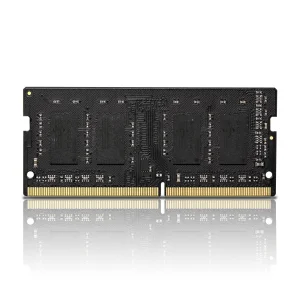
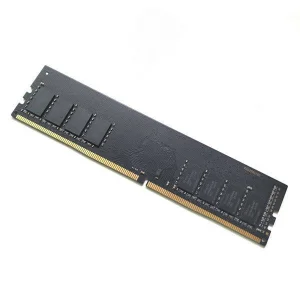
High-performance processing units, system motherboards, industrial PCB assemblies, and original DRAM chip laptop RAM modules.
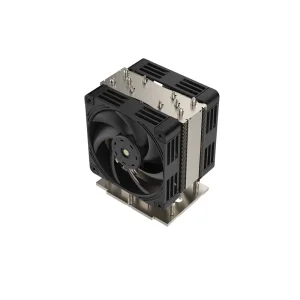
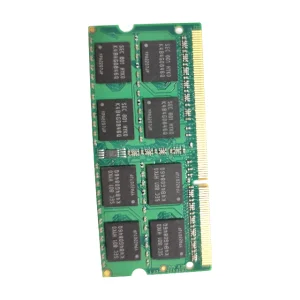
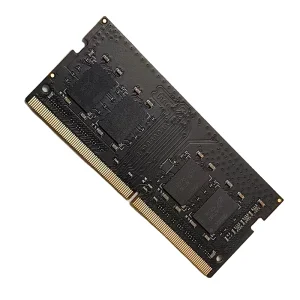
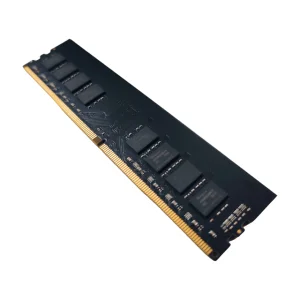
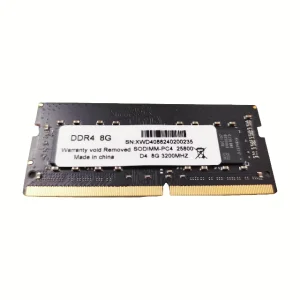
The global portable computing landscape is experiencing a paradigm shift. Driven by advanced edge-AI integration, high-density modeling, and local virtualization, the requirements placed on modern laptop RAM memory have moved far beyond generic specifications. Today, system integrators, OEM laptop manufacturers, and enterprise purchasers must evaluate RAM components not merely as commodities, but as foundational pillars of hardware performance, stability, and system lifecycle longevity.
As a leading China Wholesale Laptop RAM Memory Manufacturer & Exporter, Kryntel Memory Technology (China) Co., Ltd. is positioned at the intersection of raw material resilience, chip packaging architecture, and advanced quality testing. This document explores the critical technical metrics, market trends, and manufacturing innovations that define enterprise-grade memory manufacturing today.
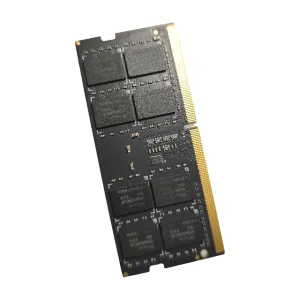
For several years, Double Data Rate 4 (DDR4) SODIMM modules have served as the workhorse of enterprise notebook setups, hovering at frequencies between 2133MHz and 3200MHz. However, the introduction of multi-core CPU architectures from Intel and AMD has created memory bandwidth bottlenecks. The industry has swiftly pivoted to DDR5 technology to alleviate this restriction.
Global procurement directors and supply chain managers face multifaceted challenges when sourcing memory products in bulk. Price volatility in the DRAM spot market, variable chip grade classifications (original dies versus downgraded/re-balled components), and compatibility issues across diverse OEM BIOS configurations represent significant risks. The modern purchasing manager's primary intent is to secure a partner capable of offering:
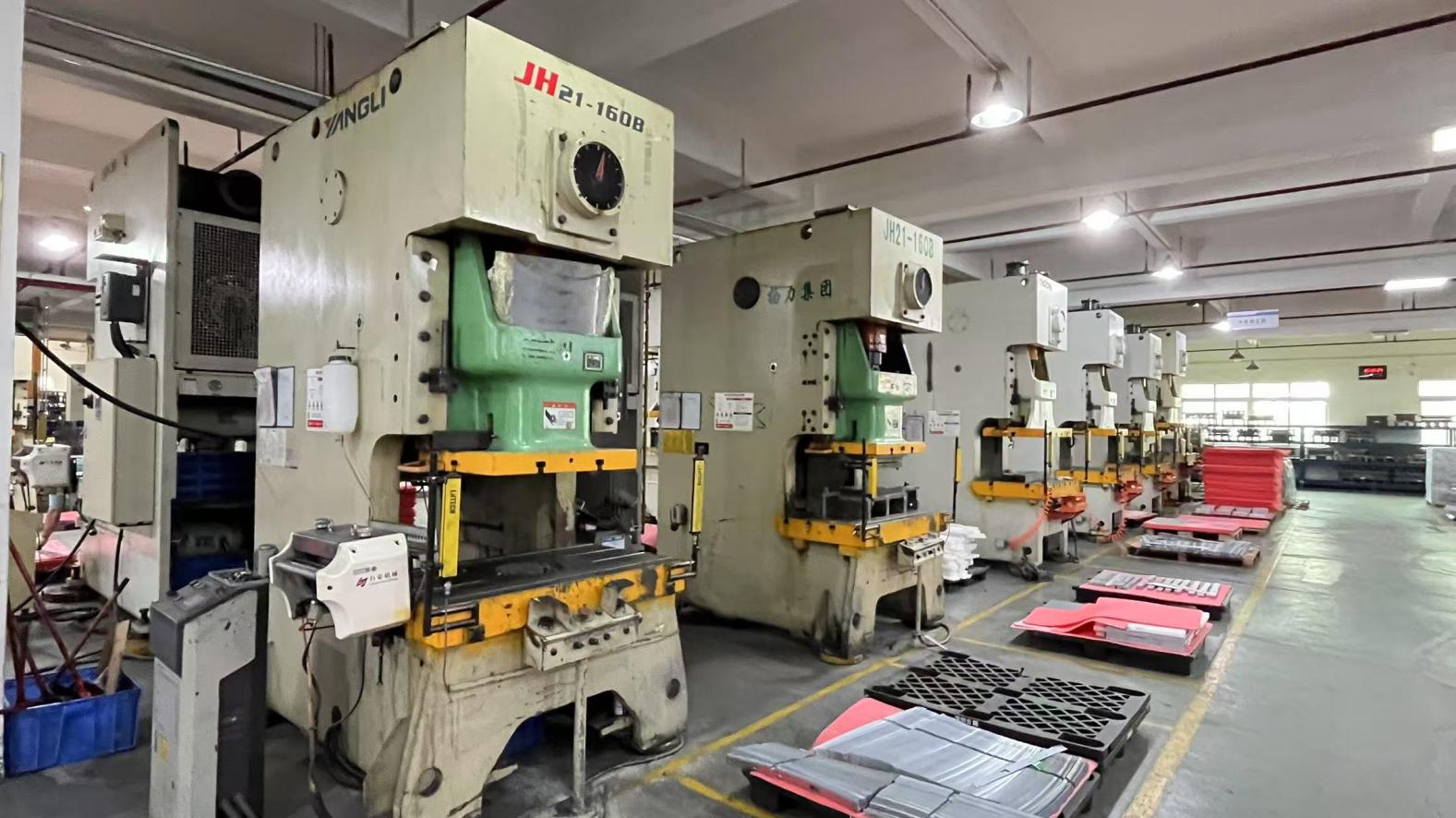
Sustaining a reliable semiconductor export supply requires advanced production environments and a tightly integrated local component ecosystem. China's manufacturing superiority in this domain stems from both technology and geographic positioning.
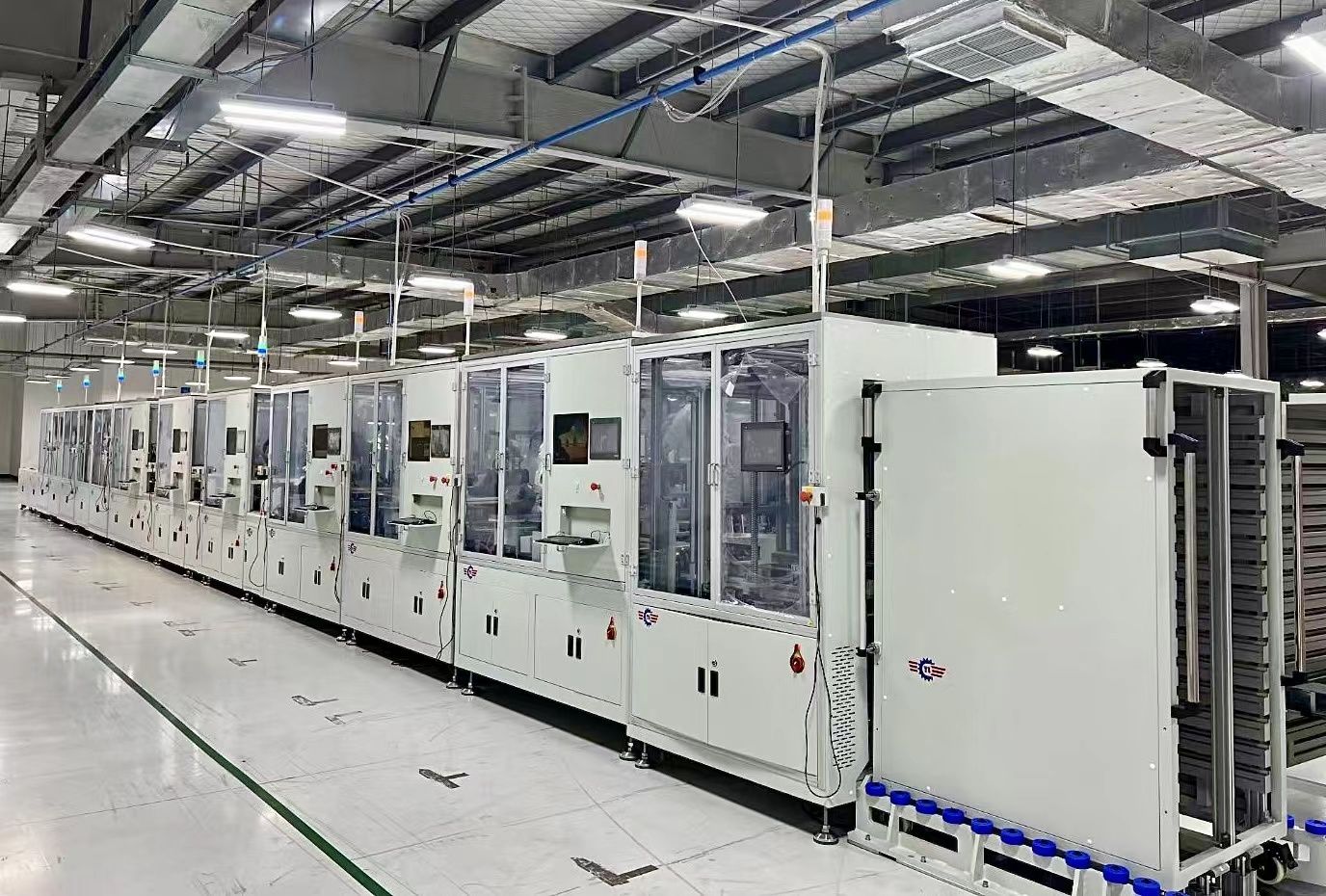
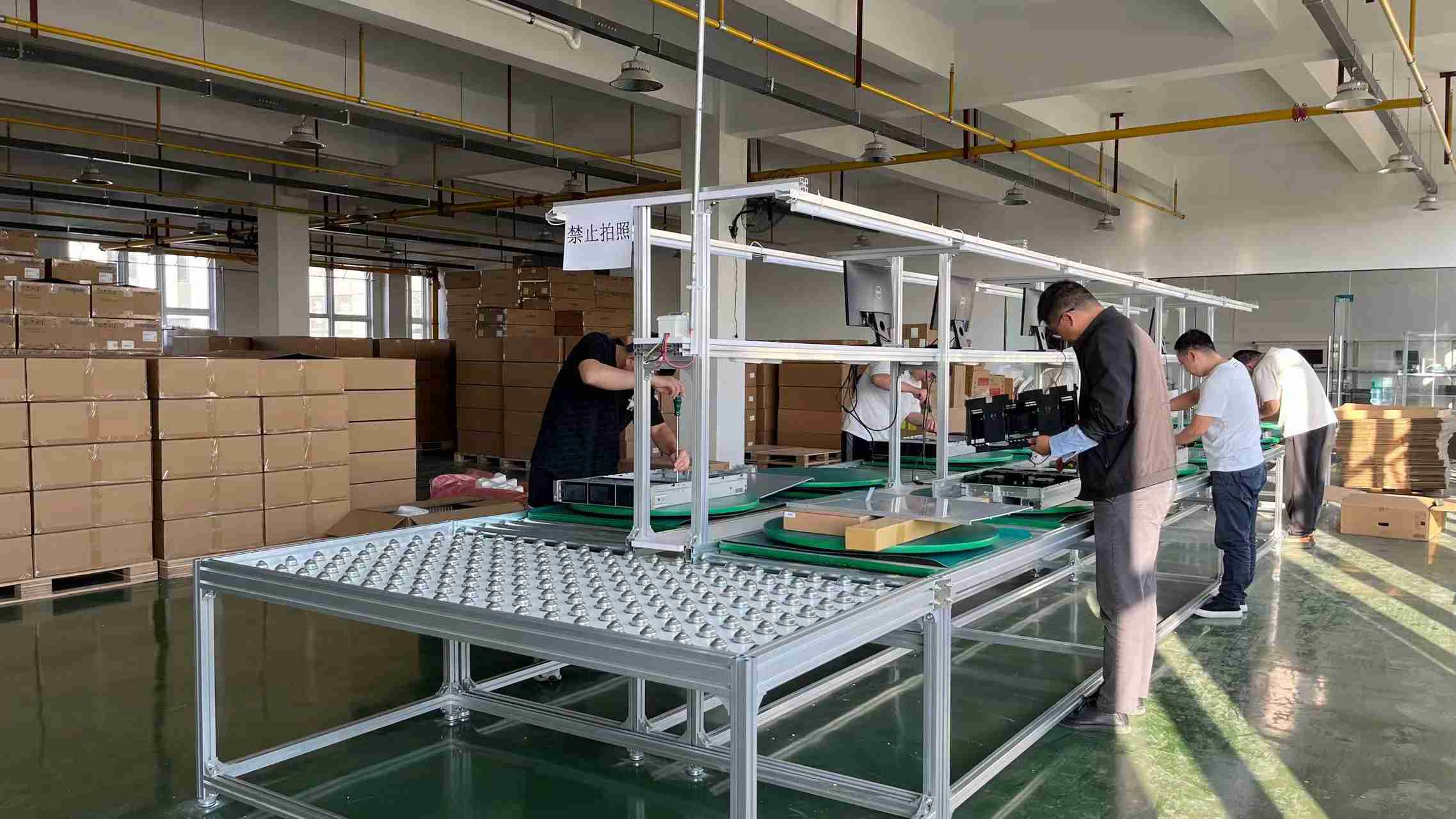
Our facility employs automated, high-precision Surface Mount Technology (SMT) assembly lines where solder paste printing, high-speed chip placement, and multi-zone reflow ovens are digitally monitored. Continuous feedback loops ensure that trace impedances, capacitor alignments, and chip-to-board solder joints adhere to IPC-A-610 Class 3 electronics assembly standards. This manufacturing rigor reduces thermal stress during deployment, ensuring that memory modules operated in harsh conditions—such as ruggedized military-grade field laptops—retain their structural and signal integrity over decades.
Laptop RAM modules are no longer limited to consumer laptops. We optimize our DDR4 and DDR5 SODIMM configurations for targeted applications:
Under the hood of Kryntel's advanced semiconductor engineering and manufacturing processes.
Every batch of DDR4 and DDR5 SODIMM modules undergoes elevated temperature burn-in testing. Operating under continuous memory-stress diagnostic tools (including customized MemTest86 cycles) inside closed chambers at up to 85°C ensures that weak DRAM cells or micro-solder cracks are detected and weeded out prior to international shipping. This process guarantees our exceptionally low RMA rate of under 0.2%.
Our supply chain includes deep upstream relationships with top global chip fabricators. We source premium-grade wafers and packaged DRAM dies from major semiconductor leaders, ensuring high signal headroom, low electromagnetic interference (EMI), and excellent overclocking resilience. Coupled with high-grade, multi-layer FR4 PCBs, our memory sticks offer robust signal pathway routing.
We offer comprehensive tailoring that goes beyond basic cosmetic labels. Our engineers assist clients in optimizing heat spreader materials (including aluminum alloy coatings and thermal pad integrations), coding custom SPD values to support specific target platforms, optimizing motherboard BIOS handshake protocols, and engineering custom packaging suited for B2B wholesale distribution.

Technical and logistical insights to streamline international wholesale acquisitions.
Every memory module manufactured by Kryntel uses strictly sorted DRAM chips. We operate an advanced incoming quality control (IQC) phase where wafers and packaged dies undergo testing via Automated Test Equipment (ATE) to verify timing registers, electrical resistance, and frequency limits. This ensures that only high-quality DRAM dies are integrated onto our SMT lines, preventing the intermittent system crashes or premature degradation associated with lower-tier recycled chips.
We provide full-spectrum OEM and ODM services. Customizations include PCB layout design (e.g., custom trace routing for non-standard motherboard dimensions), layer thickness (typically 8 to 10 layers for optimal signal shielding), SPD firmware programming (programming customized JEDEC latency standards, serial numbering, and manufacturer IDs), custom aluminum/copper heat spreaders with logo embossing, and tailor-made ESD-safe blister packaging designed for industrial installation or retail markets.
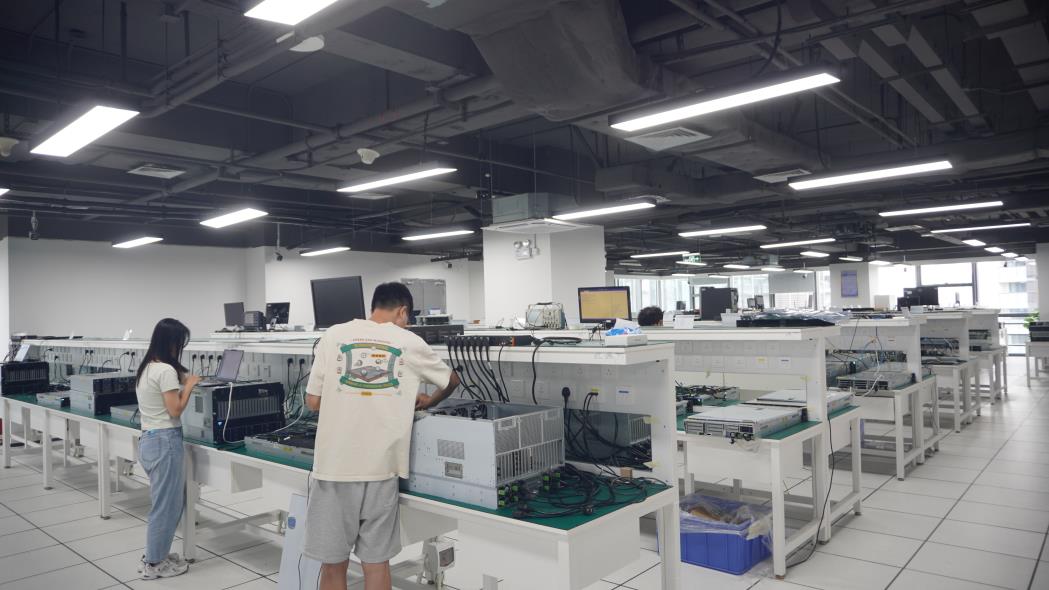
We maintain an active physical test lab containing over 200 different notebook motherboards and reference system designs spanning the latest AMD Ryzen and Intel Core generations. During the R&D and IPQC phases, memory samples are tested for cold-boot stability, power-state transitions (S3 sleep, S4 hibernate, and hybrid shutdown), extreme data throughput stress, and dual-channel interleaving compatibility. We periodically update our Qualified Vendor List (QVL) to support seamless integration for computer brand owners and system builders.
With an annual export value between USD 8 million and 18 million, our export logistics team is highly experienced in navigating customs clearances, tariff declarations, and shipping standards. For standard memory configurations, our lead time typically ranges from 7 to 15 business days depending on order size. For highly customized OEM runs involving custom PCB fabrication, lead times are approximately 20 to 30 days. We ship internationally via reliable air freight forwarders (DHL, FedEx, UPS) and major sea freight networks, offering flexible FOB, CIF, or DDP terms depending on client region.
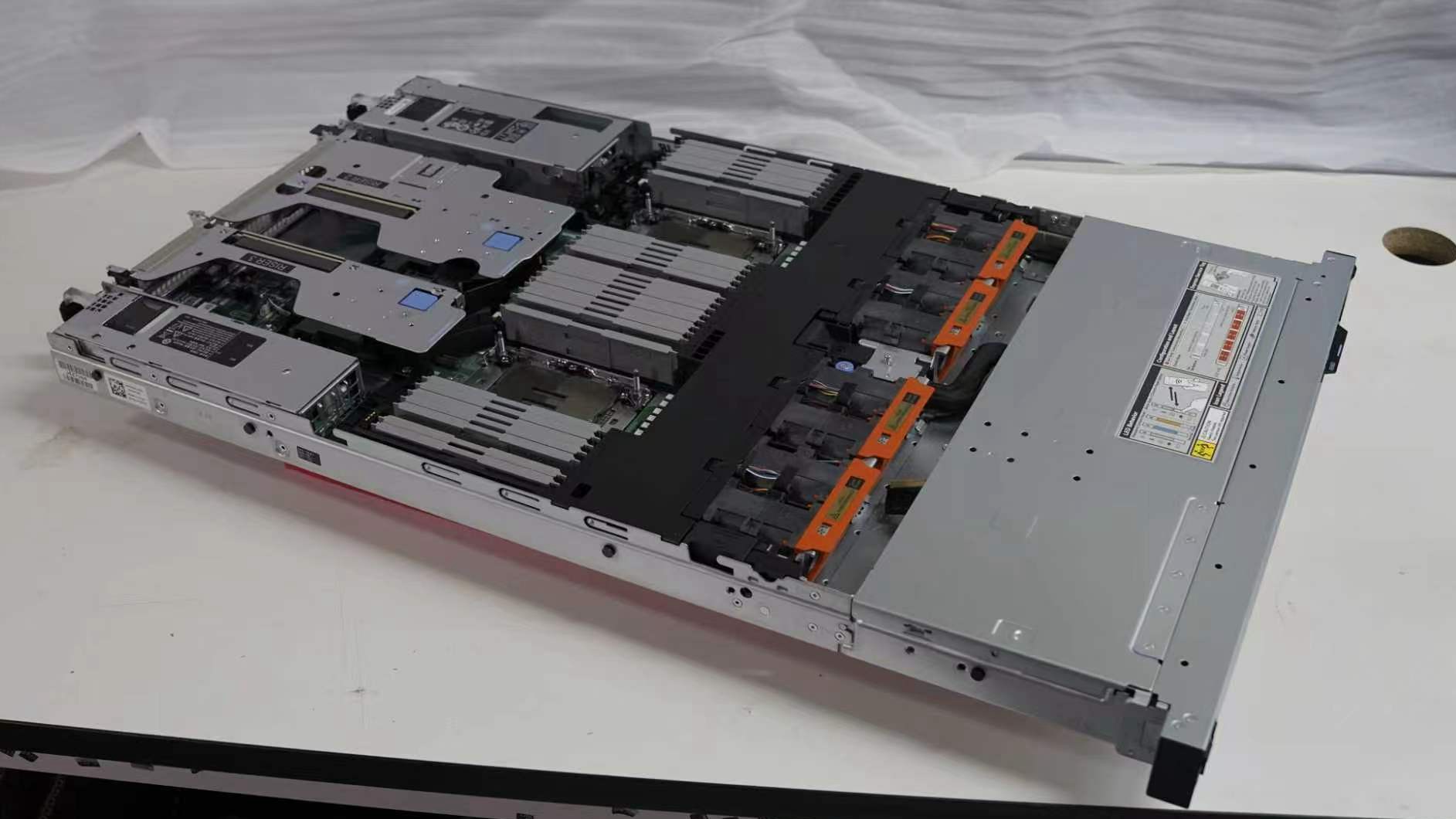
Yes. In addition to our consumer-grade SODIMMs, we manufacture dedicated ECC SODIMMs (both DDR4 ECC SODIMM and next-generation DDR5 with On-Die and Sideband ECC features) specifically designed for mobile workstation notebooks, edge server blades, and micro-servers. Please specify your target platform’s memory architecture when submitting a RFQ so that our R&D department can supply the appropriate SPD firmware profile.
High-performance laptop memory kits, server-grade DIMMs, and motherboard component solutions.
 Kryntel