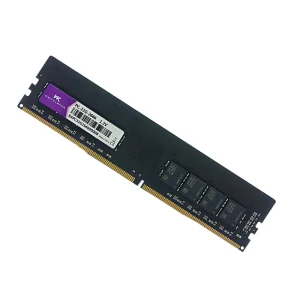
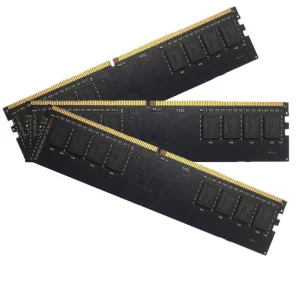
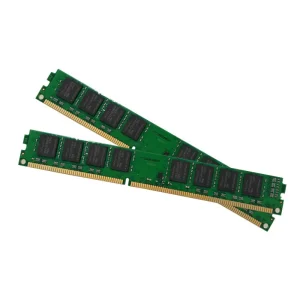
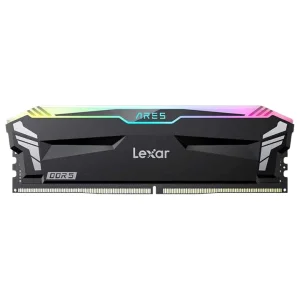
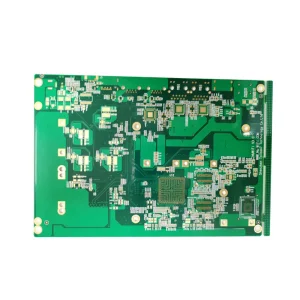
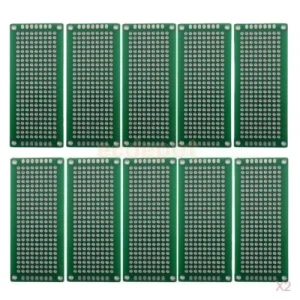
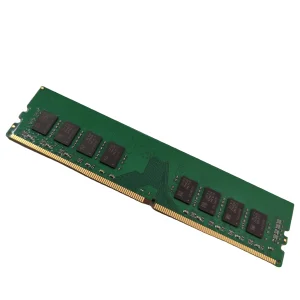
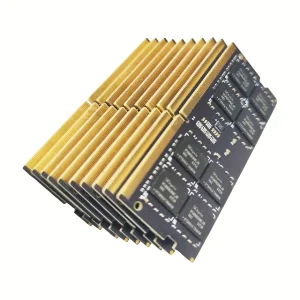
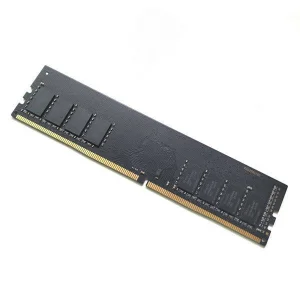
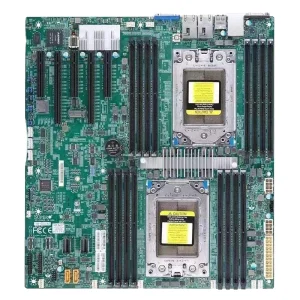
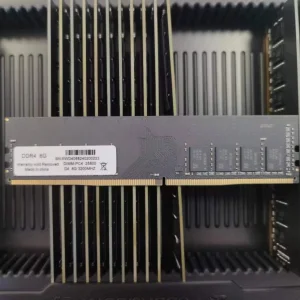
Premium OEM/ODM memory modules, double-sided PCBs, and thermal solutions engineered for critical high-performance compute architectures.
Global demand for advanced computation, Ray Tracing, and Artificial Intelligence (AI) acceleration has made high-quality graphics cards and custom VRAM memory integration crucial. Procurement managers look to China's semiconductor clusters not just for cost advantages, but for advanced technical integration. In cities like Shenzhen and Dongguan, SMT (Surface Mount Technology) precision, advanced PCB routing, and high-bandwidth memory (VRAM) layout validation come together in a streamlined supply chain.
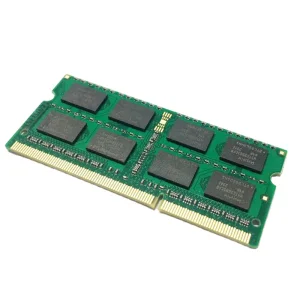
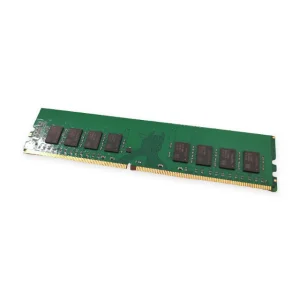
For large-scale deployments, working directly with manufacturers like Kryntel Memory Technology (China) Co., Ltd. ensures technical compatibility and reliable signal integrity. Kryntel integrates DDR4, DDR5, and localized circuit board components, helping system integrators configure hardware for intense graphic and server workloads.
Our infrastructure matches current B2B purchasing standards. By working closely with chip designers, precision component manufacturers, and logistics partners, we lower supply chain risks for clients in North America, Europe, and Asia.
A trusted global supplier of memory interfaces, custom PCB designs, and hardware components built to international quality standards.
Founded in 2016, Kryntel Memory Technology (China) Co., Ltd. is a specialized manufacturer focused on high-performance RAM modules, advanced PCB fabrication, and high-capacity memory interfaces for global OEM, ODM, and private label partners. Running a precision validation and SMT layout facility of approximately 320㎡, Kryntel works closely with major component suppliers to provide stable, energy-efficient solutions for gaming, industrial computer hardware, and server designs.
Over the years, Kryntel has built strong export capabilities, generating annual export revenues between USD 8 million and USD 18 million. Backed by 6 years of export experience and 9 years of industry expertise, our engineering teams are skilled in managing international trade standards, customs clearing, and custom firmware/hardware needs.
We work with an extensive global network of about 1,200 partners, giving us stable access to key DRAM chips, controllers, and passives. Our main customers include computer brand owners, system integrators, international distributors, and e-commerce sellers.
Kryntel's research and development team is a core asset. Our R&D division has approximately 160 engineers specializing in memory layouts, high-speed signal designs, and overall product reliability. In the past year alone, we launched over 280 new memory and board-level solutions across DDR4 and DDR5 configurations.
We handle everything from PCB design optimization and frequency tuning to thermal dissipation engineering and brand packaging. This flexibility helps us support clients with customized options such as custom latencies, frequency profiles, heat spreaders, and specific packaging specifications.
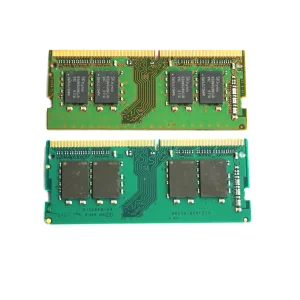
Every component, including DRAM dies, PMICs, board materials, and passive parts, undergoes strict inspection before reaching the assembly line to prevent component failures.
Automated Optical Inspection (AOI) scans solder joints and component alignments after SMT reflow. Technicians also carry out visual and electrical tests to verify routing paths.
Finished assemblies are placed in high-temperature burn-in chambers to test them under thermal stress. We also run compatibility checks on major server and consumer motherboards.
Graphics cards and high-speed memories operate in hot, high-stress environments. A single component failure can cause system downtime. That's why Kryntel maintains a 42-person QA department that oversees every phase of production.
Our quality control system uses advanced machinery to run signal integrity tests, high-frequency bandwidth analysis, and voltage tolerance checks. Our components are designed to handle voltage swings and thermal changes, ensuring stable, long-term performance.
Our strict standards help minimize Return Merchandise Authorizations (RMAs). We target an RMA rate below 0.5% for all exported products, offering peace of mind to our distributors and B2B buyers worldwide.
Key technical specifications and engineering requirements that global buyers evaluate during procurement.
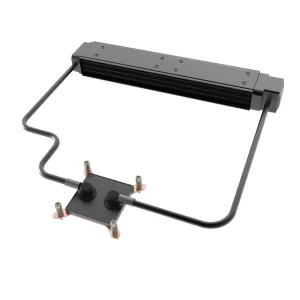
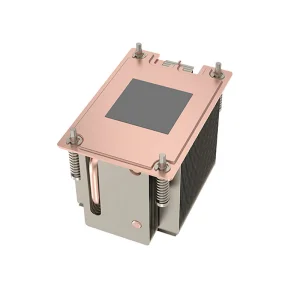
Modern high-TDP systems need efficient heat dissipation. Systems use composite copper-aluminum heat sinks, vapor chambers, or active liquid cooling solutions to prevent thermal throttling and maintain performance.
High-speed DDR5 memory and PCIe Gen 4/5 interfaces need precise PCB trace routing and impedance control. We optimize designs to minimize crosstalk and ensure clean data transmission.
Stable voltage regulation modules (VRMs) and solid-state capacitors protect components during peak loads. Solid power delivery is essential for GPUs and servers running continuous workloads.
Exporting electronics requires strict adherence to international regulations. Kryntel ensures all exported memory modules, PCBs, and hardware assemblies meet regional certifications. This documentation helps minimize shipping delays and simplifies import procedures.
We work with international compliance standards including CE (Europe), FCC (United States), RoHS, and REACH. These certifications confirm that our products meet safety, electromagnetic compatibility, and environmental guidelines.
We also offer localized logistics support, tailored packaging, specific labeling (including barcodes and serial numbers), and custom packaging inserts. These services help our clients prepare products for immediate distribution in their local markets.
Our hardware components and systems are deployed across various demanding environments.
The hardware manufacturing sector is evolving quickly, driven by new computing demands. One major trend is the growth of AI PC hardware. Consumer and business computers now include dedicated chips (NPUs and GPUs) for on-device AI model processing. This transition requires high-bandwidth memory (such as LPDDR5X and GDDR6/GDDR7) with wider interfaces to prevent performance bottlenecks.
Another shift is the adoption of the PCIe Gen 5 interface, which offers twice the bandwidth of PCIe Gen 4. This change allows faster data transfers between storage, GPUs, and the CPU, but it requires highly precise PCB layouts, low-loss materials, and advanced signal repeaters to maintain integrity.
At the same time, businesses are focusing more on sustainability. SMT lines are shifting toward lead-free, energy-efficient soldering processes. Packaging is also changing to use recyclable and biodegradable materials, helping global brands meet ESG (Environmental, Social, and Governance) targets.
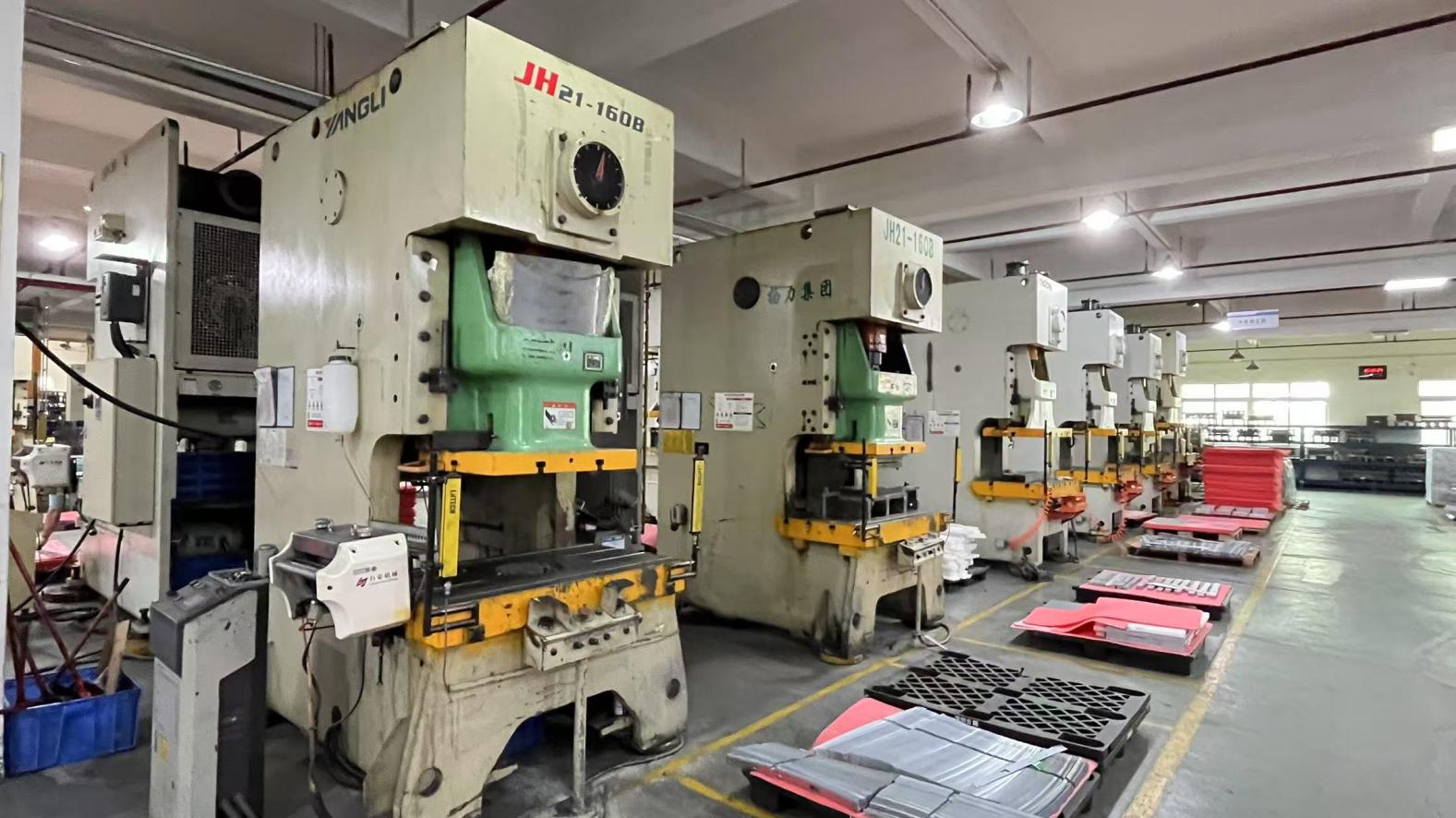
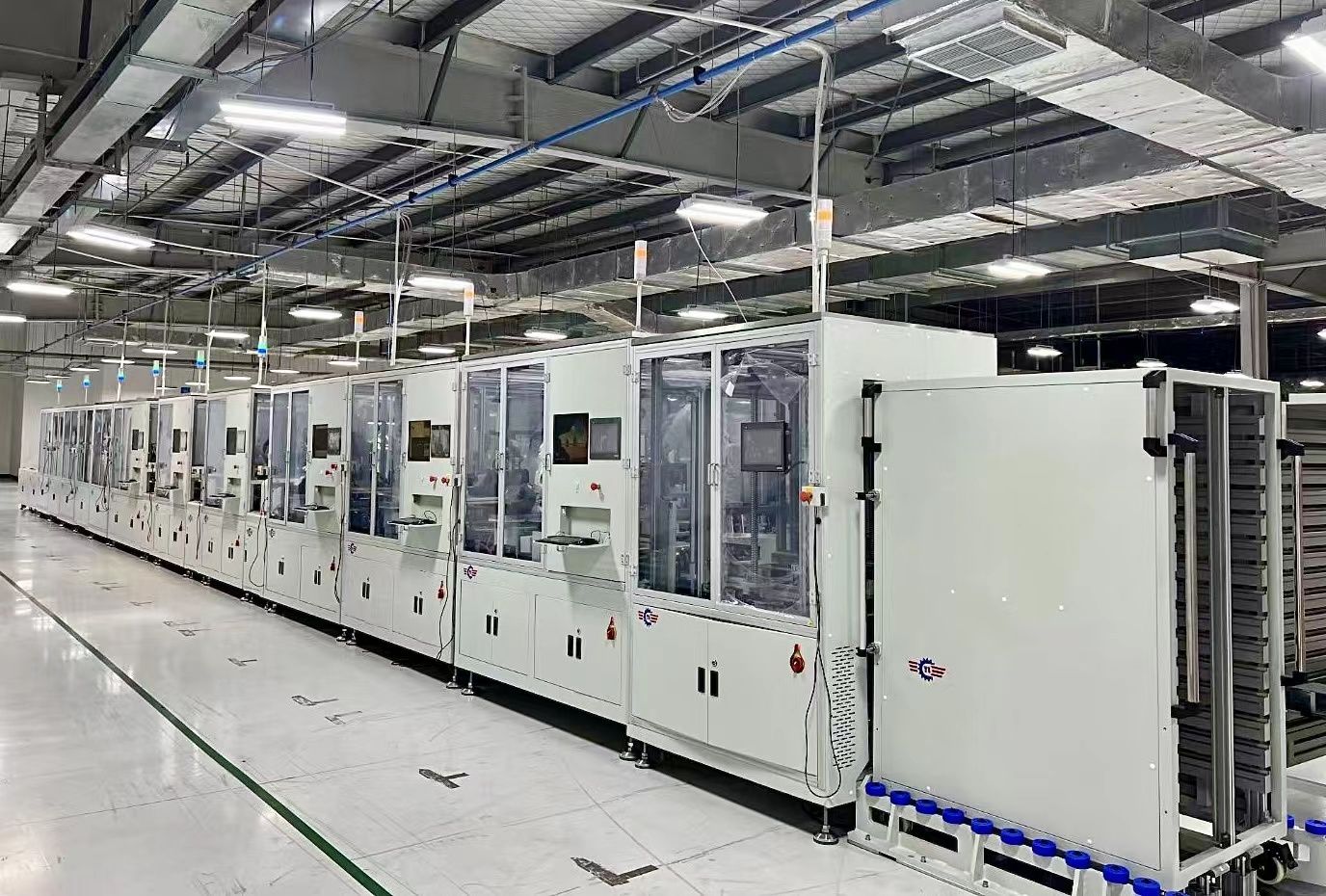
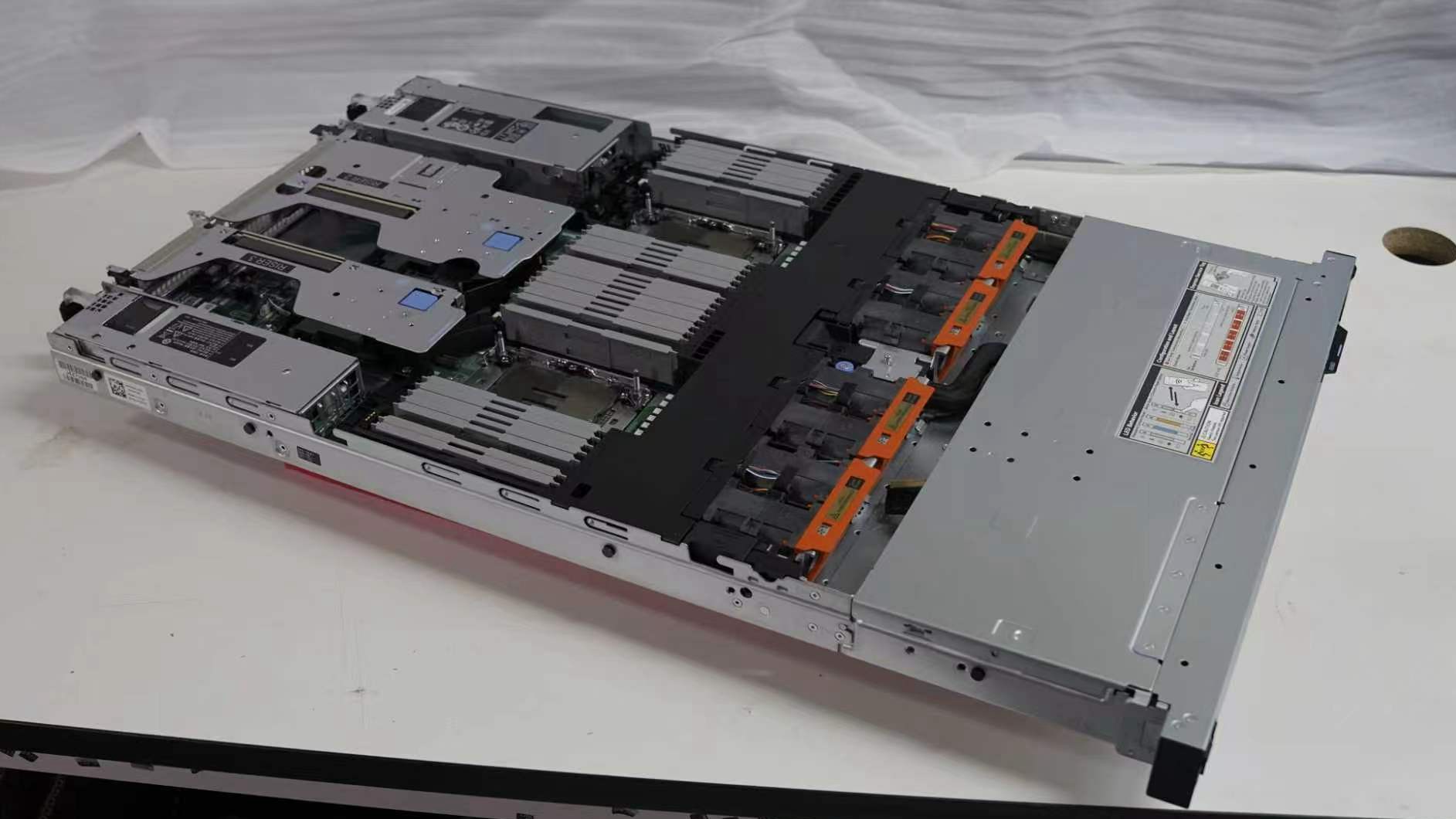
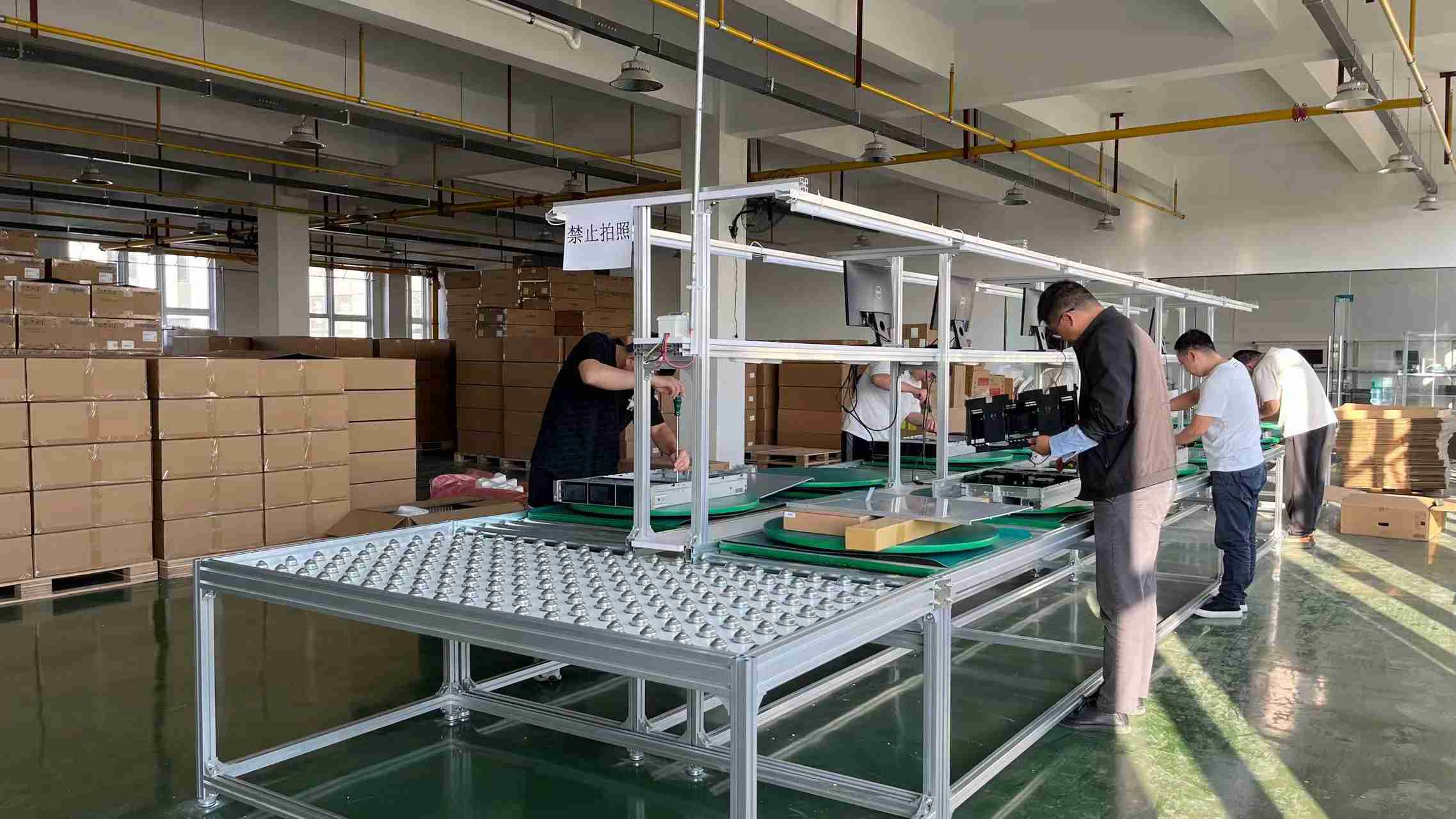
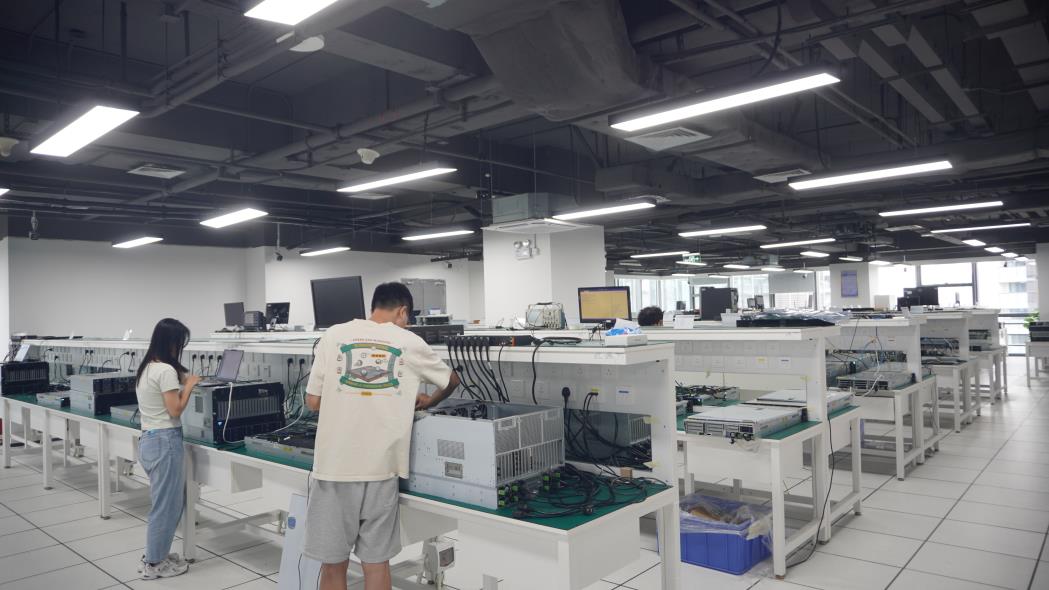
A look inside our partner manufacturing sites, highlighting cleanroom assembly, SMT lines, and testing infrastructure.

Complete your configurations with our thermal design products, liquid coolers, motherboards, and memory modules.
Common questions from procurement managers, distributors, and custom system integrators about our services.
 Kryntel