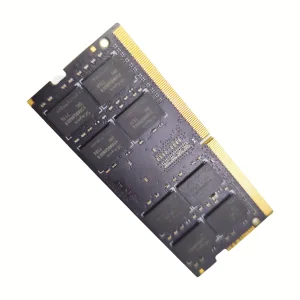
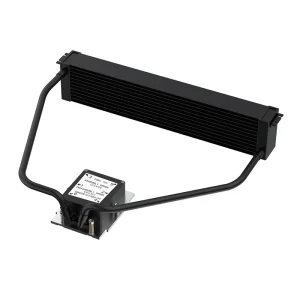
Select high-performance components designed to form the computational and architectural foundation of advanced interface connectivity solutions.
In the modern computing ecosystem, high-speed data transmission interfaces like USB4, USB 3.2 Gen 2x2, and Thunderbolt 4 demand structural tolerances comparable to memory modules. Kryntel Memory Technology (China) Co., Ltd., established in 2016, leverages its extensive history in designing high-frequency, multi-layer printed circuit boards (PCBs) to engineer high-integrity USB hubs, docking stations, and expansion modules. Over the past 9 years, the company has integrated semiconductor assembly lines with specialized interface design, positioning itself as a reliable OEM/ODM provider for global corporate clients.
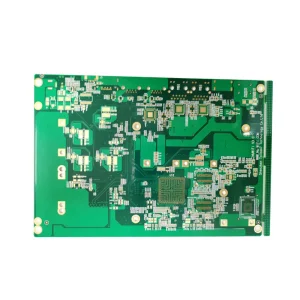
The manufacturing process of a premium USB hub is fundamentally a signal-integrity challenge. High data rates (up to 40Gbps) are prone to attenuation, crosstalk, and electromagnetic interference (EMI). Kryntel’s manufacturing facility utilizes advanced Surface Mount Technology (SMT) lines to populate complex controller ICs (such as those from Realtek, VIA Labs, and Intel) onto multi-layer PCBs (up to 8 layers). This design choice ensures matched impedance and minimal transmission loss, bridging the gap between raw semiconductor power and end-user hardware stability.
Enterprise procurement professionals are shifting their criteria from "simple port expansion" to "dynamic power delivery and multi-stream transport (MST) efficiency." Factors driving this evolution include:
In response to these trends, Kryntel’s export infrastructure (spanning North America, Germany, India, Brazil, and the UAE) maintains compatibility across major OS ecosystems (Windows, macOS, Linux, and ChromeOS). This compatibility ensures integration into complex IT infrastructure deployments.
| Standard | Maximum Bandwidth | Power Delivery Range | Display Capabilities | Primary Target Application |
|---|---|---|---|---|
| USB 3.2 Gen 1 (USB 3.0) | 5 Gbps | Up to 15W (5V, 3A) | Not natively supported (requires display link) | Legacy peripheral connection, office mouse/keyboard setups |
| USB 3.2 Gen 2x2 | 20 Gbps | Up to 100W (PD 3.0) | Single 4K @ 30Hz via Alt-Mode | High-speed external NVMe storage, creative workstations |
| USB4 Gen 3x2 | 40 Gbps | Up to 240W (PD 3.1 EPR) | Dual 4K @ 60Hz or Single 8K @ 30Hz | Enterprise multi-display docking stations, video production |
| Thunderbolt 4 / USB4 v2.0 | 40 - 80 Gbps | Up to 240W (PD 3.1) | Dual 4K @ 60Hz or Dual 8K via DSC | Mission-critical trading floors, CAD design, server telemetry |
Operating a 320㎡ dedicated SMT and semiconductor packaging workshop, Kryntel provides OEM/ODM flexibility to accommodate varied hardware form factors. When configuring a USB hub for enterprise environments, our engineers prioritize several structural areas:
Drawing from server heatsink manufacturing, our designs use composite aluminum structures and high-conductivity thermal pads. This keeps internal operating temperatures below 45°C under maximum load, reducing signal dropouts and prolonging component life.
Enterprise environments are prone to electrostatic discharge (ESD) and voltage surges. Kryntel integrates dedicated ESD protection diodes, Over-Current Protection (OCP), and Short-Circuit Protection (SCP) circuits on every interface channel.
Using differential trace pair routing, matched trace lengths, and dedicated ground planes, we limit signal attenuation. This layout maintains a clean eye diagram for stable high-frequency data transmission.
Kryntel’s R&D team consists of approximately 160 engineers specializing in memory architecture, high-frequency signal integrity, and physical product layout optimization. This enables us to turn client requirements—such as custom ID casing, specialized board layouts, or targeted firmware parameters—into functional prototypes efficiently.
Our quality control system operates through a structured multi-stage inspection standard, managed by a dedicated team of 42 QA professionals. This system is designed to minimize defects and ensure reliable hardware operation over its lifecycle.
Our technical milestones address the transition of enterprise hardware to higher-speed protocols.
Integrating Gallium Nitride (GaN) power components directly into USB-C docking hubs to enable high-wattage power delivery with smaller casing footprints.
Transitioning to PAM3 signal modulation to support up to 80Gbps bi-directional speeds, catering to high-end storage arrays and multi-8K displays.
Deploying AI-driven power budget balancing algorithms to dynamically optimize wattage distribution between connected workstations and peripherals.
Answers to common engineering and procurement inquiries regarding high-speed USB interface solutions.
Founded in 2016, Kryntel Memory Technology (China) Co., Ltd. is a professional DDR5 memory and high-performance hardware manufacturer. Our facility covers approximately 320㎡ and focuses on delivering stable, high-speed, and energy-efficient memory solutions and interfaces for gaming, industrial, and server applications.
Over the years, Kryntel has built export capabilities with annual export revenue ranging from USD 8 million to USD 18 million. The company maintains 6 years of export experience and 9 years of overall industry experience in memory and semiconductor-related manufacturing.
Our quality control system relies on strict multi-stage inspection standards, including incoming material inspection, in-process quality control, aging tests, and final product sampling inspection. Testing methods include high-temperature aging tests, compatibility testing with major motherboard platforms, bandwidth stress testing, and voltage stability testing. We maintain a dedicated QA team of 42 professionals to manage product reliability.
Kryntel operates with an international trade background, supported by export teams serving North America, Europe, the Middle East, and Southeast Asia. Our primary markets include the United States, Germany, India, Brazil, and the UAE.
We cooperate with a global supply chain network of approximately 1,200 upstream and downstream partners, ensuring stable sourcing of high-quality DRAM chips and electronic components. Our main customer base includes computer hardware brands, system integrators, distributors, and e-commerce sellers.
Our R&D department supports advanced customization, including PCB design optimization, frequency tuning, heat dissipation solutions, and branding customization. We offer OEM/ODM services with flexible options such as frequency, latency, heat spreader design, packaging, and firmware tuning. In the past year, we launched over 280 new products across our DDR4 and DDR5 series, developed by our team of approximately 160 engineers.
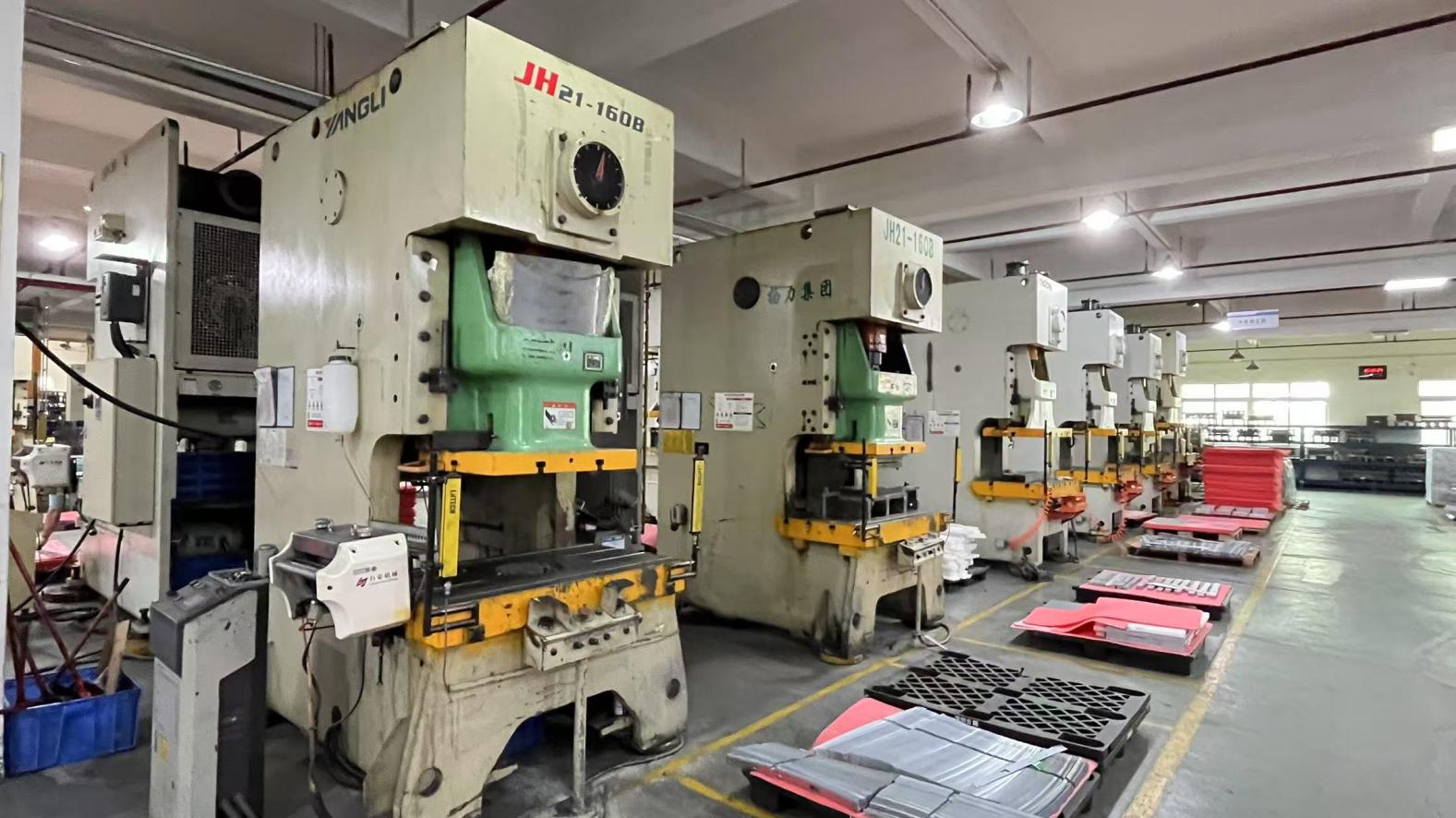
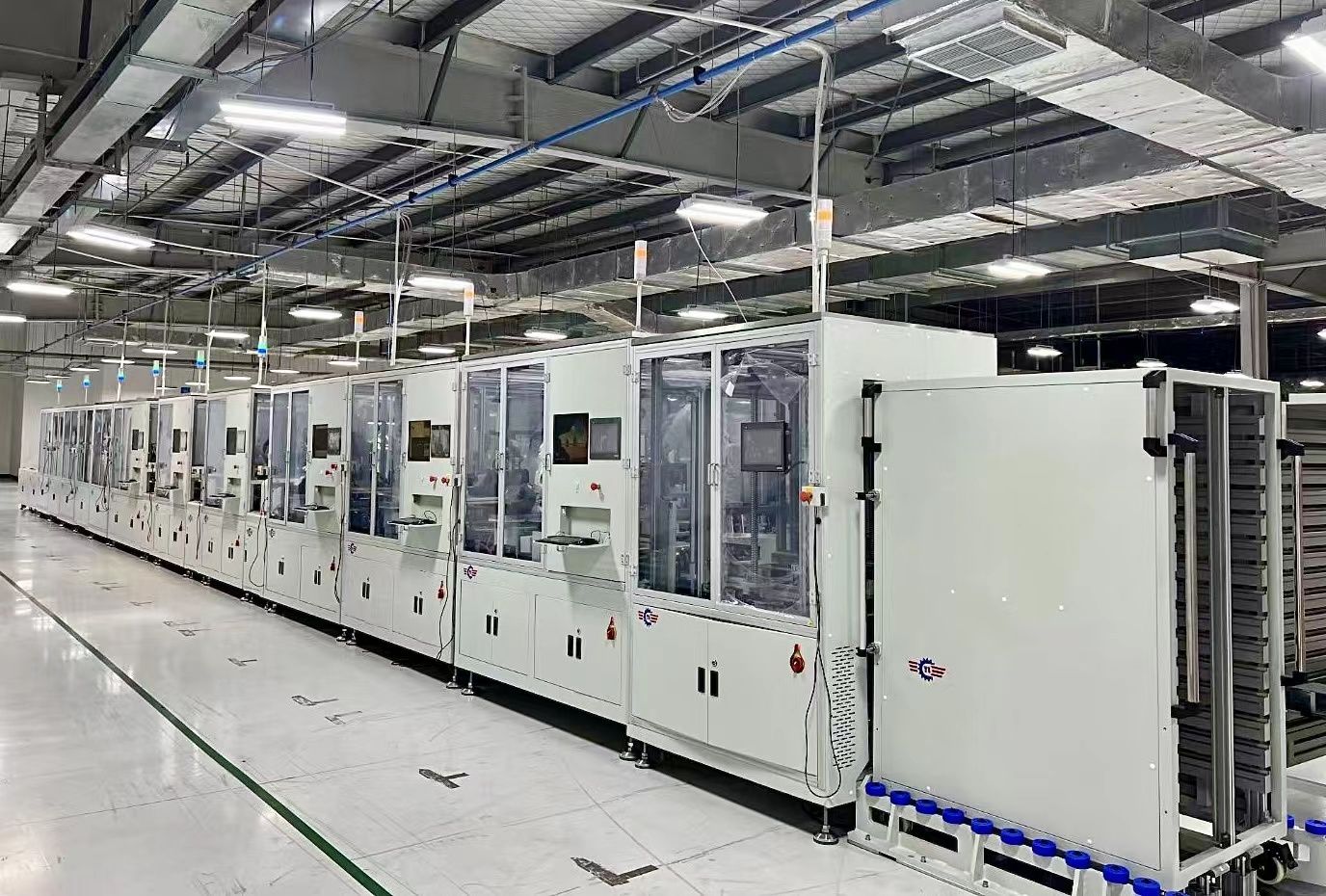
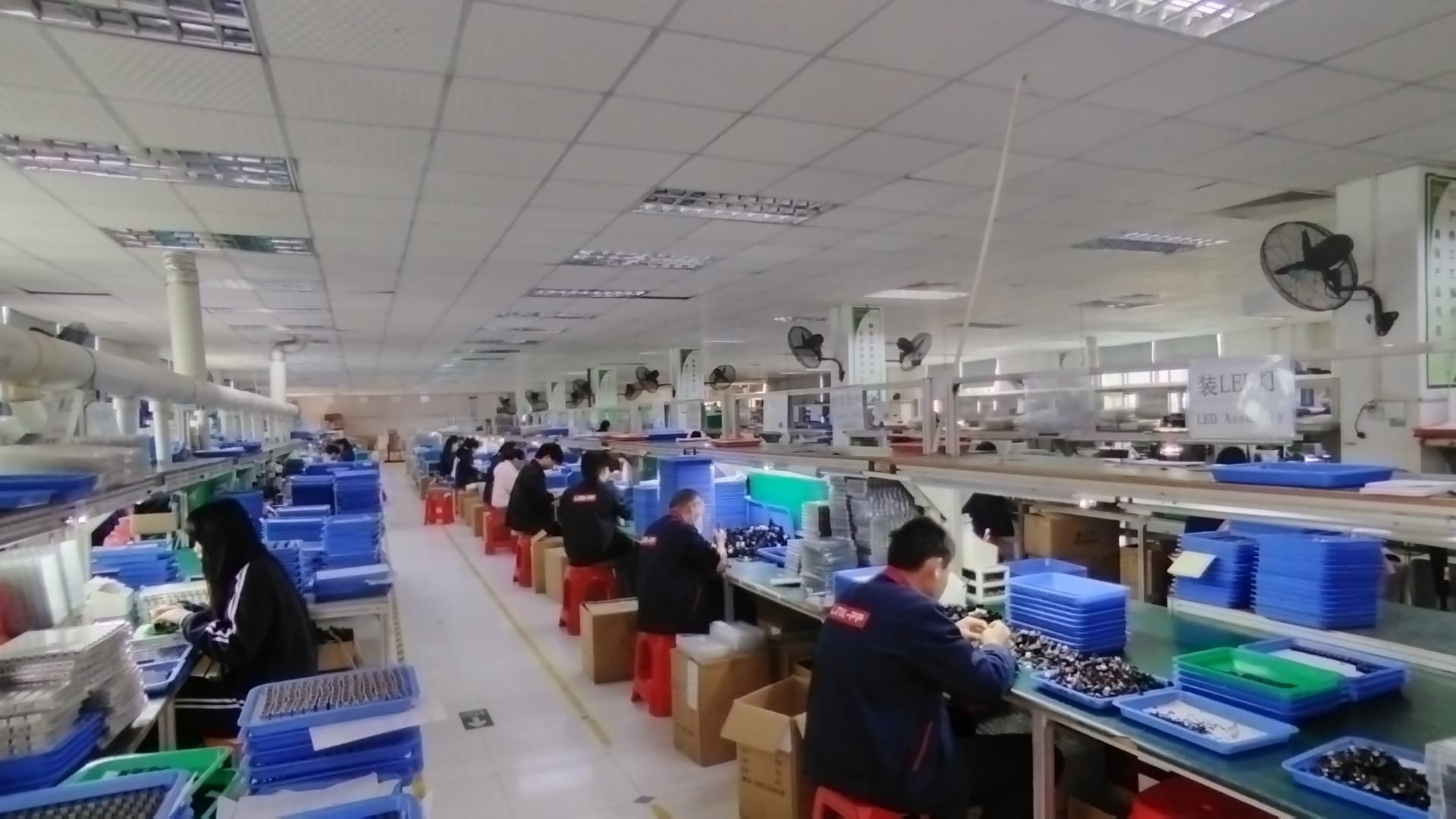
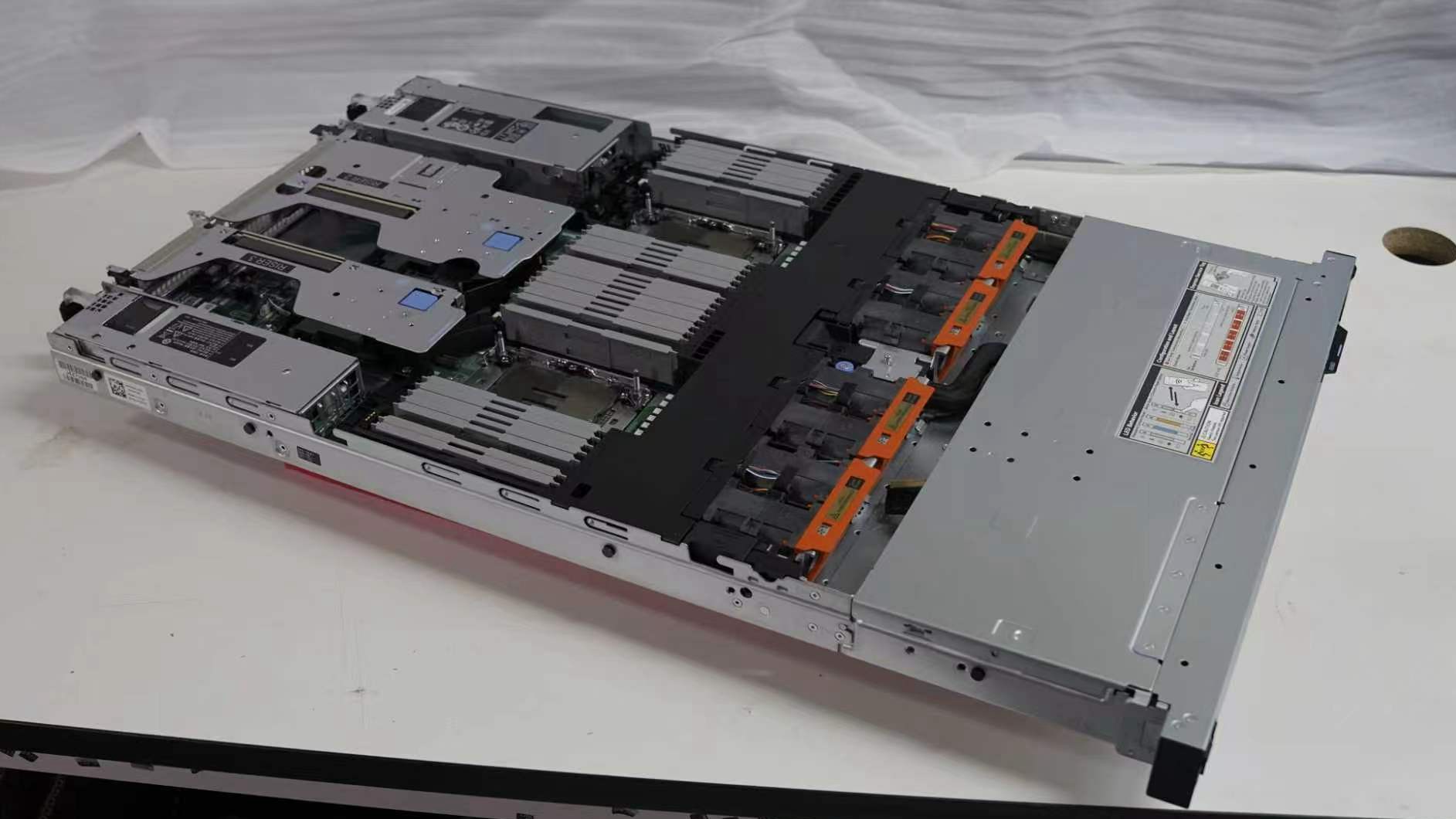
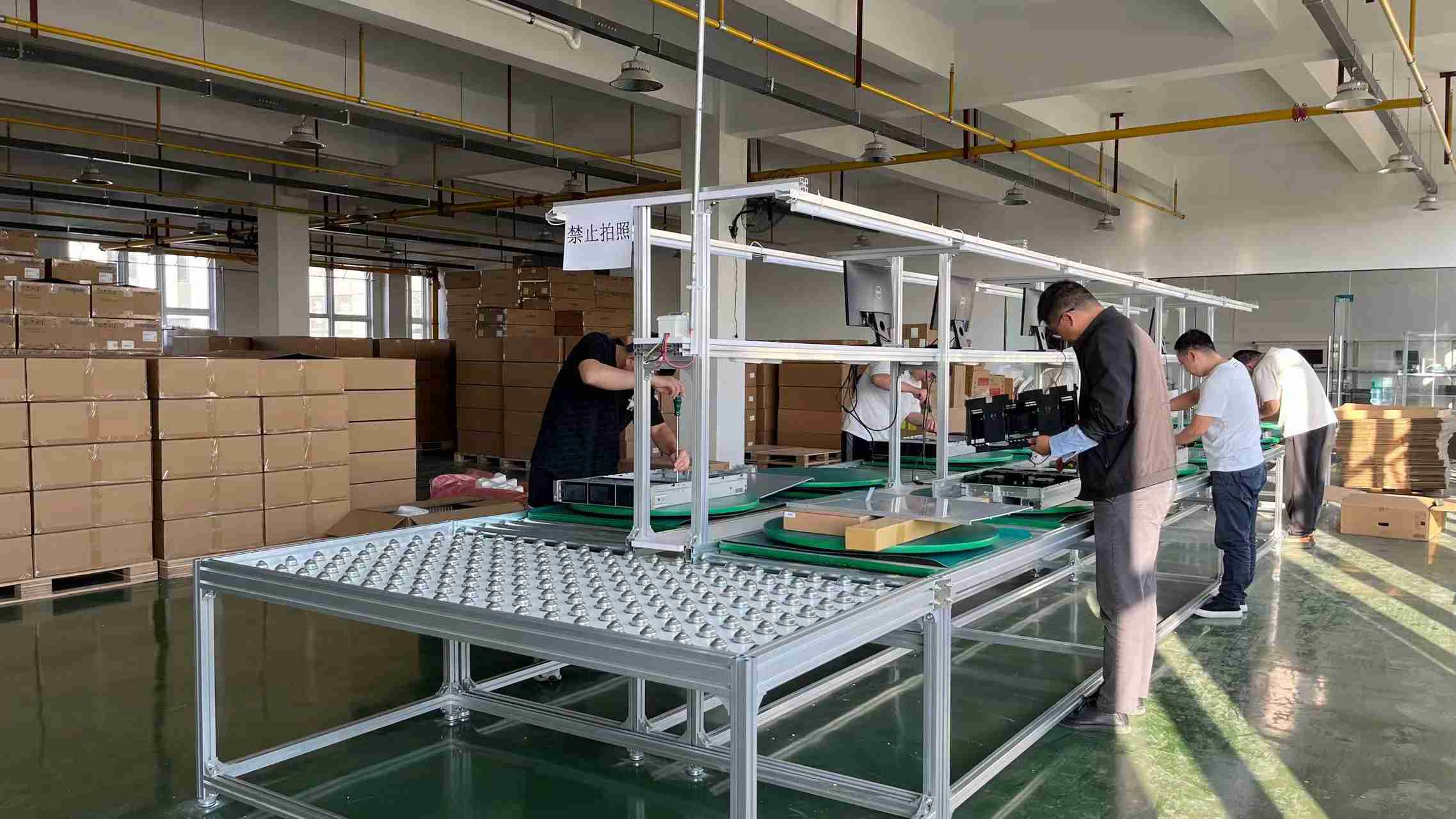
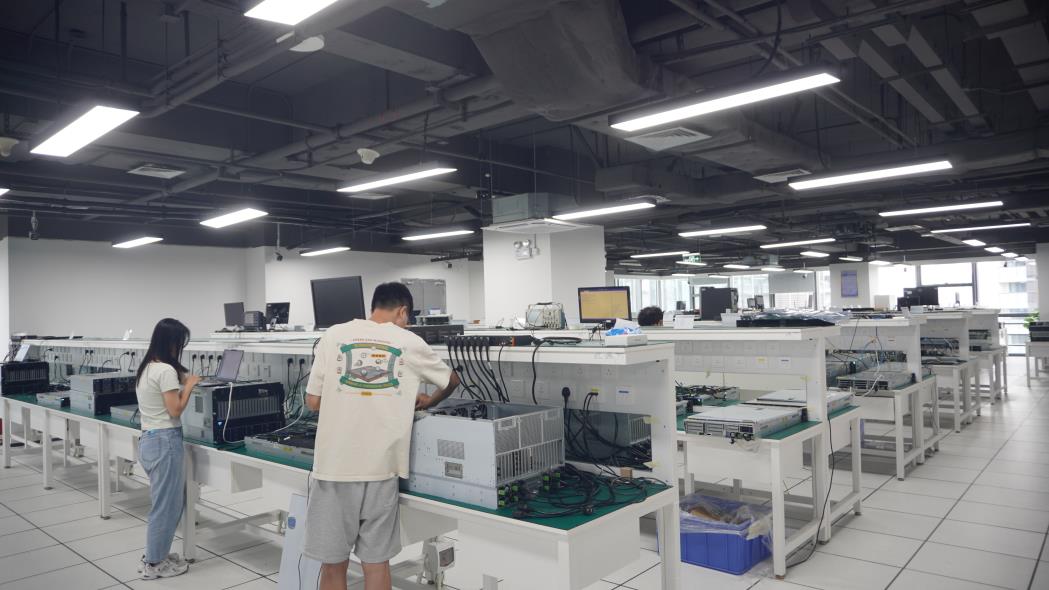
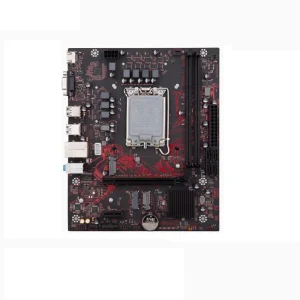
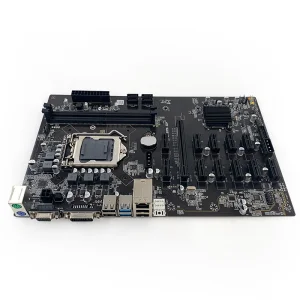
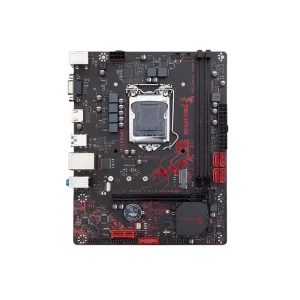
Industrial motherboards, active server coolers, and PCB prototypes engineered for high-reliability applications.
 Kryntel