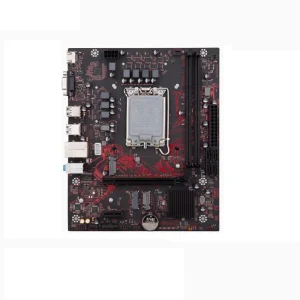
Explore our high-performance computing components featuring advanced power regulation systems
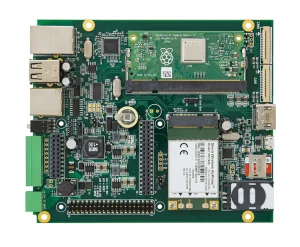
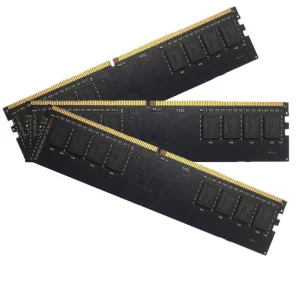
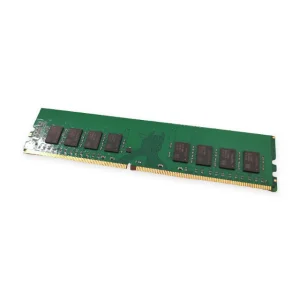
Analyzing high-efficiency silicon technologies, decentralized power architectures, and the migration of voltage regulation to the edge.
In modern industrial and enterprise computing architectures, efficiency is no longer just a metric of thermal dissipation—it is the baseline of system stability. Traditional platforms relied heavily on central voltage regulator modules (VRMs) located on the motherboard to step down system power and deliver it to high-speed sub-components. However, the sheer density of modern computing nodes, high-speed interfaces like DDR5, and low-latency processing systems require power to be regulated closer to the active load.
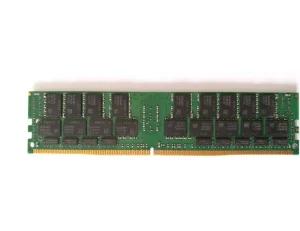
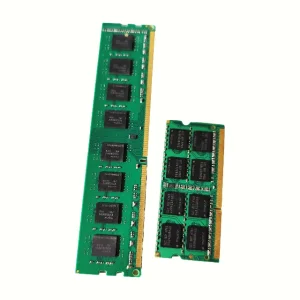
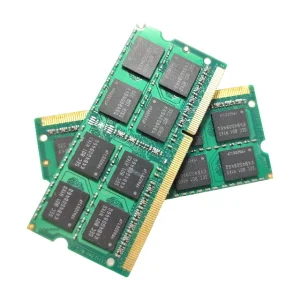
This reality has driven the adoption of modern Power Management Integrated Circuits (PMICs) directly onto peripheral components and memory modules. For instance, in DDR5 memory architecture, the transition from motherboard-regulated power (used in DDR4) to on-DIMM PMIC regulation represents a major leap in signal integrity, power distribution efficiency, and granular voltage controls.
SEO Growth Director Insight: As computing speeds surpass 6000MHz, voltage tolerances tighten to less than ±3%. By placing high-frequency buck converters and LDO regulators directly on the module, parasitic inductance is drastically reduced, ensuring clean, continuous power under high dynamic load swings.
A trusted global manufacturer specializing in high-performance memory modules, industrial SMT design, and advanced power management interfaces.
Founded in 2016, Kryntel Memory Technology (China) Co., Ltd. has established itself as a premier high-performance DDR5/DDR4 manufacturer, server hardware system designer, and integrated hardware exporter. With a specialized production and research facility covering approximately 320㎡, we coordinate the dense integration of high-grade DRAM silicon, optimized PCB layers, and thermal solutions.
Our operation runs on close supply chain coordination, working with approximately 1,200 upstream and downstream partners globally. This enables consistent sourcing of premium components, specialized PMICs, and high-frequency DRAM chips. Kryntel supports robust international distribution, backed by a strong export background and annual export revenues ranging between USD 8 million and USD 18 million. Key markets served include the United States, Germany, India, Brazil, and the UAE.
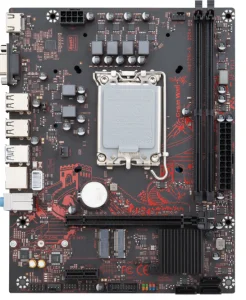
To ensure high quality, we employ a multi-stage testing standard: incoming material inspection, in-process quality control, high-temperature aging tests, compatibility testing with major motherboard platforms (H610, B760M, LGA3647, LGA4677, AM5), bandwidth stress testing, and voltage stability testing.
Our engineering division released over 280 new memory and board products last year across DDR4 and DDR5 categories. Led by 160 engineers specializing in signal integrity and memory architecture, we deliver robust solutions globally.
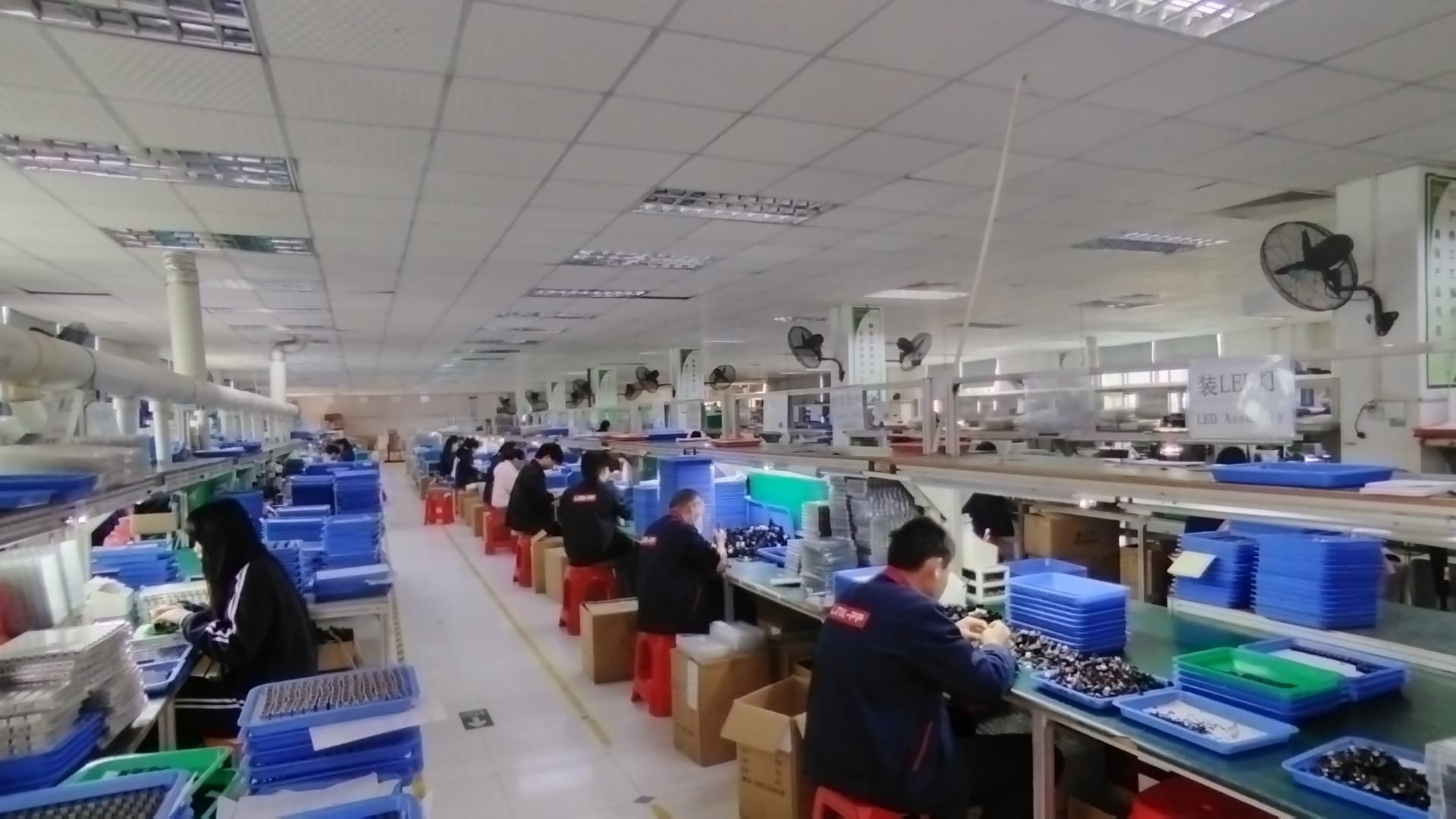
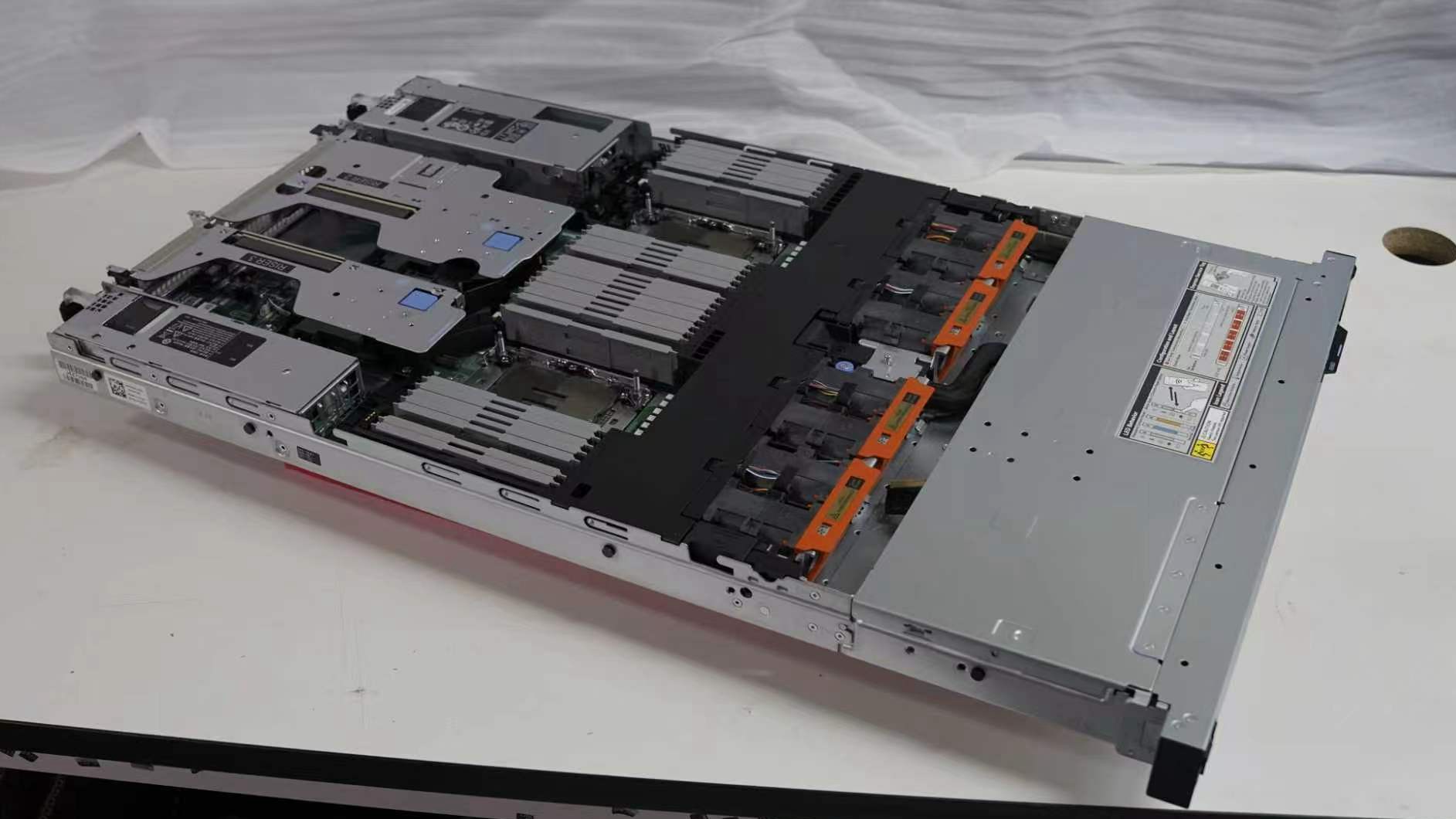
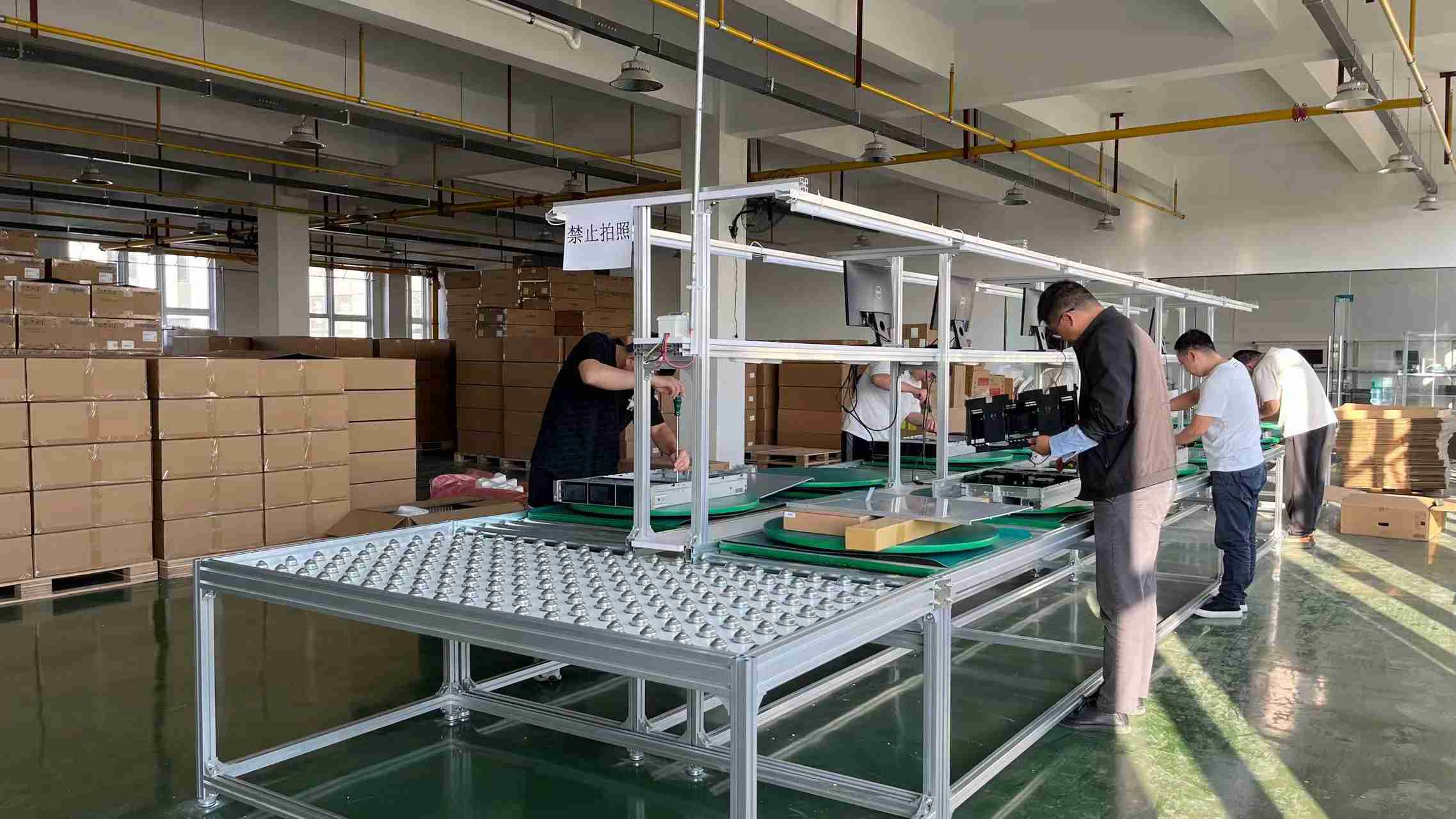
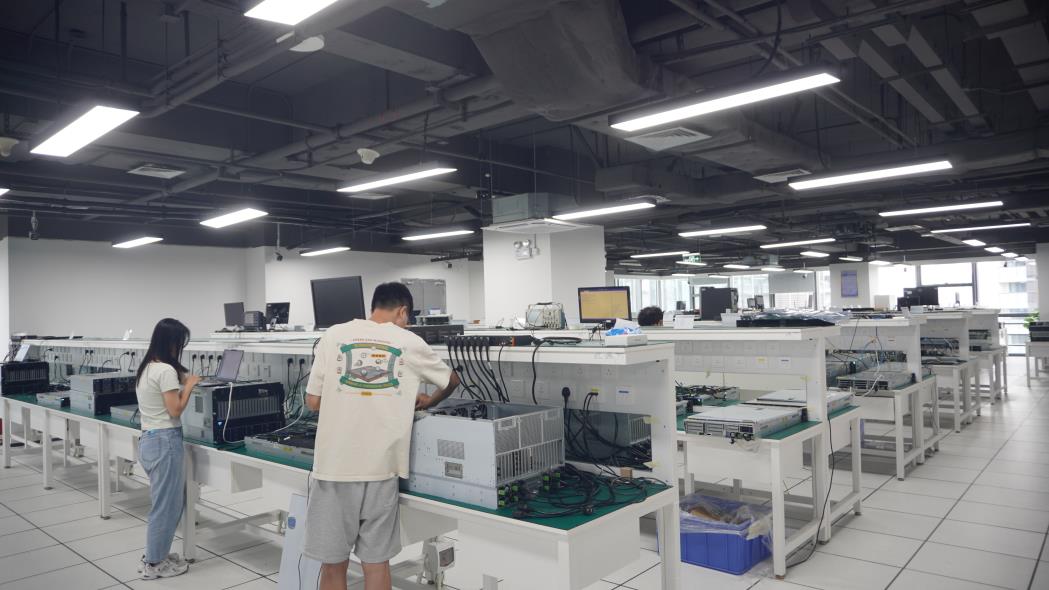
Bridging the gap between strict enterprise quality standards and optimized mass production lines.
Global procurers prioritize lead-time predictability and component consistency. Leveraging a network of 1,200 partners, we secure high-quality DRAM silicon and integrated circuits, insulating global buyers from supply disruptions.
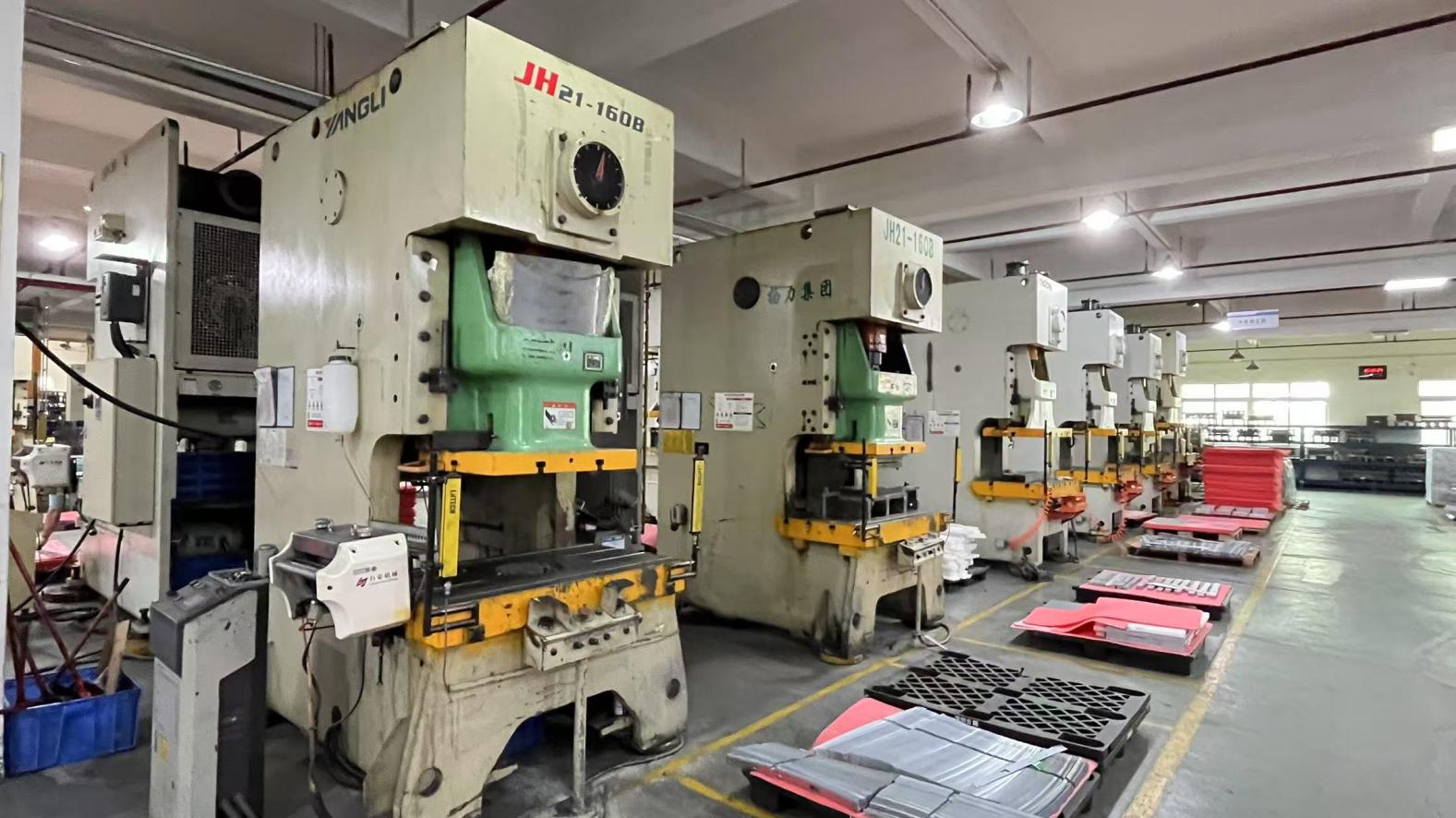
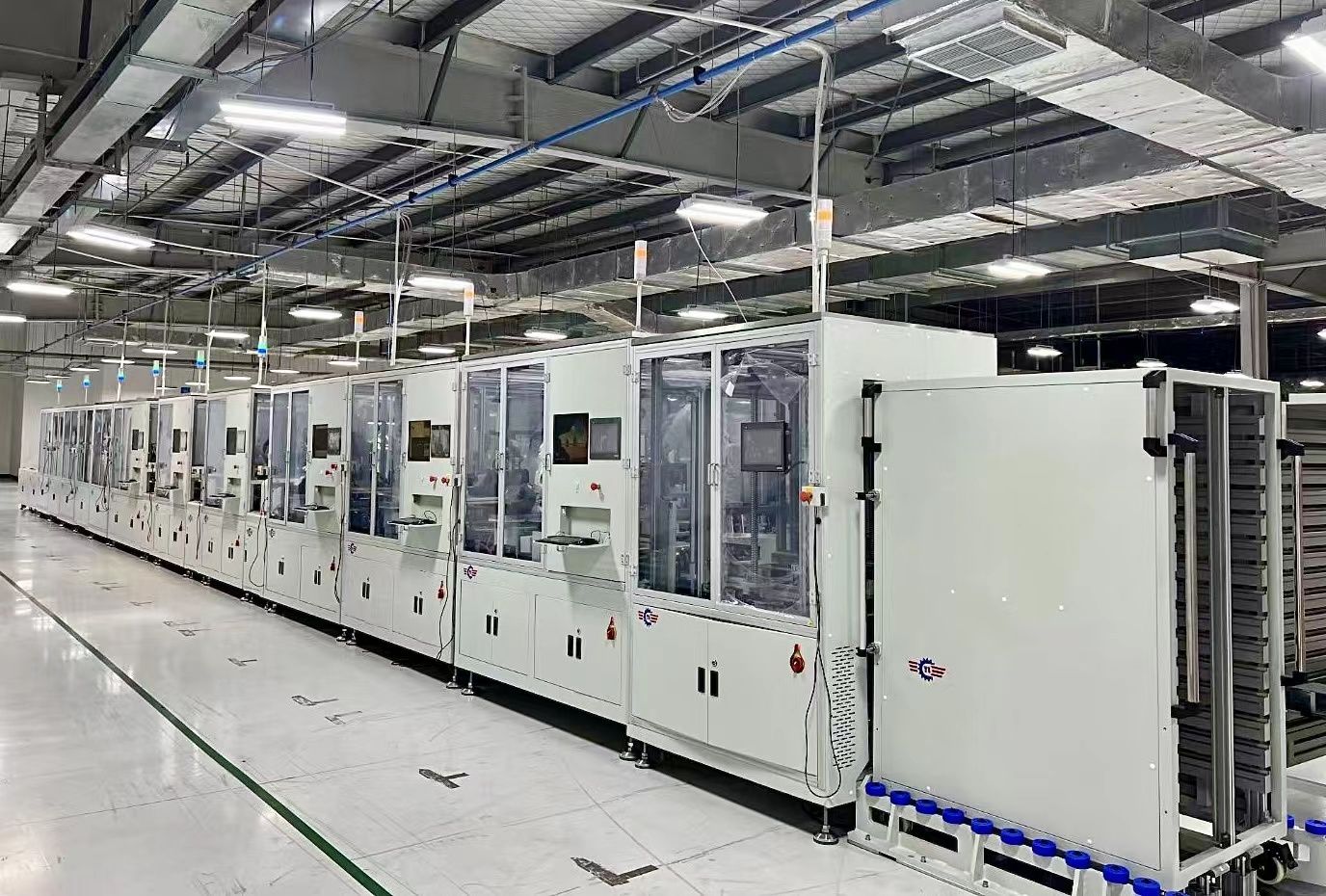
Our manufacturing protocols align SMT line parameters, temperature profiles, and visual inspection algorithms. Our 42-member QA team verifies trace width, impedance levels, and solder joint integrity under thermal stress.
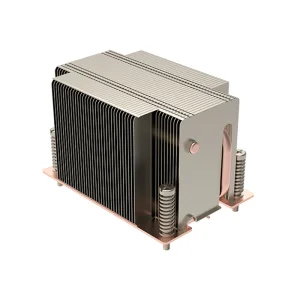
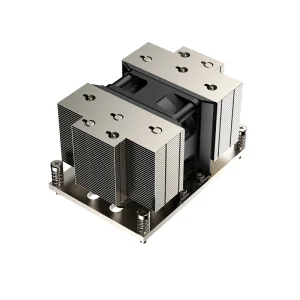
For custom computer platforms, system integrators demand localized component layouts. We offer comprehensive engineering adjustments—from customized memory sub-timings to low-profile heatsinks for 1U/2U server chassis.
How specialized circuit boards, high-speed RAM modules, and thermal management architectures operate in critical real-world deployments.
Deploying specialized SMT processes on multi-layer PCBs to ensure stability in high-vibration manufacturing environments, incorporating rugged power management layouts.
Transitioning to on-DIMM PMIC architecture. Optimizing transient response times and decoupling structures to handle rapid memory state transitions.
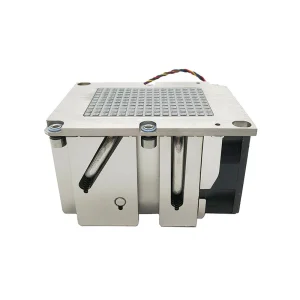
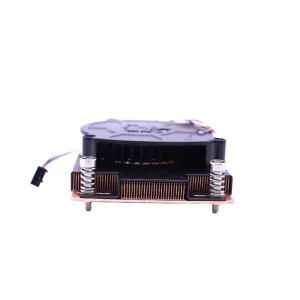
Developing 205W LGA3647 and LGA4677 copper-bottom cooling fans to handle local hotspots, preventing hardware throttling in high-density computing clusters.
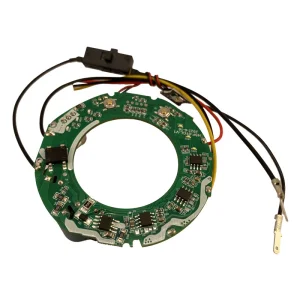
Designing dynamic motor-driving algorithms and power safety mechanisms into compact, high-efficiency control boards for modern home appliances.
Expert insights addressing key procurement, design, and manufacturing questions for hardware engineering professionals.
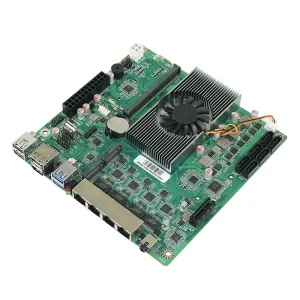
Premium server infrastructure, memory modules, and specialized controller platforms
 Kryntel