Core systems, modules, and hardware engineered to strict IPC Class 3 quality thresholds.
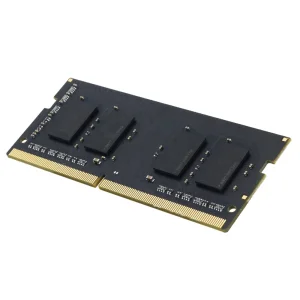
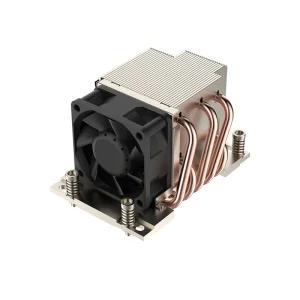
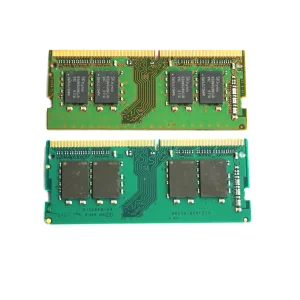
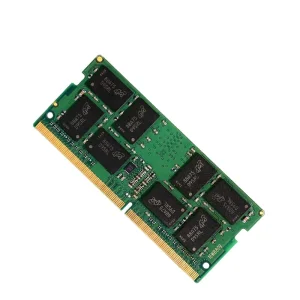
Deciphering the design principles, signal integrity configurations, and high-frequency capabilities driving modern industrial and gaming electronics manufacturing.
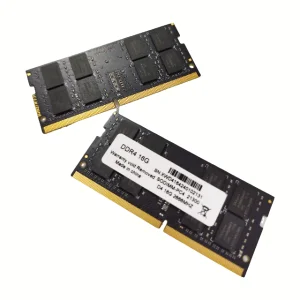
DDR5 memory designs require precise impedance control and minimized trace lengths to prevent crosstalk. Our SMT capabilities ensure that passive components, PMICs, and DRAM chips are aligned within micro-level placement tolerances.
Leveraging connections with original DRAM silicon fabs (Samsung, Micron, SK Hynix), we secure high-grade integrated circuits. Our downstream global supply chain includes over 1,200 partners to prevent material shortages.
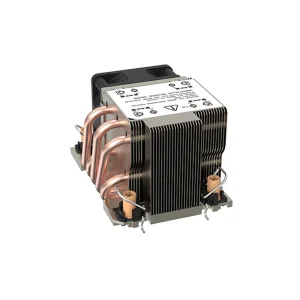
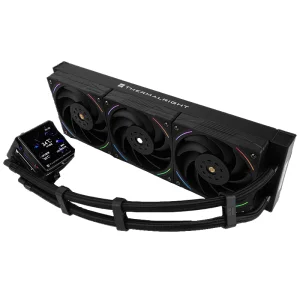
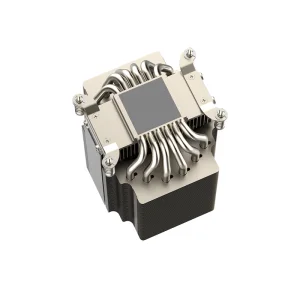
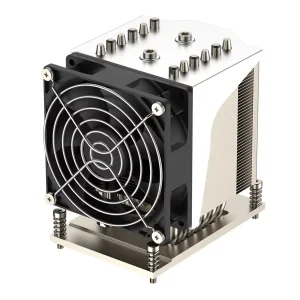
Modern hardware components dissipate significant heat. Our thermal design engineering, combined with our server cooler integrations (such as the AMD SP6 and LGA 4677 lines), keeps system temperatures within limits.
Industrial scale and operational transparency backed by six years of direct export experience.
Note on Sourcing Transparency: Kryntel Memory Technology maintains structured standard operating procedures (SOPs) across its production lines. Every single memory product undergoes multi-stage inspections, including incoming material qualification, in-process checking (IPQC), thermal aging, motherboard compatibility verifications, and final pre-shipment sampling audits.
Procuring electronic systems directly from a specialized Chinese PCBA hub offers access to an integrated component network. Unlike fragmented regional manufacturing operations, China’s industrial ecosystem centralizes raw PCB fabrication, chemical processing, SMT stencil design, high-frequency active component sourcing, and structural chassis integration in nearby zones.
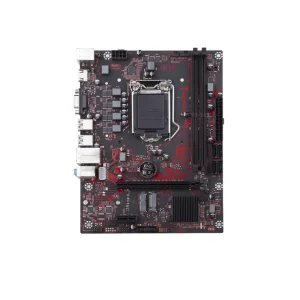
For enterprises requiring specialized RAM assemblies, motherboards, or custom power routing interfaces, this close proximity reduces typical turnaround times. Prototype validation cycles that might otherwise require weeks in Western manufacturing centers are completed in days. Kryntel integrates this systemic speed with global quality certifications, ensuring that production meets international delivery schedules.
Operating from a modern production facility in China, Kryntel runs international trade operations supported by export teams familiar with the specific regulatory compliance paths of North America, Europe, the Middle East, and Southeast Asia. We ensure compliance with the following international frameworks:
From edge computing servers to consumer gaming rigs, our PCBAs are designed to withstand challenging conditions.
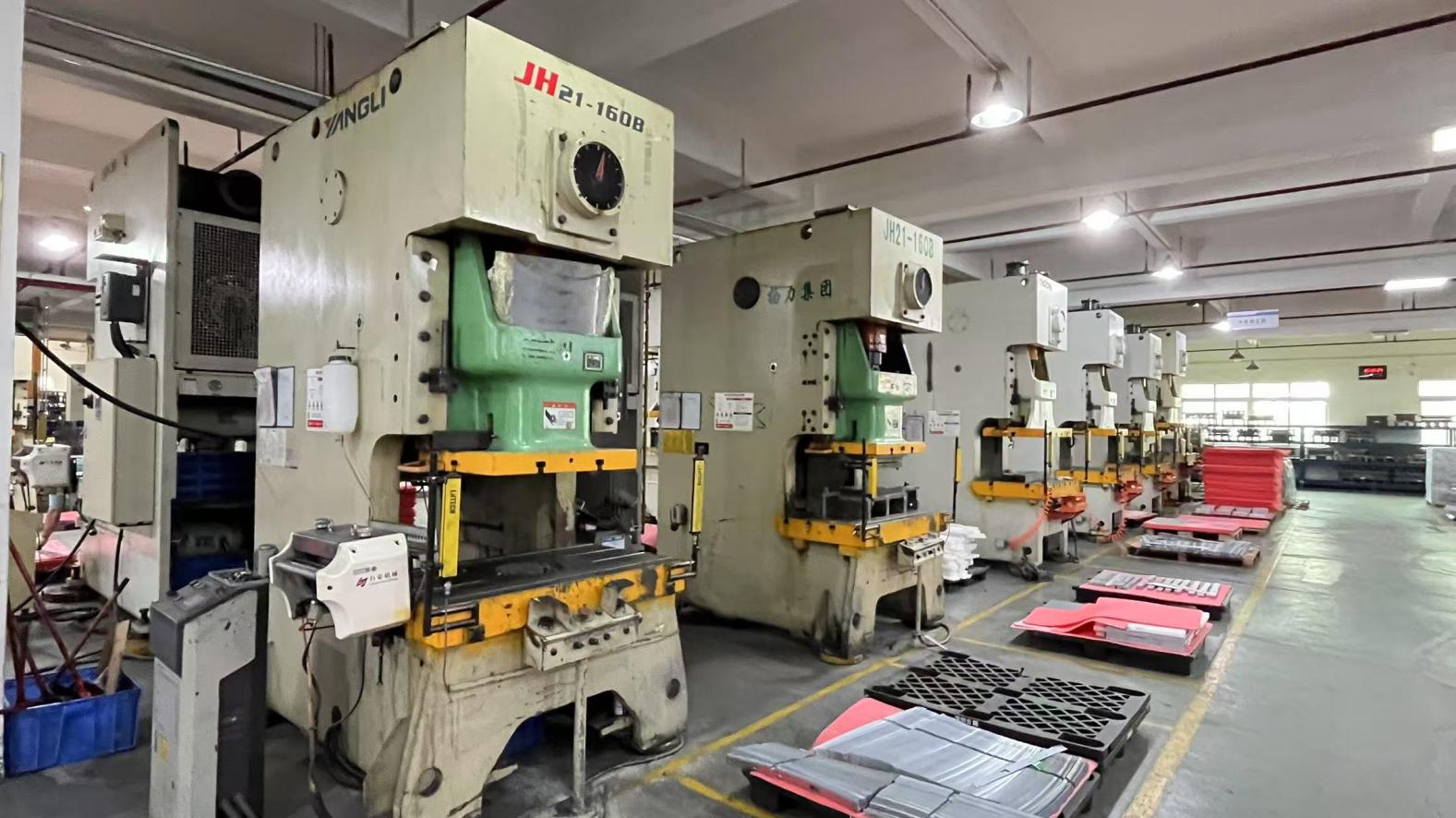
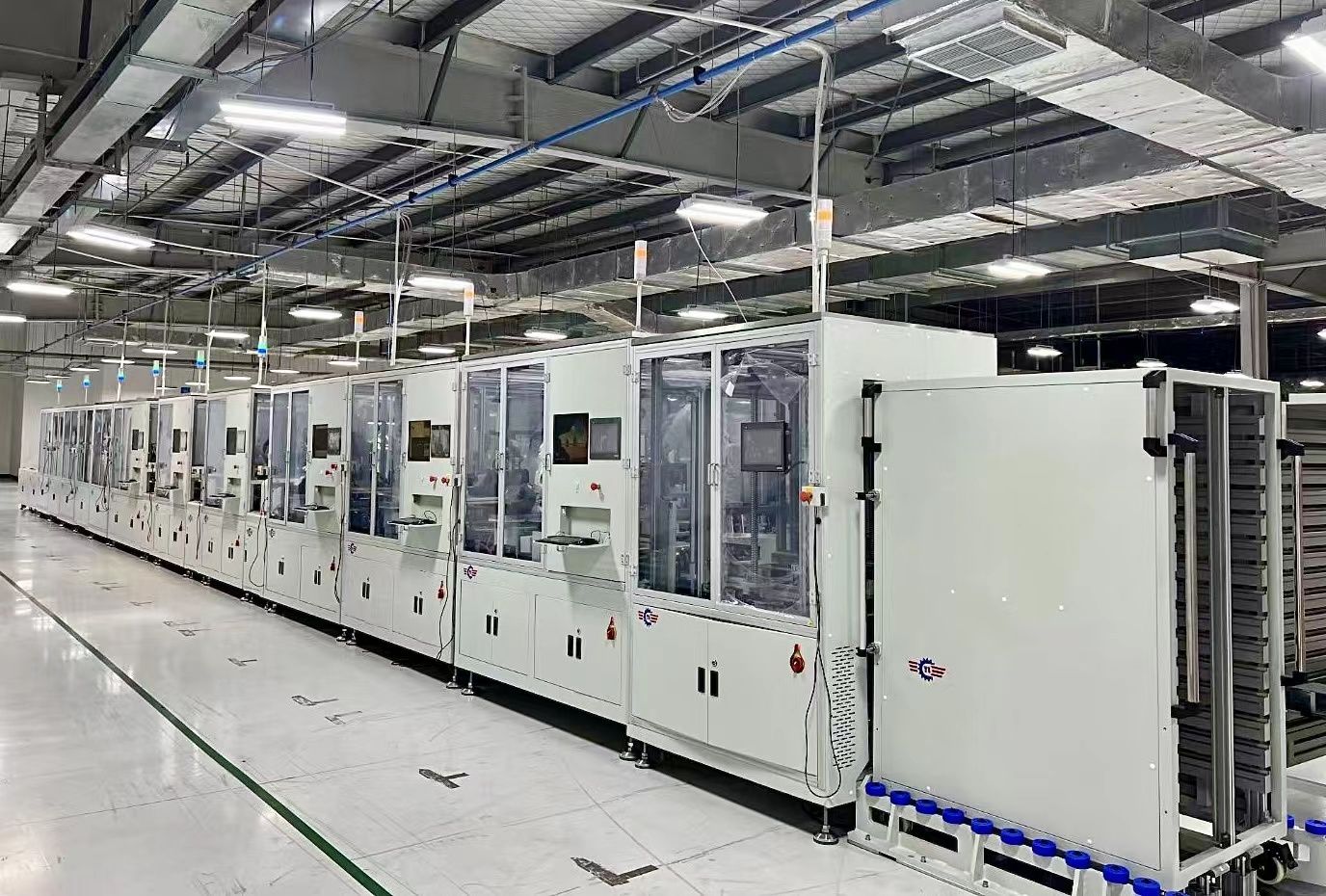
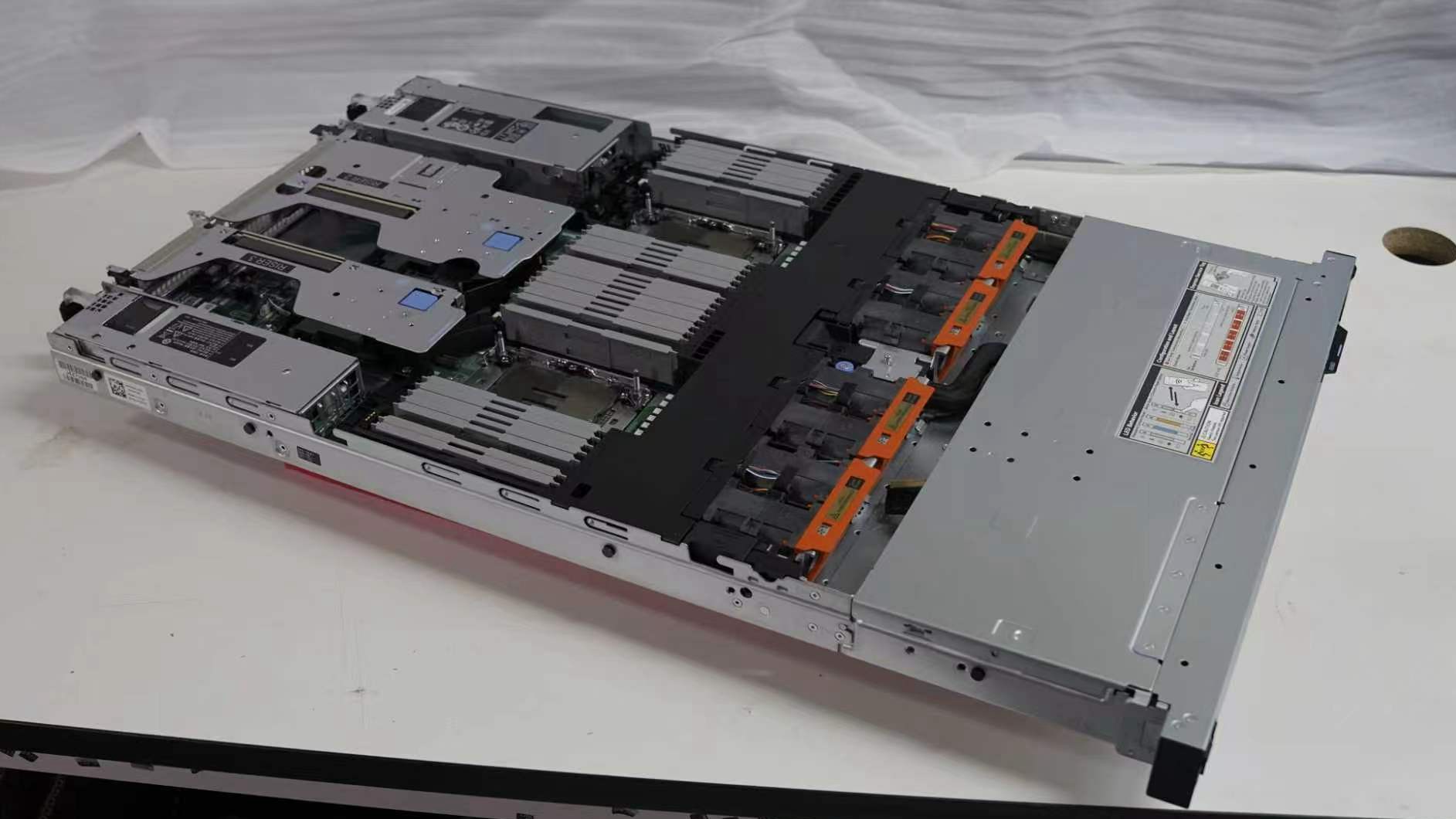
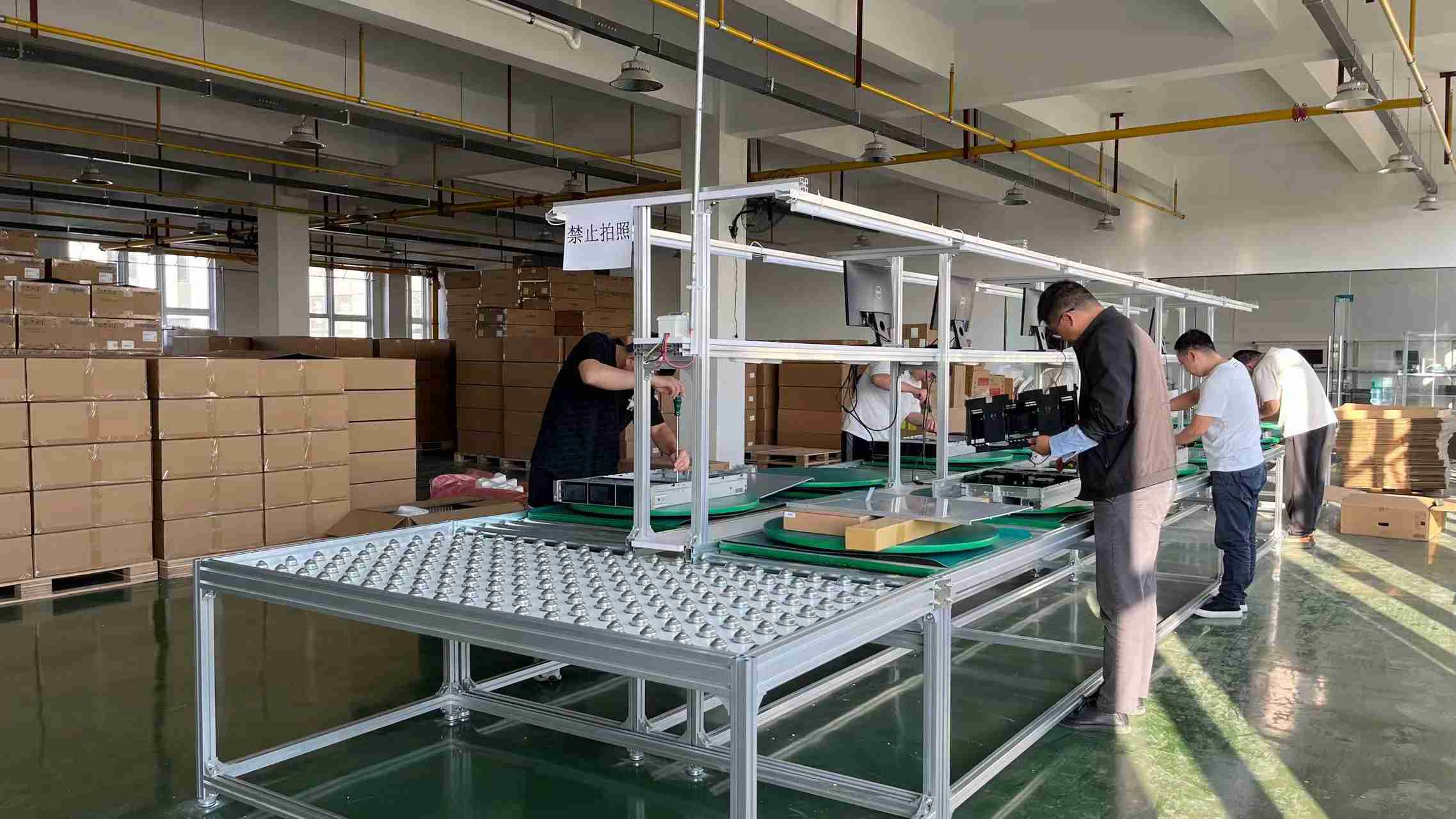
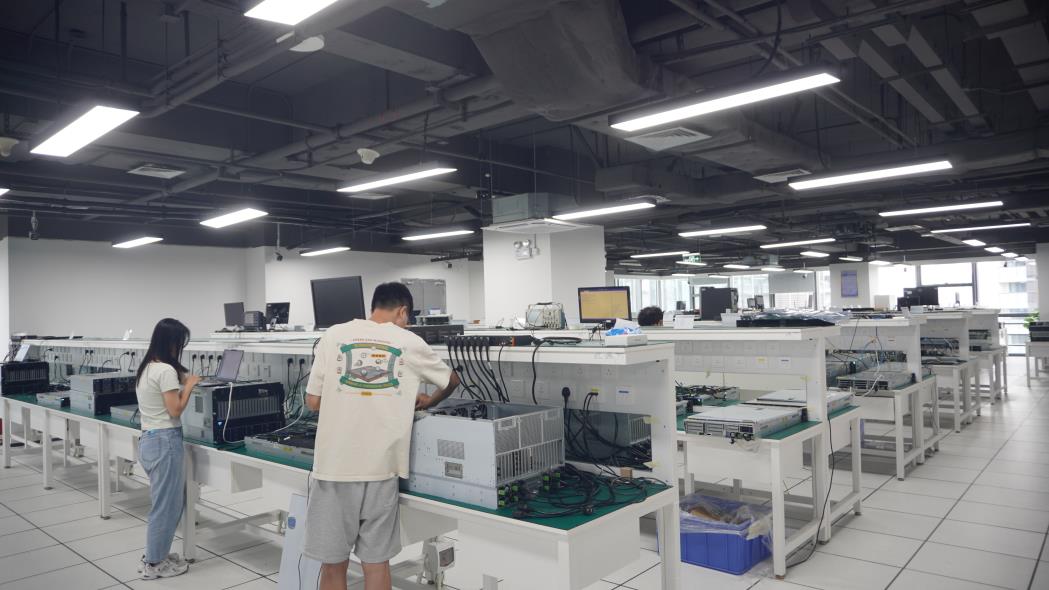
Visual documentation of Kryntel's assembly environment, SMT equipment, and validation laboratories.

The electronics manufacturing sector is currently shifting from DDR4 to DDR5 interfaces. This shift represents a major change in PCBA layout requirements:
In DDR4 systems, power regulation was managed directly on the motherboard. In DDR5 designs, this task is handled by an on-board Power Management IC (PMIC) located on the memory PCBA itself. While this configuration allows for cleaner voltage regulation, it requires precise localized routing and thermal management to dissipate heat from the module.
DDR5 operates at 1.1V compared to the 1.2V typical of DDR4, which helps reduce system power draw. However, operating at lower voltages narrows the noise margins, making the system more vulnerable to electromagnetic interference (EMI). Our R&D team uses 3D electromagnetic field simulations to evaluate trace routing on multi-layer PCBs, minimizing crosstalk and signal degradation.
DDR5 implements on-die ECC to correct errors within the DRAM silicon before sending data to the CPU. For industrial systems and data center operations, integrating this feature on the module improves reliability. This architecture requires specialized SMT placement procedures to handle the higher pin densities.
Answers to technical and logistics questions commonly asked by global electronics procurement managers.
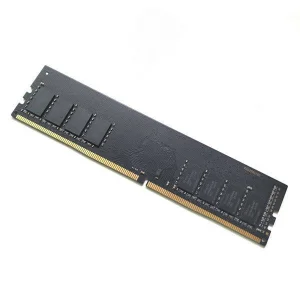
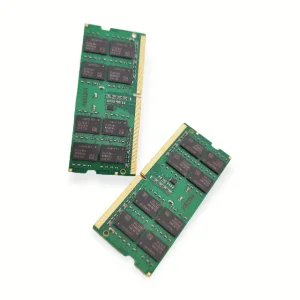
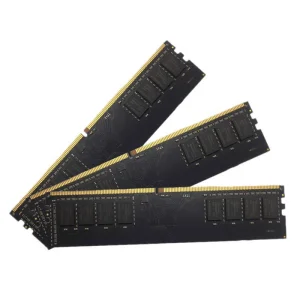
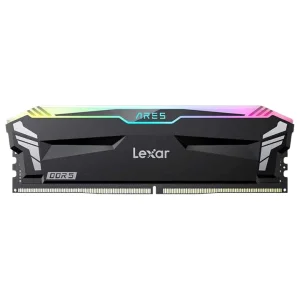
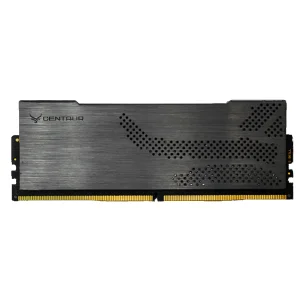
Industrial memory modules and cooling setups designed for constant-uptime environments.
 Kryntel