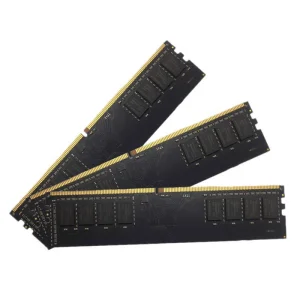
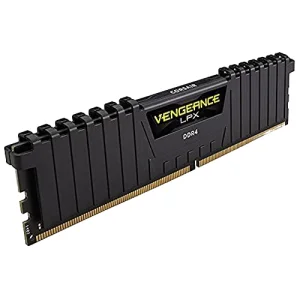
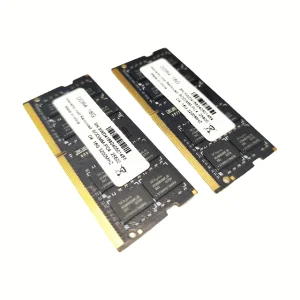
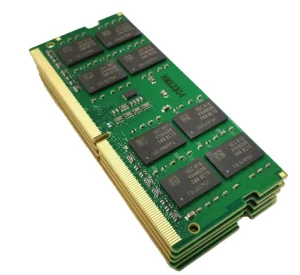
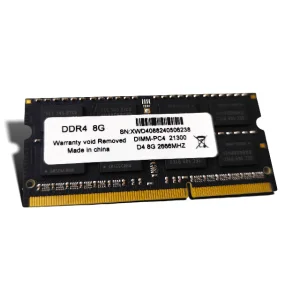
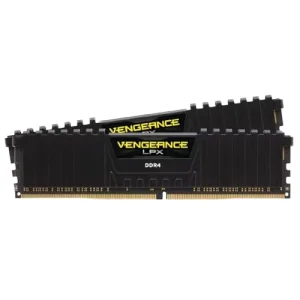
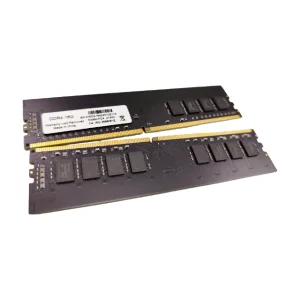
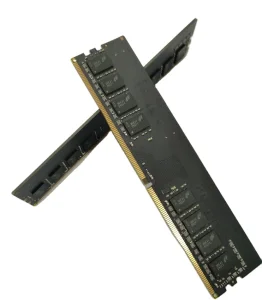
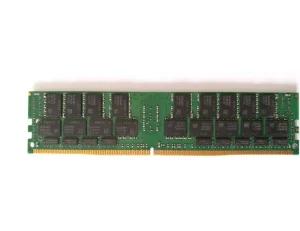
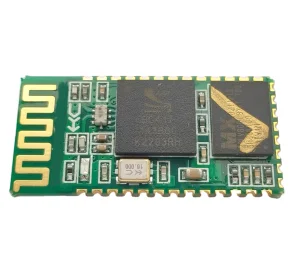
Founded in 2016, Kryntel Memory Technology (China) Co., Ltd. is a professional DDR5 memory manufacturer specializing in high-performance RAM modules for global OEM, ODM, and private label partners. With a modern production facility covering approximately 320㎡, we focus on delivering stable, high-speed, and energy-efficient memory solutions for gaming, industrial, and server applications. Our industrial footprint leverages the hyper-concentrated microelectronics manufacturing clusters of China to optimize passive component supply chains, ensuring rapid deployment and extreme quality control.
Our quality control system is built on strict multi-stage inspection standards, including incoming material inspection, in-process quality control, aging tests, and final product sampling inspection. Product testing methods include high-temperature aging tests, compatibility testing with major motherboard platforms, bandwidth stress testing, and voltage stability testing. We maintain a dedicated QA team of 42 professionals to ensure consistent product reliability.
We cooperate with a global supply chain network of approximately 1,200 upstream and downstream partners, ensuring stable sourcing of high-quality DRAM chips and components. Our main customer base includes computer hardware brands, system integrators, distributors, and e-commerce sellers. Over the years, Kryntel has built strong export capabilities with annual export revenue ranging from USD 8 million to USD 18 million. The company has accumulated 6 years of export experience and 9 years of overall industry experience in memory and semiconductor-related manufacturing.
In modern electronic systems, passive components—specifically Multilayer Ceramic Capacitors (MLCCs), chip resistors, and surface-mount inductors—make up over 80% of the total component count on a high-speed Printed Circuit Board (PCB). While active components like CPUs, GPUs, and DRAM chips act as the brain, the passive network provides the lifeblood. They guarantee stable voltage distribution, suppress electromagnetic interference (EMI), and maintain signal integrity.
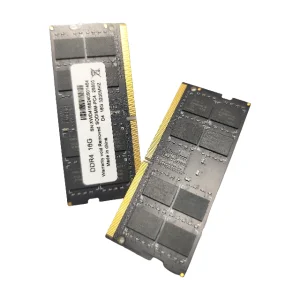
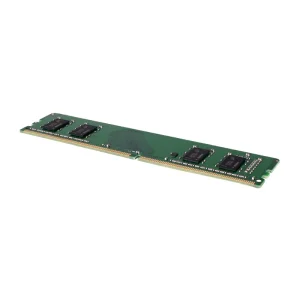
High-speed signaling protocols like DDR4, DDR5, and PCIe Gen 5 operate with sub-nanosecond rise times. Without a robust local decoupling capacitor matrix, transient current demands cause supply voltage dips, resulting in bit errors. Kryntel integrates ultra-low Equivalent Series Resistance (ESR) and Equivalent Series Inductance (ESL) MLCCs directly adjacent to the power pins of the active DRAM dies.
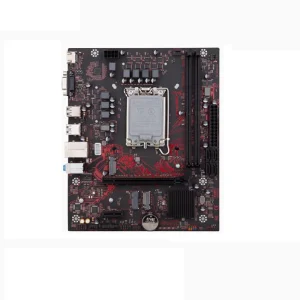
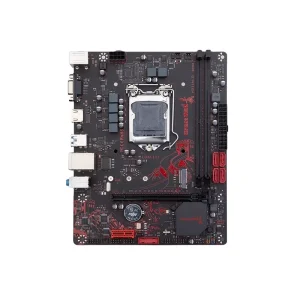
Modern motherboards (such as the B760M-G or H311M-G D4 series) depend heavily on multi-phase Voltage Regulator Modules (VRMs). These circuits utilize high-current, low-DCR (DC Resistance) molded inductors to step down and smooth the power lines, shielding delicate computing cores from ripple voltages.
At frequencies of 3200MHz, 3600MHz, and up to 6000MHz in DDR5, transmission lines on multilayer PCBs act as RF waveguides. High-tolerance chip resistor arrays are utilized for series termination to prevent reflection waves that corrupt clock signals and data frames.
Global hardware brands and systems integrators look to China as the premier sourcing hub for electronic components for key strategic reasons:
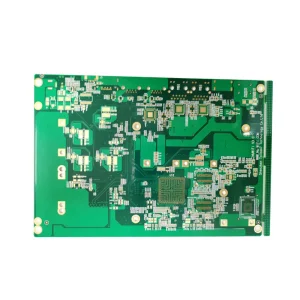
Guangdong and the surrounding delta regions house a highly consolidated electronics ecosystem. Raw substrate suppliers, ceramic capacitor factories, automated SMT (Surface Mount Technology) assembly lines, and high-frequency testing centers operate within a 50-mile radius. This geographical proximity reduces transit times and allows for rapid prototyping (such as multilayer PCB fabrication for custom wireless invertors or high-sensitivity metal detectors).
China’s component factories leverage advanced Japanese and German high-speed placement machines, high-precision screen printers, and multi-zone reflow ovens. This enables cost-effective mass production while maintaining strict dimensional tolerances down to 0201 and 01005 metric packages. Advanced automated optical inspection (AOI) and X-ray analysis identify micro-cracks or solder voids instantly.
The electronics landscape is shifting toward miniaturization, higher frequencies, and elevated thermal performance. These trends dictate how passive components and system boards are designed and manufactured today.
With speeds pushing past 6000MHz, signal attenuation and noise margins are razor-thin. Designers must place miniature 01005-sized MLCCs directly beneath the DRAM chip bumps on the PCB to suppress high-frequency noise. Kryntel's advanced R&D team optimizes signal integrity via multi-layer simulations and precise component placement.
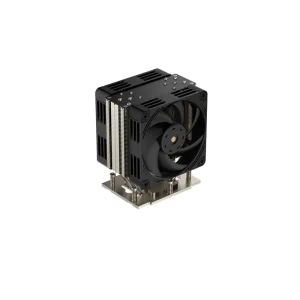
Server CPUs and accelerators draw hundreds of amperes of current. Cooling solutions must be robust to match. Utilizing premium heatsinks (such as the SP5 N99 400W CPU Cooler with dual fans) alongside high-temperature rated solid capacitors prevents system throttling and ensures continuous processing in data centers.
Sensors and detection platforms, such as high-sensitivity metal detector circuit boards, require precise analog signal chains. Low-drift thin-film resistors and high-Q capacitors prevent noise interference from drowning out weak signals from the sensor coils, ensuring accurate detection in industrial and field environments.
Managing global electronic component procurement requires a balancing act between lead times, unit costs, and strict reliability standards. The modern market demands a strategic approach to sourcing to minimize risk and avoid production delays.
Off-the-shelf components may not meet the demands of custom form factors or specific thermal conditions. Partnering with manufacturers like Kryntel, who offer custom layout optimizations, frequency tuning, latency adjustments, and tailored heat spreader designs, allows companies to achieve maximum performance.
Supply chain resilience hinges on robust logistics planning and diversified sourcing. Kryntel maintains direct relationships with first-tier component distributors and manufacturers, securing consistent access to raw DRAM silicon and critical passive parts even during global chip shortages.
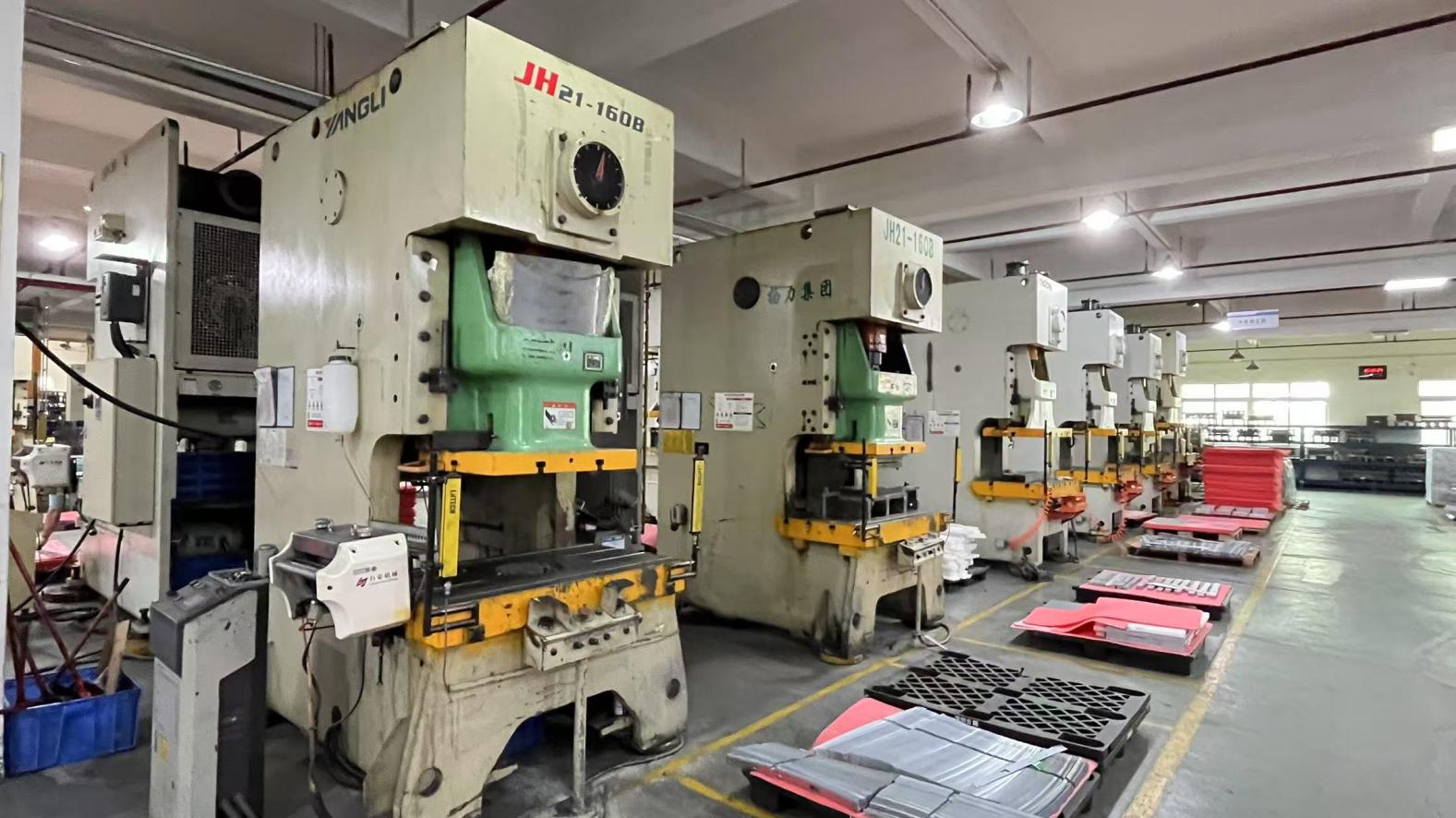
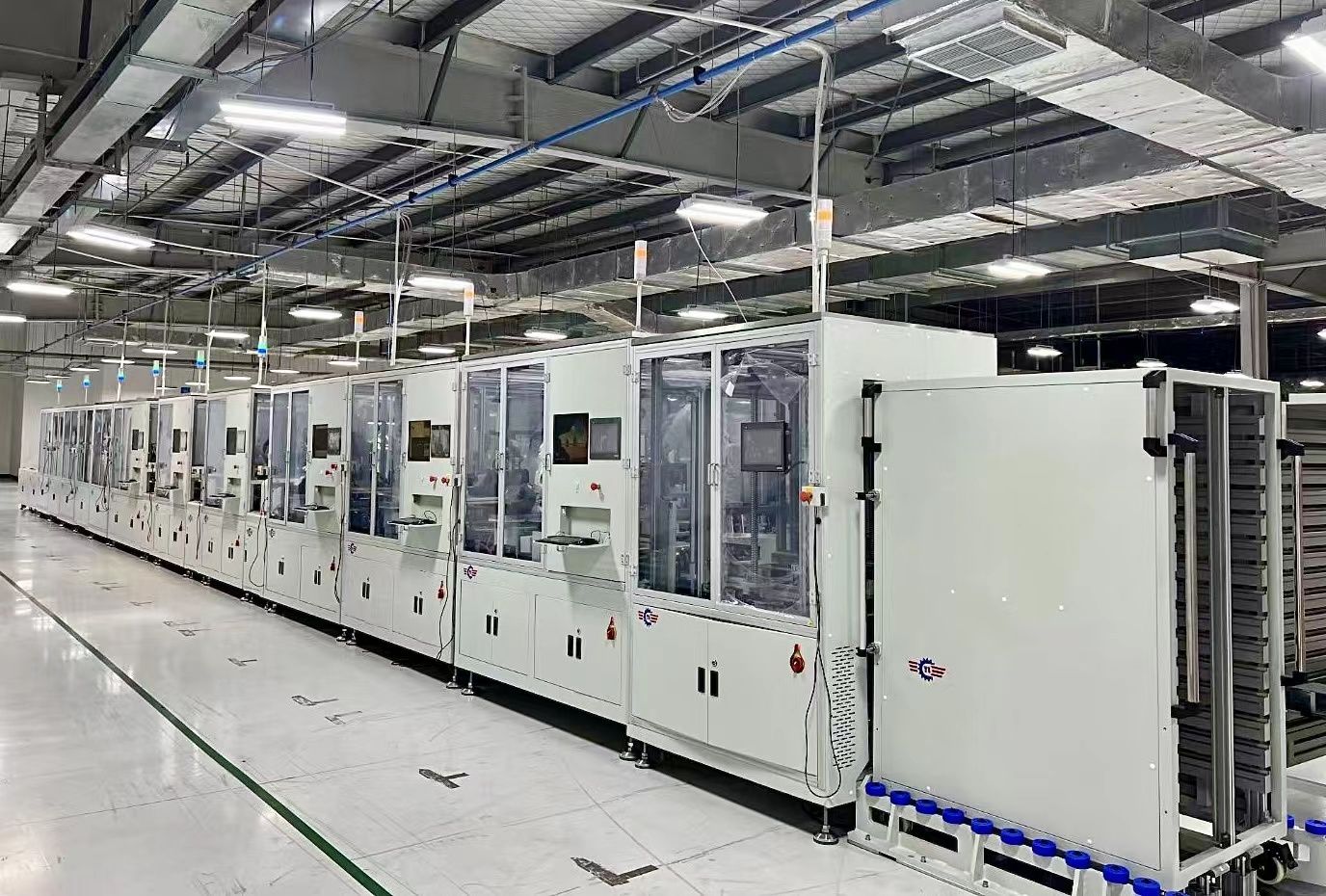
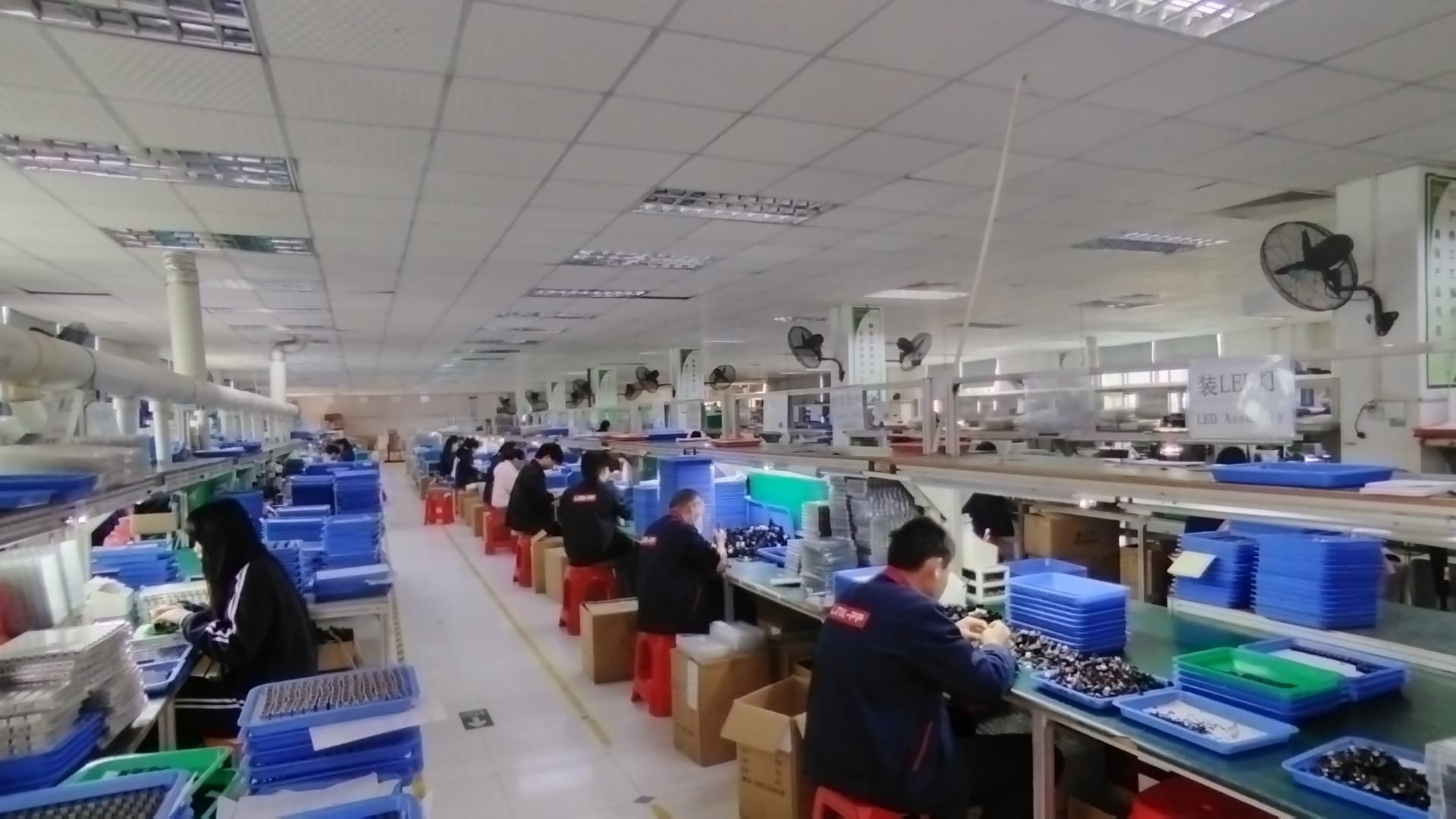
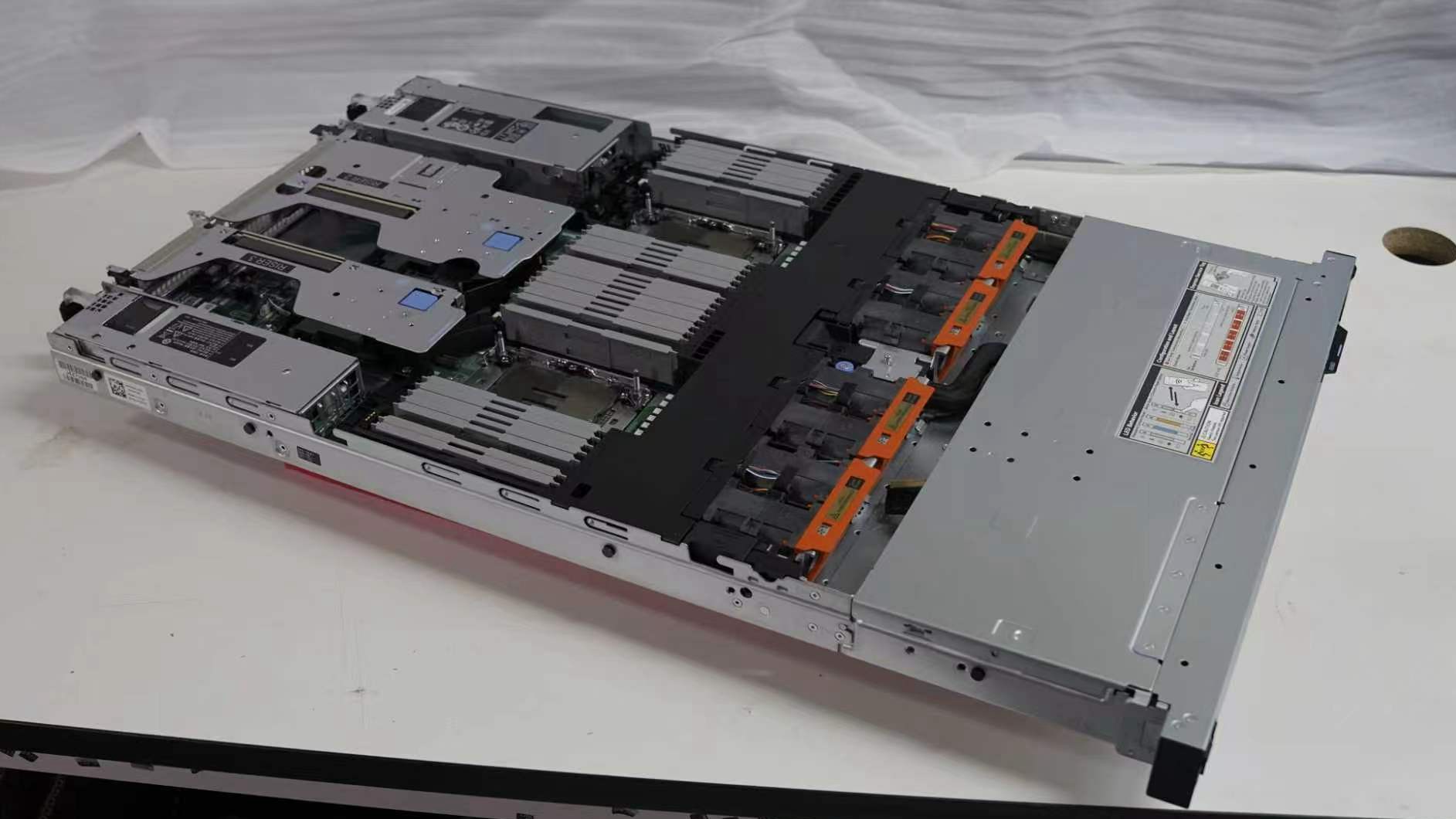
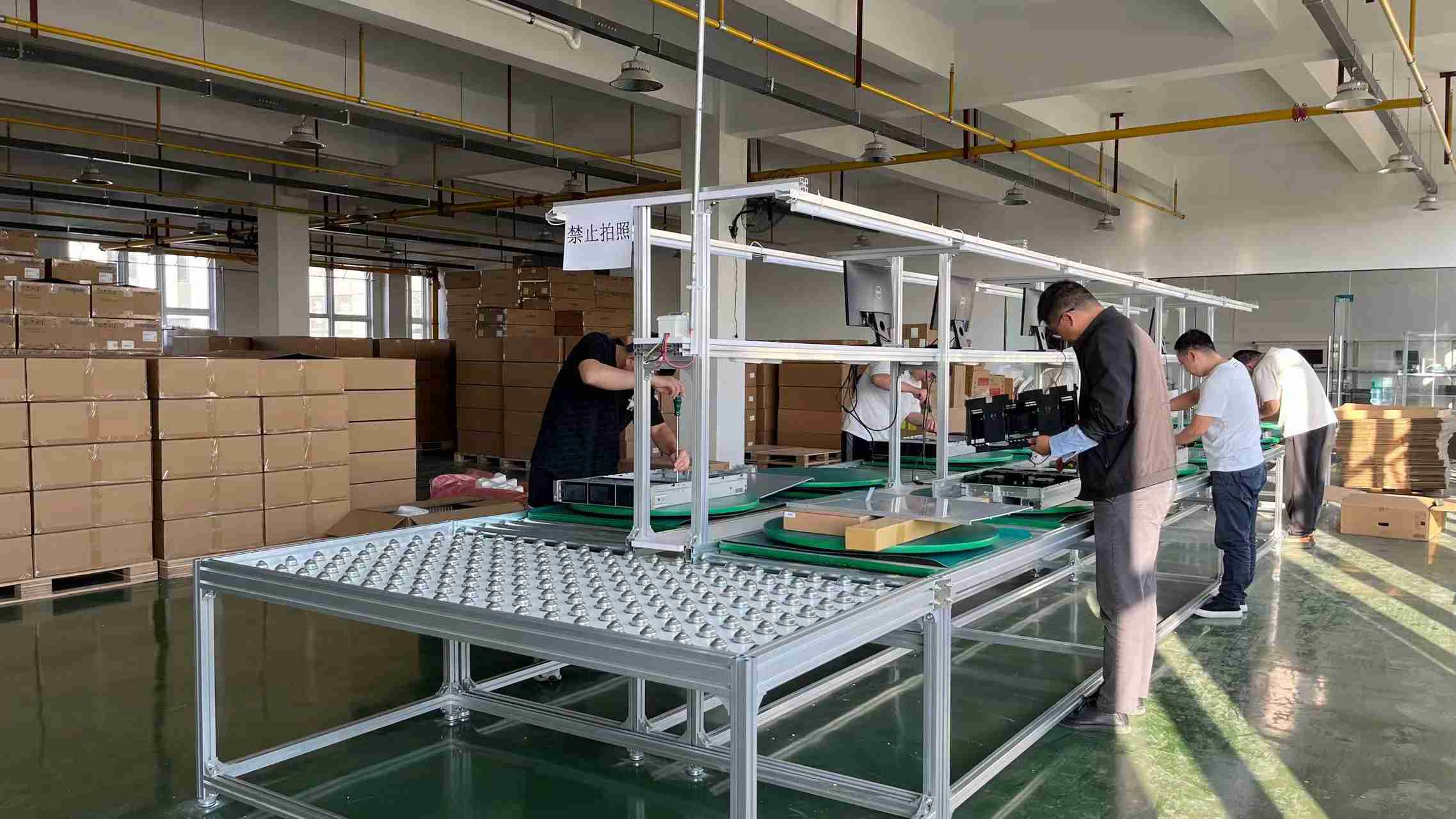
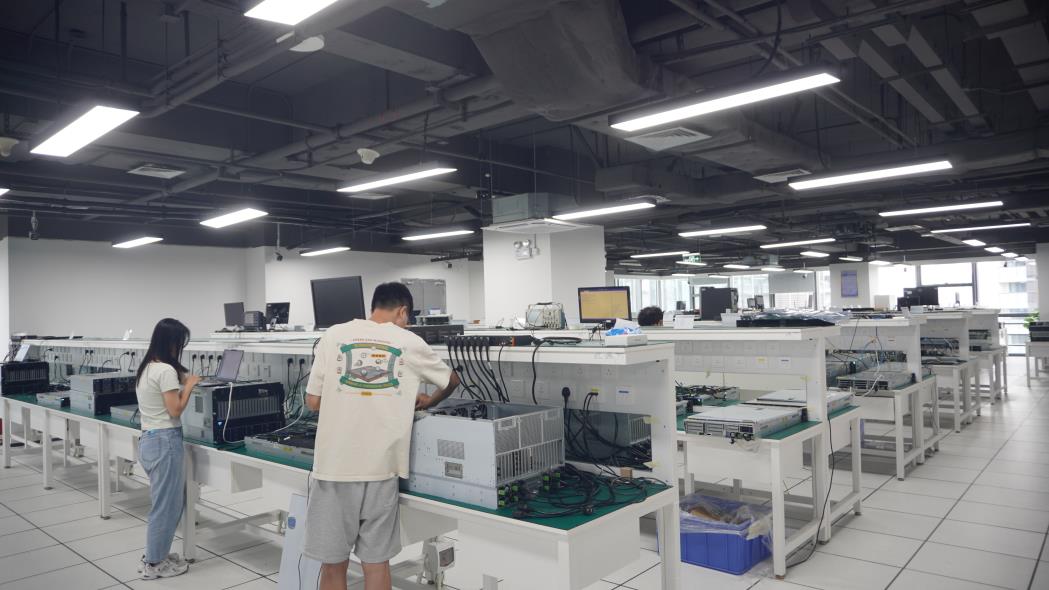
Equipped with advanced manufacturing technology and quality inspection systems, our cleanroom environment ensures high yields and reliable performance for memory modules and complex PCB assemblies.
 Kryntel